Vancouver with kids — what actually works for families
Vancouver works well as a family destination — mountains, beaches, and city sights all sit close together, and a lot of the city’s best features (parks, the seawall, market browsing) are free and naturally kid-friendly. But not every headline attraction suits every age, and an honest family guide should say so rather than recommending everything equally.
| Best all-ages win | Stanley Park (free, stroller-friendly) |
| Best rainy-day option | Science World or FlyOver Canada |
| Watch the age on | Capilano’s Cliffwalk, whale watching |
| Recommended trip length | 4 days (vs. 3 for adults-only) |
| Stroller-friendly | Seawall, Granville Island — not Capilano’s Treetops/Cliffwalk |
Stanley Park: the reliable all-ages win
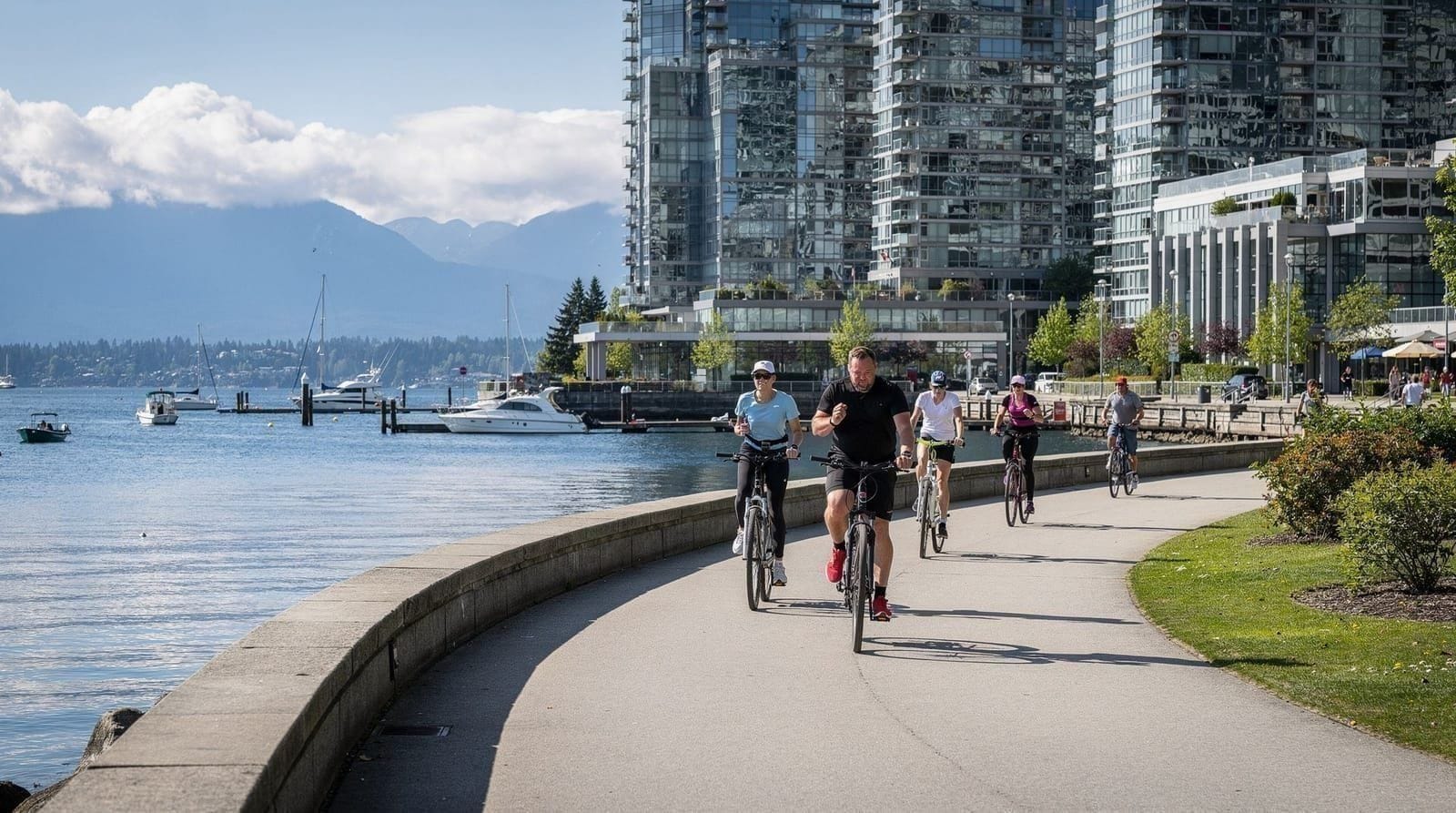
Stanley Park is close to a guaranteed success with kids of any age — the seawall accommodates strollers and bikes, the beaches offer easy, low-stakes play, and the park’s scale means a family can do as little or as much walking as energy allows without feeling like they’ve missed the point. A Stanley Park bike tour with an e-bike upgrade option works well for families with older kids who can handle a bike but where a full 9km seawall walk would be too much on foot.
FlyOver Canada: strong for most ages, with one caveat
FlyOver Canada, the flight-simulator attraction near Canada Place, is a genuine crowd-pleaser for most kids — a roughly 25-minute motion-simulator ride over Canadian landscapes that doesn’t require reading or complex instructions to enjoy. The caveat: the motion simulation can be intense for very young children or anyone prone to motion sickness, so it’s worth checking the attraction’s own age and height guidance before booking. A FlyOver Canada ticket is easy to combine with a Canada Place or downtown day since it’s fully indoor and weather-independent.
Capilano Suspension Bridge: works, with age-appropriate framing
Capilano Suspension Bridge is genuinely popular with families, but it’s worth being honest that the Cliffwalk section — a narrow, cantilevered walkway bolted to a cliff face — can be unsettling for younger children or anyone uneasy with heights, more so than the main suspension bridge itself. A Capilano Suspension Bridge ticket is worth pairing with a plan to skip the Cliffwalk if a child seems hesitant rather than pushing through it — the Treetops Adventure section, at a gentler height and pace, is usually the better fit for younger visitors.
Grouse Mountain: the grizzly bear draw
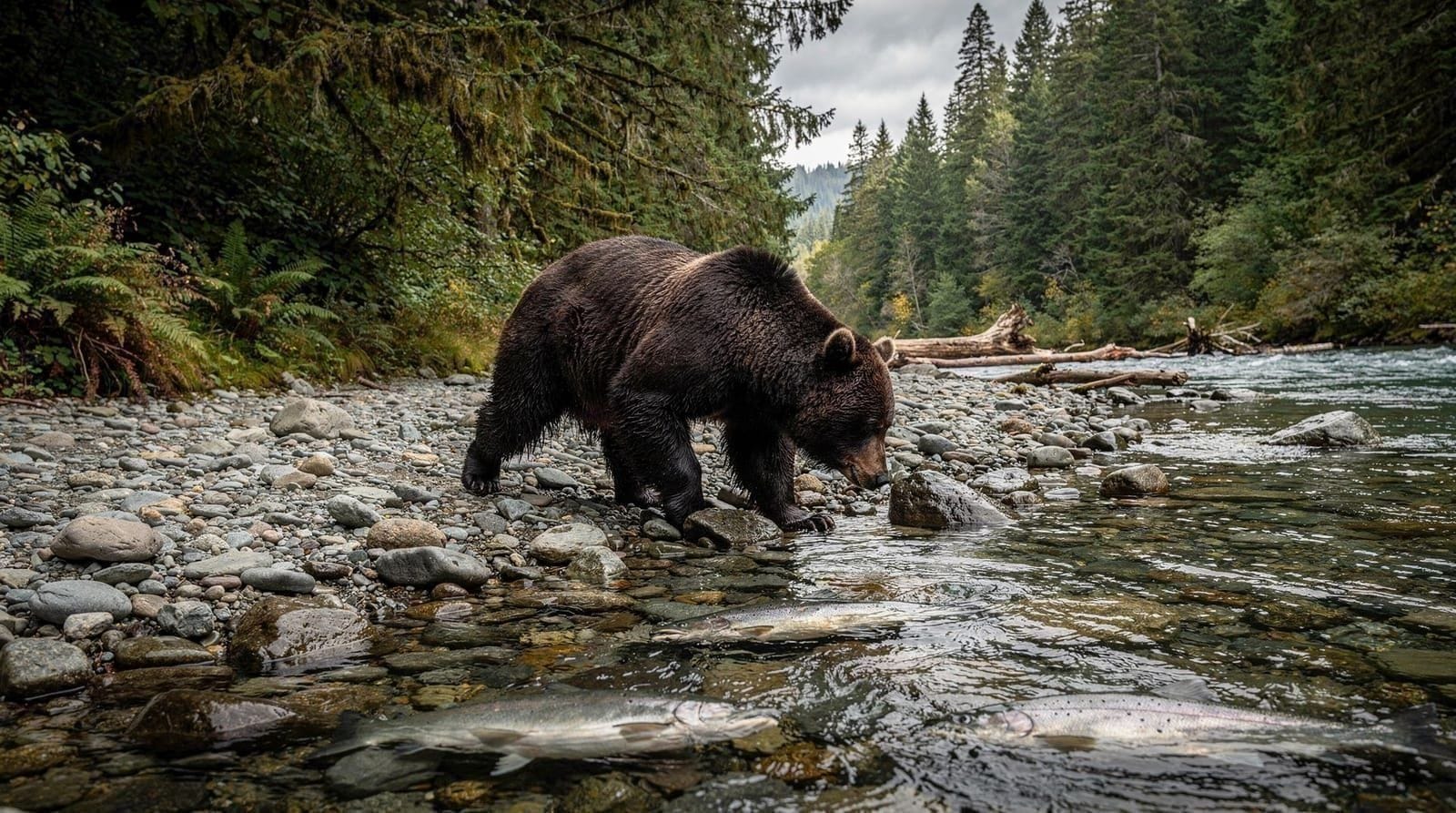
Grouse Mountain’s resident grizzly bears, Grinder and Coola, are one of the most reliably popular family stops in the city — a genuine wildlife encounter without the travel commitment of a wild bear-viewing tour (see where to see bears in BC for the fuller picture on wild versus captive viewing). The Skyride gondola ride up is an attraction in itself for most kids, and the mountain’s lumberjack shows add a bit of low-key entertainment beyond the wildlife habitat.
Science World: built specifically for this
Science World’s interactive exhibits and OMNIMAX theater are designed around exactly this audience, and it holds up as one of the most reliably kid-appropriate attractions in the city regardless of weather, making it a strong rainy-day anchor for a family itinerary.
What’s better saved for older kids
The full Stanley Park seawall loop at 9km is a lot for young children on foot — better tackled by bike, or shortened to a partial loop rather than attempted in full. Whale watching tours, typically 3-5 hours on open or semi-open water, suit older kids and teenagers better than toddlers or very young children, both for the duration and for the motion of the boat; a covered or catamaran-style tour handles this better than an open Zodiac for families with younger kids who do want to try it.
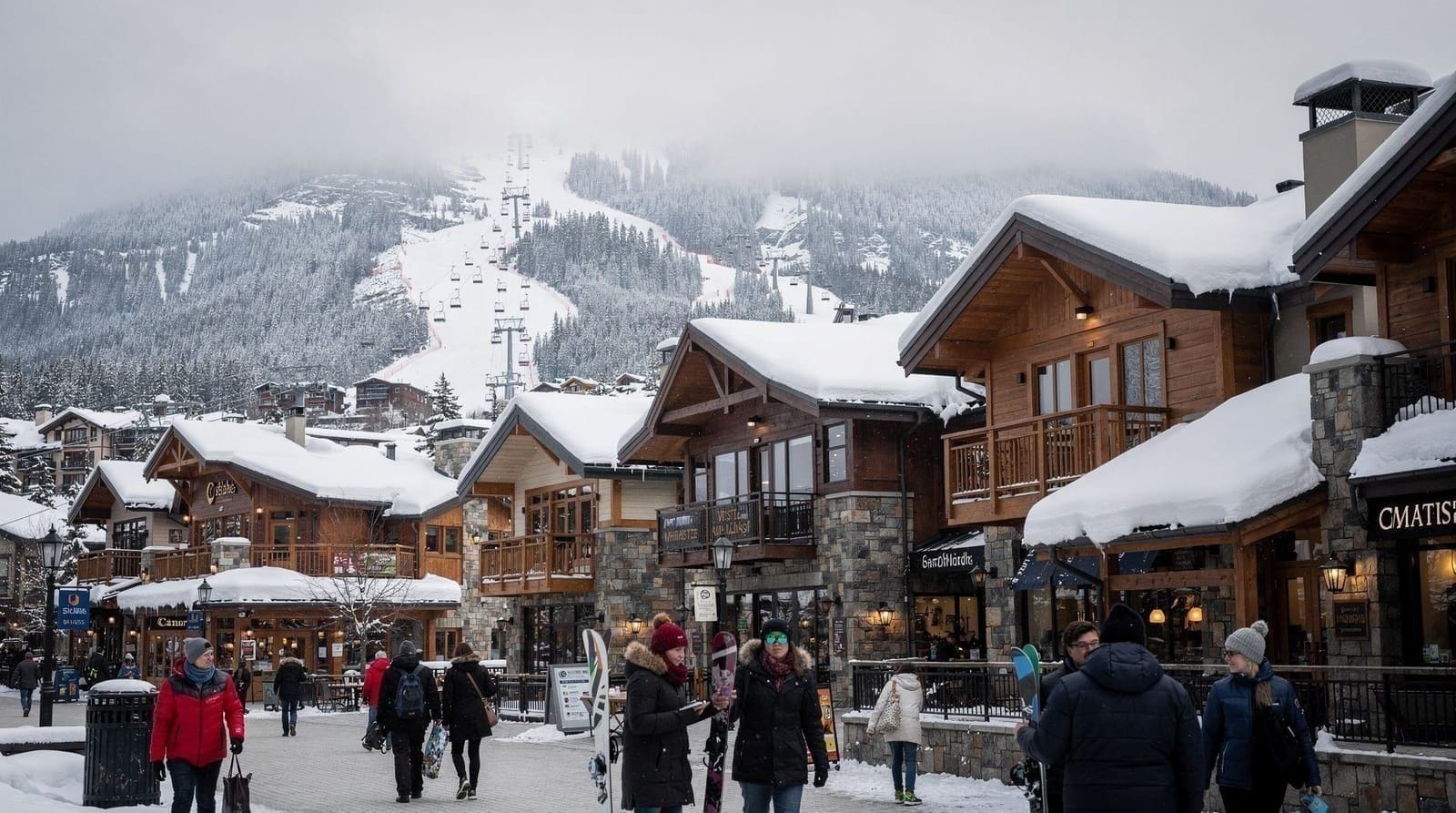
Whistler’s summer bike park and more advanced hiking trails skew toward older, more physically capable kids, though the Peak 2 Peak Gondola ride itself works for any age as a scenic, low-effort activity within a Whistler day.
Building a realistic family itinerary
Families should plan for a slower pace than a typical adult itinerary — the Vancouver family 4-day itinerary is built around exactly this, spacing out major attractions with lower-key park and beach time rather than back-to-back sightseeing. Kitsilano Beach and Granville Island’s market, with its accessible food stalls and open-air browsing, both work well as lower-intensity afternoon options between bigger attraction days.
Practical notes for traveling with kids
Rain gear matters even more with kids in the group, since a wet, cold child derails a day faster than a wet, cold adult — packing proper rain jackets and waterproof footwear is worth the suitcase space regardless of season. Transit-wise, TransLink’s SkyTrain and SeaBus are genuinely enjoyable for kids in their own right — the automated, driverless SkyTrain in particular tends to be a minor attraction on its own for younger children, and the SeaBus crossing to North Vancouver doubles as a scenic harbor ride.
The honest bottom line
Vancouver rewards families who lean into its free, low-structure attractions — Stanley Park, the beaches, Granville Island’s market — rather than trying to pack in every paid attraction on a checklist. The paid highlights (FlyOver Canada, Capilano, Grouse Mountain) are worth including, but selectively, with attention to which sections or activities actually suit the ages of the kids involved, rather than assuming every attraction works equally for a five-year-old and a fifteen-year-old on the same trip.
Pacing a family day differently from an adult itinerary
Adult travelers can often push through a long day of back-to-back sightseeing on the promise of dinner and a good night’s sleep; kids generally can’t, and a family itinerary that ignores this tends to produce a miserable afternoon regardless of how good the morning was. Building in a genuine midday break — lunch somewhere unhurried, a stretch of unstructured beach or park time — matters more for a family trip’s overall success than adding one more attraction to the day’s list. This is part of why Stanley Park and Granville Island’s market work so well for families: both allow this kind of natural pacing built into the location itself, rather than requiring a separate, scheduled break.
Stroller and mobility considerations
Stanley Park’s seawall and most of Granville Island are stroller-friendly, with paved, level paths throughout. Capilano’s Treetops Adventure and Cliffwalk involve stairs and narrower walkways that aren’t stroller-accessible, which is worth knowing before arriving with a stroller in tow — most families end up carrying young children through these sections or using a baby carrier instead. Grouse Mountain’s Skyride gondola itself is accessible, though trails at the summit vary in difficulty and aren’t uniformly stroller-friendly once off the main viewing areas.
Budgeting a family day realistically
Family days add up faster than a solo or couples trip, mostly through attraction admission multiplying by headcount rather than any single expensive item. Free days built around Stanley Park, Kitsilano Beach, and Granville Island’s market keep a family of four to a food budget only, which pairs naturally with the Vancouver on a budget strategies for stretching a paid day elsewhere in the trip. Picking one or two paid highlights per multi-day stay, rather than stacking FlyOver Canada, Capilano, and Grouse Mountain into the same few days, keeps both the budget and the kids’ energy levels more manageable.
Ages, matched to attractions honestly
Toddlers and preschoolers get the most out of Stanley Park’s beaches, Granville Island’s market, and the Skyride gondola at Grouse Mountain — all low-effort, low-risk, and forgiving of a short attention span. Elementary-age kids handle FlyOver Canada, Science World, and Capilano’s main bridge comfortably, though the Cliffwalk is worth previewing photos of first if a child is cautious about heights. Teenagers are genuinely better served by the activities covered in the section above on what’s better saved for older kids — whale watching, the full seawall by bike, Whistler’s bike park — since these need physical stamina and reward independence in a way toddler-friendly stops don’t.
Frequently asked questions about Vancouver with kids
What’s the best single attraction for a family with young children?
Stanley Park — it scales to any age and energy level, costs nothing to enter, and doesn’t carry the height or motion concerns that Capilano’s Cliffwalk or a whale watching boat trip can raise for younger kids.
Is Capilano Suspension Bridge safe for young children?
The main bridge and Treetops Adventure are generally fine for most kids, but the Cliffwalk’s height and narrow design can be unsettling for younger or height-sensitive children. It’s worth checking a child’s comfort level before committing to that section specifically.
Is whale watching a good activity for kids?
Better suited to older kids and teenagers than toddlers, given the multi-hour duration and boat motion. A covered or catamaran-style tour is the more comfortable choice for families with younger children attempting it.
Do kids ride transit free in Vancouver?
TransLink offers reduced or free fares for young children depending on age, though policies can change — it’s worth checking current TransLink fare rules directly before the trip rather than assuming a fixed policy.
What’s a good rainy-day plan for a family in Vancouver?
Science World and FlyOver Canada are both strong fully indoor options that don’t lose anything on a wet day, making them natural anchors for a rainy-day family itinerary alongside a Chinatown or Gastown walk under covered storefronts.
Are there good options for teenagers who find younger-kid attractions boring?
Yes — the Stanley Park seawall by bike, whale watching, and Whistler’s summer bike park or ziplining all suit teenagers better than younger children, offering more physical activity and less of the guided, narrated pacing that can feel slow to an older kid.
How many days should a family plan for a first Vancouver trip?
Four days is a more comfortable baseline than three for families, given the slower pace and built-in breaks that work best for kids. The family 4-day itinerary is built around this exact pacing.
Are there family-friendly options for a rainy Whistler day?
Whistler Village has covered shopping and dining that hold up in rain, though outdoor summer activities like the bike park lose most of their appeal. A rainy Whistler day works better paired with an indoor spa or dining focus than an outdoor activity for families, and it’s worth checking the forecast before committing a full Whistler day trip to a wet-weather stretch of the visit, since the drive itself is less enjoyable for kids in poor mountain-road conditions, and a shorter in-city rainy day alternative is usually the more comfortable call for younger travelers.