Squamish
Squamish sits midway up the Sea-to-Sky Highway, home to the Sea to Sky Gondola, Shannon Falls, and the Stawamus Chief, about 45 minutes north of Vancouver.
Squamish: Sea to Sky Gondola Admission Ticket
- Free cancellation
Quick facts
- Distance from downtown
- 45–60 min by car via Highway 99
- Getting there
- Car, or bus/shuttle services from downtown Vancouver
- Best time to visit
- May–October for hiking and climbing, year-round for the gondola
- Gondola ticket
- Around CAD 55–65 adult
- Time needed
- Half day to a full day
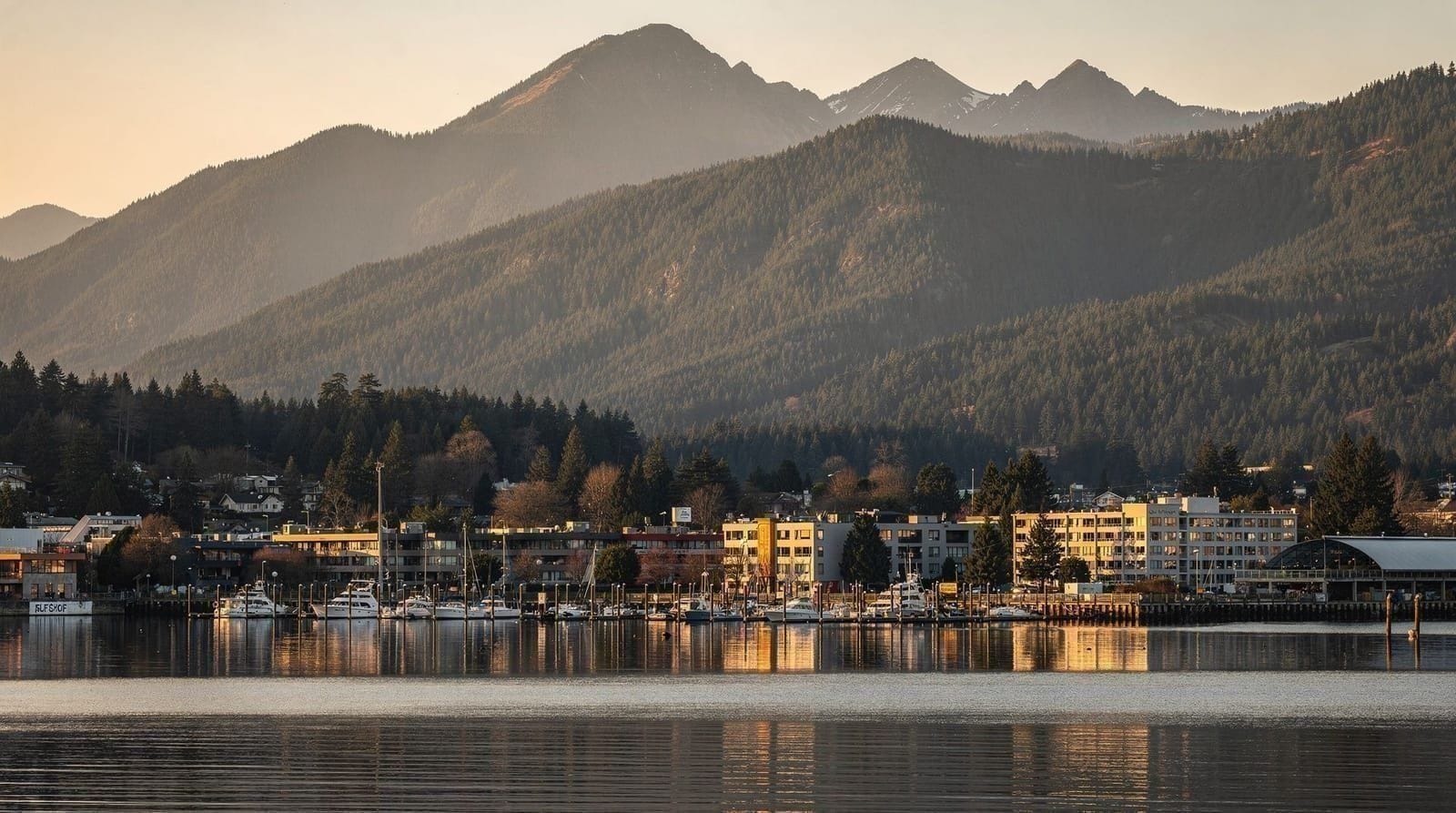
Squamish sits roughly halfway between Vancouver and Whistler on the Sea-to-Sky Highway, at the head of Howe Sound where the fjord meets the Squamish River valley. For decades it was mainly a logging and industrial town that outdoor enthusiasts passed through on their way to Whistler; over the last 15 years it’s become a genuine destination in its own right, built around world-class rock climbing, the Sea to Sky Gondola, and a setting dramatic enough that the drive alone justifies the trip.
| Where | Sea-to-Sky Highway, 45-60 min north of Vancouver |
| Cost | Gondola around CAD 55-65/adult; the Chief hike and Murrin Park are free |
| Time needed | Half day to a full day |
| Getting there | Car, or bus/shuttle from downtown Vancouver |
| Best time | May-October for hiking and climbing; year-round for the gondola |
The Sea to Sky Gondola
Opened in 2014 and rebuilt after a 2019 sabotage incident that temporarily shut it down, the Sea to Sky Gondola climbs 885 metres from a base station just off Highway 99 to an alpine viewpoint on Mount Habrich, with sweeping views back down Howe Sound toward Vancouver Island on a clear day. A Sea to Sky Gondola admission ticket covers the round-trip ride and access to the summit area, which includes a suspension bridge, viewing platforms, easy walking trails, and a restaurant.
It’s a considerably shorter, more accessible alternative to Whistler’s Peak 2 Peak experience, and it makes a strong case as a day-trip destination on its own rather than just a stop on the way north. For a longer visit that includes guided hiking beyond the summit platforms, a full-day private mountain tour covers more alpine trail than the standard admission alone.
Shannon Falls and the Stawamus Chief
Just south of the gondola base, Shannon Falls drops 335 metres down a granite face, the third-highest waterfall in British Columbia, visible from a short, flat, wheelchair-accessible trail a few minutes from the highway parking lot — one of the easiest high-impact viewpoints in the entire region. Directly across the road, the Stawamus Chief rises as a sheer granite monolith over 700 metres tall, one of the largest granite walls in North America and the reason Squamish has become a major international rock-climbing destination, with hundreds of established routes.
Non-climbers can still access the top via a genuinely strenuous hiking trail (the Chief has three peaks, with round-trip hikes ranging from about 2 to 4 hours depending on which summit you aim for), rewarded with views over Howe Sound that rival the gondola’s for a fraction of the cost — free, aside from parking.
Rafting and rougher water
For visitors wanting something more physical than a hike or gondola ride, the Elaho and Squamish rivers north of town offer whitewater rafting through the summer snowmelt season. An Elaho Exhilarator rafting trip covers a genuine whitewater run rather than a scenic float, best suited to visitors comfortable getting wet and following a guide’s instructions through rapids — not a relaxed sightseeing activity.
Murrin Provincial Park
A smaller, less-visited stop about 10 minutes south of downtown Squamish, Murrin Provincial Park has a small lake for swimming, more accessible rock-climbing routes than the Chief (over 250 shorter routes, popular with beginners and instructors), and easy trails — free to enter, with a modest parking lot that fills on summer weekends. It’s a good stop for anyone wanting a quieter alternative to Shannon Falls’ roadside crowds.
Squamish as a Whistler stopover
Given its location roughly midway along the Sea-to-Sky Highway, a large share of visitors experience Squamish as a stop on a longer trip north toward Whistler, rather than a standalone destination.
A private Whistler and Squamish day tour is built around exactly this combination, covering the gondola or Shannon Falls alongside Whistler Village in a single guided day — useful for visitors without a car who still want to see both without managing two separate transit bookings. See the Sea-to-Sky corridor page for the fuller highway route, including the Britannia Beach mining museum roughly 10 minutes south of town.
Squamish for climbers and hikers
Squamish’s reputation as a climbing destination isn’t a marketing angle — it’s genuinely one of the most significant granite climbing areas in North America, drawing dedicated climbers who base themselves here for days or weeks at a time rather than passing through on a day trip.
Non-climbers benefit indirectly: the town’s outdoor gear shops, guiding services, and climbing-focused cafes give Squamish a distinct, unpretentious outdoor-town character that’s grown alongside (not replaced) its logging-town roots. Hikers looking beyond the Chief and the gondola summit trails can find more route options in the best hikes in Vancouver guide, which covers several Sea-to-Sky trails alongside city and North Shore options.
Where to stay and eat
Downtown Squamish has grown a genuine restaurant and brewery scene over the past decade, enough to support a proper meal stop rather than just a gas-and-go break on the way to Whistler. Most visitors doing Squamish as a day trip don’t need overnight accommodation here, but climbers and hikers spending multiple days benefit from Squamish’s lower prices relative to Whistler’s resort rates. For trip-length planning across the whole corridor, see the Sea-to-Sky road trip itinerary, which allocates a full day and night to Squamish rather than treating it as a pass-through stop.
Getting there
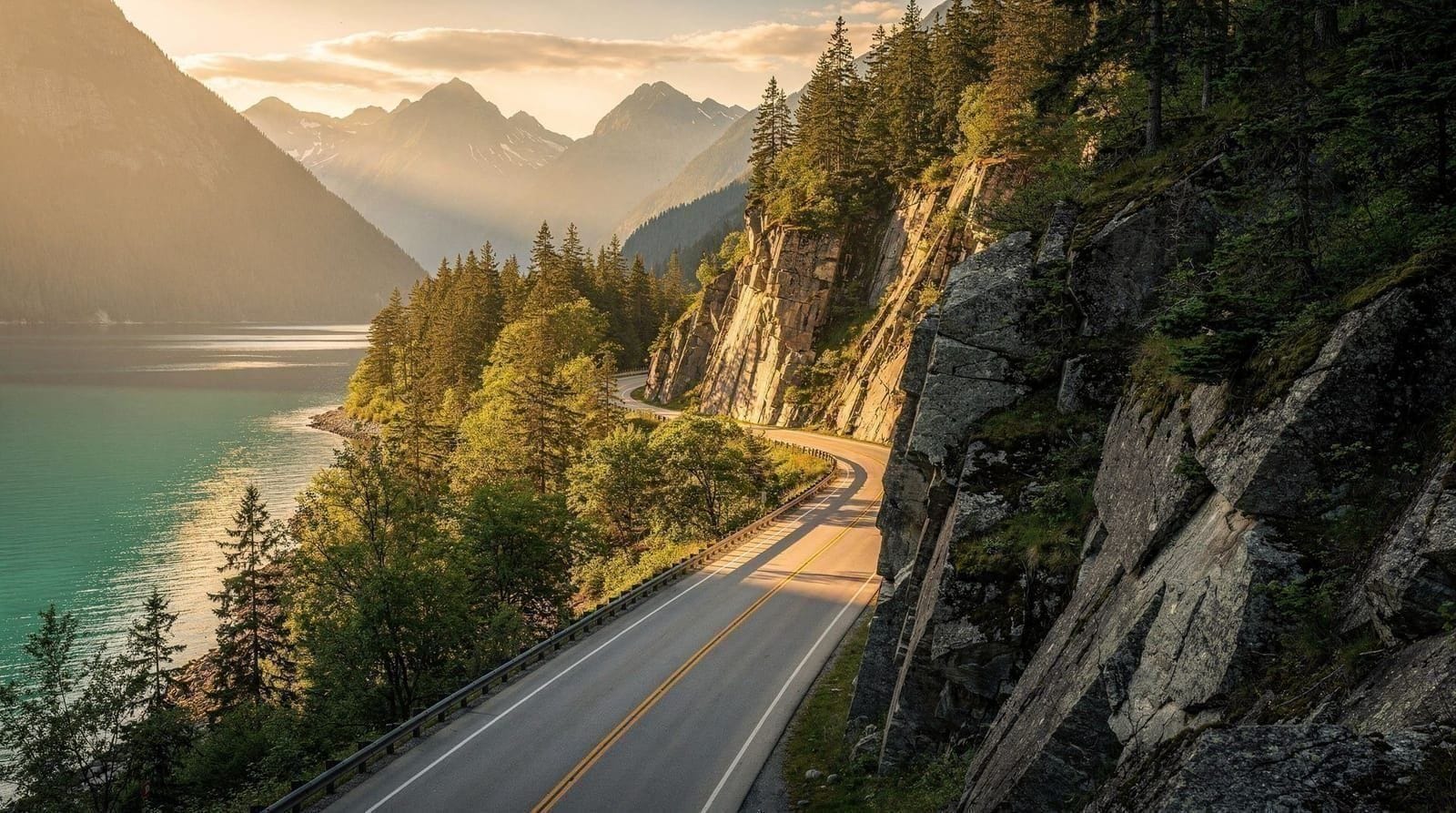
Squamish sits about 45–60 minutes from downtown Vancouver via Highway 99, a drive with genuinely spectacular Howe Sound views for the first half-hour, particularly past Porteau Cove and Britannia Beach. There’s no direct SkyTrain or SeaBus route; getting there without a car means either a guided tour, a shuttle service, or the regional bus that connects Vancouver to Squamish and Whistler on a scheduled timetable — worth booking ahead in summer, when seats fill on weekend departures.
When to visit
May through October covers the best hiking and climbing conditions, with July and August the warmest and busiest. The gondola operates year-round, including winter, when snowshoeing trails open at the summit and the alpine setting takes on a different character entirely — worth considering if you’ve already done a summer visit and want to see the same viewpoints under snow.
Shannon Falls flows most dramatically in late spring and early summer, fed by mountain snowmelt, and thins noticeably by late summer in dry years. Spring specifically also draws climbers to the Stawamus Chief in numbers, since the rock dries out earlier here than at higher-elevation crags further north, giving Squamish a genuine early-season advantage for the climbing community.
Practical tips
The gondola, Shannon Falls, and the Stawamus Chief trailhead all sit within a few minutes of each other just off Highway 99, making it realistic to combine two or three in a single visit if you’re driving. Downtown Squamish itself, a few minutes further along, has a growing food and brewery scene worth a stop for lunch.
If you’re continuing north afterward, budget roughly another 45 minutes to reach Whistler, or read the Sea-to-Sky corridor page for a fuller picture of the whole highway route and its stops. Check the best-time-to-visit tool before planning a hiking-heavy visit, since mountain weather here shifts faster than the Vancouver forecast suggests.
Frequently asked questions about Squamish
How long does it take to drive from Vancouver to Squamish?
Roughly 45 to 60 minutes via Highway 99 in normal traffic, longer on summer weekend afternoons when Sea-to-Sky traffic backs up heading toward Whistler. Leaving before mid-morning or after the evening rush generally avoids the worst of the delays.
Is the Sea to Sky Gondola worth it?
For most visitors, yes — it delivers alpine views with minimal hiking effort in under 15 minutes from the highway. Fit hikers on a budget can get a comparable (arguably better) view for free by climbing the Stawamus Chief instead, though that requires several hours of strenuous hiking rather than a gondola ride and isn’t a realistic substitute for anyone short on time or fitness. Families with young children or older travelers tend to get the most relative value from the gondola specifically.
Can you visit Squamish without a car?
It’s possible via scheduled shuttle or bus services connecting Vancouver, Squamish, and Whistler, or via a guided day tour, but it’s considerably more convenient with a rental car, since the main attractions are spread along several kilometres of highway.
Is Squamish good for a day trip from Vancouver?
Yes — most core attractions (gondola, Shannon Falls, the Chief trailhead) can be covered in a half to full day, and the drive itself is scenic enough to be part of the appeal rather than just transit time.
Should I do the gondola, the Chief hike, or both?
If you have a full day and reasonable fitness, doing both gives the fullest picture — the gondola for an easy, guaranteed alpine view and the Chief for a free, more strenuous alternative with arguably better views. On a half-day budget, choose the gondola for guaranteed views with minimal effort, or the Chief if you specifically want the hike and don’t mind the 2-4 hour round trip.
Is Squamish worth stopping at versus driving straight through to Whistler?
Yes, for almost every visitor. The gondola, Shannon Falls, and the Stawamus Chief trailhead sit within minutes of each other just off the highway, so even a short stop of an hour or two adds meaningfully to the drive without much detour, and skipping it entirely means missing some of the corridor’s most accessible scenery.
Squamish versus Whistler: which to prioritize on a tight schedule
| Squamish | Whistler | |
|---|---|---|
| Distance from Vancouver | 45-60 min | 90-120 min |
| Main draw | Gondola, Shannon Falls, the Chief, rock climbing | Ski resort, Village, Peak 2 Peak, mountain biking |
| Cost level | Generally lower | Resort pricing, higher overall |
| Best for | A half to full day, or a Whistler stopover | A dedicated day or overnight trip |
| Crowds | Noticeably lighter than Whistler Village | Busier, especially in peak ski and summer seasons |
Top experiences
Bookable activities with verified prices and instant confirmation on GetYourGuide.