Kitsilano
Kitsilano without a car: Kits Beach, the saltwater pool, 4th Avenue shops, and the honest bus and Seawall options for getting there from downtown.
Vancouver: Smooth Classic Kayak Tour
Duration: 2.5 hours
Quick facts
- Best for
- Beach time, a local neighborhood feel, 4th Avenue shops
- Time needed
- Half a day, longer if the weather is good
- Getting there
- Bus from downtown (20-25 min); no direct SkyTrain
- Good to know
- A scenic Seawall walk or cycle also connects it to downtown
The neighborhood that isn’t trying to sell you anything
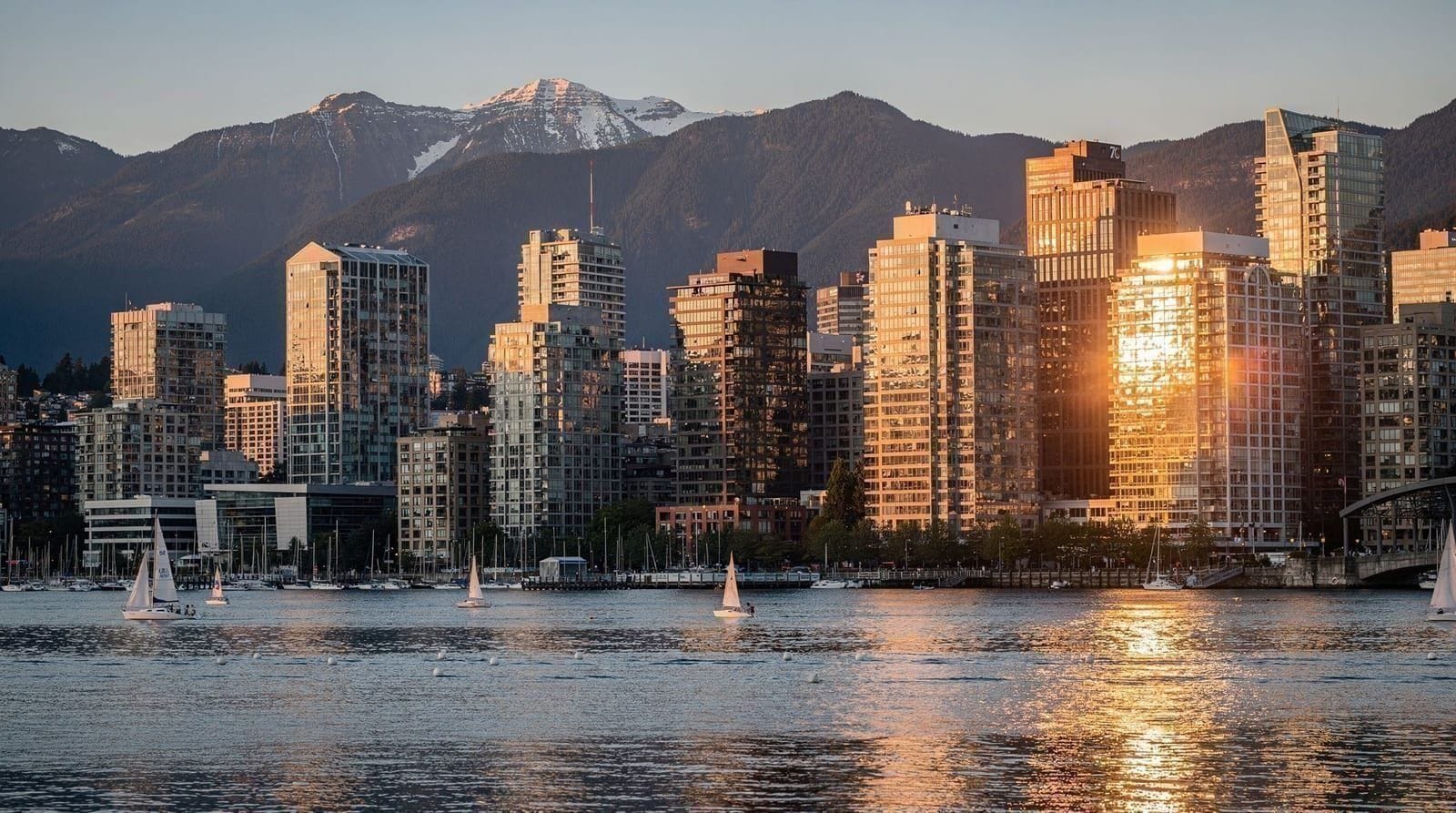
Kitsilano sits across English Bay from downtown, and it has a noticeably different feel from the tourist-facing core — more residential, more student- and young-family-adjacent, with a beach that’s used daily by people who live nearby rather than staged for visitors. That’s the honest appeal: if downtown starts to feel like it’s performing for tourists, Kitsilano is a reminder of how locals actually spend a Saturday.
| Getting there | Bus from downtown (20-25 min); no direct SkyTrain |
| Scenic alternative | Seawall walk/cycle via Vanier Park (30-40 min) |
| Best for swimming | Kitsilano Pool (saltwater), not the ocean itself |
| Time needed | Half a day, longer in good weather |
| Pairs well with | Granville Island |
Kits Beach and the saltwater pool
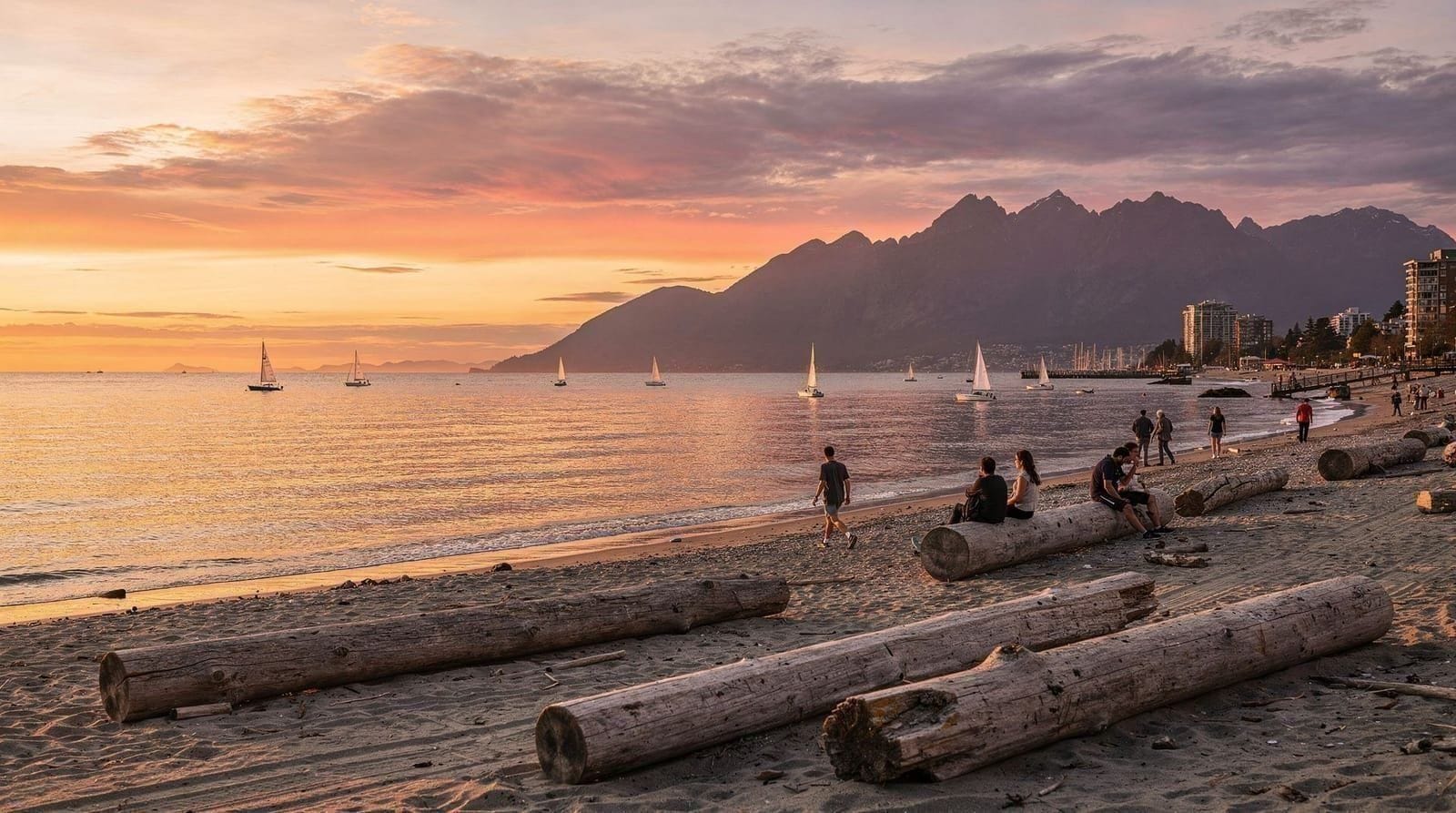
Kitsilano Beach, known locally as Kits Beach, is the neighborhood’s centerpiece, with a rare combination of mountain and ocean views in the same frame — the North Shore peaks rise directly across the water. Alongside the beach sits the Kitsilano Pool, an outdoor saltwater pool that’s genuinely one of the better warm-weather options in the city, since English Bay itself stays cold most of the year even in summer. Expect it to be busy on hot days; arrive early if you want space on the sand.
4th Avenue
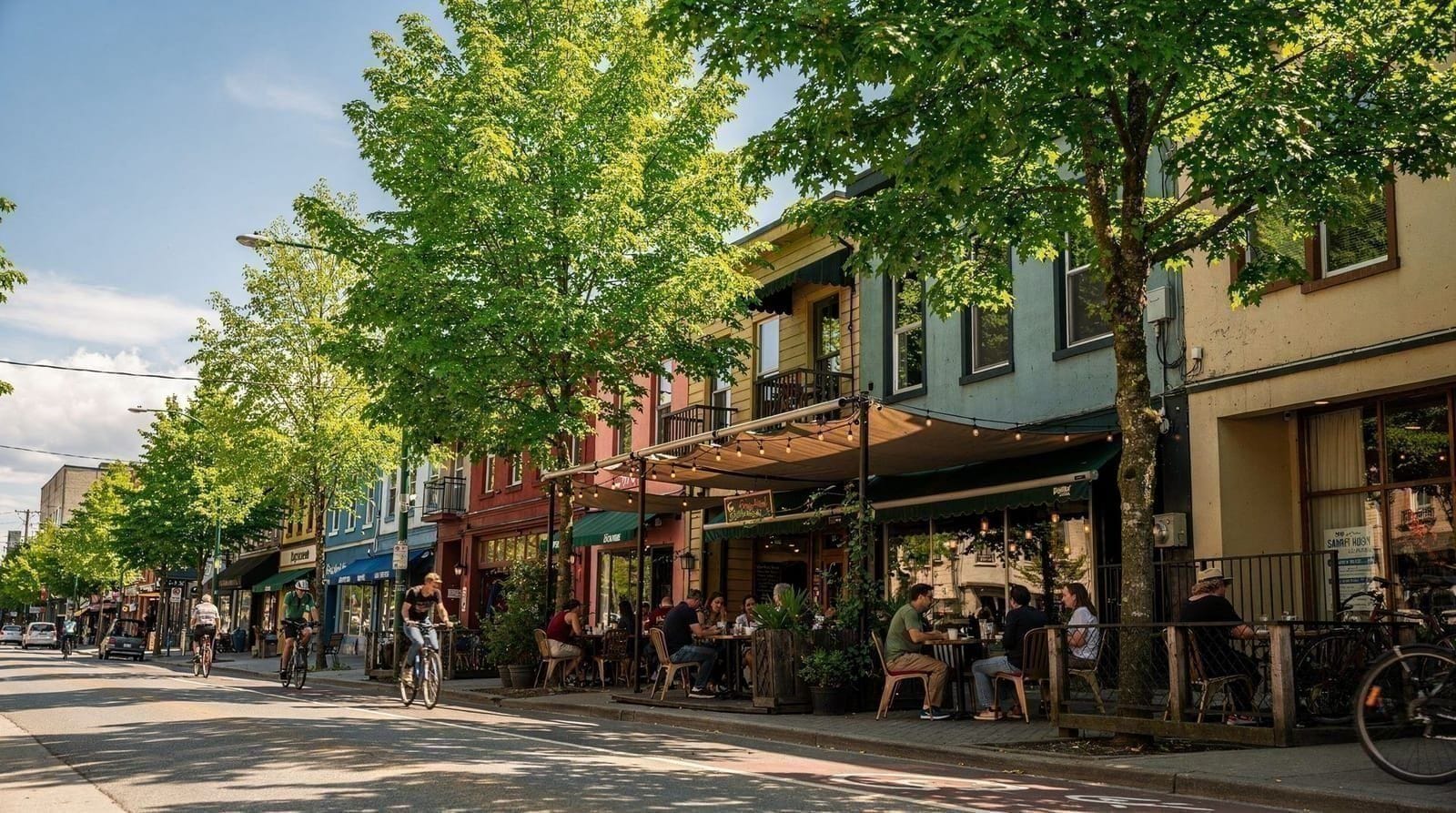
West 4th Avenue is Kitsilano’s commercial strip, a stretch of independent cafes, outdoor gear shops, and casual restaurants that leans more practical than polished. It’s a good stop for picking up something for a hike or grabbing a coffee before the beach, rather than a dedicated shopping destination the way Robson Street or Yaletown’s boutiques are.
Getting there without a car
This is the one honest catch with Kitsilano: there’s no direct SkyTrain connection, so you’re relying on buses from downtown, which take roughly 20-25 minutes depending on the route and traffic. The nicer alternative, weather permitting, is a scenic walk or cycle along the Seawall via Vanier Park, which takes 30-40 minutes but turns the trip itself into part of the day rather than just a commute. If you’d rather cover that route and more of the waterfront on two wheels with a guide, the Grand Bike Tour of Vancouver typically loops through this stretch of coastline as part of a longer city ride.
On the water
Kitsilano’s beachfront is also a reasonable launch point for paddling on English Bay, calmer than the open water further out and scenic enough to be worth the detour even for a first-timer. A smooth classic kayak tour is a low-intensity way to get out on the water without prior paddling experience. If you’d rather time your visit for golden hour, a private sunset bike or e-bike tour along the waterfront ends with the kind of light that makes this stretch of coast worth the trip out.
History and how the vibe formed
Kitsilano’s name comes from Chief Khahtsahlano of the Squamish Nation, and the beachfront land was historically part of a Squamish reserve before it was expropriated in the early 20th century — worth knowing as context for a neighborhood that now markets itself heavily on beach leisure.
Kitsilano became a countercultural hub in the 1960s and 70s, with a concentration of head shops, communes, and live-music venues along 4th Avenue that gave the area a reputation it’s only partly shed; today’s version is more upscale and family-oriented, but the laid-back, outdoorsy identity traces directly back to that era. A significant Greek immigrant community also settled around West Broadway in the same period, and a handful of Greek restaurants and delis from that wave are still operating today, a short walk south of the beach itself.
Packing for the beach and the weather
Because Kitsilano’s appeal is so weather-dependent, it’s worth planning around the season rather than assuming beach weather. Vancouver’s dry season runs roughly June through September, and that’s when Kits Beach and the pool are genuinely worth the trip out. Outside those months, the beach still makes for a scenic, blustery walk, but swimming is off the table and several of the more seasonal food stalls near the sand close down. Check our Vancouver in summer guide if you’re timing a trip specifically around beach weather.
What’s nearby
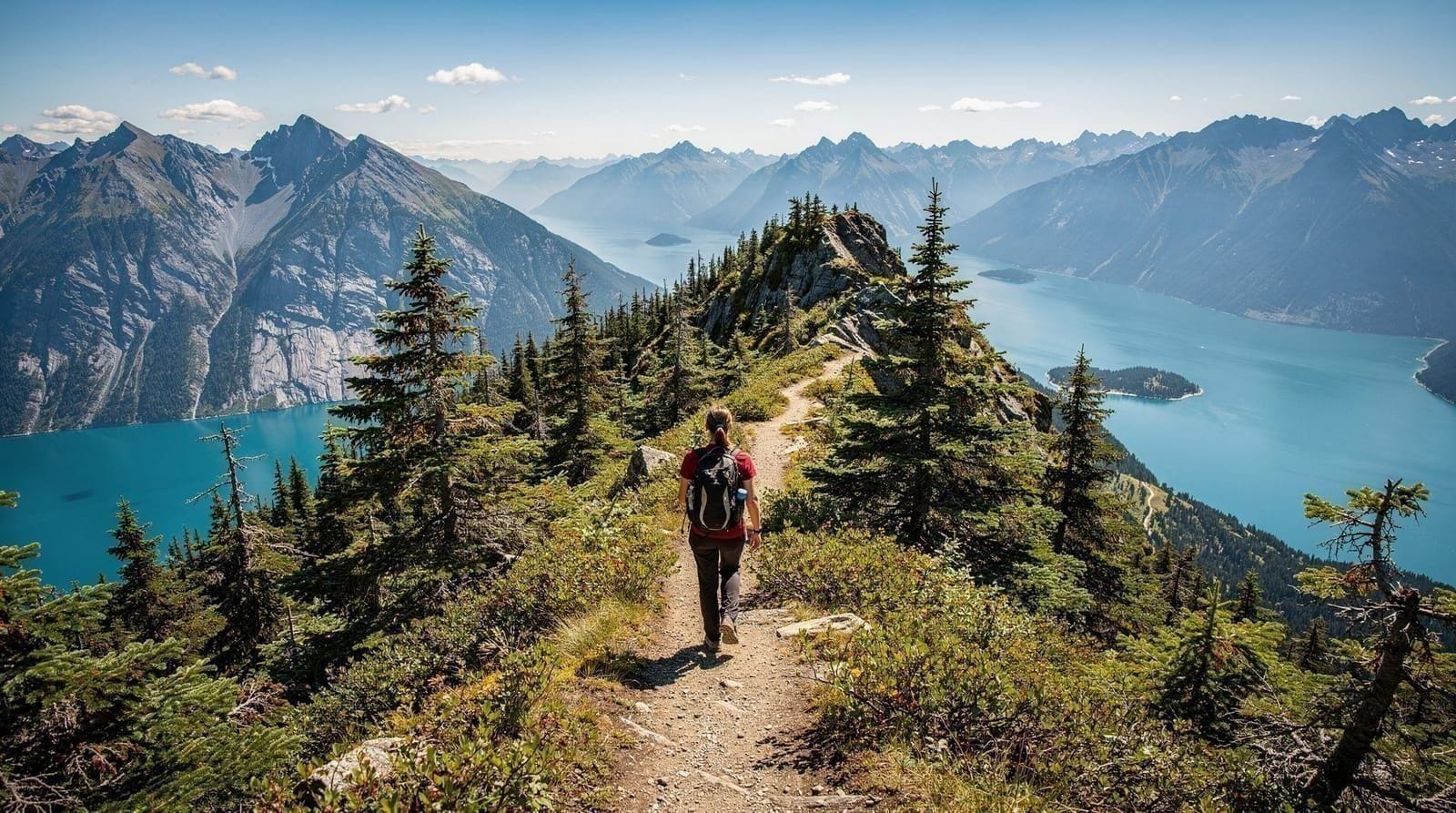
Kitsilano sits between Granville Island and the university endowment lands, making it a natural midpoint stop if you’re spending a day moving between the two. It’s also a reasonable comparison point against Commercial Drive if you’re trying to decide which “local, non-touristy” neighborhood to prioritize — Kitsilano leans beachy and outdoorsy, Commercial Drive leans cafe culture and Little Italy. For hiking options further out, see best hikes near Vancouver, and for how this fits a multi-day trip, our 3-day Vancouver itinerary includes a Kitsilano half-day as an alternative to a second downtown day.
A quieter alternative to the downtown beaches
English Bay Beach downtown gets more foot traffic and a livelier crowd, particularly around sunset; Kits Beach, across the water, draws a more local, less transient mix — families, regulars with the same beach spot every weekend, dog walkers along the western end where leashes aren’t required. If you’ve already done the downtown waterfront and want a second beach stop that doesn’t feel like a repeat, Kitsilano is the more distinct choice over, say, English Bay again, precisely because the crowd and pace differ so much despite being visually similar strips of sand across the same body of water.
Combining it with a longer coastal day
Because the Seawall route from downtown to Kitsilano passes directly by Vanier Park and the edge of False Creek, it’s a natural piece of a longer, active day rather than an isolated trip. A reasonable combination is a morning at Granville Island, a walk or cycle west along the water into Kitsilano for lunch and beach time, and a bus back downtown once you’re ready to head in for the evening — stitching together three distinct neighborhoods without much wasted transit time in between.
Vanier Park, on the way in
If you’re walking or cycling in along the Seawall, Vanier Park sits right at Kitsilano’s eastern edge and is worth a short stop in its own right — it holds the Museum of Vancouver, the H.R. MacMillan Space Centre, and open lawns with a clear view back across the water to downtown’s skyline. It’s an easy, low-effort add-on to a Kitsilano day rather than a separate trip, particularly if the museum’s exhibits on the city’s history interest you more than another hour on the sand.
Where to eat around 4th Avenue
Kitsilano’s food scene skews casual and health-conscious — juice bars, brunch spots, and a good concentration of independent coffee roasters rather than destination fine dining. It’s a good place for a pre- or post-beach meal rather than a planned-out dinner reservation; walk a couple of blocks off the main strip and the options thin out but the prices drop too. Weekend brunch lines at the more popular spots can run 20-30 minutes, so arriving before 10am on a Saturday avoids the worst of the wait.
How a Kitsilano day tends to unfold
The neighborhood rewards a slow start. Begin with coffee on 4th Avenue, walk toward the water, and let the weather decide the rest: sand and the saltwater pool if it’s warm, a long beachfront stroll if it isn’t. Because nothing here runs on a timetable, you can stay as long as you’re enjoying it, which is a welcome change after a few days of booked slots and queues. If you’re still deciding how to structure your wider stay, our first-time Vancouver guide and the Vancouver neighborhoods guide show where Kitsilano fits alongside the busier districts.
Visitors who like to anchor a day around one main activity can treat the beach as the centerpiece and build the rest loosely around it. A late-morning arrival, lunch near 4th Avenue, an afternoon on the sand, and an early evening walk back along the water make a complete, unhurried day without any need to rush between stops.
Pairing Kitsilano with other neighborhoods
Kitsilano works best as one part of a wider loop rather than a stand-alone trip. Granville Island is the obvious partner, and if the market is what draws you there, the Granville Island market guide covers what to do before you head west. Travelers who want a more central base can look at the West End, which sits on the downtown side of English Bay and makes the beach-to-beach comparison easy to do on foot.
If your plans center on the waterfront more broadly, the English Bay guide and the Stanley Park Seawall guide describe the sections of shoreline that connect up with this route. Those who prefer to see the whole coastline in a single go can fold Kitsilano into a longer ride, and the Stanley Park guide is a good starting point for the park end of that route.
Getting around once you arrive
Once you’re in Kitsilano, almost everything is walkable. The beach, the pool, and the start of 4th Avenue sit within an easy stroll of one another, so there’s little reason to keep hopping on and off buses. For the wider city, the getting around Vancouver guide explains how buses, SkyTrain, and the SeaBus fit together, which is helpful given that Kitsilano has no SkyTrain station of its own. The TransLink and SkyTrain guide is the better read if you’re planning several neighborhood days back to back.
Rainy days and shoulder seasons
Not every visit lines up with beach weather, and Kitsilano is still pleasant when the sky turns grey. The cafes along 4th Avenue become the main draw, and a walk along the shoreline in a rain jacket has its own appeal, with fewer people and a moodier view of the mountains. Our Vancouver rain guide has ideas for filling a wet day, and the Vancouver in spring and Vancouver in fall pages help you judge what to expect outside the summer window. Treat the pool and sand as a bonus of the warm months rather than the reason for the whole trip, and the neighborhood rarely disappoints.
Who Kitsilano suits best
Kitsilano suits travelers who have already covered the headline sights and want a gentler pace. It also works well for anyone traveling with children who simply want sand and space to move around, and the Vancouver with kids guide can help you build a family day around it. Visitors who want ticketed attractions, nightlife, or a dense cluster of landmarks will probably be happier staying closer to downtown Vancouver. Being honest about that trade-off up front is the best way to enjoy the neighborhood for what it is: an easygoing stretch of coast with a strong local character.
Kits Beach vs. English Bay Beach at a glance
| Kits Beach (Kitsilano) | English Bay Beach (downtown) | |
|---|---|---|
| Crowd | Local, families, regulars | Tourists, downtown workers, livelier |
| Access | Bus or Seawall, 20-40 min | Walkable from most downtown hotels |
| Best for | A quieter, local beach day | Sunset and easy downtown access |
| Swimming | Kitsilano Pool (saltwater) | Ocean only, cold year-round |
Frequently asked questions about Kitsilano
How do I get to Kitsilano from downtown without a car?
Buses from downtown take about 20-25 minutes. A more scenic option, if the weather cooperates, is walking or cycling the Seawall via Vanier Park, which takes 30-40 minutes but is a pleasant route in its own right.
Is Kitsilano Beach good for swimming?
The ocean water at Kits Beach stays cold most of the year, even in summer. The adjacent outdoor saltwater Kitsilano Pool is the more comfortable swimming option on a hot day.
Is Kitsilano touristy?
Less than downtown or Gastown. It’s a genuinely residential neighborhood with a beach and shopping strip used mainly by locals, which is part of its appeal for visitors wanting a break from more tourist-facing districts.
What’s the best time to visit Kitsilano?
Summer afternoons for the beach and pool; the 4th Avenue shops and cafes work year-round, though the neighborhood is noticeably quieter outside the warmer months.
Is Kits Beach or English Bay Beach better?
They serve different moods — Kits Beach is quieter and more local, English Bay is livelier and easier to reach on foot from downtown. Doing both on separate days gives a genuine contrast rather than a repeat.
Is there good food near Kits Beach?
Yes, though it leans casual — juice bars, brunch spots, and coffee roasters along 4th Avenue rather than destination dining. Arrive before 10am on weekends to skip the worst of the brunch lines.
Top experiences
Bookable activities with verified prices and instant confirmation on GetYourGuide.