Best restaurants in Vancouver
Vancouver: Gastown Historical Walking Food Tour
Duration: 3 hours
What's the best way to choose a restaurant in Vancouver?
Rather than chasing a single "best" list, match the restaurant to the occasion — a splurge dinner downtown or in Yaletown, a casual Asian food court for budget eats, a seafood-focused spot near the waterfront for BC's coastal specialties, or a Granville Island or English Bay patio for view dining. Vancouver's strength is breadth across these categories rather than one dominant style.
Vancouver’s restaurant scene doesn’t organize neatly around one signature cuisine or a single standout neighborhood the way some cities do — its strength is breadth, shaped by BC’s coastal seafood, a large and long-established Asian population spanning Cantonese to Sichuan to Japanese to Korean to Vietnamese cooking, and a fine-dining scene that draws on that same diversity rather than defaulting to a generic “West Coast” template. Rather than ranking restaurants into a flat top-10, the more useful approach is matching a restaurant type to what you’re actually looking for on a given night — which is how this guide is organized.
| Budget | CAD 15-25/person (food courts, casual counters) |
| Mid-range | CAD 30-50/person (sit-down dinners) |
| Splurge | CAD 80+/person (tasting menus, fine dining) |
| Reservations | OpenTable widely used; book ahead for weekend dinners |
| Tipping | 15-20% pre-tax standard |
Best for a splurge dinner
Vancouver’s higher-end dining rooms cluster mainly downtown and in Yaletown, where a wave of chef-driven restaurants over the past decade or two has built out a genuine fine-dining scene — tasting menus, wine pairings, and the kind of considered plating and service that justifies a CAD 80-plus per person price tag before wine. Yaletown in particular has leaned into this positioning, its converted warehouse spaces and patio-heavy streets suiting a dressier night out well.
Reservations matter significantly more here than elsewhere in the city — OpenTable is the dominant booking platform, and a Friday or Saturday table at a well-reviewed splurge restaurant is worth booking several days to a week ahead, longer around holidays. If a splurge dinner is the centerpiece of a Vancouver trip, treat the reservation as a planning priority alongside flights and hotel, not an afterthought to sort out once you’ve landed.
Best casual and budget dining
Vancouver’s food courts, particularly those attached to Asian shopping centers in Richmond and parts of the west side, offer some of the best value-for-quality eating in the region — a full, satisfying meal for CAD 10-15 is realistic at a good Asian food court, well below what a sit-down restaurant charges for comparable food.
Downtown, casual counters and quick-service spots (noodle shops, bakery-cafes, poke and rice-bowl counters) fill the CAD 12-20 range and are the practical choice for lunch between sightseeing stops rather than sitting down for a full meal. Budget dining in Vancouver isn’t a compromise the way it can be in some cities — the same immigrant communities driving the city’s higher-end Asian dining also support excellent casual, inexpensive versions of the same cuisines, often in the same neighborhoods.
Best seafood
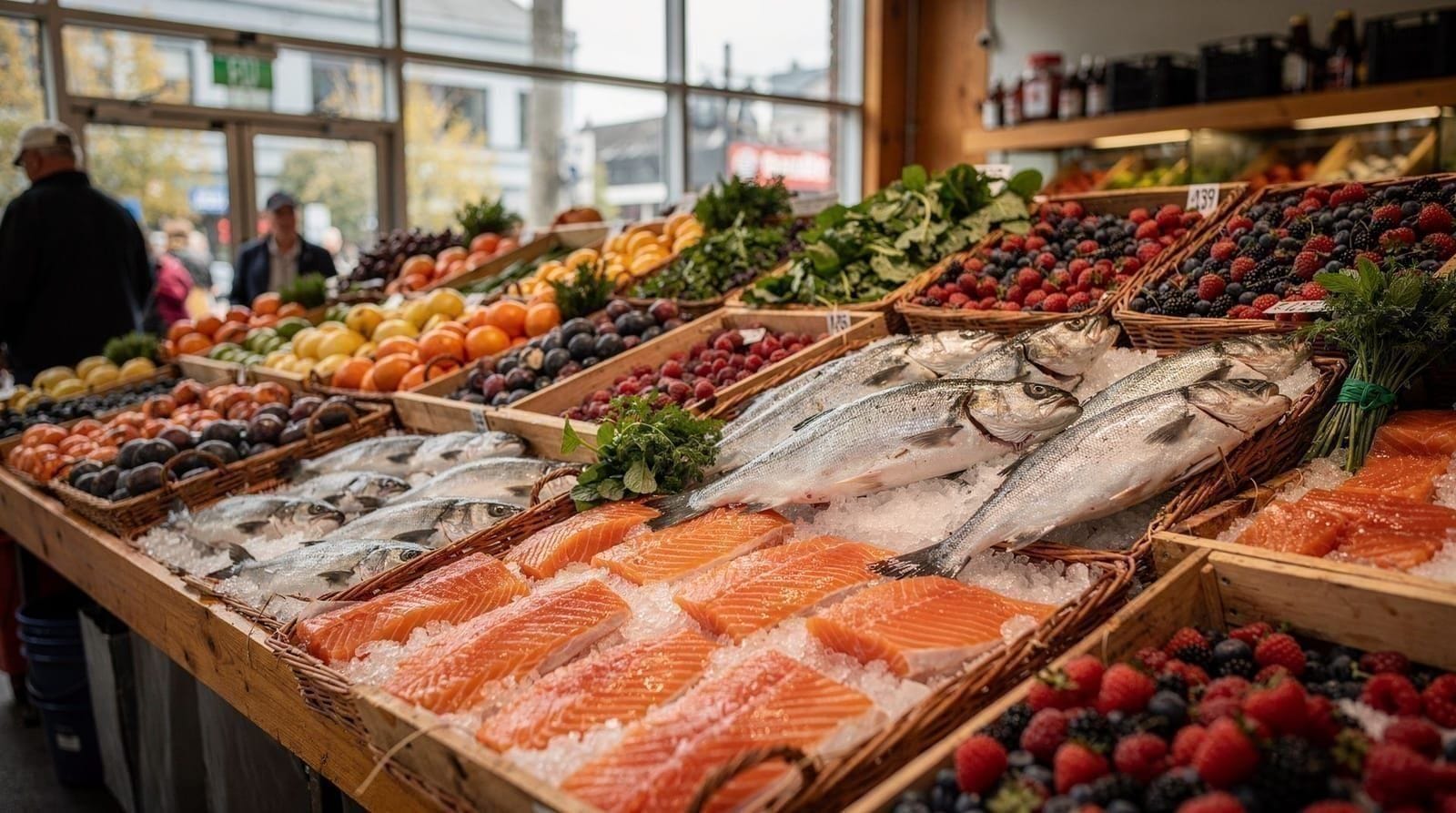
British Columbia’s coastal waters support a genuinely strong seafood culture, and it’s one of the more distinctive reasons to eat out specifically in Vancouver rather than treating restaurants as interchangeable with any other city. Spot prawns, a BC specialty with a short spring season (roughly May), draw real local excitement and appear on seasonal menus across the city during their brief window — sweet, delicate, and considered one of the better prawn varieties globally by chefs who work with them. Wild salmon, though under increasing sustainability pressure and now often farmed or sourced carefully by conscientious kitchens, remains a signature BC ingredient, appearing smoked, grilled, cured and raw across menus citywide.
Dungeness crab, sourced from BC and Washington waters, is another regular menu fixture, served whole, in rolls, or worked into pasta and rice dishes. Seafood-focused restaurants cluster particularly around the waterfront — the Coal Harbour area downtown and the Granville Island waterfront both support restaurants leaning into ocean views alongside their seafood menus, worth prioritizing if a coastal, seafood-forward meal is a trip priority.
Best Asian food, reflecting the city’s demographics
Vancouver’s Asian food scene is arguably the single strongest reason to prioritize dining out here over sightseeing-driven meals, a reflection of decades of immigration from Hong Kong, mainland China, Taiwan, Japan, Korea and Vietnam that has built out genuinely deep, competitive versions of each cuisine rather than a thin, generic “Asian fusion” gloss. Cantonese and Hong Kong-style food anchors historic Chinatown, while Richmond’s suburban strip-mall scene covers a far broader range — Sichuan, Taiwanese, Northern Chinese hand-pulled noodles, and more — at a scale that’s drawn national food-media attention; see the Richmond dumpling trail guide for that deeper dive.
Japanese food, sushi in particular, is widely available at a quality level well above what “sushi in a non-coastal city” implies, a byproduct of both a significant Japanese-Canadian community and proximity to Pacific seafood. Korean food clusters partly around Robson Street downtown and in parts of Coquitlam further out, while Vietnamese restaurants, known locally for pho and banh mi, are scattered widely across the city at accessible price points. This range is the core argument for treating Vancouver’s Asian food scene as a primary trip activity rather than a side note to Western-style sightseeing dining.
Best view and patio dining
Granville Island’s waterfront restaurants, several with direct views over False Creek toward downtown’s skyline, pair reliably good food with some of the city’s most photographed dining views, particularly appealing for a relaxed lunch after browsing the public market. English Bay-facing restaurants along Denman Street and the West End’s waterfront strip offer sunset views over the water toward Vancouver Island, especially worthwhile in summer when sunset stretches past 9pm and patio season is in full swing.
Yaletown’s converted-warehouse patios, while less about water views, offer a lively, see-and-be-seen streetside dining experience that’s its own kind of Vancouver view. Patio season generally runs May through September in line with the city’s driest, warmest stretch; outside that window, patios still operate at many restaurants with heat lamps and blankets, but the experience is meaningfully different from a warm summer evening.
How to make a reservation
OpenTable is the dominant reservation platform used across Vancouver’s restaurant scene, and most restaurants above the casual-counter tier maintain a bookable online listing rather than requiring a phone call. For weekend dinners at anywhere with a strong reputation, booking three days to a week ahead is a reasonable rule of thumb, longer for the city’s most in-demand tasting-menu restaurants, which can book out weeks ahead during peak summer travel season. Walk-ins are still viable at many restaurants for weekday dinners or off-peak hours, and bar seating, where available, often doesn’t require a reservation even at restaurants with a fully booked dining room — a useful workaround for solo diners or couples willing to eat at the bar.
Tipping norms
Standard tipping in Vancouver restaurants runs 15-20% of the pre-tax bill for table service, consistent with tipping norms across Canada generally. Many restaurants automatically add gratuity for larger parties, typically groups of six or more, so it’s worth checking the bill for an already-included service charge before adding a tip on top of it — double-tipping is a genuinely common visitor mistake. Counter-service and food-court dining generally doesn’t carry the same tipping expectation, though a tip jar at the counter is common and a small tip is appreciated but not obligatory the way it is at a sit-down restaurant with table service.
Price tiers, realistically
Budget dining — food courts, casual noodle or rice-bowl counters, bakery-cafes — runs roughly CAD 15-25 per person (about USD 10-18), covering a full meal without needing to economize on quantity. Mid-range sit-down restaurants, the bulk of Vancouver’s everyday dining scene, land around CAD 30-50 per person for a starter-and-main meal without excessive wine spending.
Splurge dining — tasting menus, higher-end steakhouses, destination seafood restaurants — starts around CAD 80 per person and climbs well beyond that once wine pairings and multiple courses are factored in, sometimes reaching CAD 150-200-plus per person at the city’s most ambitious tasting-menu restaurants. Knowing which tier you’re aiming for before choosing a restaurant avoids the common mismatch of expecting mid-range prices from a menu that’s clearly positioned as a splurge experience.
Dietary-friendly dining across the city
Vancouver performs well by North American standards for vegetarian and vegan dining, with a meaningful number of dedicated plant-based restaurants plus broad awareness of plant-based needs across mainstream menus — most restaurants above the most basic level carry at least a couple of vegetarian mains, and a growing share carry genuinely thoughtful vegan options rather than an afterthought salad. Gluten-free travelers also tend to find Vancouver more accommodating than many comparable cities, helped by a handful of dedicated gluten-free bakeries and cafes and generally strong staff awareness of cross-contamination concerns at restaurants that advertise gluten-free options.
That said, dietary needs still require the same due diligence anywhere — calling ahead or checking a menu online before committing to a restaurant with a specific dietary requirement remains the safer approach than assuming accommodation on arrival, particularly for anything beyond vegetarian (severe allergies, strict gluten intolerance) where a kitchen’s actual practices matter more than a menu’s stated flexibility.
Alcohol, wine lists and BC’s own wine country
Vancouver’s dining scene leans heavily into BC wine, and it’s worth ordering from the by-the-glass or regional section of a wine list rather than defaulting to imports, since Okanagan Valley wines — particularly whites and pinot noir — have built a genuinely strong reputation over the past two decades and restaurants with any ambition tend to carry a thoughtful regional selection.
Craft cocktail programs are also well-developed at Vancouver’s better restaurants and dedicated cocktail bars, often built around local spirits distilleries that have grown alongside the craft beer scene. Corkage — bringing your own bottle — is permitted at many restaurants for a fee, generally in the CAD 20-30 range, worth asking about for travelers who’ve picked up a bottle at an Okanagan winery earlier in the trip and want to bring it to dinner.
Guided food tours as a way to sample multiple restaurants
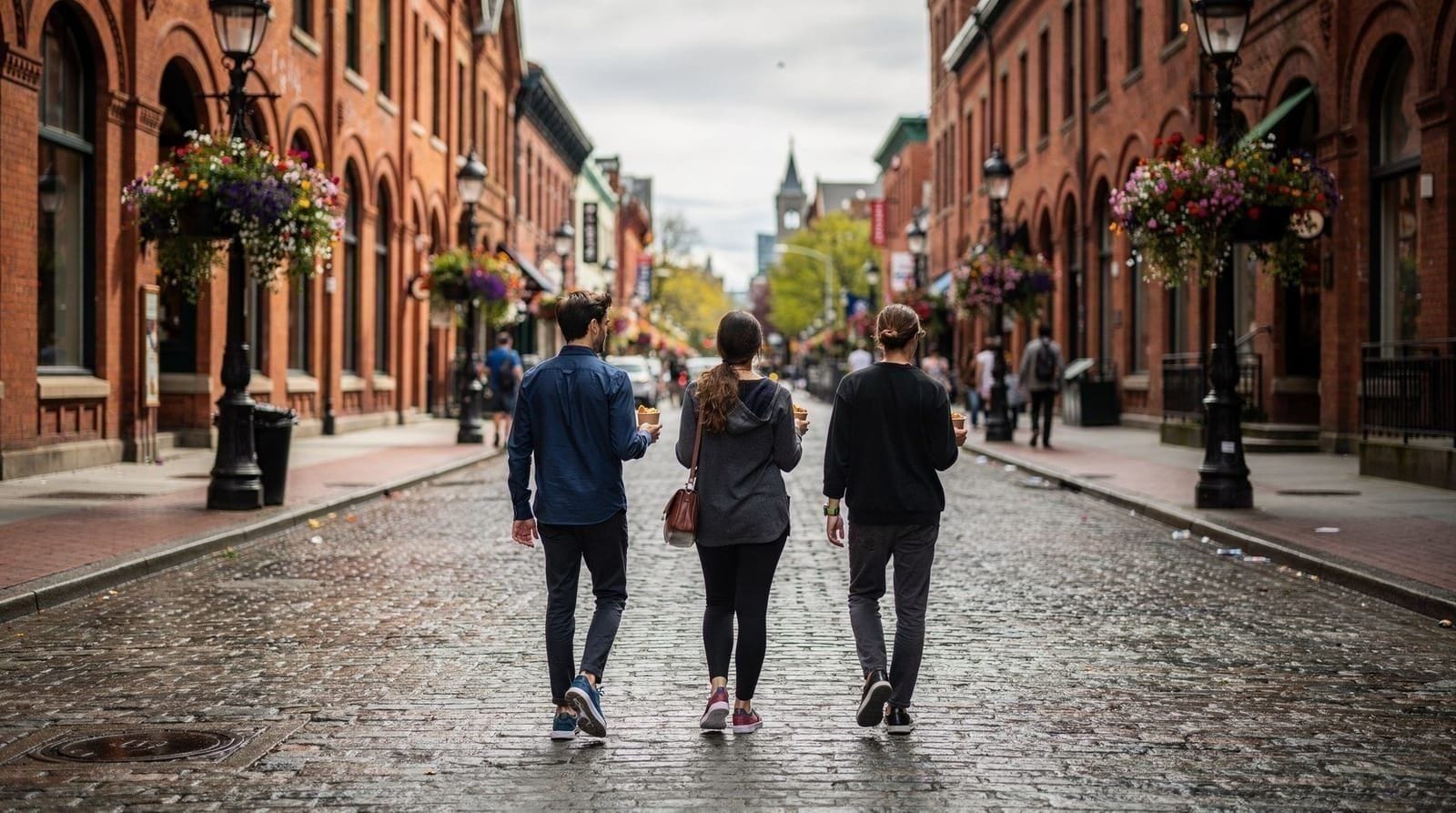
For visitors who want a curated introduction rather than researching restaurants independently, guided walking food tours cover several of Vancouver’s food-forward neighborhoods in a single outing. The Gastown walking food tour mixes bakeries, a sit-down course and a coffee stop through Gastown’s historic core, covered in full in the Gastown food tour guide.
The Granville Island food walking tour takes a market-browsing approach instead, moving through vendor stalls at the public market alongside a couple of sit-down stops — see the Granville Island food guide for the fuller detail.
And the Little Italy walking food tour covers Commercial Drive’s Italian-Canadian food heritage, a useful option for anyone wanting to sample a part of Vancouver’s food scene outside the Asian-cuisine strength covered elsewhere in this guide. All three work well as a single day’s guided introduction, leaving independent restaurant exploration for the rest of a trip.
Worth the hype versus skip: a few honest observations
Vancouver’s seafood reputation is genuinely earned — BC spot prawns and Dungeness crab in season deliver on the hype, and it’s worth prioritizing a seafood meal specifically during a trip rather than treating it as interchangeable with seafood anywhere else. The city’s fine-dining tasting-menu scene, while strong, is also genuinely expensive relative to the mid-range dining that most visitors will eat most nights, and a single splurge dinner rather than multiple tasting menus across a short trip is the more sensible way to budget for it.
Restaurants immediately surrounding the busiest tourist corridors — parts of Robson Street, the blocks right around Canada Place — skew toward safe, broadly appealing menus at prices a notch above comparable quality a few blocks away, the same tourist-density pattern that shows up in Gastown and Chinatown as well; walking a few blocks off the most obvious tourist axis tends to reward with better value.
How the neighborhoods differ for dining out
Downtown and Yaletown lean toward business lunches and fine dining, with a concentration of the city’s splurge-tier restaurants and the highest density of OpenTable-bookable rooms. Gastown and Chinatown lean toward historic-neighborhood casual dining, walkable and dense with independent restaurants rather than chains. Granville Island centers on its public market alongside a handful of sit-down and waterfront restaurants.
Richmond, geographically separate from the rest but easily reached by SkyTrain, holds the region’s strongest concentration of Asian cuisine variety at generally lower prices than downtown equivalents. Most multi-day visitors end up sampling at least two or three of these areas rather than eating exclusively in one, since each offers a genuinely different dining character rather than a repeat of the others.
Coffee and drink as part of the dining picture
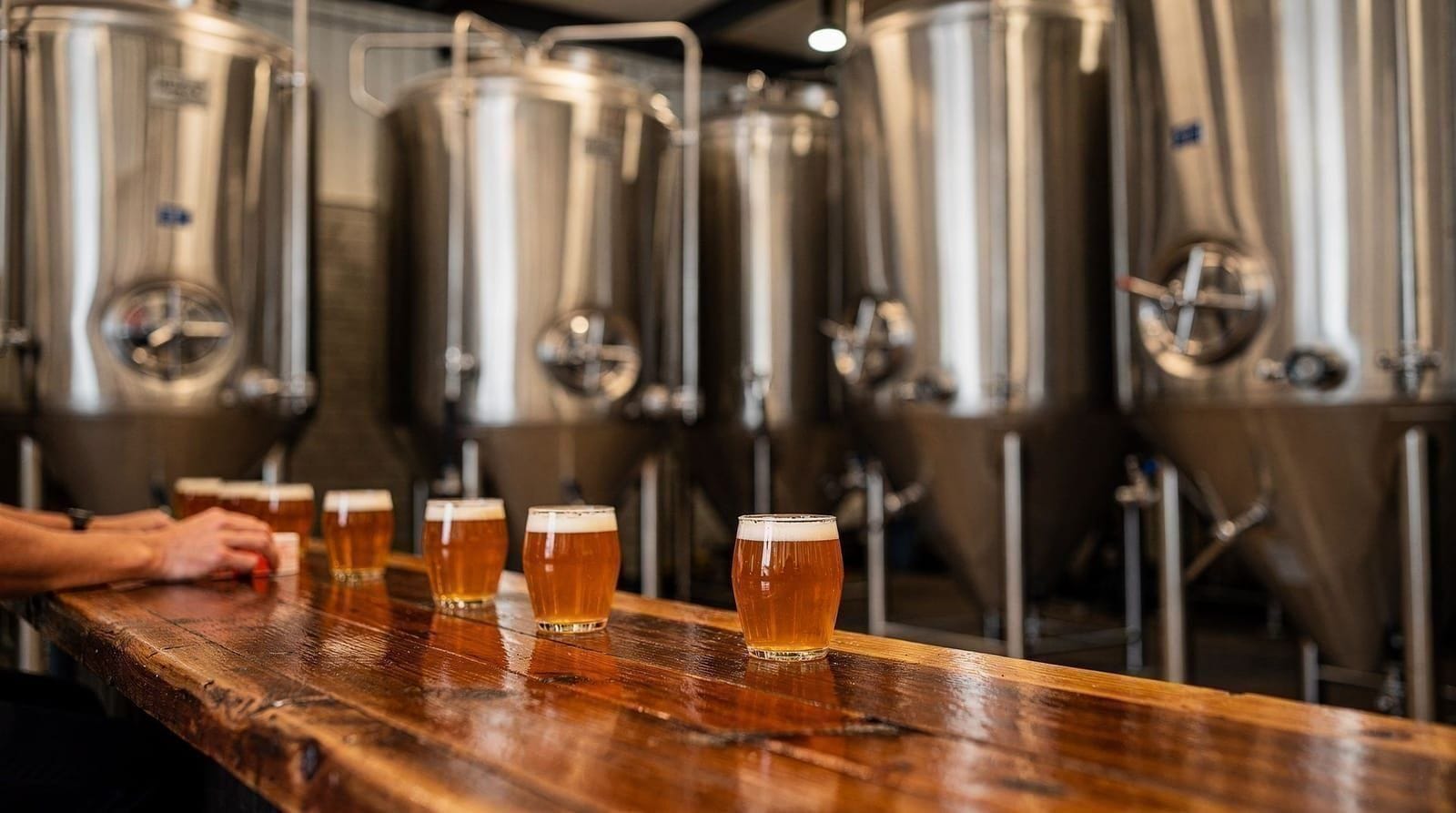
A full picture of eating well in Vancouver extends beyond restaurant meals into the city’s specialty coffee scene, worth a dedicated look for anyone who treats good coffee as part of a trip’s food agenda — see the Vancouver coffee culture guide for the neighborhood-by-neighborhood detail. Craft beer plays a similar role for drink-focused travelers, with breweries concentrated in Mount Pleasant and a smaller cluster in Gastown; the craft beer and breweries guide covers that scene in depth, including how it pairs naturally with several of the casual dining neighborhoods discussed above.
Building restaurants into a broader itinerary
For travelers sequencing meals against sightseeing rather than planning dining as its own standalone activity, a reasonable default is a casual or budget lunch near whatever destination is on the morning’s schedule, saving a proper sit-down dinner reservation for the evening once the day’s main activity is done. A 1-day Vancouver itinerary or 2-day Vancouver itinerary both work well built around this rhythm — light, flexible daytime eating paired with one or two anchor dinner reservations booked in advance for the nights that matter most.
Brunch culture
Weekend brunch is a genuine institution in Vancouver, particularly in neighborhoods like Kitsilano, Mount Pleasant and the West End, where casual cafes and restaurants routinely see 30-45 minute waits for a table between roughly 10am and 1pm on Saturdays and Sundays.
Menus lean toward a mix of North American brunch standards (eggs benedict, pancakes, avocado toast) alongside Vancouver-specific twists reflecting the city’s Asian food influence — congee, or a brunch dish built around a Japanese or Korean flavor profile, show up more often here than in a typical North American city’s brunch scene. Arriving early (before 10am) or accepting a slightly later lunch-adjacent slot (after 1:30pm) are the two reliable ways to avoid the worst of the wait; few brunch spots take reservations, treating it largely as a first-come, first-served weekend ritual.
Food trucks and street food
Vancouver runs one of the more organized food truck scenes in North America, with a city-licensed program that places trucks at designated downtown locations on a rotating basis — a legacy of a deliberate push over a decade ago to formalize what had been a smaller, less regulated scene. Trucks cover a wide range of cuisines rather than sticking to one theme, and prices generally land in the CAD 10-18 range per item, making them a genuinely good budget option for a quick downtown lunch between sightseeing stops.
Locations shift by day and season, so checking a current truck-location app or list rather than expecting a fixed daily spot is worth doing if a specific truck matters to your plans. Food trucks cluster most heavily around the downtown core and near popular parks in summer, thinning out considerably in winter when outdoor lunching loses its appeal.
Family-friendly dining
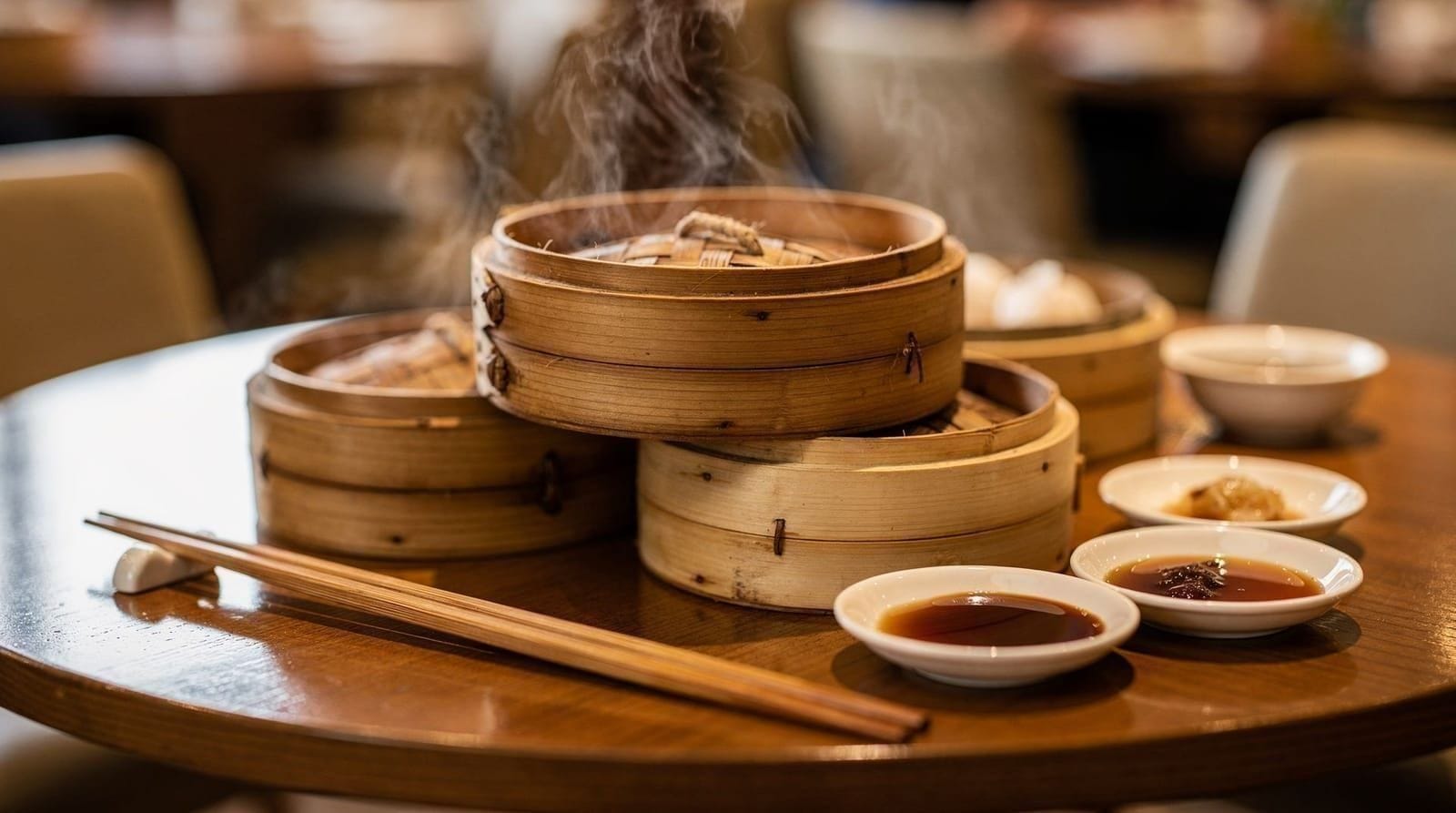
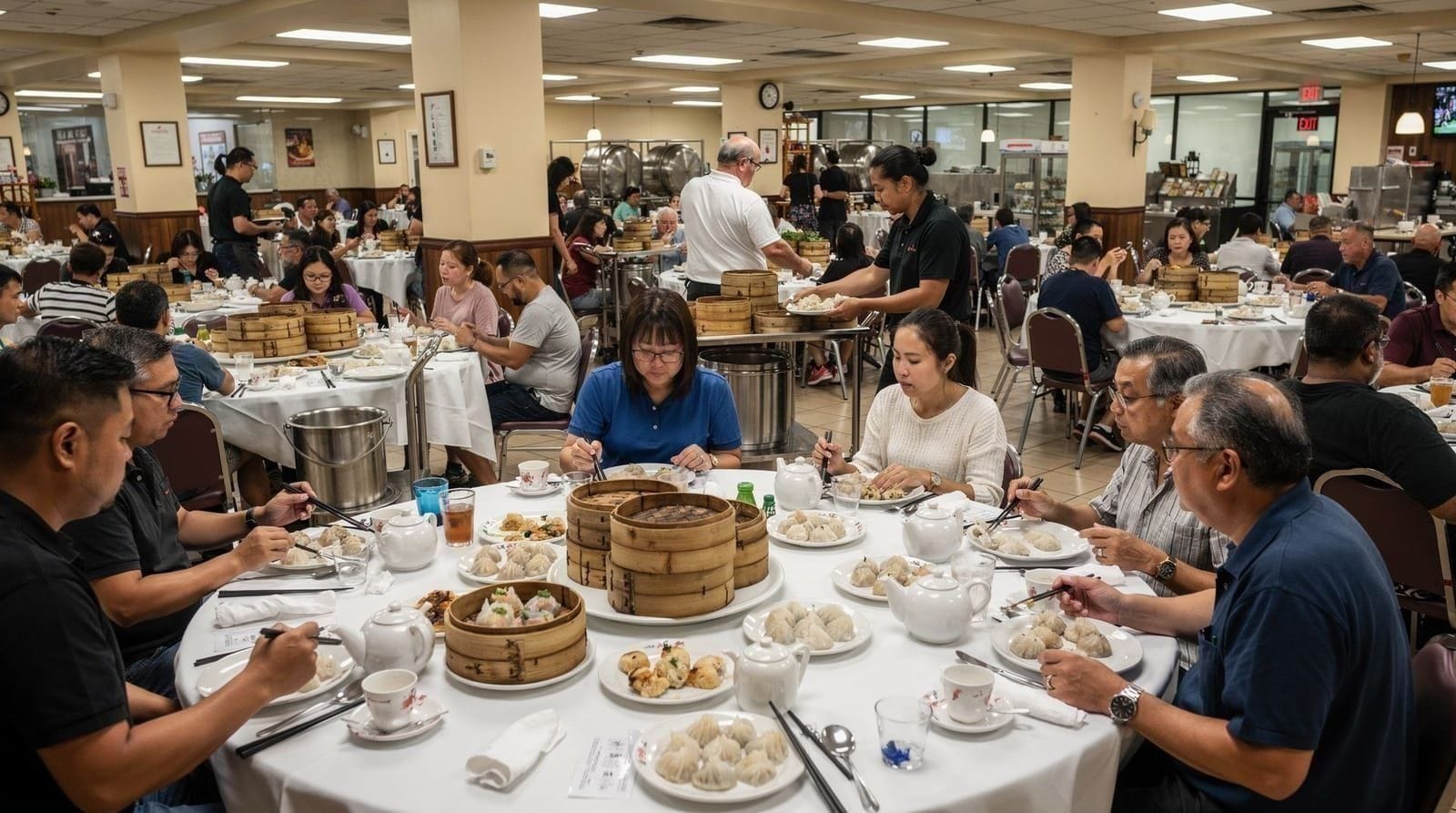
Most casual and mid-range Vancouver restaurants are comfortable with children, and the city’s food-court and market-hall format (Granville Island’s public market being the clearest example) suits families particularly well, since it lets each family member choose from a different vendor while still eating together at shared seating. Dim sum, discussed in depth in the Chinatown food guide, is another naturally family-friendly format given its small, shareable portions.
Splurge-tier fine dining restaurants are a different story — many don’t formally exclude children but are paced and priced for an adult evening out, and a tasting menu spanning two or more hours isn’t a realistic fit for most young kids. Families planning a splurge dinner are generally better served booking it for a night with childcare arranged, rather than assuming a high-end restaurant will comfortably accommodate the whole family.
Local and sustainable sourcing
A meaningful share of Vancouver’s better restaurants, particularly at the mid-range and splurge tiers, market themselves around BC and Pacific Northwest sourcing — local seafood, Okanagan wine, and regional produce feature prominently on menus that lean into the region’s agricultural and coastal strengths rather than importing ingredients that could be sourced locally. Ocean Wise, a sustainability certification program originating at the Vancouver Aquarium, appears on menus across the city flagging seafood dishes sourced from fisheries meeting specific sustainability criteria — a useful marker for travelers who care about sourcing when choosing between seafood options on a menu.
This local-sourcing emphasis isn’t universal — plenty of casual and budget restaurants operate on standard supply chains without particular sourcing claims — but it’s common enough at the city’s more ambitious restaurants to be a genuine point of differentiation worth noticing rather than dismissing as marketing.
Wine and BC’s Okanagan connection
Vancouver restaurant wine lists, especially at mid-range and splurge-tier restaurants, lean noticeably toward BC’s Okanagan Valley wine region, a roughly 4-5 hour drive inland that’s built a genuine reputation for its wines over the past few decades. Ordering BC wine rather than defaulting to an imported bottle is a reasonable way to eat and drink regionally during a Vancouver trip, and many restaurants’ by-the-glass lists specifically highlight Okanagan producers. For travelers with time to extend a trip inland, the Okanagan wine tours guide covers visiting the wine region itself, a natural extension for anyone who enjoys the BC wine they encounter at a Vancouver restaurant table.
Solo dining and business travelers
Vancouver is a genuinely comfortable city for solo restaurant dining, with bar seating widely available even at restaurants that require reservations for table service, and a general absence of the awkwardness solo diners sometimes report in cities with a stronger couples- or group-oriented restaurant culture.
Counter seating at sushi restaurants and casual noodle shops in particular suits solo diners well, often with a faster turnaround than a full table service experience. Business travelers will find Vancouver’s downtown core well-equipped for lunch meetings, with a concentration of restaurants accustomed to weekday business crowds and generally efficient service during the lunch window, in contrast to the more leisurely pace typical of dinner service at the same restaurants.
Allergies and severe dietary restrictions
Beyond the general vegetarian, vegan and gluten-free accommodation discussed above, travelers managing a severe food allergy should treat any restaurant recommendation as a starting point rather than a guarantee — calling ahead to describe a specific allergy and asking directly about kitchen practices remains the safest approach regardless of how accommodating a restaurant’s general reputation is.
Shellfish allergies deserve particular attention in a seafood-forward city like Vancouver, since shared kitchen equipment and stocks built from shellfish bases can affect dishes that don’t obviously contain shellfish on the menu description. Restaurants in tourist-heavy areas are generally used to fielding allergy questions from international visitors and tend to handle them reasonably well, but it’s worth treating that as a helpful tendency rather than an assumption to rely on without asking.
Late-night and early options
Vancouver isn’t a particularly late-dining city by international standards — most kitchens stop taking orders between 9:30 and 10:30pm even downtown, and genuinely late-night dining (past midnight) is limited mostly to a handful of spots in Chinatown, Gastown, and near nightlife districts on the Downtown Eastside fringe.
Travelers arriving on a late flight or keeping a different time-zone schedule should plan accordingly rather than assuming big-city late-night options exist everywhere; food trucks and 24-hour diner-style spots fill some of this gap but aren’t a citywide norm. On the early end, plenty of cafes and brunch spots open by 7-8am, well ahead of the standard North American breakfast rush, which suits travelers still adjusting to a westbound jet-lag schedule.
A closing note on choosing where to eat
The restaurants that consistently reward a visit are less about chasing a single “best in Vancouver” title and more about matching the meal to the moment — a quick, excellent food-court lunch between sightseeing stops, a properly booked splurge dinner reserved as a trip highlight rather than an every-night habit, and at least one meal that leans into what genuinely sets Vancouver apart from other cities: BC seafood in season, or a cuisine within the city’s deep Asian food scene that would be harder to find done this well anywhere else in North America. Treating those as the priorities, rather than working through a generic top-10 list, tends to produce a more satisfying week of eating than trying to hit every recommendation in this guide.
Currency and paying the bill
All Vancouver restaurant menus price in Canadian dollars, and it’s worth doing a rough mental conversion against the current exchange rate rather than assuming price parity with home currency, since that gap is a common source of sticker shock for US and European visitors partway through a meal. Tap and chip card payment is near-universal, including at food trucks and casual counters, so carrying significant cash isn’t necessary purely for dining. Splitting a bill across multiple cards is generally accommodated without issue at most restaurants, though it’s worth mentioning it when the bill arrives rather than assuming it’s automatic.
A note on GST and PST on restaurant bills
Restaurant bills in British Columbia include a 5% federal GST, and prices on menus are shown before tax is added, similar to the US convention rather than a tax-included European one. There’s no separate provincial sales tax on restaurant meals specifically in BC, which keeps the total tax addition lower than in some other Canadian provinces. Combined with the standard 15-20% tip, a menu price of CAD 40 realistically lands closer to CAD 50-52 once tax and tip are added — worth factoring into a daily dining budget rather than budgeting purely off menu prices.
Frequently asked questions — Best restaurants in Vancouver
Do I need reservations for restaurants in Vancouver?
For weekend dinners at popular restaurants, yes — OpenTable is widely used across the city, and booking a few days ahead is worth doing for anywhere with a strong reputation. Casual counters, food courts, and weekday lunches are generally fine to walk into without a reservation.What's the tipping norm in Vancouver restaurants?
15-20% of the pre-tax bill is standard for table service, similar to the rest of Canada. Some restaurants automatically add gratuity for larger groups (typically 6 or more), so check the bill before adding a tip on top of an already-included charge.Is Vancouver expensive for dining out?
It spans a wide range — budget meals at food courts or casual counters run CAD 15-25 per person, mid-range restaurant dinners CAD 30-50, and splurge tasting-menu or fine-dining experiences CAD 80 and up, often well beyond that with wine pairings. Vancouver is not a uniformly expensive city to eat in if you know where to look.Is Vancouver good for vegetarian and vegan travelers?
Yes, generally — Vancouver has a strong vegetarian and vegan restaurant scene by North American standards, plus most mainstream restaurants offer at least a few plant-based options. Gluten-free diners also tend to find Vancouver more accommodating than many cities, with dedicated gluten-free bakeries and widespread awareness among restaurant staff.What's the best area in Vancouver for restaurants?
There's no single best area — downtown and Yaletown lean toward fine dining and business-lunch spots, Gastown and Chinatown lean toward historic-neighborhood casual dining, Granville Island toward market and waterfront dining, and Richmond toward the city's strongest concentration of Asian food. Most visitors sample at least two or three of these areas over a multi-day trip.What's the best way to sample multiple Vancouver restaurants without a full dinner at each?
A guided walking food tour is the most efficient option, covering several stops — bakeries, a sit-down course, market vendors — in a single 2-3 hour outing. Dim sum works similarly for a single meal, since its small, shareable plates let a table sample many dishes at once rather than committing to one main course each.Do Vancouver restaurants charge in USD or CAD?
All Vancouver restaurants price in CAD. US travelers should mentally convert menu prices rather than assume price parity — the exchange rate meaningfully affects how "expensive" a given restaurant feels relative to home, so checking the current rate before budgeting a trip's dining is worth doing.
Top experiences
Bookable activities with verified prices and instant confirmation on GetYourGuide.