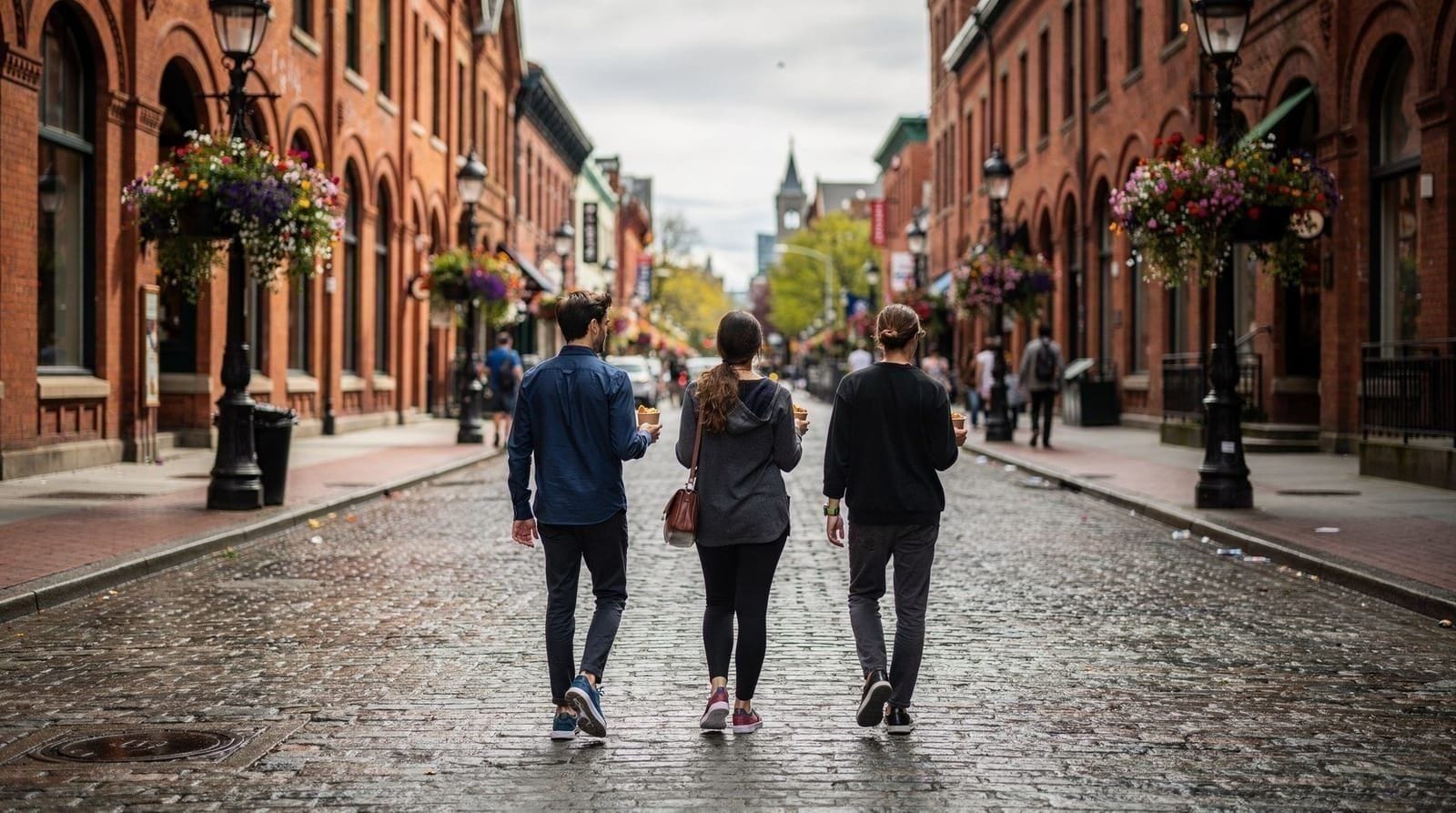
Gastown
Gastown beyond the Steam Clock photo: honest advice on which Water Street restaurants overcharge, and where the actually good food and drink are hiding.
Vancouver: Gastown Historical Walking Food Tour
Duration: 3 hours
Quick facts
- Best for
- Heritage architecture, cocktail bars, a short history walk
- Time needed
- 2-3 hours, or a full evening for dinner and drinks
- Getting there
- Waterfront Station (SkyTrain/SeaBus), then a 5-minute walk
- Good to know
- Side streets beat Water Street for food value
A steam clock and a lot more
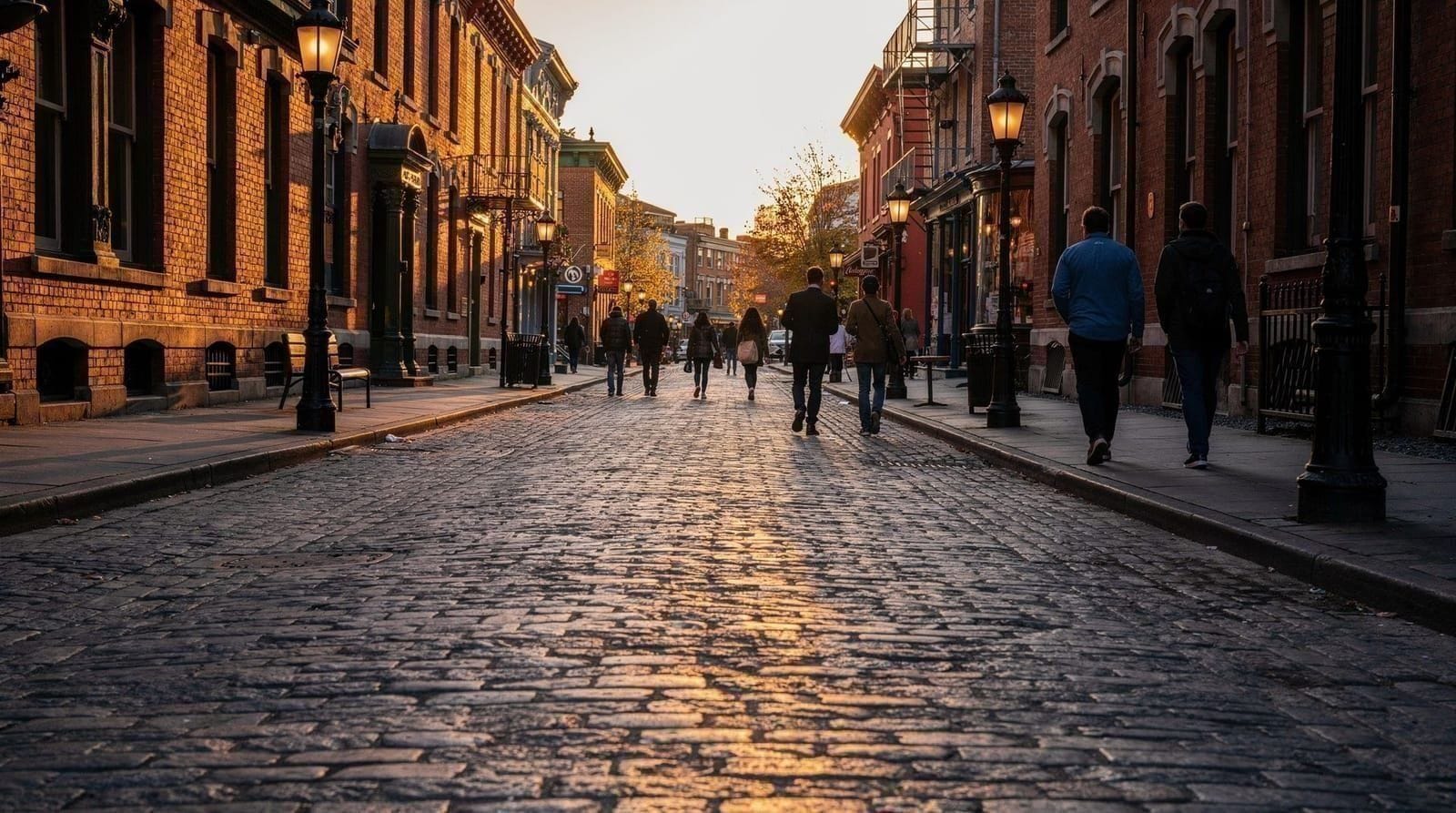
Gastown is Vancouver’s oldest neighborhood, built around Maple Tree Square where the city’s first saloon gave the district its name. Most visitors arrive for one thing — the Steam Clock on Water Street, which chimes and puffs steam every 15 minutes — and that’s a fine reason to come, but it’s a five-minute stop, not an afternoon. The rest of Gastown, a few blocks of cobblestone and Victorian brick between Water Street and the edge of Chinatown, rewards a slower walk more than a rushed photo op.
| Core blocks | Water Street to Carrall Street/Blood Alley, about 4 walkable blocks |
| Steam Clock stop | 5-10 minutes; chimes and steams every 15 minutes |
| Best food | One block off Water Street, not on it |
| Nightlife peak | Thursday-Saturday, cocktail bars fill from around 9pm |
| Pairs well with | Chinatown (5-min walk) or Main Street’s breweries |
The heritage core
The architecture is the real draw here: cast-iron facades, gaslamp-style street lighting, and some of the oldest commercial buildings in the city, most dating from the rebuild after the 1886 fire that levelled the original townsite. Maple Tree Square, at the eastern end of Water Street, marks the spot where Gastown’s namesake, “Gassy” Jack Deighton, opened his bar in 1867 — there’s a statue of him there now. For context on how the neighborhood went from skid row to heritage district to its current mix of galleries and design shops, our Gastown history guide covers the decades in between.
Where Water Street gets it wrong
Here’s the honest part: several restaurants directly on Water Street, positioned for maximum tourist foot traffic near the Steam Clock, charge a noticeable premium for food that doesn’t match the price. It’s a familiar tourist-trap pattern — prime location, laminated multilingual menus, mediocre execution. You’ll eat considerably better one or two blocks off the main strip, on Carrall Street or around Blood Alley, where Gastown’s actual food and drink scene lives. This pocket has some of the city’s better independent cocktail bars and a rising list of small, chef-driven restaurants that don’t rely on walk-in tourist traffic to survive.
If you’d rather have someone else pick the good spots for you, a Gastown historical walking food tour threads through several of these side-street stops with a guide who explains the history along the way, which solves the guesswork in one booking. For a self-paced version at your own speed, the self-guided smartphone walking tour of Gastown gives you the historical commentary without a fixed schedule.
Craft beer and the drinking scene
Gastown and neighboring Main Street anchor Vancouver’s craft beer scene, and several breweries and taprooms sit within a short walk of Maple Tree Square. If beer is more your interest than cocktails, a 3.5-hour craft brewery tour covers multiple stops with tastings included, which is a more efficient way to sample several breweries than wandering and hoping for the best. For something more mixed — street art alongside the beer — the street art and craft beer walking tour pairs Gastown’s murals with a couple of tasting stops.
A short history worth knowing before you walk it
Gastown takes its name from “Gassy Jack” Deighton, a talkative saloonkeeper who rowed ashore in 1867 and opened a bar for sawmill workers at what’s now Maple Tree Square — the settlement that grew up around it was informally called Gastown before the city was officially founded as Vancouver in 1886.
The Great Fire that same year burned nearly the whole townsite to the ground in under an hour, and most of what you’re walking past today dates from the rebuild that followed, largely brick and stone this time rather than wood. By the mid-20th century the district had slid into neglect, and it was slated for demolition as part of a freeway project before a heritage preservation campaign in the early 1970s saved it — which is the reason Gastown reads as a genuinely old neighborhood rather than a themed reconstruction.
What the Steam Clock actually is
Worth clearing up: the Steam Clock isn’t a 19th-century relic. It was built in 1977 to cover a steam grate and has become the district’s unofficial mascot regardless, chiming a Westminster-style tune and releasing a burst of steam every quarter hour, with a full performance on the hour. It’s real steam, drawn from the city’s underground heating system, which is a small but genuine bit of engineering behind what’s otherwise a photo-op stop.
Getting there and moving on
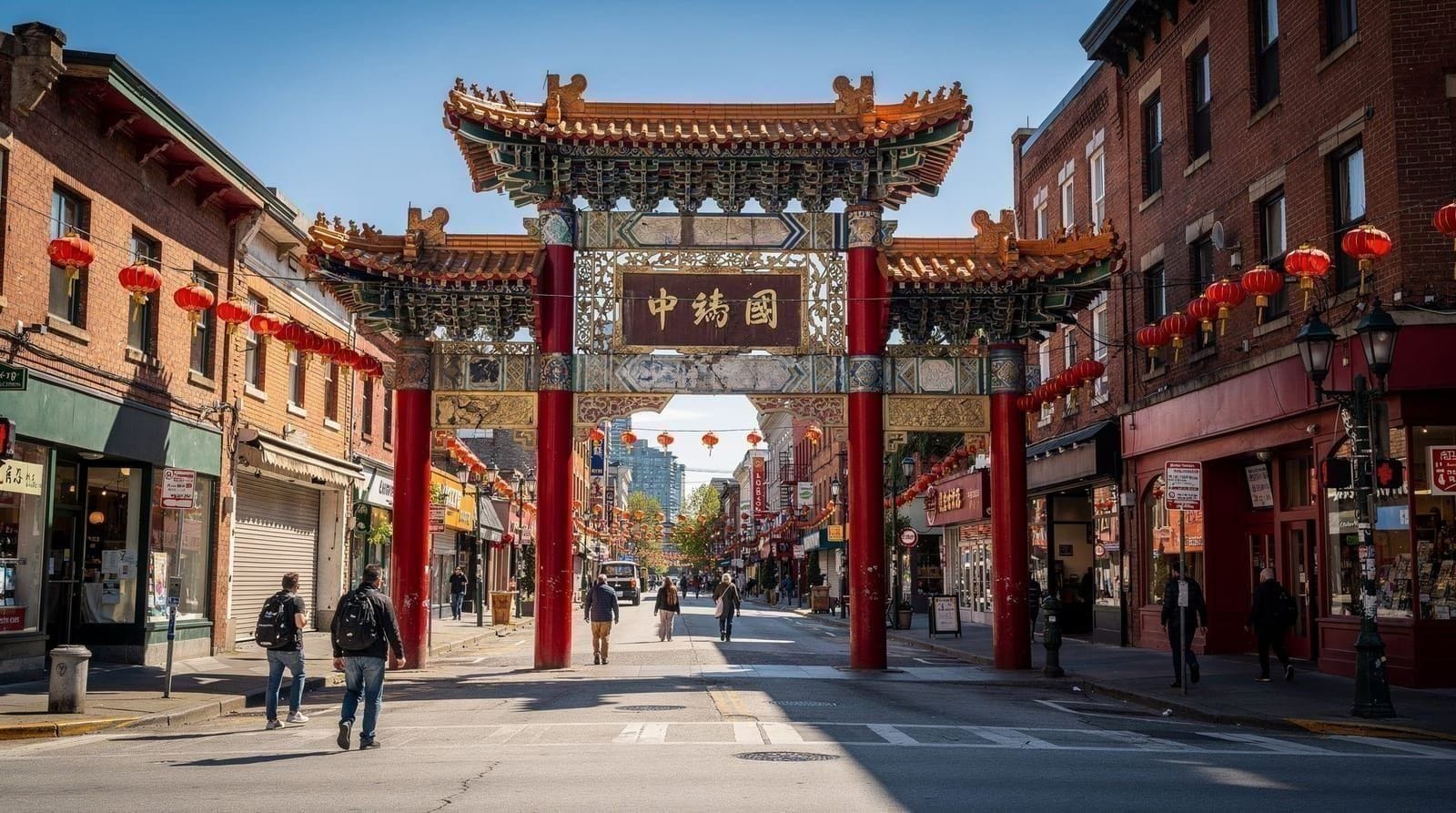
Gastown sits immediately east of downtown, a five-minute walk from Waterfront Station, which puts it on the Canada Line, Expo Line, and SeaBus all at once — genuinely one of the best-connected neighborhoods in the city. Chinatown is a further five-minute walk east, making the two an easy combined outing, and downtown Vancouver proper is right on your doorstep to the west.
For an evening plan that includes both districts, see our Gastown guide or the broader Vancouver neighborhoods guide for how Gastown fits against Yaletown and Main Street. If you’re building a longer trip, our 2-day Vancouver itinerary slots Gastown in as a half-day stop, usually paired with the harbourfront.
A realistic half-day plan
If you’re building an actual schedule rather than wandering, a workable order is: start at the Steam Clock around mid-morning before the crowds peak, walk east through Maple Tree Square and read the historical plaques there, then cut south to Carrall Street and Blood Alley for a coffee or an early lunch away from the main tourist flow. Save the craft beer stops for later in the afternoon or evening, since several taprooms don’t open until midday and are better enjoyed without rushing to a next stop. This whole sequence comfortably fits in three to four hours, with room to extend into dinner if the neighborhood’s side-street restaurants have won you over by then, which they often do.
Design shops and galleries beyond the bars
Gastown isn’t only breweries and cocktails — the same heritage buildings that house the food and drink scene also hold a cluster of independent design shops, art galleries, and a handful of higher-end streetwear and outdoor-clothing stores that have moved in over the last decade, taking advantage of the same cast-iron storefronts that draw photographers.
It’s a good stop between meals rather than a dedicated shopping trip: browse a gallery or two on the walk between Maple Tree Square and Carrall Street, and treat it as a bonus rather than the main reason for the visit. Prices in these shops tend to run higher than Main Street’s vintage strip, reflecting the more polished retail concept, but the selection is genuinely different — more design-object and less thrift-rack.
Gastown after dark
Gastown’s evening identity is different enough from its daytime one that it’s worth planning around separately. By day, the neighborhood is steam clock photos, coffee, and a wander through the heritage core; by night, particularly Thursday through Saturday, it becomes one of downtown’s denser concentrations of cocktail bars, several of which have genuine regional and national reputations rather than just tourist foot traffic.
Reservations are worth making at the better-known spots on weekend nights, since walk-ins can face real waits once the after-work crowd arrives around 6-7pm. The Downtown Eastside border means the crowd thins and the atmosphere shifts noticeably past midnight — most visitors are comfortable through a normal dinner-and-drinks evening but should apply the same city awareness they’d use anywhere once the bars start closing.
How Gastown compares for an evening out
| Neighborhood | Vibe | Price level | Best for |
|---|---|---|---|
| Gastown | Heritage, cocktail-forward | Mid to high | History plus a proper night out |
| Main Street | Casual, brewery-driven | Low to mid | A cheaper, less polished evening |
| Yaletown | Polished, patio-heavy | High | A dressier night with waterfront views |
Frequently asked questions about Gastown
Is the Gastown Steam Clock worth seeing?
It’s worth a five-minute stop if you’re already in the neighborhood, particularly timed to the quarter-hour chime, but it isn’t worth planning a special trip around on its own. Combine it with a walk through the rest of the heritage district.
Are the restaurants in Gastown overpriced?
The ones directly on Water Street near the Steam Clock often are, trading on location rather than quality. Walking a block or two to Carrall Street or Blood Alley usually gets better food for a fairer price.
How do I get to Gastown from downtown?
It’s a five- to ten-minute walk from most downtown hotels, or a short ride to Waterfront Station on the SkyTrain, which sits right at Gastown’s western edge.
Is Gastown safe to walk around?
Gastown borders the Downtown Eastside, which has a visible homelessness and addiction crisis. The core tourist blocks (Water Street, Maple Tree Square, Blood Alley) are well-trafficked and generally fine during the day and early evening; use normal city awareness at night, as you would anywhere.
How much time should I budget for Gastown?
Two to three hours covers the heritage core and a coffee or drink stop at a reasonable pace. Add an evening if you’re planning dinner and cocktails, since the side-street bars are worth lingering in.
Can I combine Gastown with Chinatown in one visit?
Yes, easily — they’re adjacent, connected by a five-minute walk, and pair naturally as a half-day heritage-district outing.
Is Gastown good for shopping?
There’s a genuine cluster of independent design shops and galleries, but it’s a secondary reason to visit rather than the main draw. Treat it as a browse between meals or drinks, not a dedicated shopping trip.
Do I need a reservation for Gastown’s cocktail bars?
On Thursday to Saturday nights, yes, especially at the better-known spots — walk-ins can face a real wait once the after-work crowd settles in. Weeknights are more forgiving.
Top experiences
Bookable activities with verified prices and instant confirmation on GetYourGuide.