Is Vancouver expensive? A real look at the numbers
Vancouver: Hop-on Hop-off Tour by Double-Decker Bus
Is Vancouver an expensive city to visit?
Yes, relative to most of Canada and comparably to Seattle or San Francisco — hotels, sit-down dining, and car rental/parking run high. Transit, many outdoor attractions, and food in neighborhoods like Chinatown and Richmond stay reasonable, so total trip cost depends heavily on travel style rather than the city being uniformly expensive.
Vancouver’s reputation as an expensive city is real but uneven — it’s consistently ranked among Canada’s priciest cities to live in, and that filters through to visitor costs in specific categories, particularly accommodation. What’s less often said is how many of the city’s best experiences sidestep that expense entirely, and how much control a visitor actually has over where their money goes by choosing neighborhood, season, and activities deliberately.
| Genuinely expensive | Hotels, sit-down dining, car rental/parking |
| Genuinely affordable | Transit, Chinatown/Richmond food, many outdoor sights |
| Budget week | Around CAD 700-900/person, excl. flights |
| Mid-range week | Around CAD 1,400-2,200/person |
| Best value window | January-February (Dine Out Vancouver) |
Where Vancouver is genuinely expensive
Hotels lead the list by a clear margin — downtown, Yaletown, and Coal Harbour accommodation regularly runs at rates comparable to major US west coast cities, and summer peak pricing pushes even mid-range properties toward premium territory. Sit-down restaurant dining runs high too, with a casual dinner for two easily reaching CAD 60-100 before drinks at anything beyond a basic spot. Car rental and downtown parking (CAD 3-6 per hour) add up fast for anyone driving rather than using transit. Currency conversion amplifies all of this for visitors from weaker currencies — the exchange rate context means USD and EUR travelers should budget roughly 30% more than domestic sticker prices might suggest.
It’s worth remembering that this comparison also cuts the other way: travelers from currencies that have strengthened against the Canadian dollar over the past year find some of these same categories noticeably cheaper than they were, which is a useful, if easily overlooked, factor when researching Vancouver costs using older articles or forum posts that assumed a different exchange rate.
Where Vancouver isn’t expensive
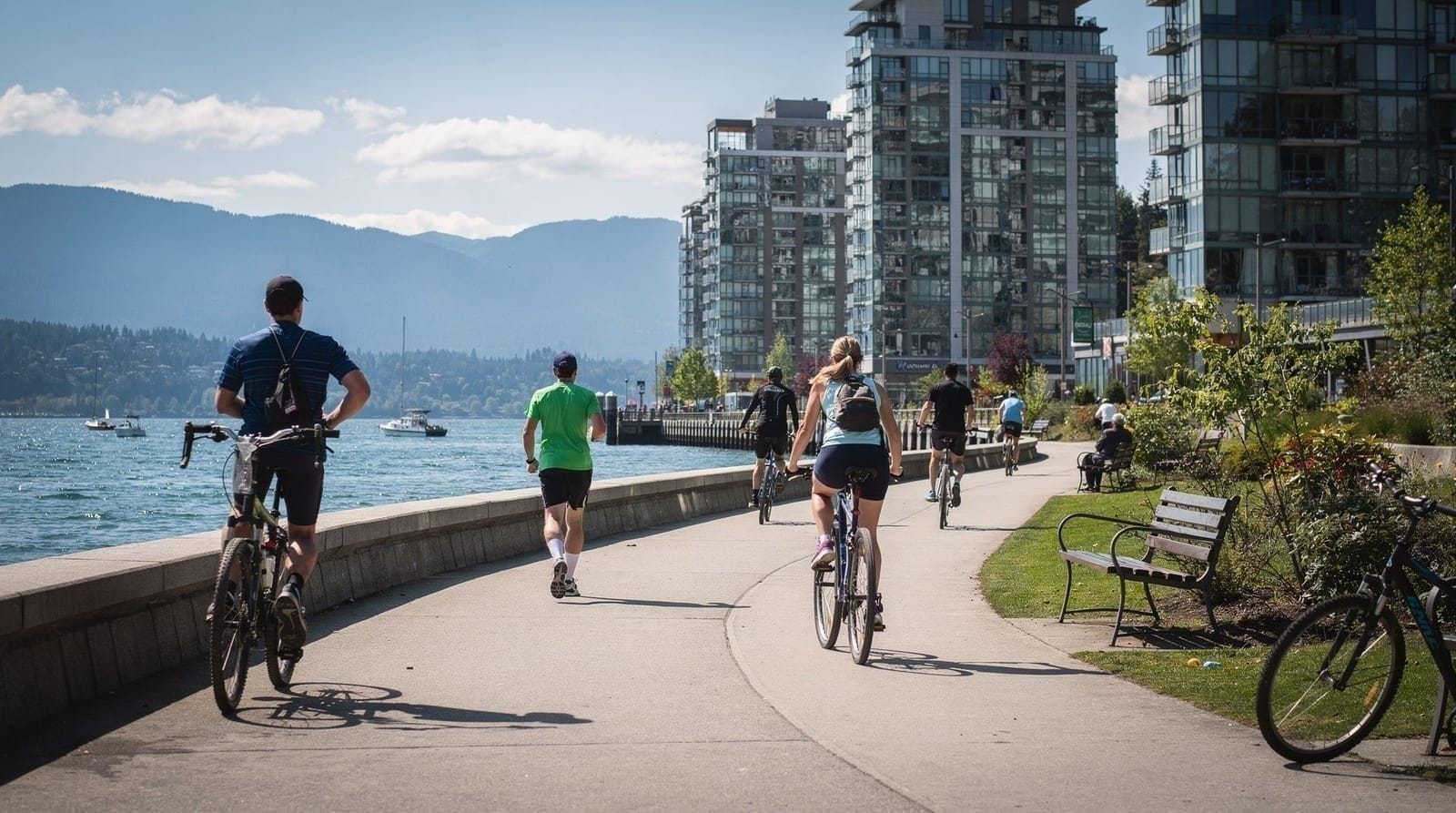
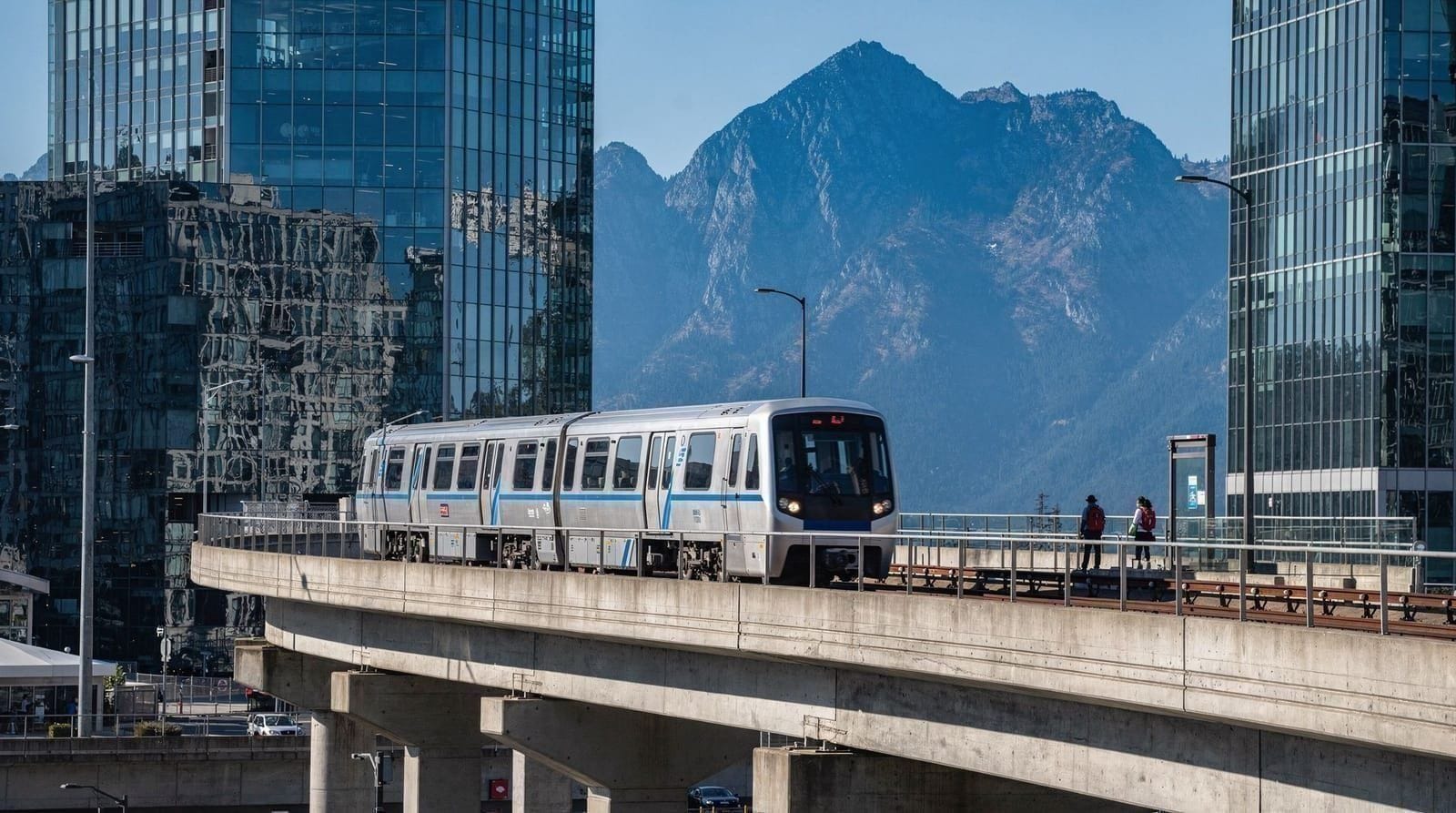
Transit is genuinely affordable, with Compass Card zone fares running CAD 2.85-5.40 and covering SkyTrain, SeaBus, and buses under one ticket — the getting around Vancouver guide covers the full fare structure. Many of the city’s best experiences cost nothing at all: the Stanley Park Seawall, English Bay and Kitsilano beaches, and most neighborhood walking through Gastown and Yaletown.
Food in Chinatown and Richmond stays genuinely reasonable, particularly dim sum and other Asian cuisine, often well below downtown restaurant pricing for comparable quality and quantity. Many of the region’s paid attractions also carry flat, predictable pricing rather than the dynamic, demand-based pricing seen in some other tourist markets, which makes budgeting for a specific attraction list more reliable here than in destinations where prices fluctuate hour to hour.
Comparing Vancouver to other cities
Within Canada, Vancouver runs alongside Toronto as the country’s most expensive city for accommodation and general cost of living, noticeably above smaller cities like Victoria or Kelowna. Against US west coast comparisons, Vancouver sits roughly in line with Seattle and somewhat below San Francisco for equivalent hotel and dining quality, though the exact comparison shifts with exchange rates. Against European cities, Vancouver runs comparable to or slightly above most western European capitals for accommodation specifically, while transit and many attractions stay closer to European mid-range pricing than the higher end.
A realistic cost breakdown by category
Accommodation: budget hostels CAD 30-50/night, mid-range hotels CAD 150-250/night, upscale CAD 300+/night, all swinging significantly by season. Food: a casual meal CAD 15-25, a sit-down dinner CAD 40-70 per person, cheap eats in Chinatown or Richmond CAD 10-18. Transit: CAD 2.85-5.40 per trip or roughly CAD 11-15 for a day pass.
Attractions: many free, paid highlights typically CAD 35-90 each — a Grouse Mountain admission ticket runs toward the higher end of that range given the gondola and included programming, while a hop-on hop-off bus tour sits more moderately and covers a full day of flexible sightseeing.
What drives the overall cost of a trip
Accommodation choice is the single biggest lever, covered in detail in the where to stay guide — a hostel versus a downtown hotel can be the difference between a CAD 40 and a CAD 250 nightly cost for the same trip length. Season is the second biggest factor, with summer pricing running well above the shoulder-season and winter baseline across nearly every category — the best time to visit guide covers this seasonal swing month by month.
Trip style — how many paid attractions, how many sit-down meals versus self-catered ones, whether a car is rented for the full stay or just specific day trips — accounts for the rest of the variation between a genuinely tight budget trip and a comfortable mid-range one.
Is it worth the cost?
For most visitors, yes — Vancouver’s combination of city sightseeing, easy day-trip access to Whistler and Victoria, and genuinely world-class outdoor scenery justifies its costs better than many comparably priced cities that don’t offer the same range of experiences within a short radius. The honest caveat is that a trip planned without attention to cost — full-price downtown hotels every night, a rental car sitting idle in a parking garage, every meal at a sit-down restaurant — will run expensive fast, while the same trip planned with the levers covered in the budget guide can come in meaningfully lower without sacrificing the experiences that make the destination worth visiting in the first place.
Taxes and tipping
Canada adds GST (federal) and PST (provincial) sales tax to most purchases, together running roughly 12% in British Columbia, and this is rarely included in displayed prices the way it might be in some other countries — worth mentally adding to any sticker price when budgeting.
Tipping culture closely mirrors the US: 15-20% is standard at sit-down restaurants and for taxi or rideshare drivers, and many payment terminals now default to suggesting a tip even for quick-service purchases, which visitors from non-tipping cultures should be prepared for rather than caught off guard by. Hotel accommodation taxes add a further layer on top of the room rate itself, typically a few percentage points beyond the standard sales tax, and are usually itemized separately at checkout rather than folded into the advertised nightly rate.
Hidden costs worth budgeting for
Beyond the obvious categories, a few smaller costs catch visitors off guard. Resort or destination fees are uncommon at Vancouver hotels compared to some US cities, but it’s worth double-checking a specific property’s fine print before booking. Attraction combination tickets sometimes carry a booking fee on top of the listed price when purchased through third-party platforms rather than directly.
Currency conversion fees on credit cards can add a meaningful percentage to every purchase for visitors using a card without foreign transaction fee waivers, worth checking before the trip rather than discovering the extra charge on a post-trip statement. Airport-adjacent costs — the Canada Line’s YVR AddFare, for instance — are easy to overlook when estimating a daily transit budget.
Currency exchange tips
Exchanging currency at the airport typically offers the worst rates of any option, and it’s rarely necessary given how widely credit cards are accepted throughout Vancouver — most visitors can get by with minimal cash, using cards for the vast majority of purchases including transit taps via contactless payment.
For the occasions cash is useful (small vendors at Granville Island, tips in cash-preferring situations), a local ATM withdrawal using a no-foreign-transaction-fee card generally beats both airport exchange counters and pre-ordering currency from a home bank. Interac debit, the Canadian equivalent of a debit card network, is widely used locally but foreign debit cards typically work fine at Interac-enabled terminals for basic purchases.
Family cost considerations
Family trips add specific cost categories beyond the standard solo or couple budget — family-sized accommodation (either a larger hotel room or a short-term rental with multiple bedrooms), child admission pricing at attractions (typically discounted but not free beyond a certain age), and the practical reality that families tend to eat more meals out given limited kitchen access in standard hotel rooms. A family of four visiting Science World, the Aquarium, and Grouse Mountain across a single trip should budget several hundred CAD in attraction admissions alone, on top of accommodation and food — worth factoring into an overall trip budget well before arrival rather than discovering the cumulative total partway through the visit.
A week-long trip cost comparison by style
Putting the categories together across a full week helps make the overall trip cost tangible. A tight-budget week — hostel accommodation, transit, mostly free attractions, and cheap eats — can land around CAD 700-900 per person excluding flights. A comfortable mid-range week, with a standard hotel, a few sit-down meals, and several paid attractions including perhaps a Whistler or Victoria day trip, typically runs CAD 1,400-2,200 per person.
A luxury week with premium accommodation, private tours, and fine dining throughout can exceed CAD 3,500 per person without much effort. These are rough benchmarks rather than precise figures, and they shift with season, but they give a useful anchor for comparing a planned itinerary’s actual cost against a realistic range before committing to bookings.
Regional day trips and their real cost
Day trips outside the city add their own cost layer worth budgeting separately from the core city trip. A Whistler day trip, whether self-driven, via shuttle bus, or through a guided tour, typically runs CAD 100-250 per person depending on the option chosen, with a guided tour sitting at the higher end given the included sightseeing stops and transport. A Victoria and Butchart Gardens day trip runs similarly, with the BC Ferries crossing itself adding CAD 16-20 per adult passenger on top of whatever transport gets a visitor to and from the terminal.
Whale watching tours typically run CAD 130-180 for a half-day to full-day departure from Vancouver, with Victoria-based tours occasionally priced slightly lower. None of these are cheap additions, but they’re also widely considered among the trip’s most worthwhile expenses precisely because they’re difficult or impossible to replicate independently at lower cost.
Seasonal cost swings in more detail
The gap between peak and off-peak pricing in Vancouver is substantial enough to genuinely change a trip’s overall affordability depending on timing. July and August hotel rates commonly run 30-40% above January and February rates for the same property, and this single factor alone can shift a week-long trip’s accommodation cost by several hundred CAD.
Whistler runs an entirely separate seasonal curve tied to ski season rather than the city’s summer peak, with the Christmas and New Year period representing its own distinct high-cost window independent of the city’s general seasonal pattern. Attraction pricing, by contrast, stays largely flat year-round — Capilano, Grouse Mountain, and most GetYourGuide-bookable tours charge the same regardless of season, meaning the bulk of a trip’s seasonal cost variation comes specifically from accommodation and, to a lesser degree, Whistler-specific ski costs.
Comparing costs for different traveler types
Budget backpackers can realistically manage a Vancouver trip toward the lower end of the ranges covered above by leaning heavily on hostels, free attractions, and self-catered food, accepting a more limited paid-attraction list in exchange. Couples and mid-range travelers get the most value by being selective about paid attractions — choosing two or three genuine highlights like whale watching or a Whistler day rather than an unlimited list — while still enjoying proper sit-down dining and comfortable accommodation. Families see the steepest per-person savings from short-term rental accommodation with kitchen access, given how quickly restaurant meals for four add up across a multi-day stay.
Luxury travelers face the fewest real constraints, though even at this tier, understanding which categories (hotels, private tours) actually carry the premium versus which (transit, many attractions) don’t scale the same way helps avoid unnecessary overspending on categories that don’t meaningfully improve the experience.
When Vancouver is a relative bargain
Despite its expensive reputation, certain windows and choices make Vancouver a genuinely good value proposition. January and February combine the year’s lowest hotel rates with Dine Out Vancouver’s discounted fixed-price dining, making this specific window one of the strongest value trips available anywhere on the calendar for food-focused travelers.
September offers a similar value case for outdoor-focused travelers, combining near-summer weather with meaningfully lower prices than peak season. Travelers willing to base in Kitsilano, Commercial Drive, or similar neighborhoods rather than downtown proper, and to lean on Chinatown and Richmond for food, can meaningfully undercut the city’s reputation-driven expensive image without sacrificing much in terms of overall trip quality.
Comparing solo, couple, and group travel costs
Traveling alone tends to hit the highest per-person cost in Vancouver, since accommodation — the single biggest expense category — doesn’t split across multiple travelers the way it does for a couple or group, and many mid-range hotel rooms cost close to the same whether one or two people occupy them.
Couples get meaningfully better per-person value by splitting a hotel room and sharing dishes at sit-down restaurants, while groups of three or four sharing a short-term rental with kitchen access see the steepest per-person savings of any travel configuration, particularly once self-catered breakfasts and some dinners are factored against a week-long stay. This is worth factoring into a budget comparison alongside the budget guide’s broader cost-saving strategies.
Using a trip planning tool to estimate real costs
Rather than relying purely on the ranges covered throughout this guide, plugging a specific itinerary — number of nights, planned attractions, expected number of sit-down meals — into a dedicated budget calculator gives a more precise estimate tailored to an actual trip rather than a generic range. This is particularly useful for travelers trying to decide between a few different accommodation or itinerary options before booking, since seeing the total cost difference in concrete CAD numbers side by side tends to clarify trade-offs faster than reading category-by-category price ranges alone.
Cost differences across accommodation types
Beyond the simple hostel-versus-hotel split, Vancouver’s accommodation market includes several middle options worth knowing about. Short-term rentals and apartment-style hotels often land between a standard hotel and a hostel on price while adding kitchen access, which can meaningfully lower food costs across a multi-night stay for travelers willing to self-cater some meals.
Boutique hotels in neighborhoods like Kitsilano or Commercial Drive frequently undercut equivalent downtown properties by a noticeable margin while adding only a short transit ride to the core sightseeing areas, a trade-off covered in more depth in the where to stay guide. University residence rooms, available during summer months when student housing sits empty, offer a lesser-known budget option worth checking for travelers visiting between May and August specifically.
The bottom line
Vancouver deserves its expensive reputation for hotels, dining out, and driving, but it’s not uniformly costly — transit, many outdoor attractions, and specific neighborhoods for food all stay genuinely affordable. The real cost of a trip depends more on deliberate choices around accommodation, season, and how many paid attractions get added than on the city’s baseline pricing alone.
Comparing the budget and where to stay guides against a specific planned itinerary is the most reliable way to estimate real costs before booking rather than relying on the city’s general reputation either way. A traveler who checks the specific numbers against their own trip plan — rather than assuming either “everything here is expensive” or “it can’t be that bad” — will generally come away with a more accurate, and often more reassuring, picture than either blanket assumption would suggest on its own.
Frequently asked questions — Is Vancouver expensive? A real look at the numbers
Is Vancouver more expensive than Toronto?
Vancouver and Toronto run roughly comparable for accommodation and general cost of living, consistently topping Canada's most-expensive-city rankings between them. Neither is meaningfully cheaper than the other for a typical visitor trip, though specific categories like dining or transit fares can tilt slightly one way or the other depending on the exact neighborhoods compared.How much does a week in Vancouver cost per person?
A tight-budget week using hostels, transit, and mostly free attractions can land around CAD 700-900 per person excluding flights. A comfortable mid-range week with a standard hotel and a few paid attractions typically runs CAD 1,400-2,200 per person, and a luxury week can exceed CAD 3,500 per person.What's the cheapest time of year to visit Vancouver?
January and February combine the year's lowest hotel rates with Dine Out Vancouver's discounted fixed-price dining, making this window one of the strongest value trips available on the calendar, though it trades away summer's reliable weather.Is public transit expensive in Vancouver?
No — Compass Card zone fares run CAD 2.85-5.40 per trip with a 90-minute transfer window covering SkyTrain, SeaBus, and buses under one fare, and a day pass runs roughly CAD 11-15. It's one of the more affordable parts of a Vancouver trip relative to hotels and dining.Are Vancouver's attractions expensive?
Some are, some aren't. Paid highlights like Capilano Suspension Bridge or Grouse Mountain typically run CAD 35-90, while many of the city's best experiences — the Stanley Park Seawall, English Bay and Kitsilano beaches, most neighborhood walking — cost nothing at all.Is it cheaper to eat in Chinatown or Richmond than downtown?
Yes, noticeably — dim sum and other Asian cuisine in Chinatown or Richmond commonly runs CAD 10-18 for cheap eats or CAD 25-40 for a full dim sum spread, well below typical downtown sit-down dinner pricing of CAD 40-70 per person for comparable quality and quantity.
Top experiences
Bookable activities with verified prices and instant confirmation on GetYourGuide.