Vancouver to Okanagan wine country in 6 days
Vancouver: Capilano Suspension Bridge Park Ticket
- Free cancellation
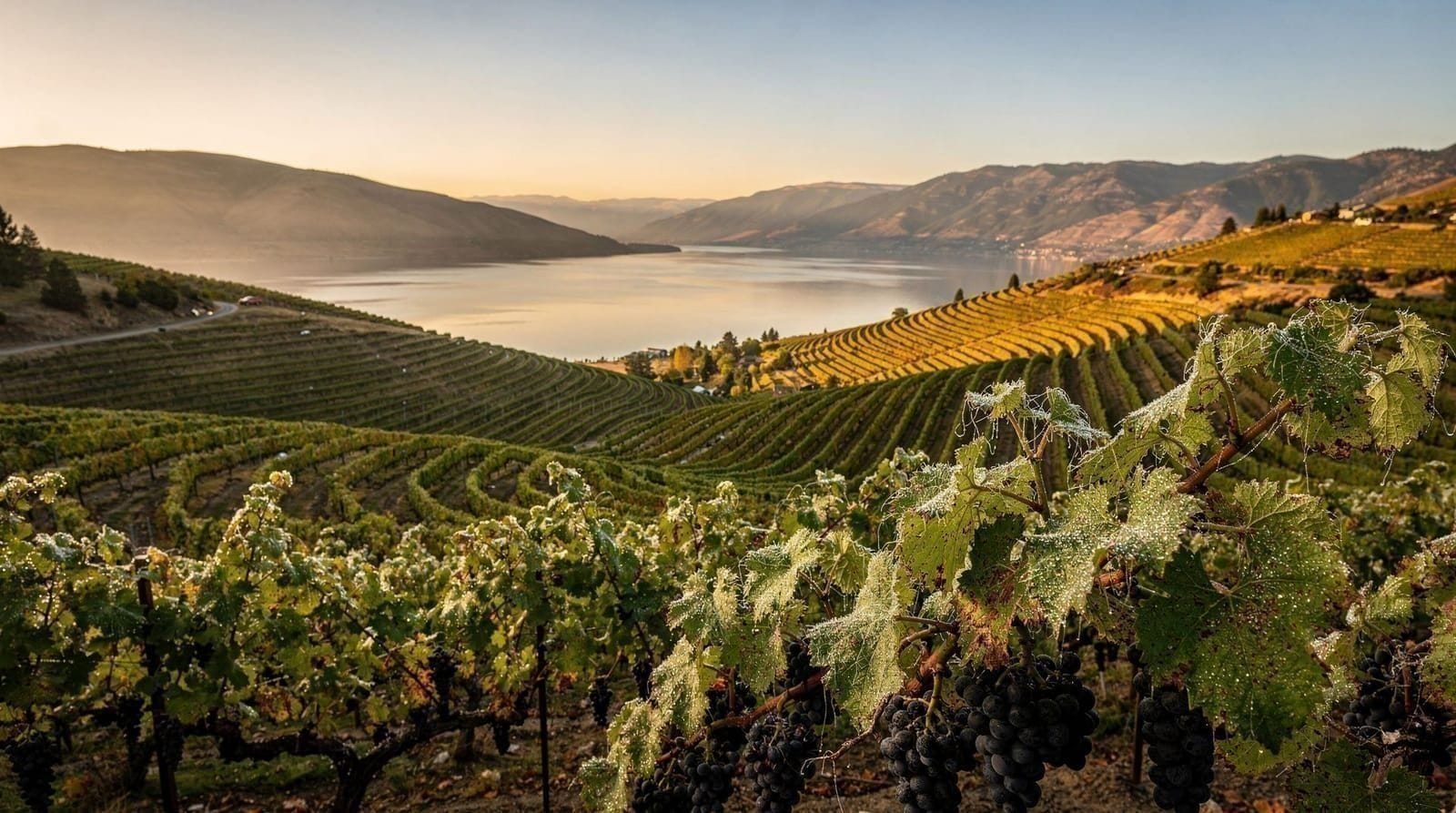
The Okanagan Valley is British Columbia’s wine region, and it doesn’t get nearly the recognition outside Canada that it deserves given the quality coming out of it — a dry, semi-desert valley wrapped around a chain of long lakes, with over 200 wineries between Kelowna and Osoyoos. It’s also a genuinely different kind of trip than anything on the coast: warm, sunny, and lake-focused rather than rainforest and mountain focused. This itinerary spends two days in Vancouver before heading inland for four days centered on Kelowna and Penticton.
| Where | Vancouver, Kelowna, West Kelowna, Penticton/Naramata Bench |
| Cost | Around CAD 3,500–5,000 for two travelers, excl. Vancouver flights |
| Time needed | 6 days; 2 in Vancouver, 4 in the Okanagan |
| Getting there | Drive (Coquihalla, ~4-4.5hrs) or fly YVR–YLW (~1hr) |
| Best time | May–October for tastings; September for harvest + fewer crowds |
Getting to the Okanagan: drive or fly
You have two realistic ways to get from Vancouver to Kelowna, and which one makes sense depends on whether you want the drive itself or just want to arrive. Driving via the Coquihalla Highway (Highway 5) takes roughly 4 to 4.5 hours, climbing through Coquihalla Summit at over 1,200 metres before descending into the valley — it’s a well-maintained, mostly divided highway, though it does see winter closures and requires caution with snow well into spring at the summit.
Flying is the other option: YVR to Kelowna International Airport (YLW) is about a one-hour flight, with car rental available on arrival in Kelowna if you’re not planning to drive round-trip. For a wine-focused trip where you’d rather not spend two travel days behind the wheel, flying one or both ways and renting a car locally is a reasonable trade of cost for time.
Either way, you’ll want a car once you’re in the valley — Okanagan wine country is spread across a long, narrow strip of land, and tasting rooms are simply not walkable between each other the way some of Vancouver’s neighborhoods are. See our car rental notes for what to expect on pricing whether you’re picking up in Vancouver or Kelowna, and our broader Okanagan from Vancouver guide for a side-by-side comparison of the drive versus fly decision.
Days 1–2: Vancouver
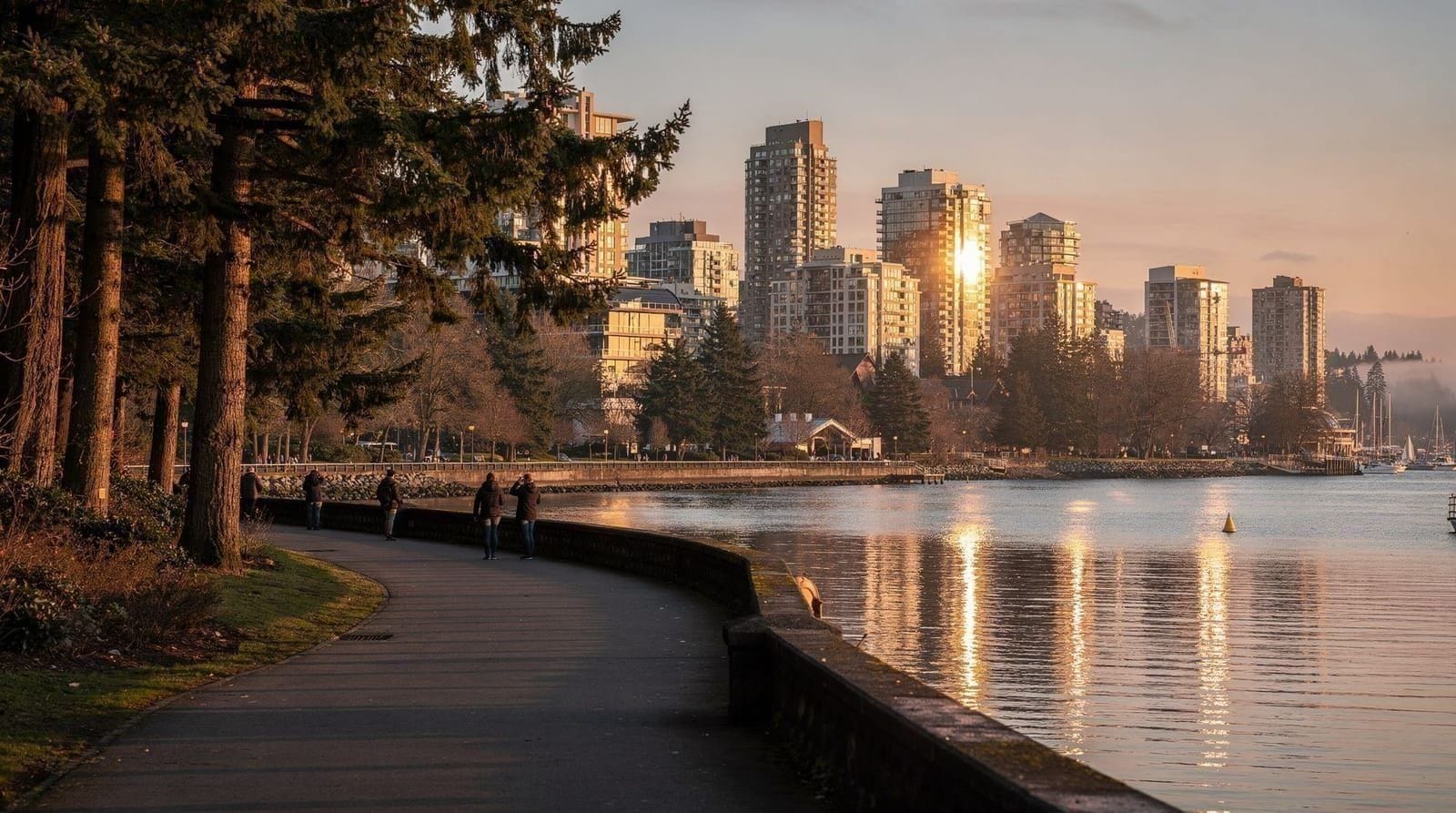
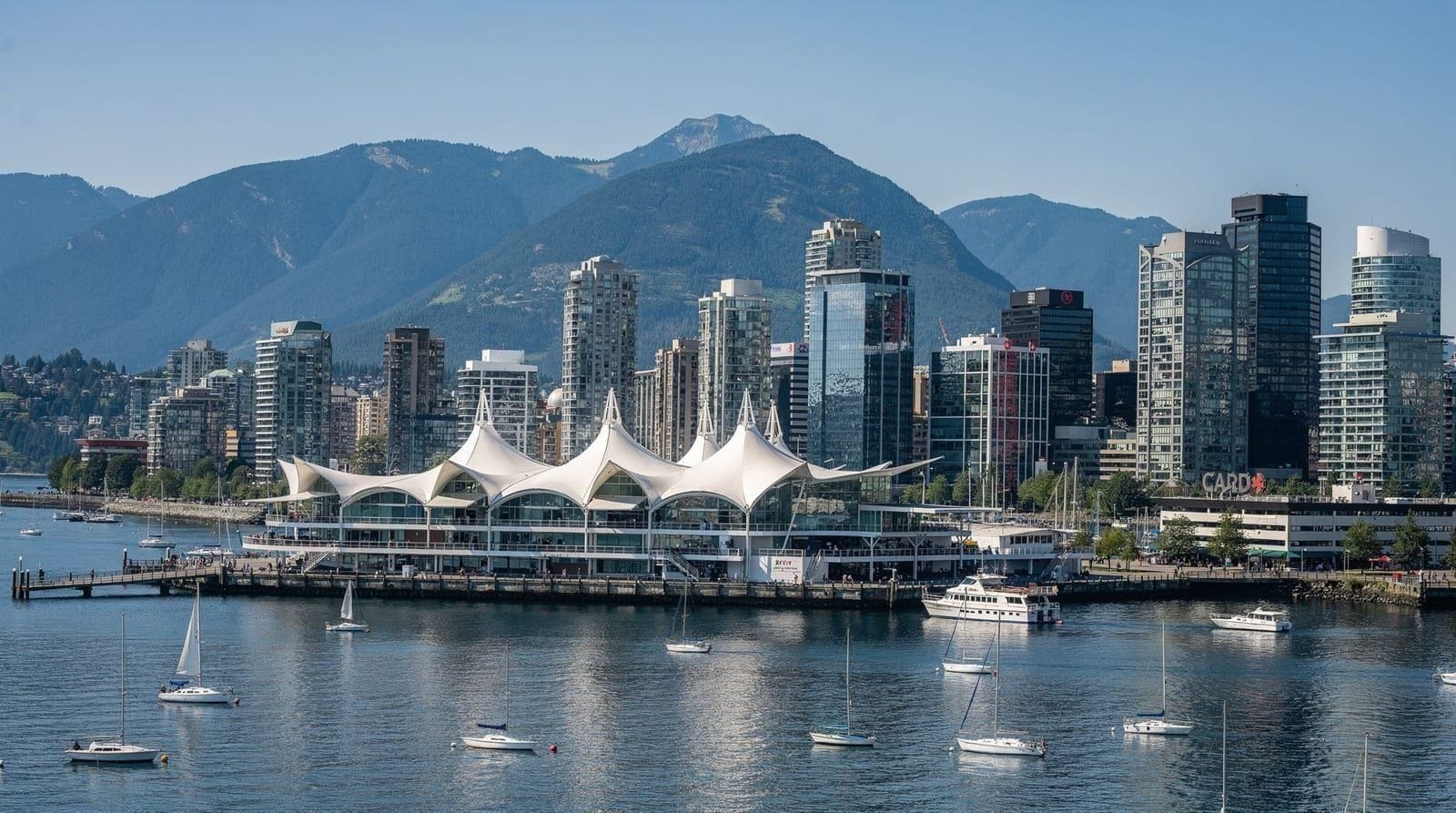
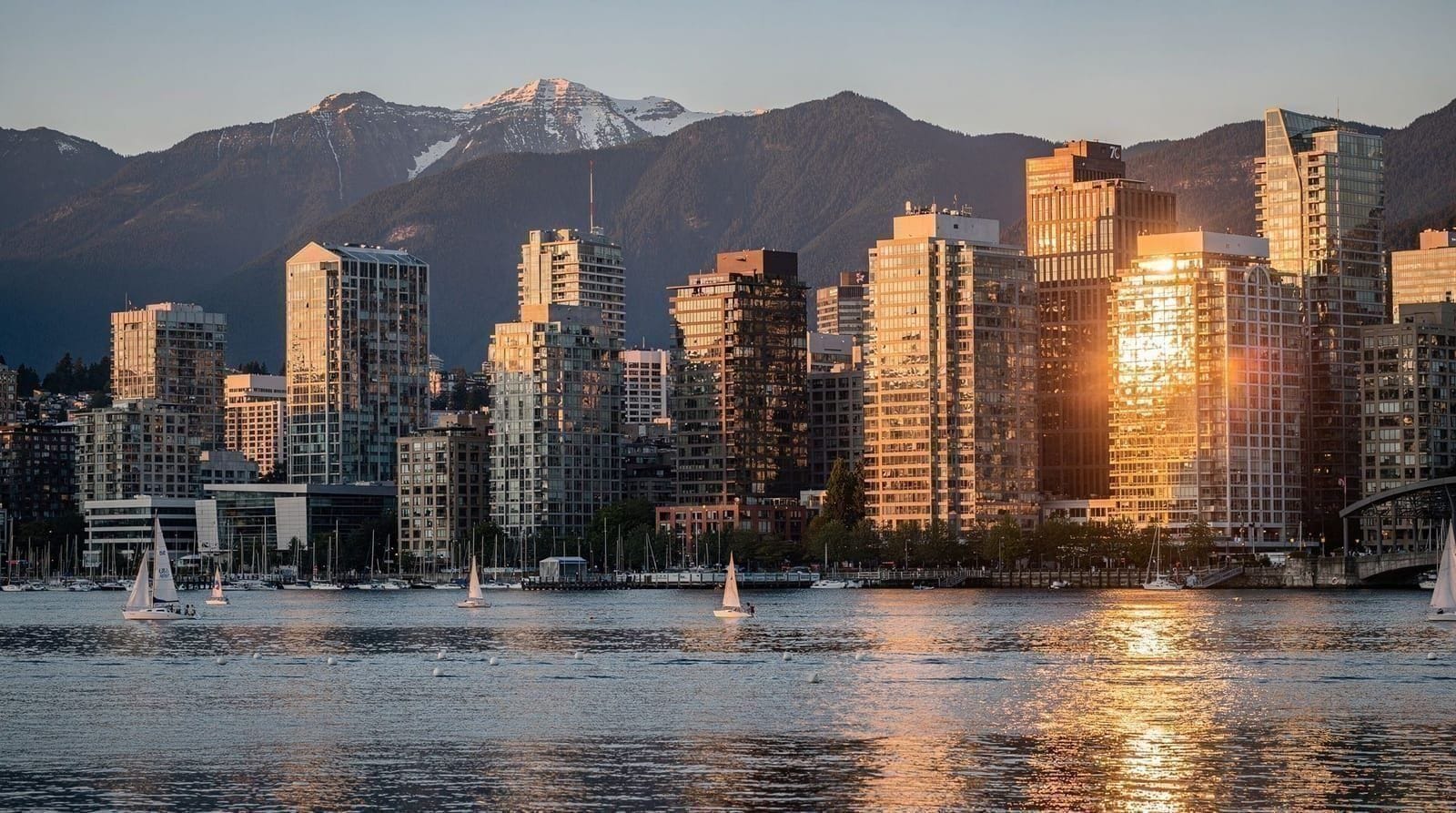
Spend your first two days in the city before heading inland. Cover the standard anchors — Stanley Park, Gastown, and Granville Island — and consider a North Shore outing while you’re still in the city, since the Okanagan portion of this trip has essentially none of Vancouver’s mountain-and-rainforest scenery.
If wine and food are the running theme of your trip, Vancouver’s own food tour scene and its well-regarded coffee culture (see our coffee culture guide) are worth folding into these first two days, since they set up a useful contrast with the Okanagan’s more rural, agricultural food identity later in the week.
A Capilano Suspension Bridge Park ticket covers the suspension bridge, treetop walkway, and cliffside boardwalk if you want that North Shore contrast before switching entirely to valley and lake scenery for the rest of the trip. For a more detailed two-day city plan, see our Vancouver in 2 days itinerary.
Day 3: Drive or fly to Kelowna
Head out in the morning, whichever route you’ve chosen. If driving, the Coquihalla stretch through Merritt and into the valley is scenic in its own right — dry pine forest and grassland replacing the coastal rainforest fairly abruptly around the summit, a visible reminder that the Okanagan sits in a rain shadow behind the Coast Mountains, which is exactly why it can grow wine grapes at all.
Arrive in Kelowna by early afternoon and check into your accommodation. Hotel Eldorado, a lakefront property with genuine 1920s character rebuilt after a 2016 fire, is the area’s best-known boutique option directly on Okanagan Lake; the Delta Hotels Grand Okanagan Resort offers a larger, full-service resort experience closer to downtown; and Manteo Resort is a solid mid-range choice with its own private beach. Spend the rest of the afternoon easing into the valley’s pace — a walk along the Kelowna waterfront boardwalk, or an early dinner at RauDZ Regional Table, a well-regarded farm-to-table spot downtown that reflects the Okanagan’s broader identity as an agricultural region, not just a wine one.
Day 4: Kelowna and West Kelowna wineries
Wine touring is genuinely better done with a designated driver or a guided tour than self-driven, and the valley’s tasting rooms are spread out enough — often 10 to 20 minutes apart along winding rural roads — that a guided outing removes a real safety and legal concern rather than just being a convenience. BC’s drinking-and-driving penalties are strict even at blood alcohol levels below the criminal threshold, with roadside suspensions starting well under the level most people would consider “over the limit” after a few tasting-room pours — this alone is reason enough to default to guided tours over self-driving for this part of the trip.
A West Kelowna half-day guided wine tour covers three or four wineries on the west side of Okanagan Lake with tastings included and a driver handling the roads between stops. For a broader look at how guided touring compares to self-driving across the valley, see our Okanagan wine tours guide.
West Kelowna is home to some of the valley’s most established names: Mission Hill Family Estate, with its Tuscan-inspired architecture and terrace views over the lake, and Quails’ Gate, known particularly for its Pinot Noir, both sit on this side of the water and are typically included on West Kelowna-focused tours. If you’d rather explore independently with a car (and a non-drinking driver), the Westside Wine Trail signage makes self-navigation straightforward.
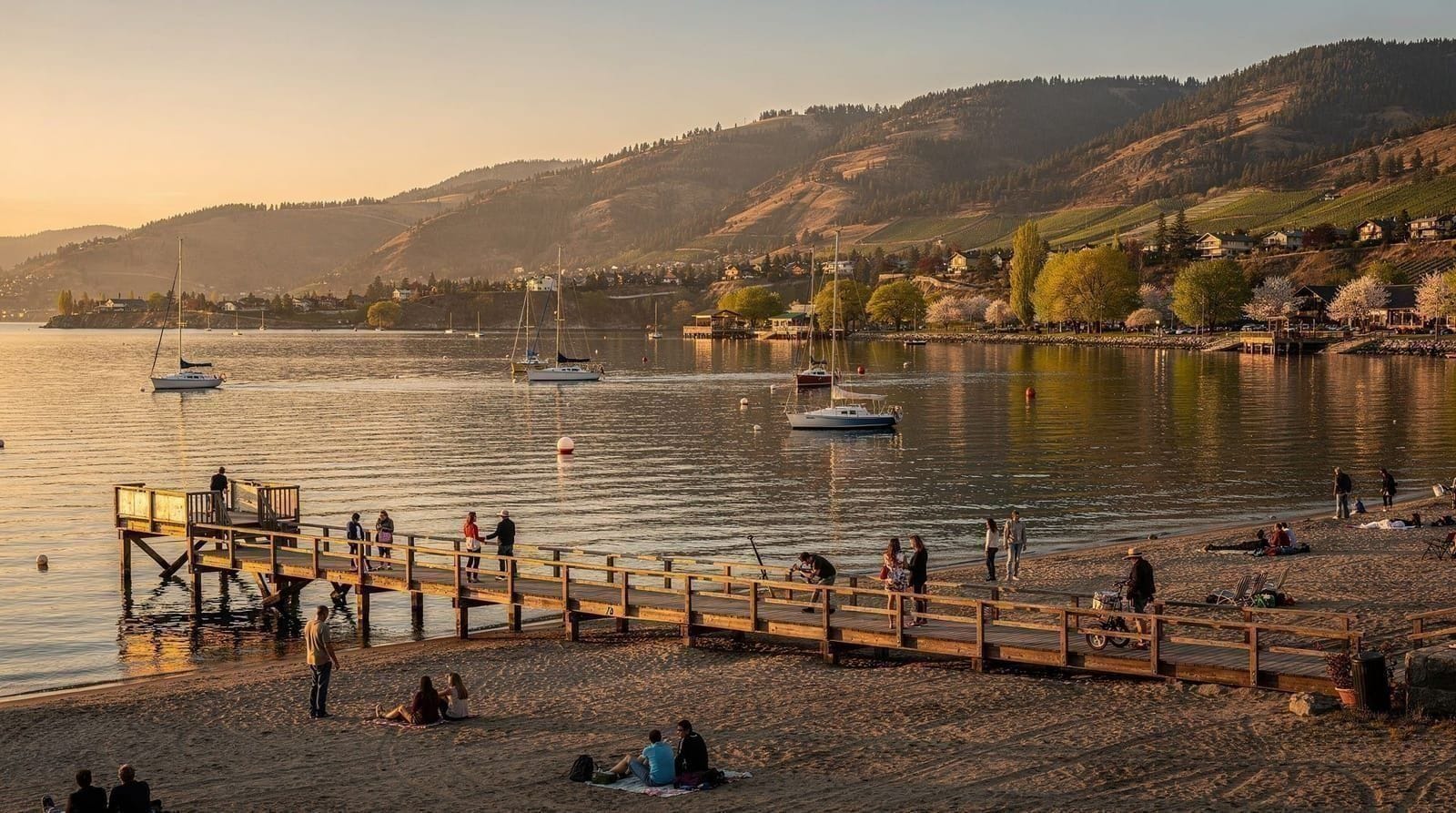
In the afternoon, if you want a change of pace from tasting rooms, Kelowna’s lakefront beaches and the Okanagan’s warm, dry summer climate — regularly into the low 30s Celsius in July and August — make lake swimming or paddleboarding a legitimate alternative activity, something that doesn’t really exist as an option on most of coastal BC’s colder-water itineraries.
Day 5: Full-day Okanagan Valley wine tasting
For a broader survey of the valley beyond West Kelowna, a full-day Okanagan Valley wine tasting tour typically covers a wider mix of wineries across both sides of the lake and different sub-regions, giving a more complete picture of the valley’s range — from bigger commercial producers to smaller family operations. Tantalus Vineyards, one of the valley’s oldest continuously planted vineyards with vines dating to the 1920s, and CedarCreek Estate Winery, known for its restaurant with lake views, are both worth requesting if you’re customizing a tour rather than taking a fixed itinerary.
For something a little different, an Okanagan bee tour with wine tasting and lunch pairs a look at local apiculture — genuinely relevant to the valley’s orchard and vineyard ecosystem, since pollinators matter directly to the fruit crops grown alongside the grapes — with a more conventional tasting and lunch stop. It’s a reasonable way to break up a week that otherwise consists mostly of successive wineries.
If you have any energy left in the evening, downtown Kelowna’s Bernard Avenue has a walkable strip of restaurants and bars for a final relaxed night before heading south the next day.
Day 6: Penticton and the Naramata Bench, then head back
Drive south from Kelowna to Penticton, about 45 minutes along the lake, for a change of scenery and a different cluster of wineries. The Naramata Bench, a narrow strip of vineyard land on the east side of Okanagan Lake between Penticton and Naramata, is widely considered the valley’s most concentrated and highest-quality winegrowing area, with small, often family-run producers like Lake Breeze Vineyards and La Frenz Winery drawing a more serious wine-focused crowd than some of Kelowna’s larger operations. It’s a slower, more rural experience — narrower roads, smaller tasting rooms, better views.
Penticton itself, sitting between Okanagan Lake and Skaha Lake, has its own beach culture and a walkable downtown if you want a couple of hours away from wineries before the drive or flight back. The town also anchors the Kettle Valley Rail Trail, a former railway grade converted to a flat, scenic cycling and walking route through the Naramata Bench’s vineyards — a reasonable non-wine activity for an hour or two if you want to see the same landscape from a bike rather than a tasting room.
Depending on your return timing, either drive back to Vancouver via the Coquihalla (allow the same 4 to 4.5 hours, plus the roughly 45-minute add-on from Penticton to the highway) or fly out of Kelowna if that’s how you arrived, looping back through Kelowna to return the rental car.
Best time of year for this trip
The Okanagan works on a fairly specific seasonal calendar. Tasting season runs broadly May through October, with most wineries open for regular tastings and tours throughout that stretch. Harvest season, September into October, is arguably the most interesting time to visit if you want to see the working side of the industry — grape picking, crush activity, and harvest-themed events at many wineries — though it’s also when accommodation books up fastest and prices peak alongside the fall colors. Midsummer (July–August) delivers the most reliable hot, dry weather for lake activities alongside the wine touring, but also the biggest crowds and highest hotel rates.
Outside May–October, many smaller wineries reduce hours or close for the season entirely, and this itinerary as written doesn’t really translate to a winter visit — if you’re traveling between November and April, the Okanagan becomes a much quieter, more limited destination, and this specific wine-focused itinerary isn’t the right fit for that window.
Wildfire smoke is also worth planning around honestly rather than ignoring. Late summer in interior BC, including the Okanagan, occasionally sees smoke drift in from wildfires elsewhere in the province or neighboring regions, which can affect air quality and views for days at a time in a bad year. It doesn’t happen every summer, and most years are unaffected, but if you’re booking well in advance for a late-August trip specifically for scenic lake views, it’s a real (if unpredictable) risk worth being aware of rather than a hypothetical one. September, once harvest gets underway, tends to be a safer bet on both crowd levels and air quality while still delivering warm, settled weather.
Budget for this trip
This is priced as a luxury-leaning itinerary given Kelowna and Penticton’s boutique lakefront hotel rates and the cost of guided wine touring, which typically runs CAD 150–250 per person for a half-day tour and CAD 250–400 for a full day including tastings. Figure roughly CAD 300–450 per person per day across the Okanagan portion of the trip, accounting for lodging, guided tours, and dining, against CAD 200–280 per day for the Vancouver portion.
Over six days for two travelers, a realistic total lands around CAD 3,500–5,000, excluding flights into Vancouver and any flight taken between Vancouver and Kelowna. Wine itself adds to this if you’re buying bottles at the cellar door to bring home — most tasting rooms apply the tasting fee toward a purchase, which softens the cost somewhat if you find something worth taking.
If you’re not a wine drinker, or you’re traveling with people who aren’t, the Okanagan still has plenty on offer: the lakes themselves for swimming, kayaking, and paddleboarding, several golf courses that draw their own dedicated visitors, and orchard-and-farm-stand culture that runs alongside the wine industry, with roadside stands selling cherries, peaches, and apples depending on the month. This trip is written with wine as the organizing theme because that’s what draws most first-time visitors, but it’s worth knowing the valley doesn’t require an interest in wine to be worth a visit — it’s simply the reason most people build a specific itinerary around it rather than folding it into a broader BC road trip.
Kelowna versus Penticton: which side to favor
If you have to trim a day somewhere, it’s worth understanding what you’d be giving up on each side of the lake. Kelowna has the larger, more polished producers — Mission Hill’s architecture and Quails’ Gate’s reputation are the names most visitors have heard of before arriving — plus the bigger selection of hotels, restaurants and lakefront amenities, making it the easier base if convenience matters.
Penticton and the Naramata Bench trade some of that polish for smaller, more serious wineries and a quieter, more rural feel; it’s the better choice if you’d rather taste at family-run cellar doors than resort-style tasting rooms. A shorter version of this trip could reasonably cut the Naramata Bench day and stay Kelowna-based throughout, though doing so trades away what many repeat visitors consider the valley’s best wine.
Six-day snapshot
| Days | Focus | Overnight |
|---|---|---|
| 1–2 | Vancouver: Stanley Park, Gastown, Granville Island | Vancouver |
| 3 | Drive/fly to Kelowna, waterfront, dinner | Kelowna |
| 4 | West Kelowna wineries, lakefront beach | Kelowna |
| 5 | Full-day Okanagan Valley wine tasting | Kelowna |
| 6 | Penticton, Naramata Bench, return to Vancouver | — |
A non-wine day if you need a break from tasting rooms
Six days of successive wineries can wear thin even for enthusiastic visitors, so it’s worth having a non-wine anchor in reserve. Kelowna’s lakefront beaches and Okanagan Lake’s warm summer water are the obvious choice for an afternoon swim or paddleboard session, but the Kettle Valley Rail Trail near Penticton is a genuinely good alternative for anyone who’d rather move than sit at a tasting counter — a flat, scenic cycling and walking route through the same vineyard landscape you’ve been tasting your way across.
Farm stands along Highway 97 selling cherries, peaches and apples (depending on the month) are worth a stop regardless of how you feel about wine, and give a fuller sense of the valley’s identity as an agricultural region rather than purely a wine one.