Vancouver Island in 7 days: from Victoria to Tofino
Capilano Bridge + Grouse Mountain + Dam + Lake & Hatchery (5-in-1, Small Group)
Vancouver Island is bigger than most first-time visitors expect — longer than Taiwan, with a mountainous, mostly undeveloped interior that turns even short-looking distances on a map into real driving time. This itinerary treats the island as what it is: a multi-day trip in its own right, not an extension you tack onto a city visit. Seven days is the minimum to reasonably combine Victoria’s gardens and history with Tofino’s coastline without either feeling rushed.
| Where | Vancouver, Victoria, Butchart Gardens, Tofino, Nanaimo |
| Cost | Around CAD 3,200–4,200 for two travelers, excl. flights |
| Time needed | 7 days, rental car required |
| Getting there | Self-drive + 2 BC Ferries vehicle crossings |
| Best time | May–September; book ferries and Tofino lodging ahead |
The route in outline
Two days in Vancouver, a ferry crossing and two days around Victoria, a full driving day across to the west coast, two days in Tofino, and a return route via Nanaimo that loops back to the mainland from a different port than you left from. It’s a loop rather than a there-and-back, which cuts down on repeat driving.
Compared to the shorter Vancouver and Victoria in 5 days itinerary, this trip trades the no-car convenience of that version for a rental car and roughly 10-12 hours of driving across the week, in exchange for reaching Tofino’s coastline and rainforest, which the shorter itinerary doesn’t cover at all. If Tofino specifically is your goal rather than a full-island loop, our Tofino trip guide has more detail on that leg on its own.
Days 1–2: Vancouver
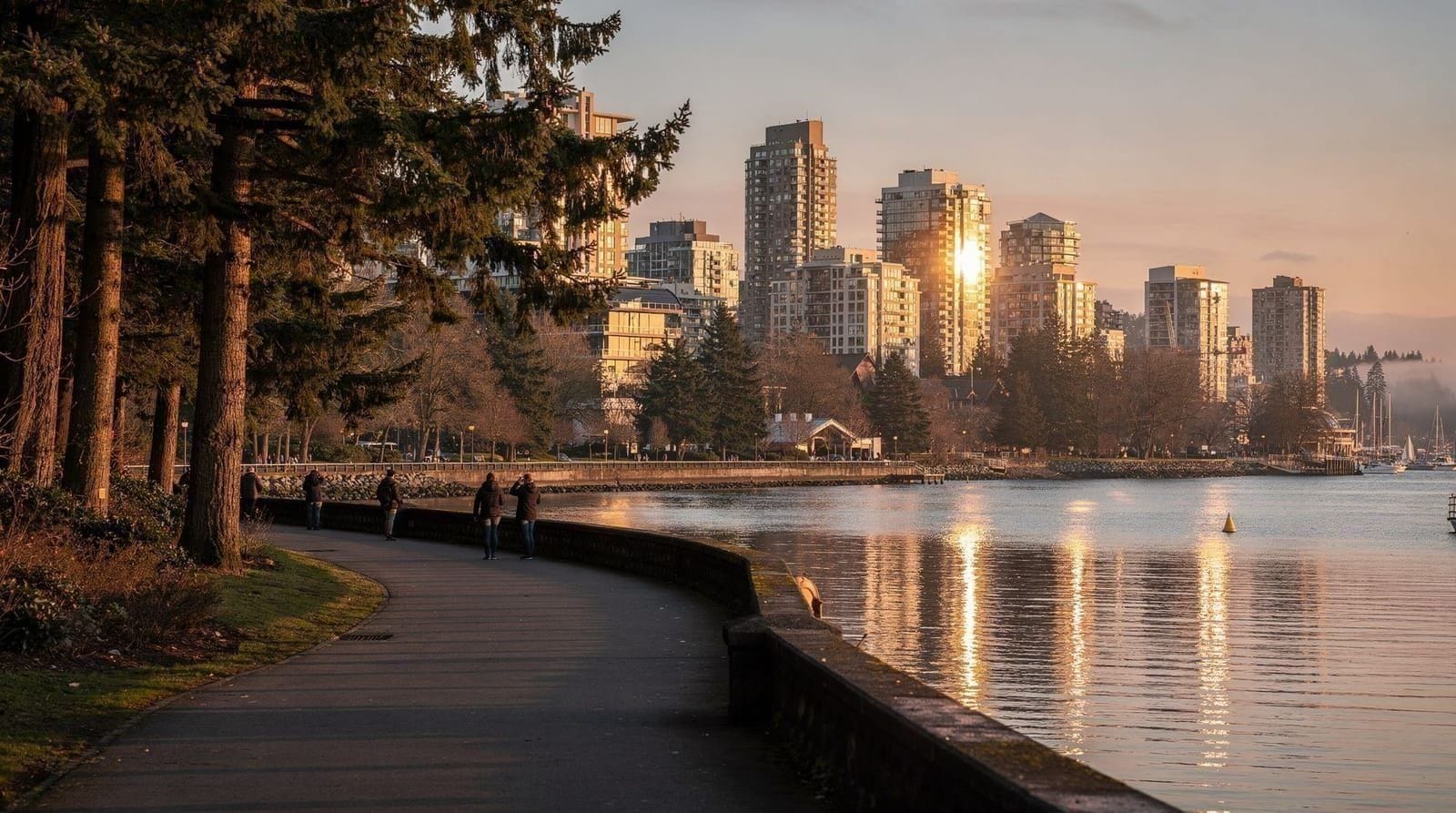
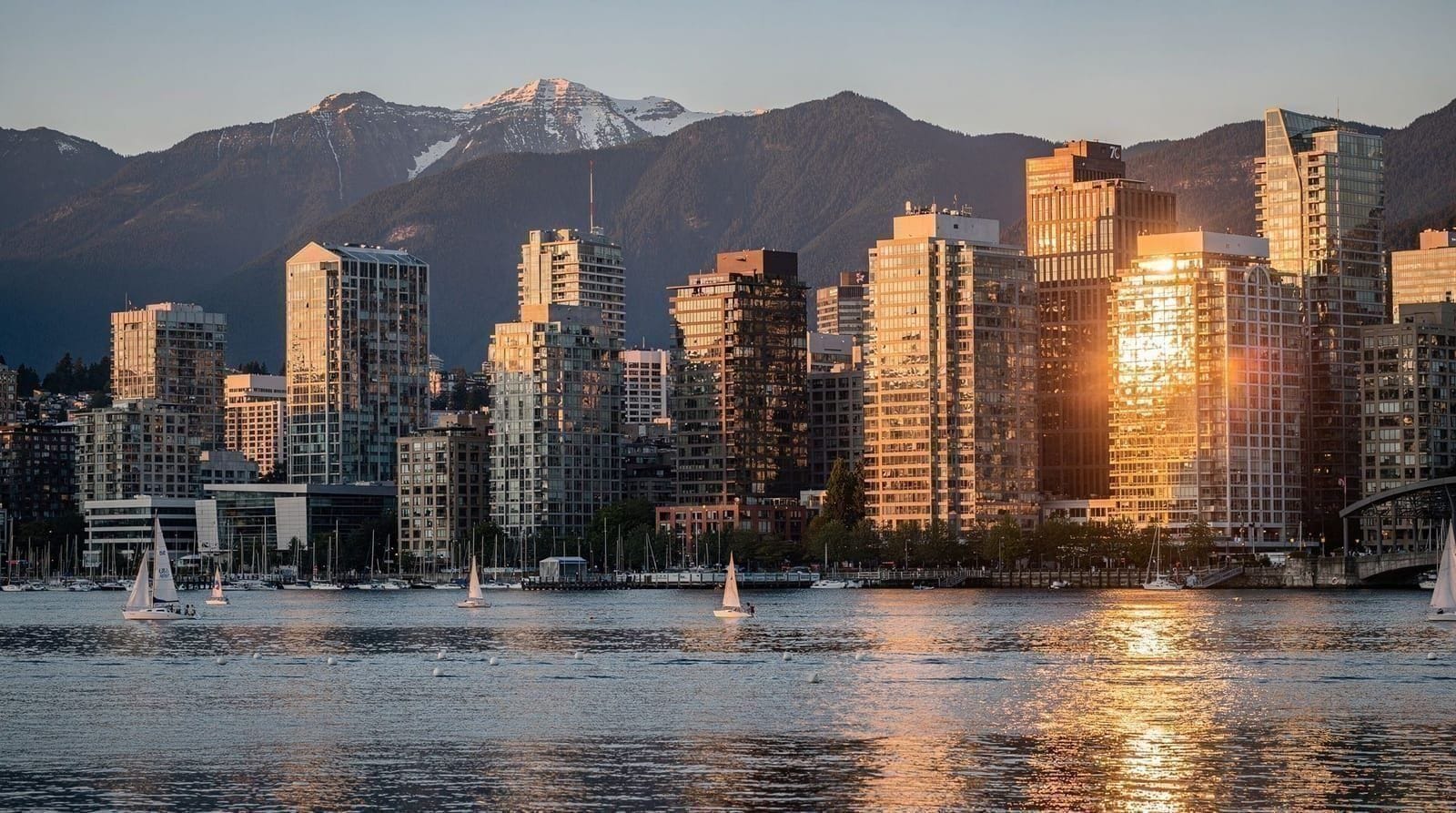
Cover the city basics before heading to the island. Stanley Park and its seawall, Gastown, and a North Shore outing are the standard anchors — a combined Capilano Bridge, Grouse Mountain, dam, lake and hatchery tour is an efficient way to see several North Shore attractions in one small-group outing if your time in the city is limited to these two days. For a fuller rundown of what fits into 48 hours in the city, see our Vancouver in 2 days itinerary, which covers the same ground in more depth than we can here.
Pick up your rental car on day 2 if you haven’t already, since you’ll need it from the ferry crossing onward — none of the rest of this trip works without one. See our car rental notes for what to expect on pricing and insurance; island driving typically pushes rental agencies to recommend the extra collision coverage given the remoteness of some stretches you’ll be covering later in the week.
If you have flexibility on the North Shore stop, Grouse Mountain and Capilano Suspension Bridge both work well as a half-day outing, leaving the other half of day 2 for a slower walk through Granville Island’s public market — a good last taste of city food culture before a week that leans heavily toward small-town and wilderness dining.
Day 3: Ferry to Victoria and Butchart Gardens
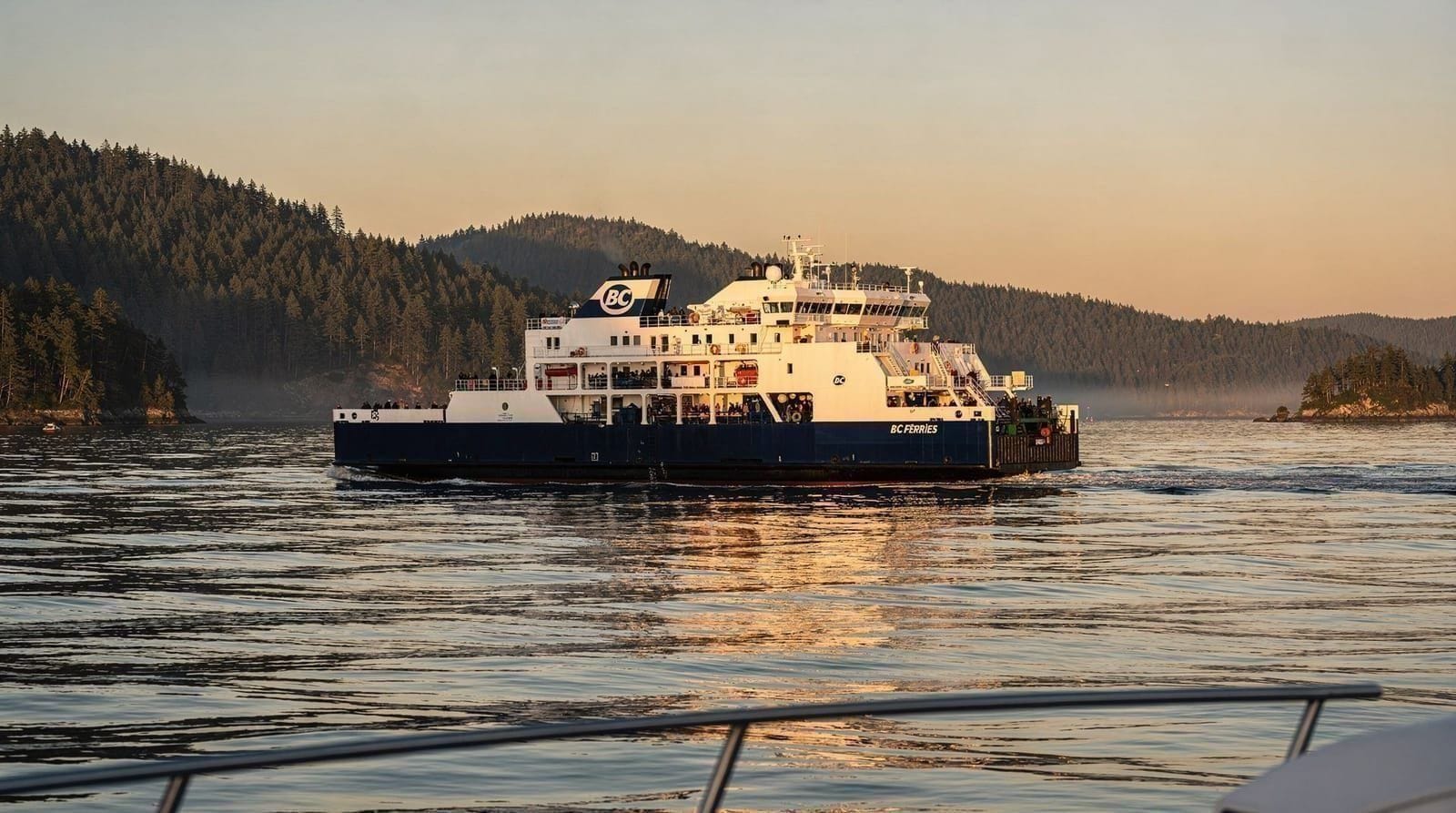
Drive to the Tsawwassen ferry terminal, about 45 minutes south of downtown Vancouver, for the BC Ferries crossing to Swartz Bay near Victoria — roughly 1 hour 35 minutes on the water. Vehicle reservations are worth booking in advance for this route in summer; walk-up vehicle traffic can mean waiting for the next sailing or two during peak weekends, which eats into a tightly scheduled week. Our BC Ferries guide covers reservation timing and what to expect at the terminals in more detail.
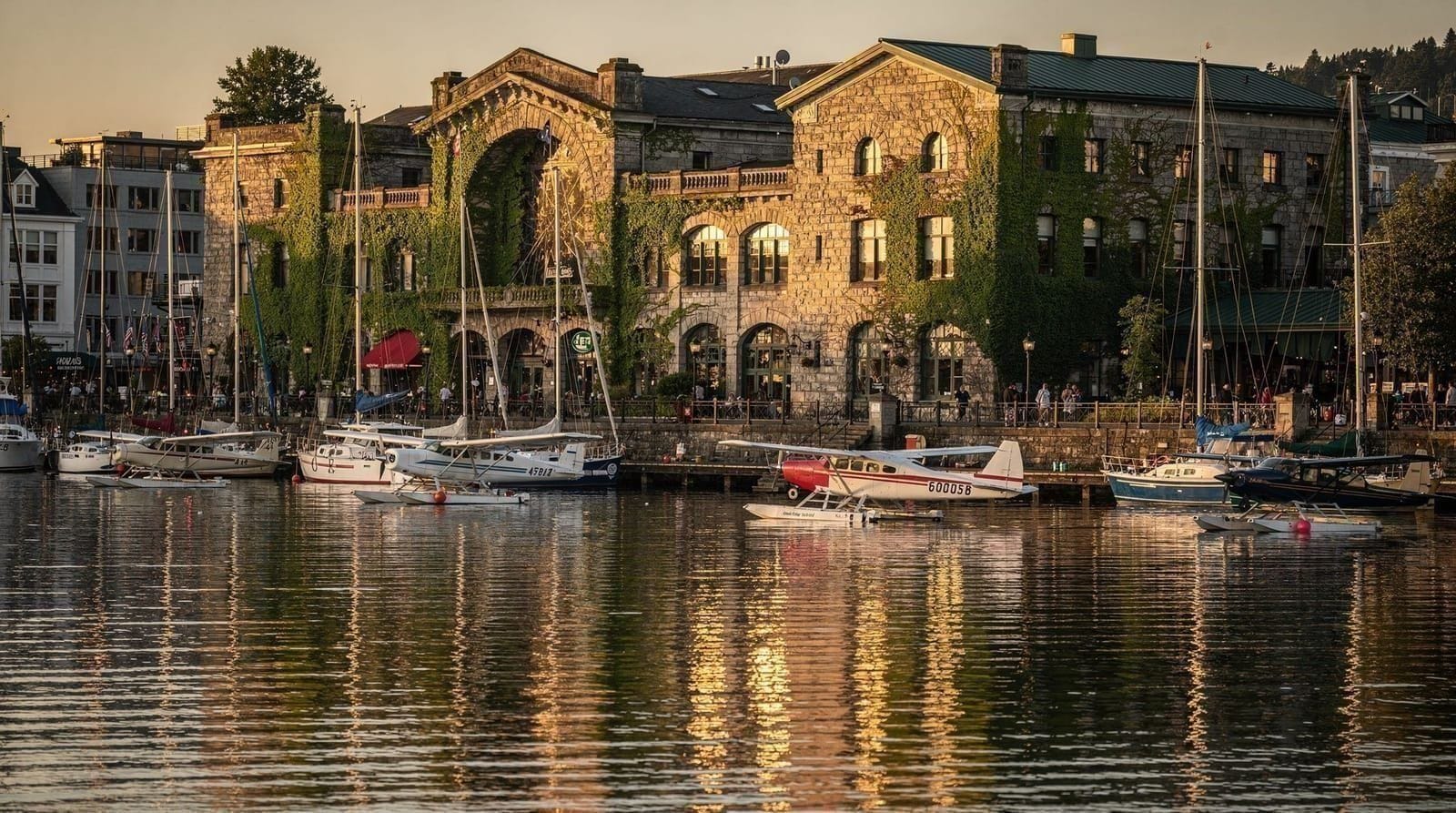
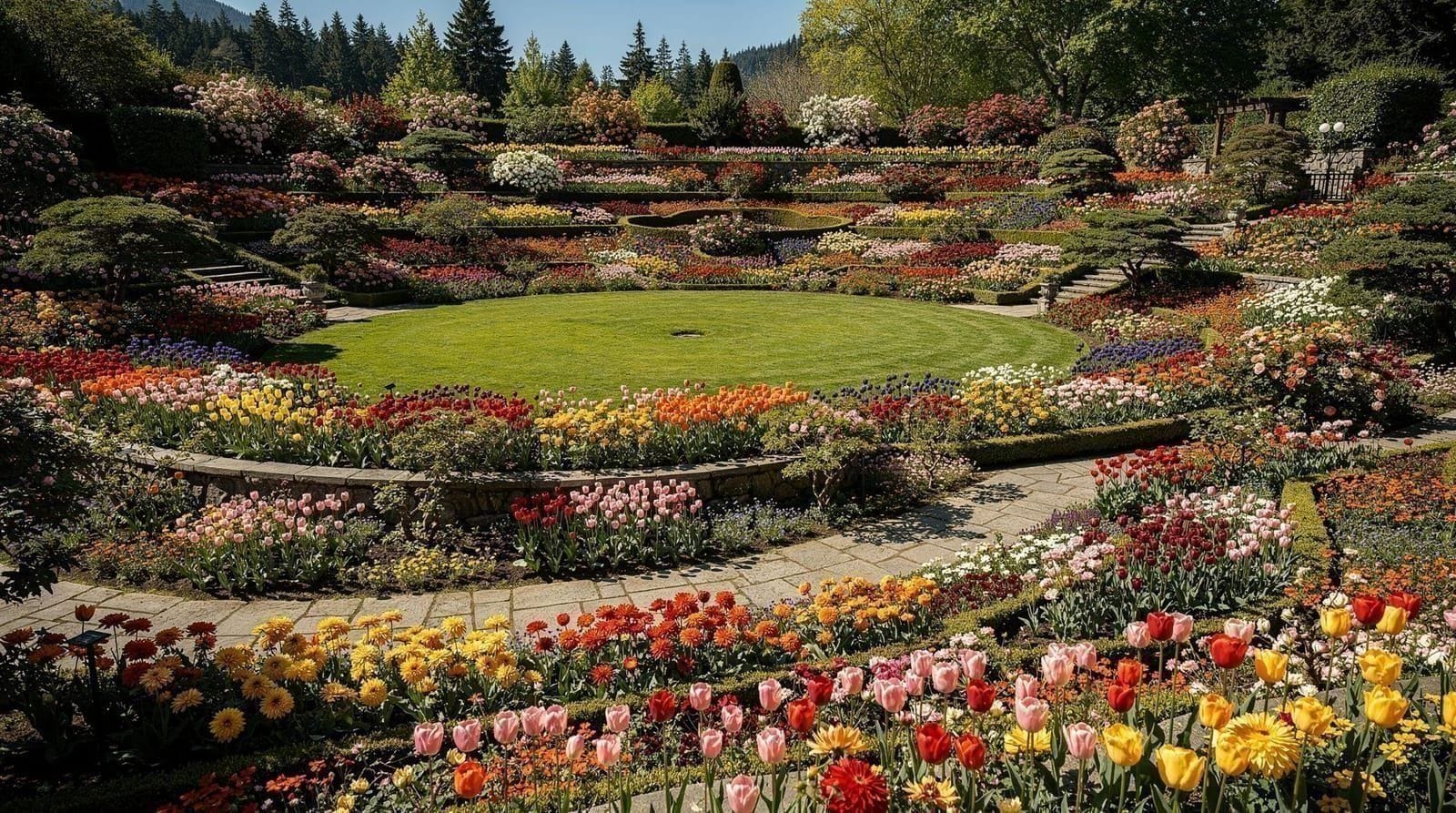
On arrival, head to Butchart Gardens, about 20 minutes from the ferry terminal and conveniently on the way into Victoria itself. A Victoria city tour and Butchart Gardens combo is a straightforward way to see both the gardens and downtown Victoria’s highlights without planning routes yourself, though with a car you can just as easily do this self-guided.
The gardens, built inside a former limestone quarry and first planted in 1904, are at their fullest bloom June through August. Check into a downtown Victoria hotel for the night — the Fairmont Empress is the landmark choice on the Inner Harbour, while Hotel Zed Victoria offers a more affordable mid-range alternative a short walk away.
Day 4: Victoria and whale watching, then start west
Spend the morning in downtown Victoria — the Inner Harbour, the Parliament Buildings, and Chinatown, the oldest in Canada. A catamaran whale watching tour makes good use of a few hours if you’re visiting between April and October, when orca and (increasingly) humpback sightings are reliable in the Salish Sea; outside that window, skip it and use the time in the city instead. Our best time for whale watching in BC guide breaks this down month by month if you’re trying to time the whole trip around it.
By early afternoon, start the drive north and west toward Tofino via Highway 1 and then Highway 4 — a genuinely long haul at roughly 4.5 to 5.5 hours depending on the route and stops, and one of the longer single-day drives on this itinerary. If Victoria to Tofino in one day feels like too much, this is a reasonable point to instead drive partway to Nanaimo (about 1 hour 45 minutes from Victoria) and split the Tofino drive across two shorter days, arriving fresher.
Day 5: The drive to Tofino, or Tofino itself
If you split the drive on day 4, continue from Nanaimo to Tofino this morning — still a substantial 3.5 to 4 hour drive through the island’s mountainous interior. Either way, Cathedral Grove, a stand of ancient Douglas fir inside MacMillan Provincial Park roughly at the midpoint of Highway 4, is worth the 20-minute stop; some of the trees here are estimated at 800 years old, and it’s one of the last easily accessible old-growth groves on this part of the island.
The final stretch of Highway 4 climbs and winds through Sutton Pass before descending to the coast, and it’s a slower road than the numbers alone suggest — winding, sometimes single-lane in sections during ongoing highway upgrade work, and worth budgeting extra time for rather than treating the stated drive time as a hard number. Fuel up before this stretch; services thin out considerably once you leave Port Alberni.
Arrive in Tofino by evening and check in. The Wickaninnish Inn is the area’s best-known upscale option, directly on Chesterman Beach with storm-watching suites; Long Beach Lodge Resort offers a similar beachfront setting at a somewhat more moderate price point; and Pacific Sands Beach Resort is a good mid-range choice with self-catering suites, useful given Tofino’s limited and pricier restaurant scene relative to its popularity.
Day 6: Tofino — rainforest, coast, and wildlife
Tofino operates on its own logic, shaped by its position at the edge of Pacific Rim National Park Reserve and the temperate rainforest behind it. Spend the morning on the water — a Tofino whale watching tour with a nature guide covers the coastal waters off Clayoquot Sound, where gray whales pass through in spring (March–May) on their northward migration and resident humpbacks and orcas are seen through summer and into fall.
In the afternoon, a Clayoquot Sound wildlife safari boat tour is a good complementary option focused more broadly on the sound’s ecosystem — bears foraging along the shoreline, bald eagles, and the old-growth-forested islands that make up the reserve, much of it within Tla-o-qui-aht First Nations territory. If you’d rather stay on land, the Rainforest Trail inside Pacific Rim National Park Reserve runs a well-built boardwalk loop through genuine old-growth temperate rainforest, and Long Beach itself — a wide, flat stretch of sand that draws a real surf community — is walkable for miles.
Tofino is a legitimate surf destination, unusual for Canada, with several schools running beginner lessons on Long Beach’s consistent, gentle swell; water temperatures sit in the 10–14°C range even in summer, so wetsuits (provided by lesson operators) are non-negotiable. For dinner, Wolf in the Fog and SoBo are both well-regarded, locally sourced options that reflect Tofino’s food scene punching well above its small permanent population.
If bears are more of a priority than whales, note that this itinerary doesn’t cover the grizzly bear viewing tours based further north around Campbell River and the Discovery Islands, which are a genuinely separate trip requiring additional driving or a flight; see our grizzly bears near Campbell River guide if that’s of interest for a future visit. Tofino’s own wildlife focus is coastal and marine rather than bear-centric, though black bears are occasionally spotted foraging along the shoreline on the Clayoquot Sound tours.
One honest seasonal note: Tofino is a genuinely different place in winter. Storm-watching season, roughly November through February, draws its own crowd for a completely different reason — travelers who come specifically to watch Pacific storms roll in off the coast from the comfort of an oceanfront room, with several hotels including the Wickaninnish Inn marketing dedicated storm-watching packages. It’s a legitimate way to experience the coast, but it’s not the same trip as the summer version described above, and most of the boat-based wildlife tours scale back or stop entirely during the winter months.
Day 7: Return via Nanaimo
Start the drive back early — it’s a long day if you’re catching an evening ferry back to the mainland. Retrace Highway 4 back toward Port Alberni and on to Nanaimo, roughly 3.5 to 4 hours from Tofino. Nanaimo itself, Vancouver Island’s second-largest city, is a reasonable lunch stop — it’s the origin of the Nanaimo bar, a no-bake chocolate dessert that’s genuinely a local specialty rather than a tourist invention, and worth trying at one of the downtown bakeries before you leave.
From Nanaimo, BC Ferries runs frequent departures to Horseshoe Bay in West Vancouver, a roughly 1 hour 40 minute crossing that lands you closer to downtown Vancouver than the Tsawwassen terminal you left from, closing the loop. Book your vehicle reservation for this crossing in advance if you’re traveling in summer, for the same reasons as the outbound leg.
Logistics worth knowing before you go
A few things about this route are easy to underestimate. First, gas and charging stations get genuinely sparse on the Port Alberni–Tofino stretch of Highway 4 — top up before you commit to that section, especially with an EV, since charging infrastructure on the island’s west coast remains limited compared to the Island Highway corridor. Second, cell coverage drops out in patches through the island’s mountainous interior; download offline maps before you leave Victoria or Nanaimo.
Third, this is a genuinely long week of driving — figure roughly 10-12 hours behind the wheel across the seven days — so if you’d rather spend more time stationary and less time driving, consider dropping either the Tofino leg or the Victoria leg and pairing this trip down into the shorter Vancouver and Victoria in 5 days itinerary instead, which covers the Victoria side of this route without the long push west.
Budget for this trip
Figure roughly CAD 200–280 per person per day across the week, with Tofino running toward the higher end of that range given its limited lodging supply and premium on beachfront properties. Add rental car costs (CAD 500–700 for the week including the extra insurance most agencies push for island driving) and two BC Ferries vehicle crossings (roughly CAD 60–90 each way per vehicle plus passenger fares). All-in for two travelers, a realistic mid-range total for the week lands around CAD 3,200–4,200, excluding flights into Vancouver.
Booking ahead matters more on this trip than on a Vancouver-only visit. Tofino’s small supply of hotels and vacation rentals sells out well in advance for July and August weekends, and waiting until a week or two before departure often means settling for whatever’s left at a premium price, or driving considerably further afield for a bed. The same is true, to a lesser degree, of BC Ferries vehicle reservations on both crossings during peak summer. If your travel dates are flexible, shoulder season — May, June, or September — delivers most of the same experience with fewer crowds, easier bookings, and noticeably lower accommodation rates in both Victoria and Tofino.
Shortening or lengthening the loop
If seven days is more than you can spare but you still want a taste of the island beyond Victoria, consider cutting Tofino’s second day and using the saved time to drive the return leg in daylight rather than rushing an evening ferry — the Highway 4 mountain stretch is not a road to drive tired or after dark if you can help it.
Conversely, if you have more than a week, an extra night in Tofino is generally a better use of time than an extra night in Victoria, since the coast and rainforest reward slower exploration more than downtown Victoria’s compact core does. For a version of this trip without the long drive west at all, the Vancouver and Victoria in 5 days itinerary covers the Victoria side without needing a rental car.
Seven-day snapshot
| Days | Focus | Overnight |
|---|---|---|
| 1–2 | Vancouver: Stanley Park, North Shore, Granville Island | Vancouver |
| 3 | Ferry to Victoria, Butchart Gardens | Victoria |
| 4 | Victoria sights, whale watching, drive west | Nanaimo or en route |
| 5 | Drive to Tofino, Cathedral Grove | Tofino |
| 6 | Tofino: whales, rainforest, surf | Tofino |
| 7 | Drive back via Nanaimo, ferry to Horseshoe Bay | Vancouver |
What to pack for the coast-to-mountain range
This route covers city streets, a formal garden, an old-growth rainforest and a surf beach, so pack for range rather than a single climate. Layers matter more here than almost anywhere else in this itinerary lineup — Victoria’s Inner Harbour can be mild and sunny while Tofino, only a few hours west, sits under Pacific cloud cover with a genuine chill off the water even in July.
Proper waterproof footwear earns its keep on the Rainforest Trail’s boardwalks and Long Beach’s wet sand, and a wetsuit is provided by surf schools so you don’t need to pack your own. If you’re driving in shoulder season (May or September-October), throw in a warmer layer for the Highway 4 mountain pass, which runs several degrees cooler than the coastal towns on either side of it.