SeaBus guide — crossing to the North Shore
Vancouver: Capilano Suspension Bridge Park Ticket
- Free cancellation
What is the SeaBus and how do I use it?
The SeaBus is TransLink's passenger ferry crossing Burrard Inlet between Waterfront Station downtown and Lonsdale Quay in North Vancouver, taking about 12 minutes. It runs on the same Compass Card and zone fare as SkyTrain and buses, roughly every 15-30 minutes, and is the standard way to reach North Shore attractions like Grouse Mountain and Capilano without a car.
Crossing Burrard Inlet to the North Shore is one of the more pleasant short trips a visitor to Vancouver can take, and the fact that it doubles as both practical transit and a genuinely scenic harbour crossing — for the price of a regular bus fare — makes the SeaBus one of the city’s better-value experiences that most first-time visitors don’t even realize is an option until someone tells them. It’s also, practically speaking, the backbone of nearly every car-free North Shore day trip, connecting downtown directly to the launch point for both Grouse Mountain and Capilano.
| Where | Waterfront Station ↔ Lonsdale Quay |
| Cost | CAD 2.85, standard TransLink Compass fare |
| Crossing time | About 12 minutes |
| Frequency | Every 15-30 minutes |
| Connects to | Grouse Mountain, Capilano (via connecting bus, ~20-25min) |
| Best for | Car-free North Shore day trips, scenic harbour views |
What the SeaBus actually is
The SeaBus is a passenger catamaran ferry operated by TransLink, running a fixed route between Waterfront Station in downtown Vancouver and Lonsdale Quay in North Vancouver. It’s part of the same integrated transit network as SkyTrain and the bus system, meaning the same Compass Card, the same zone-based fares, and the same 90-minute transfer window apply — there’s no separate ticket to buy or system to learn. Two vessels alternate on the route, crossing in about 12 minutes each way.
Fares and how they fit the TransLink system
A SeaBus crossing costs the standard one-zone Compass fare, CAD 2.85 as of mid-2026, tapped the same way as boarding a bus or SkyTrain. If the crossing is part of a longer trip — say, SkyTrain from a downtown hotel to Waterfront, then SeaBus to Lonsdale Quay, then a connecting bus up to Grouse Mountain — the whole sequence counts as one fare as long as each tap happens within 90 minutes of the first, per the transfer rules covered in the TransLink guide. There’s no premium charge for the SeaBus specifically; it’s priced and treated exactly like crossing between two SkyTrain zones.
The crossing itself
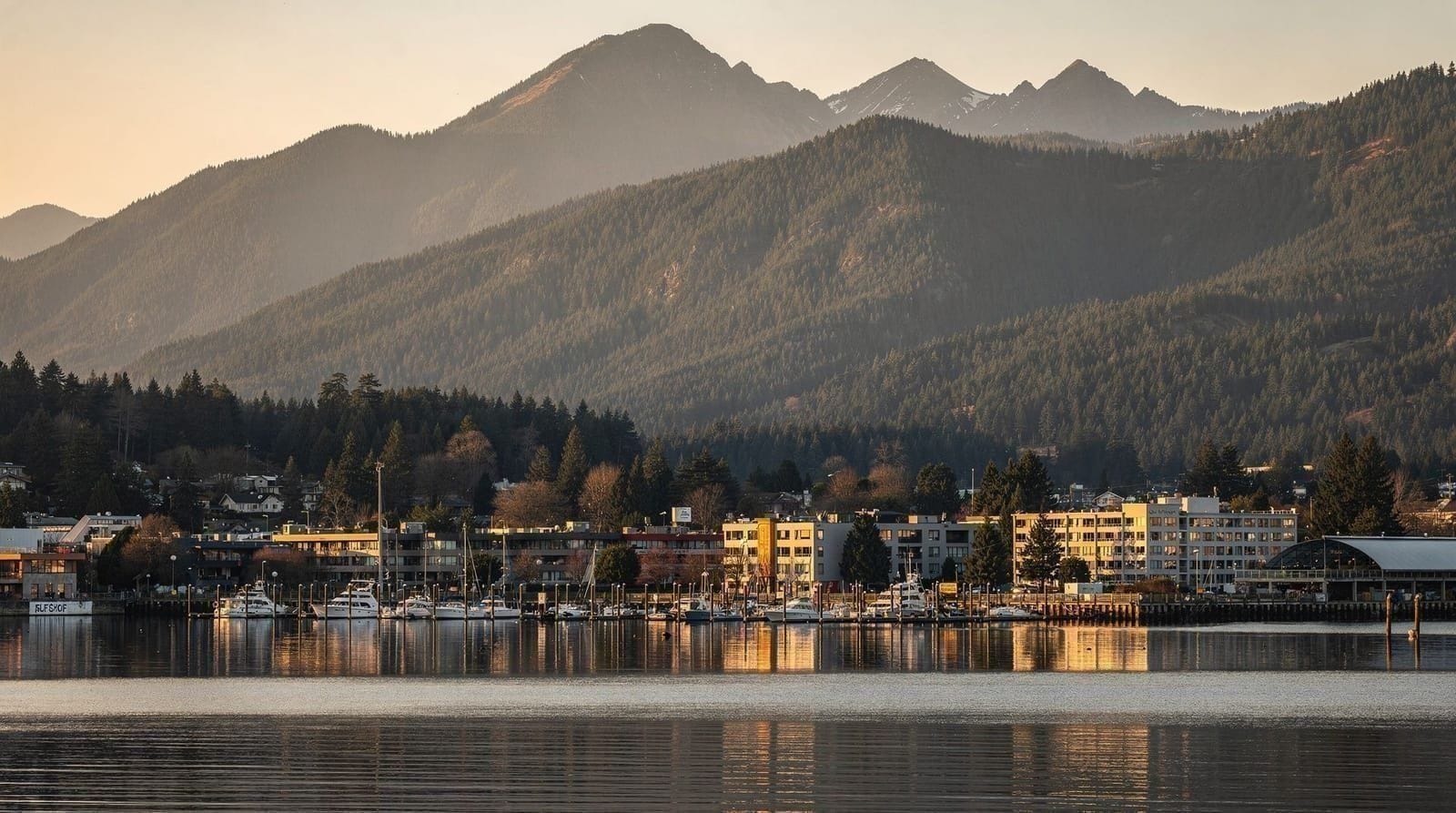
At 12 minutes, the SeaBus is a short trip, but it’s a scenic one — passengers get a clear view of the downtown skyline receding on one side and the North Shore mountains (Grouse, Cypress, Seymour) rising ahead on the other, with Stanley Park’s tree line visible off to the west. Both vessels have indoor seating with large windows and a small outdoor deck area at the bow, and on a clear day the outdoor deck is worth the minor breeze for the view alone. It’s a low-key, almost accidental sightseeing opportunity that costs the same as a bus ride, which makes it worth doing even for visitors without a specific North Shore destination in mind.
Frequency and schedule
SeaBus service runs roughly every 15-30 minutes depending on the time of day, with tighter frequency during weekday commuting hours (North Vancouver residents use it heavily to reach downtown jobs) and wider gaps in the evening and on weekends. Service generally starts early in the morning and continues until around 1am on the busiest nights, though exact times shift with the season and day of week — checking the TransLink app for the next departure before heading to Waterfront Station avoids an unnecessary wait, particularly for a late return trip after an evening on the North Shore.
Getting to Grouse Mountain from the SeaBus
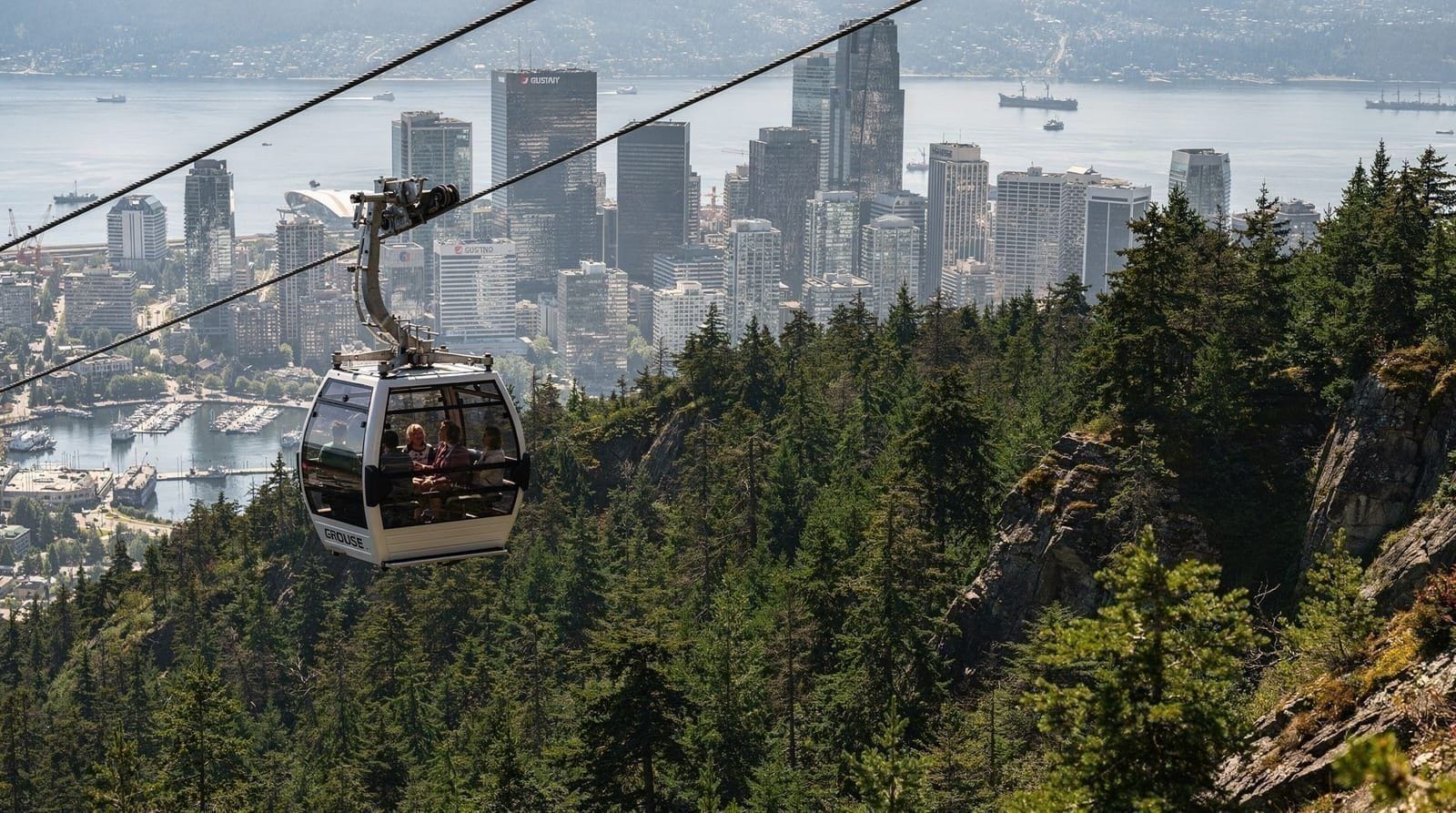
Lonsdale Quay connects directly to a bus loop, and route 236 runs from the quay up to the base of the Grouse Mountain Skyride in roughly 20-25 minutes, making the full downtown-to-Grouse trip (SkyTrain or walk to Waterfront, SeaBus crossing, bus up the mountain) achievable entirely on transit without a car. A Grouse Mountain Skyride admission ticket booked in advance avoids a line at the base once you arrive, particularly useful on busy summer days when tour buses and cruise groups converge on the mountain around the same midday window.
Getting to Capilano Suspension Bridge from the SeaBus
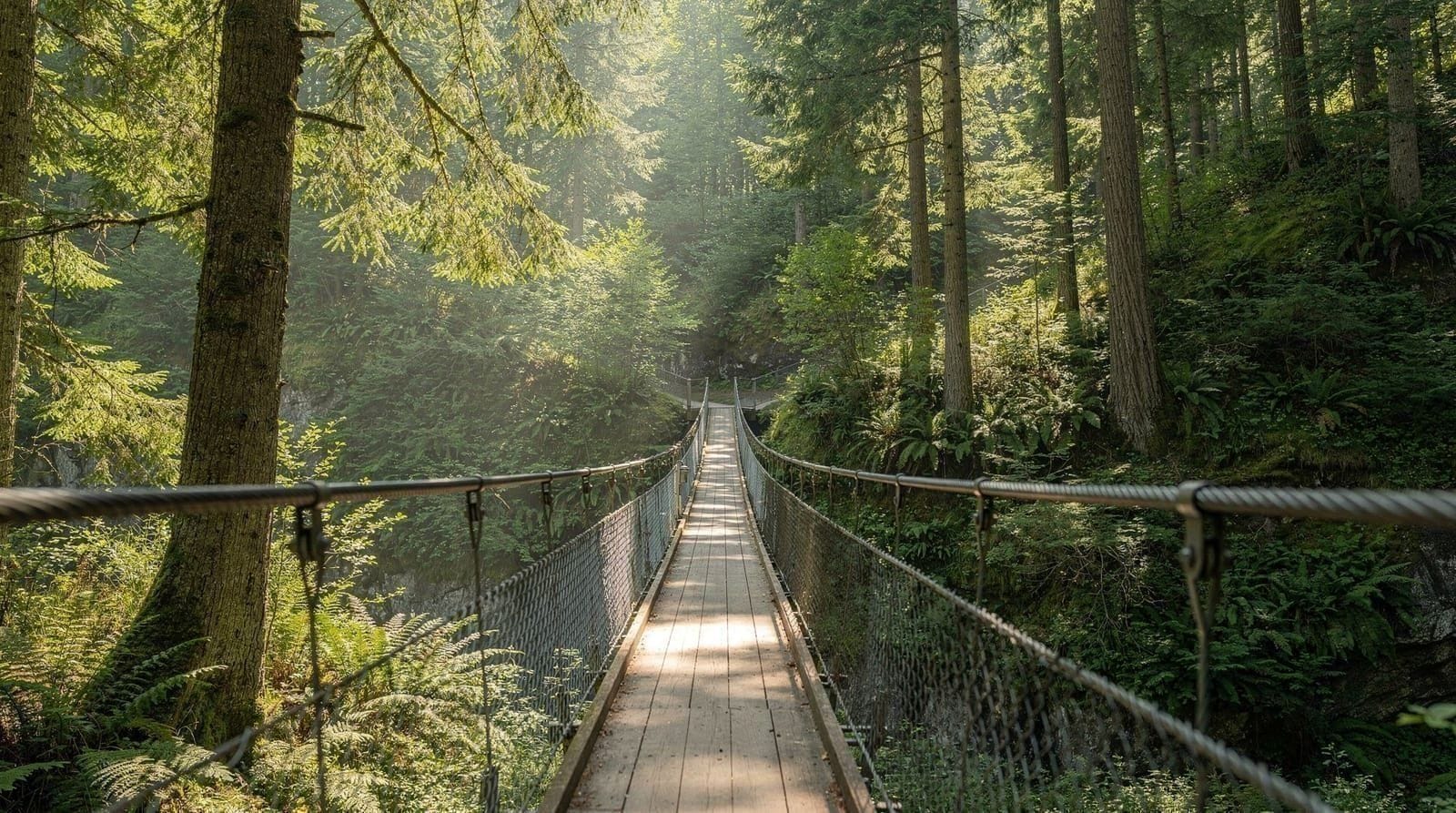
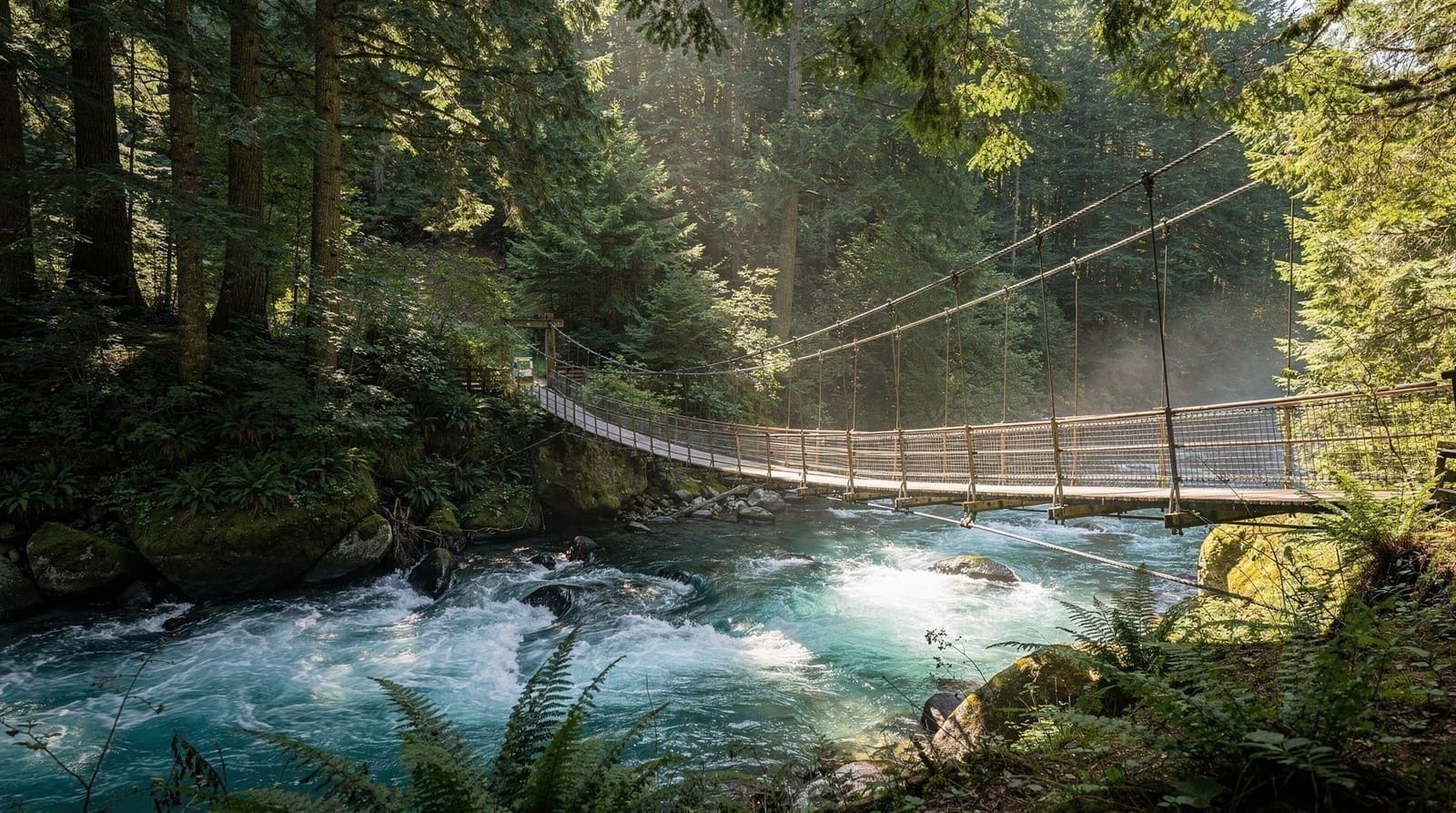
Capilano Suspension Bridge Park is reached from Lonsdale Quay via a connecting bus along Capilano Road, a similar overall journey time to the Grouse Mountain route. Some visitors combine both attractions in a single day, since they’re only about 10 minutes apart by car or a short bus connection from each other.
A Capilano Suspension Bridge ticket booked ahead is worth it regardless of how you arrive, since walk-up lines build steadily through the day at the entrance — the honest is Capilano worth it breakdown and the Capilano versus Lynn Canyon comparison both help decide whether it’s the right North Shore stop for a given trip.
Getting to Lynn Canyon and Deep Cove
Lynn Canyon Park and Deep Cove both require a further bus connection from Lonsdale Quay than Grouse or Capilano, and neither is directly on the main SeaBus-adjacent bus routes in the way the two bigger attractions are. Both are reachable by transit with some route-planning via the TransLink app, but visitors prioritizing efficiency on a single North Shore day should generally pair Grouse or Capilano (both close to the SeaBus bus loop) rather than trying to fit Lynn Canyon or Deep Cove into the same transit-only day without a car — the Quarry Rock and Deep Cove guide covers that route in more detail for a second North Shore day.
Lonsdale Quay itself
The terminal on the North Shore side isn’t just a transit hub — Lonsdale Quay Market, a public market in the same style as Granville Island’s, sits right at the SeaBus terminal, with food stalls, a small grocery section, and a waterfront patio looking back at downtown. It’s a reasonable stop for a coffee or lunch either before heading up to Grouse or Capilano, or on the way back before recrossing to downtown, and it means the SeaBus terminal itself is a mini-destination rather than just a place to wait for a connecting bus.
A bit of history
The SeaBus began operating in 1977, and at the time it was one of the first purpose-built passenger catamaran commuter ferries in North America, designed specifically to give North Shore residents a fast alternative to the traffic-prone Lions Gate Bridge. Nearly five decades later, it remains one of the more distinctive pieces of Vancouver’s transit identity — a proper harbour ferry integrated directly into a city’s everyday transit fare system, rather than a standalone tourist attraction priced separately, which is unusual among major North American cities.
The Shipyards District at Lonsdale Quay
North Vancouver’s waterfront around Lonsdale Quay has been substantially redeveloped in recent years into what’s now called the Shipyards District, building on the area’s industrial shipbuilding history with public plazas, a seasonal ice rink in winter, restaurants, and a small history walk marking the site’s role in wartime shipbuilding.
Visitors with a couple of extra hours can pair a North Shore day with a stop here before or after Grouse or Capilano — a North Vancouver Shipyard food tour covers several of the area’s restaurants and cafes in a guided 2.5-hour walk, a worthwhile alternative for visitors more interested in food and waterfront atmosphere than another hike or paid attraction.
Photography and the best time to cross
The SeaBus crossing offers one of the more accessible skyline photo opportunities in Vancouver, and the light changes meaningfully depending on time of day. Morning crossings heading toward downtown put the sun behind the city skyline, often producing a hazy, backlit shot; afternoon and early evening crossings heading toward the North Shore catch the mountains and the setting sun more directly, generally the better direction for photography. On clear days, the outdoor bow deck gives an unobstructed view in both directions, while the indoor cabin’s large windows work fine as a backup on windier or wetter days.
Weather and service disruptions
The SeaBus is a genuinely stable service, but like any harbour vessel it can face brief delays or, rarely, suspended service during severe weather — high winds in particular. This is uncommon and typically short-lived when it happens, but travelers with a tight connection to a return flight or an onward booking on a stormy day should check the TransLink app for service alerts before heading to the terminal, and have a backup plan (a taxi or rideshare across one of the bridges) in mind just in case.
Reaching West Vancouver from Lonsdale Quay
Lonsdale Quay’s bus loop also connects onward to West Vancouver, including the Ambleside waterfront area and Park Royal shopping centre, both reachable in roughly 15-20 minutes by connecting bus. This makes the SeaBus a viable starting point for a West Vancouver-focused day as well, not just the Grouse and Capilano route most visitors default to — worth considering for anyone who’s already done the North Shore’s two biggest paid attractions on a previous trip and wants a quieter, more residential stretch of coastline instead.
SeaBus versus driving to the North Shore
Driving across the Lions Gate Bridge or the Ironworkers Memorial Bridge to reach the North Shore is the alternative to the SeaBus, and during peak commuting hours both bridges see real congestion, particularly the Lions Gate given its narrower, older design. For visitors without a rental car, the SeaBus is simply the practical option. For visitors who do have a car for a broader day — combining the North Shore with, say, a drive further up toward Squamish afterward — driving can save the step of switching between transit and a rental car mid-trip, though it sacrifices the harbour views the SeaBus offers.
How the SeaBus compares to other city harbour ferries
Visitors who’ve ridden Sydney’s Manly Ferry, New York’s Staten Island Ferry, or Istanbul’s Bosphorus ferries will find the SeaBus a similar concept on a smaller scale — a genuine commuter service that happens to double as a scenic ride, rather than a tourist-priced harbour cruise. The main practical difference is fare integration: unlike some of those systems, which either charge separately or are free but disconnected from the rest of the city’s transit fare structure, the SeaBus is fully embedded in TransLink’s zone system, meaning a visitor with a Compass Card never has to think about it as a separate purchase or experience — it’s simply one more leg of a trip, priced and boarded the same way as a bus.
Accessibility
SeaBus terminals and vessels are wheelchair accessible, with elevators connecting street level to the boarding platforms at both Waterfront Station and Lonsdale Quay, and level boarding onto the vessels themselves. Strollers, luggage, and bikes are all permitted onboard without restriction outside of the busiest peak-hour crossings, making it a genuinely easy option for families or travelers with mobility needs heading to the North Shore.
Traveling with kids or a bike
Families crossing with a stroller will find the SeaBus straightforward — elevators connect the terminal levels at both Waterfront and Lonsdale Quay, boarding is level with no steps between the dock and the vessel deck, and there’s ample open floor space to park a stroller rather than needing to fold it. Cyclists can bring bikes onboard without a permit or extra fee, making the SeaBus a reasonable link for anyone planning to cycle the North Shore’s waterfront paths or connect toward Deep Cove by bike rather than bus after crossing.
Practical tips for first-time riders
Tap a Compass Card or contactless card at the fare gates before entering the terminal, the same as boarding SkyTrain — there’s no separate ticket booth or gate specific to the SeaBus. Boarding is straightforward with no assigned seating; simply walk on once the vessel docks and passengers disembark. During peak commuting hours (roughly 7:30-9am and 4:30-6pm on weekdays), the crossing gets genuinely busy with North Shore commuters, so visitors with flexible schedules may prefer crossing outside those windows for a quieter, less crowded ride, particularly if the outdoor deck view is part of the appeal.
Combining the SeaBus with a full North Shore day
A typical North Shore day using the SeaBus starts with an early SkyTrain or walk to Waterfront Station, the 12-minute crossing to Lonsdale Quay, then a connecting bus to either Grouse Mountain or Capilano for the bulk of the day, before returning the same way in the afternoon or evening. Starting early is worth it regardless of destination — both Grouse and Capilano get progressively busier through the late morning and midday as tour groups and cruise passengers arrive, and an early SeaBus crossing puts visitors at the base of either attraction before the heaviest crowds build.
Cruise passengers and the SeaBus
Vancouver’s cruise terminal at Canada Place sits a short walk from Waterfront Station — the same walk described in the YVR to downtown guide for arriving flights — which makes the SeaBus a realistic option even for cruise passengers with a limited shore day — a quick North Shore loop (SeaBus over, Lonsdale Quay Market, SeaBus back) can be done in under an hour if time is tight, or extended into a half-day with a stop at Grouse or Capilano for passengers with a longer window before their ship departs.
Given how compressed a typical 8-10 hour port call is, the SeaBus’s speed and reliability — no traffic risk, a fixed 12-minute crossing regardless of road conditions — makes it a lower-risk choice than driving or a taxi for anyone who needs to be back onboard by a hard deadline.
Extending the day: Quarry Rock and Deep Cove
Visitors looking for a quieter, less commercial North Shore experience than Grouse or Capilano sometimes use the SeaBus as the first leg of a longer transit-and-hike day toward Deep Cove and the Quarry Rock viewpoint, though this route requires additional bus connections beyond the direct lines serving Grouse and Capilano and takes meaningfully longer door to door.
It’s a reasonable plan for a second or third day on the North Shore, once the two headline paid attractions are out of the way, but not the most time-efficient choice for a single North Shore day with limited hours — the Capilano versus Lynn Canyon comparison and the dedicated Quarry Rock guide cover the tradeoffs in more detail.
A practical checklist for a SeaBus day
Load or tap a Compass Card before entering the Waterfront Station or Lonsdale Quay terminal gates — there’s no separate SeaBus-specific ticket window. Check the TransLink app for the next departure rather than assuming a fixed schedule, since frequency shifts through the day. Head to the outdoor bow deck if the weather cooperates, since the view is the main non-transit reason to take the crossing at all. And if the day includes Grouse Mountain or Capilano, book the entry ticket in advance — the SeaBus and connecting bus get you to the base efficiently, but a long walk-up line at the attraction itself can erase that time saving if arriving mid-morning without a pre-booked ticket.
One more practical note: luggage and cruise transfers
Travelers moving between a downtown hotel and a North Shore hotel with luggage in tow will find the SeaBus manageable but not effortless — elevators cover the vertical transitions at both terminals, but there’s still a walk between the SeaBus dock and the connecting bus loop at Lonsdale Quay for anyone continuing on to Grouse or Capilano. For a single day trip without heavy luggage, none of this matters; for a same-day hotel change with full suitcases, a taxi or rideshare directly between hotels may be worth the extra cost over managing bags across two transfers.
Combining the SeaBus with a Sea-to-Sky trip
Travelers who cross to the North Shore by SeaBus and then decide to extend the day further north toward Squamish or the Sea to Sky Gondola will need to switch to a car or tour at that point — the SeaBus and its connecting bus network cover North Vancouver itself, not the Sea-to-Sky corridor beyond it. It’s a reasonable two-part day for travelers with a rental car waiting on the North Shore side, but not a fully transit-only option once the destination shifts past Grouse or Capilano.
Seasonal notes
The SeaBus runs year-round without seasonal schedule changes of the kind that affect some of the North Shore’s outdoor attractions, though winter crossings can be a genuinely striking way to see snow-capped North Shore mountains from the water, particularly on a clear cold day. Summer crossings see the heaviest tourist traffic alongside regular commuters, since visitor volume to Grouse and Capilano peaks at the same time as the regular commuting crowd.
The bottom line
Frequently asked questions — SeaBus guide
How much does the SeaBus cost?
The SeaBus uses TransLink's standard Compass fare and zone system, the same as SkyTrain and buses — no separate ticket is needed. A one-zone fare runs CAD 2.85 as of mid-2026, and the crossing counts toward the same 90-minute transfer window as any other TransLink trip.How long does the SeaBus take to cross?
About 12 minutes from Waterfront Station downtown to Lonsdale Quay in North Vancouver, making it one of the shortest legs of a typical North Shore day trip.How often does the SeaBus run?
Roughly every 15-30 minutes depending on time of day, with more frequent service during peak commuting hours and reduced frequency in the evening. Checking the TransLink app for the next departure is worth doing since exact frequency varies by day and season.Can I get to Grouse Mountain and Capilano using the SeaBus?
Yes. From Lonsdale Quay, connecting buses (route 236 for Grouse Mountain, and buses serving Capilano Road) reach both attractions in roughly 20-25 minutes. It's the standard car-free route for both North Shore staples.Is the SeaBus just for commuters or is it worth doing as a sightseeing trip?
Both. It's North Vancouver's primary commuter link to downtown, but the crossing itself offers genuine skyline and mountain views, and riding it purely for the view — with no onward destination — is a legitimate, nearly free way to see Vancouver's harbour from the water without booking a cruise.Does the SeaBus run late at night?
Service continues into the evening but at reduced frequency, generally ending around 1am on the busiest nights and earlier on quieter ones. Checking the current schedule before planning a late return from the North Shore avoids being stranded waiting for an infrequent late sailing.Is the SeaBus wheelchair and stroller accessible?
Yes. Both terminals have elevators connecting street level to the boarding platforms, and boarding onto the vessels is level, with ample open floor space for strollers and no restrictions on bikes outside the busiest peak-hour crossings.Can cruise passengers use the SeaBus on a shore day?
Yes. Waterfront Station sits a short walk from the Canada Place cruise terminal, and a quick round-trip crossing to Lonsdale Quay can be done in under an hour, or extended into a half-day with a stop at Grouse Mountain or Capilano for passengers with a longer window before their ship departs.
Top experiences
Bookable activities with verified prices and instant confirmation on GetYourGuide.