Vancouver neighborhoods guide — what each area is actually like
Vancouver: Gastown Historical Walking Food Tour
Duration: 3 hours
What are Vancouver's main neighborhoods?
Downtown, Gastown, Yaletown, the West End, Kitsilano, Chinatown, Coal Harbour, Commercial Drive, and Mount Pleasant are the most visitor-relevant neighborhoods, each with a distinct character — from Gastown's Victorian heritage to Kitsilano's beach-town feel to Commercial Drive's bohemian, local energy.
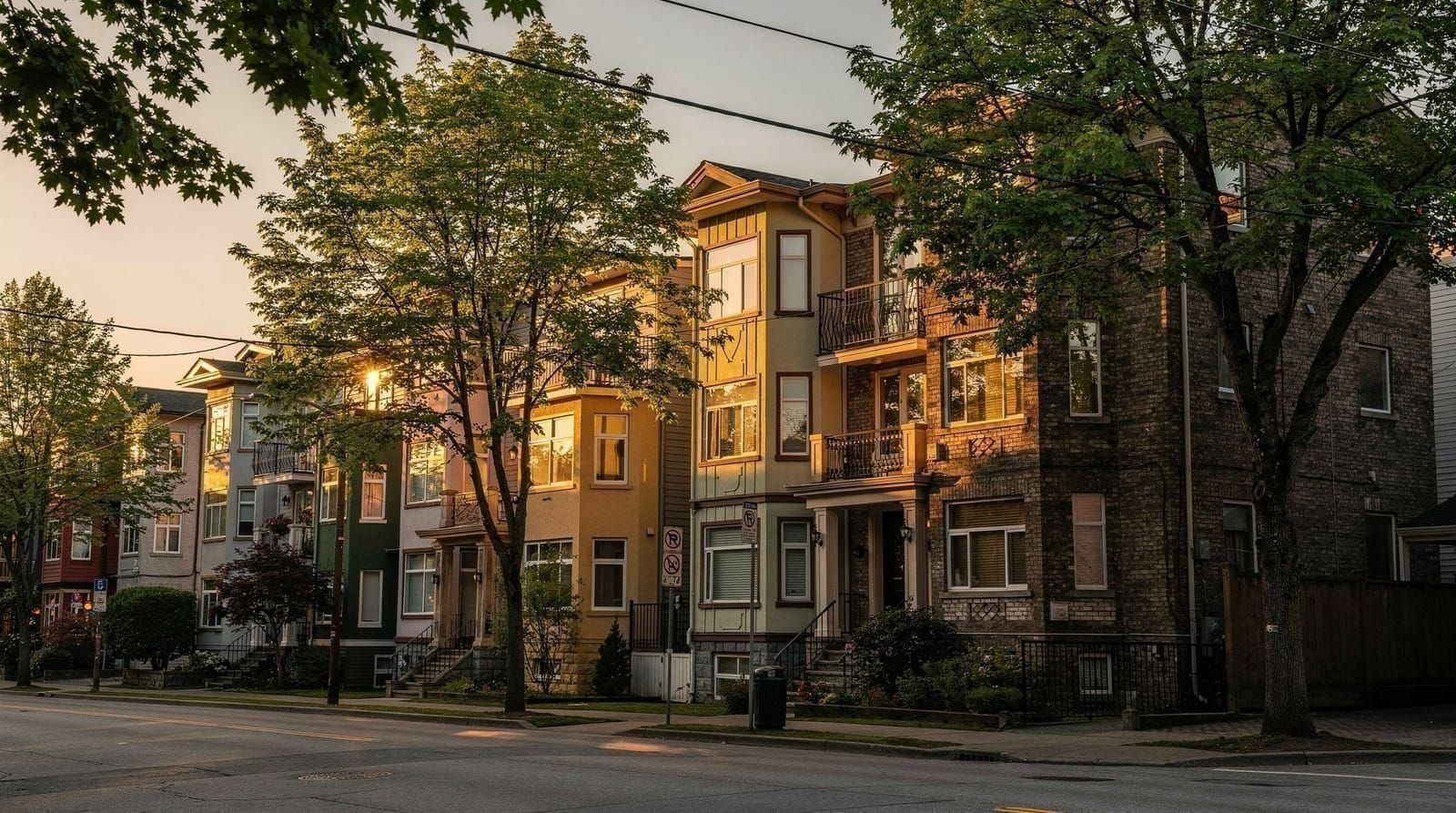
Vancouver’s neighborhoods each have a genuinely distinct character despite the compact geography connecting them — a short walk or transit ride can move a visitor from Gastown’s Victorian cobblestones to Yaletown’s glass-and-concrete waterfront to Kitsilano’s beach-town cafes. Understanding what each area is actually like, beyond just its name, helps decide where to base a trip and which neighborhoods deserve dedicated time versus a quick pass-through.
| Neighborhood | Character | Best for | Watch for |
|---|---|---|---|
| Downtown | Business/shopping hub | First-timers, convenience | Least distinct local character |
| Gastown | Victorian heritage, cocktail bars | History, food, nightlife | Downtown Eastside proximity |
| Yaletown | Converted warehouses, upscale | Dining, couples | Pricier than average |
| West End | Residential, beach-adjacent | Stanley Park access, LGBTQ+ nightlife | Fewer sightseeing stops of its own |
| Kitsilano | Beach-town, cafes | Budget, families, locals | Longer commute to downtown |
| Commercial Drive | Bohemian, local | Non-touristy experience | Further from core attractions |
Downtown core
Downtown Vancouver is the city’s business and shopping hub, anchored by Robson Street’s retail strip, the Vancouver Art Gallery, and Canada Place along the waterfront. It’s the most convenient base for first-time visitors and the busiest, most polished part of the city, with the highest concentration of hotels and the best transit connections, but the least distinctly local character compared to the more residential neighborhoods further out. Waterfront Station, at downtown’s northern edge, functions as the hub connecting SkyTrain, SeaBus, and West Coast Express regional rail, which makes downtown a genuinely efficient launching point for day trips anywhere else in the transit network.
Gastown
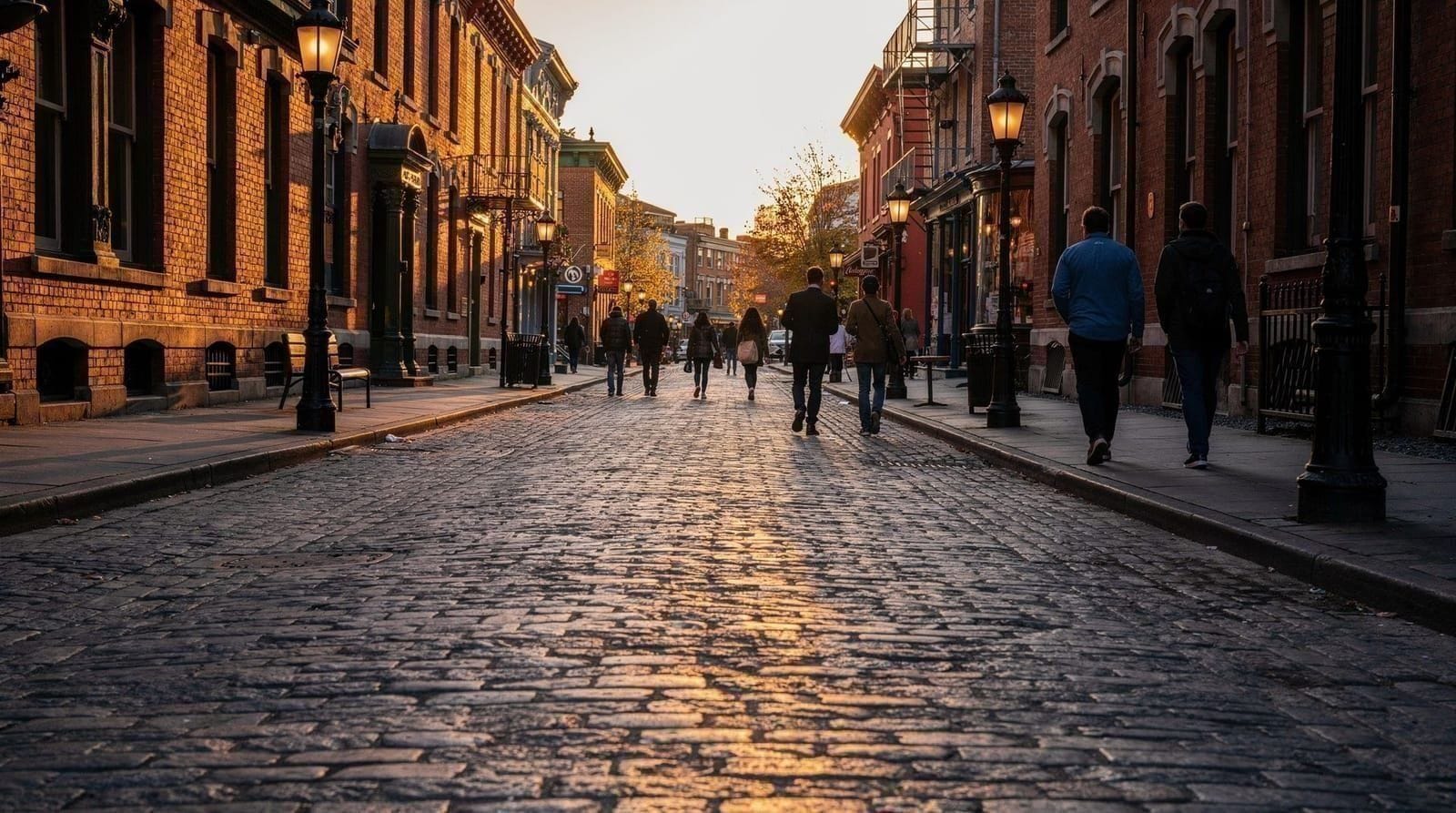
Gastown, the city’s oldest neighborhood, is built around Victorian-era architecture, cobblestone streets, and the Steam Clock landmark, and it’s arguably the most photographed part of Vancouver. It’s developed a genuinely strong cocktail bar and restaurant scene in recent years, and a Gastown walking food tour is a good way to sample both the neighborhood’s history and its current food scene in a single outing.
The honest caveat is proximity to the Downtown Eastside, worth knowing about before choosing accommodation specifically in this area. The neighborhood’s western blocks, closest to the waterfront and Water Street’s main tourist strip, are where most visitors spend their time, and they feel distinctly different from the areas closer to the Downtown Eastside boundary a few blocks inland.
Chinatown
Chinatown, adjacent to Gastown, combines heritage architecture, the Dr. Sun Yat-Sen Classical Chinese Garden, and some of the city’s best-value dining, particularly dim sum. It’s less polished for tourists than Gastown but rewards visitors specifically interested in food and cultural history over polished sightseeing infrastructure. The neighborhood has faced real economic pressure in recent years, and some blocks show visible signs of that alongside the historic architecture, which is worth knowing rather than expecting a fully restored, museum-piece version of the district.
Yaletown
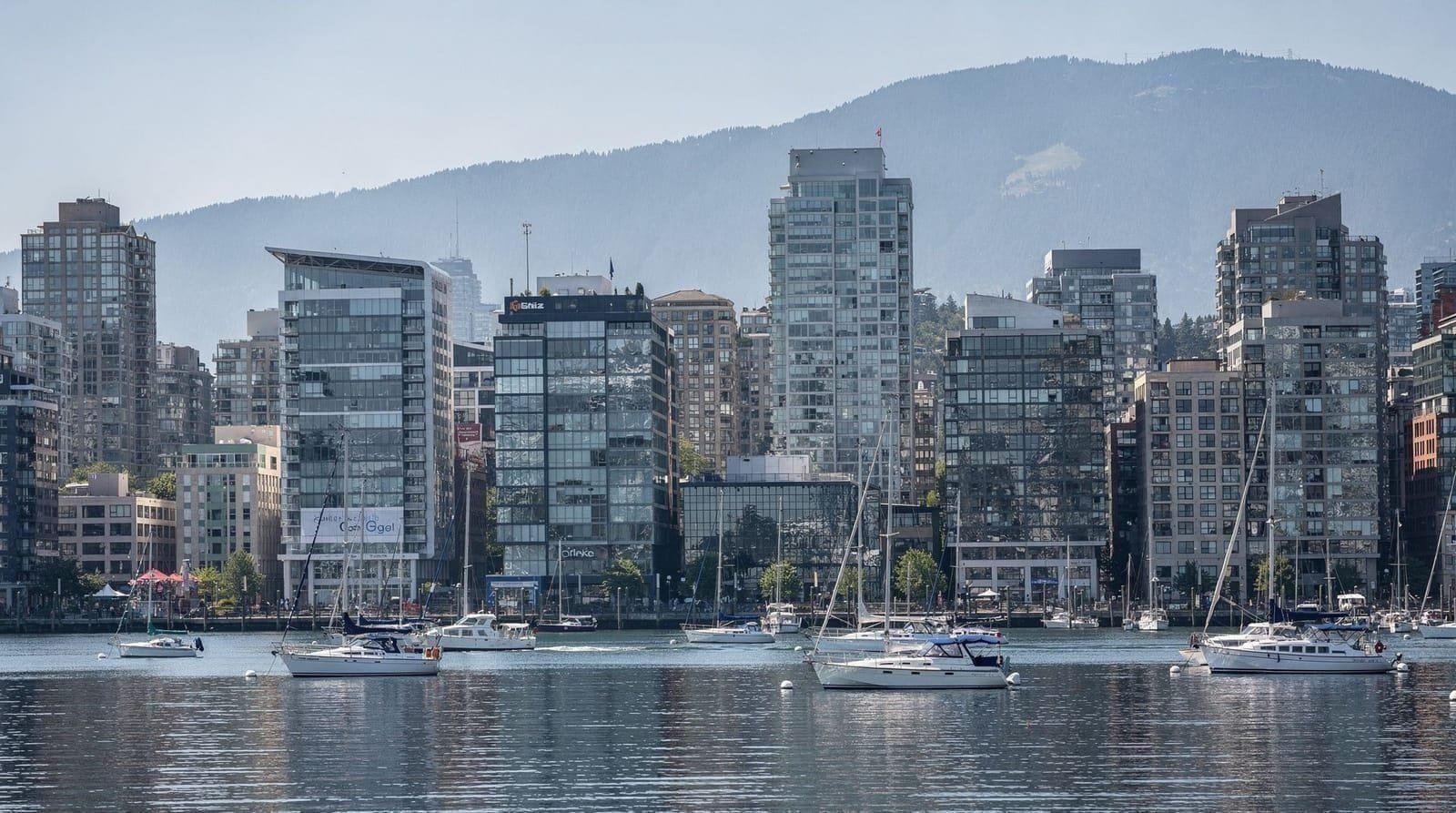
Yaletown is a converted warehouse district turned upscale dining and nightlife hub along False Creek’s north shore. It has the city’s highest concentration of trendy restaurants and bars, appeals most to couples and food-focused travelers, and connects easily to Granville Island by a short walk or a quick ride on one of False Creek’s small passenger ferries. The neighborhood’s converted-warehouse architecture — brick facades and loading-dock entrances repurposed into restaurant frontage — gives it a visually distinct identity from the glass towers that dominate most of the rest of downtown, and its waterfront path along False Creek makes for one of the more pleasant short evening walks in the central city.
West End
The West End, sitting between downtown and Stanley Park, is a genuinely residential neighborhood with tree-lined streets, English Bay beach access, and one of the city’s most visible LGBTQ+ communities centered on Davie Village. It’s the closest realistic walk to Stanley Park from a downtown-adjacent base, making it a strong middle-ground choice for visitors who want park access without leaving the central core. English Bay Beach, at the neighborhood’s western edge, doubles as one of the city’s best sunset-watching spots, and the West End’s lower-rise residential streets give it a noticeably calmer, more neighborhood-scale feel than the towers a few blocks east.
Coal Harbour
Coal Harbour, along downtown’s northern waterfront, is quieter and more upscale than Yaletown or Robson Street, with direct harbour and mountain views and easy access to the marina where several whale watching and seaplane tours depart. It appeals to travelers wanting a premium, low-key base without straying from the downtown core. Stanley Park’s eastern entrance sits within easy walking distance too, making Coal Harbour a reasonable, if pricier, alternative to the West End for visitors specifically prioritizing both park access and a quieter evening atmosphere than Yaletown or Gastown offer.
Kitsilano
Kitsilano, across English Bay from downtown, has a laid-back beach-town feel built around Kits Beach, a strong independent cafe scene along 4th Avenue, and a more residential, less touristy character than the downtown core. It trades a longer commute for a genuinely local neighborhood experience and typically lower accommodation prices. The heated outdoor pool adjacent to Kits Beach extends the neighborhood’s water-adjacent appeal beyond the ocean’s cooler temperatures, and the area’s grocery stores and everyday amenities make it a practical choice for longer stays or self-catering travelers.
Granville Island
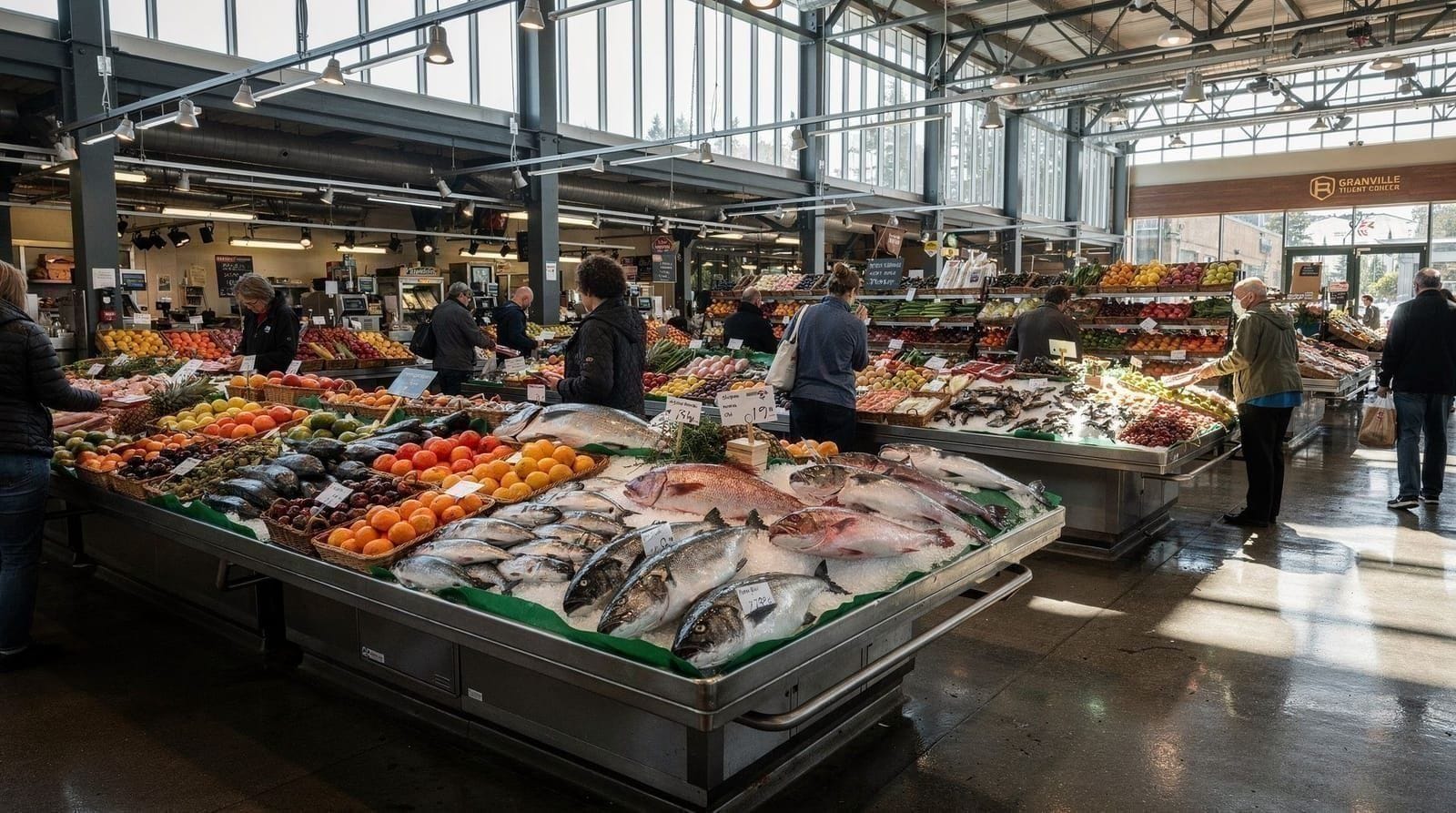
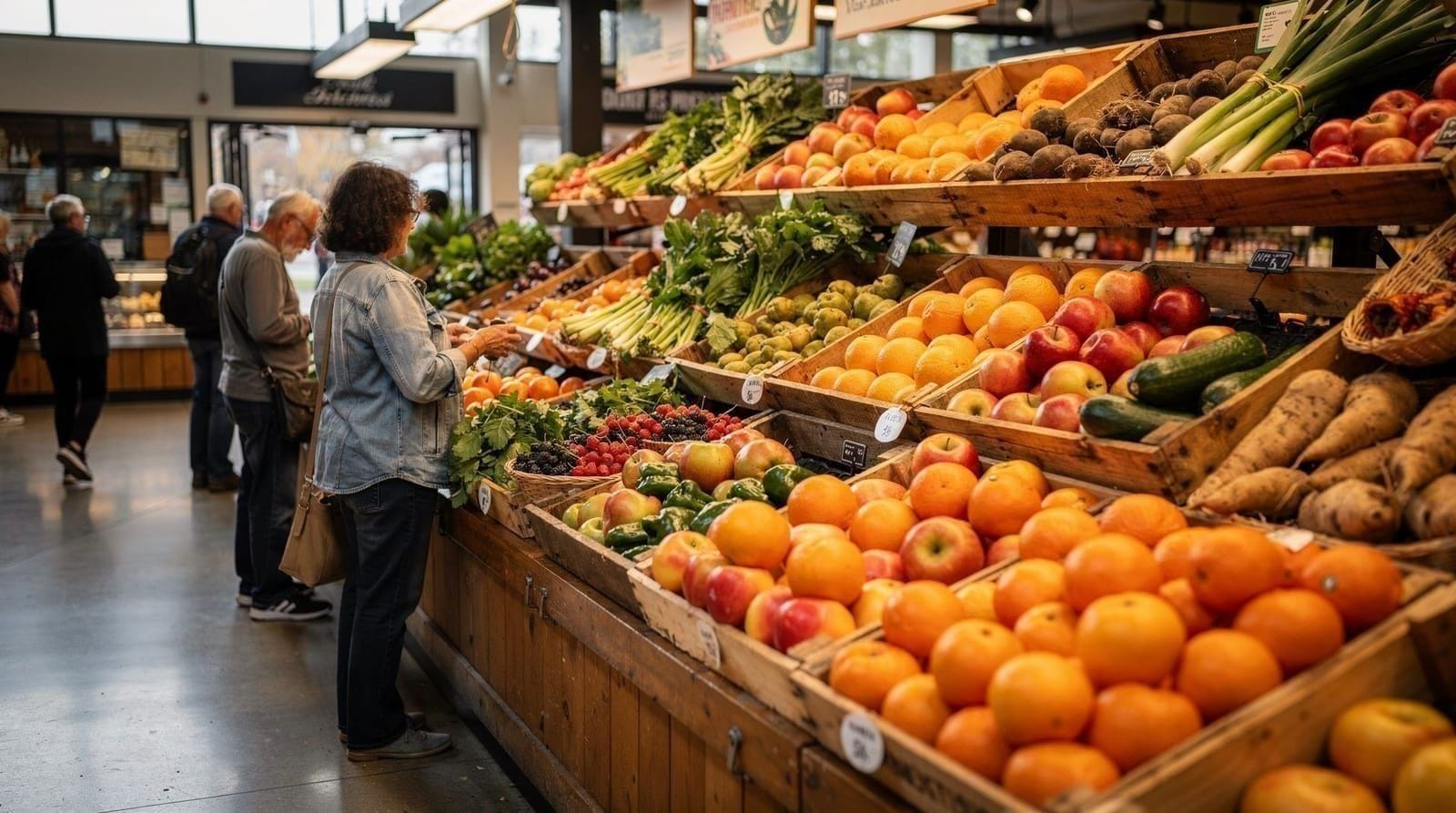
Granville Island is less a residential neighborhood than a dedicated destination — the Public Market, artisan shops, breweries, and theaters draw visitors for a half-day or full-day outing rather than an overnight stay, given its limited standalone accommodation. A Granville Island market tour with tastings is a good way to sample the market’s food vendors efficiently on a first visit.
Commercial Drive
Commercial Drive, further east than most visitor itineraries reach, has a bohemian, eclectic character built around independent cafes, bookstores, and a strong immigrant-community history, including a significant Italian-Canadian presence still visible in the neighborhood’s restaurants and annual Italian Day festival. It rewards visitors specifically seeking a non-touristy, local Vancouver experience. The neighborhood runs along Commercial Drive itself as its main artery, with a walkable stretch of several blocks concentrating most of the cafes, shops, and restaurants worth a visit, making it easy to cover on foot once reached by SkyTrain or bus from the downtown core.
Main Street and Mount Pleasant
Main Street-Mount Pleasant has emerged as a younger, craft-brewery-and-vintage-shop neighborhood in recent years, appealing to visitors interested in Vancouver’s contemporary creative and food scene over its more established tourist landmarks. It sits further from the downtown core, best suited to a dedicated afternoon visit rather than a home base for a short trip. The neighborhood’s craft brewery concentration makes it a reasonable pairing with a Gastown brewery visit for anyone specifically building a beer-focused day around the city’s growing craft scene, and its Main Street corridor has a noticeably younger, more design-conscious retail mix than the more established shopping found downtown.
Richmond
Richmond, technically a separate city bordering Vancouver near the airport, has developed into a major Asian food hub, with the seasonal Richmond Night Market offering a genuinely distinct experience from downtown’s festival scene. It’s most relevant for visitors specifically interested in food, or those with an early flight who want a final excellent meal near YVR before departure. Given its proximity to the airport and the Canada Line’s direct connection, Richmond also works well as a final stop on a departure day, letting travelers fit in a last meal without cutting it close on the trip to the terminal.
Which neighborhood suits which traveler
First-time visitors with no strong secondary preference do best in downtown or the West End. Food and nightlife-focused travelers should prioritize Yaletown or Gastown. Budget-conscious and locally minded travelers should look at Kitsilano, Commercial Drive, or Mount Pleasant. Families benefit from Kitsilano or the West End for the combination of beach access, playgrounds, and more apartment-style accommodation than downtown’s hotel-heavy core.
The where to stay guide goes deeper into accommodation-specific comparisons across these same neighborhoods. Solo travelers and anyone prioritizing walkable evening activity without a taxi home should lean toward downtown, Yaletown, or the West End specifically, all of which keep nightlife and accommodation within an easy, well-lit walk of each other.
Getting between neighborhoods
Most of these neighborhoods connect easily by SkyTrain, SeaBus, bus, or a short walk — the getting around Vancouver guide covers exact routes and fares. Downtown, the West End, Yaletown, and Gastown are all within a comfortable walk of each other, while Kitsilano, Commercial Drive, and Richmond require a short transit ride or drive from the central core.
Comparing food scenes by neighborhood
Each neighborhood’s food identity is distinct enough to be worth choosing a dinner destination by area rather than defaulting to wherever a hotel happens to sit. Yaletown leans upscale and contemporary, with a concentration of higher-end restaurants and cocktail bars along its converted-warehouse streets. Gastown mixes historic character with a genuinely strong current food scene, particularly for cocktail-forward dining and elevated pub fare.
Chinatown and Richmond both offer some of the region’s best value and most authentic dining, especially dim sum, at a fraction of downtown prices. Commercial Drive carries a strong Italian-Canadian food identity alongside a broader independent cafe culture, while Kitsilano’s 4th Avenue strip leans toward casual, health-conscious cafes and brunch spots suited to a beach-day pace rather than an evening-out destination.
Nightlife by neighborhood
Nightlife in Vancouver clusters most heavily in Yaletown and Gastown, both offering a dense concentration of bars within walking distance of each other, making either a strong base for visitors prioritizing evening activity without needing a taxi home. The West End’s Davie Village adds a distinct LGBTQ+ nightlife scene alongside more general bars and restaurants. Downtown proper has nightlife too, though it’s more spread out and mixed with the business-district feel that dominates during the day. Kitsilano, Commercial Drive, and Mount Pleasant run quieter in the evenings by comparison, better suited to a low-key dinner and early night than a late bar crawl.
Neighborhoods that reward a longer stay versus a quick visit
Some neighborhoods reward dedicating real time — Gastown and Chinatown’s density of small shops, bars, and historic architecture means rushing through in under an hour barely scratches the surface, and the same is true of Granville Island’s market hall, which can easily fill three or four hours for a visitor genuinely browsing every vendor. Others work well as a shorter, focused visit — Coal Harbour’s marina walk or a Commercial Drive coffee stop can be satisfying in 45 minutes to an hour without feeling rushed, since their appeal is more about atmosphere than a checklist of specific stops to complete.
A neighborhood-hopping sample day
A single day covering several distinct neighborhoods without feeling rushed might start in the West End for a morning walk toward Stanley Park, continue to downtown for lunch and a Robson Street browse, cross to Yaletown or Gastown for the afternoon, and finish with dinner in whichever of those two matched the day’s mood best. This kind of neighborhood-hopping day works well specifically because of how compact and well-connected Vancouver’s central neighborhoods are — a structure that would require far more transit time in a more sprawling city.
How Vancouver’s neighborhoods have changed
Several of Vancouver’s neighborhoods have shifted character noticeably over the past couple of decades, which is worth knowing for anyone researching the city through older articles or guidebooks. Yaletown transformed from an industrial warehouse district into its current upscale dining identity relatively recently in the city’s history.
Mount Pleasant and Main Street have similarly shifted from a quieter, working-class area into a younger, craft-brewery-driven neighborhood over a comparable timeframe. Gastown has gone through cycles of decline and revival, with its current strong restaurant and bar scene representing a genuine turnaround from earlier decades. Understanding this ongoing change helps set expectations that align with the neighborhoods as they actually are now rather than as an outdated source might describe them.
Neighborhood safety in more detail
Beyond the Downtown Eastside boundary already noted near Gastown and Chinatown, Vancouver’s neighborhoods are broadly safe for visitors exercising normal city awareness. Richmond, Kitsilano, Commercial Drive, and Mount Pleasant all carry low visitor-relevant crime rates, and even downtown’s core tourist areas remain safe well into the evening. The practical safety advice for most visitors is less about avoiding entire neighborhoods and more about being aware of specific blocks — the Downtown Eastside core specifically — while treating the rest of the city with the same reasonable caution appropriate to any major urban center.
Steveston
Steveston, a historic fishing village within Richmond’s city limits southwest of the airport, offers a genuinely different waterfront character than anything in central Vancouver — a working fishing harbour, a boardwalk lined with seafood shacks selling catch straight off the boats, and the Gulf of Georgia Cannery National Historic Site covering the region’s fishing and canning history. It requires a dedicated trip rather than fitting easily into a downtown-based day, best suited to visitors with a full extra day or those combining it with a Richmond food outing given the short additional distance between the two.
Choosing a base for a multi-stop trip
Visitors planning to extend their trip beyond Vancouver itself — toward Whistler, Victoria, or the Okanagan — should factor that into neighborhood choice too, since a downtown or West End base keeps departure logistics simplest, sitting closest to both the Sea-to-Sky Highway route north and the ferry or seaplane connections west to Vancouver Island. A Kitsilano or Commercial Drive base, while offering a more local city experience, adds a small amount of extra travel time on departure days for regional trips, worth weighing against the appeal of a quieter, more residential few nights in the city itself.
Accessibility across neighborhoods
Downtown, the West End, Yaletown, and Coal Harbour all offer relatively level, well-maintained sidewalks and strong transit accessibility, making them the most straightforward neighborhoods for visitors with mobility considerations. Gastown’s heritage cobblestone streets, while charming, are noticeably harder to navigate with a wheelchair or stroller than the smoother pavement found elsewhere downtown, and Granville Island’s market hall, while accessible, gets crowded enough on weekends that navigating it comfortably takes extra time and patience for visitors with mobility needs.
Neighborhoods for a rainy day
Given how much of the year involves at least some rain, it’s worth knowing which neighborhoods hold up best when the weather turns. Downtown and Yaletown both offer enough covered or closely spaced indoor stops — shopping, galleries, restaurants — to fill a day without much outdoor exposure between them. Granville Island’s covered Public Market and surrounding studios work well as a rainy-day destination too, and Gastown’s mix of shops and cafes along a compact walking loop means covered ground can be swapped for indoor browsing quickly if a downpour starts. Kitsilano and Commercial Drive, by contrast, lean more heavily on outdoor beach or street-cafe appeal, making them better suited to a clear-weather day than a wet one.
Coffee culture by neighborhood
Vancouver’s independent coffee scene is strong enough to be worth choosing a neighborhood partly on its café strength. The coffee culture guide covers this in depth, but the short version: Gastown and Commercial Drive lead for destination-worthy independent roasters, Kitsilano’s 4th Avenue leans toward a casual, health-conscious brunch-and-coffee pace, and downtown’s chains are more about convenience than a genuine café experience. Visitors basing themselves downtown for convenience should expect to walk a few blocks for the city’s best coffee rather than finding it at the hotel-adjacent corner.
Neighborhoods and Vancouver’s festival calendar
Several neighborhoods double as the backdrop for specific annual events, worth factoring into a visit if timing allows — the festivals guide covers exact dates, but Commercial Drive’s Italian Day, Chinatown’s Lunar New Year celebrations, and Granville Island’s summer buskers festival all give those neighborhoods a distinctly different energy during their event windows compared to a normal visit. Checking whether a trip’s dates overlap with a neighborhood-specific festival is worth doing before finalizing where to spend a given afternoon.
The bottom line
Vancouver’s neighborhoods each reward a different kind of visitor, and there’s no single “best” answer — the right choice depends on whether the trip’s priority is convenience, food and nightlife, budget, or a genuinely local, less touristy experience. Spending time in at least three or four distinct neighborhoods, rather than staying entirely within one, gives a much fuller picture of the city than a downtown-only visit, and the 3-day plan and first-time visitor guide both build itineraries that intentionally move between several of these areas rather than concentrating entirely on one.
Frequently asked questions — Vancouver neighborhoods guide
What's the best neighborhood to stay in for a first-time visitor?
Downtown Vancouver or the West End suit most first-time visitors, both putting Stanley Park and the main downtown attractions within an easy walk while offering the best transit connections in the city. Neither has strong local character compared to neighborhoods further out, but both maximize convenience for a short first trip.Is Gastown or Yaletown better for nightlife?
Both cluster a dense concentration of bars within walking distance, but they lean differently — Gastown mixes historic character with cocktail-forward dining and elevated pub fare, while Yaletown skews more upscale and contemporary along its converted-warehouse streets. Either works well as a base for evening activity without needing a taxi home.Which Vancouver neighborhood is best for families?
Kitsilano and the West End suit families best, combining beach access, playgrounds, and more apartment-style accommodation with kitchen access than downtown's hotel-heavy core. Kitsilano in particular offers a quieter, more residential pace with practical everyday amenities like grocery stores nearby.Is Chinatown safe to visit?
Yes, generally, during the day and early evening around the core historic blocks — though like adjacent parts of Gastown, some streets near the Downtown Eastside boundary show visible signs of the area's social challenges. Sticking to well-trafficked streets and visiting during daylight hours is the practical approach.Which neighborhood has the best food scene?
It depends what you're after — Yaletown and Gastown lead for upscale dining and cocktail bars, Chinatown and Richmond offer the best value and most authentic Asian cuisine, and Commercial Drive carries a strong Italian-Canadian food identity alongside independent cafes. Most visitors get the fullest picture by eating in at least two or three different neighborhoods rather than one.How many neighborhoods should I try to visit?
Three or four distinct neighborhoods gives a much fuller picture of the city than staying entirely downtown. A reasonable spread for a short trip is downtown or the West End as a base, plus a Gastown or Yaletown evening, a Granville Island half-day, and one neighborhood further out like Kitsilano or Commercial Drive if time allows.Which neighborhood has the best coffee scene?
Gastown and Commercial Drive lead for destination-worthy independent roasters, while Kitsilano's 4th Avenue leans toward a casual, brunch-friendly cafe pace. Downtown's cafes are convenient but generally less distinctive than what's a short walk away in these other areas.
Top experiences
Bookable activities with verified prices and instant confirmation on GetYourGuide.