West End
The West End as a quieter, cheaper alternative to downtown: English Bay sunsets, the Denman and Davie food strips, and easy access to Stanley Park.
Vancouver: Stanley Park & Downtown Guided Bike Tour
Duration: 3 hours
Quick facts
- Best for
- A quieter hotel base close to Stanley Park
- Time needed
- Best experienced as a base, not a single-visit stop
- Getting there
- A 10-15 minute walk west from downtown proper
- Good to know
- Closer to the Stanley Park entrance than most downtown hotels
| Where | Between downtown and Stanley Park |
| Best for | A quieter hotel base close to Stanley Park |
| Getting there | A 10-15 minute walk west from downtown proper |
| Cost | Hotel rates typically 10-20% below comparable downtown properties |
| Best time | Summer evenings for the English Bay sunset |
A quieter neighbor to downtown
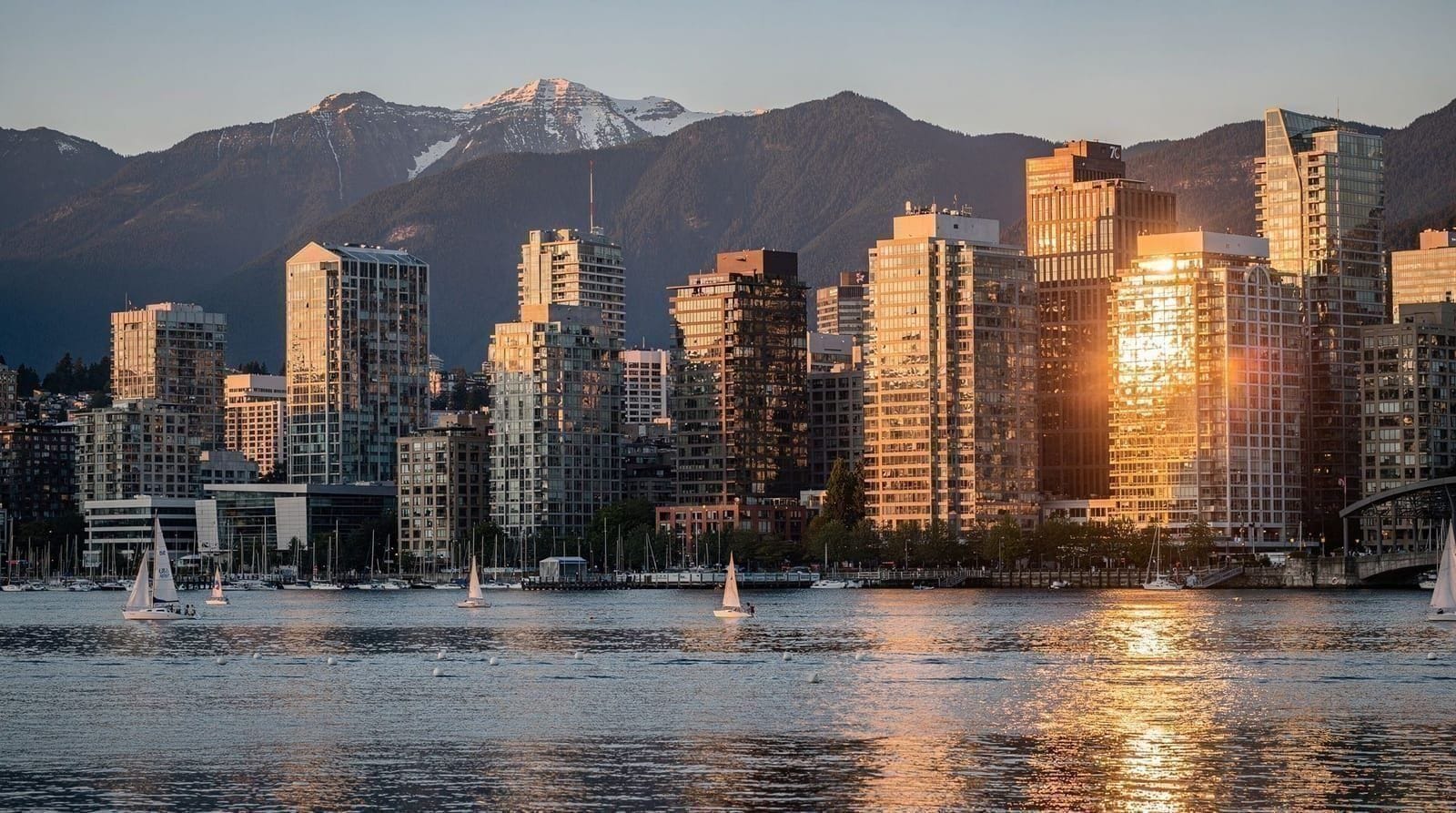
The West End is the dense residential neighborhood wedged between downtown’s office towers and the entrance to Stanley Park, and it’s an underused option for where to actually book a hotel room. It has none of downtown’s cruise-terminal bustle, generally lower rates for comparable rooms, and a location that’s arguably better for park access than downtown proper — you can be at the Georgia Street entrance to Stanley Park in a 10-minute walk from most West End addresses.
Denman and Davie
Two commercial strips define the neighborhood’s day-to-day feel. Denman Street, running toward the park, has a dense run of casual restaurants, gelato shops, and bike rental outfits catering to the Seawall crowd. Davie Street, further south, is the heart of Vancouver’s LGBTQ+ community and nightlife, with a livelier bar and restaurant scene into the evening. Both are walkable in full in under 20 minutes, and both are noticeably less expensive than the equivalent strip on Robson.
English Bay at sunset
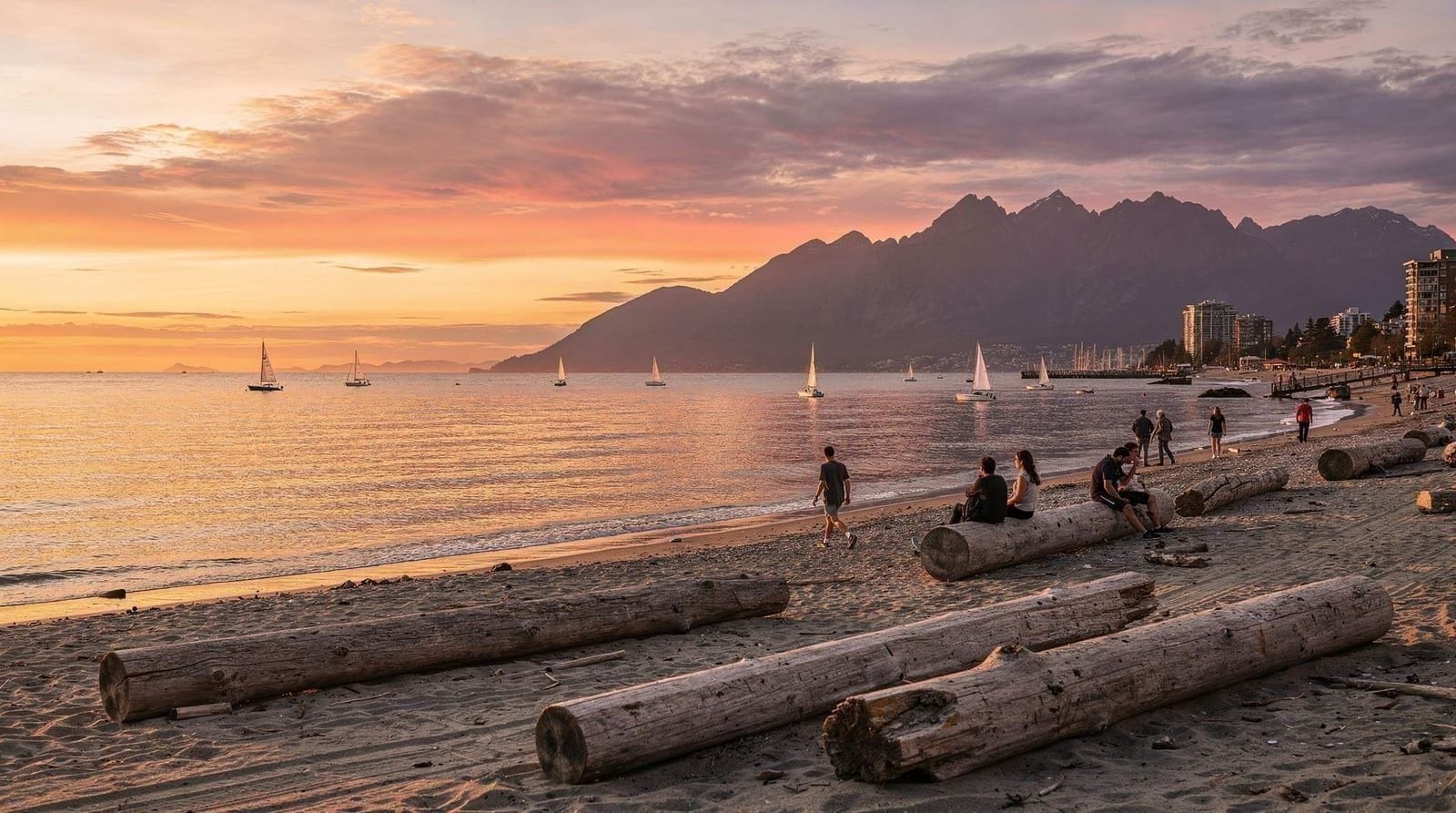
English Bay Beach, at the West End’s western edge, is the most reliable sunset spot in the city core — wide sand, an unobstructed western horizon, and none of the rooftop-bar markup you’d pay for a similar view downtown. On a clear summer evening it draws a real crowd, locals and visitors both, and it’s worth timing a walk here around sunset rather than treating it as a daytime-only beach.
Stanley Park is basically next door
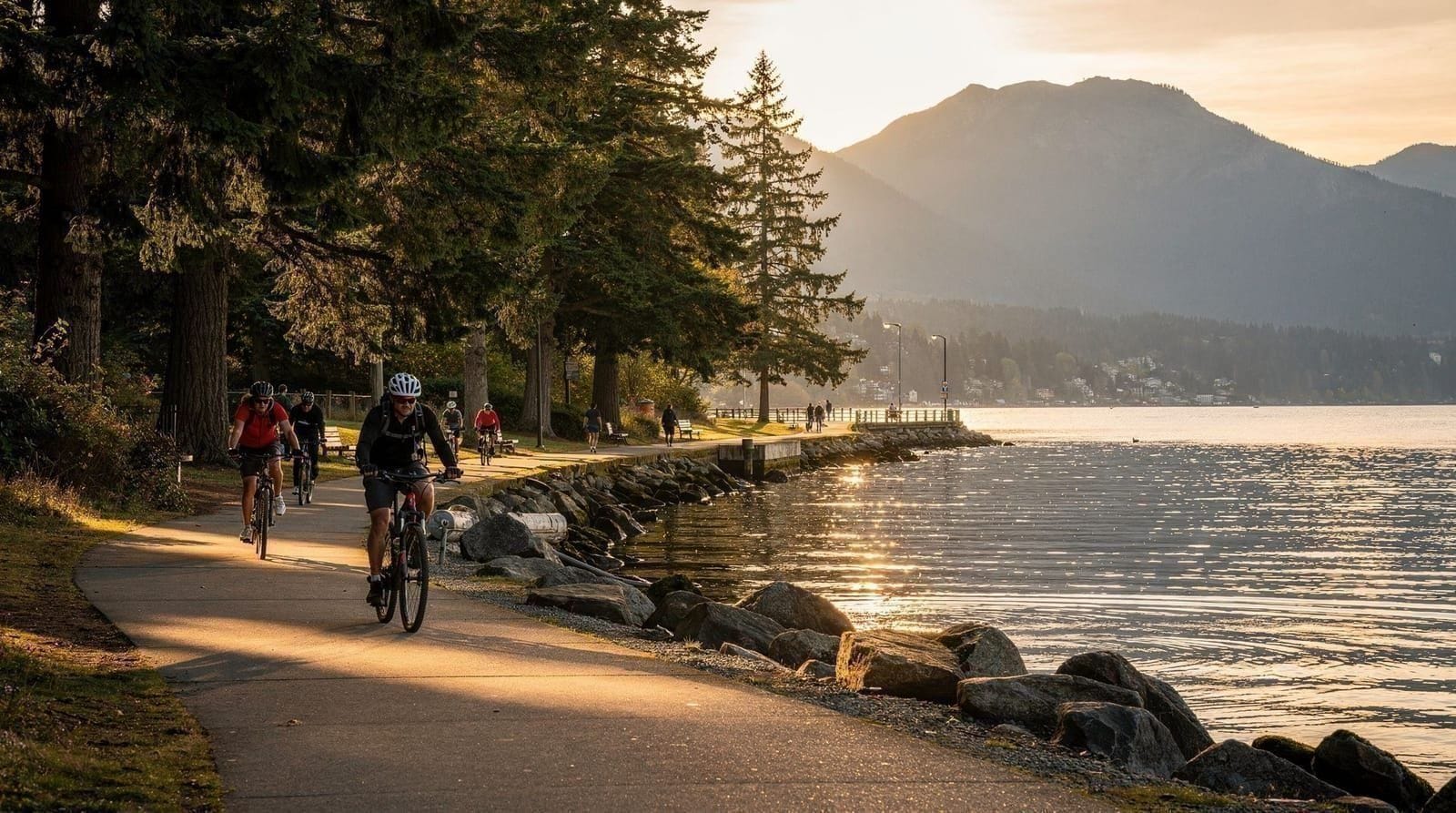
This is the West End’s strongest practical case: the Georgia Street and Denman Street entrances to Stanley Park sit right at the neighborhood’s edge, which means no bus ride, no long walk, just a short stroll to the Seawall. If you’re planning to spend a morning cycling the park loop, staying here shaves real time off the day compared to a downtown hotel further east. A Stanley Park and downtown guided bike tour often starts from rental points near Denman, making the West End a genuinely convenient overnight base if biking is on your list.
On the water from here
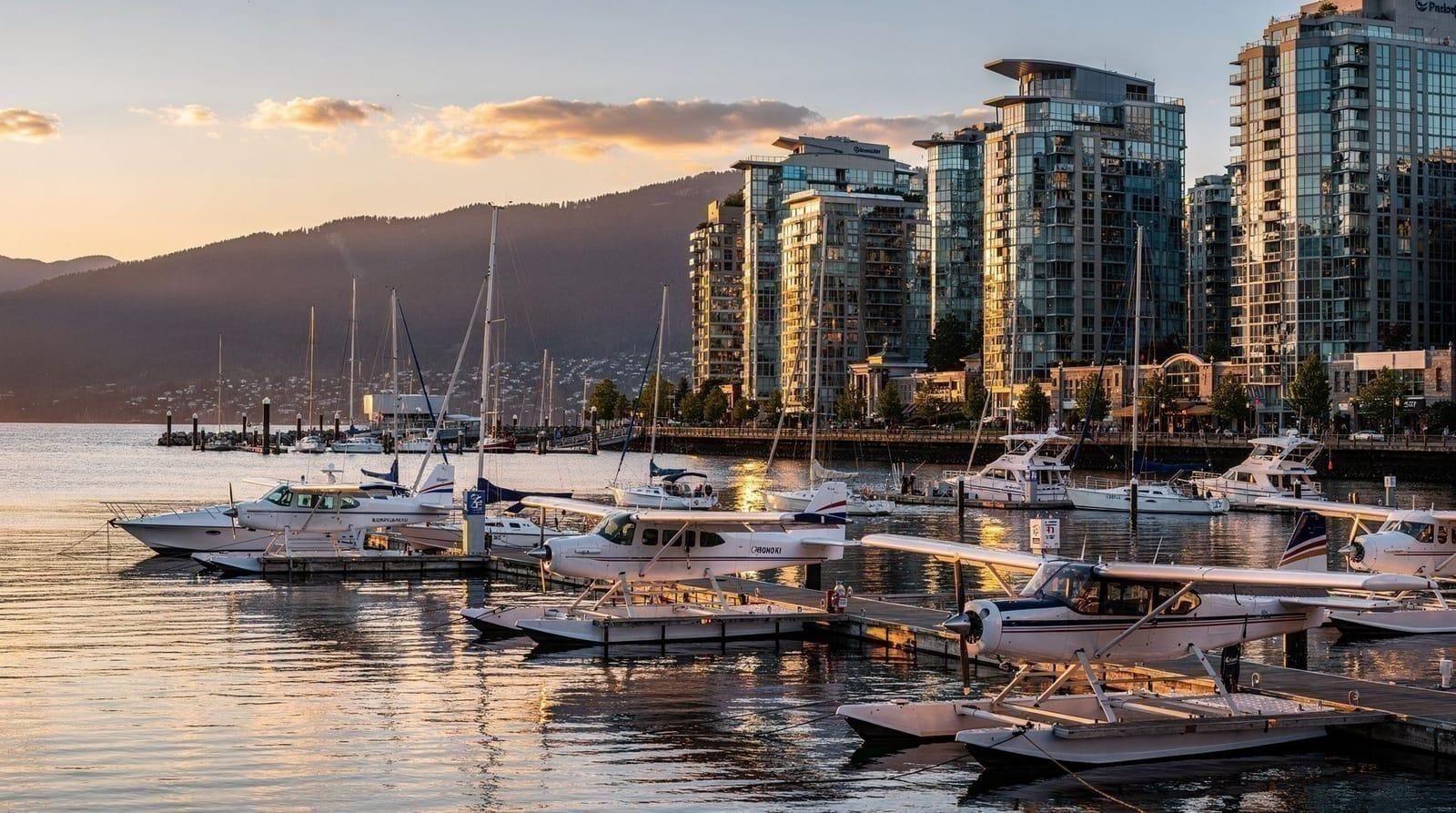
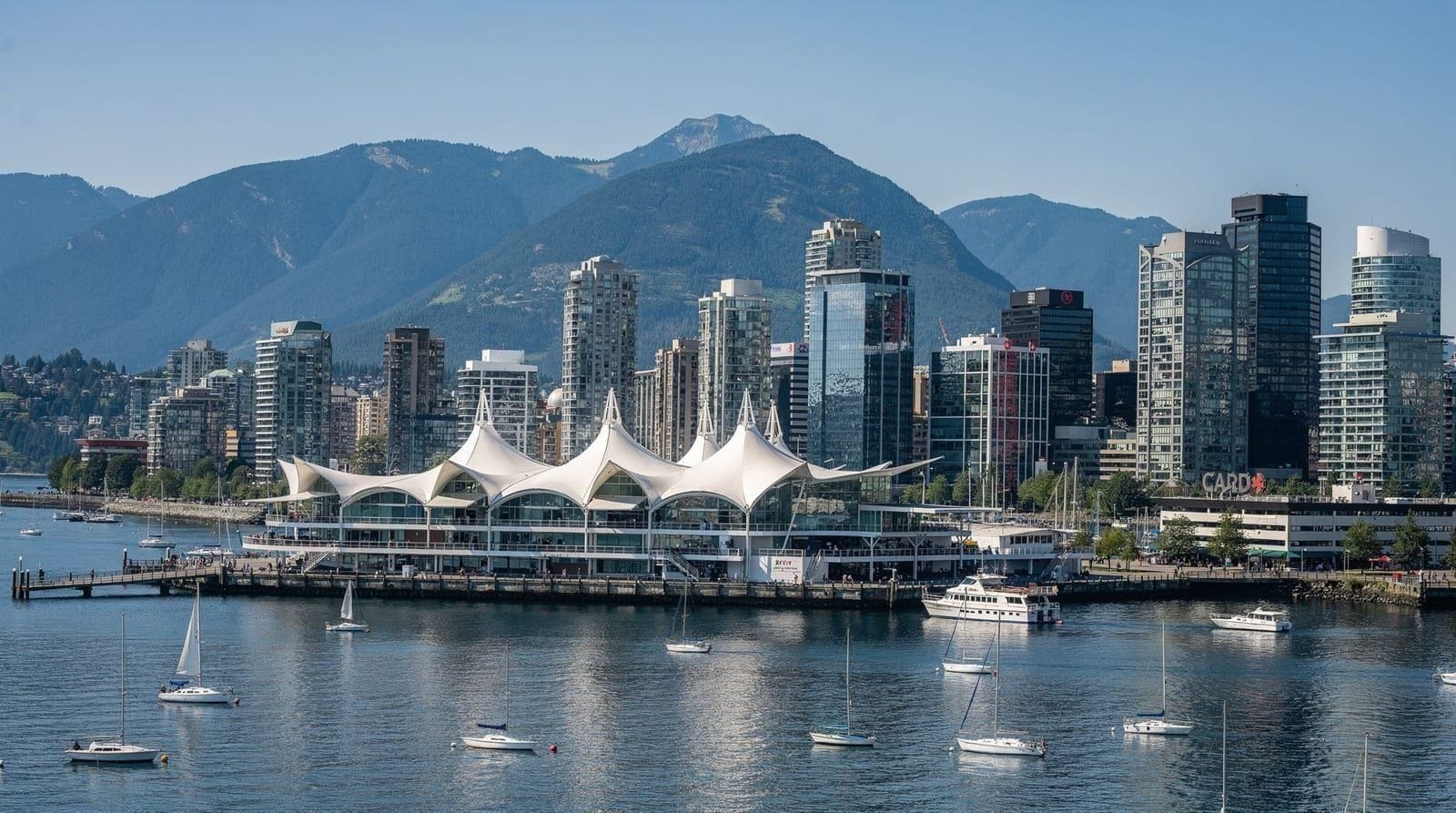
Coal Harbour’s marina and the broader harbourfront are a short walk north, and a couple of water-based options make sense as a West End afternoon rather than trekking downtown for them. The waterfront sightseeing Zodiac tour covers the harbour and city skyline in a shorter, more active format than a standard cruise. If you’d rather get on the water yourself, a Vancouver kayaking tour launching near English Bay is a manageable option even without prior paddling experience.
History and how it got so dense
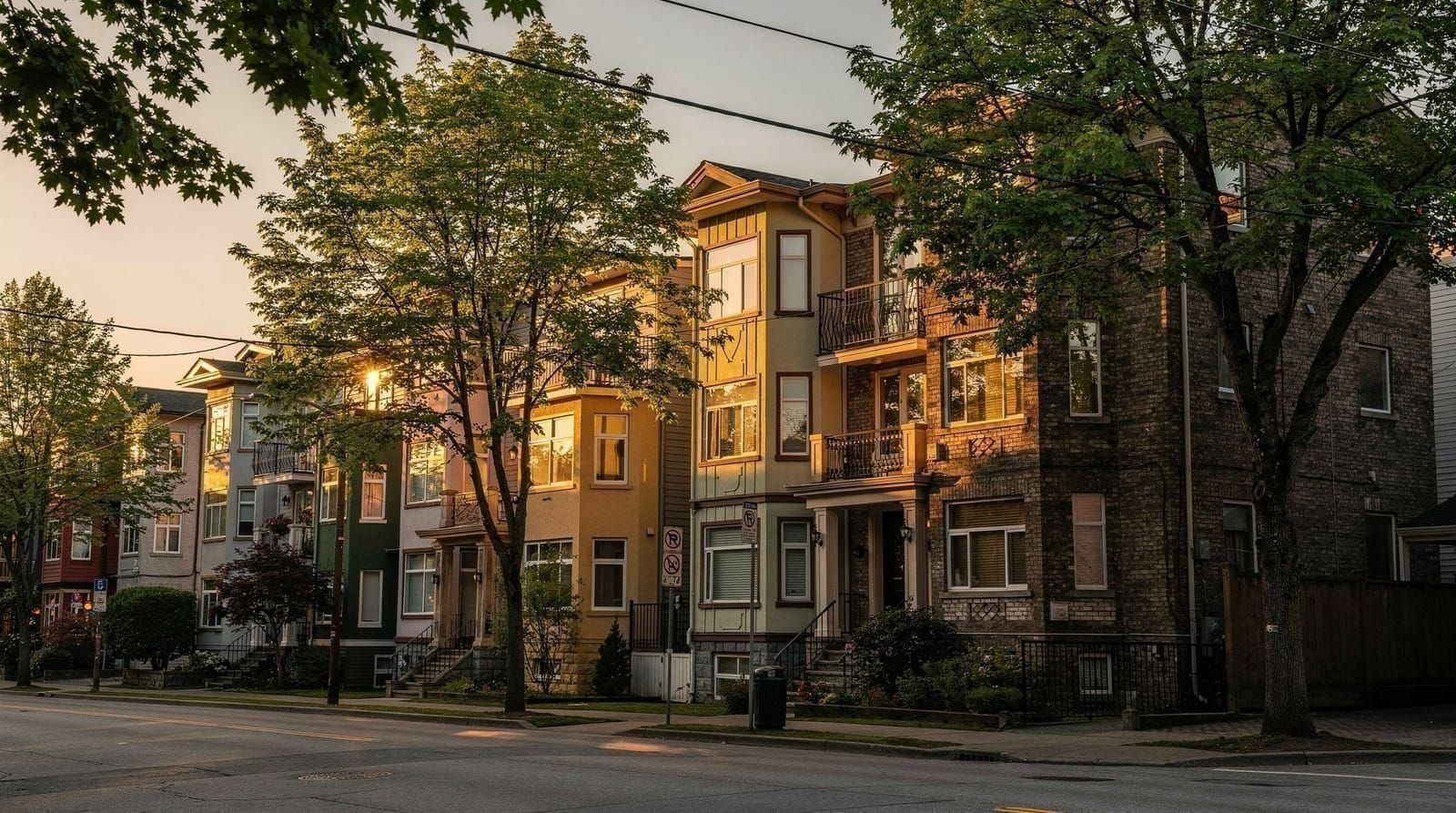
The West End is one of the most densely populated neighborhoods in Canada, a fact that surprises visitors who associate Vancouver with mountains and open space rather than high-rise residential towers. That density dates to a wave of apartment construction through the mid-20th century, when the neighborhood shifted from single-family Victorian homes — a handful of which survive, including the preserved Roedde House, now a small museum showing what the area looked like before the towers arrived — to the high-density rental market it’s known for today.
That history is also tied to the neighborhood becoming the centre of Vancouver’s LGBTQ+ community starting in the 1970s and 80s, a role Davie Street still visibly plays through its rainbow crosswalks and the density of queer-owned bars and businesses.
A realistic look at cost and crowds
Because it trades on being “downtown-adjacent but quieter,” it’s worth being specific about what that actually means day to day. Hotel rates here typically run 10-20% below comparable downtown properties, and restaurant prices on Denman Street sit noticeably lower than Robson Street’s tourist-facing strip. The trade-off is fewer big-name attractions within the neighborhood itself — you’re renting proximity to Stanley Park and English Bay rather than buying a neighborhood full of sights, which suits travelers who plan to spend their days out rather than lingering around their hotel.
Getting around
The West End is compact enough to walk in full, and it’s a 10-15 minute walk to downtown’s core shopping and transit hub if you need the SkyTrain. Buses along Denman and Davie connect further out. For a comparison of this neighborhood against downtown and Yaletown as a home base, see where to stay in Vancouver, and for a multi-day plan that uses the West End’s Stanley Park access, our 3-day Vancouver itinerary.
A quieter alternative for early mornings
One underrated advantage of a West End base is the early morning: being a short walk from the Georgia Street entrance means you can be on the Seawall at sunrise, well before the tour groups and rental-bike crowds from downtown arrive later in the morning. That quiet window, particularly in summer when sunrise comes early, is one of the best times to actually experience the park’s forested sections without much company, and it’s a genuine practical reason to choose this neighborhood over a downtown hotel if an early start appeals to you.
Choosing between the West End and downtown
If you’re torn between the two, a simple way to decide: choose downtown if shopping, the cruise terminal, or being within a few minutes of the SkyTrain hub matters most to your plans; choose the West End if you’d rather wake up close to the park, pay somewhat less for a comparable room, and don’t mind a slightly longer walk to the busiest parts of the city core. Neither choice is a mistake — it comes down to which mornings you’d rather have, a park entrance on your doorstep or downtown’s transit and shopping at your doorstep.
Groceries and everyday practicalities
Because the West End is genuinely residential rather than built for short-term visitors, it has the everyday conveniences that a purely touristy district often lacks — grocery stores, pharmacies, and laundromats scattered through the neighborhood rather than concentrated in a few tourist-facing blocks. That matters more than it sounds if you’re on a longer stay and want to self-cater breakfast or pick up basic supplies without a special trip; it’s a small but real advantage over a hotel surrounded mainly by restaurants and gift shops.
Roedde House and a quieter corner
Roedde House, a preserved 1893 Queen Anne-style home turned small museum, sits on Barclay Street in a quiet residential pocket a few blocks from the busier Denman and Davie strips. It’s a modest stop, generally open for limited hours and worth checking ahead, but it’s a genuine window into what the West End looked like before the apartment towers, and a useful contrast if you’ve spent most of your visit looking at 20th-century high-rises.
Frequently asked questions about the West End
Is the West End a good place to stay in Vancouver?
Yes — it’s quieter and often cheaper than downtown proper, while being closer to the Stanley Park entrance. The trade-off is a slightly longer walk to the main shopping and business core.
How far is the West End from Stanley Park?
The Georgia Street and Denman Street park entrances sit right at the neighborhood’s edge, typically a 5-10 minute walk from most West End addresses.
What’s the best street for food in the West End?
Denman Street has the highest concentration of casual restaurants near the park. Davie Street, further south, has more nightlife and a livelier evening scene.
Is English Bay Beach good for sunset?
Yes, it’s one of the most reliable sunset viewpoints in the city core, with an unobstructed western horizon and no admission cost.
Is the West End walkable to Stanley Park?
Yes — the Georgia Street and Denman Street entrances sit right at the neighborhood’s edge, typically a 5-10 minute walk from most West End addresses, making it one of the closest hotel bases to the park.
Is the West End safe at night?
Yes, generally — it’s a dense, largely residential neighborhood with regular foot traffic on Denman and Davie into the evening. Standard city awareness applies, as it would in any urban area.
West End vs. downtown vs. Yaletown as a base
| West End | Downtown | Yaletown | |
|---|---|---|---|
| Stanley Park access | Closest, 5-10 min walk | 15-20 min walk | Furthest of the three |
| Price | Lowest of the three | Highest | Mid-to-high |
| Atmosphere | Quiet, residential | Busy, cruise-terminal bustle | Trendy, restaurant-focused |
| Transit hub access | 10-15 min walk | Central | Close to Canada Line |
Top experiences
Bookable activities with verified prices and instant confirmation on GetYourGuide.