Jet boating in Vancouver
Vancouver: Waterfront Sightseeing Tour - City and Harbour
Duration: 1.5 hours
Can you go jet boating in Vancouver?
Not literally — Vancouver doesn't have a dedicated whitewater jet-boat product like Whistler's river tours. What it does have is fast, open-air Zodiac (rigid inflatable boat) tours across the harbour, up Indian Arm, and combined with whale watching, which are the closest genuine thrill-boat experience bookable near the city.
It’s worth being upfront about this before going any further: Vancouver doesn’t have a dedicated “jet boat” adventure product, the kind of whitewater river jet-boating that’s a genuine, named category of tour in places like Whistler or Queenstown. Searching for “jet boat Vancouver” and expecting that exact experience will lead to disappointment. What the city does have is a real and genuinely exciting alternative — fast, open-air Zodiac tours across the harbour and up nearby inlets — and this guide is about being clear on what that is and isn’t before booking.
| Where | Burrard Inlet, Indian Arm, from downtown/Granville Island |
| Cost | Similar to a standard harbour cruise, more for longer trips |
| Time needed | 90 min (waterfront) to 3+ hours (Indian Arm/whale watching) |
| Getting there | Walk or short taxi from central hotels |
| Best time | Summer, calmer conditions and driest weather |
What “jet boat” style thrill-boating means in Vancouver
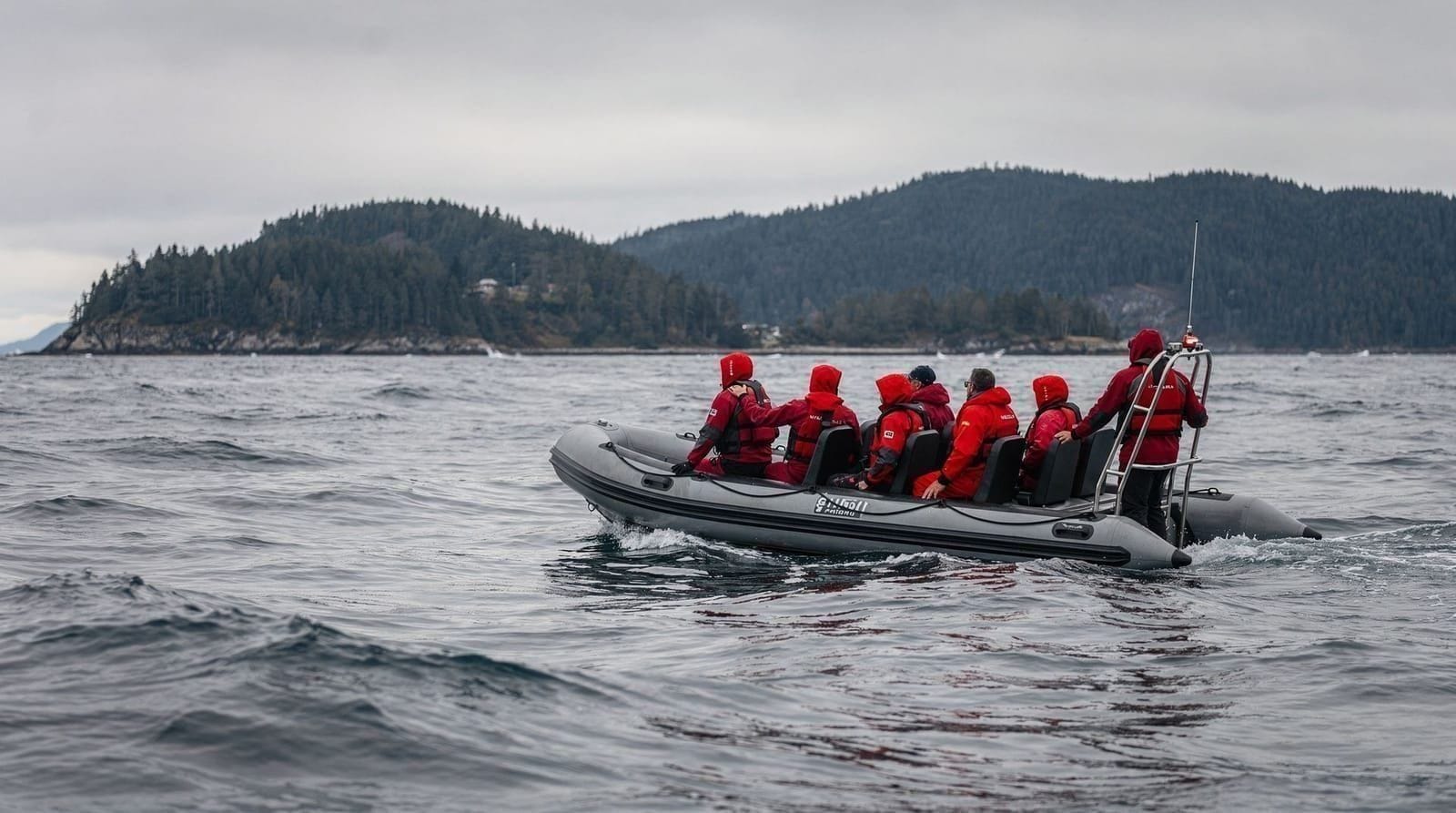
Jet boating, strictly defined, uses a jet propulsion system rather than a propeller, typically on shallow rivers, and is closely associated with tight, high-speed turns and spins on whitewater. That specific product isn’t part of Vancouver’s tour catalogue. What Vancouver has instead is a category built around rigid inflatable boats (RIBs), commonly branded as Zodiac tours — fast, low-to-the-water, open-air boats that cross open harbour water and coastal inlets at real speed. They’re not the same product, but they scratch a similar itch: exposed to the wind, genuinely fast, and noticeably rougher than a standard sightseeing cruise, especially on a choppy day.
If the specific goal is whitewater jet-boating, that’s not something bookable from Vancouver itself — it would mean traveling further afield to a river-based operator elsewhere in the province. If the goal is a fast, exciting, open-water boat experience without leaving the city, Zodiac tours are a genuinely strong substitute, not a consolation prize, and the rest of this guide covers the three real options.
Harbour sightseeing by Zodiac
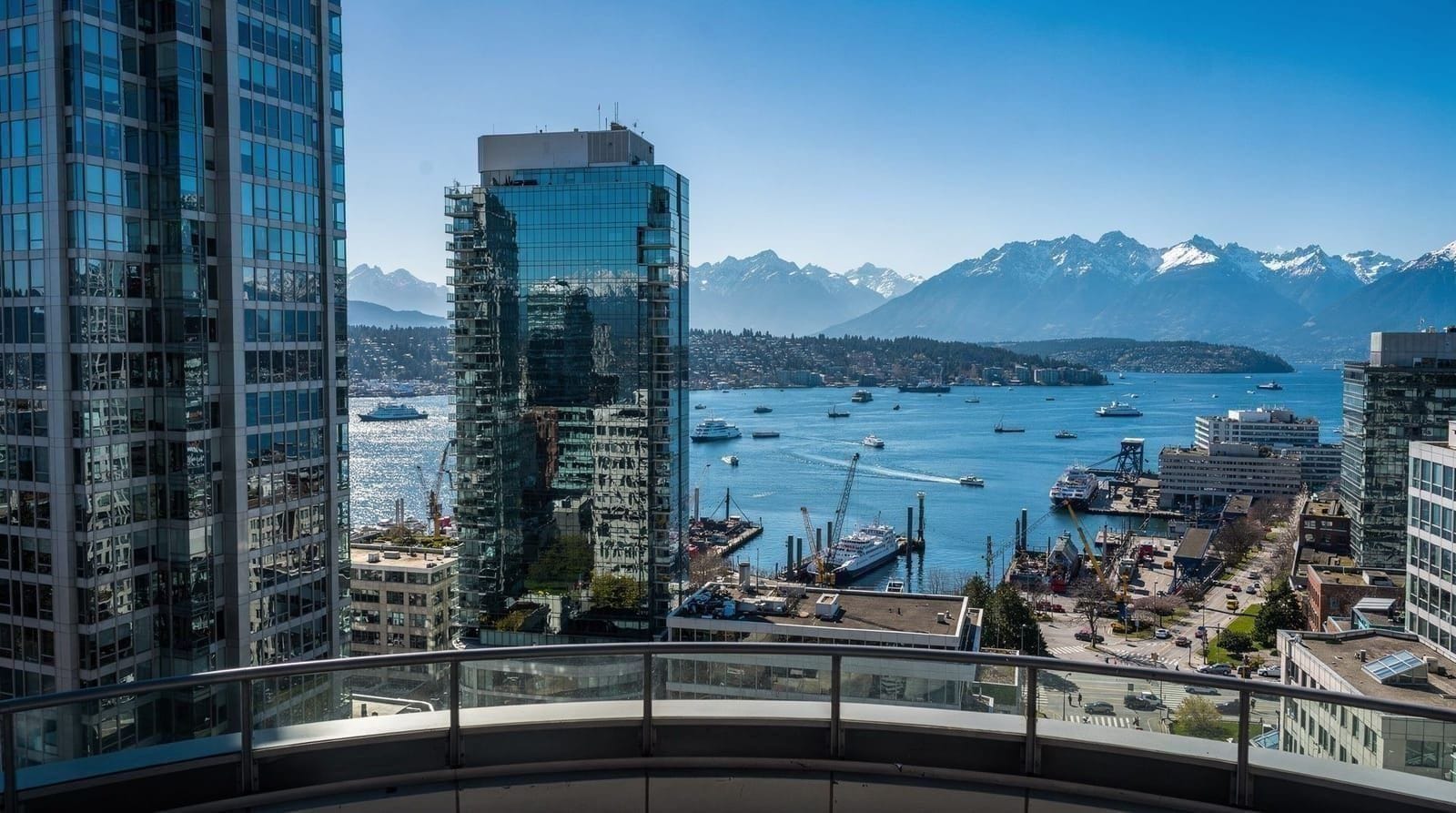
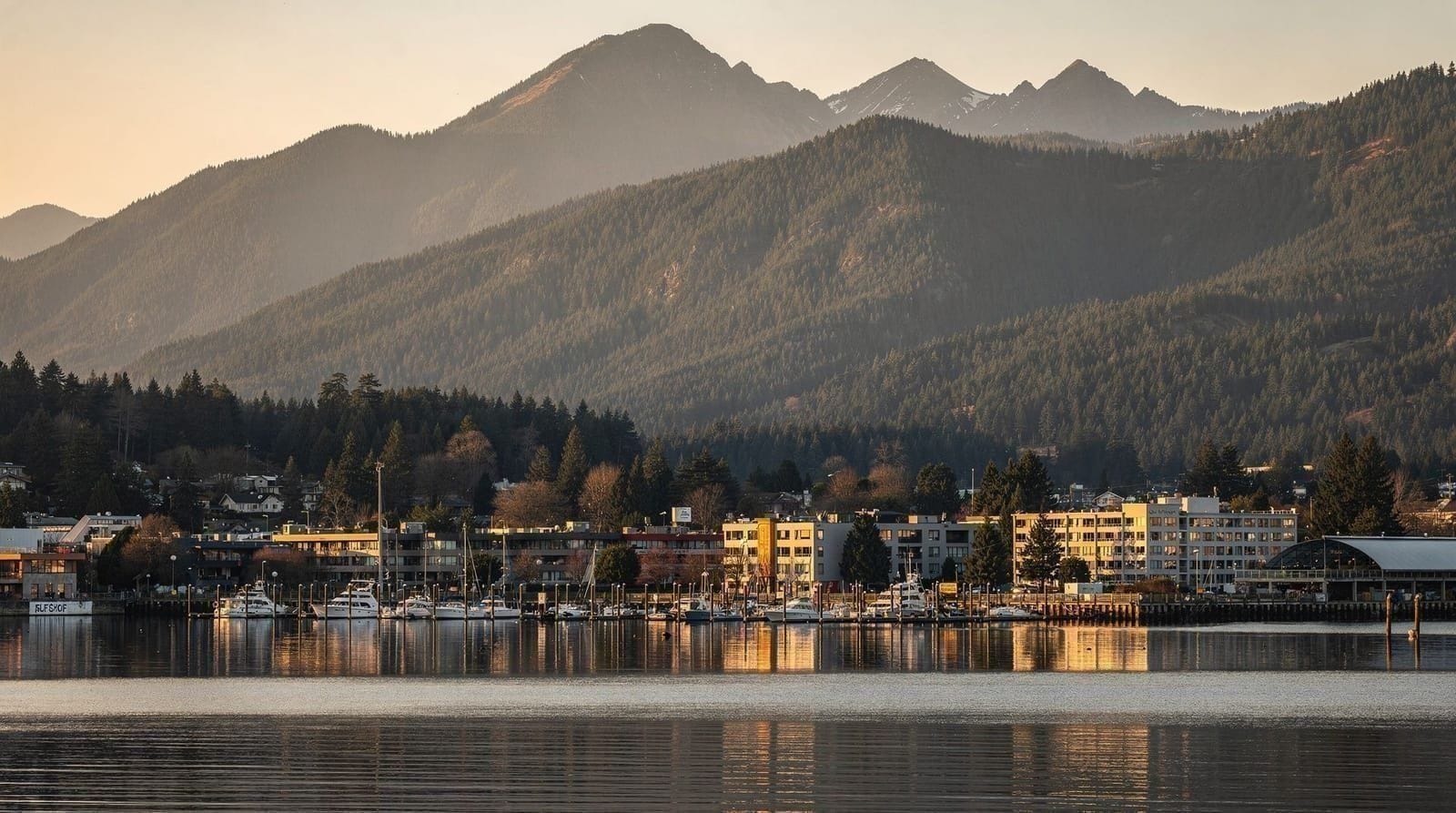
The Vancouver waterfront sightseeing tour by Zodiac is the most accessible of the three, running about 90 minutes around Burrard Inlet and the downtown waterfront. It covers similar ground to a standard harbour cruise — the Vancouver skyline, Stanley Park’s shoreline, the North Shore mountains — but at speed and in the open air, life-jacketed and bracing against the boat’s motion on turns.
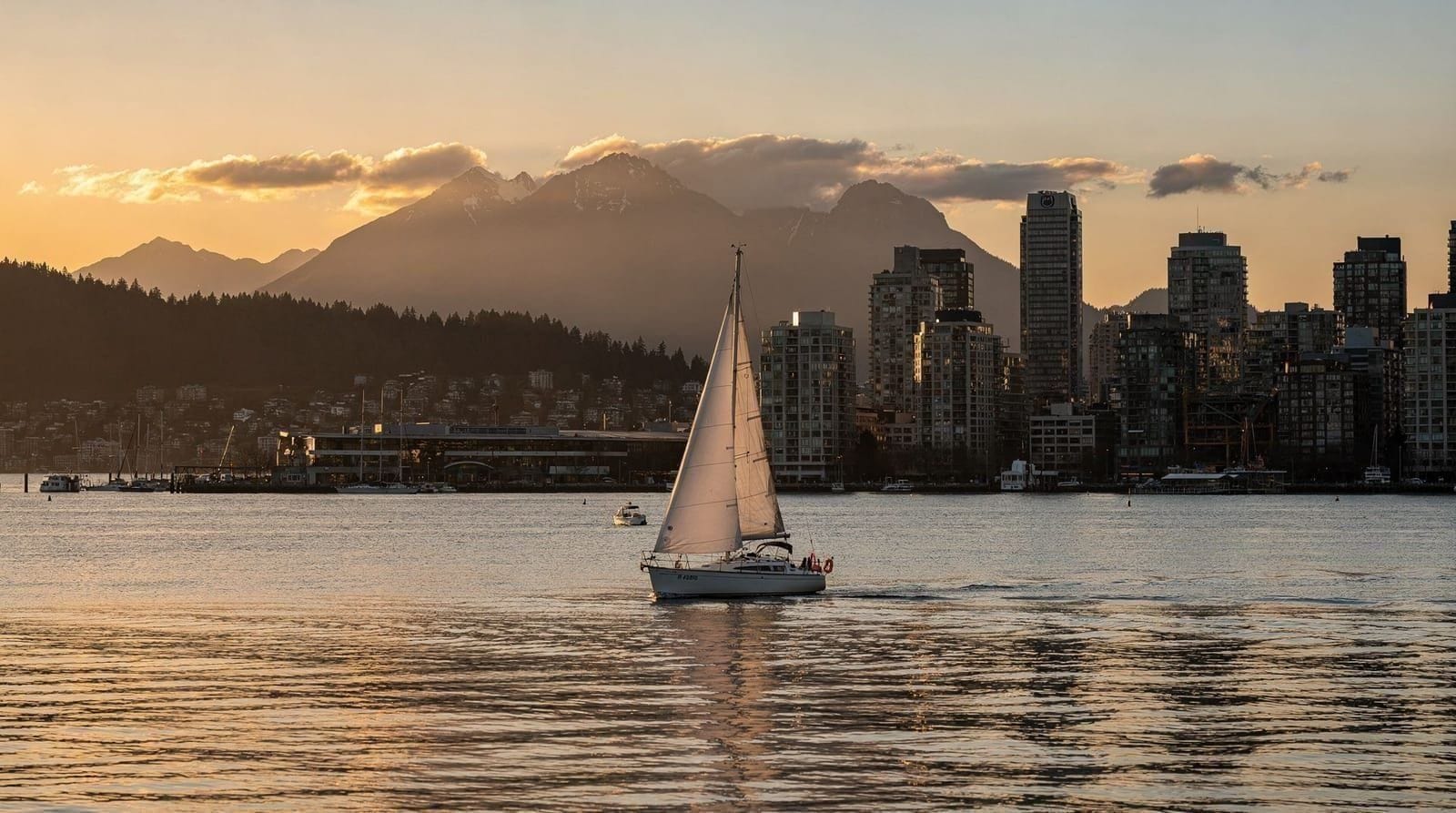
It’s a fundamentally different feel from the slower, quieter sailboat cruise that covers some of the same water; where the sailboat rewards patience and conversation, the Zodiac tour rewards showing up ready to hold on. Choppier days on the inlet make it noticeably more exciting — and wetter — than calm ones, which is worth knowing if a specific weather window is available to choose from.
Indian Arm and Granite Falls
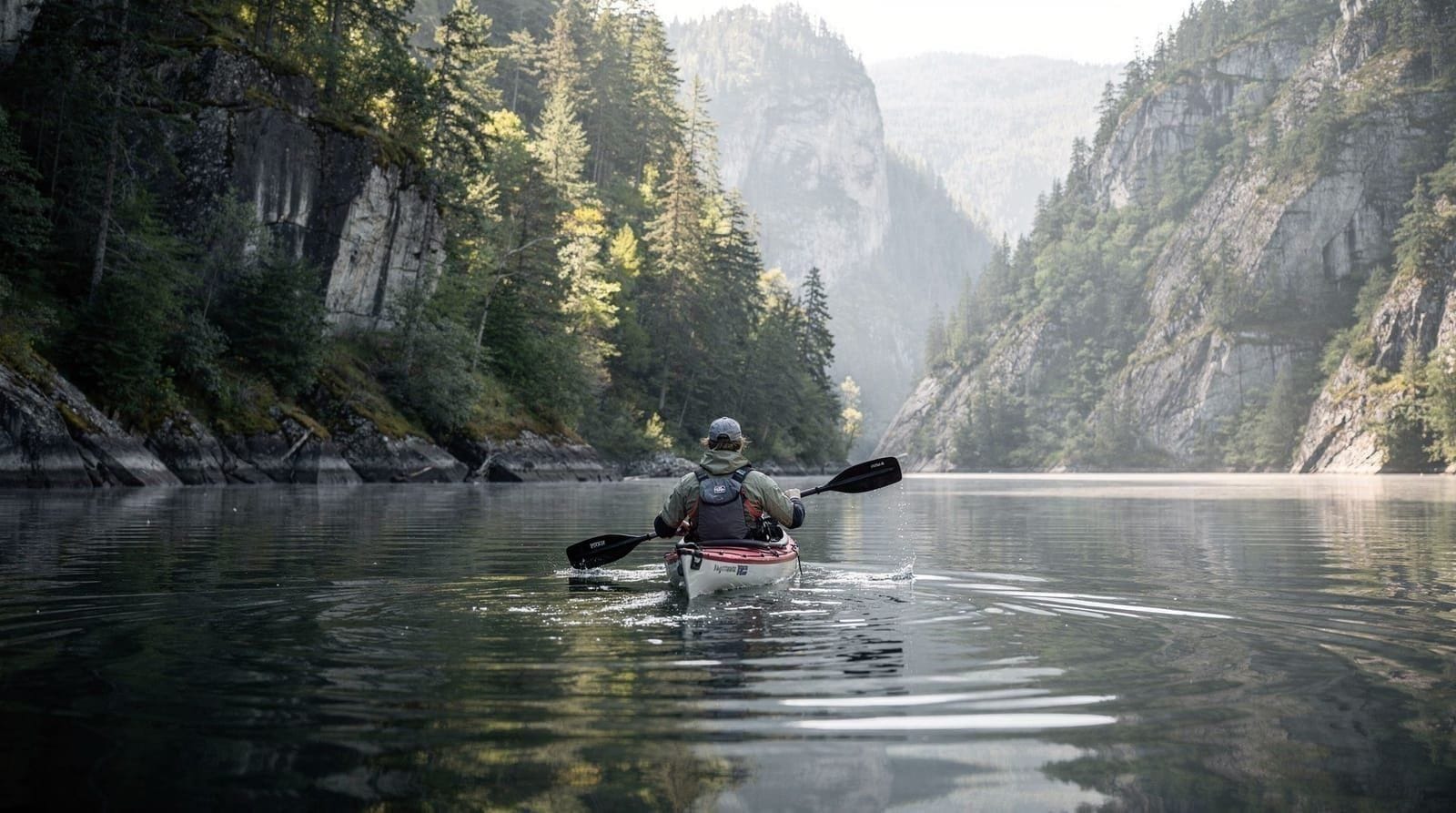
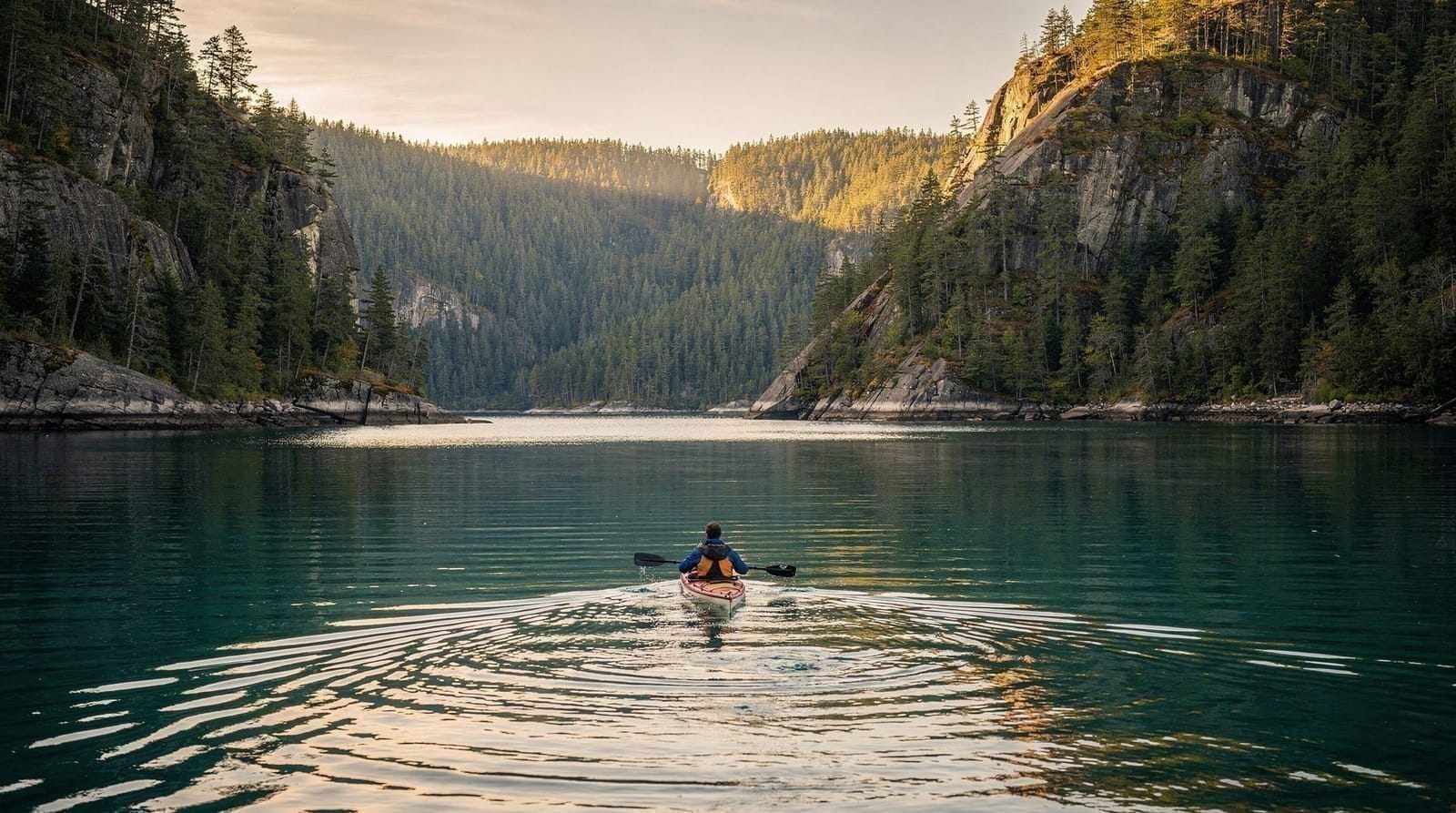
For a longer, more scenic version of the same idea, the Indian Arm and Granite Falls Zodiac boat tour runs about three hours up Indian Arm, a narrow fjord-like inlet north of the city, to Granite Falls. This is a genuinely different environment than the open harbour — steep, forested slopes rising directly from the water, quieter and more remote-feeling the further up the arm the boat travels, with a waterfall as the payoff at the end.
It’s still a fast, open Zodiac experience, but the setting shifts the emphasis somewhat from pure speed toward scenery reached quickly rather than slowly. Travelers who’ve read the Indian Arm kayaking guide and want to see the same inlet in a fraction of the time, at a very different pace, will find this tour covers similar terrain from a completely different kind of boat.
Zodiac whale watching from Granville Island
The third option combines the speed of a Zodiac with wildlife viewing: the Zodiac whale watching tour from Granville Island is a genuinely different trip from a covered whale watching cruise, sitting low to the water and moving fast between sighting locations.
It’s covered in more detail in the whale watching guide to Vancouver, which lays out the trade-offs between covered boats and open Zodiacs for wildlife tours specifically — the short version is that the Zodiac gives closer sightlines and a more immediate feel, at the cost of comfort and shelter on a trip that can run several hours depending on where whales are found that day. It’s a reasonable pick for travelers who want both the thrill-boat feel and a shot at wildlife in the same outing, rather than choosing between the two.
Who this genuinely suits — and who it doesn’t
Zodiac tours suit travelers who want real speed and open-air exposure and are comfortable being honest that this is the trade-off — colder, wetter, and rougher than a covered or motorized alternative, in exchange for a noticeably more exciting ride. They’re a poor fit for young children, anyone with back or neck problems (the boats slap against waves at speed, which is jarring over an extended trip), pregnant travelers, and anyone prone to seasickness who doesn’t want to manage it in an open, moving boat. Life jackets are standard and mandatory, and operators typically brief safety procedures before departure; taking that briefing seriously rather than treating it as a formality is worth doing given the speeds involved.
For travelers who want the view without the physical intensity, the sailboat cruise or a standard motorized harbour cruise are meaningfully gentler alternatives on the same water — worth reading the sailing guide to Vancouver before assuming a Zodiac tour is the default “boat tour” choice, since the two experiences don’t overlap as much as their similar price points might suggest.
What to wear and bring
Layers under a genuinely waterproof outer shell are non-negotiable — spray is constant at speed, and even a warm day on land feels cold on an open boat moving quickly across open water. Vancouver’s coastal water is cold year-round, and a soaking from spray combined with wind chill at speed can chill a passenger quickly even in summer; operators sometimes provide waterproof jackets, but confirming this before arrival rather than assuming it saves a genuinely unpleasant surprise. Secure any hat, sunglasses, or loose gear — anything not strapped down has a real chance of ending up in the harbour. A waterproof phone case or dry bag is worth bringing if photos matter, since a phone pulled out mid-tour on an open Zodiac is at real risk.
How this compares on price and time
Compared to the calmer alternatives, Zodiac tours generally sit in a similar overall price bracket to a standard harbour cruise for the shorter waterfront option, rising for the longer Indian Arm and whale watching trips given their extended duration and distance covered. None of the three is a budget activity, but none requires a full-day commitment either — the shortest option fits into a half-day itinerary alongside other waterfront activities without difficulty.
Building a Zodiac tour into a wider trip
The waterfront Zodiac tour pairs easily with a morning or afternoon spent around downtown Vancouver or Granville Island, both close to common departure points. Travelers heading up to the North Shore afterward can combine a Zodiac trip with time in North Vancouver, and those drawn to Indian Arm specifically might weigh this fast Zodiac option against the slower, more physically active alternative covered in the Indian Arm kayaking guide — genuinely different ways to see the same fjord depending on how much time and effort are on offer that day.
For travelers still deciding between the calm and the fast end of Vancouver’s boat tours, reading the sailing guide alongside this one before booking either is the most reliable way to avoid picking the wrong one for the day actually planned.
Why Vancouver doesn’t have true whitewater jet boating
It’s worth explaining the gap rather than just noting it. Whitewater jet-boating as a named tourism category tends to develop around rivers with the right combination of shallow, fast-moving water and reliable seasonal flow — conditions found in places like the Skeena or Fraser canyon systems further from the city, and further afield in destinations like Queenstown, where jet-boating became a signature activity.
Vancouver itself sits on tidal harbour and inlet water rather than a whitewater river system, which is exactly the kind of water Zodiac tours are built for and jet boats generally aren’t. In other words, the absence of jet boating in Vancouver isn’t a gap in the tour catalogue so much as a mismatch between the activity and the local geography — the city’s waterways favor open-water RIB tours over river jet-boating almost by default.
That’s useful context for travelers who’ve done river jet-boating elsewhere and are looking for the same thing here: it’s a genuinely different style of boat and a genuinely different type of water, not an inferior local version of the same activity. Setting that expectation before booking a Zodiac tour avoids the disappointment of comparing it directly against a whitewater trip it was never trying to replicate.
Booking logistics and group size
All three Zodiac tours covered here typically run as small-group departures rather than large-capacity vessels, which is part of what keeps the ride feeling immediate rather than like a bus tour on water. Group sizes stay modest by design — RIBs of this type aren’t built to carry large numbers of passengers at speed — so popular time slots, especially on clear summer weekends, can sell out a few days ahead. Booking in advance rather than assuming a same-day spot is available is the safer approach during peak season, particularly for the longer Indian Arm and whale watching trips, which run less frequently per day than the shorter waterfront tour.
Departure points cluster around downtown and Granville Island for all three tours, generally an easy walk or short taxi from most central hotels, which keeps logistics simple compared to some of Vancouver’s other water activities that require a trip out to a suburban marina.
Safety briefings and what actually happens on board
Operators running these tours take safety seriously given the speeds involved, and a pre-departure briefing covering life jacket use, how to brace during turns, and what to do if the boat encounters rougher water is standard practice rather than an optional add-on. Passengers are typically seated in straddle-style seats designed to absorb impact at speed, gripping handholds rather than sitting loosely the way one might on a slower cruise. Skippers generally read conditions and adjust speed accordingly — a genuinely choppy day might mean a slightly gentler ride than the boat is capable of, purely for passenger comfort and safety, which is worth knowing if the goal is maximum thrill and the day turns out calmer than hoped.
Children are usually subject to a minimum age or height requirement given the physical demands of the ride — checking this before booking if traveling with a family avoids an awkward situation at the dock.
Comparing the three tours directly
The waterfront tour is the shortest and most accessible, a good choice for a half-day slot without much advance planning, delivering real speed and spray without the extended time commitment of the other two. The Indian Arm and Granite Falls trip trades some of that raw urgency for scenery, worth the extra time for travelers who want a fjord landscape as the payoff rather than skyline views alone, and pairs naturally with an interest in the North Shore’s less-visited inlets.
The Zodiac whale watching option is the right pick specifically for travelers who want wildlife as the primary goal with speed as a genuine bonus rather than the main event — booking it purely for the thrill-boat experience and being disappointed by a slow whale search misunderstands what the trip is actually built around.
None of the three requires prior boating experience, and all three provide life jackets and safety equipment as standard. The meaningful choice between them comes down to time available, whether scenery or wildlife or pure speed is the priority, and how much of a half or full day is realistically available for the outing.
Weather and seasonal considerations
Zodiac tours generally run through the warmer months when conditions are more predictable and passenger comfort is easier to manage, roughly mirroring the broader pattern of Vancouver’s outdoor tourist season. Summer offers the calmest average water conditions on the harbour and the driest weather, which matters more for an open boat than for a covered one — rain on top of spray from a fast-moving open Zodiac makes for a genuinely cold, wet trip even with good rain gear. Shoulder-season departures do run in some cases, but checking current conditions and operator schedules before planning a trip outside peak summer is worth doing, since some tours reduce frequency or pause outright during the wetter, choppier winter months.
Wind and swell on Burrard Inlet and English Bay vary meaningfully day to day, and a Zodiac tour on a choppier day is a genuinely different, more intense experience than the same tour on a calm one — worth embracing as part of the appeal rather than something to worry about, given that operators won’t run the tour if conditions are judged unsafe. That said, anyone particularly sensitive to rough movement should ask the operator about typical conditions for the specific day and time booked, since afternoon departures on the open water can pick up more wind than a morning trip on the same route.
Realistic expectations for first-timers
It’s worth setting expectations honestly for someone who has never been on a fast open boat before. The sensation is closer to a fairground ride than a typical sightseeing cruise — sudden acceleration, sharp turns that bank the boat, and a genuine physical jolt each time the hull slaps down after catching air over a wave. That’s the appeal for many passengers, but it can be a genuine surprise for someone expecting something closer to the gentle experience of a standard harbour cruise. Reading this guide before booking, rather than assuming “boat tour” means the same thing across every Vancouver operator, is the best way to arrive with accurate expectations and actually enjoy the ride rather than being caught off guard by it.
Anyone with lingering doubts about whether the intensity is a good fit — due to age, physical condition, or simply preference — is better served by the gentler alternatives covered in the sailing guide or a standard motorized harbour cruise, both of which cover comparable scenery at a pace that doesn’t demand bracing against every turn.
Questions worth asking before booking
A short list of practical questions, asked directly of the operator before booking, tends to prevent most of the disappointment that comes from mismatched expectations on a Zodiac tour.
Worth confirming: the minimum age or height requirement, since it varies somewhat between operators and trip types; whether the specific departure includes a wildlife-spotting component or is purely a scenic run, particularly relevant for the harbour tour, which is sometimes marketed with slightly different emphasis by different sellers; and what happens if conditions are judged too rough to run safely that day — whether the trip is rescheduled, refunded, or simply delayed to a calmer window later the same day. Asking about gear provided, particularly waterproof jackets, also avoids arriving underprepared for a genuinely wet ride.
The bottom line on Vancouver’s jet-boat-style tours
There’s no getting around the fact that a traveler specifically searching for whitewater jet-boating won’t find it in Vancouver, and it’s worth restating that plainly one more time before wrapping up. What’s genuinely available — fast, open-air Zodiac tours across the harbour, up Indian Arm, or combined with whale watching — is a real, well-established, and honestly exciting category of its own, run by experienced local operators on water suited to exactly this kind of boat. Approaching it as its own distinct activity, rather than a substitute for something the city doesn’t offer, is the most accurate and ultimately most satisfying way to book it.
Top experiences
Bookable activities with verified prices and instant confirmation on GetYourGuide.