Whale watching from Vancouver
Vancouver: Whale & Wildlife Watching Tour with Free Photos
Can you go whale watching directly from Vancouver?
Yes — several operators run 3-5 hour whale watching tours departing from Coal Harbour and Granville Island, typically priced CAD 130-180. Sighting odds are decent from June through September but generally lower than tours departing Victoria, which sits closer to the main orca travel routes.
Yes, you can go whale watching without leaving Vancouver — several operators run boats out of Coal Harbour and Granville Island several times a day through the season. What’s less often said plainly is that Vancouver isn’t the top-odds region in the province for it. That’s not a reason to skip it if you’re staying in the city, but it’s worth knowing before comparing prices against a Victoria trip and assuming they’re interchangeable.
| Where | Coal Harbour or Granville Island, downtown Vancouver |
| Cost | Around CAD 130-180 per person |
| Time needed | 3-5 hours, door to door |
| Getting there | Walk or short taxi from most downtown hotels |
| Best time | June-September, July/August strongest |
What a Vancouver whale watching tour actually involves
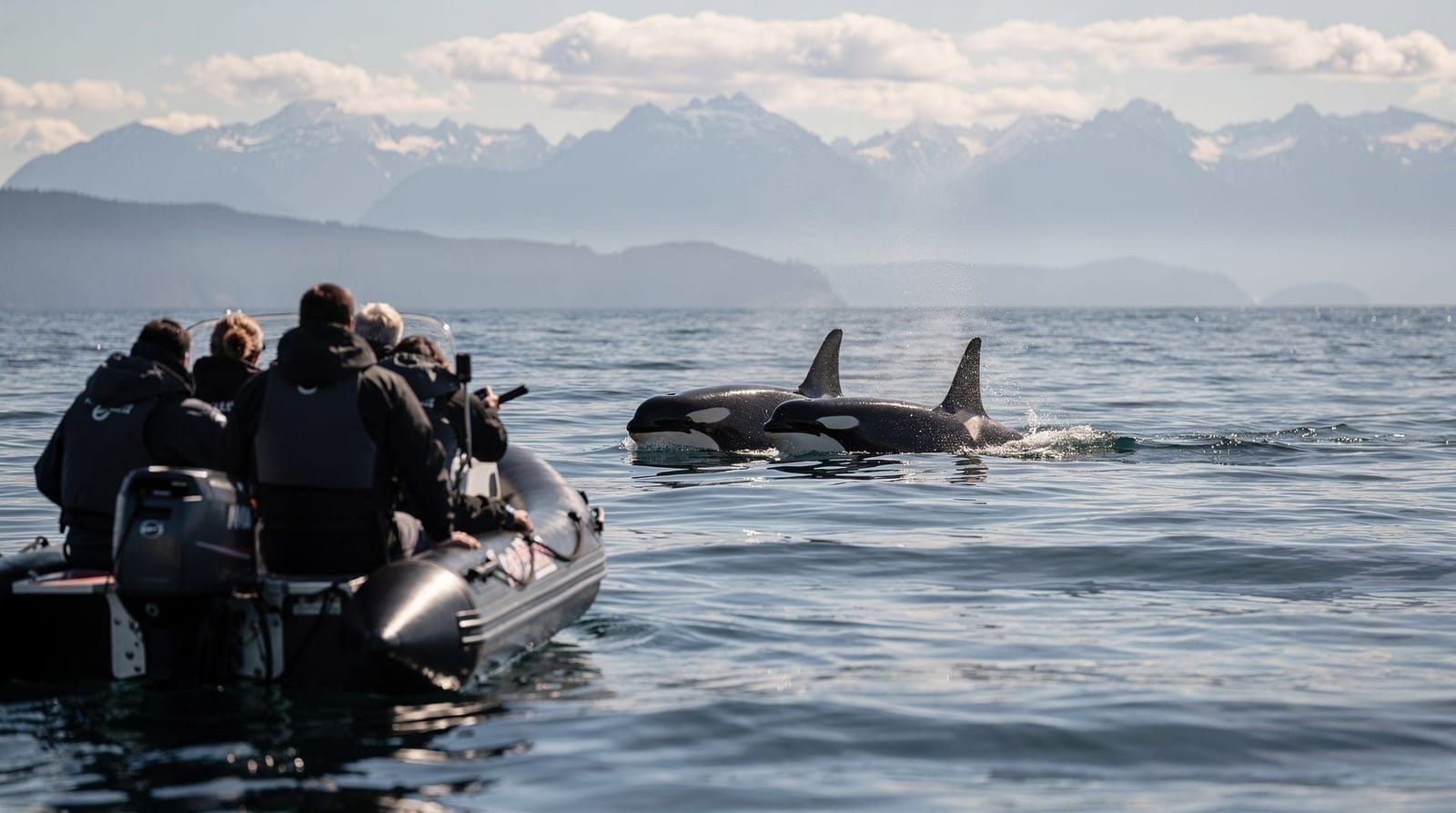
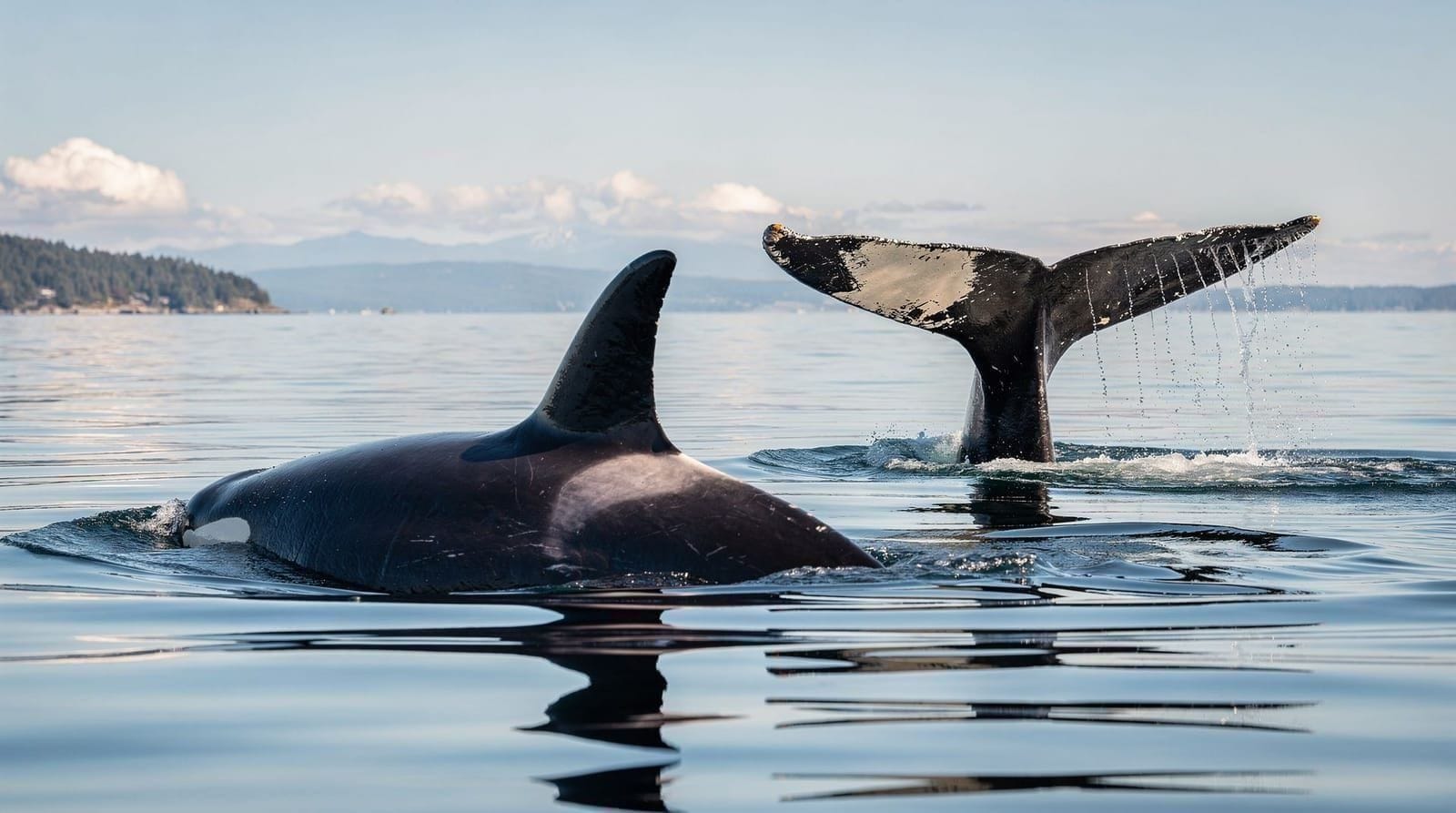
Most tours run 3-5 hours door to door, which includes the transit time out to open water before any wildlife searching starts. A typical trip covers Georgia Strait and the waters around the Gulf Islands, watching for resident and transient orca pods, harbour seals, sea lions, and, increasingly in recent years, humpback whales that have become regular visitors to these waters. The Vancouver whale and wildlife watching tour is a fairly representative example — a naturalist-guided trip on a covered or semi-covered vessel that includes professional photos of your outing, useful if a phone camera isn’t going to capture a distant breach convincingly.
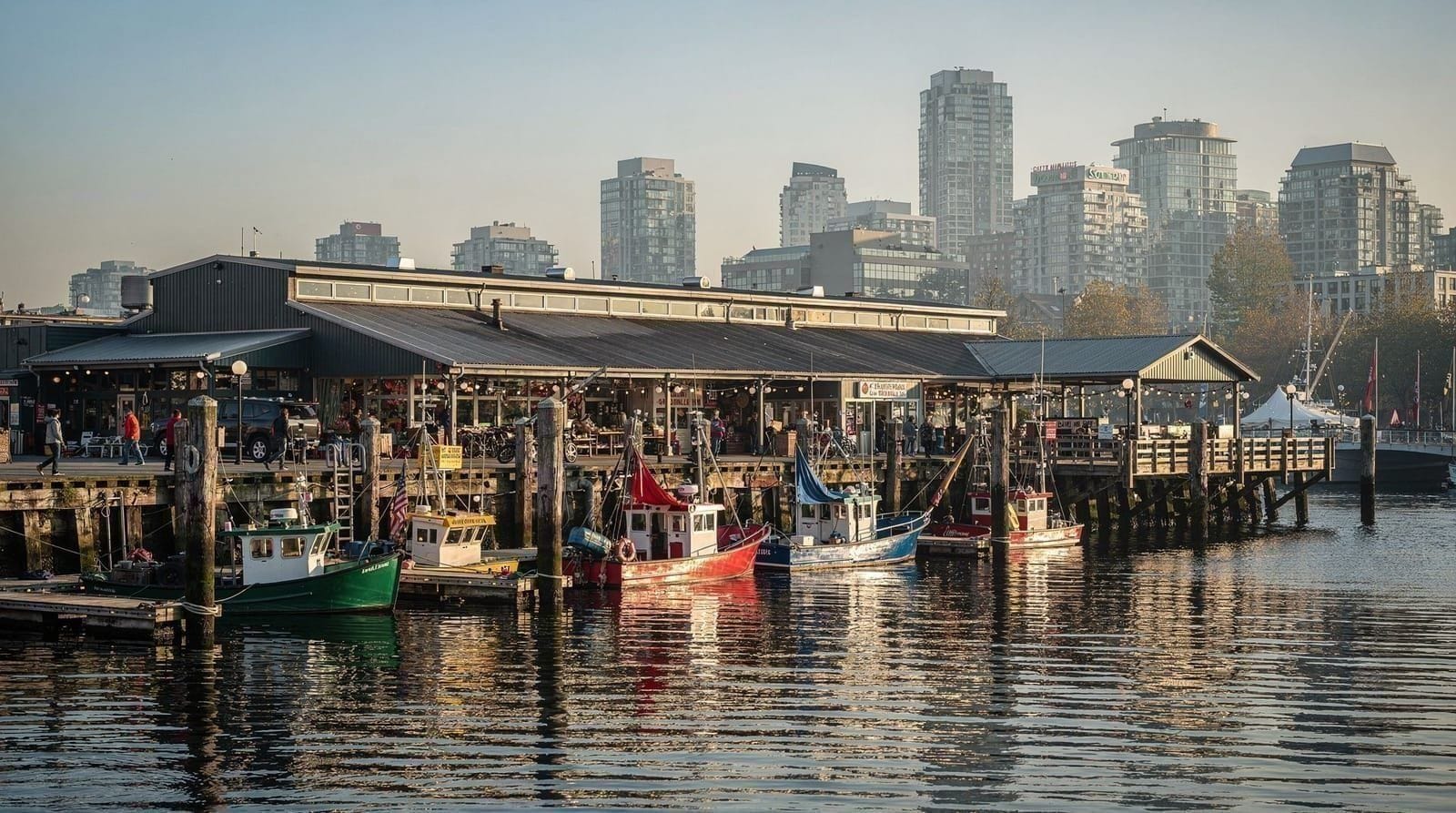
Departure points cluster around two areas: Coal Harbour, a short walk from Canada Place and most downtown hotels, and Granville Island, a few minutes further by taxi or the Aquabus. Both are genuinely convenient — this is one of the real advantages Vancouver has over Victoria, where reaching the departure dock requires a ferry or seaplane first.
Boat types: covered vs. open Zodiac
This is the decision that shapes the whole experience more than which operator you pick. A covered or semi-covered boat, like the one used on the standard Vancouver wildlife tour, offers actual seating, some shelter from wind and spray, and a washroom on board — practical for families, older travelers, or anyone who gets cold easily on the water. The open-air whale watching tour from Granville Island sits in between, giving better sightlines and photo access while keeping some structure and seating.
At the other end, the Zodiac whale watching tour from Granville Island is a genuinely different kind of trip — a rigid inflatable boat that sits low to the water, moves faster, and puts you noticeably closer to the sensation of open water. It’s a legitimate choice for travelers who want the adrenaline and the closer photo angles, but it comes with real trade-offs: no cabin to retreat to, more spray, a colder and bumpier ride, and less comfort on a longer search when whales are taking time to show up. It isn’t the right pick for young children, anyone with back problems, or travelers who get cold easily.
Neither option is objectively “better” — it’s a genuine trade-off between comfort and immediacy, and it’s worth being honest with yourself about which one you’ll actually enjoy for 3-5 hours rather than picking based on photos alone.
What a 3-5 hour tour actually looks like
It helps to know the shape of the day before booking, since “3-5 hours” can sound longer or shorter than it plays out. Check-in is usually 20-30 minutes before departure, with a safety briefing and gear check — life jackets or float coats are mandatory and provided on board. The run out from Coal Harbour or Granville Island into open water typically takes 30-60 minutes depending on where reports of recent sightings are coming from that day; captains stay in radio contact with other boats and the regional whale sighting network, so the route isn’t random guesswork, but it does mean the destination shifts day to day based on where whales were last seen.
Once in open water, the bulk of the trip is spent searching and repositioning — this is the part that separates a good tour from a frustrating one. A skilled captain reads currents, tide lines and bird activity (diving gulls and murres often signal baitfish, which draws in whales) rather than just motoring in a straight line.
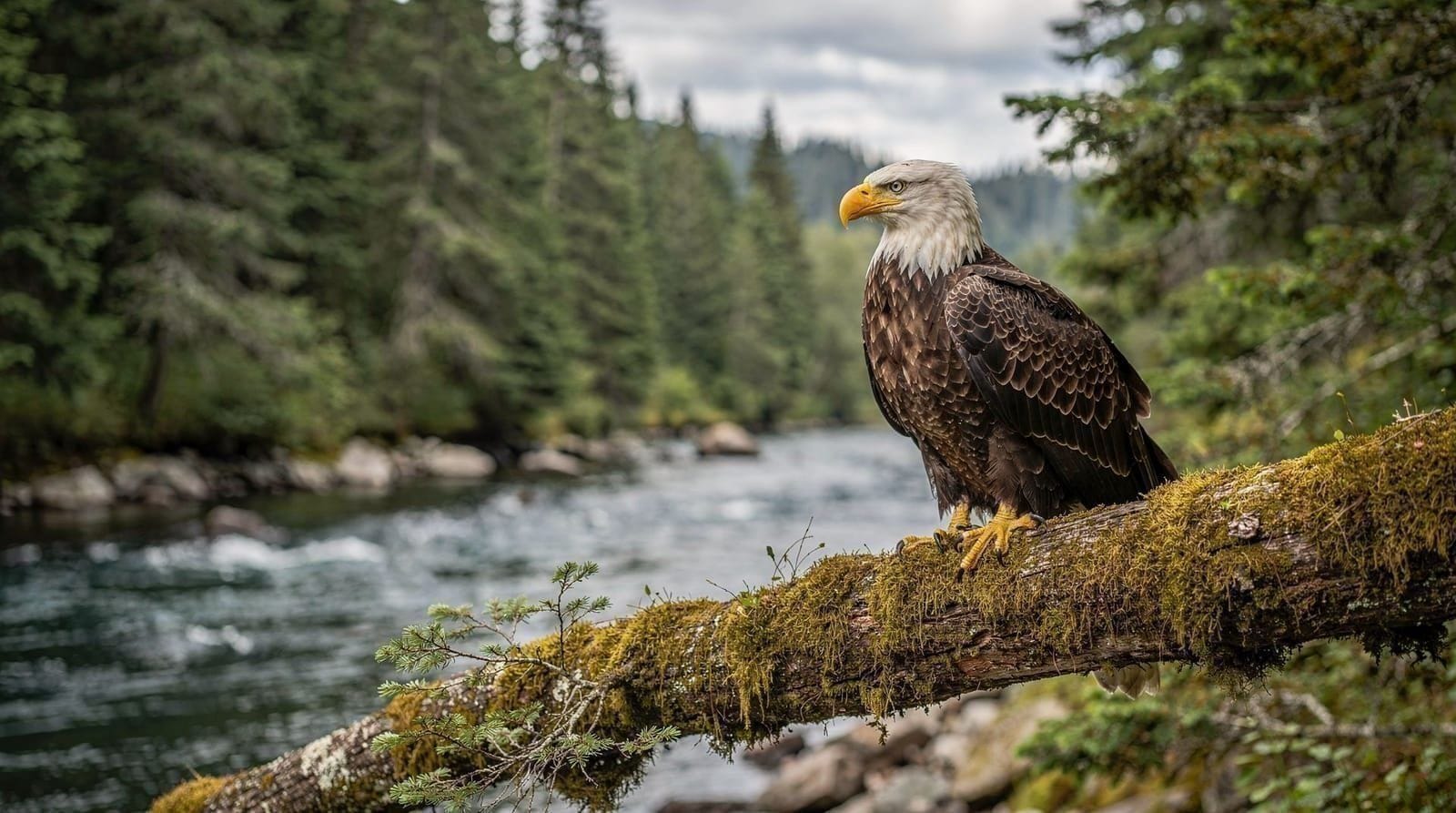
Naturalist guides narrate throughout, covering not just whale behavior but the wider ecosystem — harbour seals hauled out on rocky islets, bald eagles working the shoreline, and the occasional Steller sea lion. When a whale is spotted, boats typically hold a respectful distance under Canadian marine mammal viewing regulations (generally 100-200 metres depending on species and vessel type), so the encounter is real but not a close pass — a detail worth knowing if the marketing photos led you to expect something closer.
The return leg is usually faster and more direct, and most operators budget time to be back at the dock within the stated window even if a good sighting runs long. Total time actually near whales varies wildly by day — sometimes 45 minutes with a pod, sometimes a series of shorter passes — which is part of why sighting odds, not just “trip length,” is the number worth paying attention to when comparing operators.
Who a Vancouver tour suits, and who it doesn’t
A covered-boat Vancouver tour is a reasonable fit for families with kids old enough to sit still for a few hours, older travelers who want to see whales without a rough ride, and anyone working around a tight downtown itinerary who doesn’t want to build in ferry time. It’s less well suited to travelers whose main goal is the best possible photographic access — the Zodiac tours serve that better, at the cost of comfort — or to anyone for whom seeing a whale on this specific day is essential rather than a hoped-for outcome; if that’s the case, Victoria’s higher documented odds make more sense as a decision, even with the extra travel.
Young children under about five are generally not well suited to a Zodiac departure specifically, both because of the cold spray and because most operators set a minimum age or require an adult to hold infants and toddlers for the full trip. Covered boats are considerably more forgiving on this front, with proper seating and shelter from the worst of the wind.
What else you might see if the whales don’t show
Because odds are never 100% on any single trip, it’s worth knowing what a “no whale” day still usually includes. Harbour seals are a near-guarantee on most routes, hauled out on rocky islets or bobbing near the boat. Sea lions — both Steller and California — gather at known haul-out sites in good numbers through much of the season, and bald eagles are a common sight along the shoreline, particularly around river mouths.
Porpoises, typically Dall’s or harbour porpoise, also turn up regularly and move fast enough to be genuinely fun to watch even as a consolation sighting. None of this replaces a whale sighting as the headline experience, but it’s a meaningful difference between a disappointing trip and merely a whale-free one — most Vancouver operators’ overall wildlife sighting rate, as opposed to whale-specific sighting rate, runs close to 100%.
Choosing between the four main Vancouver options
With four broadly similar-sounding tours to pick from, the differences mostly come down to boat type and trip length rather than route or region, since most operators fish the same general waters. The standard whale and wildlife watching tour is the safest default for most travelers — covered seating, included photography, and a broad wildlife focus beyond just whales. The half-day whale watching adventure trims the trip to its most efficient length, useful if the day is already packed with other plans.
The open-air tour from Granville Island is the middle ground for travelers who want better photo sightlines without committing to a full Zodiac experience, and the Zodiac tour is the choice for a faster, closer, rougher ride aimed at travelers prioritizing thrill and proximity over comfort. None of the four is meaningfully cheaper or more expensive in a way that should drive the decision — comfort tolerance and priorities should.
Choosing a departure time of day
Most Vancouver operators run morning and afternoon departures, and the choice between them is a minor but real factor. Morning tours tend to have calmer water before afternoon winds pick up, generally a more comfortable ride on an open Zodiac specifically. Afternoon departures leave the morning free for other sightseeing and can catch better light for photography late in the day, though conditions on the water are marginally more variable. Neither timing meaningfully changes whale sighting odds on a given day, since captains reposition based on real-time reports regardless of departure time.
Booking lead time and cancellation policies
July and August weekends are the tightest booking window at Vancouver departure points, and it’s worth reserving at least a few days ahead during peak season, longer if a specific date and time matter. Shoulder months — May, June and September — generally have more same-week availability. Most operators build in a no-whale policy of some kind, commonly a free rebooking voucher rather than a refund, though the exact terms vary enough between companies that it’s worth checking before paying. Weather cancellations, distinct from no-sighting outcomes, are typically fully refunded or rebooked at no cost, since they’re the operator’s call rather than the customer’s.
What you’ll likely see, and when
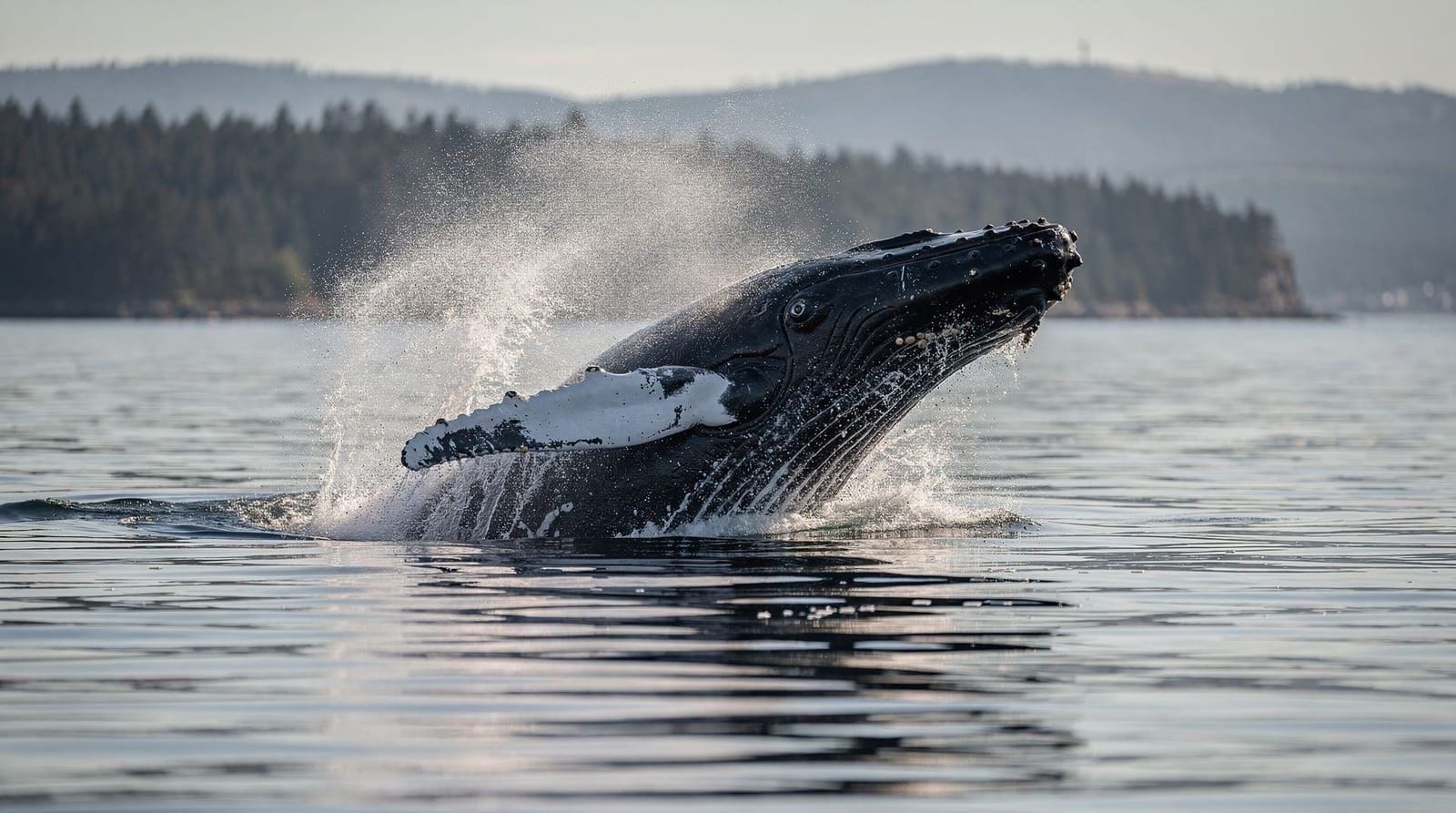
June through September is the strongest window for a Vancouver departure, roughly tracking the province-wide pattern described in the best time for whale watching in BC guide. Resident and transient orca pods are the main draw earlier in that window, while humpback whales — increasingly common in Georgia Strait over the past 15-20 years as the local population has recovered — become a more regular sighting from July onward. The detailed differences between the two, including which is more likely on a Vancouver-based trip versus a Victoria one, are covered in the orca vs. humpback season comparison.
Outside that core window, April, May and October trips still run, but with meaningfully lower odds and rougher water, particularly in October. It’s a reasonable choice if your travel dates are fixed and you’re comfortable with lower certainty, less so if a whale sighting is the whole point of the trip.
Price and what it buys
Expect to pay roughly CAD 130-180 for a 3-5 hour Vancouver tour, with the half-day whale watching adventure sitting toward the middle of that range as a solid default option if you’re not sure which operator or boat type to pick. Longer combined wildlife tours and smaller-group Zodiac trips tend to run toward the top end. There isn’t a strong correlation between price and sighting odds within this range — it mostly reflects boat type, group size and trip length rather than a meaningfully better chance of finding whales.
The honest comparison to Victoria
It’s worth saying directly: if seeing an orca is the single most important goal of the trip and you have flexibility in your schedule, Victoria gives better odds. Its proximity to the Salish Sea and Juan de Fuca Strait routes that resident and transient pods travel most consistently translates into reported success rates in the 85-90%+ range during peak months, noticeably above what Vancouver-based boats typically report, especially outside July and August.
That doesn’t make a Vancouver tour a bad choice — it makes it a convenience trade-off. Staying in Vancouver and booking here saves the cost, time and logistics of a ferry or seaplane crossing, and sighting odds are still reasonably good in peak season. It’s a legitimate option for travelers who don’t want to build a Victoria day trip or overnight into their itinerary, just not the top-odds choice in the province.
Solo travelers and couples
A whale watching tour is a genuinely comfortable solo activity — most boats mix independent travelers, couples, and families into one group, and naturalist guides typically address the whole boat rather than assuming everyone arrived together. Couples specifically wanting a bit more privacy and a calmer ride might prefer a covered boat’s designated seating over the more communal, shared bench layout of some open Zodiacs. Neither boat type meaningfully disadvantages solo travelers or couples over families; the choice remains mostly about comfort and photo access rather than group composition.
Preparing for the trip
Dress in layers regardless of the month — a warm base layer under a windproof, ideally waterproof outer shell, plus a hat and gloves, since boats generate real wind chill at cruising speed even on a warm day on land. Seasickness is worth planning for rather than hoping to avoid: a non-drowsy motion sickness tablet taken an hour before departure, a light meal beforehand, and staying toward the center of the boat where movement is less pronounced all genuinely help. If seasickness is a known issue, a covered boat is the safer choice over an open Zodiac.
Bring a real camera or a phone with a reasonable zoom if photos matter to you — most sightings happen at a distance greater than people expect from marketing photos, and a wide-angle phone shot alone often won’t capture much. This is part of why tours like the standard Vancouver wildlife tour bundle in professional photography; it’s a genuine hedge against the gap between what you see in person and what a phone camera can realistically capture from a moving boat.
What tour listings don’t always spell out
Not every operator’s marketing makes the boat type, group size, or exact departure dock immediately obvious, and these details matter more than the headline price. A “wildlife tour” and a “whale watching tour” from the same company sometimes run the identical route and boat, marketed slightly differently to capture different search terms — worth checking the itinerary description rather than assuming a different name means a meaningfully different trip. Group size also varies more than people expect: some operators run larger vessels with 40-plus passengers, others cap groups at a dozen or fewer for a more personal, naturalist-led experience, and neither is inherently better, but they do change the feel of the day meaningfully.
Steveston and other lesser-known departure options
Coal Harbour and Granville Island get most of the attention, but a smaller number of operators run trips from the Steveston area in Richmond, closer to the mouth of the Fraser River and a slightly different angle into Georgia Strait. It’s a less central option for anyone based downtown — expect an extra 20-30 minutes of travel each way compared to a Coal Harbour departure — but it can be worth considering for travelers already staying in Richmond near the airport, or those looking to avoid the busiest central departure points during peak weeks. Sighting odds from Steveston-area departures track closely with the rest of Vancouver’s fleet, since boats from all these points converge on broadly the same search areas once out on the water.
How Vancouver’s odds actually compare, month by month
It’s worth being specific rather than just saying “lower than Victoria.” In April and May, Vancouver-based trips see the widest gap versus Victoria, since the extra transit time to reach productive water matters proportionally more when overall activity is lower. By June and into July, the gap narrows as orca activity increases across the whole Salish Sea system, including areas Vancouver boats can reach.
August and September are Vancouver’s strongest relative months, partly because humpback whales — which have expanded their range into Georgia Strait itself in recent years — are now sometimes found without needing the longer transit toward Victoria’s core routes. October sees odds drop for both regions, but Vancouver’s shorter season-end tourist demand means better availability if the goal is simply getting on a boat rather than optimizing odds.
What a naturalist guide actually adds
The naturalist commentary that comes standard on most Vancouver tours is worth more than it might sound going in. Beyond identifying species, guides typically explain regional conservation issues (the southern resident orca population’s at-risk status, humpback recovery trends in Georgia Strait), the marine mammal viewing regulations shaping how close boats can approach, and the broader ecosystem context — tides, baitfish runs, and seabird activity — that turns a simple wildlife search into something closer to an informed nature outing regardless of whether a whale ultimately appears.
Weather cancellations and what happens next
Pacific weather off Vancouver is generally most settled from June through early September, which is part of why that window is favoured for open Zodiac departures specifically. Spring and fall trips carry a real, if modest, chance of the captain calling a cancellation for safety reasons — usually decided the morning of, based on wind and swell forecasts for the specific route rather than a blanket seasonal rule. When this happens, reputable operators rebook at no charge or offer a full refund rather than leaving travelers to absorb the loss; it’s worth confirming this policy specifically when booking a shoulder-season date, since it varies by company.
Building it into a wider Vancouver itinerary
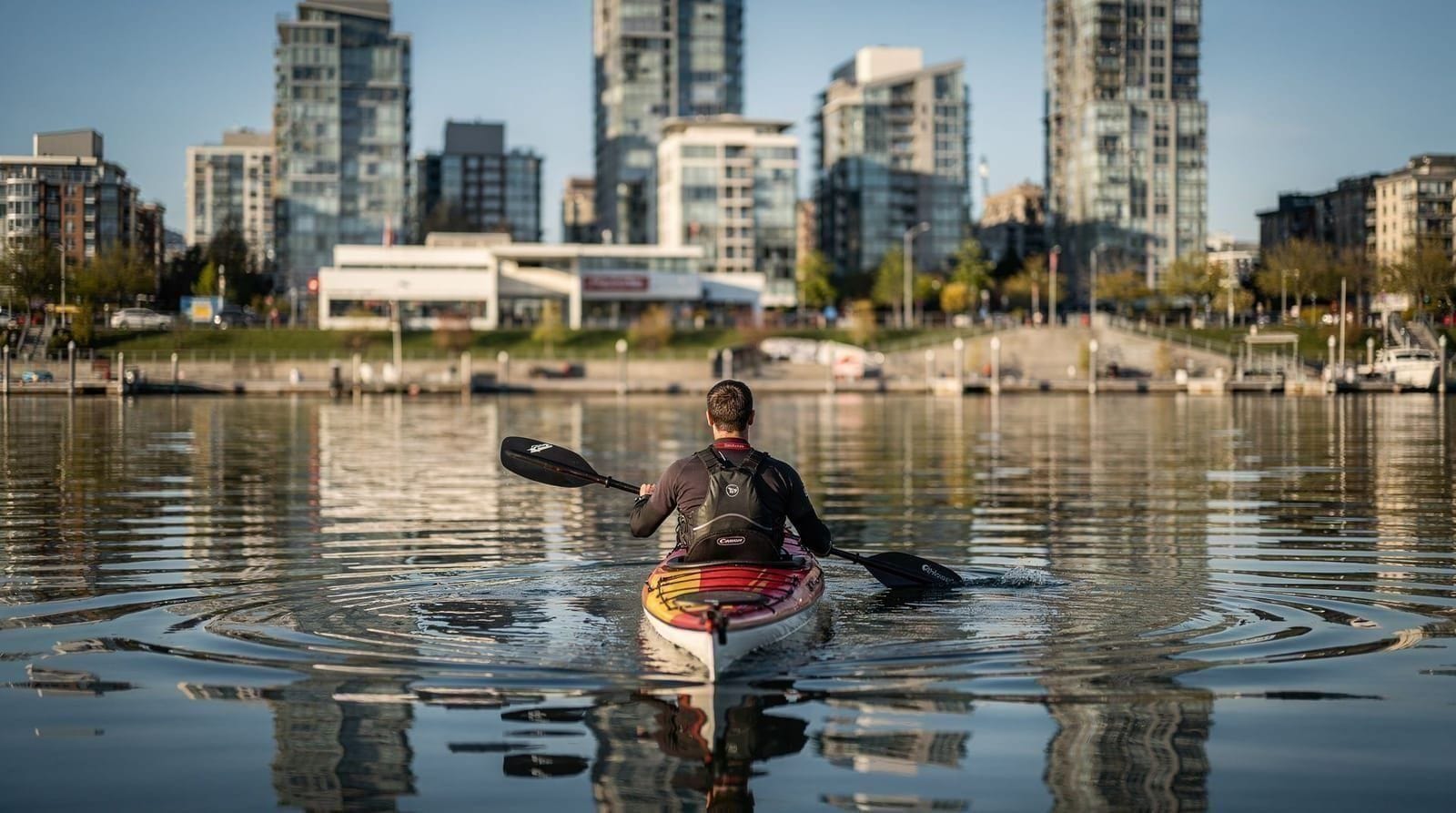
A morning whale watching tour leaves the afternoon free for something calmer nearby. Granville Island itself, right at the departure point for several operators, makes an easy pairing — the public market and waterfront walk are a low-effort way to fill a few hours after a morning on the water. Travelers with more time who want to stay on the water can look at kayaking from Granville Island or a broader kayaking guide to Vancouver for a different, lower-cost way to experience the same waterfront the next day.
If wildlife is the running theme rather than a one-off outing, the wildlife tours from Vancouver roundup covers other options beyond whales, and eagle watching in Squamish works as a land-based complement within an easy day trip of the city. For travelers weighing whether to add a Victoria leg specifically for better whale odds, the Victoria whale watching guide lays out the logistics of getting there and whether it’s worth the extra day.
Traveling with kids on a Vancouver whale watching tour
Covered-boat tours generally work well for families, with washroom access and enough shelter that a few hours of searching doesn’t wear young kids down the way an open Zodiac ride can. Most operators set a minimum age or require infants and toddlers to be held for the full trip on faster open boats, so families with very young children should default to the standard covered tour rather than the Zodiac option. Bringing snacks, a favourite small toy, and dressing kids in the same warm layers recommended for adults all help keep a multi-hour boat trip enjoyable rather than a restless wait for a whale that may or may not show up that day.
Photography gear and realistic expectations
Most sightings on a Vancouver-departure tour happen at a genuine distance — Canadian marine mammal viewing regulations keep boats 100-200 metres back — so a phone camera alone often struggles to capture more than a distant fin or spout. A camera with at least moderate zoom, or a phone with a clip-on telephoto lens, makes a meaningful difference for anyone hoping to come home with usable whale photos rather than relying entirely on the tour’s included professional shots. Image stabilization matters more than raw zoom on a moving boat, since hand-held shots at long focal lengths blur easily with even mild boat rock.
Frequently asked questions — Whale watching from Vancouver
Do whale watching tours actually leave from downtown Vancouver?
Yes, most depart from Coal Harbour near Canada Place or from Granville Island, both an easy walk or short taxi from most downtown hotels. No need to travel out to a separate marina for a Vancouver-based tour.What's the difference between a covered boat and an open Zodiac tour?
Covered or semi-covered boats offer seating, some shelter from wind and spray, and usually a washroom, which suits families, older travelers or anyone prone to seasickness. Open Zodiacs sit lower to the water, move faster, and give a more immediate, closer-to-the-action feel, but they're colder, wetter and rougher — a genuine trade-off, not just a price difference.How much does whale watching cost in Vancouver?
Most tours run roughly CAD 130-180 for a 3-5 hour trip, varying by operator, boat type and trip length. Half-day tours sit toward the lower end of that range; longer combined wildlife tours run toward the top.What months give the best odds of seeing whales from Vancouver?
June through September, with July and August typically the strongest overall, since that window overlaps peak orca activity with rising humpback numbers. April, May and October are workable but with noticeably lower odds — see the full month-by-month breakdown in the best time for whale watching in BC guide.Is Vancouver as good as Victoria for whale watching?
Not quite, and it's worth being upfront about that. Victoria sits closer to the Salish Sea and Juan de Fuca Strait routes that resident and transient orca pods travel most reliably, with reported success rates in the 85-90%+ range at peak season. Vancouver-based boats reach some of the same waters but with a longer transit, so odds run somewhat lower, particularly outside peak summer months.Do I need to worry about seasickness on a Vancouver whale watching tour?
It's worth taking seriously, especially on an open Zodiac in choppier conditions. Taking a non-drowsy motion sickness tablet an hour before departure, eating a light meal beforehand rather than going empty-stomached, and choosing a covered boat if you're prone to it are the three most effective precautions.What should I wear on a whale watching tour from Vancouver?
Layers, regardless of the season — a warm mid-layer under a windproof, ideally waterproof outer layer, plus a hat and gloves even in summer. Boats generate their own wind chill at speed, and open water stays cool year-round, so it's consistently colder on the water than it looks from the dock.Can I combine whale watching with other Vancouver activities the same day?
A morning tour leaves most of the afternoon free, and pairing it with a walk around Granville Island or a lower-key activity nearby is realistic. Stacking a full-day tour with something else demanding, like a kayaking trip, tends to make for a long, tiring day rather than a relaxed one.
Top experiences
Bookable activities with verified prices and instant confirmation on GetYourGuide.