BC's salmon run — where and when to see it near Vancouver
Capilano Bridge + Grouse Mountain + Dam + Lake & Hatchery (5-in-1, Small Group)
Where's the best place to see the salmon run near Vancouver?
The Capilano River Salmon Hatchery in North Vancouver is the most accessible option — a free, near-city viewing spot with a glass-walled fish ladder, typically active from September through November as chinook and coho return to spawn. Further-flung options like Goldstream near Victoria and the Adams River in the BC Interior offer a bigger spectacle but require significantly more travel.
Every fall, several species of Pacific salmon return from the ocean to the rivers where they hatched, and BC is one of the more accessible places in the world to watch it happen — provided you know which river, which weeks, and which species you’re actually looking for. Near Vancouver, the single best option is the Capilano River Salmon Hatchery in North Vancouver, a free, purpose-built viewing site that puts you at eye level with the migration without any real travel. Further-afield sites offer a bigger spectacle, but they come with a much bigger time commitment.
| Where | Capilano River Salmon Hatchery, North Vancouver |
| Cost | Free general admission |
| Best time | September–October (chinook, coho); November (chum) |
| Time needed | 30-45 minutes, up to an hour on busy weekends |
| Getting there | Short drive or combo tour from downtown |
| Bigger spectacle | Goldstream (Victoria) or Adams River — both require significant extra travel |
What the salmon run actually is
Pacific salmon are anadromous, meaning they hatch in freshwater rivers, migrate out to the ocean to spend most of their adult lives, then return to the exact river system where they were born to spawn and die — a life cycle that plays out across five species in BC waters: chinook, coho, sockeye, pink and chum. Each species runs on a slightly different schedule and, in some cases, a multi-year cycle rather than returning every single year in the same numbers, which is part of why “the salmon run” isn’t a single event but a staggered season spread across late summer through late autumn, varying by river.
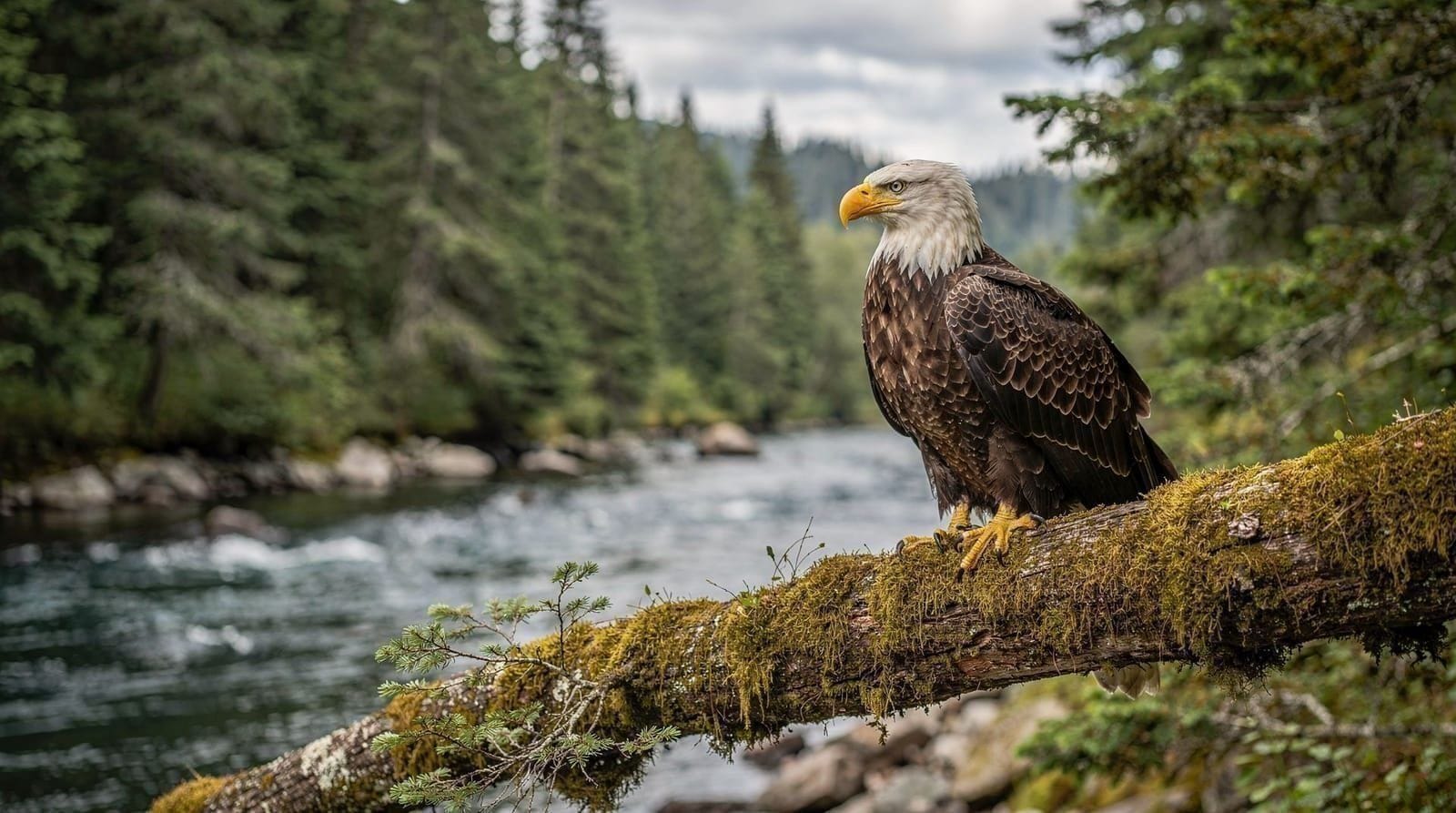
The visual signature of a strong run — fish visibly working upstream, sometimes leaping small falls or fish ladders, turning noticeably red or hooked-jawed as spawning approaches — is what draws visitors, but the ecological significance goes well beyond the spectacle. Salmon runs feed a huge share of BC’s coastal and inland wildlife, from bears and eagles to smaller mammals and even forest soil chemistry via nutrients carried inland by predators, which is why salmon season overlaps so heavily with BC’s best bear- and eagle-watching windows.
Timing: late August through November, staggered by species and river
There’s no single date for “the” BC salmon run. On North Shore rivers near Vancouver, chinook and coho typically begin arriving from late summer into early autumn, with visible activity building through September and October. Chum salmon, one of the later-running species on many BC coastal rivers, often continue into November, which is part of why the wintering eagle concentrations near Squamish — covered in the eagle watching near Squamish guide — line up with a late chum run on the Squamish, Cheakamus and Mamquam rivers.
The practical upshot for trip planning: a September or October visit gives you the best overall odds of seeing active salmon at the Capilano hatchery and similar North Shore viewing spots, while a November visit skews toward later-running chum and overlaps with the start of the eagle season further north. Outside roughly August through November, there’s little to see at any of these sites — salmon runs are a genuinely seasonal, not year-round, phenomenon, and trying to time a visit around a single specific week is less useful than picking a broad month and accepting some natural variation year to year in exactly when a given river peaks.
| Month | What’s active at Capilano | Notes |
|---|---|---|
| Late Aug–early Sept | Chinook begin arriving | Early-season, numbers still building |
| September | Chinook and coho, building activity | Strong reliable window |
| October | Chinook and coho, core season | Best overall odds of active viewing |
| November | Later-running chum | Overlaps with early Squamish eagle season |
| December–July | Little to see | Facility open, but salmon viewing is seasonal |
The Capilano River Salmon Hatchery: the best near-city option
The Capilano River Salmon Hatchery, in North Vancouver just below the Cleveland Dam, is the single most accessible salmon-viewing site near Vancouver, and it’s free. The facility raises and releases salmon as part of an active hatchery program, and its public viewing area includes an indoor glass-walled window looking directly into the fish ladder, letting you watch fish work their way upstream at close range without needing binoculars or a particular vantage point along an open riverbank. Outdoor viewing platforms along the river add a second perspective for anyone who wants to see the broader river setting rather than just the ladder window.
Because it’s a hatchery rather than a purely wild river, the Capilano site guarantees a more reliable salmon presence during season than an unmanaged river might, since the hatchery’s own returning stock adds to the numbers. It’s genuinely worth a stop on its own, and it also sits within the North Vancouver area alongside other North Shore attractions, making it easy to combine with a broader North Shore day.
Visiting via the combo tours
Because the Capilano hatchery sits close to both the Capilano Suspension Bridge and Grouse Mountain, several operators bundle a hatchery stop into wider North Shore sightseeing tours rather than treating it as a standalone booking — worth knowing if a hatchery visit is one piece of a longer North Shore day rather than the entire point of your trip.
The Capilano, Grouse, dam, lake and hatchery 5-in-1 tour covers the hatchery as one of five stops alongside Capilano’s suspension bridge area, the Cleveland Dam, Capilano Lake and Grouse Mountain, which suits visitors who want a full North Shore overview in a single guided day rather than piecing together separate visits. The Grouse Mountain, Capilano Bridge and fish hatchery tour covers a similar combination with its own operator and itinerary structure.
It’s worth being clear about what these tours add: the hatchery itself has free general admission, so these bookings are for travelers who also want Capilano Suspension Bridge and Grouse Mountain bundled into the same guided day, not for anyone who just wants to see the fish ladder — that part you can do on your own, for free, at any point during hatchery operating hours in season.
The five species, and how to tell them apart
Knowing roughly what you’re looking at adds a lot to a salmon-run visit, since the five Pacific species differ noticeably in size, color and timing. Chinook, the largest, tend to be the earliest significant run on North Shore rivers, arriving from late summer, and darken toward a deep, sometimes near-black hue as spawning approaches. Coho follow a broadly similar window into early autumn, generally smaller than chinook and developing a distinctive reddish body color with a green-tinged head. Sockeye, best known for the Adams River spectacle, turn a vivid, unmistakable red with green heads at spawning time, though North Shore rivers near Vancouver see far smaller sockeye numbers than the Interior systems.
Pink salmon run on a two-year cycle, meaning odd or even years see dramatically different numbers on a given river, and are the smallest of the five. Chum, often the latest-running species on BC’s south coast, develop a distinctive calico-like purple and green streaking and are the species most associated with the late-season eagle concentrations near Squamish.
At the Capilano hatchery specifically, chinook and coho are the species you’re most likely to see clearly through the glass-walled fish ladder viewing window during the September-October core of the season, with hatchery-raised stock supplementing wild returns.
How the Capilano hatchery program works
The hatchery raises salmon from egg to juvenile stage in a controlled environment before releasing them into the Capilano River system to migrate out to the ocean, a program originally established to offset the impact of the Cleveland Dam on natural spawning grounds further upstream, which the dam otherwise blocks. Returning adult fish, drawn back by scent memory to the water they were released into, arrive at the hatchery facility itself as part of this managed cycle, which is a meaningful part of why viewing here is more reliable than an unmanaged wild river — the hatchery’s own returning stock adds to whatever wild spawning still happens naturally in the accessible stretches of river.
Interpretive signage throughout the facility explains this cycle in more depth than a casual visitor might expect, covering everything from egg incubation through juvenile rearing to the return migration, making it a genuinely educational stop rather than just a viewing platform — useful context for visiting with children or anyone wanting more than a quick look at fish in a ladder. Staff or volunteer interpreters are sometimes on site during peak season to answer questions directly, a detail worth checking ahead if a more guided explanation of the process matters to your visit.
Practical visiting tips
Plan for 30-45 minutes at the hatchery itself if you’re only doing the core viewing areas, longer if you want to read through the interpretive displays in detail or linger at the outdoor riverside viewpoints, and closer to an hour if visiting during a busy weekend when the glass-walled viewing window can draw a small queue.
The site is outdoors for the riverside portions, so dress for North Shore weather, which trends damp and cool through the core September-November viewing season — a light rain layer is a sensible default regardless of the day’s forecast. Parking is available on site, and the location’s proximity to both Capilano Suspension Bridge Park and Grouse Mountain makes it easy to fold into a longer North Shore day without much extra routing.
Goldstream Provincial Park: a strong option, but near Victoria, not Vancouver
Goldstream Provincial Park, on Vancouver Island near Victoria, runs one of BC’s more dramatic accessible salmon runs, with chum salmon typically returning in large numbers through October and November along the Goldstream River, drawing a genuinely significant eagle population to feed on the spawned-out fish afterward. It’s a well-regarded destination for exactly this reason — a park where the whole ecological chain, from salmon to eagles, is visible in one place.
The honest caveat is distance. Goldstream sits on Vancouver Island, meaning a Vancouver-based visitor needs a ferry crossing (or flight) to reach it, the same logistics gap that applies to the wild grizzly tours out of Campbell River covered in the grizzly bear watching guide. It’s a legitimate destination if you’re already visiting Victoria or doing a broader Vancouver Island trip during salmon season, but not something to plan as a standalone Vancouver day trip. There’s no current bookable tour product covering Goldstream in this catalogue, so a visit there means independent trip planning around BC Ferries schedules and Victoria-area logistics rather than a straightforward add-on booking.
The Adams River: a bucket-list note, not a bookable product
The Adams River, in BC’s Interior near Shuswap Lake, hosts one of the most famous salmon runs in North America — a sockeye run that peaks on a four-year “dominant run” cycle, when spawning numbers can run into the millions in a single season, drawing visitors from well beyond BC specifically to witness it. It’s a genuinely remarkable natural event when the timing aligns.
For a Vancouver-based trip, though, it’s realistic to treat this as a bucket-list note rather than something to plan into a standard itinerary. The Adams River sits several hours’ drive into BC’s Interior, well beyond a day-trip radius from Vancouver, and the dominant-run years are specifically worth targeting if you’re building a trip around this one event — otherwise off-peak years see meaningfully smaller numbers. There’s no bookable tour product covering this route in the current catalogue; it’s the kind of destination that requires independent trip planning around the specific dominant-run calendar if it’s a priority for you.
Bears and eagles: the wildlife bonus of a salmon run
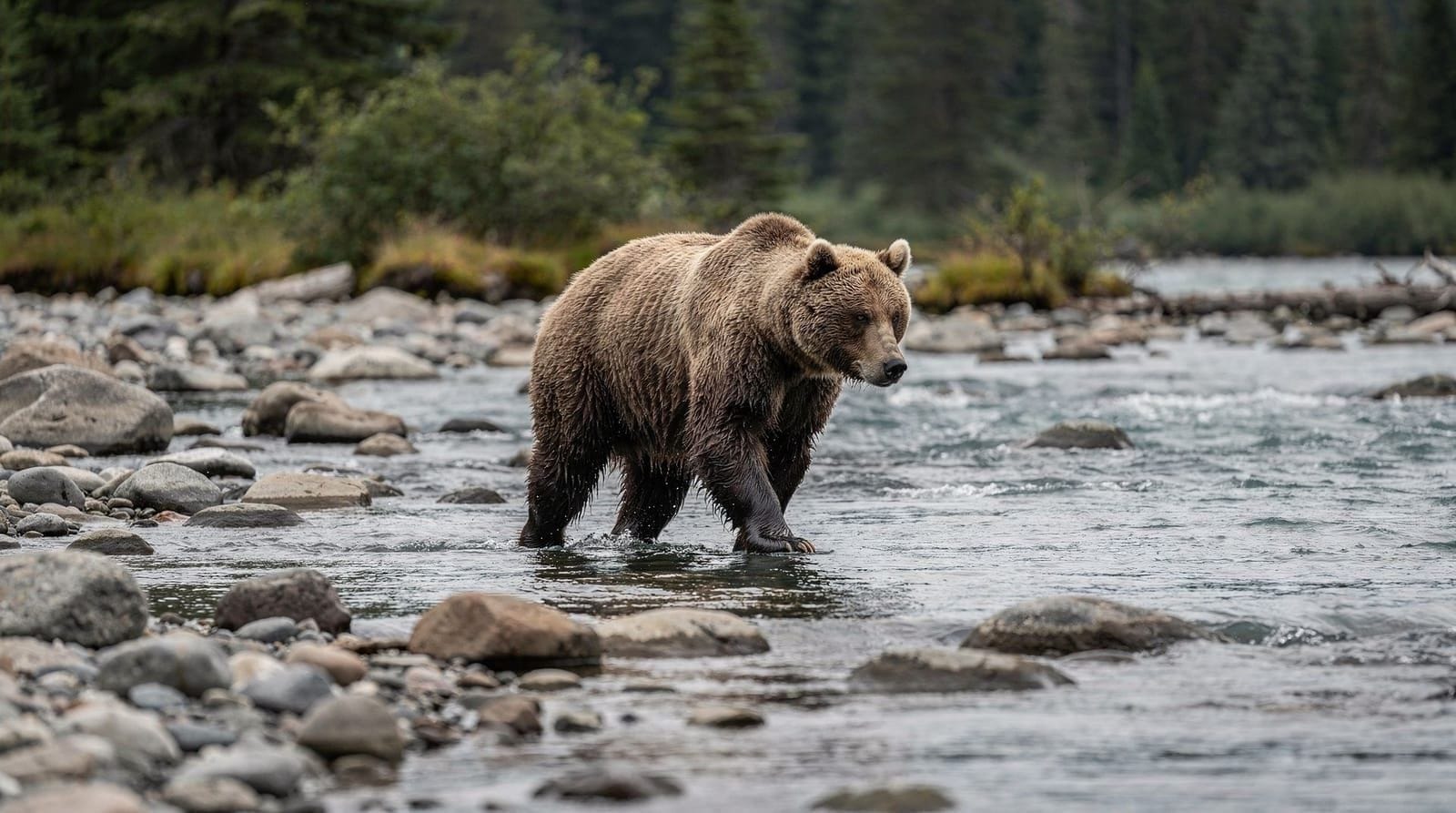
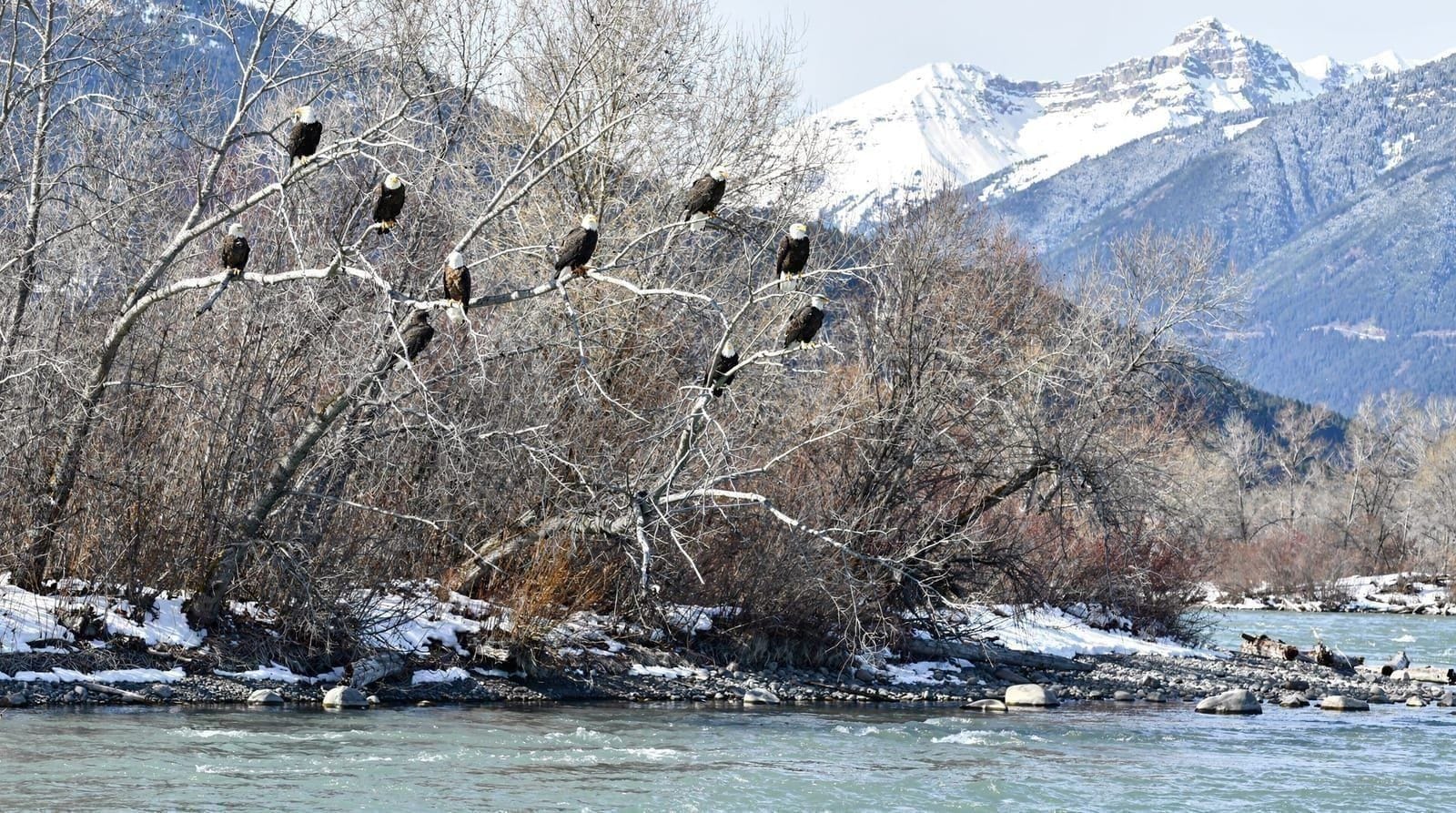
Salmon runs don’t just feed fish-watchers — they’re the seasonal food source that draws much of BC’s bear and eagle activity into visible, concentrated locations. The wild grizzly bear tours out of Campbell River, covered in detail in the grizzly bear watching guide, run on essentially the same August-through-October calendar as the broader salmon season, since the bears are following the fish into coastal rivers and estuaries. Similarly, the large wintering eagle population near Squamish and Brackendale, covered in the eagle watching guide, times its arrival to the late chum salmon runs on the Squamish and Cheakamus rivers through November into January.
At the Capilano hatchery itself, occasional wildlife sightings do happen — herons and other birds are a regular presence along the river — but this is an urban North Vancouver setting, not the remote habitat where bears concentrate in real numbers. If bears alongside salmon is specifically what you want to see, the Campbell River trip is the honest answer, not a North Shore hatchery visit.
Building a salmon-season trip around Vancouver
For a Vancouver-based visitor with a few days in September, October or November, a realistic salmon-focused plan starts with the free Capilano hatchery visit, easily combined with the North Shore’s other main draws — Capilano Suspension Bridge and Grouse Mountain — in a single day, whether self-guided or via one of the combo tours above. From there, travelers with more time and a genuine interest in the fuller ecological picture — bears actively fishing, or a larger-scale eagle concentration — should look at extending the trip toward Campbell River or Squamish respectively, understanding that both require dedicated travel beyond a simple North Shore add-on.
For a broader sense of how salmon-season wildlife fits alongside Vancouver’s other options, the wildlife tours from Vancouver overview covers the full lineup, including where the Capilano hatchery sits relative to whale watching, seal encounters and Grouse Mountain’s grizzly refuge. Anyone treating autumn as their main wildlife-watching season in BC — rather than the summer whale-watching window — might structure a trip around this run of overlapping events: Capilano’s hatchery in September and October, a Campbell River grizzly tour if time allows, and the start of the Squamish eagle season if the visit stretches into December.
What to bring for a hatchery visit
Because the outdoor riverside viewing platforms are exposed, dressing for North Shore weather matters more than the short walking distance suggests — a light rain layer or waterproof jacket is a sensible default through the September-to-November window, since the region’s wet season is already ramping up by the time salmon activity peaks. Binoculars aren’t strictly necessary given the close-range glass-walled viewing window, but they add value at the outdoor riverside viewpoints where fish can be further from the bank. Comfortable, non-slip footwear is worth it too, since the outdoor paths can be damp underfoot after typical fall rain.
Photographing the salmon run
The glass-walled viewing window at Capilano is the most reliable spot for a clear photo, since it removes the glare and reflection that shooting straight down into open water usually produces. A phone camera works fine for a simple shot, but a camera with some zoom capability captures more detail on individual fish, particularly the color changes that signal spawning condition. Outdoor riverside viewpoints suit wider shots showing the river setting itself, best in overcast light rather than harsh midday sun, which tends to wash out water surfaces.
Frequently asked questions about BC’s salmon run
What’s the best month to see salmon at Capilano?
September and October generally offer the most reliable viewing, as chinook and coho activity builds through the hatchery’s fish ladder. November can still be productive for later-running species, though numbers vary year to year.
Do I need to book anything to visit the Capilano hatchery on my own?
No — general admission is free and doesn’t require booking. The paid combo tours covered here are for travelers who also want Capilano Suspension Bridge and Grouse Mountain included in the same guided day, not a requirement for visiting the hatchery itself.
Is the Adams River sockeye run worth planning a trip around?
If your visit aligns with a dominant four-year run year and you have time for the drive into BC’s Interior, yes — it’s a genuinely significant natural event. Outside those peak years, or without flexibility to travel well beyond Vancouver, the Capilano hatchery is a far more practical choice for the same general experience on a smaller scale.
How does the salmon run relate to eagle and bear watching season?
Directly — both are driven by the same food source. Bears at Campbell River and eagles near Squamish concentrate where and when salmon are actively spawning or have finished spawning and died, which is why grizzly season (roughly August-October) and the peak eagle count near Brackendale (typically late December into January, following the latest chum runs) track the broader salmon calendar rather than running independently of it.
Can I visit the Capilano hatchery outside salmon season?
Yes, the facility itself stays open year-round and the interpretive displays and grounds are worth a look at any time, but the actual salmon viewing through the fish ladder window is a seasonal event tied to the run — visiting outside roughly August through November means missing the fish themselves, even though the site remains accessible.
Is the Capilano hatchery suitable for young children?
Yes — it’s a short, flat, largely indoor-and-outdoor mix with no hiking involved, and the glass-walled viewing window in particular tends to hold kids’ attention well since the fish are visible at close range without needing to peer over a riverbank.
How does the Capilano hatchery compare to a wild salmon river?
It’s more reliable but less wild — because hatchery-raised stock supplements the numbers, viewing odds are higher than at an unmanaged river during the same weeks, though the experience is inevitably a bit more curated than watching salmon spawn in a fully natural setting.
Top experiences
Bookable activities with verified prices and instant confirmation on GetYourGuide.