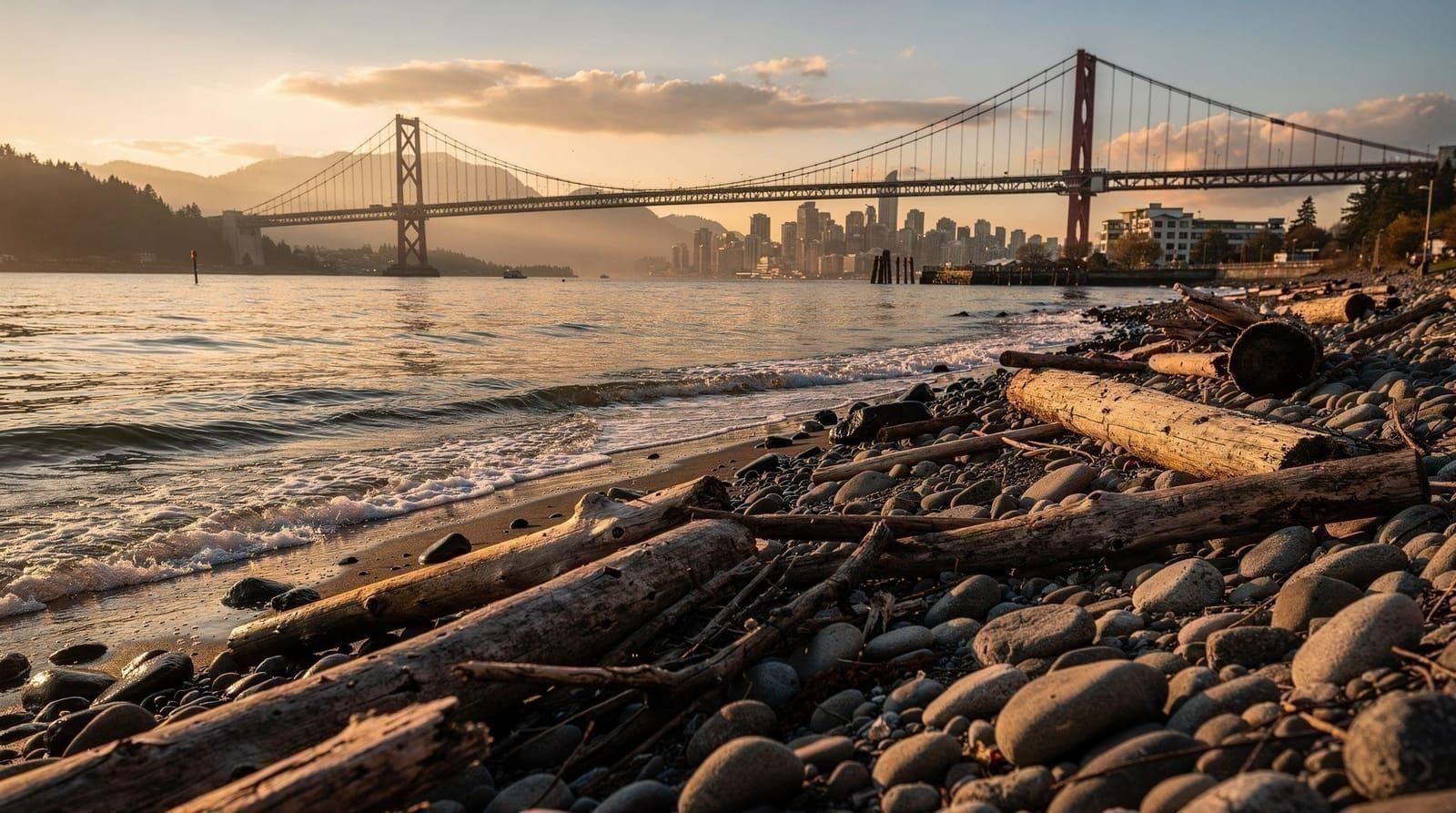
Grouse Mountain
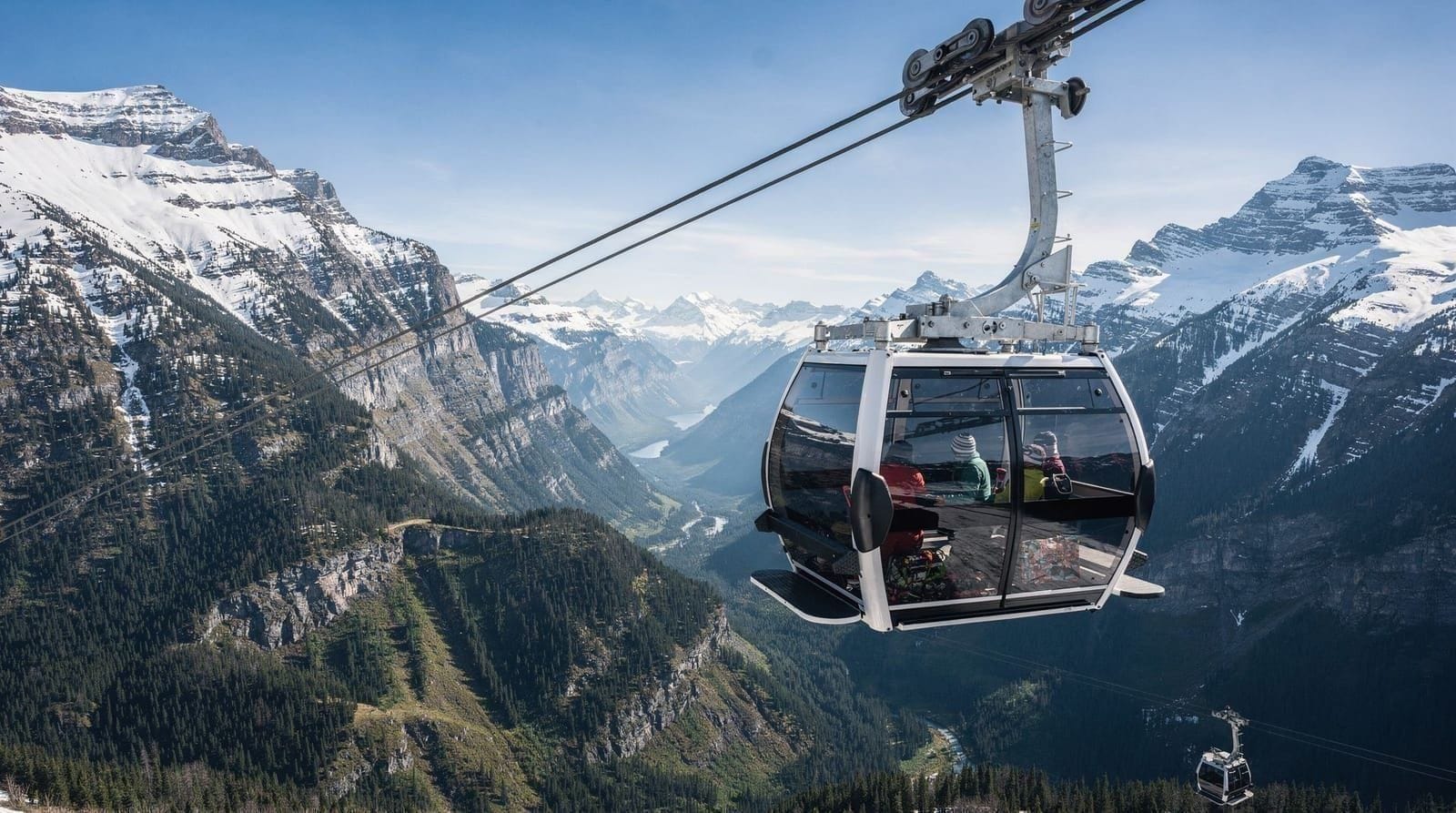
Grouse Mountain is Vancouver's closest alpine peak, reached by a 12-minute Skyride tram, with resident grizzly bears and winter skiing above the city.
Grouse Mountain Skyride Admission Ticket
Quick facts
- Distance from downtown
- 20–30 min by car or SeaBus + bus 236
- Skyride ticket
- Around CAD 89 for the full Ultimate day pass
- Best time to visit
- June–September for hiking and bears, December–March for skiing
- Summit elevation
- 1,100 m (3,700 ft)
- Time needed
- Half day (3–5 hours)
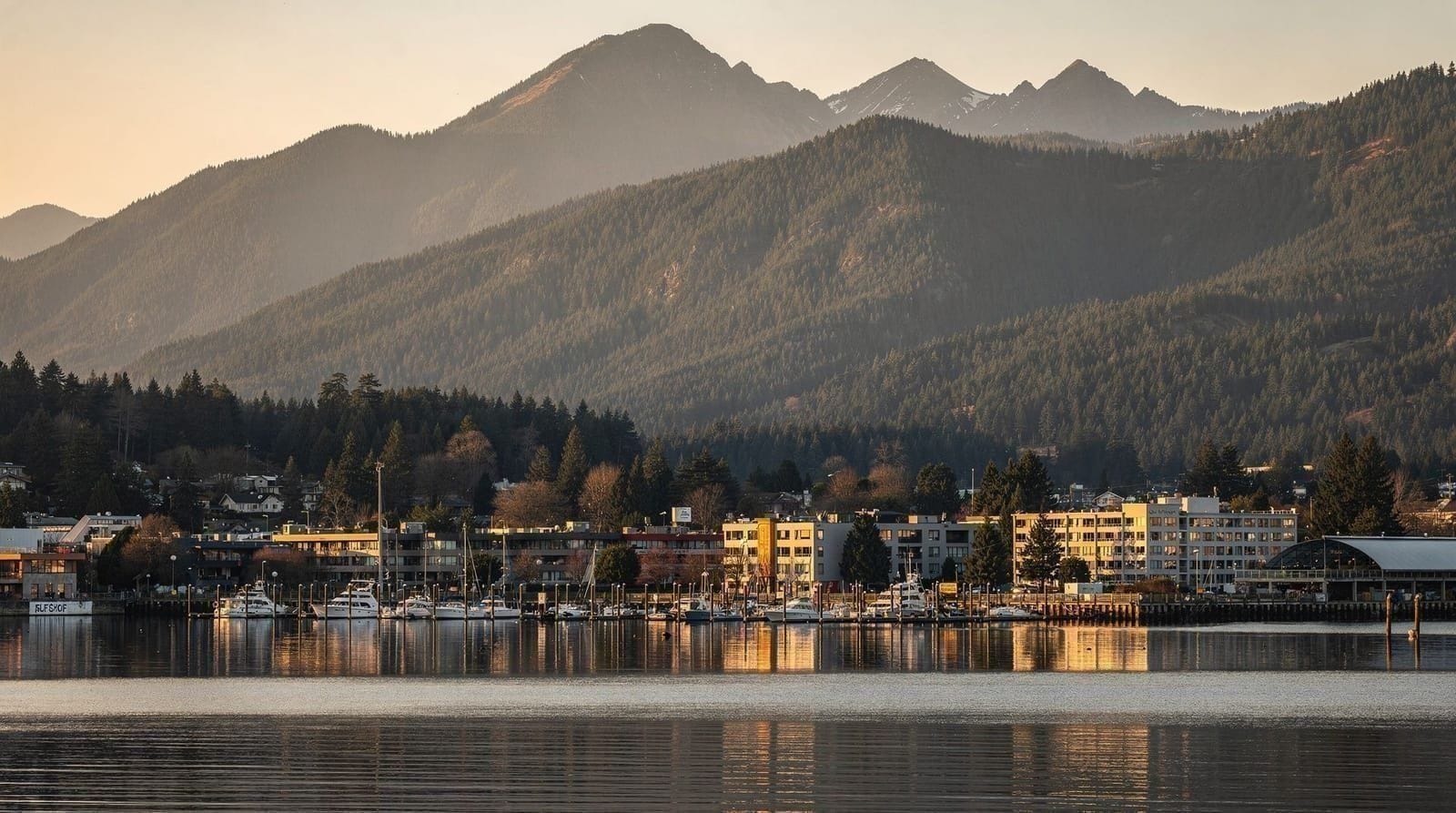
Grouse Mountain rises directly behind North Vancouver, close enough that its Skyride aerial tramway carries visitors from a suburban parking lot to a 1,100-metre alpine summit in 12 minutes flat. It’s marketed locally as “the Peak of Vancouver,” and for anyone short on time, it’s the fastest way to get a genuine mountain experience — bears, forest, and a skyline view over the whole metro area — without a multi-hour drive.
| Distance | 20-30 min by car, or SeaBus + bus 236 |
| Cost | Around CAD 89 for the Ultimate day pass |
| Best time | June-September for bears, December-March for skiing |
| Time needed | Half day (3-5 hours) |
| Free alternative | Hike the Grouse Grind (Skyride down still costs) |
The Skyride
The Skyride is a large enclosed gondola cabin, not a small chairlift, carrying up to 100 passengers per car on the steep ascent from the base at roughly 290 metres to the summit chalet area. A Skyride admission ticket covers the round trip and access to the summit’s main attractions; an express Skyride ticket is worth considering on peak summer days, when regular lines can run 30–45 minutes at the base.
The tram runs roughly every 15 minutes and operates year-round, weather permitting — high wind occasionally suspends service, so check conditions before committing to a specific arrival time if you’re working around other plans.
Grinder and Coola, the resident grizzlies
Grouse Mountain’s best-known feature is its Refuge for Endangered Wildlife, home to two grizzly bears, Grinder and Coola, who arrived as orphaned cubs in 2001 and have lived in a five-acre forested enclosure at the summit ever since. It’s a genuine wildlife sighting, not a zoo cage — the bears roam a naturalistic space that includes a pond, and viewing platforms let visitors watch from a respectful distance. The bears are most active in the morning and late afternoon; midday, especially on hot days, they often bed down out of sight in the shade, so timing a visit for the edges of the day improves the odds of a good look.
Lumberjack shows and the alpine coaster
Through the summer months, Grouse runs a “Lumberjack Show” at the summit — axe throwing, log rolling, and chainsaw demonstrations performed in a small amphitheater, a nod to the North Shore’s logging history that predates the resort. The Grouse Grind alpine coaster, a gravity-powered track ride through the forest, adds an extra activity for families or anyone wanting more than viewpoints and a chalet lunch; it runs on a separate ticket from the base Skyride pass.
Hiking up instead of riding up: the Grouse Grind
For a genuinely tough alternative to the Skyride, the Grouse Grind is also the name of a punishing 2.9-kilometre hiking trail that climbs roughly 850 metres in elevation almost entirely via stairs and root-covered steps — locals call it “Mother Nature’s Stairmaster,” and finishing times for fit hikers run 45 minutes to 1.5 hours for less-conditioned ones.
It’s free to hike (unlike the Skyride), but it’s a one-way trail — hikers who climb it must either pay for the Skyride down or hike back down the adjacent BCMC Trail, since descending the Grind itself is discouraged and, in wet weather, genuinely hazardous underfoot. The trail closes seasonally, typically from late fall through spring when snow and ice make it unsafe; check current conditions before attempting it outside summer.
Winter at Grouse
From roughly December through March, Grouse Mountain operates as a ski and snowboard hill with night skiing under lights — a distinctive draw, since few ski resorts anywhere let you ride lifts after dark with a city skyline visible below. Terrain is modest compared to Whistler Blackcomb (Grouse suits beginners and intermediate skiers better than experts chasing big vertical), but the convenience of skiing minutes from downtown Vancouver, without the two-hour Sea-to-Sky drive, is the entire appeal. Snowshoeing trails and an outdoor skating pond round out the winter offering for non-skiers.
Combining Grouse with Capilano
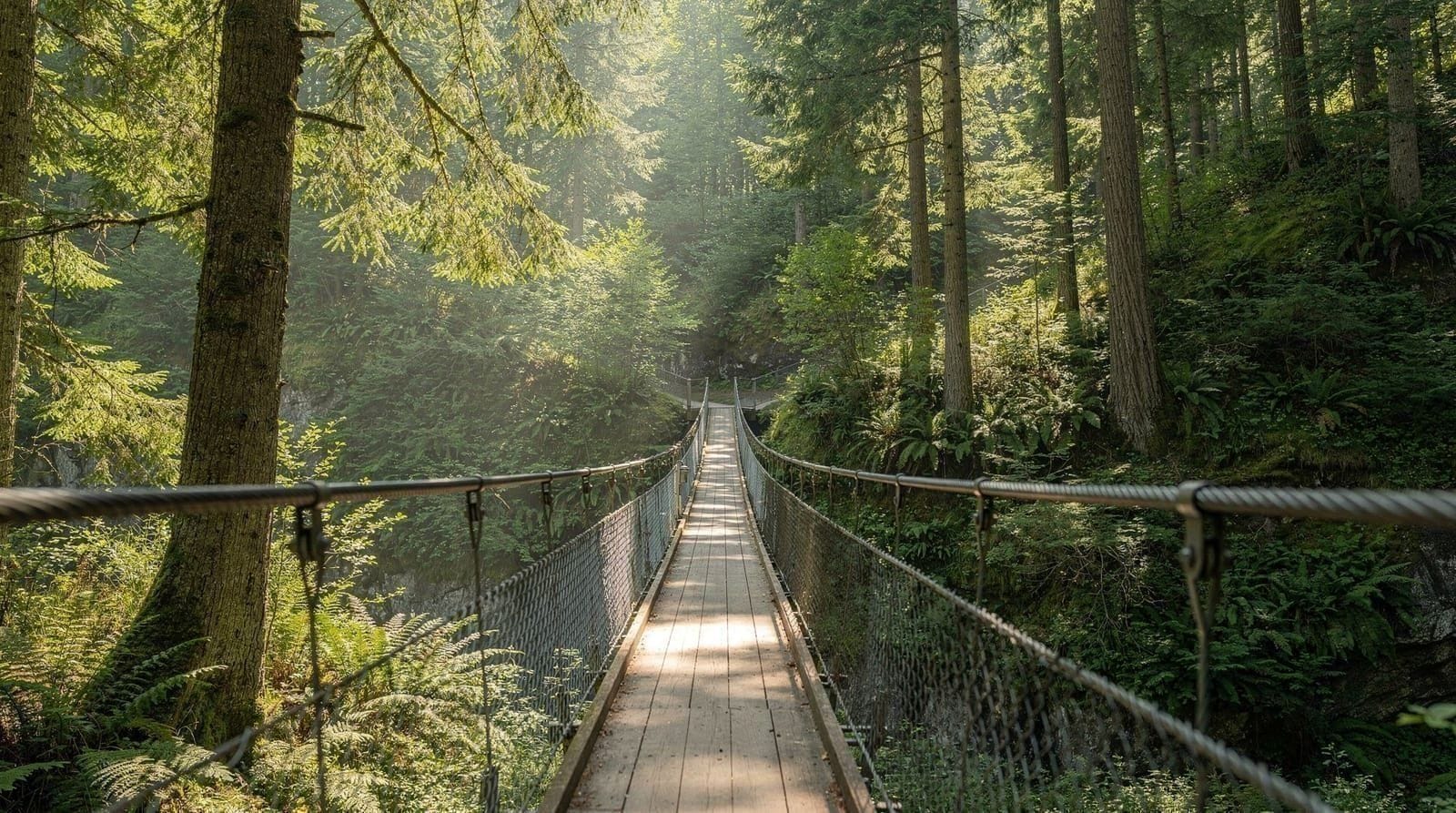
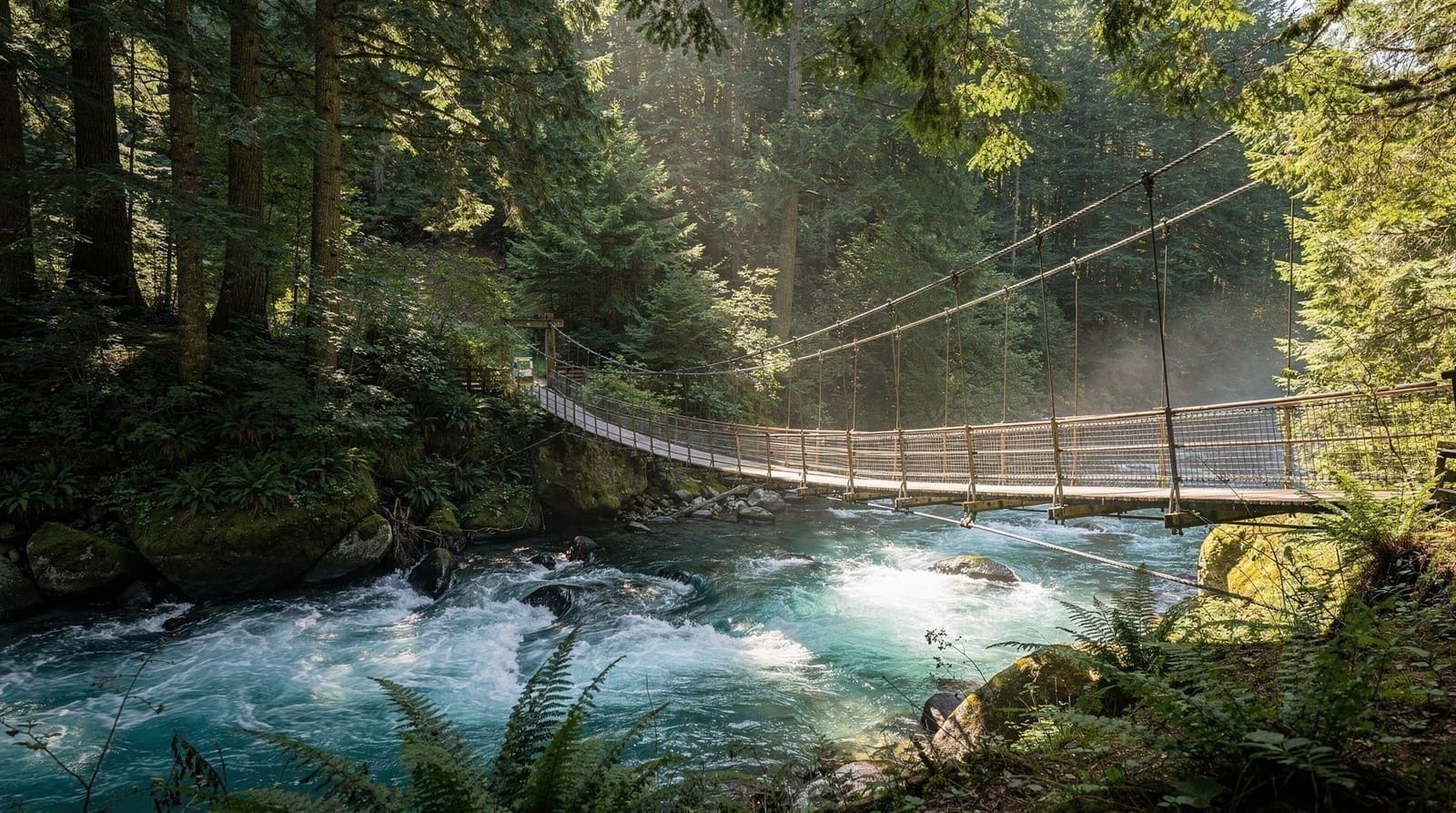
Grouse Mountain and Capilano Suspension Bridge sit about 10 minutes apart by car, and a large share of visitors do both in a single outing. A combined Capilano and Grouse Mountain tour handles transport and both admissions in one booking, useful for cruise passengers or anyone without a rental car who wants to avoid figuring out North Shore bus routes on the day.
Independent travelers with a car can just as easily do both in sequence — Capilano in the morning before crowds build, Grouse in the afternoon when the light is better for photos from the summit. For a full side-by-side breakdown, see Grouse vs. Capilano.
Beyond Grouse: the rest of the North Shore
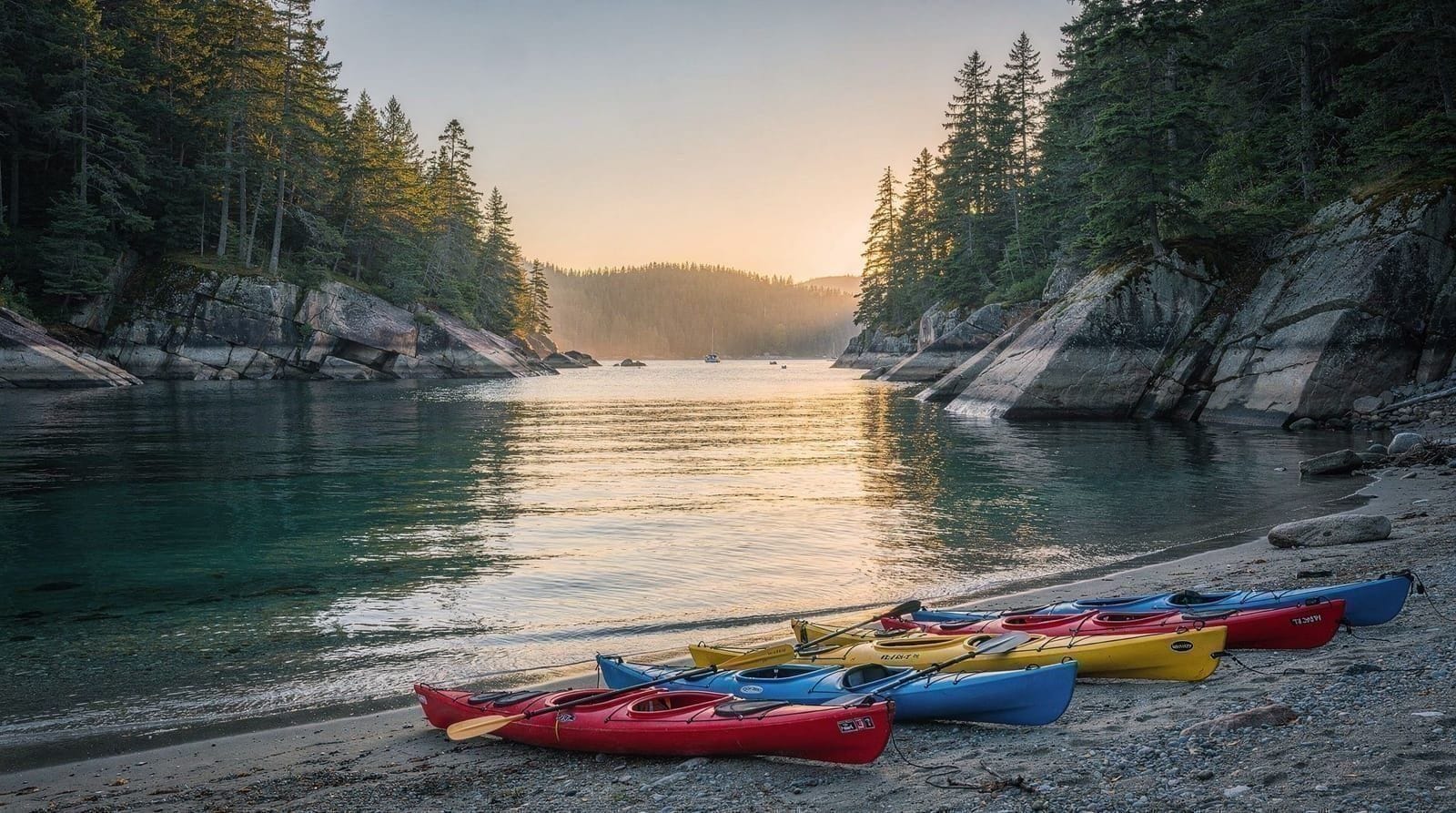
Grouse sits within North Vancouver, which also holds two free alternatives worth knowing about if budget or crowds are a concern: Lynn Canyon has its own free suspension bridge and swimming holes a short drive away, and Deep Cove, a little further east, is the region’s best-known kayak launch point and home to the popular Quarry Rock hike.
Hikers who want more of a challenge than the Grind can find route notes in the best hikes in Vancouver guide, and anyone planning a whole day around North Shore mountains benefits from checking the Grouse Mountain guide for current trail and lift status before setting out. For winter visitors weighing Grouse against a bigger ski trip, see Whistler vs. Grouse skiing.
Where to stay and eat
Grouse Mountain has a summit restaurant and a cafeteria-style option at the base, but neither is destination dining — most visitors eat before or after the mountain rather than during. North Vancouver’s Shipyards District, about 15 minutes away, has a stronger range of restaurants and breweries for a post-hike meal, and it’s a natural stop if you’re also visiting Capilano the same day.
Most visitors base themselves in downtown Vancouver rather than on the North Shore itself, given the short SeaBus and drive connection; see the where to stay in Vancouver guide for neighborhood advice, and the Vancouver trip planner for help sequencing a North Shore day against the rest of a city itinerary.
When to visit
Summer (June–September) is the most popular season: dry trails, bears reliably active, and clear-day views that stretch to Vancouver Island on a good afternoon. Weekday mornings are noticeably quieter than weekend afternoons. Winter (December–March) is the season for skiing and night lift rides; expect rain rather than snow at the base level occasionally, since Grouse’s summit sits at a marginal elevation where precipitation type shifts with temperature.
Fall and spring see the thinnest crowds and the biggest weather variability — bring layers regardless of the forecast, since summit temperatures typically run 5–10°C cooler than downtown. Even in July, an evening visit can call for a light jacket once the sun drops behind the peaks — worth packing one even on a day that starts warm at sea level.
Photography and viewpoints at the summit
The summit’s main viewing deck looks south over the whole Vancouver metro area, Burrard Inlet, and on clear days across the Strait of Georgia to Vancouver Island — genuinely one of the best free city panoramas available anywhere in the region once you’ve paid for the Skyride up. Sunset is the most photographed window, since the city lights below start coming on while there’s still enough light on the mountain to shoot a proper skyline shot, but it also means the last Skyride down can get crowded with everyone leaving at once. A short walk past the main chalet toward the Peak Chairlift area gives a quieter, less crowded vantage than the main deck if you’re specifically there for photos rather than the wildlife or shows.
Grouse vs. Cypress vs. Seymour
Grouse isn’t the only North Shore mountain with a lift and views — Cypress Mountain and Mount Seymour both offer alpine access without the two-hour Sea-to-Sky drive, but neither has Grouse’s combination of a scenic tram, resident bears, and a summit built out for non-skiing visitors. Cypress leans more toward skiing and hiking without the tourist infrastructure; Seymour is quieter and more local, with fewer amenities at the top. For a visitor with only one North Shore mountain stop in their schedule, Grouse’s mix of an easy tram ride, wildlife, and food service makes it the more complete package; see Grouse vs. Cypress vs. Seymour for the fuller comparison.
Frequently asked questions about Grouse Mountain
How much does Grouse Mountain cost?
The standard Skyride admission runs around CAD 89 for the “Ultimate” day pass covering the tram, grizzly bear refuge, and lumberjack show (summer). Add-ons like the alpine coaster or ziplining cost extra. Winter lift tickets for skiing are priced separately from summer Skyride admission. Booking online in advance is generally slightly cheaper than paying at the base ticket window, and it also guarantees entry on busy summer days when capacity can be limited.
How long does the Skyride take?
The tram itself takes about 12 minutes each way. Including the wildlife refuge, a lumberjack show, and time at the summit chalet, most visitors spend 3 to 5 hours total, longer if hiking or skiing.
Is Grouse Mountain worth it compared to Capilano?
They cover different ground — Capilano is a suspension bridge and forest canopy walk, Grouse is an alpine summit with wildlife and, in winter, skiing. Many visitors do both since they’re 10 minutes apart; if choosing one, Grouse suits travelers wanting mountain views and bears, Capilano suits those prioritizing the bridge experience and rainforest walkways.
Can you hike up Grouse Mountain for free?
Yes, via the Grouse Grind trail, which is free but extremely steep (850 m of elevation gain over 2.9 km). Hikers still need to pay for the Skyride to descend, since the trail is one-way uphill only. It typically closes in winter due to ice.
When are the grizzly bears most active?
Early morning and late afternoon, particularly on cooler days. They often rest out of view during hot midday hours in summer.
Is Grouse Mountain good for skiing?
Yes, from roughly December through March, with night skiing under lights. Terrain suits beginners and intermediates better than advanced skiers, who typically prefer Whistler Blackcomb’s larger vertical.
Is Grouse Mountain or Cypress Mountain better?
Grouse has the more complete package for a non-skiing visitor — the tram ride, the grizzly bears, and summit dining — while Cypress leans more toward skiing and hiking without as much built-out tourist infrastructure at the top.
What’s the best time of day to visit for photos?
Sunset gives the best light for a city skyline shot, since the lights below start coming on while the mountain still has usable daylight. Arrive with enough buffer to avoid the crowd at the last Skyride down.
Top experiences
Bookable activities with verified prices and instant confirmation on GetYourGuide.