Wildlife watching in Vancouver — a starting guide
Vancouver: Whale & Wildlife Watching Tour with Free Photos
What wildlife can you actually see from Vancouver?
From the city itself, bookable options include whale-watching boat tours, harbour-seal snorkeling and kayaking combo tours, and Grouse Mountain's captive grizzly refuge. Free options include bald eagles along the Fraser River in winter, harbour seals visible from the Stanley Park seawall, and urban coyotes, which should always be viewed from a safe distance.
Vancouver sits closer to genuinely diverse wildlife than most cities its size, but the options split into two different categories that are worth separating before booking anything: activities based in or immediately around the city itself, and activities that require traveling further afield to Vancouver Island, Squamish or the BC Interior.
This guide covers the first category — what you can realistically do without leaving the Vancouver area — and points toward the more specialized guides for everything that needs a longer trip. It’s written as a starting point for trip planning rather than an exhaustive catalogue, so treat the sections below as a decision framework: what’s bookable, what’s free, what season each option suits, and when it actually makes sense to travel further for something Vancouver itself can’t offer.
| Where | Departs downtown Vancouver / Granville Island; Grouse Mountain, North Shore |
| Cost | Around CAD 100-160 for boat tours; Grouse admission separate |
| Time needed | 3-4hrs for a boat tour; half-day for Grouse |
| Best season | May-October for whale watching; year-round for Grouse and the aquarium |
| Booking | A day or two ahead in peak summer is usually enough |
Where to start: bookable tours versus free wildlife spotting
Two tracks exist here. The first is structured, bookable tours with a guide, a boat or vehicle, and a reasonable expectation of a sighting: whale watching, seal snorkeling and kayaking combos, and the Grouse Mountain grizzly refuge all fall into this category. The second is free, self-directed spotting — bald eagles along the Fraser River in winter, harbour seals from the Stanley Park seawall, and urban coyotes that live throughout the city’s larger parks. Both tracks are legitimate ways to spend wildlife-watching time in Vancouver, and most visitors end up combining at least one from each.
Whale watching from Vancouver
Whale watching is the strongest single wildlife booking available from the city, and it’s the one to prioritize if you’re only doing one wildlife activity on a Vancouver trip.
A whale and wildlife watching tour departs directly from Vancouver’s waterfront and typically runs three to four hours round trip into the Salish Sea and Strait of Georgia, covering territory where orcas (both resident and transient populations, depending on season), humpback whales, harbour seals, sea lions and porpoises are all realistic sightings. The main season runs roughly May through October, with peak humpback activity typically concentrated in the summer and early autumn months.
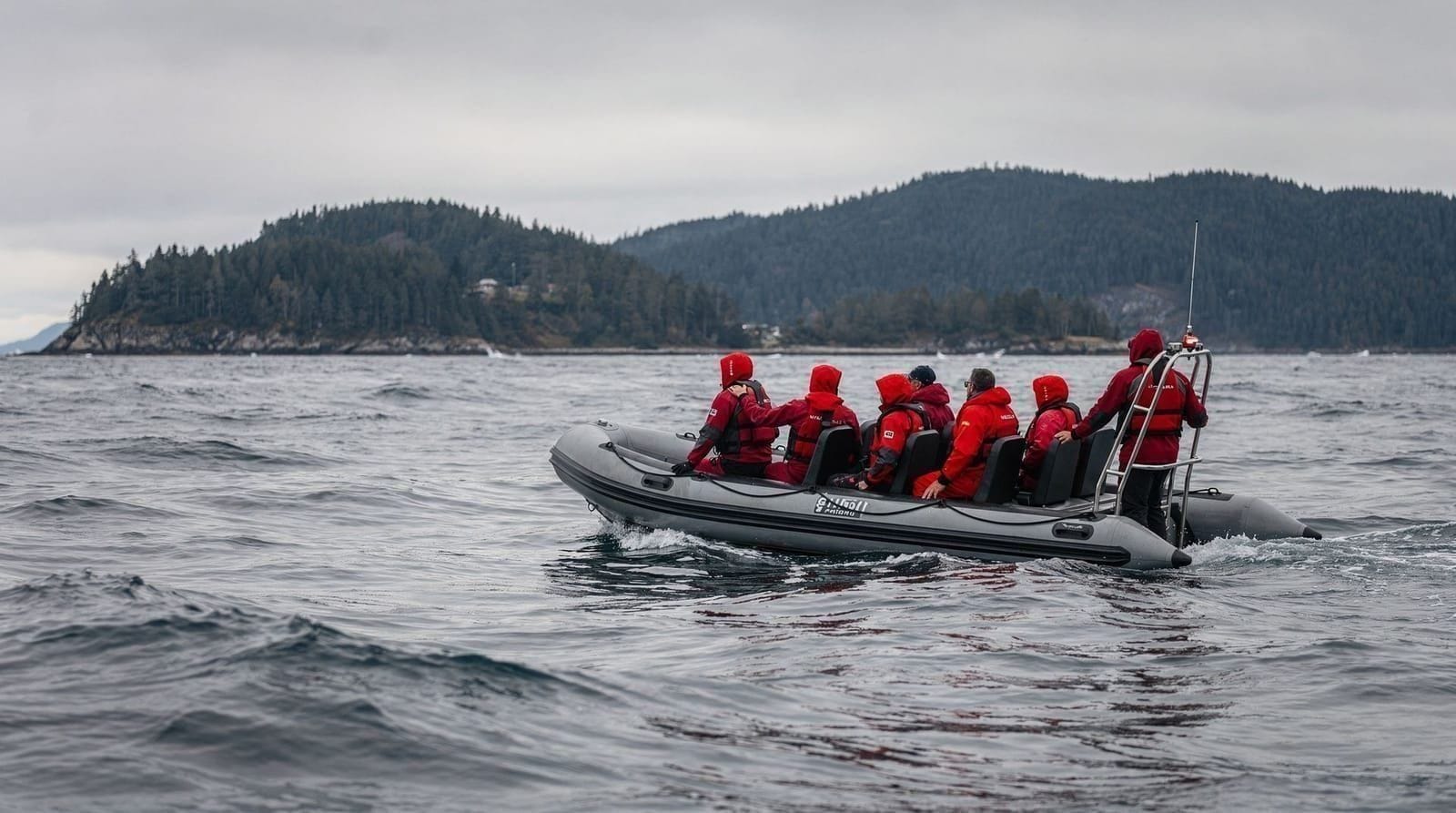
For travelers who want a faster, more maneuverable boat experience, a Zodiac whale-watching tour departing from Granville Island covers similar territory in a smaller, open-air rigid-hull inflatable, which sits lower to the water and can access some areas larger vessels can’t — a genuinely different feel from the standard covered whale-watching boats, worth considering if a faster, more hands-on ride matters more to you than onboard shelter and amenities.
Both options are covered in far more depth, including season breakdowns and species identification, in the dedicated Vancouver whale watching guide and the orca versus humpback season guide, which are worth reading before booking if whales are your main priority.
Seals up close: snorkeling and kayaking combo tours
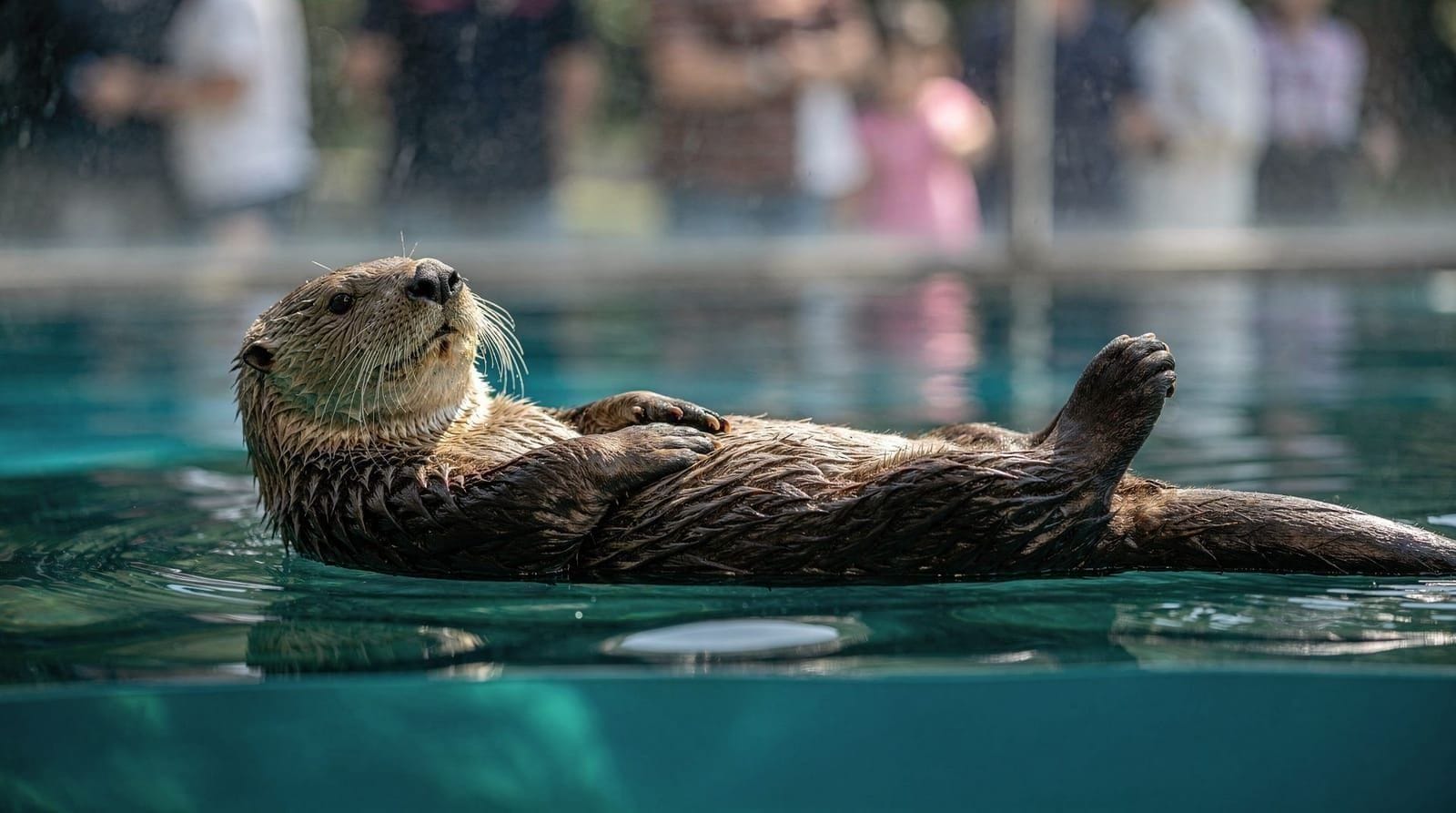
Whale watching is a from-a-boat, at-a-distance experience by necessity and by regulation. For a closer, in-the-water encounter, a snorkeling with seals, kayaking and boat tour combo gets you into a wetsuit and the water itself, typically around a harbour seal haul-out site where the animals are curious and habituated enough to approach snorkelers at their own pace, paired with kayaking and a boat segment covering the surrounding coastline. This is a fundamentally different kind of wildlife encounter than whale watching — closer, slower-paced, and built around one specific, reliably present species rather than a wider open-water search.
It suits travelers who are reasonably comfortable in cold coastal water (wetsuits are provided, but this is the Pacific Northwest, not the tropics) and who want a more active, hands-on wildlife day than sitting on a boat deck. It’s less suited to anyone prone to seasickness in small craft or uncomfortable with in-water wildlife proximity, even at an animal-led, non-forced distance.
Grouse Mountain’s grizzly refuge — guaranteed sighting, captive setting
The one bear-related option genuinely within Vancouver’s city limits is Grouse Mountain’s wildlife refuge, home to two resident grizzly bears, Grinder and Coola, who have lived there since being orphaned cubs. It’s worth being direct about what this is: a captive wildlife refuge, not wild viewing. A Grouse Mountain admission ticket guarantees a grizzly sighting in a large forested enclosure, bundled with the mountain’s gondola ride, viewpoints and other attractions — a legitimately good half-day out, and the only bear encounter that fits inside a single Vancouver city day without a flight or long drive.
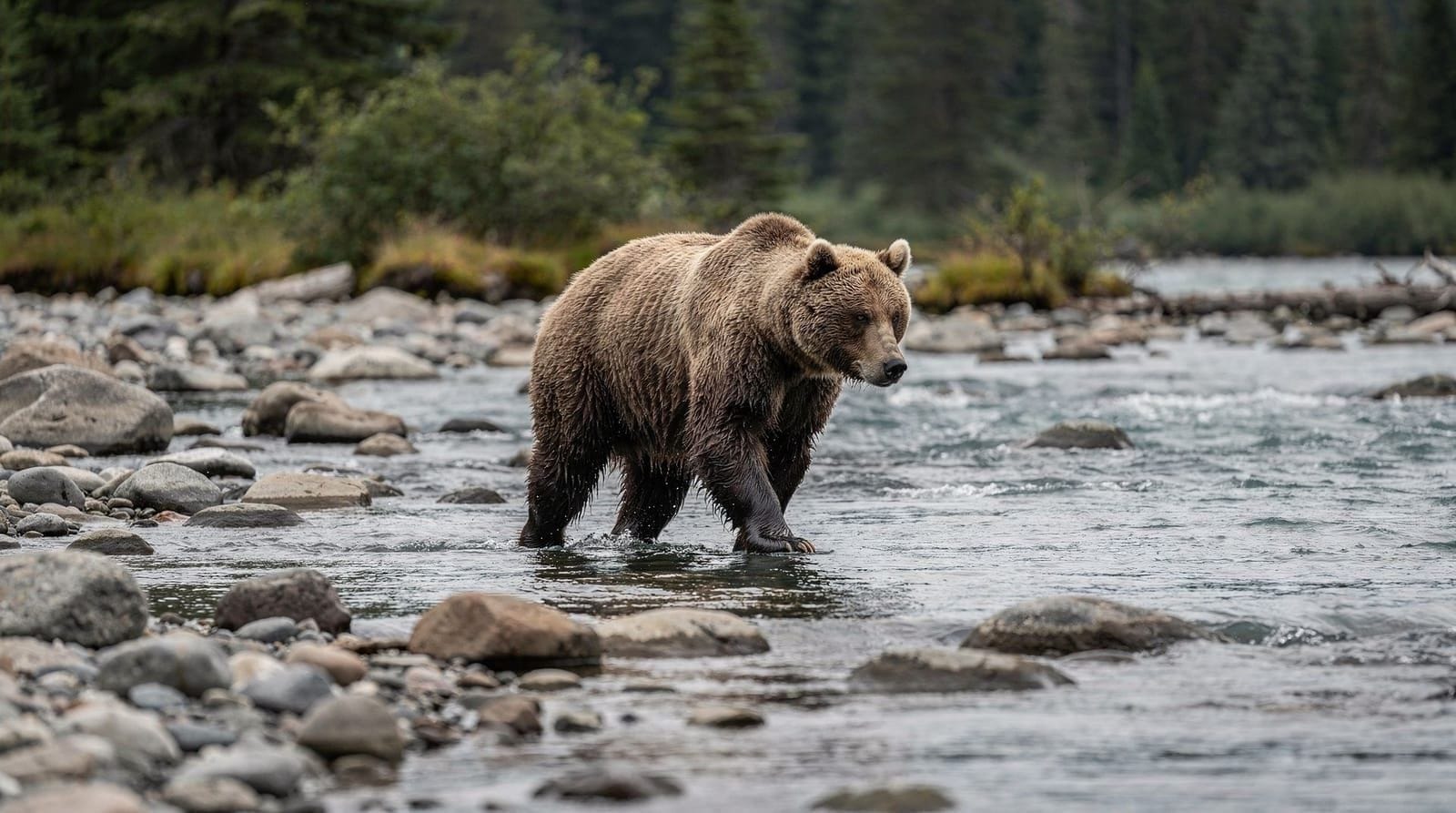
If wild bear viewing matters more to you than a guaranteed sighting, two other guides cover the real alternatives: black bear watching near Whistler, a wild but relatively accessible day-trip-scale option, and wild grizzly bear tours from Campbell River, which require a flight or ferry to Vancouver Island and a full-day boat trip into remote inlets, but deliver a genuinely wild sighting.
Free wildlife watching in Vancouver
Not every wildlife encounter in Vancouver requires a booking. A few free, self-directed options are worth building into any Vancouver stay:
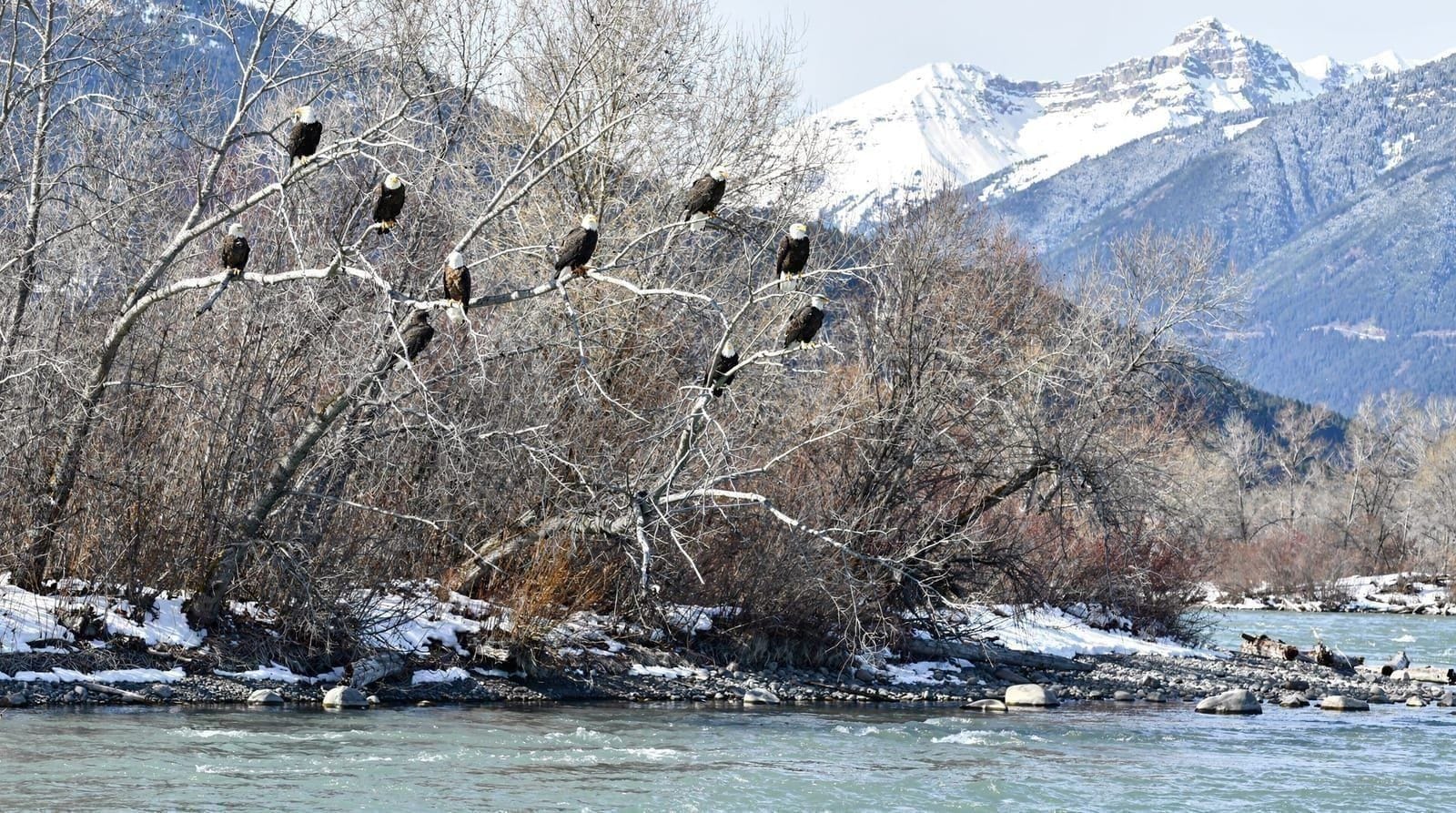
- Bald eagles along the Fraser River — winter (roughly November through February) brings a noticeable concentration of eagles to the Fraser River corridor, drawn by late-season salmon runs, viewable from various public riverside points without any tour required. The far larger concentration, historically among the highest in the world, is further north near Squamish — see the eagle watching near Squamish guide for that dedicated trip.
- Harbour seals from the Stanley Park seawall — seals are a regular, genuinely free sighting along parts of the Stanley Park waterfront and elsewhere around the harbour, especially early morning or at low tide. No guarantee on timing, but frequent enough that a seawall walk often produces at least a distant sighting.
- Urban coyotes — Vancouver’s larger parks, including Stanley Park, support a resident coyote population. Sightings do happen, generally at dawn, dusk or night. Keep a genuine distance if you see one — at least 100 metres, roughly ten city bus lengths — and never run, feed or approach. This isn’t a bookable activity and shouldn’t be treated as one; it’s simply useful safety context for anyone spending time in Vancouver’s larger green spaces. Coyote sightings tend to increase slightly in late spring when pups are being raised and adults are more actively foraging to feed them, so a bit of extra caution around dawn and dusk in that window is reasonable, though the same 100-metre rule applies year-round regardless of season.
What you might see, by month
A rough seasonal map helps set expectations before booking. Spring (April-May) brings the first reliable whale-watching departures as operators ramp up for the season, with transient orca pods and early humpback returns the main draw. Summer (June-August) is peak season across the board — the widest range of species, the most consistent boat operations, and the best conditions for the seal-snorkeling combo, though also the busiest and priciest window. Early autumn (September-October) often produces some of the strongest humpback sightings of the year as whales feed heavily before migrating, while boat traffic and prices ease slightly from the summer peak.
Winter (November-February) is the quiet season for boat-based tours — many operators reduce or pause whale-watching departures — but it’s exactly when the free Fraser River eagle viewing and the much larger Brackendale concentration near Squamish come into their own, plus when Grouse Mountain’s grizzlies and the aquarium remain fully open regardless of season.
Choosing the right wildlife day for your trip
For a single Vancouver-based wildlife day, whale watching covers the widest range of species with the highest overall reliability through peak season, making it the default recommendation if you’re picking just one. Add the seal snorkeling and kayaking combo if a closer, more active encounter appeals and you have a second day to spare, or Grouse Mountain if you want to pair guaranteed grizzlies with the mountain’s other attractions in a single half-day. None of these three require travel beyond the greater Vancouver area, which is the practical advantage they share over the more specialized trips further afield.
Beyond Vancouver: when it’s worth traveling further
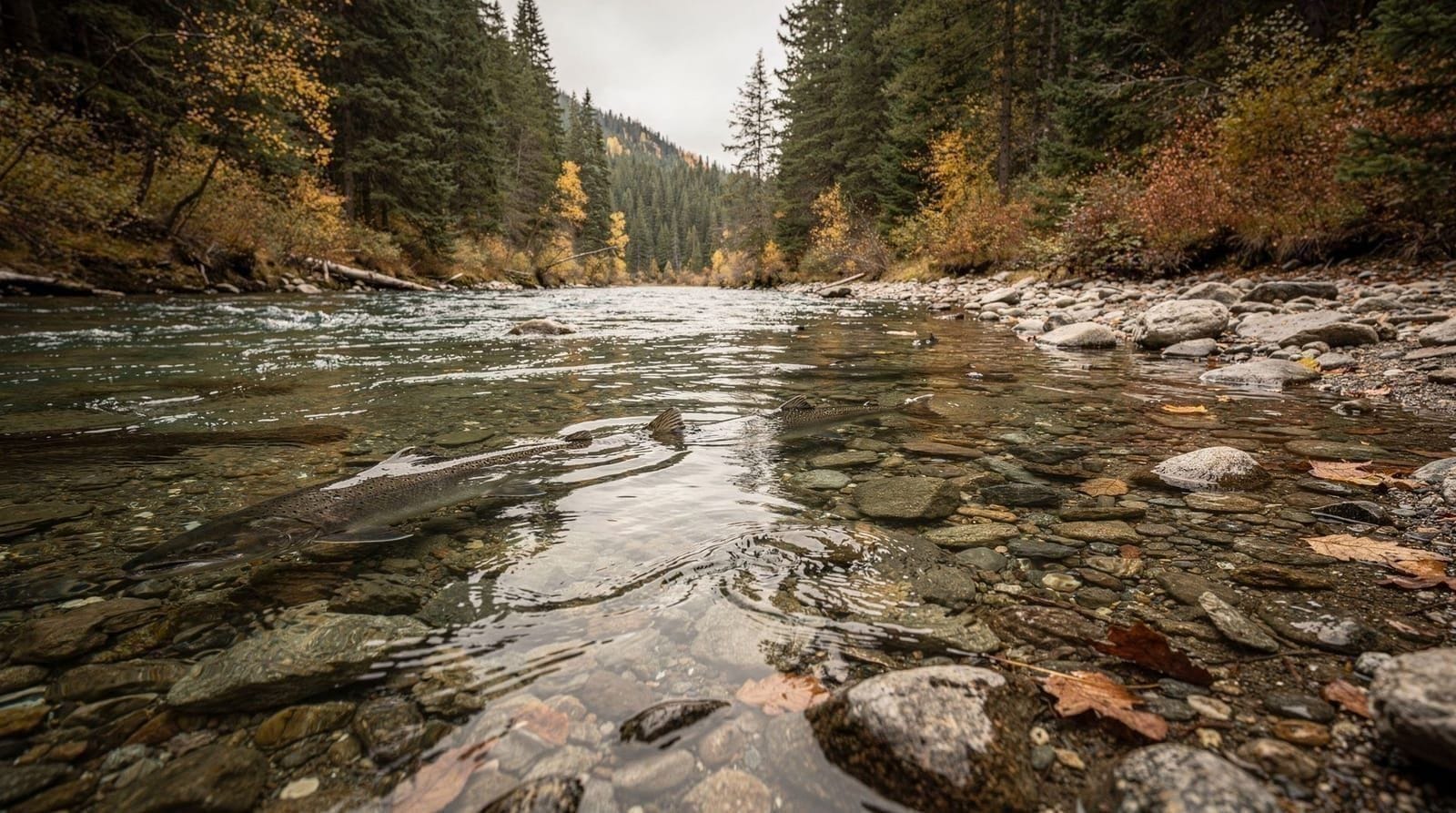
Four more specialized wildlife experiences sit outside the city and deserve their own trip planning rather than being squeezed into a single Vancouver day: wild grizzly bears from Campbell River on Vancouver Island, wintering bald eagles at Brackendale near Squamish, the fall salmon run most accessibly viewed at the Capilano hatchery in North Vancouver, and wild black bears near Whistler in summer. Each of these has its own season window, so check the specific guide before assuming any of them can be added on short notice to a Vancouver-based trip — several only run for a few months a year.
Combining wildlife watching with kayaking
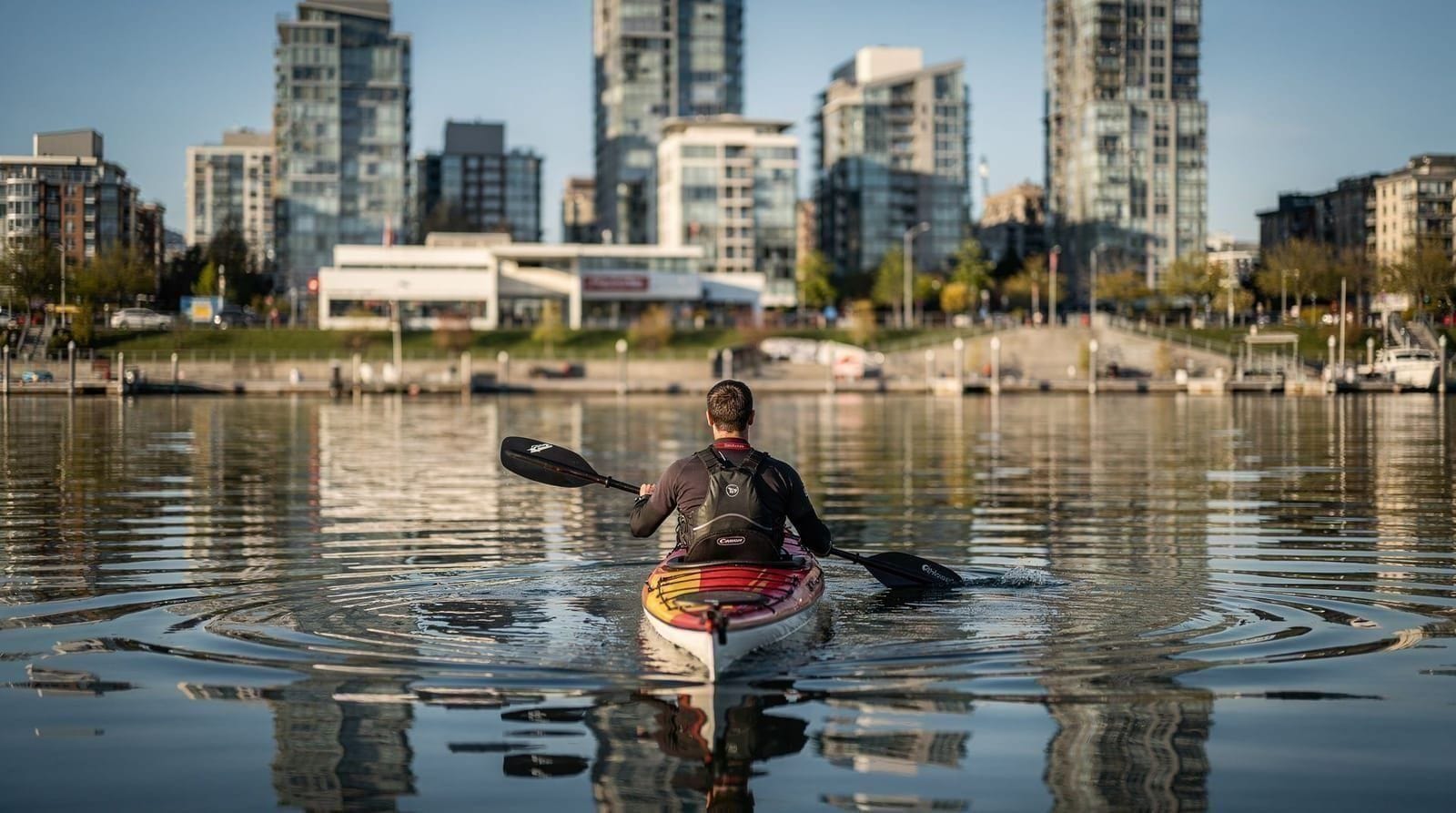
Several of Vancouver’s wildlife encounters overlap naturally with paddling. Beyond the dedicated seal snorkeling and kayaking combo covered above, the wider Vancouver kayaking guide covers routes around Deep Cove, Indian Arm and Granville Island where wildlife sightings — seals, herons, occasionally porpoises — are a common bonus rather than the main event. For travelers who prioritize being on the water generally and treat wildlife as a welcome extra rather than the primary goal, a paddling-focused day may suit better than a dedicated wildlife tour; see the kayaking guide for the full route breakdown.
Booking logistics: timing, weather and what to expect
Whale-watching and seal-snorkeling tours both depend on the ocean cooperating, and operators build weather flexibility into their policies as a result — rough conditions on the Strait of Georgia can mean a delayed departure, a rerouted itinerary, or in rarer cases a cancellation with rebooking offered for another day.
Booking a day or two ahead during peak summer is sensible given how popular these tours are, though it’s rarely necessary to book weeks in advance outside of major holiday weekends, unless you have a fixed single date on your itinerary and no flexibility to shift if weather forces a reschedule. Grouse Mountain’s grizzly refuge, by contrast, is effectively weather-independent for the bear-viewing portion, though the gondola itself can run on a modified schedule during high wind, so check current conditions if you’re visiting specifically for the mountain-top experience alongside the bears.
Dress in layers for any boat-based tour regardless of the forecast — conditions on open water run noticeably cooler and windier than on land, even on a warm summer day in downtown Vancouver. Operators running the whale-watching and Zodiac tours typically provide or recommend warm outer layers for exactly this reason, and the snorkeling combo tour supplies wetsuits as standard, since Pacific coastal water stays cold through the entire season. Motion sickness is worth planning around too — the open-water legs of the whale-watching and Zodiac tours can get choppy, and travelers prone to seasickness should consider over-the-counter remedies ahead of departure rather than deciding on the dock.
Cost tiers across these options
Pricing varies meaningfully across this list, and it’s worth understanding roughly where each option sits before choosing. Whale-watching tours and the seal-snorkeling combo both sit in the mid-range for a half-day Vancouver activity, reflecting boat fuel, safety equipment and, for the snorkeling tour, wetsuit rental built into the price.
Grouse Mountain admission is a separate cost structure entirely, covering the gondola ride and mountain access broadly rather than the bear viewing specifically — worth it if you want the mountain-top experience generally, with guaranteed grizzlies as one part of a larger day rather than the sole reason to go up. None of the free options — Fraser River eagles, seawall seals, or a chance coyote sighting — carry any cost beyond however you get to the viewing spot itself.
The Vancouver Aquarium as a rainy-day alternative
Weather or schedule constraints sometimes rule out boat-based wildlife watching entirely, particularly outside the May-October season when open-water tours are less consistent. The Vancouver Aquarium in Stanley Park is the practical fallback — an indoor, weather-independent option covering marine species you might otherwise see (or miss) on the water, plus a broader range of species that aren’t realistic wild sightings anywhere near Vancouver. It’s not a substitute for a whale-watching tour if that’s specifically what you’re after, but it’s a solid option for a family day, a rainy afternoon, or pairing with a Stanley Park walk.
A realistic starting point, not the whole picture
Treat this guide as the entry point rather than the full wildlife itinerary. Vancouver itself delivers a genuinely solid wildlife day through whale watching, seal encounters and Grouse Mountain’s grizzlies, and the free options round that out without adding cost. But the region’s more dramatic wildlife moments — thousands of wintering eagles at once, a wild grizzly fishing a salmon stream, a river visibly full of spawning salmon — all sit outside city limits and need dedicated planning around a specific season.
If any of those matter more to your trip than convenience, it’s worth reading the relevant dedicated guide early in your planning rather than trying to fit them into a Vancouver-based itinerary at the last minute, since several only run for a narrow window each year.
Photography tips for each option
Wildlife photography from a moving boat is genuinely different from photographing Grouse Mountain’s grizzlies from a stable viewing platform, and it’s worth adjusting expectations accordingly. On whale-watching and Zodiac tours, a faster shutter speed helps compensate for boat movement and the animals’ own motion, and a zoom lens in the 200-400mm range captures far more usable shots than a standard kit lens at typical sighting distances, which are kept deliberately conservative for the animals’ welfare under BC’s whale-watching regulations.
At Grouse Mountain, the grizzly enclosure’s forested setting means variable light and some obstruction from vegetation, so a mid-range zoom and patience for the bears to move into a clearer sightline generally beats trying to force a shot through foliage. For the free options — seawall seals and Fraser River eagles — a longer lens matters even more, since you’re working from a fixed public vantage point with no ability to approach closer for a better angle.
What to skip if you’re short on time
Not every option on this page deserves equal priority on a tight schedule. If you only have a single half-day for wildlife, whale watching delivers the broadest range of species and the most memorable single encounter, so it should generally take priority over the seal-snorkeling combo or Grouse Mountain if you can only pick one.
The seal-snorkeling combo is worth adding on a second day specifically for travelers who want a closer, in-water encounter rather than a distant boat sighting — skip it if you’re prone to seasickness or uncomfortable with cold-water proximity to wildlife. Grouse Mountain is worth treating as a mountain day with a bear-viewing bonus rather than a dedicated wildlife trip — book it for the gondola and viewpoints, not as a substitute for whale watching if whales are genuinely your priority.
The honest verdict
Frequently asked questions about Vancouver wildlife watching
How much time should I budget for wildlife watching in Vancouver?
A single whale-watching tour takes three to four hours round trip, easily fitting into a half-day. Add the seal snorkeling combo or Grouse Mountain as a second half-day if you have more time, or a full day if combining either with a broader Stanley Park or North Shore itinerary.
What season is best for a Vancouver-based wildlife trip?
Late spring through early autumn, roughly May through October, covers the strongest window for whale watching and the seal-snorkeling tour, since both depend on calmer, warmer open-water conditions. Grouse Mountain’s grizzly refuge and the aquarium operate year-round regardless of season.
Can I see wildlife in Vancouver without booking anything?
Yes, to a real extent — seals from the Stanley Park seawall, winter eagles along the Fraser River, and occasional coyote sightings in the larger parks are all free. They’re less predictable than a guided tour, so treat them as a bonus alongside a booked activity rather than the sole basis for a wildlife-focused trip.
Which Vancouver wildlife tour is best for families with kids?
The seal-snorkeling and kayaking combo and standard whale-watching tours both work well for families, though age minimums and swimming ability requirements apply to the snorkeling portion — check the specific operator’s policy before booking with younger children. Grouse Mountain’s grizzly refuge is the most flexible option for very young children or anyone who’d rather avoid a boat entirely, since it combines a guaranteed sighting with solid ground underfoot throughout.
Is it worth booking more than one wildlife tour on the same trip?
For trips of four days or longer, yes — whale watching and the seal-snorkeling combo cover genuinely different wildlife and different experiences (distant open-water sightings versus close, in-water encounters), so doing both isn’t redundant. For shorter trips, picking one and treating any free sightings as a bonus is the more realistic approach.
Is whale watching guaranteed on every departure?
No tour can guarantee a sighting, since these are wild animals in open water, but reputable Vancouver operators report high sighting rates through peak season (roughly May-October) and many offer a free return trip if a tour comes back without a sighting — worth confirming that policy before booking. Sightings are less reliable, and many operators reduce service, outside that main season window.
Do I need my own binoculars or camera gear?
Not strictly, but they help. Whale-watching and Zodiac operators generally point out sightings and give everyone a good view, but a decent pair of binoculars improves distant sightings noticeably, and a zoom lens captures far more usable photos than a phone camera at typical whale-watching distances. For the free spotting options — Fraser River eagles, seawall seals — binoculars matter even more, since there’s no guide narrating where to look, and a compact pair packs easily alongside everything else on a Vancouver day out.
Top experiences
Bookable activities with verified prices and instant confirmation on GetYourGuide.