Grizzly bear watching near Campbell River, Vancouver Island
Campbell River: Grizzly Bear-Watching Tour with Lunch
Where can you see wild grizzly bears near Vancouver?
Not near Vancouver itself — the closest reliable wild grizzly viewing is from Campbell River on Vancouver Island, where boat-based tours run into Bute Inlet and Toba Inlet on the mainland coast to watch grizzlies feeding on salmon and sedge grass, typically from August through October. It requires a flight or a long drive-plus-ferry to reach Campbell River first, so it isn't a same-day trip from downtown Vancouver.
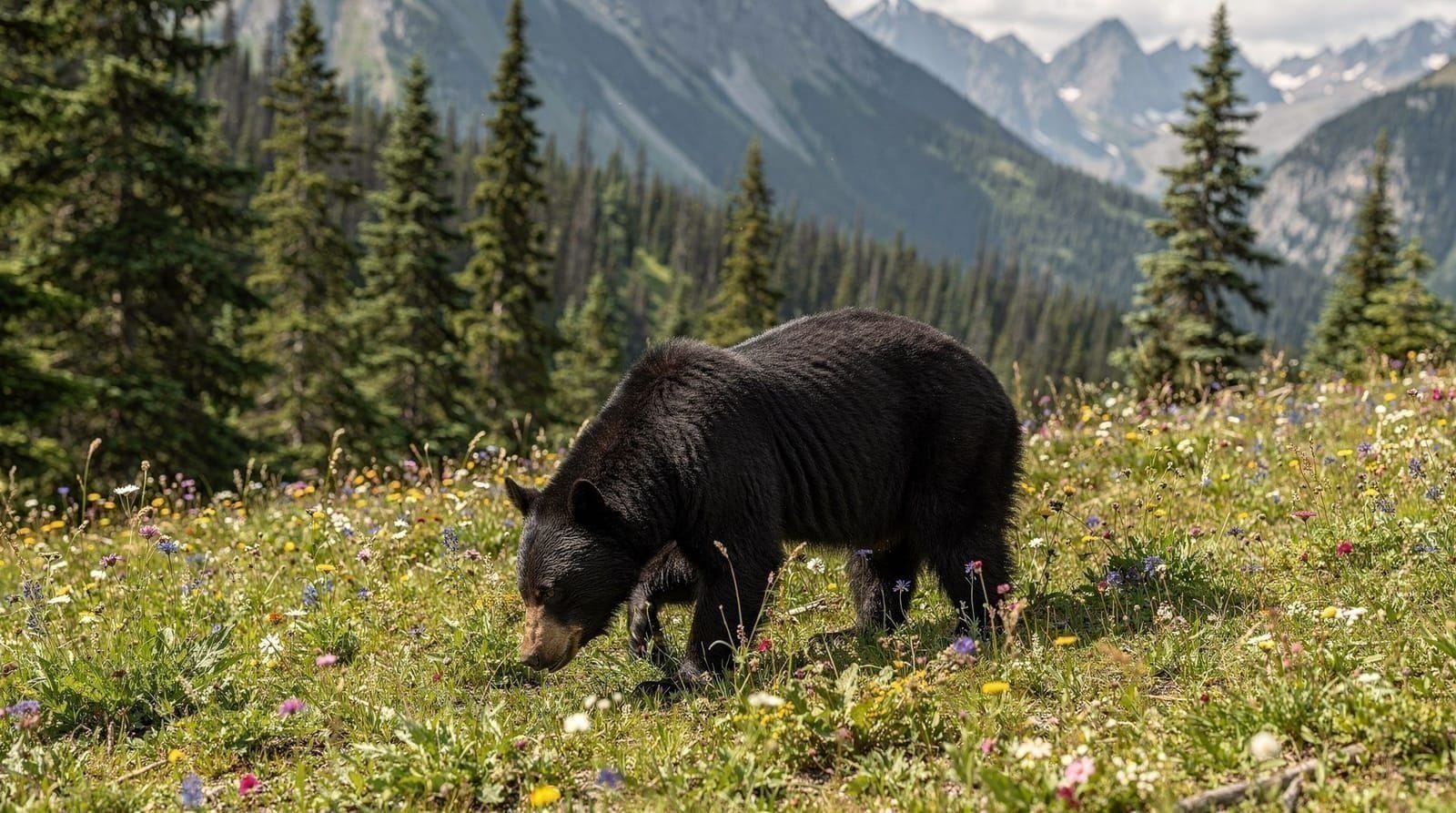
There’s a genuine wild grizzly bear population within reach of a Vancouver-based trip, but “within reach” needs qualifying immediately: it’s not near Vancouver itself, and it’s not a day trip in any practical sense. It’s a boat-based excursion out of Campbell River, roughly two-thirds of the way up Vancouver Island, into mainland inlets where grizzlies feed on salmon and sedge grass with no fences, no feeding stations and no guarantee of a sighting beyond what a genuinely wild population can offer. That distinction — wild versus managed, remote versus convenient — is the single most important thing to understand before booking anything.
| Where | Bute Inlet or Toba Inlet, reached by boat from Campbell River |
| Getting to Campbell River | Flight, or BC Ferries + drive (2.5-3 hrs) |
| Season | August-October, September usually strongest |
| Trip length | Full day, plus separate travel days each way |
| Alternative | Grouse Mountain’s captive grizzlies, near Vancouver |
Wild bears versus Grouse Mountain’s captive pair
Vancouver already has a bear-viewing option that’s genuinely a day trip: Grouse Mountain’s wildlife refuge is home to two resident grizzlies, Grinder and Coola, who have lived there since they were orphaned cubs in the late 1990s and early 2000s. They’re well cared for in a large forested enclosure, and seeing them is an easy add-on to a Grouse Mountain visit. But it’s important to be direct about what that is — a captive wildlife refuge, not a wild sighting. The bears don’t come and go, they don’t hunt salmon in a real river, and the “viewing” is closer to a well-designed zoo enclosure than an encounter with a wild animal on its own terms.
Campbell River’s grizzly tours are the opposite end of that spectrum. The bears in Bute Inlet and Toba Inlet are entirely wild, free to leave the area at any time, and present only because the terrain and salmon runs make it worth their while — not because anyone is holding them there. Some individual bears become habituated to the presence of viewing boats over repeated seasons, tolerating them at a working distance, but that’s different from captivity: habituation is a behavioral adjustment a wild animal makes on its own terms, and it can change season to season.
If what you actually want is the chance, not the certainty, of watching a wild grizzly fish a real salmon stream, Campbell River is the only realistic option within BC’s southern coast. If you want a guaranteed sighting on a tight schedule, Grouse Mountain’s refuge does that honestly and doesn’t pretend to be something else — see the wildlife tours from Vancouver guide for how that fits into a Vancouver-based itinerary.
Where the tours actually go: Bute Inlet and Toba Inlet
Campbell River itself, on Vancouver Island’s east coast, isn’t grizzly habitat — it’s the departure point. The bears live on the BC mainland, across the Discovery Passage and Johnstone Strait, in a scatter of fjord-like inlets carved by glaciers. Bute Inlet and Toba Inlet are the two most commonly used for commercial viewing, both fed by rivers running down from the Coast Mountains that support strong salmon runs and, earlier in the season, sedge grass flats that grizzlies graze on before the fish arrive in numbers.
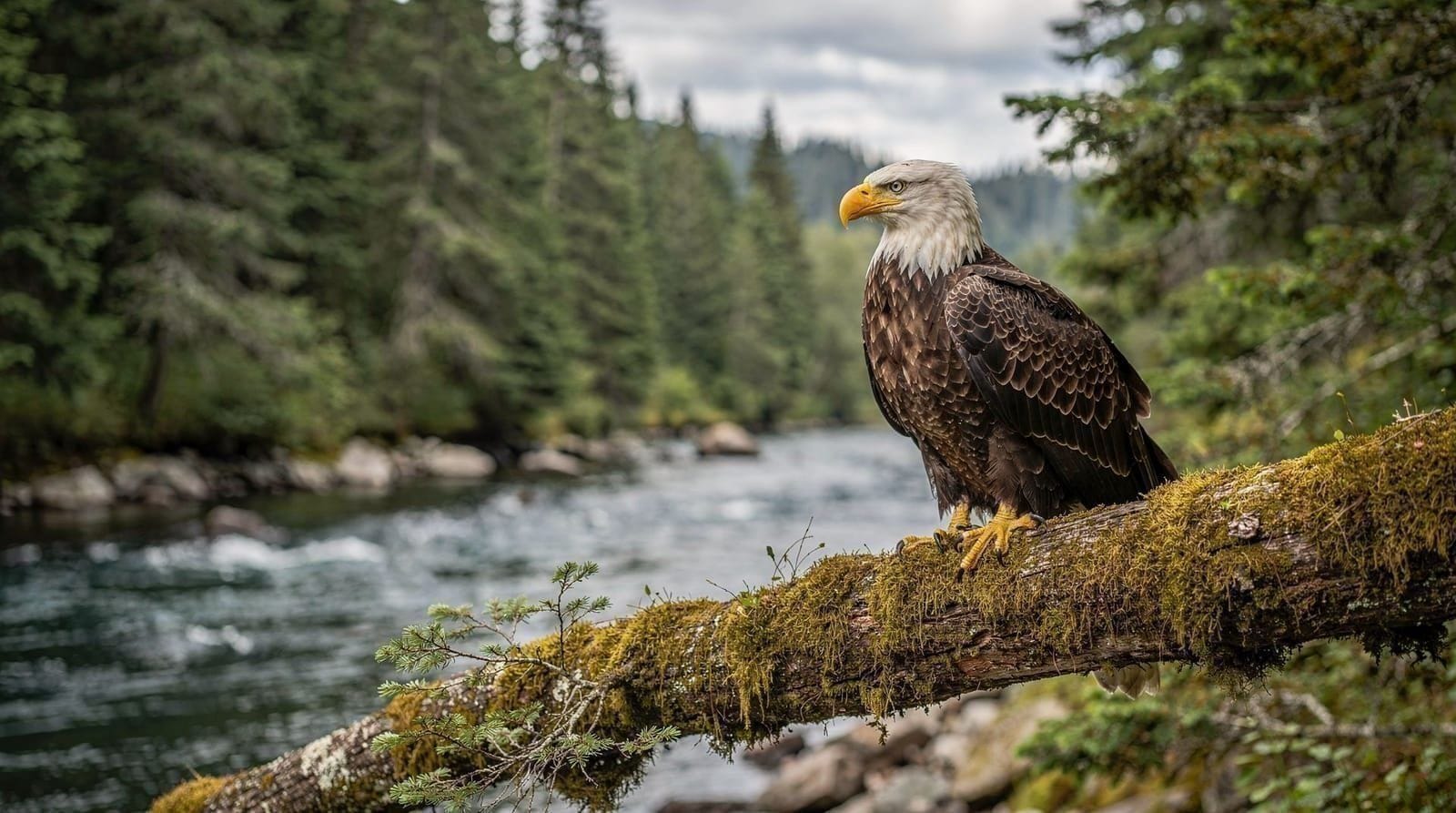
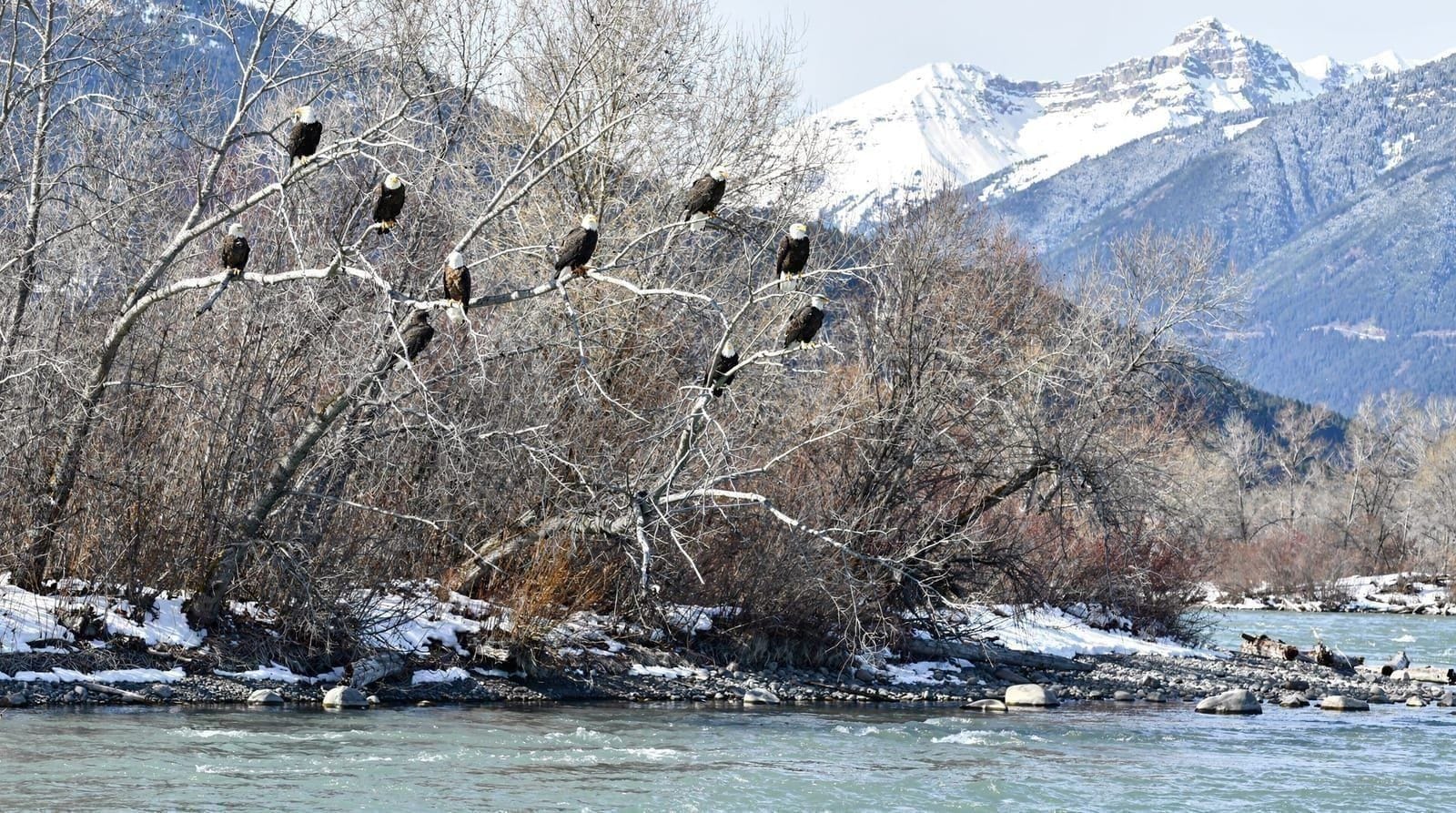
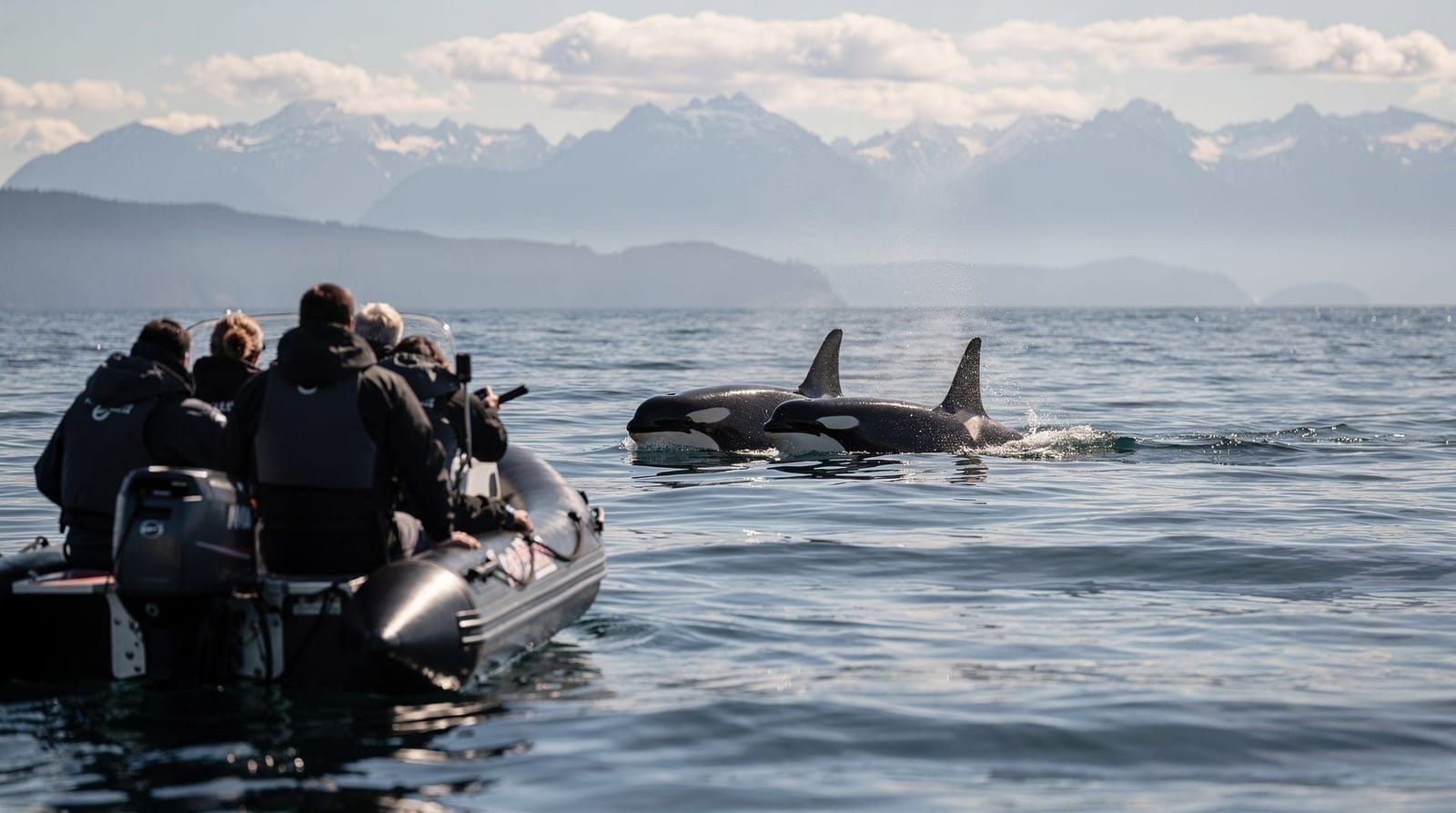
Getting there involves a boat transfer of an hour or more each way from Campbell River, through some genuinely scenic coastal water before the inlets narrow into steep-sided fjord terrain. Some operators use fast aluminum vessels for the crossing and switch to smaller, quieter boats or floating platforms once inside the inlet for the actual viewing; others run the whole route on one vessel. Either way, the boat itself is a meaningful part of the day, not just transport — expect eagles, seals and sometimes other marine life along the way, in addition to whatever grizzly activity the inlet offers once you arrive.
What a full-day tour involves
These are structured as full-day trips for a reason: the remoteness of Bute and Toba Inlet makes anything shorter impractical. A typical day starts early with a check-in and safety briefing at the Campbell River dock, followed by the boat transfer out to the inlet. Once there, viewing happens either from the boat itself, idling at a respectful distance from riverbanks and estuary flats, or from fixed viewing platforms that some operators maintain on shore, reached by a short, guided walk.
A number of the operators in this category — including the grizzly bear watching tour with lunch and the full-day grizzly bear tour with lunch — build a meal into the itinerary, usually served on the boat or at a shore-side stop, since the round trip plus viewing time genuinely spans a full day and there’s nowhere to buy food once you’ve left Campbell River.
A naturalist guide narrates throughout, covering bear behavior, salmon biology and the coastal ecosystem, and handles the actual mechanics of finding bears — which stretches of riverbank are active on a given day, how to read fresh tracks or salmon carcasses, and when to hold position quietly rather than move closer.
Multi-day operators exist too. The Toba wilderness bears tour runs a similar structure specifically into Toba Inlet, while the Vancouver Island grizzly bear tour to Toba Inlet covers the same general region with its own operator and boat. The differences between these options usually come down to which specific inlet, boat size, group size and exact departure schedule suit your dates — the underlying experience of a boat transfer followed by patient, guide-led viewing is consistent across all of them.
Best season: August through October
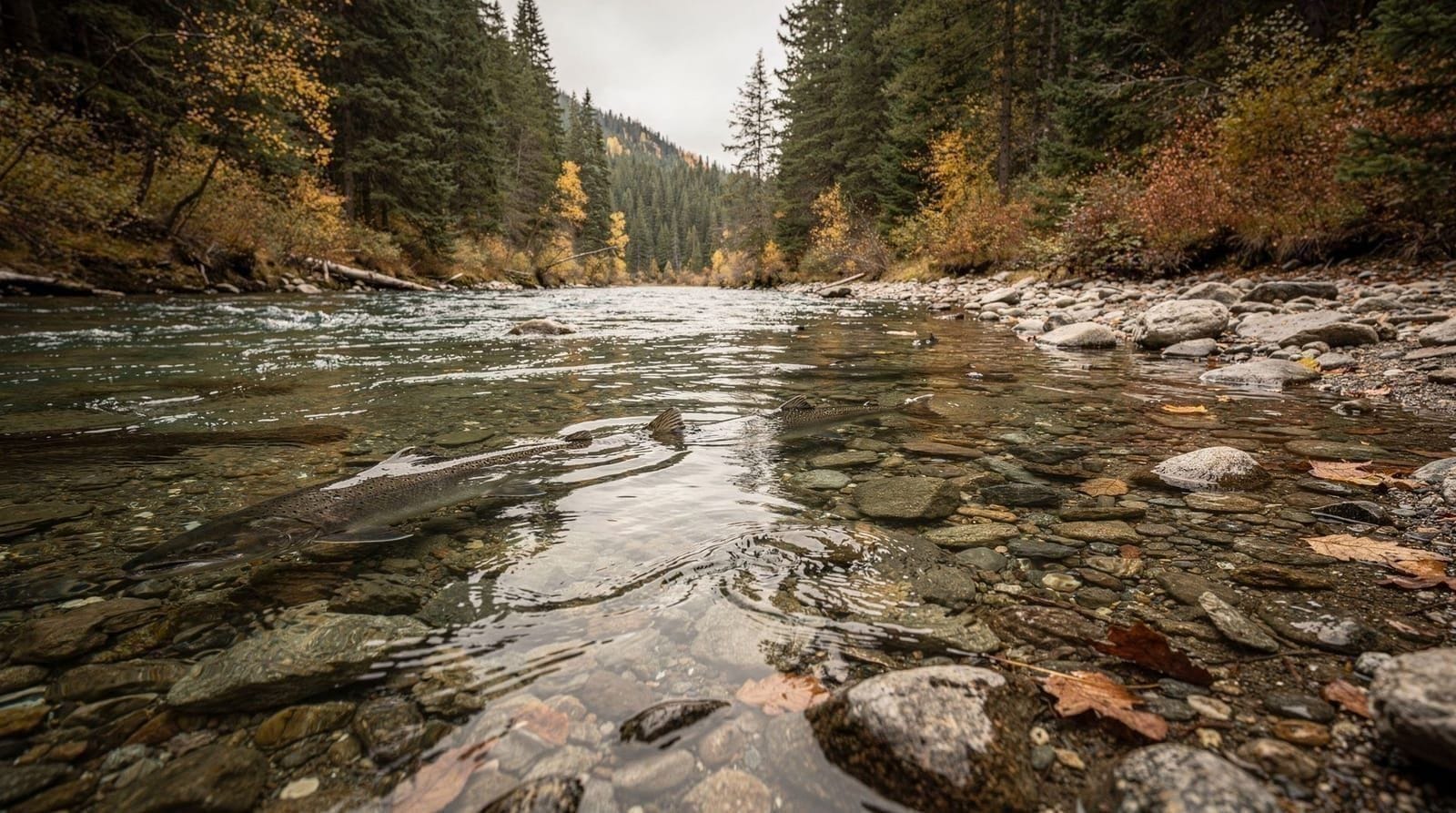
Grizzly activity in Bute and Toba Inlet tracks the salmon run closely, which makes late summer through mid-autumn the reliable window. Early in the season — roughly August — bears are more often seen on estuary sedge flats, grazing on grass while waiting for salmon to arrive in numbers. By September, salmon runs are typically well underway on the rivers feeding these inlets, and that’s usually the strongest month for bears actively fishing, since a concentrated food source pulls multiple bears into the same stretches of river. October can still produce good sightings as later salmon runs continue, though weather becomes more of a factor on the boat crossing as the season turns.
Outside this window, grizzlies are far less concentrated near viewable water — through winter they’re denning, and in spring and early summer they’re more dispersed across a wider territory foraging on vegetation, which makes them both harder to find and less of a commercial viewing product. Nearly every operator in this category runs their season within the August-to-October band for exactly this reason, so there’s little point trying to book a grizzly tour here outside those months. For context on how BC’s broader salmon migration timing lines up with this, see the BC salmon run guide.
Getting to Campbell River from Vancouver
This is the detail that trips up a lot of trip planning, because Campbell River sounds like it could be a Vancouver day trip and genuinely isn’t. It sits roughly 260 km up Vancouver Island from Victoria, and Vancouver Island itself is separated from mainland Vancouver by water. Two realistic routes exist:
- Fly — a short direct flight connects Vancouver to Campbell River Airport, the fastest option and the one most travelers doing this as a dedicated trip choose, since it avoids the ferry-plus-drive combination entirely.
- Drive and ferry — BC Ferries crosses from Tsawwassen or Horseshoe Bay (near Vancouver) to Nanaimo or Departure Bay on Vancouver Island, after which it’s roughly a 2.5-3 hour drive north to Campbell River. This route works well if you’re already planning a broader Vancouver Island road trip and want to fold the grizzly tour into it rather than treat it as a standalone flight.
Either way, budget the travel to and from Campbell River as its own day on each end, separate from the grizzly tour day itself. Trying to fly in, do a full-day boat tour and fly back out the same day isn’t realistic given how early these tours depart and how long the inlet transfer takes. Most people either stay overnight in Campbell River specifically for the tour, or build it into a longer Vancouver Island itinerary that also covers Victoria, Tofino or the island’s central coast.
Price and what it includes
Grizzly bear tours out of Campbell River sit at the premium end of BC wildlife experiences, and it’s worth understanding why before comparing the price to something like a two-hour Vancouver whale-watching trip. The cost reflects a full day of boat fuel and crew time covering a genuinely long round trip into remote inlet terrain, a trained naturalist guide, and — on the lunch-inclusive options — a meal built into the itinerary because there’s no alternative food source once you’ve left the dock.
Expect this to price as a full-day premium experience rather than a half-day city tour; exact figures shift by operator, season and whether a meal or scenic flight segment is bundled in, so confirm current pricing directly with the operator rather than relying on a fixed number here.
Is it worth the trip?
This is worth answering honestly, because the travel investment is real. If your Vancouver trip is short — under a week, with a packed downtown-and-North-Shore itinerary — adding a Campbell River grizzly tour usually means sacrificing a day or two elsewhere, plus a flight or ferry crossing on each end. For that kind of trip, the Grouse Mountain refuge or a Whistler black bear tour delivers a bear encounter without the logistics hit, and honestly, most first-time Vancouver visitors are better served by one of those.
Where Campbell River earns its place is on longer trips, or trips where Vancouver Island is already on the itinerary for other reasons — Victoria, Tofino’s surf and rainforest coast, or a general west-coast road trip. If you’re already crossing to the island, adding two or three days at the north end to fit in a grizzly tour is a much smaller marginal cost than treating it as a standalone flight from Vancouver.
It’s also the right choice for anyone who specifically wants a wild sighting and is willing to accept that wild animals don’t guarantee appearances the way a managed refuge does — operators report strong sighting rates through peak season, but there’s no contractual promise, and that uncertainty is part of what makes it different from Grouse Mountain in the first place.
Worth noting too: this isn’t a budget add-on. Between the flight or ferry to reach Campbell River, accommodation, and the tour price itself, a grizzly-viewing detour adds a meaningful line item to a trip budget. Anyone deciding between this and, say, a Victoria whale-watching day plus a Vancouver Island coastal drive should weigh which wildlife experience actually matters more to them, since doing both on a short trip is rarely realistic.
Safety and viewing ethics
Reputable operators in this space — and the four covered here fall into that category — build their tours around distance, not proximity. Guides know that a wild grizzly’s tolerance for a boat or viewing platform depends on maintaining a working distance and predictable, quiet behavior from visitors: no sudden movement, no loud noise, no attempt to bait or approach a bear for a better photo. This isn’t just a courtesy to the animal, it’s the reason these tours can operate season after season without bears becoming defensive or avoiding the area entirely.
Passengers don’t need any wilderness skills to join — boat crews handle navigation and viewing positioning, and any shore-based viewing platforms are reached via a short, guide-led walk rather than open hiking. The main practical preparation is dressing for a full day on open coastal water: layered clothing, a waterproof outer layer regardless of forecast, and closed footwear, since fjord weather in the inlets can shift faster than at the Campbell River dock.
Combining with a wider Vancouver Island trip
Given the travel investment required just to reach Campbell River, most people treat this as one component of a longer Vancouver Island stay rather than an isolated booking. Vancouver Island’s east coast also offers strong whale watching further south around Victoria — see the Victoria whale watching guide — and the island’s rivers and inlets host their own salmon-driven wildlife activity that overlaps with grizzly season, covered in the BC salmon run guide.
Paddlers building a wider water-based itinerary around Vancouver Island might also look at the Vancouver kayaking guide for a sense of how the region’s coastal paddling scene compares, even though Campbell River’s grizzly viewing itself is boat-based rather than a paddling activity.
Travelers deciding how to prioritize a broader BC wildlife itinerary might also read the best time for whale watching in BC guide, since summer whale season and the August-October grizzly window overlap enough that a longer coastal trip can realistically cover both.
For travelers weighing whether the Campbell River trip is worth the logistics against a closer, easier bear option, the black bear viewing guide for Whistler covers a genuinely different species and a far simpler day trip from Vancouver — useful context for deciding how much travel a wild grizzly sighting is worth to you specifically.
Frequently asked questions about grizzly bear watching at Campbell River
Can you see grizzly bears near Vancouver itself?
Not wild ones. Vancouver has no wild grizzly population nearby; the closest wild viewing is the Campbell River boat tours covered here, which require reaching Vancouver Island first. The closer option is the captive pair at Grouse Mountain’s wildlife refuge, which is a real animal encounter but not a wild sighting.
Is this a day trip from Vancouver?
Not in practice. Reaching Campbell River requires either a flight or a ferry-plus-drive from the Vancouver area, and the grizzly tour itself is a full day on top of that. Budget separate travel days on each end rather than trying to combine everything into one outing.
When’s the best time to book?
August through October, with September typically the strongest month as salmon runs peak in the rivers feeding Bute and Toba Inlet. Outside this window, grizzlies disperse away from the viewable estuaries and rivers, and most operators simply don’t run tours.
What does the price actually cover?
A full day of boat transport into remote mainland inlets, a naturalist guide, and — on several of the options here — a meal, since there’s no food source once you leave Campbell River. It’s priced as a premium full-day wilderness experience rather than a short city tour.
Are the bears really wild, or habituated like a zoo?
They’re wild, free-ranging animals. Some individuals become habituated to viewing boats over repeated seasons, tolerating a working distance, but that’s a natural behavioral adjustment, not captivity — they’re never fed, contained or guaranteed to appear.
Do I need hiking or wilderness experience?
No. These are fully guided commercial tours; the boat crew handles navigation and any shore walks to viewing platforms are short and guide-led. Reasonable mobility for getting around a boat is all that’s required.
How does this compare to seeing bears at Grouse Mountain or Whistler?
Grouse Mountain offers a guaranteed, captive sighting close to Vancouver; Whistler offers wild black bear viewing (a different species) on an easier day-trip scale. Campbell River is the option for travelers who specifically want a chance at a wild grizzly and are willing to invest the extra travel time to get there.
Top experiences
Bookable activities with verified prices and instant confirmation on GetYourGuide.