Vancouver Aquarium visitor guide
Vancouver: Aquarium & Stanley Park + 20 Gem Spots + City/VIP Car (Small Group)
Duration: 3 hours
How long do you need for the Vancouver Aquarium, and what does it cost?
Most visitors need 90 minutes to two hours to see the main exhibits without rushing. Hours generally run 10am-5pm daily, with extended hours to around 9:30am-6pm in peak season, and booking online in advance is worth doing since daily capacity is limited and walk-up access isn't guaranteed at busy times.
The Vancouver Aquarium sits inside Stanley Park, a short walk from the seawall and the park’s totem pole displays, and it’s the closest thing Vancouver has to a guaranteed, weather-independent wildlife experience. It’s also worth going into with realistic expectations on visit length and cost — this is a well-run, genuinely large facility, but most people move through it in under two hours, which is worth weighing against the admission price before deciding how it fits your itinerary.
| Where | Inside Stanley Park, near the seawall and totem poles |
| Cost | Cheaper online in advance than at the door |
| Time needed | 90 minutes to 2 hours |
| Getting there | Walk, bike, transit bus, or the VIP car tour |
| Best time | Weekday mornings at or shortly after opening |
What the aquarium actually is
The Vancouver Aquarium is Canada’s largest aquarium, home to roughly 65,000 animals across a wide range of marine and some non-marine species — everything from Pacific coastal fish and invertebrates to sea otters, seals, tropical reef species, amphibians and reptiles, spread across a series of connected indoor and partially outdoor galleries. It’s operated as both a public attraction and a conservation and research facility, with a long-running role in marine mammal rescue and rehabilitation on the BC coast, which shapes some of the messaging you’ll encounter throughout the exhibits — expect conservation framing alongside the entertainment value, not a purely spectacle-driven visit.
The facility’s marine mammal exhibits are generally the visitor highlight, covering species like sea otters and harbour seals with viewing areas designed for both above- and below-water perspectives. Beyond marine mammals, the galleries cover BC coastal ecosystems, tropical reef environments, an Amazon-themed area with non-marine species, and a dedicated section for smaller, more approachable hands-on exhibits aimed at younger visitors.
Hours, tickets and when to book
Standard hours run roughly 10am to 5pm daily, with extended hours during peak season — typically opening closer to 9:30am and staying open until around 6pm through the busiest summer weeks. Hours shift with the season and occasionally for special events, so it’s worth confirming the current schedule for your specific visit date rather than assuming the standard hours apply.
Booking online ahead of a visit is genuinely worth doing rather than a formality. The aquarium manages daily visitor capacity, and on busy days — summer weekends, school holidays, and days when cruise ships are in port and shore excursions bring larger group bookings — walk-up access isn’t guaranteed, and even when it is, the ticket counter line itself can eat into your visit time unnecessarily.
A Vancouver Aquarium, Stanley Park and city VIP car tour is one way to handle this without separately managing aquarium tickets, park logistics and city sightseeing as three different bookings — it bundles aquarium admission with a guided car tour covering Stanley Park’s highlights and other central Vancouver sights, which suits visitors who’d rather have transport and entry handled together than self-navigate each piece.
What to expect during a visit
Most visitors move through the main galleries in 90 minutes to two hours at a comfortable pace, longer if traveling with young children who want to linger at touch pools or watch feeding sessions, which run on a published daily schedule and are worth timing your visit around if seeing an otter or seal feeding matters to you. The layout moves through a series of themed zones rather than one open floor, so plan on a specific route rather than assuming you can breeze through in under an hour — dense exhibit content and viewing crowds at popular tanks both add time.
Photography is generally permitted throughout, though flash photography is typically restricted near certain animal enclosures where it can cause stress, and low ambient lighting in several galleries means a phone camera performs better than you might expect in a typical indoor space, since exhibits are lit for visibility into tanks rather than for photography specifically.
A rough route through the building typically moves from the entrance galleries covering BC coastal species, through a tropical and Amazon-themed section with non-marine reptiles and amphibians, into the marine mammal areas that draw the largest crowds, before finishing near the touch pools and gift shop close to the exit. It’s not a strictly one-directional layout, so backtracking to revisit a favorite exhibit is straightforward if a particular gallery was especially busy on your first pass through.
A brief history and conservation role
The Vancouver Aquarium has operated in Stanley Park since 1956, making it one of the older continuously operating aquariums in North America, and it’s grown considerably from its original scope into the roughly 65,000-animal facility it is today.
Beyond its role as a visitor attraction, it functions as a marine mammal rescue and rehabilitation centre for the BC coast, taking in injured or stranded seals, sea lions and other marine wildlife found along the province’s shoreline, with a portion of exhibit signage throughout the facility dedicated to explaining this research and rescue work rather than purely presenting animals for viewing. This shapes the overall tone of a visit — expect a mix of entertainment and conservation messaging, with some exhibits specifically built around ongoing research projects rather than static displays.
That conservation focus also explains some operational choices that might otherwise seem unusual, like restricted flash photography near certain enclosures or specific viewing protocols during feeding times — these generally trace back to minimizing stress on animals that, in some cases, are being rehabilitated rather than permanent residents.
Accessibility notes
The facility is largely wheelchair and stroller accessible, with ramped or level access through the main gallery route and elevators where the layout requires a level change. Some of the more hands-on touch-pool exhibits are designed at a height accessible to both wheelchair users and young children, a deliberate design choice given how central those exhibits are to the family-visitor experience.
Service animals are generally permitted, though it’s worth checking current policy directly given the presence of live animal exhibits throughout the building. Staff at the entrance can advise on the most efficient route through the galleries for visitors with mobility considerations, similar to how larger North Shore attractions handle the same question.
Food and amenities on site
An on-site café covers casual dining needs for a visit that runs into a mealtime, without requiring a trip outside the aquarium and back through the entry line. It’s convenient rather than destination dining, useful mainly for visitors planning to spend a full morning or afternoon on site rather than a quick one-hour pass-through. A gift shop near the exit covers the usual range of aquarium-branded and ocean-themed merchandise, and restroom and baby-change facilities are available throughout the building, which matters for the family-heavy visitor base this attraction draws.
Combining the aquarium with the rest of Stanley Park
Because the aquarium sits inside Stanley Park itself, pairing a visit with the park’s other main draws is the default rather than an afterthought. The Stanley Park seawall, one of the world’s longer uninterrupted waterfront paths, runs close by and makes a natural bookend to an aquarium visit — a walk or bike ride along even a portion of it before or after. The park’s totem pole display at Brockton Point is another common pairing, a short walk from the aquarium and one of the more photographed spots in the park.
For visitors who’d rather not self-navigate between these pieces, the VIP car tour combining the aquarium with Stanley Park and city highlights handles the logistics end to end — a guided vehicle covering the park’s key viewpoints and the totem poles alongside aquarium admission and a broader look at central Vancouver, useful for visitors on a tighter schedule who want to cover several of the city’s core sights in a single guided outing rather than piecing together transit, parking and separate tickets themselves.
Is it worth the ticket price?
This is worth answering honestly rather than glossing over. Admission isn’t inexpensive relative to the roughly 90-120 minutes most people actually spend inside, and that gap is the main source of mixed reviews you’ll find if you look. Where it clearly earns its price: as part of a broader Stanley Park day where you’re already in the area, as a weather-independent option when a boat-based whale-watching trip isn’t practical, and for families with young children who value indoor, controlled wildlife viewing over a longer outdoor day.
Where it’s a weaker value: as a standalone destination on a tight budget, or for travelers who’ve already booked a whale-watching tour and are looking for a second, distinct marine wildlife experience — the overlap in species type (though not setting) means it can feel repetitive rather than additive if done back-to-back with an ocean tour.
For context, ticket pricing at the Vancouver Aquarium sits broadly in line with major North American aquariums of comparable scale, rather than being a noticeable outlier in either direction — it’s simply worth measuring against the roughly two-hour visit length rather than assuming it delivers a full day out the way some larger combined attractions do. Multi-attraction bundles, including the VIP car tour covered above, are one way to improve the overall value equation by pairing the aquarium with other sights in a single booking rather than paying for aquarium admission as an isolated line item.
Crowding is the other honest caveat. Midday through early afternoon, especially in summer and during school holidays, is consistently the busiest window, with popular tanks — the marine mammal viewing areas in particular — drawing multiple-deep crowds that limit how much time you get at the glass. Arriving at opening or in the last hour or two before closing avoids the worst of this.
Family-friendliness
This is one of Vancouver’s strongest family attractions specifically because it’s indoor, weather-independent and paced for shorter attention spans than a full outdoor day would require. Stroller access is generally good throughout the main galleries, touch pools and hands-on exhibits are aimed squarely at younger children, and the controlled indoor environment removes a lot of the unpredictability that comes with outdoor wildlife tours — no seasickness risk, no weather cancellation, no waiting on an animal to actually appear the way a whale-watching trip requires. For families balancing a Vancouver itinerary across several days, it’s a reliable choice for a day when energy levels or weather rule out something more physically demanding.
Photography and social media tips
Beyond the general flash restrictions near sensitive enclosures, low ambient lighting in several galleries genuinely improves phone photography once a visitor adjusts expectations — exhibits are lit for animal comfort and tank visibility rather than for photography, which means slower shutter speeds work better than the instinct to raise brightness or flash.
The touch pools and larger tank displays near the marine mammal areas tend to produce the most shareable shots, since they combine good ambient light with a clear subject close to the glass. Visitors specifically chasing an Instagram-worthy shot should time their visit around a scheduled presentation, since staff often position animals more visibly during a feeding or show than during ordinary unstructured tank time.
Getting there and parking
The aquarium sits within Stanley Park, reachable by car via the park’s internal road network, by public transit bus routes that serve the park, or on foot or by bike from downtown Vancouver along the seawall or through the park’s interior trails — a walk of roughly 20-30 minutes from the West End depending on your starting point. Parking is available within Stanley Park at pay stations near the aquarium, though it fills during peak summer days, particularly on weekends; arriving earlier in the day improves your odds of a nearby spot. Visitors without a car and not using the VIP car tour option can reach the park easily via several TransLink bus routes that stop at or near the aquarium.
Best time to visit to avoid crowds
Weekday mornings, ideally at or shortly after opening, are consistently the quietest window, before tour groups, school trips and family day-visitors build up through late morning and midday. Shoulder-season visits — spring and autumn, outside school holiday weeks — thin the crowds noticeably compared to a July or August weekend, without any real loss in what’s on display, since the exhibits are indoor and don’t vary by outdoor season the way an outdoor attraction would.
Rainy days in Vancouver’s wetter months, somewhat counterintuitively, can actually be busier than expected, since the aquarium is one of the default rainy-day fallbacks for both locals and visitors with outdoor plans rained out — another reason a weekday morning visit tends to beat a weekend one regardless of season.
How this compares to Vancouver’s other wildlife options
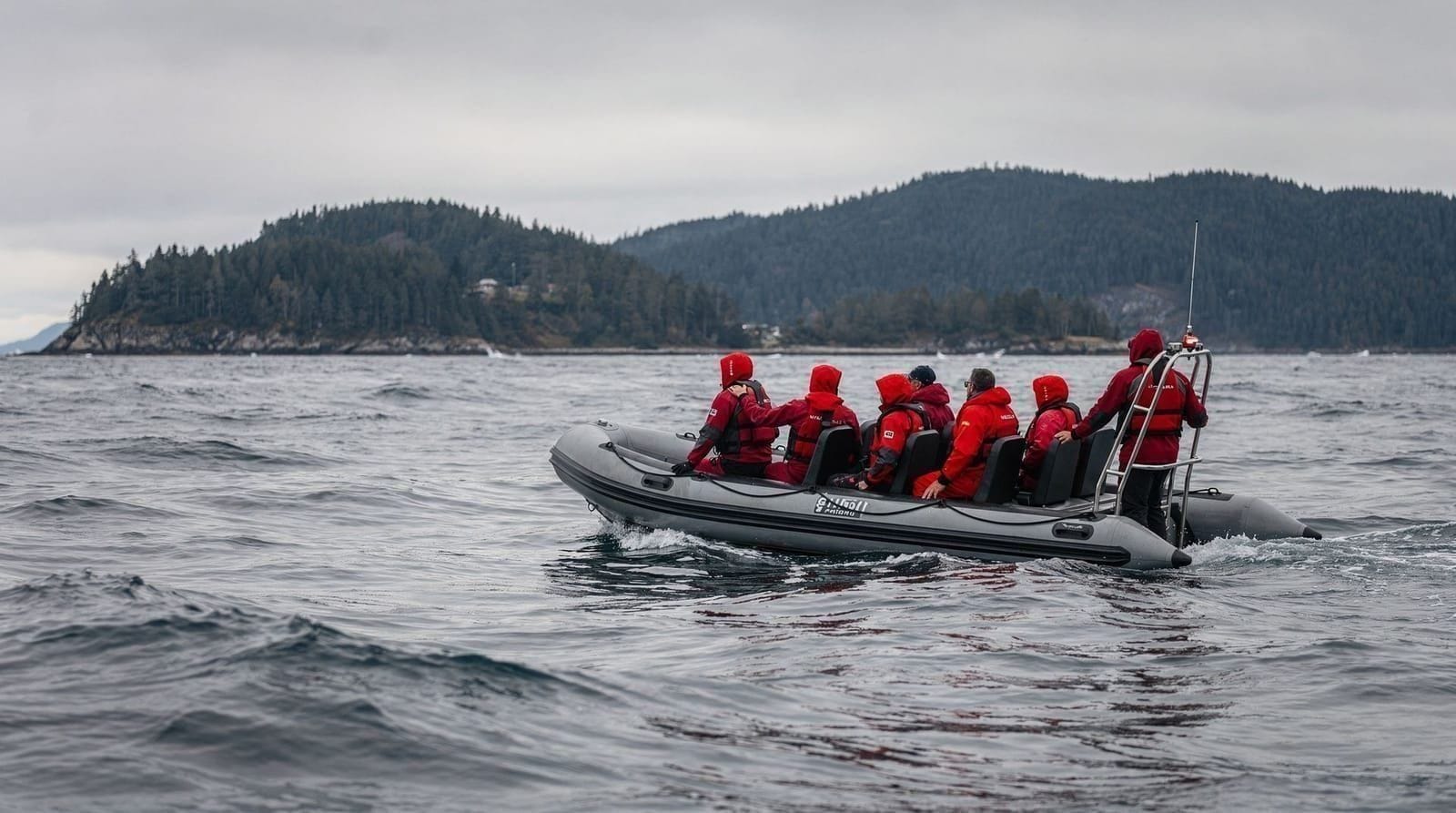
The aquarium is one piece of a broader set of Vancouver-based wildlife options, and it’s worth knowing where it sits relative to the others. Compared to a boat-based whale-watching tour, it trades the chance of a genuinely wild open-water sighting for a guaranteed, controlled indoor visit — different experiences, not directly interchangeable.
Compared to Grouse Mountain’s grizzly refuge, both are captive-setting, guaranteed-sighting attractions, making them somewhat redundant if you’re trying to build variety into a multi-day wildlife-focused stay; picking one over the other usually comes down to whether marine or land wildlife interests you more. For a full run-through of how the aquarium fits alongside whale watching, seal snorkeling and the rest of Vancouver’s wildlife lineup, see the wildlife tours from Vancouver overview.
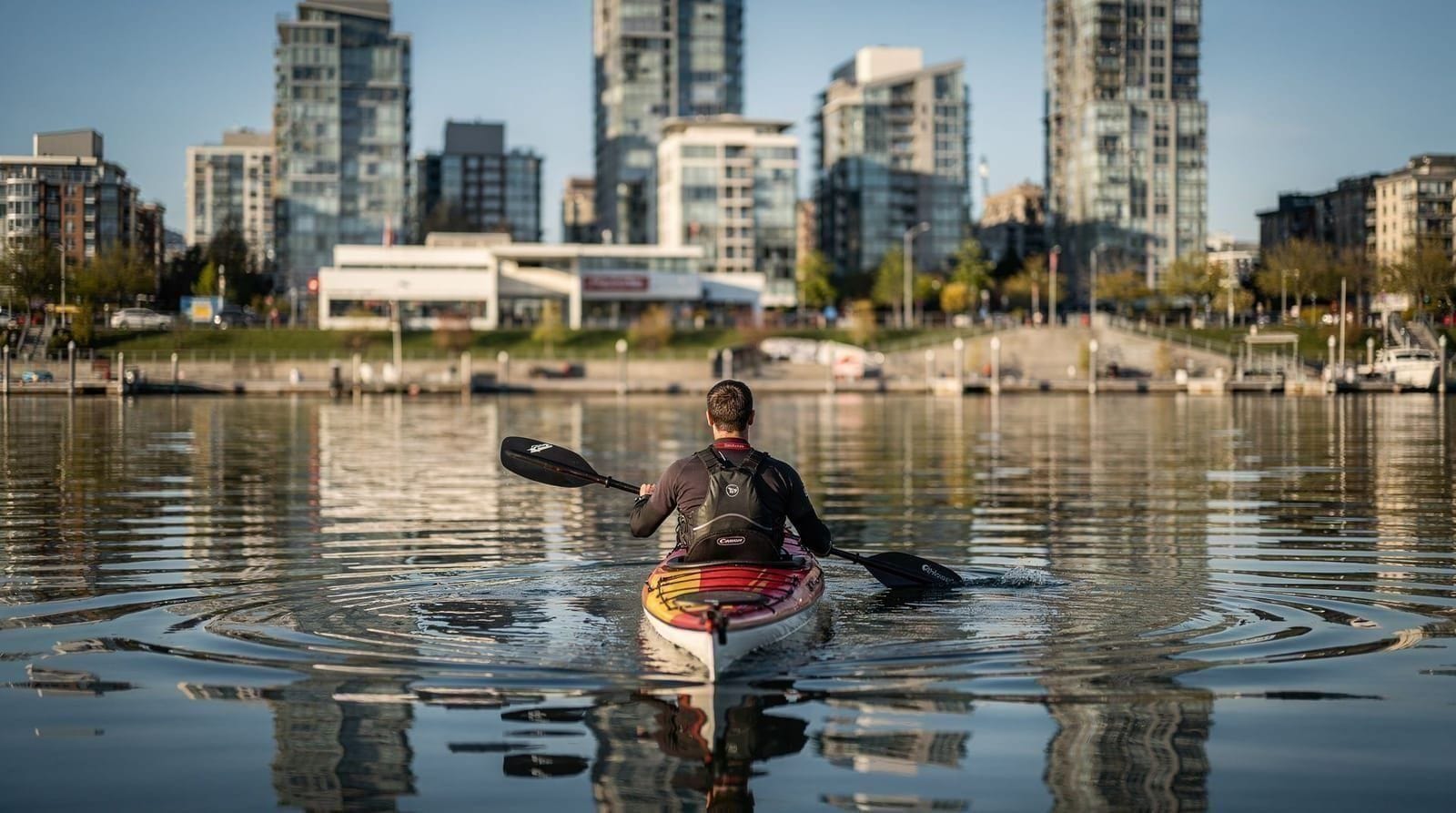
Anyone drawn to the aquarium specifically for marine wildlife but open to a more active, outdoor alternative might also consider kayaking around Vancouver, where seals and other marine life turn up as a genuine, if less guaranteed, sighting along several paddling routes near the city. And for travelers with more time who want a genuinely wild bear encounter rather than a captive one, the wild grizzly bear tours from Campbell River sit at the opposite end of the spectrum from a controlled indoor visit like this one — worth reading if the aquarium leaves you wanting a less curated wildlife experience later in your trip.
Frequently asked questions about visiting the Vancouver Aquarium
What’s the best time of day to visit?
At or shortly after opening, typically around 10am (earlier during extended peak-season hours), before tour groups and midday crowds build up. The last hour or two before closing is the other reliably quieter window.
Is the aquarium suitable for very young children?
Yes — the indoor, controlled environment, touch pools and shorter overall visit length make it one of the more manageable Vancouver attractions for toddlers and young children compared to a longer outdoor day.
How does it compare to a whale-watching tour?
They’re genuinely different experiences rather than substitutes for each other. The aquarium guarantees a sighting in a controlled indoor setting; whale watching is a probability-based encounter with wild animals in open water. Many visitors do both on the same trip precisely because they offer different things.
Is parking difficult at Stanley Park?
It can be during peak summer days, particularly weekends, when the park’s pay parking areas near the aquarium fill by mid-morning. Arriving early, or using public transit or the VIP car tour instead of self-driving, avoids the issue.
Are there feeding times or shows to plan around?
Yes — several exhibits run scheduled feeding sessions or keeper talks through the day, typically posted at the entrance or available online ahead of your visit. These draw crowds at the specific tank being fed, so if seeing a particular feeding matters to you, check the day’s schedule early and plan your route through the galleries around it rather than treating it as incidental.
Can I bring my own food, or is everything bought on site?
Outside food generally isn’t permitted inside the exhibit galleries themselves, though there are typically designated areas near the entrance or in adjacent park space where visitors can eat food brought from outside. The on-site café covers most needs for a visit that spans a mealtime.
Is the aquarium worth doing on a repeat Vancouver trip?
For a second or third visit, it depends on whether the rotating conservation programming or a new touring exhibit interests you, since the core exhibit halls don’t change dramatically year to year. Travelers who’ve already done a full visit once are often better served putting a repeat trip’s time toward something new, like kayaking or the wild grizzly tours from Campbell River, unless a membership or specific new exhibit is the draw.
Solo travelers and couples
The aquarium isn’t only a family attraction — solo travelers and couples make up a meaningful share of visitors, particularly on weekday mornings when the crowd skews toward adults without kids in tow. For a couple with a spare 90 minutes on a rainy afternoon, it’s a genuinely satisfying stop on its own rather than something that only makes sense with children along, and the conservation and research framing throughout gives it more depth than a purely entertainment-focused attraction would offer. Pairing an aquarium visit with a Stanley Park seawall walk either side of it, weather permitting, rounds out a half-day that doesn’t require a car or advance restaurant bookings.
Membership versus single-visit tickets
Visitors planning more than one Vancouver stay in a year, or a longer single trip with multiple free days, should compare annual membership pricing against single-day admission — the break-even point is typically just two or three visits, and membership often includes reciprocal entry at partner aquariums and zoos elsewhere. For a one-off visit during a single trip, standard single-day admission remains the simpler option, and comparing the two takes only a couple of minutes on the aquarium’s own pricing page before you commit either way.
Top experiences
Bookable activities with verified prices and instant confirmation on GetYourGuide.