Steveston
Steveston, a historic fishing village in Richmond: the Gulf of Georgia Cannery, fresh seafood off the boats, and honest day-trip logistics from Vancouver.
Vancouver: Whale & Wildlife Watching Tour with Free Photos
Quick facts
- Best for
- Fresh seafood, the cannery museum, a quieter pace
- Time needed
- Half a day, including travel time
- Getting there
- Bus from Richmond-Brighouse station, or by car; no direct SkyTrain
- Good to know
- Budget 45-60 minutes each way from downtown by transit
| Where | Southern Richmond, on the Fraser River |
| Time needed | Half a day, including travel time |
| Getting there | Bus from Richmond-Brighouse station, or by car; no direct SkyTrain |
| Cost | Free to walk the boardwalk; cannery museum has a modest admission |
| Best time | Summer for the working fishing fleet and outdoor boardwalk |
A working fishing village, not a recreation of one
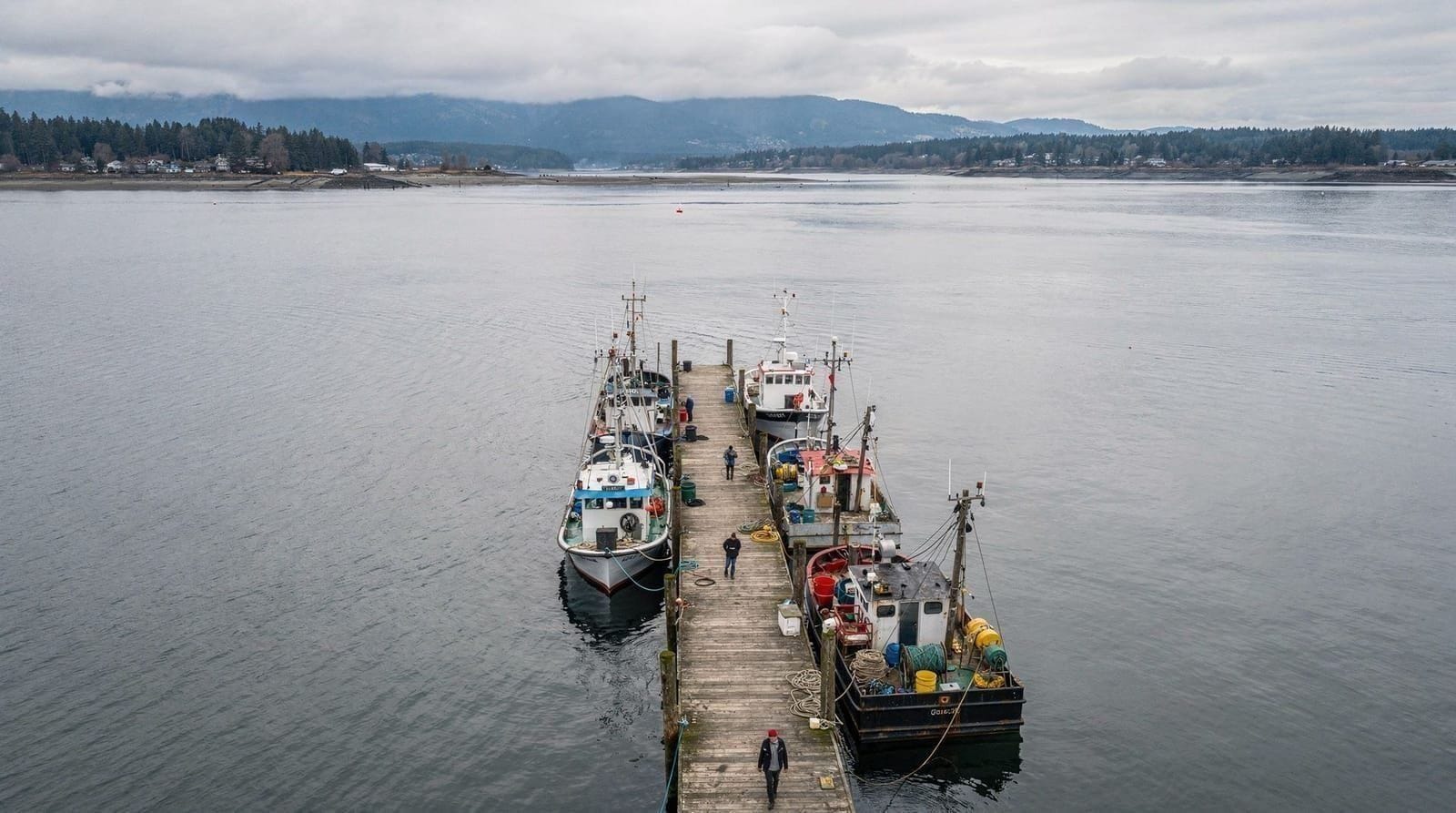
Steveston, tucked into the southern edge of Richmond, is a genuine historic fishing village rather than a staged version of one — its fleet still goes out and sells directly off the boats at the public wharf most days. That distinction matters: this isn’t a heritage district built for visitors, it’s a working harbour that happens to have kept its boardwalk, cannery buildings, and small-town scale intact.
The cannery and the boardwalk
The Gulf of Georgia Cannery National Historic Site, a preserved early-20th-century fish-processing plant, is the anchor attraction, with exhibits that explain the industry’s history and the immigrant labour that built it, including significant Japanese-Canadian and Chinese-Canadian communities that once centred on this waterfront. The Steveston Village boardwalk itself is a pleasant, flat walk past the wharf, small shops, and cafes, easily covered in an hour at a relaxed pace. Garry Point Park, at the village’s western tip, adds open waterfront green space and a clear view out toward the Gulf of Georgia.
Buying fish straight off the boat
The single most distinctive thing to do in Steveston is buy seafood directly from the fishing boats moored at the public wharf when they’re selling — prices are generally better than at a retail fishmonger, and the fish is as fresh as it gets. It’s worth timing a visit around midday when boats are more likely to be unloading and selling, though this varies by season and catch, so treat it as a bonus rather than a guarantee. London Heritage Farm, a short walk from the village core, is a quieter, lower-key stop if you want a break from the waterfront.
Getting there honestly
This is the practical catch: Steveston is not on the SkyTrain network. The route is a bus from Richmond-Brighouse station (the end of the Canada Line) or driving directly, and from downtown Vancouver the full trip by transit runs roughly 45-60 minutes each way. That’s a real time commitment for a half-day destination, so it’s worth pairing Steveston with a Richmond stop — dim sum on Alexandra Road, for instance — rather than treating it as a standalone round trip from downtown.
Water activities: the closest honest option
There’s no whale-watching or harbour cruise departing directly from Steveston itself, and it would be misleading to suggest otherwise. If wildlife-watching is part of your Vancouver plans, the closest bookable options depart from downtown or Granville Island — a whale and wildlife watching tour or the half-day whale watching tour with a guide both run seasonally (April through October, with orcas most reliable June to September) from those departure points rather than from Steveston’s wharf.
If you’d rather stay on the water closer to the city, a Vancouver harbour sightseeing cruise is a shorter, more central alternative.
A history worth knowing before the cannery visit
Steveston’s fishing industry was built substantially on the labour of Japanese-Canadian fishermen and cannery workers through the early 20th century, a community that made up a large share of the village’s population before 1942, when the Canadian government forcibly interned Japanese-Canadians and seized their fishing licences and boats during the Second World War.
Few of those families returned to Steveston afterward, and the Gulf of Georgia Cannery’s exhibits address this history directly rather than glossing over it, alongside the more general story of BC’s salmon canning industry, which at its peak processed catches for markets across the world from this stretch of river. It’s a more substantial, less sanitized piece of local history than the postcard-pretty boardwalk outside might suggest, and worth the 30-45 minutes the museum typically takes to walk through properly.
Practical notes for the visit
The boardwalk and cannery are both flat and easy walking, suitable for most mobility levels, and the village has enough cafes and public washrooms to make a half-day visit comfortable without much pre-planning. Bring cash for the dockside fish sellers specifically, since not all of the boats selling directly are set up for card payments, and check the cannery’s seasonal hours before you go, as they can shift outside the summer months.
Getting there and pairing the trip
Given the transit time, most visitors do best combining Steveston with a broader Richmond half-day rather than a dedicated round trip from downtown. See our Richmond guide for the dim sum trail and Night Market, and if you’re building outdoor days further afield, our 5-day outdoor adventure itinerary has room for a slower coastal stop like this one.
Who this suits and who it doesn’t
Steveston rewards visitors who’ve already covered Vancouver’s main sights and want a quieter, slower day that doesn’t involve much walking between attractions — it’s a village-scale outing, not a packed itinerary stop. It’s a weaker choice for a first-time visitor with only two or three days in the city, given the transit time relative to the payoff; those travelers are generally better served prioritizing Stanley Park, Granville Island, and downtown first, and returning for Steveston on a longer trip or a repeat visit.
Combining it with the rest of a Richmond day
Given the shared transit route, it makes far more sense to fold Steveston into a broader Richmond outing than to treat it as an isolated trip from downtown. A workable plan: take the Canada Line to Richmond-Brighouse in the morning, bus onward to Steveston for the cannery and boardwalk, then bus back to Richmond-Brighouse for a dim sum lunch on Alexandra Road before returning downtown. This turns two separate half-day trips into a single, well-paced full day, and it makes the transit time to reach Steveston feel far more worthwhile than it would as a standalone round trip.
Reading the village as you walk it
Steveston rewards a slow pace. Start at the wharf, where the working boats set the mood, then let the boardwalk lead you past the small shops and cafes rather than following a fixed route. The village is compact enough that you can’t really get lost, and the best moments tend to be unplanned: a fisher mending gear, gulls working the pilings, a smell of salt and diesel that tells you this is still a place where people earn a living from the water. Photographers will find plenty to frame, and if that is your thing, our photography spots guide covers where else in the region the light is worth chasing.
The cannery is best visited before the village fills up, so that you can read the exhibits without competing for space. Afterwards, the boardwalk feels like a natural second act: you have just learned how the industry worked, and now you can look at the harbour that powered it.
Where Steveston fits in a wider Vancouver trip
Think of Steveston as the calm counterweight to the city’s headline sights. A day built around Stanley Park and its seawall or a morning at the Granville Island market is busy, scenic and full of choices. Steveston is the opposite: one small waterfront, one clear story, and plenty of time to sit with a coffee. If you have already ticked off the big names, it makes a thoughtful change of tempo.
Travellers building a longer stay can slot it into a three-day plan as a gentle half-day, or into a four-day itinerary where the pace allows for a detour south. For those still deciding how long to stay in the region, the how many days in Vancouver article helps weigh whether a village outing deserves a place on your list.
Getting around without a car
Because Steveston sits outside the SkyTrain network, it helps to understand the wider system before you set out. Our TransLink and SkyTrain guide explains how the Canada Line fits with the buses that carry you the last stretch, and the getting around Vancouver overview covers fares, passes and the general logic of the network. If you are arriving by air, the airport to downtown guide is useful too, since the Canada Line that serves the airport is the same line that takes you toward Richmond.
Driving is the other option, and it gives you flexibility to combine the village with other stops. If you are weighing it up, the car rental guide lays out what to consider before you commit to wheels for the day.
Food, and where to go after
Seafood is the obvious draw, but a Steveston visit also works as the start of a food-focused day. If dockside fish has whetted your appetite, the Richmond dumpling trail is a natural continuation, and the Richmond night market guide is worth reading if your dates line up with the market season. For a broader look at eating well across the city, our best restaurants guide and the Vancouver food tours overview show how a village lunch compares with what you will find downtown.
Weather, light and seasons
Steveston is an outdoor place, so the weather shapes the day more than it does for a museum-heavy outing. On a clear day the open water and wide sky around Garry Point Park are the highlight; on a grey one the cannery and the cafes carry the visit. If rain is in the forecast, read our Vancouver rain guide for ideas on keeping a wet day enjoyable, and consider leaning on the indoor half of the village. For a sense of how the seasons change the whole region, the best time to visit Vancouver guide puts a village trip in context.
Tips for a smoother visit
- Go with a loose plan. The village is small, and the pleasure lies in lingering rather than ticking boxes.
- Wear comfortable shoes and bring a layer, since the waterfront can feel breezier than the city.
- Carry a bag for any fish you buy, and think about how you will keep it cool on the trip back.
- If you are travelling with children, a stop at the water to watch the boats is often as rewarding as the museum itself; the Vancouver with kids guide has more family-friendly ideas.
- Keep an eye on how the day flows. A relaxed lunch and an unhurried walk are the point, so resist the urge to rush back to town.
Frequently asked questions about Steveston
What’s the best time of day to visit Steveston?
Midday tends to be best for catching the fishing fleet unloading and selling directly off the boats, though this varies with the season and the day’s catch. Mornings and early afternoons are generally quieter for the boardwalk and cannery museum than weekend afternoons.
Is Steveston on the SkyTrain?
No. The nearest station is Richmond-Brighouse, the southern end of the Canada Line, from which you’d take a bus or drive the rest of the way. Budget 45-60 minutes each way from downtown by transit.
Can I buy fresh fish in Steveston?
Yes — the working fishing fleet sells directly off the boats at the public wharf when they’re in and unloading, generally at better prices than a retail fishmonger. Timing varies by season and catch, so treat it as a likely bonus rather than a certainty.
Is Steveston worth a day trip from downtown Vancouver?
It’s worth a half-day, best combined with a Richmond stop given the transit time involved. As a purely standalone round trip from downtown, the travel time is significant relative to what you’ll see.
Is Steveston suitable for kids?
Yes — the boardwalk is flat and stroller-friendly, the cannery museum has hands-on exhibits that generally hold kids’ attention well, and the working harbour itself is genuinely interesting for younger visitors who haven’t seen a commercial fishing fleet up close before.
Do whale-watching tours leave from Steveston?
No — despite the working harbour feel, scheduled whale-watching tours depart from downtown or Granville Island, not from Steveston itself.
How much time should I budget for Steveston itself?
The boardwalk and cannery museum together take roughly 2-3 hours at an unhurried pace, not counting transit time. Combined with a Richmond stop, a full half-day to a full day covers both comfortably.
Is Steveston better than Granville Island for a market-style outing?
They’re different rather than directly comparable — Granville Island is a busier, more polished public market close to downtown, while Steveston is a genuine working fishing village with a quieter, more historic feel. Visitors with time for one usually pick Granville Island for convenience and Steveston for a slower, more distinctive half-day.
Steveston versus Granville Island at a glance
| Steveston | Granville Island | |
|---|---|---|
| Character | Working fishing village, historic | Busy public market, more polished |
| Getting there | Bus from Richmond-Brighouse, 45-60 min from downtown | Short walk, bus, or mini-ferry from downtown |
| Pace | Quiet, slower | Busier, more crowds |
| Best for | Fresh fish off the boat, cannery history | A quick market visit, food stalls, artisan shops |
Top experiences
Bookable activities with verified prices and instant confirmation on GetYourGuide.