Sea-to-Sky road trip: 3 days from Vancouver to Whistler
Squamish: Sea to Sky Gondola Admission Ticket
- Free cancellation
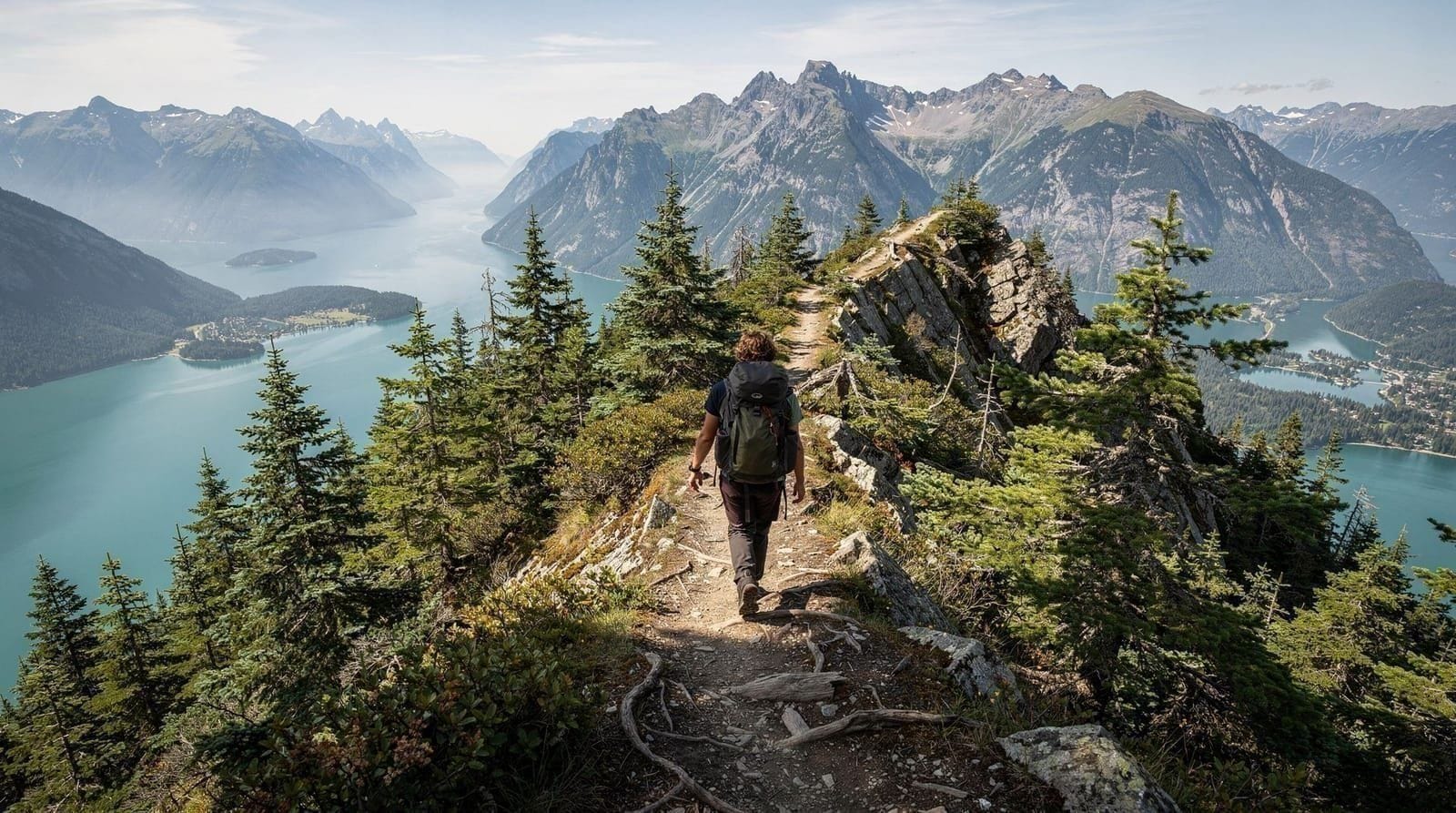
Highway 99 between Vancouver and Whistler is the reason a lot of people rent a car in this part of British Columbia in the first place. It runs along the edge of Howe Sound, climbs through granite cliffs and waterfalls, and ends at a mountain resort — all inside two hours of driving, if you don’t stop. The point of this itinerary is to stop, a lot, over three days instead of doing it as a single long day trip.
| Where | Vancouver to Whistler via Squamish, Highway 99 |
| Cost | Around CAD 900–1,300 for two people, excl. rental car |
| Time needed | 3 days (2 nights); doable in 2 at a squeeze |
| Getting there | Self-drive, rental car from downtown Vancouver or YVR |
| Best time | Roughly May–October for full activity access |
Why drive this route yourself
Plenty of operators sell a one-day Whistler bus tour from Vancouver, and it’s a reasonable option if you don’t want to drive. But it compresses Squamish — arguably the most interesting stretch of the whole corridor — into a 20-minute photo stop, if it stops there at all. Renting a car for three days costs more than a bus ticket, but it buys you the ability to actually get out and do things in Squamish: hike, raft, ride the gondola, or just sit at a brewery patio with a view of the Stawamus Chief. If your main goal is simply “see Whistler,” a guided day trip works fine. If you want the corridor itself to be part of the trip, drive it.
A few practical notes before you go. Highway 99 is a well-maintained two-lane highway for most of its length, with passing lanes at intervals — it is not a dangerous road by North American standards, but it does have real elevation changes and sharp curves through the Squamish canyon section, and BC law requires winter or all-season tires with the mountain snowflake symbol on this highway from October 1 to April 30, with fines for non-compliant vehicles during that window.
If you’re driving in winter, check DriveBC.ca for road conditions before setting out, since snow and black ice are routine between November and March. In summer, the main hazard is simply traffic on Friday afternoons and Sunday evenings, when the whole route backs up with Whistler-bound weekenders — leave earlier or later in the day if you can.
Rental cars are easiest to pick up at downtown Vancouver or YVR; see our car rental notes for what to expect on price and paperwork. Budget CAD 70–120 per day for a compact or mid-size vehicle in summer, more during ski season, plus gas — figure roughly CAD 40–50 in fuel for the full round trip. Gas stations are plentiful in Squamish and Whistler but get sparse for the 40-minute stretch north of Squamish, so don’t run the tank down before Function Junction.
This is also, for what it’s worth, widely considered one of the best scenic drives in western Canada, and it’s worth treating the driving itself as part of the itinerary rather than a means to an end. If you’d rather do this corridor as a single guided day rather than a self-drive multi-day trip, our Sea-to-Sky day trip guide covers that shorter version and how it compares.
Day 1: Vancouver to Squamish via Britannia Beach
Leave Vancouver by mid-morning to give the day some breathing room — this isn’t a long drive, but it has several worthwhile stops. Head north on Highway 99 through West Vancouver, past Horseshoe Bay, and along the cliffside stretch known as the Sea-to-Sky Highway proper, with pullouts overlooking Howe Sound. Porteau Cove Provincial Park, about 35 minutes out of Vancouver, is a good first stop for a short leg-stretch and a view back down the sound — it’s also a popular scuba diving site if that’s of interest.
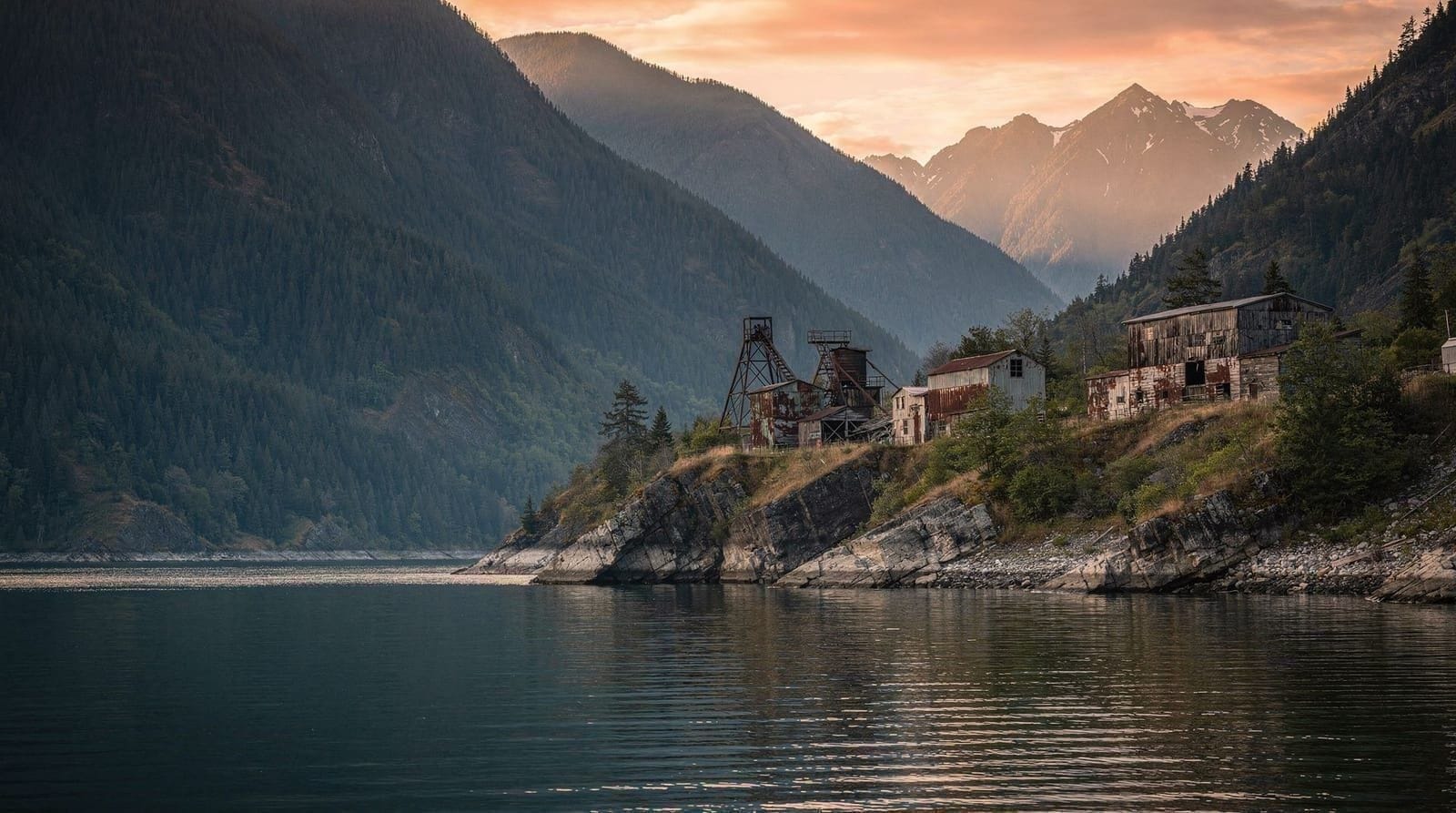
About 45 minutes north of Vancouver, Britannia Beach is home to the Britannia Mine Museum, a former copper mine that operated from 1904 to 1974 and is now a National Historic Site. The mill building itself — a 20-story wooden structure built into the hillside — is worth seeing even from the parking lot, and the underground mine tour (an actual train ride into the tunnel) runs regularly through the day. Budget 90 minutes to two hours here if you’re going in.
From Britannia Beach it’s another 15–20 minutes to Squamish. Check into your hotel first — Sandman Hotel & Suites Squamish and Executive Suites Hotel & Resort Squamish are the two most reliable mid-range options in town, both a short drive from downtown Squamish and the base of the Sea to Sky Gondola. Squamish itself has grown considerably over the past decade from a logging town into an outdoor recreation hub, and it shows in the number of breweries and cafes downtown.
Spend the afternoon at the Sea to Sky Gondola, which climbs from near sea level to a viewing platform and suspension bridge at 885 metres in about 10 minutes. A Sea to Sky Gondola admission ticket covers the ride plus access to hiking trails, a viewing deck, and the Sky Pilot Suspension Bridge at the top; the summit lodge has a casual restaurant if you want dinner with a view over Howe Sound and the Stawamus Chief. If time and daylight allow, Shannon Falls Provincial Park, right next to the gondola base, is a five-minute walk from the parking lot to the base of a 335-metre waterfall and worth the detour even if you skip the gondola.
For dinner, downtown Squamish has a genuine craft beer scene — A-Frame Brewing and Backcountry Brewing both draw a regular local crowd, and Fergie’s Cafe is a reliable breakfast-and-lunch spot if you want to note it for the next morning. Budget roughly CAD 60–90 per person for the day covering the gondola ticket, museum entry, and meals.
Day 2: Squamish adventure day, then on to Whistler
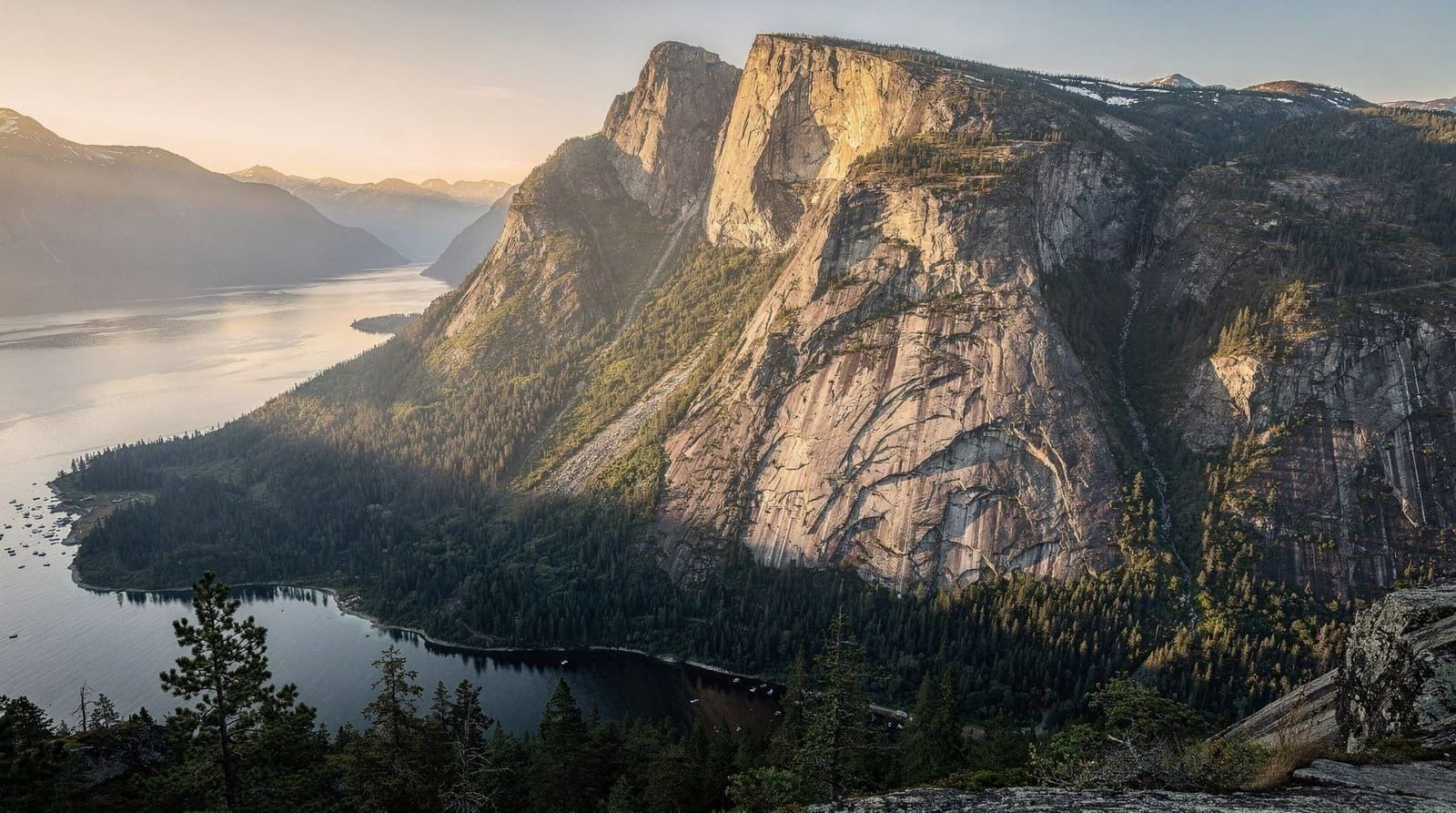
Squamish’s reputation among climbers is not incidental — the Stawamus Chief is one of the largest granite monoliths in the world, and the town draws serious rock climbers from across North America, especially in the spring and fall shoulder seasons when temperatures are moderate. Guided rock climbing in Squamish is available for beginners with no prior experience, if that’s more your speed than rafting; several local outfitters run half-day intro sessions on the lower Chief walls. You don’t need climbing experience to get out on the water or the trail, though.
Spend the morning on the Elaho and Squamish rivers with a guided Elaho Exhilarator rafting trip, a half-day whitewater run through Class III and IV rapids in a scenic canyon roughly 45 minutes from town — it’s genuinely physical, not a lazy float, and worth confirming water levels and season with the operator beforehand, since spring snowmelt (May–June) produces the biggest water and late summer runs lower and calmer. If whitewater isn’t your thing, hiking the Stawamus Chief’s First Peak trail (about 6 km round trip, roughly 3–4 hours with a steep final scramble) delivers one of the better payoff views in the corridor for the effort involved.
By early afternoon, pack up and drive the remaining 55–65 minutes north to Whistler. The highway continues to climb through Function Junction — Whistler’s light-industrial and brewery district, worth a stop at Whistler Brewing Co. if you like beer — before arriving in Whistler Village proper.
Check into your Whistler accommodation. For this shorter trip, a village-adjacent hotel makes more sense than a ski-in/ski-out property you won’t fully use — Pangea Pod Hotel is a well-reviewed budget-conscious option in the village core, while Crystal Lodge & Suites and the Pan Pacific Whistler Village Centre sit closer to mid-range with better locations for walking everywhere.
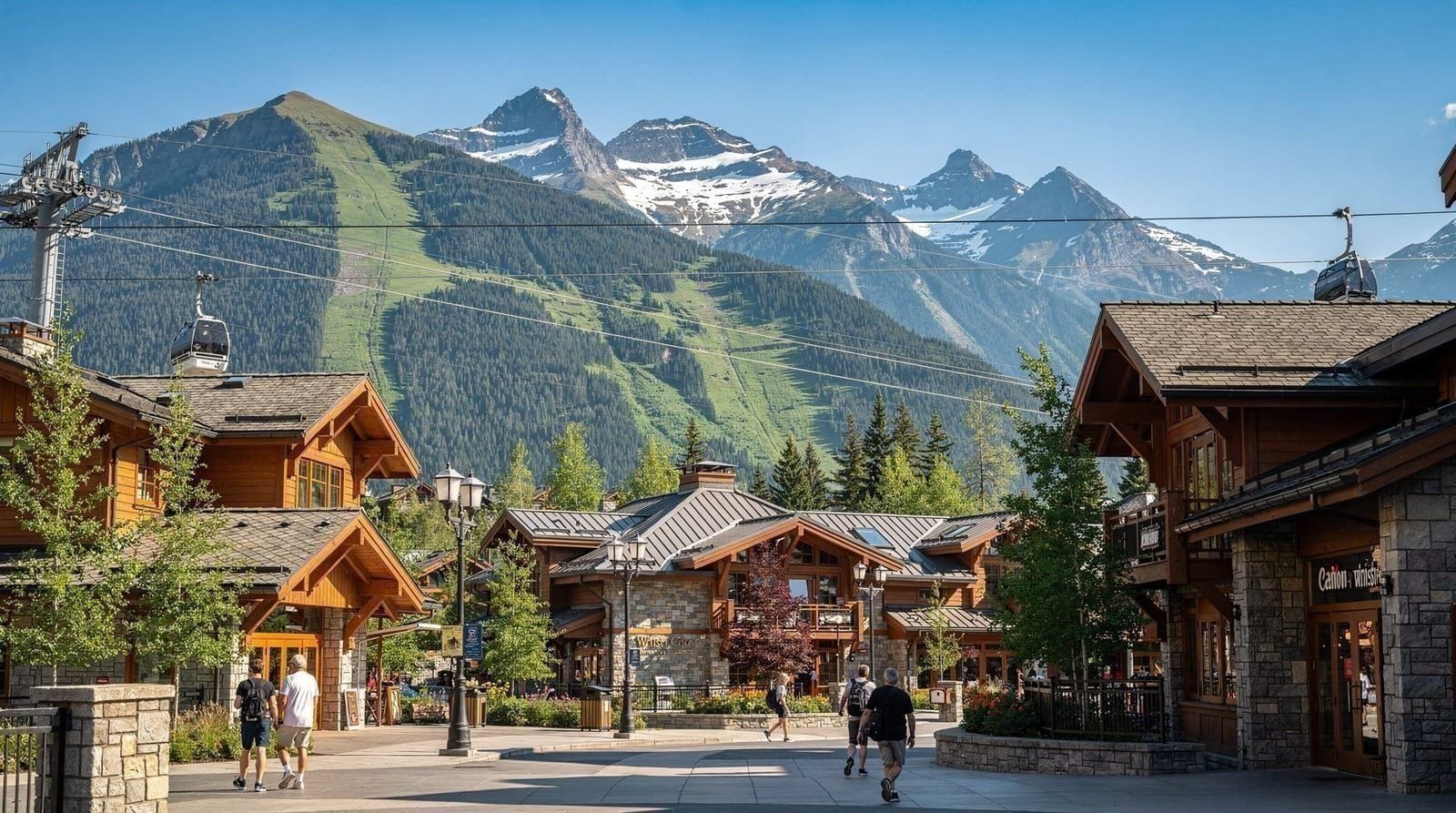
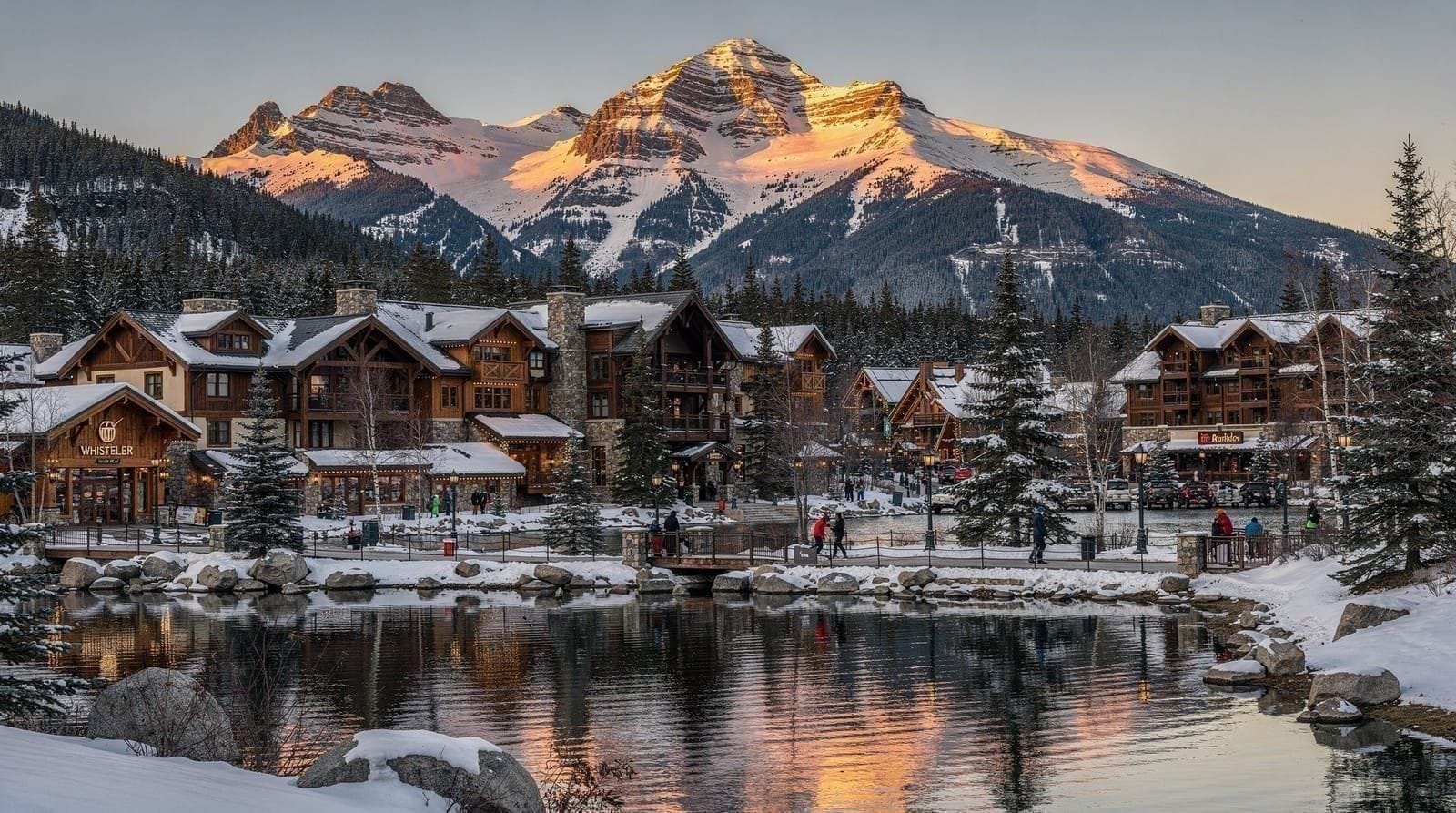
Spend the evening walking Whistler Village, which is fully pedestrianized and built around a network of plazas, restaurants, and shops between the bases of Whistler and Blackcomb mountains. Purebread, a bakery chain that started in Whistler, is worth a stop, and Elements Urban Tapas Parlour is a solid mid-range dinner option in the village. Budget CAD 150–200 per person for the day including the rafting trip.
Day 3: Whistler activities, then the drive back
With one full day in Whistler, pick one or two anchor activities rather than trying to cram everything in — the village and its surrounding trail network reward slower exploration more than a checklist approach does.
For a memorable but accessible adventure activity, the Whistler Mountain Via Ferrata climbing experience uses a fixed cable-and-rung system bolted into the alpine rock face on Whistler Mountain, letting non-climbers do genuine exposed scrambling with a guide and full safety gear — it runs roughly 3–4 hours and typically requires a reasonable fitness level but no prior climbing experience.
Alternatively, the Ziptrek Eagle zipline tour runs a series of ziplines through old-growth forest between Whistler and Blackcomb, a good middle-ground choice if via ferrata sounds like too much commitment but you still want an adrenaline element.
Either activity pairs well with riding the Peak 2 Peak Gondola, which connects the summits of Whistler and Blackcomb mountains in an 11-minute crossing with a peak height of 436 metres above the valley floor — one of the longest unsupported gondola spans in the world. In summer this is purely a scenic ride with alpine hiking trails at both ends; in winter it’s part of the ski lift network. If you have a couple of extra hours, the Village Stroll down to Lost Lake or a short walk on one of the alpine hiking trails from the top of the gondola rounds out the day without requiring a car.
Have lunch in the village — Peaked Pies is a fast, casual option, while Araxi Restaurant + Bar is the well-known splurge choice for a final BC-focused dinner if you’re staying for a third night instead of driving back same-day. Plan the return drive to Vancouver for late afternoon to avoid Sunday-evening southbound traffic, which regularly backs up between Squamish and Horseshoe Bay. The drive back takes about 1 hour 45 minutes without stops, longer on a busy Sunday.
Budget summary and where to stay
Across the three days, a mid-range budget for two people works out to roughly CAD 900–1,300 total, not counting the rental car itself: two nights of hotel (Squamish runs cheaper than Whistler, typically CAD 150–220 versus CAD 250–400 per night depending on season), the gondola and museum tickets, one adventure activity per day, and meals.
Whistler in particular swings hard by season — the same room that costs CAD 250 in October can run CAD 450 or more over a February long weekend, so book Whistler lodging as early as you can once you have dates fixed. For a longer stay in the Whistler area with more lodging comparisons across budget tiers, see the Vancouver and Whistler in 5 days itinerary, which covers the village in more depth.
Squamish itself doesn’t have the density of restaurants and hotels that Whistler does, and that’s part of its appeal for this route — it’s a working town with a strong outdoor-recreation identity rather than a resort built for tourism, and prices reflect that. If you’re short on time and can only manage one overnight instead of two, staying in Squamish and day-tripping into Whistler on your one full day is the better sequence, since it puts you closer to the rafting and gondola in the morning without an extra drive.
Extending or shortening this trip
Three days is a comfortable minimum for this route if you want real time in both Squamish and Whistler rather than a drive-through. If you only have two days, cut the rafting or via ferrata and keep the gondola visits, which are the highest-value, lowest-time-commitment stops on the corridor.
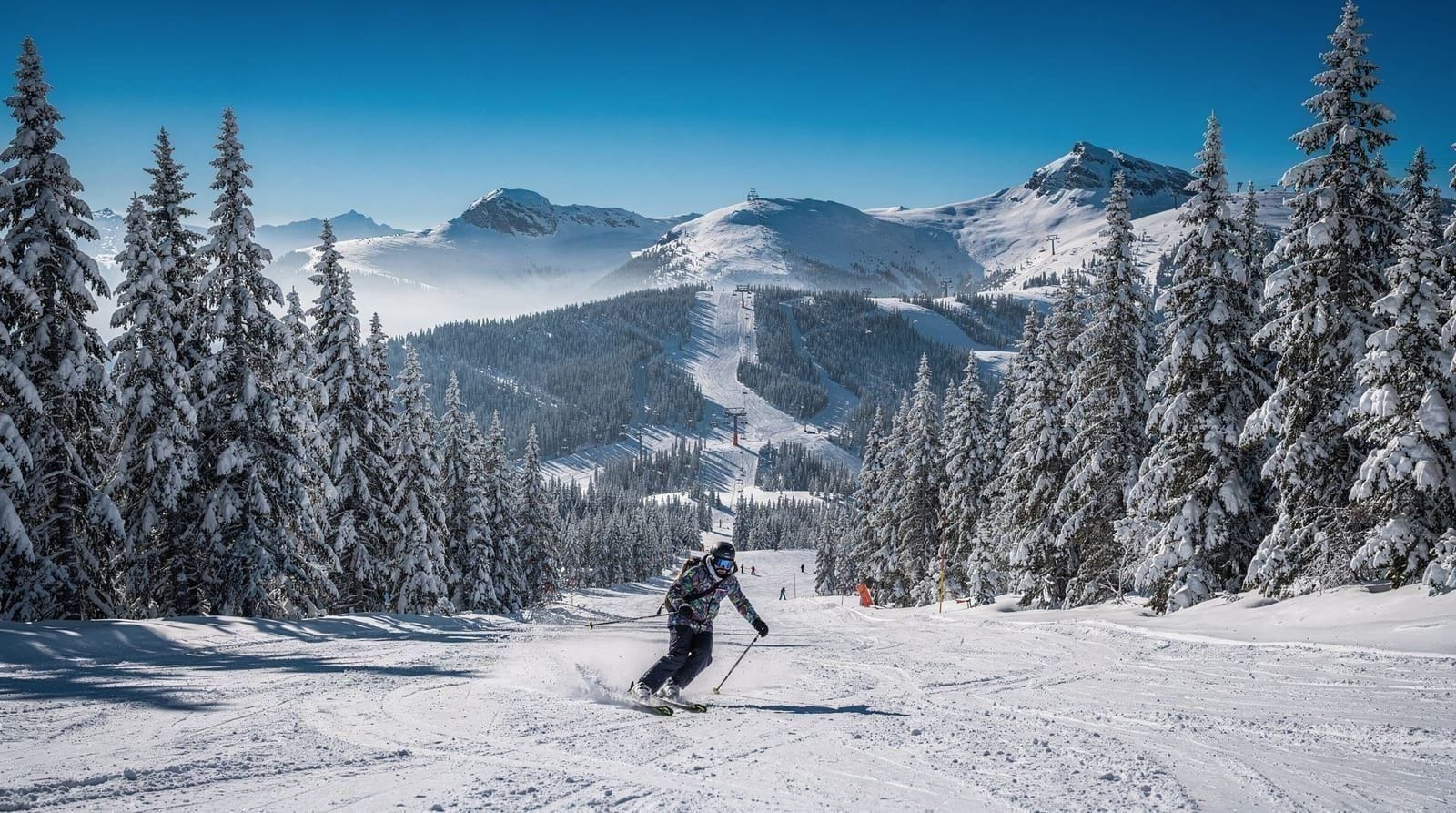
If you have more time, this itinerary connects naturally into the longer Vancouver and Whistler in 5 days itinerary, which adds proper city time in Vancouver on either end, or into a winter-specific version if you’re coming for skiing — see the Vancouver and Whistler ski trip itinerary for that version, since the activities and driving conditions described here assume snow-free roads and are built around late-spring-through-fall conditions rather than winter driving.
One honest note on timing: this itinerary works well roughly May through October. Outside that window, several of the activities described — rafting, via ferrata, ziplining in full operation — either close or scale back, and the drive itself becomes a genuinely different undertaking requiring winter tires and more caution. If you’re planning a winter version of this trip, treat the driving times above as optimistic and check Sea-to-Sky highway conditions before you leave.
Three-day snapshot
| Day | Focus | Overnight |
|---|---|---|
| 1 | Britannia Mine Museum, Sea to Sky Gondola, Squamish dinner | Squamish |
| 2 | Rafting or Chief hike, drive to Whistler, Village Stroll | Whistler |
| 3 | Via ferrata or ziplining, Peak 2 Peak Gondola, drive back | Vancouver (or 3rd night in Whistler) |
Packing for the corridor’s microclimates
Howe Sound, Squamish, and Whistler each sit at different elevations and can have noticeably different weather on the same day — it’s common to leave Vancouver in overcast drizzle, find Squamish dry and sunny, and hit a cooler, breezier Whistler Village by afternoon. Layer accordingly: a waterproof shell earns its space in the car even in July, since the gondola summits and via ferrata routes sit high enough to catch wind and cloud that never reaches the highway below. Sturdy footwear matters more than it would on a pure sightseeing trip, since several of the highlights here — the Chief hike, the via ferrata, the gondola’s alpine trails — involve real, if short, walking on uneven terrain.
Fuel, phone signal, and other practical gaps
Cell coverage along Highway 99 is generally reliable in Squamish and Whistler themselves, but it drops out for stretches of the highway between Furry Creek and Britannia Beach and again north of Squamish near Function Junction — download offline maps before you leave downtown Vancouver rather than relying on live navigation the whole way.
As noted above, fuel up in Squamish before continuing north; the town also has the last large supermarket for groceries or picnic supplies if you’re planning to eat cheaply at a viewpoint rather than a restaurant. If you’re renting a car specifically for this trip and haven’t already sorted logistics, our car rental notes cover insurance add-ons and one-way fee traps worth avoiding.
Alternative to driving yourself
If the idea of the drive itself is more stressful than appealing — unfamiliar mountain roads, an inexperienced winter driver, or simply not wanting to deal with parking at each stop — a guided option covers the same corridor without the logistics. A Vancouver to Whistler tour with Shannon Falls and gondola stops hits several of this itinerary’s Day 1 highlights in a single guided day, which also works as a taster if you’re undecided between the self-drive version and a shorter guided trip. It won’t give you the freedom to linger at a brewery patio in Squamish, but it removes the tire and traffic considerations entirely.