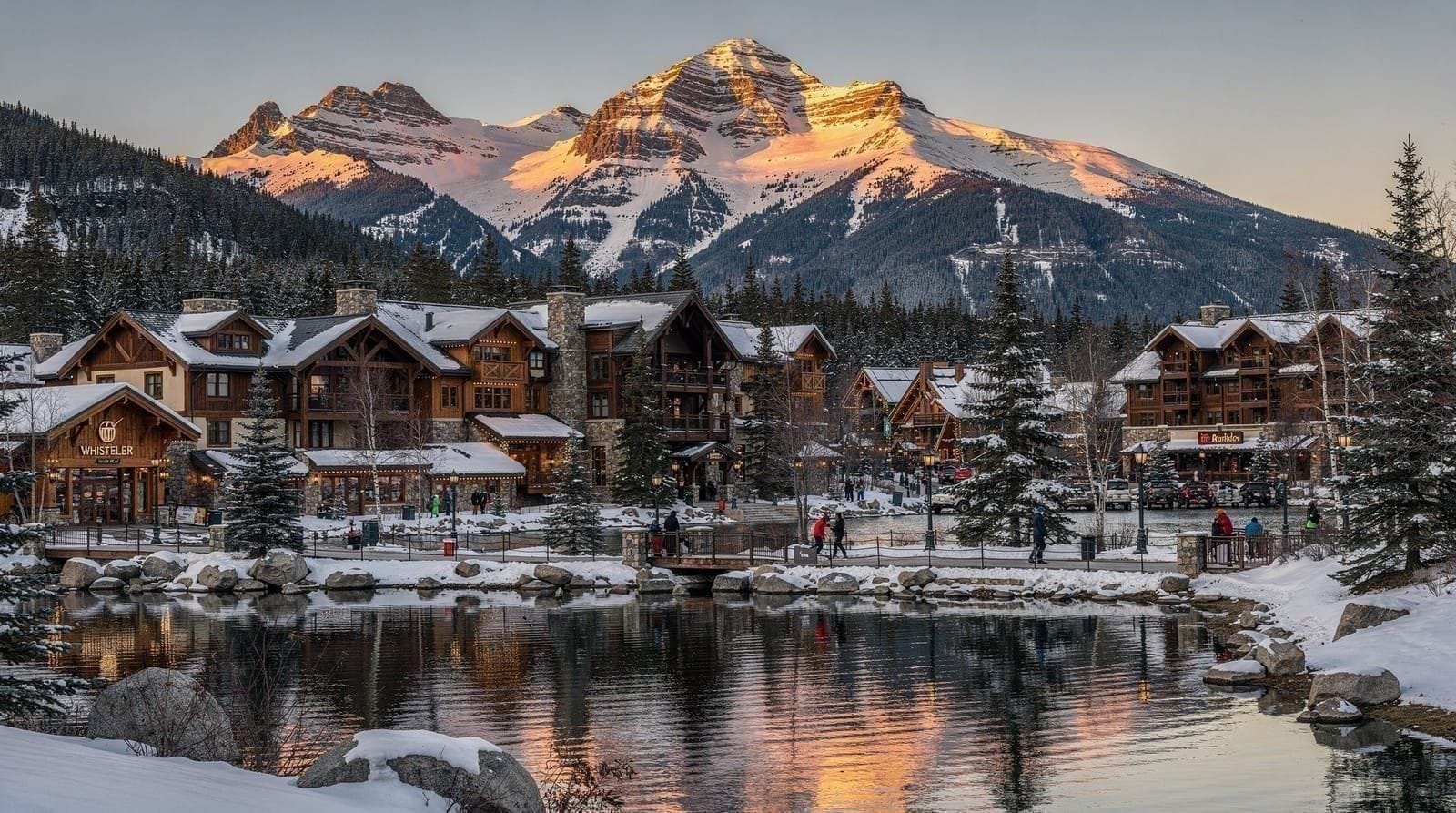
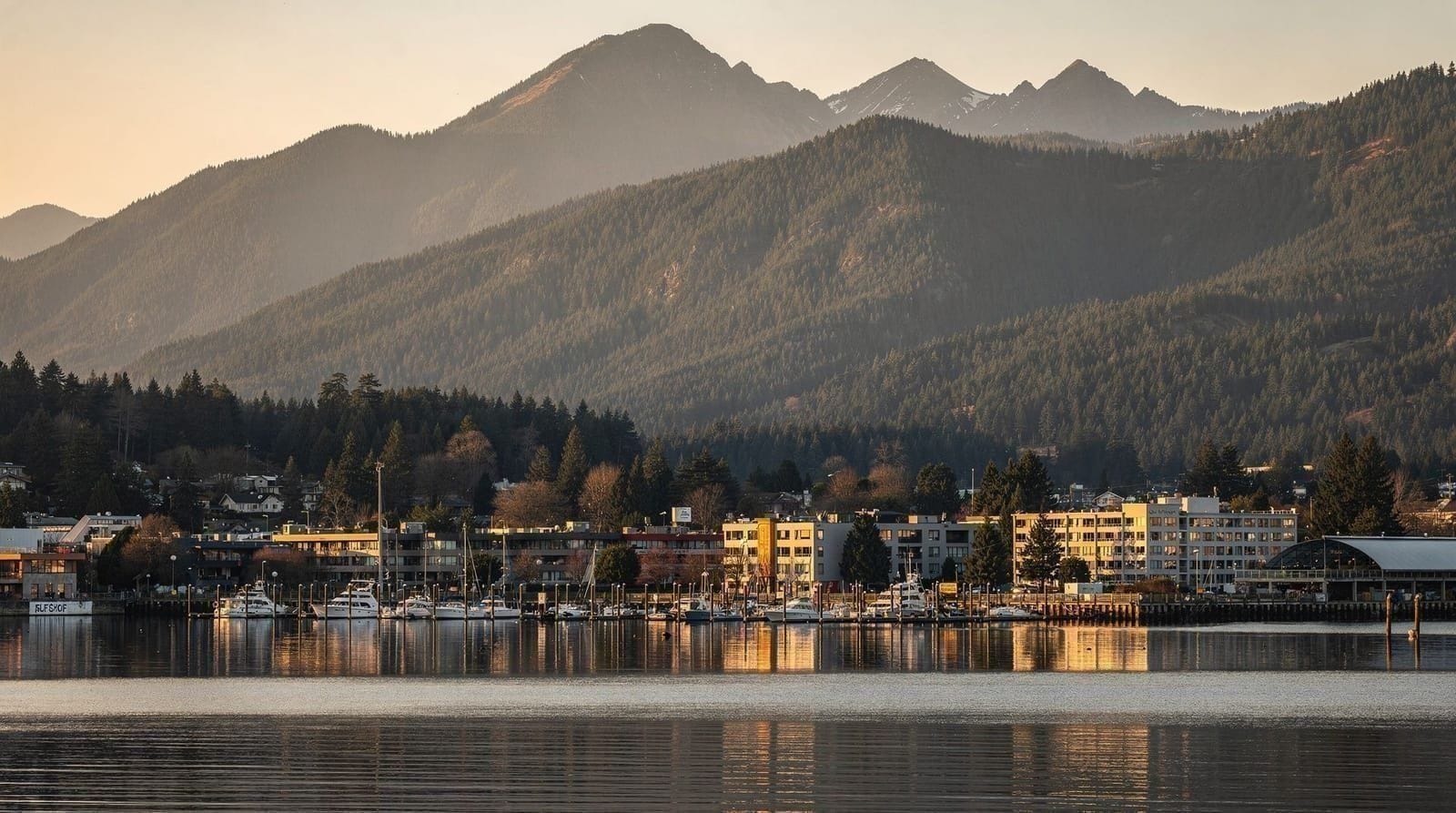
Vancouver outdoor adventure: 5 days of hiking, rafting and ziplining
Vancouver: Indian Arm and Granite Falls Zodiac Boat Tour
Duration: 3 hours
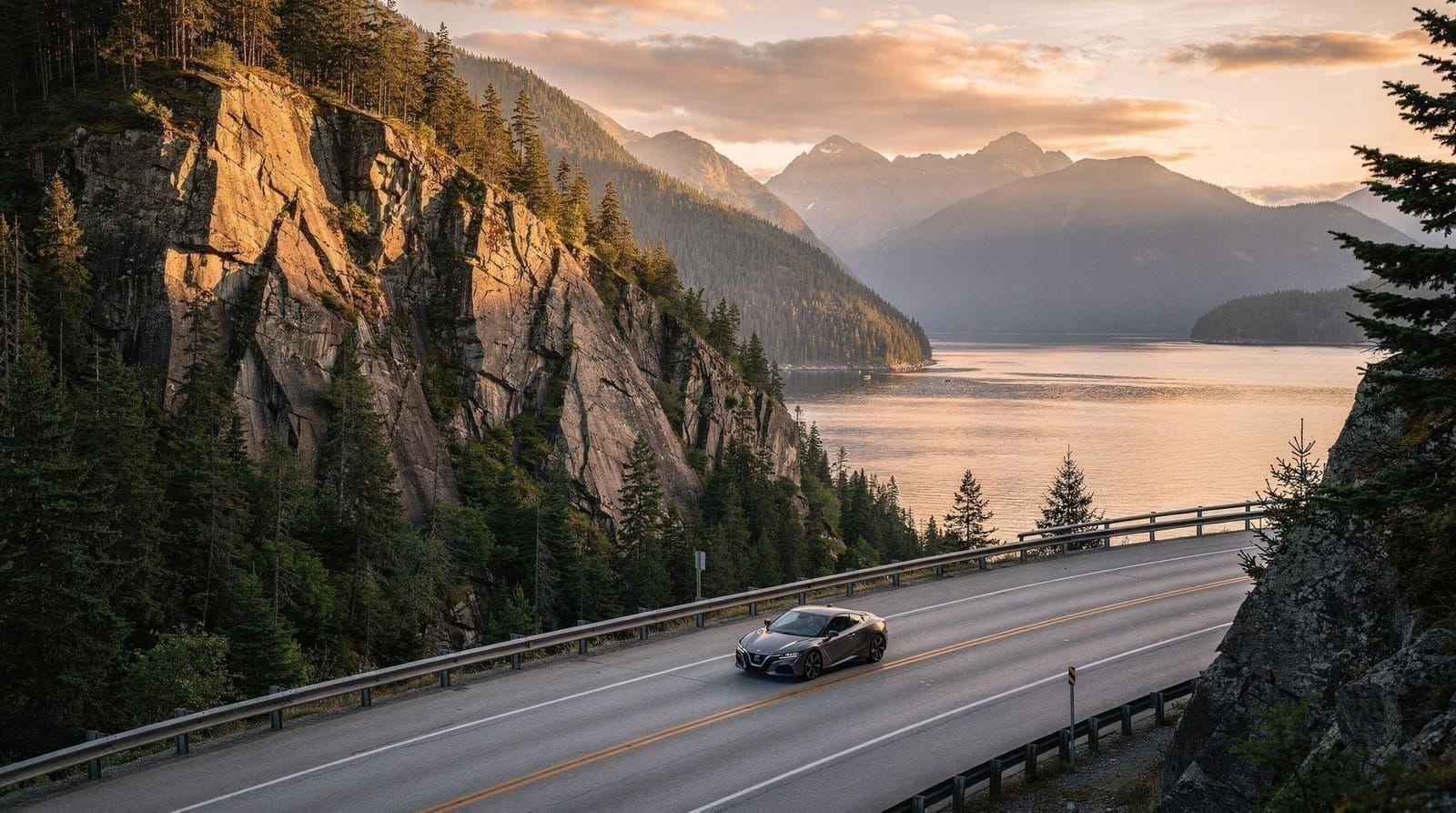
Most Vancouver itineraries default to a fairly relaxed pace — a gondola ride here, a walk through a park there. This one doesn’t. It’s built for travelers who want the region’s outdoor reputation to actually translate into physical activity across the trip: real hiking, whitewater, a fixed-cable climb up an exposed rock face, and ziplining, stacked across five days between the North Shore, Squamish, and Whistler.
| Where | North Shore (Deep Cove), Squamish, Whistler |
| Cost | Around CAD 2,600–3,600 for two people, excl. flights |
| Time needed | 5 days, rental car essential |
| Difficulty | Challenging — real fitness and comfort with heights/exposure needed |
| Best time | May–September, when activities run in full operation |
Who this trip is for, honestly
This is the “challenging” difficulty itinerary on this site for a reason, and it’s worth being direct about what that means. Several days involve multiple hours of sustained hiking or physical exertion, and while the guided adventure activities (via ferrata, rafting, ziplining) don’t require prior experience, they do require a reasonable baseline fitness level and comfort with heights, moving water, and exposed terrain.
If that description doesn’t sound appealing, the Vancouver and Whistler in 5 days itinerary covers similar geography at a considerably gentler pace, or the Sea-to-Sky road trip in 3 days covers some of the same driving route with fewer full-day physical commitments. This itinerary works best roughly May through September, when most of the activities described are running in full operation and daylight hours are long enough to support full activity days.
A rental car is essential here — see our car rental notes for pricing — since this itinerary moves through three distinct areas (North Shore, Squamish, Whistler) on a tight schedule that doesn’t work well relying on transit or shuttles alone. Book activities in advance where possible rather than assuming same-day availability; rafting, via ferrata, and ziplining operators in Squamish and Whistler all run limited daily capacity and commonly sell out on summer weekends.
Day 1: North Shore — Deep Cove and Indian Arm
Start close to the city with a full day on Vancouver’s North Shore. Deep Cove, a small waterfront community at the mouth of Indian Arm, is the base for two genuinely good half-day activities. In the morning, hike to Quarry Rock — about a 3.8-kilometre round trip through second-growth forest to a granite outcrop with a view down Indian Arm, popular enough on summer weekends that an early start meaningfully improves the experience and the parking situation. Our Quarry Rock Deep Cove guide covers trailhead access and timing in more detail.
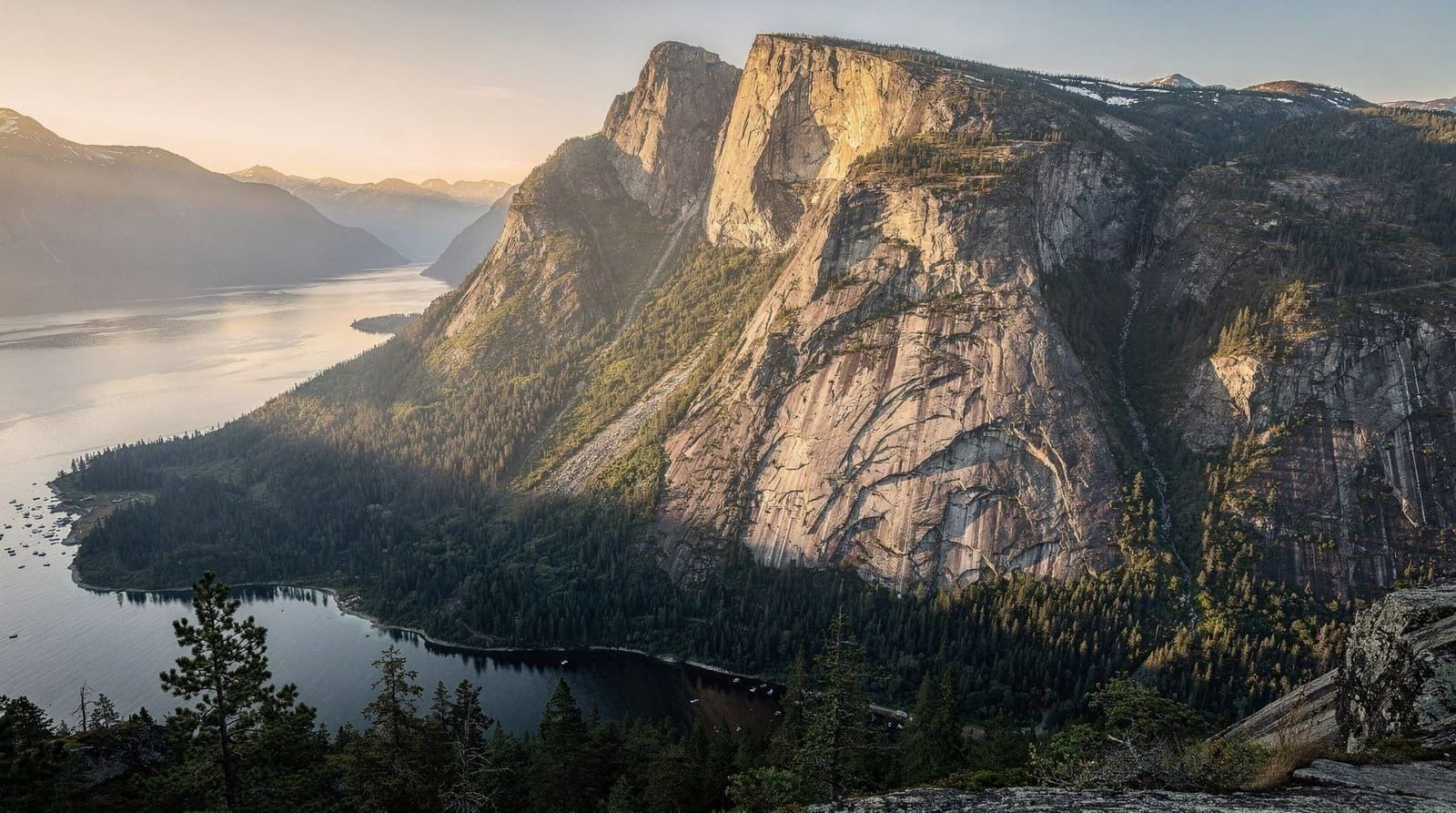
In the afternoon, get out on the water itself with an Indian Arm and Granite Falls Zodiac boat tour, a roughly three-hour trip up the fjord-like inlet to a waterfall accessible only by water, with a decent chance of seal sightings along the way. It’s a lower-intensity activity than the rest of the trip, which makes it a reasonable way to ease into a demanding week rather than front-loading the hardest day first. If you’d rather paddle yourself instead of riding a boat, guided kayaking on Indian Arm is also available locally — see our Indian Arm kayak guide for that alternative.
Base yourself in North Vancouver or downtown Vancouver for the night, since you’ll be heading to Squamish the next morning. If you have a spare hour before dinner, Lynn Canyon, a few minutes from central North Vancouver, offers a free suspension bridge and rainforest trail network as a lower-key alternative or supplement to the Deep Cove hike, worth knowing about if Quarry Rock’s parking is full when you arrive.
Day 2: Squamish — the Stawamus Chief
Squamish has built a genuine identity around outdoor recreation over the past decade or two, driven substantially by the Stawamus Chief, one of the largest granite monoliths in the world and a serious draw for climbers from across North America. Hiking the Chief itself — the First Peak trail runs about 6 kilometres round trip with roughly 600 metres of elevation gain, including sections of steep rock scrambling and fixed chains near the top — is a legitimately demanding half-day to full-day hike, not a casual walk, and worth respecting as such: proper footwear, water, and an early start all matter here, particularly in summer heat.
For a gentler counterpoint to the Chief, or as a second activity if you tackle the hike in the morning, the Sea to Sky Gondola climbs to 885 metres in about 10 minutes and includes its own network of shorter, more accessible hiking trails plus a suspension bridge and viewing platform. A Sea to Sky Gondola admission ticket is worth adding even on a hiking-focused day, since the summit trails and viewpoints offer a different vantage on the same landscape you’ll have just climbed on foot from the valley floor.
Overnight in Squamish — Executive Suites Hotel & Resort Squamish and Sandman Hotel & Suites Squamish are both reasonable mid-range bases. Backcountry Brewing and A-Frame Brewing both draw a genuine local crowd after a long trail day, which is as good a way as any to end a demanding first full day.
Day 3: Squamish — rafting or rock climbing
Squamish’s rivers and rock both deserve a full day of their own, and which one you choose depends on what kind of physical challenge appeals more. A guided Elaho Exhilarator whitewater rafting trip runs Class III and IV rapids on the Elaho and Squamish rivers, roughly 45 minutes from town — genuinely physical, with real paddling effort required from everyone in the raft rather than a passive float, and best in late spring through mid-summer when snowmelt keeps water levels and excitement high; by late summer, flows drop and the ride mellows out.
Alternatively, rock climbing in Squamish is accessible to complete beginners through half-day guided introductory sessions on the lower walls of the Chief and nearby crags — no prior experience required, though a reasonable comfort level with heights and some upper-body stamina both help. Squamish’s granite is considered some of the best sport and trad climbing rock in Canada, and even a beginner session gives a genuine taste of why the town draws serious climbers internationally.
Either activity fills most of a day. If you have energy left in the late afternoon, the drive from Squamish to Whistler is only 55–65 minutes, so consider relocating to Whistler this evening rather than waiting until day 4, giving yourself a full uninterrupted morning there the next day.
Day 4: Whistler — via ferrata and alpine terrain
Whistler Mountain’s alpine terrain is the setting for one of the more genuinely adventurous guided activities on this whole itinerary: the Whistler Mountain Via Ferrata climbing experience, which uses a fixed system of cables, rungs, and ladders bolted into an exposed alpine rock face, letting non-climbers do real scrambling and exposure with a guide and full safety equipment.
It runs roughly 3 to 4 hours, requires a reasonable fitness level and a genuine comfort with heights and exposed terrain, but doesn’t require prior climbing experience — the fixed protection system is specifically designed to make this kind of terrain accessible to people who haven’t climbed before.
Pair it with a scenic ride on the Peak 2 Peak Gondola, which connects Whistler and Blackcomb’s summits in an 11-minute crossing, and if you have energy left, one of the alpine hiking trails accessible from the top — the High Note Trail is the best-known, with genuinely serious payoff views for a moderate amount of additional walking, generally open July through September depending on snowpack.
Day 5: Whistler — ziplining and the drive back
For a lower-commitment but still genuinely fun final adventure activity, the Ziptrek Eagle zipline tour runs a series of ziplines through old-growth forest suspended between Whistler and Blackcomb mountains, roughly three hours including the forest walks connecting each line. It’s a reasonable way to close out a physically demanding week with something that delivers real adrenaline without requiring the sustained exertion of the earlier days.
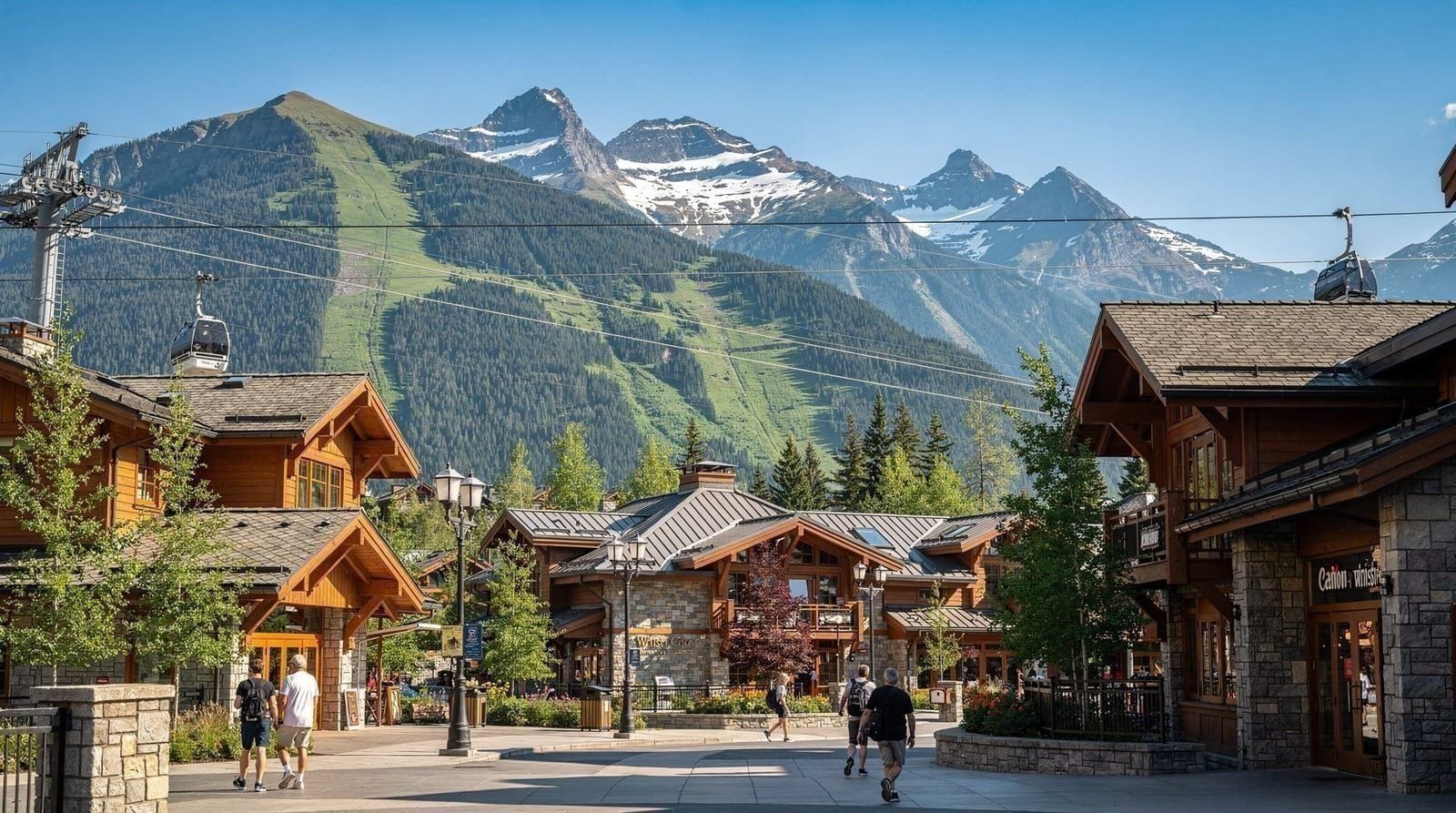
Have a final lunch in Whistler Village — Peaked Pies is fast and casual if you’re pressed for time before the drive, while Elements Urban Tapas Parlour works well for a slightly longer final meal. Plan the drive back to Vancouver for early-to-mid afternoon to avoid the worst of Sunday southbound traffic on Highway 99 between Squamish and Horseshoe Bay; the drive itself runs about 1 hour 45 minutes without stops.
Fitness and preparation notes
Being honest about the physical demands of this trip up front saves a lot of frustration mid-week. The Stawamus Chief hike on day 2 and the rafting or climbing on day 3 are both genuinely tiring, and stacking the via ferrata on day 4 without adequate recovery can turn what should be an exciting activity into a grind if you’re not reasonably fit going in. If you’re not a regular hiker or gym-goer, consider building in some cardio and leg-strength preparation in the weeks before the trip, or spacing this itinerary’s activities across six days instead of five by adding a rest day between Squamish and Whistler.
Weather is also a bigger factor on this itinerary than on a more sightseeing-focused trip. Rafting trips can be postponed or rerouted around unsafe water levels after heavy rain, via ferrata and ziplining operators typically pause in electrical storms or high wind, and the Chief’s exposed rock scramble sections turn genuinely hazardous when wet. Build a buffer day into your plans if you can, or at minimum, check with each operator the day before rather than assuming a fixed schedule will hold regardless of conditions.
Proper footwear matters more on this trip than on most Vancouver itineraries — trail runners or light hiking boots with real tread for the Chief and Quarry Rock hikes, and closed-toe shoes generally required for the rafting and via ferrata activities regardless. Bring layers even in summer; alpine temperatures at the top of the gondolas run noticeably cooler than the valley floor, sometimes by 10 degrees Celsius or more, and via ferrata and ziplining both put you at elevation and in the wind for extended periods.
Budget for this trip
Adventure activities carry their own cost beyond standard sightseeing — figure CAD 150–220 per person for a half-day rafting or via ferrata session, CAD 100–150 for ziplining, and CAD 60–100 for the Sea to Sky Gondola and other admission tickets. Across five days for two people, including mid-range hotels in Squamish and Whistler, meals, the rental car, and the adventure activities themselves, a realistic total lands around CAD 2,600–3,600, excluding flights.
For hikers and climbers who’d rather spend less on guided adventure activities and more time on free trails, the Stawamus Chief hike, Quarry Rock, and the alpine trails accessible from Whistler’s gondolas are all genuinely worthwhile on their own with no ticket required beyond the gondola access itself — see our best hikes in Vancouver guide for a broader list if you want to swap in more free trail time and fewer paid activities.
Alternative pacing
Five days of this intensity isn’t for everyone, and there’s no shame in stretching it out. A common adjustment is to add a sixth day and split the Squamish adventure activities (rafting or climbing) and the Stawamus Chief hike across two separate days rather than one, giving legs and energy levels a full night’s recovery between the two most demanding single days on the itinerary. Another option is to drop one of the guided adventure activities entirely — via ferrata and ziplining cover somewhat similar ground in terms of the adrenaline they deliver, so cutting one in favor of more unstructured hiking time is a reasonable way to both save money and reduce the physical load without meaningfully changing the character of the trip.
Who should not do this itinerary as written
Being direct about the flip side of “who this trip is for”: if you have a fear of heights that goes beyond ordinary nervousness, a knee or back condition that flares up on descents, or you’re traveling with kids under about 12, this itinerary in its full form is a poor fit. The via ferrata and Chief scramble both involve genuine exposure that isn’t well suited to reassurance alone, and the rafting’s Class III–IV water requires everyone in the raft to paddle effectively, not just hang on.
If part of your group fits this description but others don’t, consider splitting days — non-climbers can do the Sea to Sky Gondola’s easier trails while others attempt the Chief, and the gentler Vancouver and Whistler in 5 days itinerary covers the same towns for anyone sitting days out.
Five-day snapshot
| Day | Focus | Overnight |
|---|---|---|
| 1 | Deep Cove: Quarry Rock hike, Indian Arm boat tour | North Vancouver/Vancouver |
| 2 | Stawamus Chief hike, Sea to Sky Gondola | Squamish |
| 3 | Whitewater rafting or rock climbing | Squamish or Whistler |
| 4 | Via ferrata, Peak 2 Peak Gondola, alpine trails | Whistler |
| 5 | Ziplining, drive back to Vancouver | — |
Recovery and rest-day options
Because days 2 through 4 stack real physical exertion back to back, it’s worth knowing what a lower-key recovery option looks like without abandoning the trip’s outdoor theme. In Squamish, a slow walk around Alice Lake or a relaxed brewery-patio afternoon substitutes fine for a rest morning without losing a full day. In Whistler, the Village Stroll and a soak in a hotel hot tub cover the same need — Whistler’s alpine spa culture is well developed precisely because so many visitors arrive having just skied or hiked hard. If your legs are genuinely spent by day 4, it’s entirely reasonable to swap the via ferrata for the gentler Peak 2 Peak Gondola ride alone and save the fixed-cable climb for a return trip.