Vancouver's hidden gems that aren't actually secret, just overlooked
Most “hidden gems of Vancouver” lists recycle the same five spots that show up on every travel blog, which defeats the point. The genuinely overlooked places tend to be overlooked for a specific, honest reason — they’re a bit farther out, they require a bit more planning, or they’re simply not photogenic enough for a single Instagram post. That doesn’t make them less worthwhile; it makes them the places that reward an extra day in the city.
| Where | Deep Cove, Commercial Drive, Lighthouse Park, North Vancouver, Pacific Spirit Park, Steveston |
| Cost | Mostly free or low-cost; food tours and kayak rentals extra |
| Time needed | Half-day per spot; best added to a trip of 4+ days |
| Getting there | Deep Cove/Commercial Drive/North Van by transit; Steveston/Lighthouse Park easier with a car |
| Best for | Repeat visitors or anyone with a flexible extra day |
Deep Cove and Quarry Rock
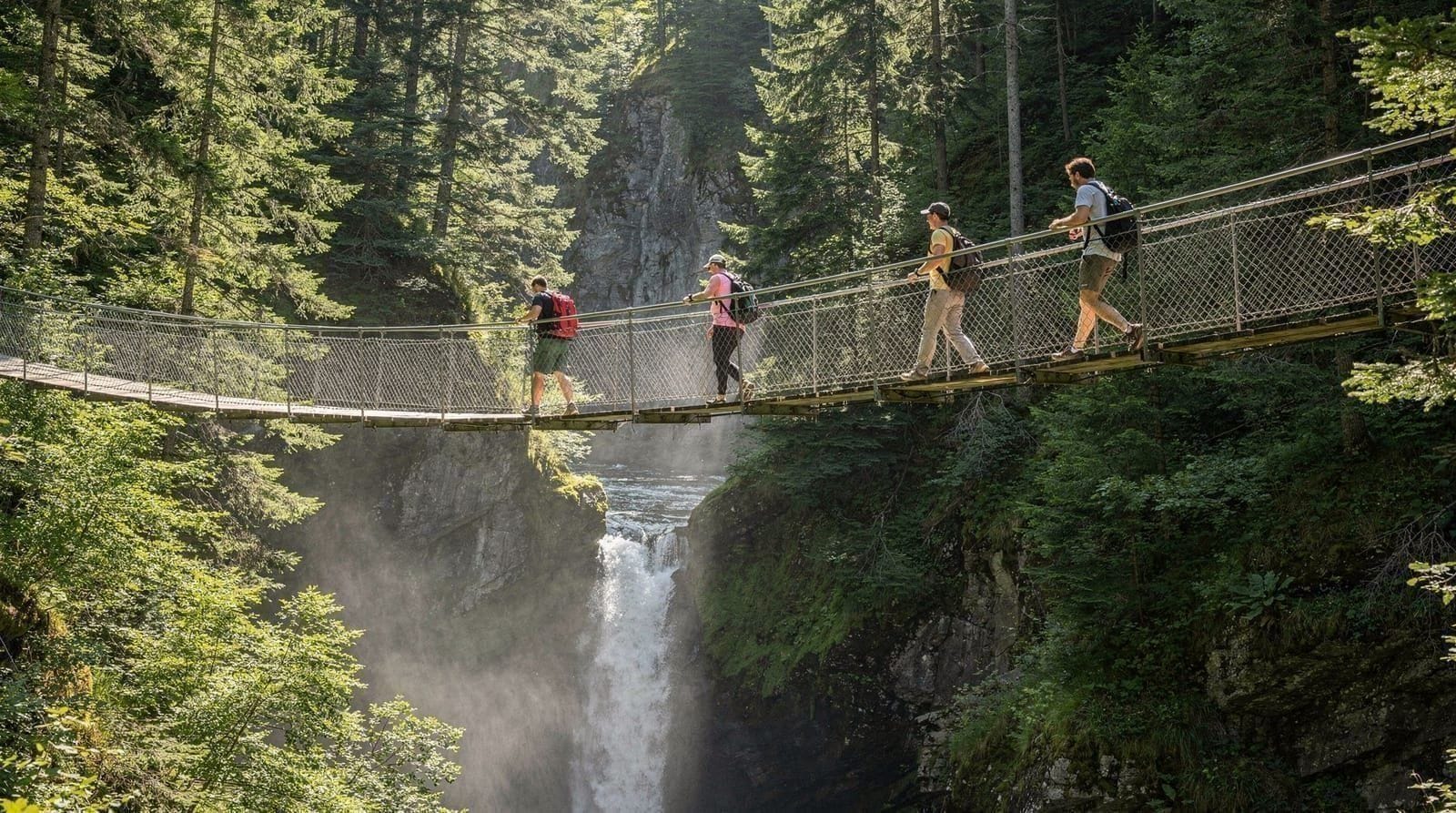
Deep Cove, a small village at the end of Indian Arm in North Vancouver, gets a fraction of the visitors that Capilano or Grouse Mountain see despite sitting in the same general area. The Quarry Rock hike is a moderate 3.8km round-trip trail through second-growth forest to a granite outcrop with sweeping views over Indian Arm — genuinely one of the better viewpoint-to-effort ratios in the region, and far less crowded than the North Shore’s headline attractions.
Deep Cove itself has a small marina, a well-regarded doughnut shop that locals actually queue for, and kayak rental options for anyone wanting to extend the visit onto the water — a guided Vancouver kayak tour is a reasonable option for anyone without their own paddling experience who still wants to get out on Indian Arm.
Commercial Drive
Commercial Drive, often just called “The Drive” locally, is East Vancouver’s bohemian, immigrant-shaped commercial strip — independent cafes, secondhand bookshops, and a genuinely different feel from the polished retail of downtown or Yaletown. It rarely appears on first-timer itineraries because it’s not near any single headline attraction, which is exactly why it feels distinct rather than curated for visitors. It’s a reasonable half-day add-on for travelers with an extra afternoon and an interest in how Vancouver actually functions as a city beyond its postcard sights.
Lighthouse Park
Overshadowed by Stanley Park and rarely mentioned in the same breath, Lighthouse Park in West Vancouver has old-growth Douglas fir forest — some trees genuinely centuries old — and a working lighthouse (Point Atkinson) on a rocky point overlooking the Strait of Georgia. The trail network is more rugged and less manicured than Stanley Park’s seawall, which is part of the appeal for visitors who’ve already done the more famous park and want something quieter.
North Vancouver’s Shipyard District
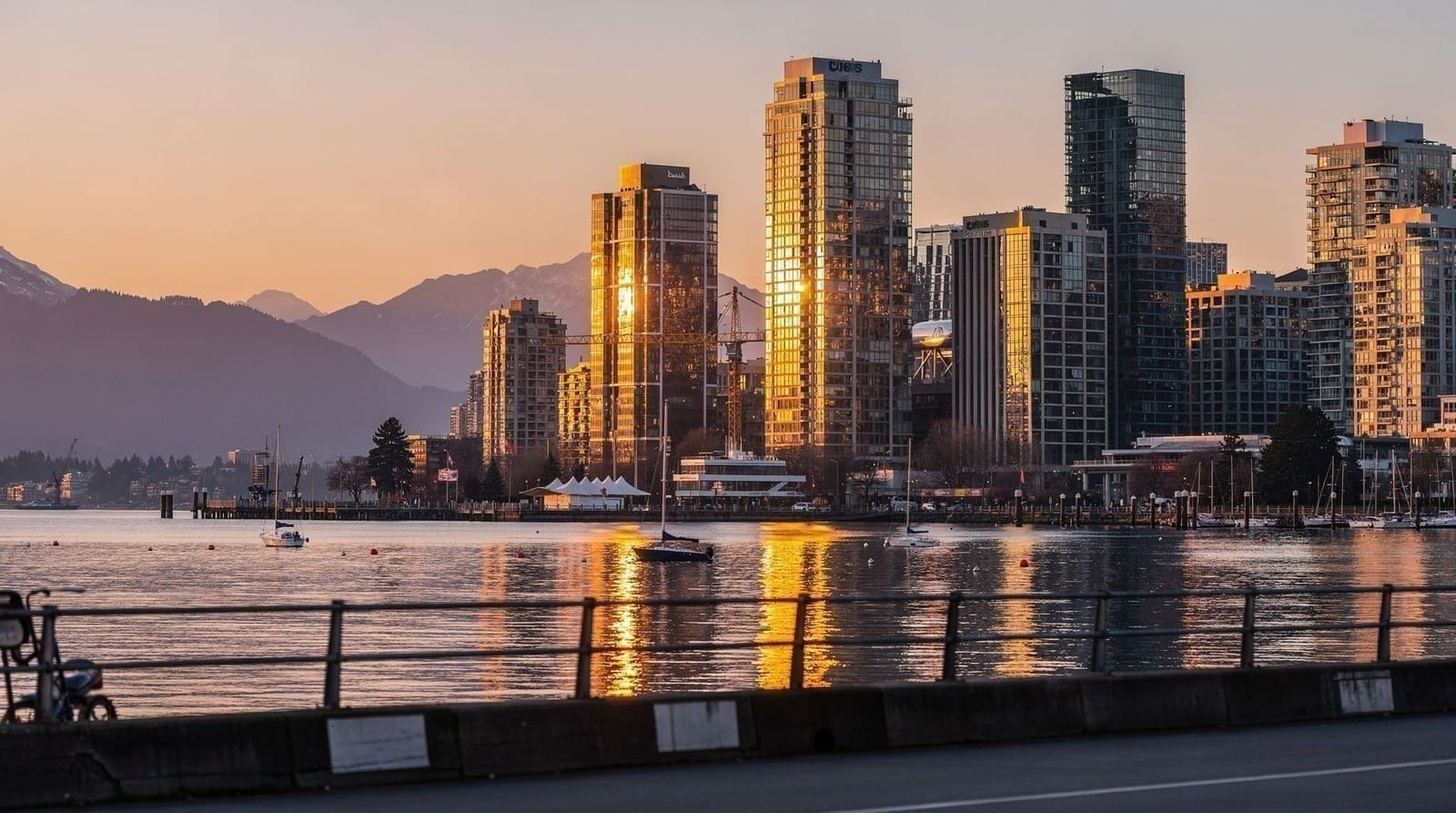
The Lower Lonsdale waterfront in North Vancouver, reachable by a short and genuinely scenic SeaBus crossing from downtown, has redeveloped into a food-and-market district that most visitors skip entirely in favor of Capilano and Grouse Mountain farther up the hill. A Shipyard food tour covers the area’s restaurants and market stalls, and the SeaBus crossing itself — a 12-minute harbor crossing included in a standard TransLink fare — is a legitimately underrated Vancouver experience on its own, offering a waterline view of the city skyline that most tourists never see.
Pacific Spirit Regional Park
Adjacent to UBC and far larger than most visitors realize, Pacific Spirit Park has over 70km of trails through second-growth and pockets of old-growth forest, without the crowds of Stanley Park. It’s less curated and less scenic in a postcard sense, but it delivers a genuinely quiet forest walk within city limits — a rarity most visitors don’t realize exists so close to downtown.
Steveston
Steveston, a historic fishing village within Richmond, has a working fisherman’s wharf where boats sell fresh-caught seafood directly off the dock, plus a well-preserved cannery museum and a genuinely photogenic historic waterfront. It sits about 30-40 minutes from downtown by car or transit and rarely makes it onto shorter itineraries, which keeps it feeling like a working village rather than a tourist attraction, despite being an easy day out.
Bill Reid Gallery and Indigenous art beyond the Museum of Anthropology
The Museum of Anthropology at UBC gets most of the attention for Indigenous Northwest Coast art, and deservedly so, but the smaller Bill Reid Gallery downtown offers a more compact, focused version of the same cultural depth without requiring the trip out to UBC — a genuinely underused stop for visitors with limited time who still want a meaningful cultural detour beyond the standard sightseeing loop.
Comparing the main hidden gems
| Spot | Effort | Cost | Best for |
|---|---|---|---|
| Deep Cove / Quarry Rock | Moderate hike | Free (kayak rental extra) | Best viewpoint-to-effort ratio |
| Commercial Drive | Low — walkable | Free (cafés/shops extra) | Local, non-touristy neighbourhood feel |
| Lighthouse Park | Low — flat trails | Free | Old-growth forest without Stanley Park’s crowds |
| North Van Shipyard District | Low — SeaBus + walk | Free (food tour extra) | Food, market stalls, harbour views |
| Pacific Spirit Park | Low to moderate | Free | Quiet forest walk near UBC |
| Steveston | Low — drive or transit | Free (seafood extra) | Working fishing village, cannery museum |
Why these stay overlooked
None of these spots are secret in the sense of being unknown to locals — Deep Cove and Commercial Drive in particular are well-loved by Vancouverites. They’re overlooked by visitors specifically because rushed itineraries default to the highest-name-recognition attractions — Capilano, Grouse Mountain, Granville Island — and rarely leave room for a detour that isn’t already on a “top 10” list. The honest trade is time: seeing these spots means giving up something else, usually a repeat visit to a headline attraction or a second North Shore stop.
Fitting them into a trip
Travelers with three days or fewer should generally stick to the headline sights covered in the 3-day first-timer itinerary rather than diluting a short trip across too many lesser-known spots. For a 4-day or longer stay, swapping one “obvious” activity for a half-day at Deep Cove or Commercial Drive tends to produce a more memorable trip than doing every headline attraction back to back. The honest gems in Vancouver aren’t hidden so much as deprioritized by time-pressured itineraries — giving one of them room is usually the easiest upgrade available to a repeat visitor or anyone with a flexible extra day.
How to find these without over-planning
None of these spots require the level of pre-booking that a headline attraction like Capilano or a whale watching tour does — most are free or low-cost, don’t operate on fixed timed-entry systems, and reward a bit of spontaneity more than a rigidly scheduled visit. That’s part of what makes them work well as a flexible addition to a trip: if a planned activity gets rained out or a booking falls through, a half-day redirected to Deep Cove, Commercial Drive, or Pacific Spirit Park tends to salvage the day rather than leaving a hole in the itinerary.
The trade-off is that these places don’t come with the same built-in narrative that a guided tour of a headline attraction provides — there’s no lumberjack show or grizzly bear habitat waiting at the end. Visitors who enjoy a bit of independent exploration, reading a trail map or wandering a neighborhood without a fixed script, get more out of this list than visitors who prefer a fully guided, narrated experience throughout. Both approaches are valid; it’s worth being honest about which kind of traveler is planning the trip before building a full day around any of these.
A note on cost and time budgeting
None of these seven spots require the kind of admission fee or pre-booked ticket that a headline attraction does, which makes them a genuinely low-risk addition to a trip — worst case, a half-day at Commercial Drive or Pacific Spirit Park costs nothing beyond a coffee or lunch, versus the sunk cost of a missed timed-entry ticket at a paid attraction. That asymmetry is worth weighing when deciding whether to swap a “sure thing” headline sight for one of these: the downside of trying a hidden gem and finding it underwhelming is genuinely small, while the upside of finding a new favourite is considerably larger.
Frequently asked questions about Vancouver’s lesser-known spots
What’s the single best hidden gem for a first-time visitor with just one extra afternoon?
Deep Cove and the Quarry Rock hike — it delivers a strong viewpoint-to-effort ratio, sits close enough to the city for a half-day trip, and offers a genuinely different, quieter experience than the North Shore’s headline attractions.
Are these places actually unknown to locals?
No — most, like Deep Cove and Commercial Drive, are well-loved by Vancouverites. They’re overlooked specifically by visitors, whose itineraries default to the highest name-recognition attractions rather than local-favorite spots without a single headline draw.
Is Pacific Spirit Park a substitute for Stanley Park?
Not exactly — it’s a different kind of experience. Stanley Park combines seawall, beaches, and forest in a curated package; Pacific Spirit Park is a larger, less manicured forest trail network better suited to visitors who’ve already done Stanley Park and want a quieter walk.
Is Steveston worth the trip from downtown?
For visitors with a spare half-day, yes — the working fishermen’s wharf and cannery museum offer a genuinely different, less touristy waterfront experience than Granville Island, though it requires 30-40 minutes of travel each way.
Should a first-time visitor prioritize hidden gems over headline attractions?
No — for a trip of three days or fewer, the headline sights are still the better use of limited time. Hidden gems earn their place on a fourth day or later, or for a repeat visitor who’s already covered the essentials.
Are any of these spots good for a rainy day?
The North Vancouver Shipyard District and its food tour hold up well in light rain, since much of the itinerary moves between indoor market and restaurant stops. Outdoor trail-focused spots like Pacific Spirit Park or Lighthouse Park lose more of their appeal in sustained rain, given wet, potentially slippery forest paths.
Do I need a car to reach these hidden gems?
Deep Cove, Commercial Drive, and the North Vancouver Shipyard District are all reachable by public transit, though Deep Cove requires a bus connection beyond the SeaBus. Steveston and Lighthouse Park are more comfortably reached with a car, though transit options exist for both with a longer overall travel time.
Is Bill Reid Gallery worth visiting instead of the Museum of Anthropology?
They complement rather than replace each other — Bill Reid Gallery offers a compact, downtown-accessible dose of Indigenous Northwest Coast art for visitors short on time, while the Museum of Anthropology at UBC offers a far larger, more comprehensive collection worth the trip out for anyone with a full afternoon to spare.
What’s the best hidden gem to pair with a Stanley Park day?
Deep Cove and Quarry Rock, since both sit within a reasonable half-day of a Stanley Park morning without requiring a full day trip’s worth of travel — the Stanley Park guide covers the park’s own attractions for anyone building this into a fuller day.