A realistic 3-day Vancouver plan for first-time visitors
Three days is enough time to see Vancouver’s core sights properly without rushing, but only if the itinerary respects two things most first-timers underestimate: how long it actually takes to get to the North Shore attractions, and how much a jet-lagged first day should be scaled back. This is a version built around both.
| Where | Downtown, Stanley Park, Granville Island, North Shore |
| Cost | Around CAD 150-250/person/day, food + transit + attractions |
| Time needed | 3 full days |
| Getting there | Canada Line SkyTrain from YVR, TransLink for the rest |
| Best time | Year-round, adjust day 3 for season (whale watching June-Sept) |
Day 1: downtown, adjusted for arrival fatigue
Most international arrivals land at YVR in the morning or early afternoon after an overnight flight, so day one should be lighter than the itinerary’s own instincts suggest. From the airport, the Canada Line SkyTrain reaches downtown in about 23 minutes for roughly CAD 10 including the YVR AddFare — faster and cheaper than a taxi, which runs CAD 35-55 and 30-40 minutes depending on traffic.
Rather than packing the first afternoon with a major attraction, a walk through Gastown works well — cobblestone streets, the steam clock, and a manageable amount of standing and walking that doesn’t demand much focus from a tired brain. A self-guided smartphone tour of Gastown lets the pace stay flexible, which matters more on arrival day than any other. Chinatown sits a short walk away and makes a natural, low-effort dinner stop.
Save anything requiring real stamina or a fixed tour time for day two, once the worst of the jet lag has settled.
Day 2: Stanley Park and the waterfront
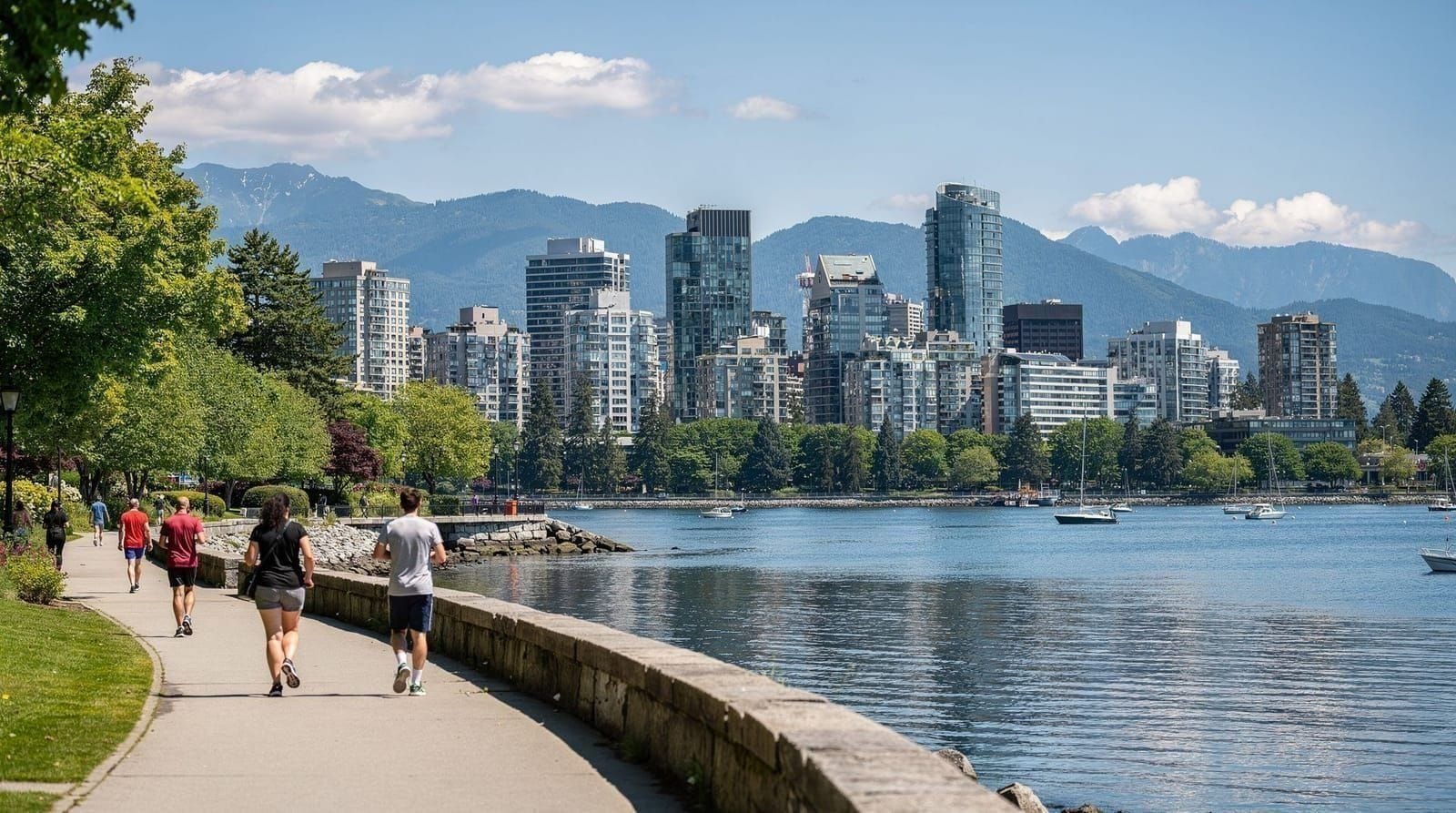
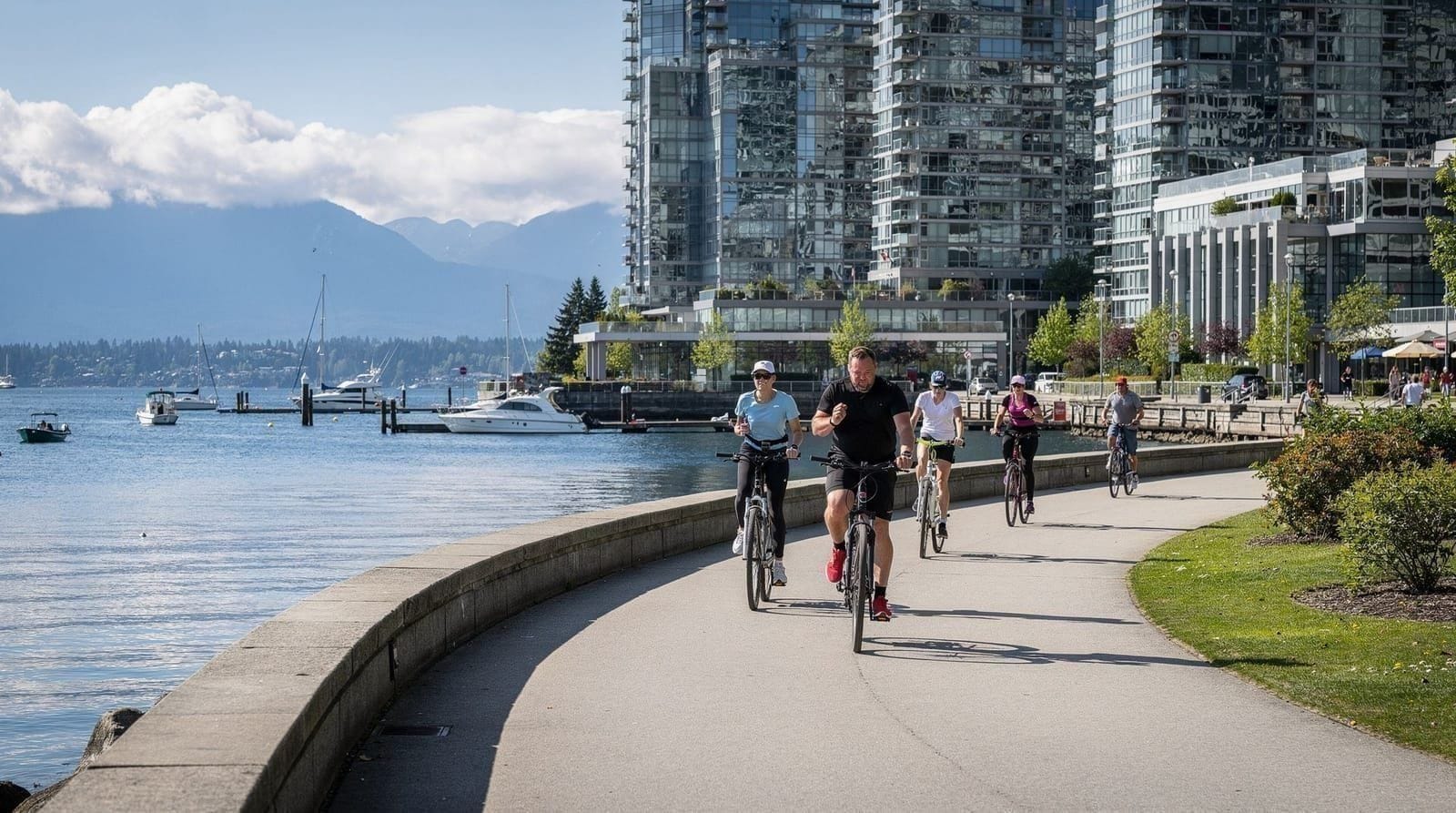
This is the day to cover Stanley Park properly. The full seawall loop runs about 9km and takes roughly 3-4 hours on foot, which is a lot for a single day alongside other sightseeing — a Stanley Park bicycle tour covers the same ground in under two hours and leaves the rest of the day open.
From the park, it’s a short trip to Granville Island, where the Public Market alone is worth an hour of browsing — fresh produce, seafood vendors, and the kind of food stalls that make a reasonable lunch stop without needing a sit-down restaurant. Granville Island Brewing, Canada’s first microbrewery, runs short tours for under CAD 10 with tasting flights around CAD 7, a low-commitment way to close out the afternoon before heading back downtown or to Yaletown for dinner.
Evening options depend on energy levels — Yaletown’s restaurant scene is a reasonable, walkable choice from most downtown hotels, and it doesn’t require any additional transit planning after a full day of it.
Day 3: the North Shore, budgeted honestly
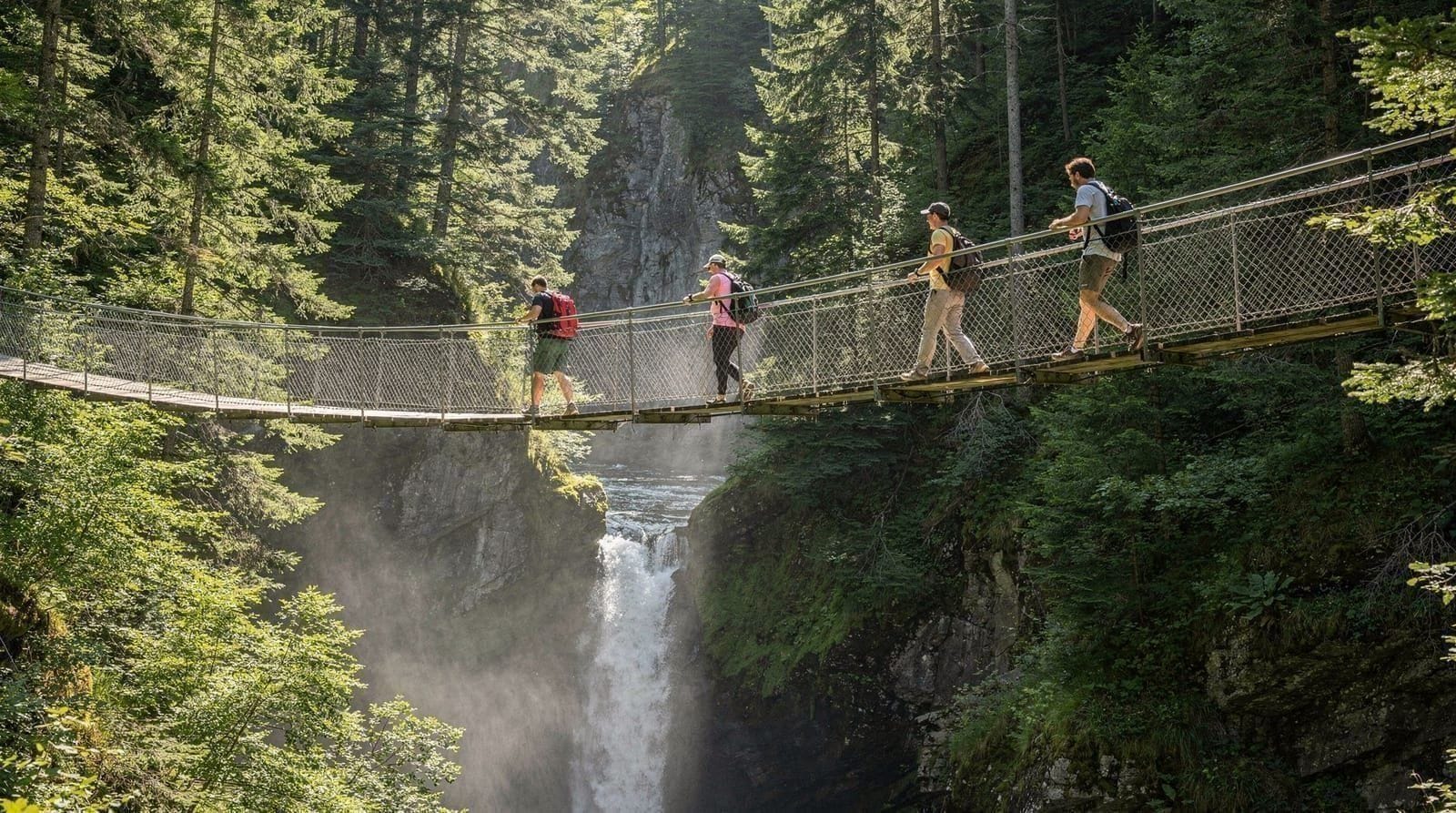
This is where most first-timer itineraries go wrong — they underestimate how much time Capilano Suspension Bridge and Grouse Mountain actually take once travel time, lines, and the sites themselves are factored in. Both sit in North Vancouver, roughly 20-30 minutes from downtown by car or shuttle, and each deserves 2-3 hours on-site — Capilano for the bridge itself, the Treetops Adventure canopy walkway, and the Cliffwalk; Grouse for the Skyride gondola, viewpoints, and (in season) the grizzly bear habitat.
Trying to fit both plus a full city day is the single most common overreach in first-timer planning. A combined Capilano and Grouse Mountain day tour handles the transit logistics and pacing for both in a single organized day, which is usually a better use of a third day than attempting to self-drive both plus additional stops. For travelers who’d rather pick just one, the Capilano vs. Lynn Canyon comparison is worth reading — Lynn Canyon offers a free suspension bridge and rainforest trails as a genuine (if smaller-scale) alternative if the CAD 35-45 Capilano admission feels steep for the visit.
What this itinerary deliberately skips
Three days isn’t enough time to add a full Whistler or Victoria day trip without cutting something from the core city plan, and first-timers are usually better served seeing Vancouver properly than rushing a day trip that ends up feeling compressed. Travelers with a fourth day available should look at the 4-day Vancouver itinerary, which adds room for exactly this kind of regional extension without sacrificing the city fundamentals.
This plan also skips FlyOver Canada and the Vancouver Lookout, both genuinely worthwhile but easiest to slot into a rainy backup day rather than a clear-weather three-day plan — see what to do in Vancouver when it rains if the forecast doesn’t cooperate.
Budget and logistics notes
A Compass Card, TransLink’s reloadable fare card, covers SkyTrain, SeaBus, and buses across the three days for a fraction of the cost and hassle of taxis for in-city travel — one-zone fares run CAD 2.85, with a 90-minute transfer window covering multiple legs on a single fare. Day passes are worth it for anyone planning several transit trips in a single day, like the North Shore excursion on day three.
Mid-range daily spending for food, transit, and moderate attraction admissions typically lands around CAD 150-250 per person, not counting accommodation — a figure that swings meaningfully based on how many paid attractions get added versus how much time is spent on free options like the seawall walk or West End neighborhood wandering. Travelers working with a tighter budget should look at the Vancouver on a budget guide for ways to trim this plan without losing the core experience.
Adjusting for the season
This three-day structure holds up across most of the year with minor swaps — cherry blossoms in early April, whale watching tours slotted into day two or three between June and September, or a covered-market and museum focus if the visit falls in the wetter November-to-February stretch. The core logic — light arrival day, city-and-park day two, North Shore day three — is the part worth keeping regardless of when the trip happens to land.
Common mistakes this itinerary is built to avoid
The most frequent first-timer mistake is scheduling a major, weather-dependent attraction on the arrival day, when jet lag and flight delays make timing unreliable — this plan deliberately keeps day one light for exactly that reason. The second most common mistake is underestimating North Shore travel time: Capilano and Grouse Mountain look close to downtown on a map, but between transit or shuttle time, lines at peak hours, and the time each site actually deserves, cramming both into a half-day alongside other plans routinely leaves visitors rushing through one or both.
A third mistake worth flagging is over-scheduling day two. Stanley Park and Granville Island are both substantial on their own, and adding a third major stop — a common instinct once the itinerary is already moving — tends to produce a day that feels like a checklist rather than a visit. Leaving intentional slack, even just an unplanned hour for a café stop or extra time at the market, tends to produce a better first impression of the city than a fully packed schedule.
Adjusting the plan for a longer layover or late arrival
Not every first-timer lands with a full three clear days. For a late-evening arrival that effectively removes day one, shifting the Stanley Park and Granville Island day to day one (starting later, moving at a gentler pace) and pushing the North Shore excursion to day two works reasonably well, provided the traveler accounts for needing an earlier start on day two to fit everything in.
For visitors extending beyond three days specifically because of a delayed or early flight, treating the extra half-day as flexible buffer — a rain backup, an extra hour at whichever stop was rushed, or a look at one of the hidden gems covered elsewhere — tends to work better than trying to force in an entirely new full attraction.
The plan at a glance
| Day | Focus | Pace |
|---|---|---|
| Day 1 | Arrival, Gastown, Chinatown | Light — arrival fatigue |
| Day 2 | Stanley Park Seawall, Granville Island, Yaletown | Full but flexible |
| Day 3 | Capilano or Grouse Mountain, North Shore | Full, booked ahead |
What to eat along the way
Food logistics matter more than most itineraries admit. Day one’s Chinatown dinner is a low-effort way to end a jet-lagged day without needing a reservation. Day two’s Granville Island Public Market lunch doubles as sightseeing, and Yaletown covers a walkable dinner scene from most downtown hotels. The Vancouver food guide has the fuller neighbourhood-by-neighbourhood breakdown if food is a bigger priority than this compressed version allows for.
Where to stay for this specific plan
Downtown Vancouver, the West End, or Yaletown all work well for this itinerary, since each sits within a short walk or single SkyTrain hop of Gastown, the Seawall entrance, and the transit connections needed for the North Shore day. Staying further out — Kitsilano or Commercial Drive, for instance — trades a bit of convenience for lower hotel costs, which matters more on a budget-conscious trip than on a tightly time-boxed three-day visit where transit minutes add up across three packed days.
Frequently asked questions about a 3-day Vancouver trip
Is 3 days enough time to see Vancouver properly?
For the city’s core sights, yes — Stanley Park, Granville Island, Gastown, and one North Shore attraction fit comfortably into three days without feeling rushed, provided the first day stays light to account for arrival fatigue. It’s not enough time to add a full Whistler or Victoria day trip without cutting something else.
Should I rent a car for a 3-day Vancouver trip?
Generally not necessary for this itinerary. Downtown parking runs CAD 3-6 per hour and is limited, while TransLink’s SkyTrain, SeaBus, and buses cover this plan’s stops well, including the North Shore. A car becomes more useful for a fourth day extending into Whistler or the Sea-to-Sky corridor.
What if I only have 2 days instead of 3?
Cut the North Shore day and combine a shortened Stanley Park visit with Gastown and Granville Island across two days — see the 2-day Vancouver itinerary for a structure built around exactly that compression.
How much should I budget for 3 days in Vancouver?
Mid-range spending on food, transit, and moderate attraction admissions runs roughly CAD 150-250 per person per day, excluding accommodation. A tighter budget is achievable by leaning on free attractions — see the Vancouver on a budget guide for specifics.
Should Capilano or Grouse Mountain be the priority if I can’t do both?
It depends on the traveler. Capilano suits visitors drawn to the suspension bridge and canopy walkway experience; Grouse Mountain suits those more interested in the gondola ride, alpine views, and resident grizzly bears. The Capilano vs. Lynn Canyon comparison is worth reading if budget is the deciding factor.