Lighthouse Park guide
Vancouver: Waterfront Sightseeing Tour - City and Nature
Is Lighthouse Park free and how long does it take to visit?
Yes, Lighthouse Park is free with no admission gate. Most visitors spend 1.5–2.5 hours covering the main trails to Point Atkinson Lighthouse and a couple of shoreline viewpoints, though the full trail network can fill half a day.
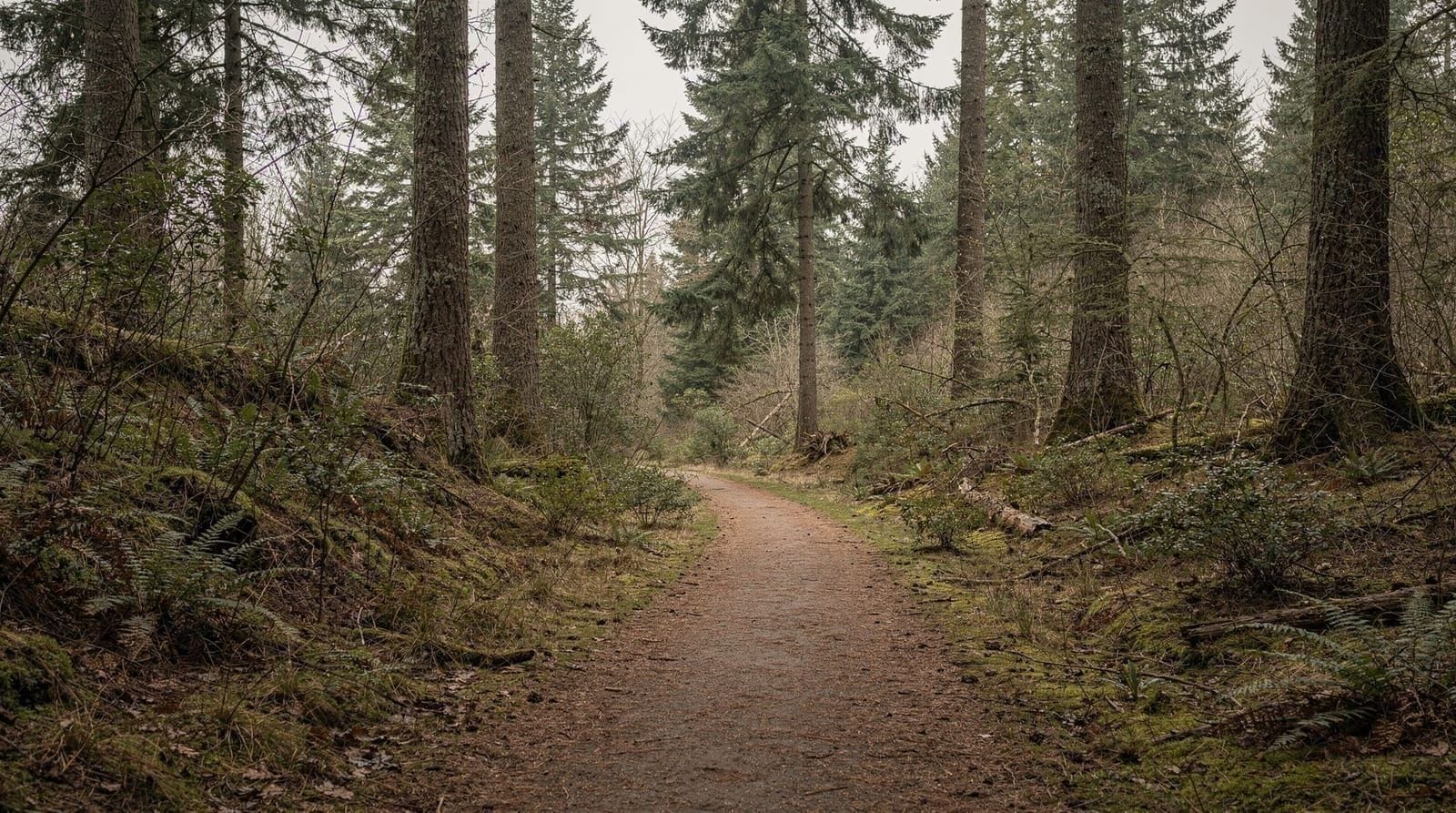
Most of West Vancouver’s coastline was developed decades ago into some of the priciest residential real estate in Canada, which makes Lighthouse Park’s 75 hectares of untouched old-growth forest a genuine anomaly — a chunk of coastal rainforest that somehow escaped logging entirely and now sits, protected, between multimillion-dollar homes.
Some of the Douglas firs here are over 500 years old and were already mature trees before European contact — old enough that a handful predate the first recorded European sighting of this coastline by more than two centuries. It’s free, it’s rarely crowded compared to Stanley Park or Capilano, and the payoff — old growth forest opening onto rocky Pacific shoreline, with a working lighthouse thrown in — is hard to match anywhere else this close to downtown.
| Where | Point Atkinson peninsula, West Vancouver |
| Cost | Free, no admission gate |
| Time needed | 1.5–2.5hrs main loop; half a day for the full trail network |
| Getting there | ~20–25min by car from downtown, or bus 250/251 |
| Best time | Weekday mornings; sunset at Juniper Point |
Getting there
Lighthouse Park is at the tip of the Point Atkinson peninsula in West Vancouver, about 20–25 minutes from downtown Vancouver by car via the Lions Gate Bridge and Marine Drive (traffic on the bridge can stretch this to 40 minutes at rush hour). By transit, TransLink bus 250 or 251 from downtown runs along Marine Drive and stops within a short walk of the park entrance, making this one of the more transit-accessible North Shore nature spots — no SeaBus transfer required, unlike trips further into North Vancouver.
There’s a parking lot at the main entrance on Beacon Lane, but it’s small — well under 50 spaces — and fills up reliably on sunny weekends by mid-morning. If it’s full, overflow street parking on nearby residential streets is technically allowed but limited and something to be considerate about, since this is a quiet neighbourhood, not a tourist strip. Arriving before 10am on weekends, or any time on weekdays, avoids the problem entirely.
The trails
Lighthouse Park has around 13 km of interconnected trails through the forest, but you don’t need to walk anywhere near that much to get the highlights. The main route from the parking lot to Point Atkinson Lighthouse is about 1 km each way on a wide, well-maintained trail — flat enough for most fitness levels, though tree roots and damp patches mean it’s not stroller-friendly in the way a paved path would be. Beyond the lighthouse, a network of narrower trails branches off toward various rocky viewpoints along the shoreline: Juniper Point, Eagle Point, and Starboat Cove are the three most visited, each offering a slightly different angle on the Strait of Georgia and, on clear days, Vancouver Island in the far distance.
None of the individual trail segments are difficult — this isn’t a hiking destination in the elevation-gain sense — but the terrain is uneven and rooty enough that decent footwear matters, and the paths get genuinely slippery when wet, which in this climate is a real consideration from roughly October through May. A loop covering the lighthouse and two or three viewpoints runs 4–6 km total and takes most visitors 1.5–2.5 hours at an easy pace with stops for photos.
For visitors with more time, the full trail network extends well beyond the lighthouse loop into quieter interior sections of the park that see a fraction of the foot traffic of the main route. These interior trails wind through denser stands of old growth without a specific viewpoint destination, which makes them less popular with visitors on a schedule but genuinely rewarding if your goal is simply time spent under large, old trees rather than checking off a specific lookout.
A longer visit covering both the shoreline highlights and some of this interior network can easily fill three to four hours without feeling rushed, and it’s a realistic way to spend a slow, unstructured morning or afternoon if Lighthouse Park is the main activity on your schedule for the day rather than one stop among several.
Point Atkinson Lighthouse
The lighthouse itself is still an active navigational aid for ships entering Burrard Inlet, first established in 1874 (the current concrete tower dates to 1912) and one of the oldest light stations on the BC coast. It’s not open for interior tours — you view it from outside, along with the keeper’s cottage and the surrounding bluff — but the setting is the real attraction: a white lighthouse on a rocky point with the Strait of Georgia opening out in front of it and Vancouver’s skyline visible in the distance behind you. It’s one of the more photographed spots in West Vancouver, particularly at sunset, when the light on the water and the lighthouse silhouette line up well for photos.
Why it’s a well-known sunset spot
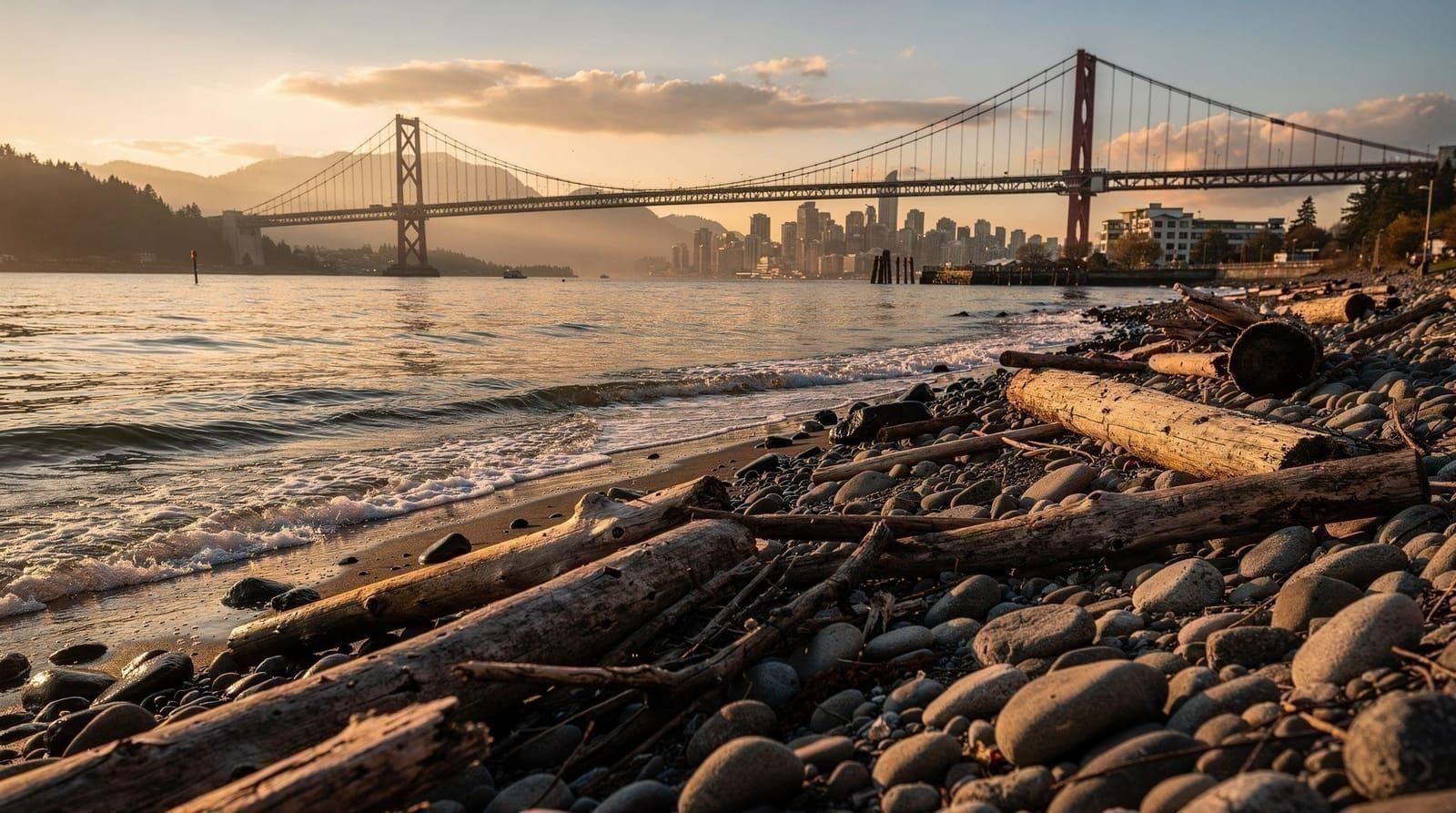
Lighthouse Park faces roughly west-southwest across the Strait of Georgia, which puts the sunset directly in front of several of its rocky viewpoints for much of the year. Combined with the old-growth forest framing and the lighthouse itself, it’s become one of the more reliable — if still relatively under-the-radar compared to English Bay — sunset photography spots on the North Shore. Juniper Point in particular gets used for this; arriving 30–45 minutes before sunset secures a spot on the rocks without a crowd, since even on its busiest evenings this park sees a fraction of the foot traffic that Stanley Park’s seawall does.
Keep in mind the park has no lighting and officially closes at dusk (check current posted hours, as they shift seasonally) — lingering right at sunset means walking back to the parking lot in near-darkness, so a headlamp or phone flashlight is a reasonable thing to carry if that’s your plan.
A brief history of the park and lighthouse
Point Atkinson was named by Captain George Vancouver in 1792, and the lighthouse that now anchors the park’s identity followed more than eighty years later, in 1874, as shipping traffic into Burrard Inlet increased. The surrounding forest survived largely because the federal government retained the land around the light station for operational purposes rather than releasing it for logging or development, an accident of maritime administration that ultimately preserved what became, in 1967 (the park’s formal centennial-year establishment), one of the only old-growth stands left on this stretch of coast.
The current lighthouse tower, a reinforced concrete structure, replaced an earlier wooden version in 1912 and remains automated and operational today, still marking the entrance to Burrard Inlet for vessels heading toward the Port of Vancouver.
Wildlife you might see
Lighthouse Park’s old-growth character supports a noticeably richer bird population than younger second-growth forest, since mature trees provide more nesting cavities and a more complex canopy structure. Bald eagles are a regular sight along the shoreline bluffs, particularly in fall and winter when salmon runs draw them toward the water.
Pileated woodpeckers — Vancouver’s largest woodpecker species, distinctive for their red crest and loud, echoing call — turn up in the older stands of Douglas fir, and their rectangular excavation holes in dead and dying trees are a giveaway sign even if you don’t spot the bird itself. Harbour seals are commonly visible from the shoreline viewpoints, hauled out on rocks or bobbing just offshore, and on a lucky day, orca or other whale activity in the Strait of Georgia is occasionally visible from the higher viewpoints, though it’s not something to count on for any given visit.
Photography and what to bring a camera for
Beyond the lighthouse itself, the park’s rocky shoreline viewpoints — Juniper Point especially — offer strong compositions combining wind-sculpted shore pine, the rock formations themselves (some showing visible glacial striations if you look closely), and open water stretching toward Vancouver Island.
A wide-angle lens suits the forest sections, where capturing the scale of the older trees benefits from getting close with a wide field of view; a longer lens is worth having for the shoreline viewpoints if you’re hoping for eagles or other wildlife at a comfortable distance. Morning light filtering through the canopy on the walk in to the lighthouse is a distinct look from the golden-hour shoreline shots most visitors come for at sunset — both are worth planning around if photography is a priority for your visit.
Family visits and accessibility
The main trail to the lighthouse is manageable for most families with school-age children, though the root-covered surface and occasional short, uneven sections mean it’s not the easiest park on this site for very young children or anyone using a wheelchair or mobility device — there’s no paved or boardwalked route to the lighthouse itself. Strollers can handle the main trail in dry conditions with some jostling, but the narrower side trails to individual viewpoints are generally not stroller-appropriate, involving rock steps and root systems in places. Dogs are welcome on leash on the great majority of trails, which makes this a workable stop for travelers with a dog in tow, unlike some more restricted regional parks.
No paid ticket needed
Like most of West Vancouver’s natural areas, Lighthouse Park has no admission fee and no bookable ticket — it’s a Metro Vancouver regional park, free and open to the public year-round.
If you’re looking to pair a visit here with a paid, guided experience of the same general coastline, a waterfront sightseeing tour covering the city and nature gives a guided overview of this stretch of coast if you’d rather not navigate the trails solo, and a dedicated guided sunset tour is worth considering if timing your own visit around sunset feels like more logistics than you want to manage independently, particularly without a car.
Facilities and what to bring
Facilities are minimal by design — there are pit toilets near the main parking lot, but no food, no water fountains, and essentially no cell coverage once you’re a few hundred metres into the forest. Bring water, wear real shoes rather than sandals given the root-covered terrain, and pack out anything you bring in, since there are no garbage bins along the trails themselves (this is standard practice for the regional parks system here, aimed at keeping wildlife away from food waste). Dogs are allowed on leash on most trails, which is worth knowing if you’re comparing this to more restricted parks.
Trail etiquette and staying on marked paths
Because so much of the park’s appeal rests on old growth that took centuries to grow, staying on marked trails matters more here than in a typical second-growth city park — root systems near the base of old-growth trees are shallow and vulnerable to soil compaction from repeated off-trail foot traffic, and erosion around the rocky shoreline viewpoints has become a genuine management concern as visitor numbers have grown.
It’s a small ask relative to the payoff: sticking to the established paths, which are well-marked and clearly maintained throughout, does the job of both getting you to every worthwhile viewpoint and keeping the park intact for the long term. Local hikers are generally particular about this, and you may see informal signage or roped-off sections in more sensitive spots reflecting that concern.
Combining it with the rest of West Vancouver
Lighthouse Park sits close enough to West Vancouver’s Ambleside and Dundarave shopping and dining strips that combining a morning or afternoon at the park with a meal or coffee stop afterward is straightforward and requires no real detour.
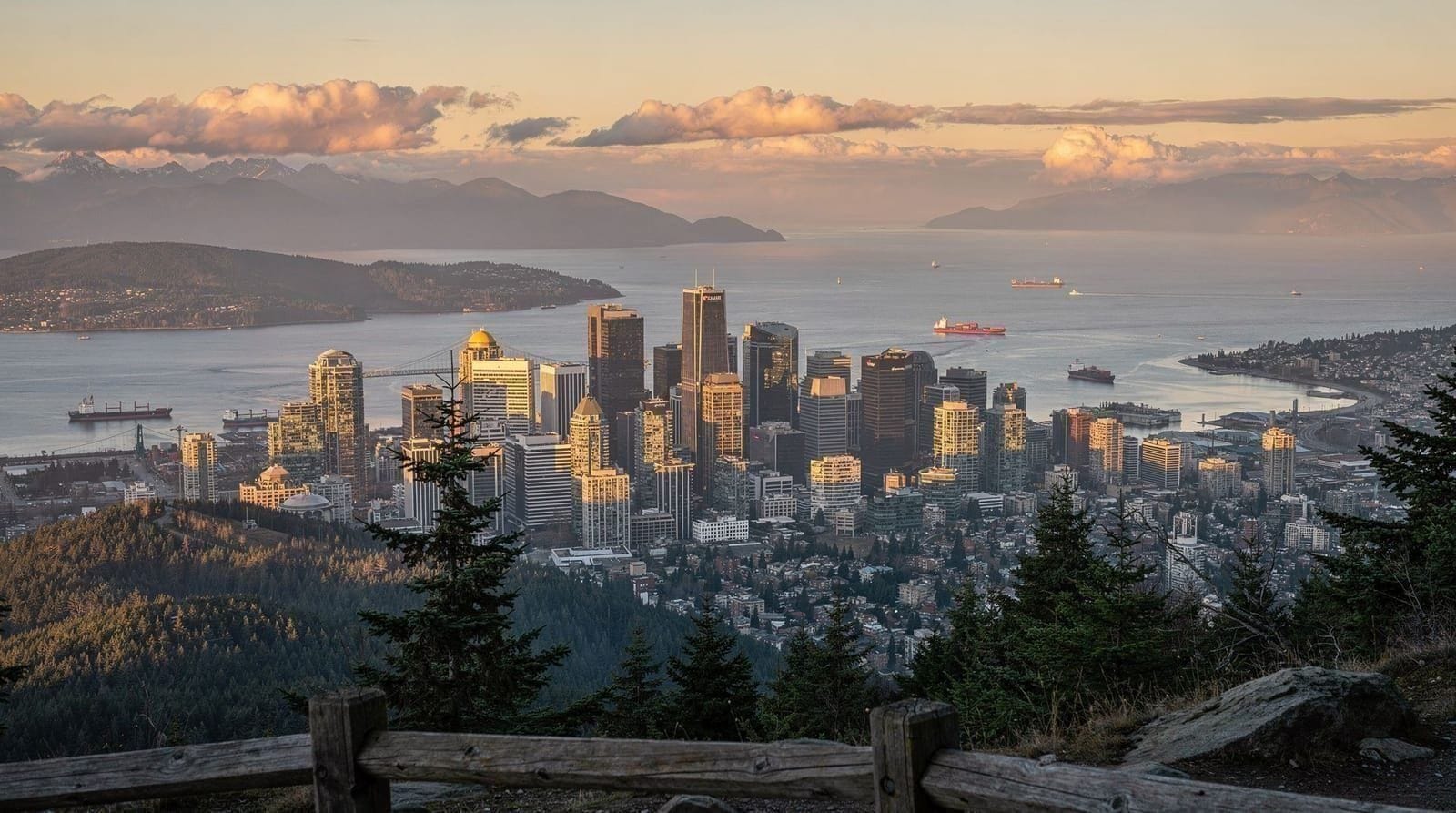
Visitors building a full West Vancouver day sometimes pair Lighthouse Park with Cypress Lookout further up the mountain, treating the two as bookends — old-growth forest and shoreline in the early part of the day, a mountainside sunset viewpoint to close it out. Both are free, both are more comfortable with a car, and neither requires more than an hour or two of your schedule, which makes them easy to combine with paid attractions elsewhere on the North Shore without the day feeling overloaded.
How it compares to nearby options
Lighthouse Park’s old-growth character sets it apart from most of the North Shore’s other well-known nature spots, which tend to be second-growth forest that regrew after historical logging. If you want a broader sense of how the region’s forest walks differ from each other — Lighthouse Park’s ancient trees versus, say, Lynn Canyon’s canyon-and-waterfall scenery — the rainforest walks guide covers that comparison directly.
For a shorter, more roadside alternative in the same part of West Vancouver, Cypress Lookout offers a comparable free-viewpoint experience with far less walking, though a less immersive forest setting. And if you’re building out a full day on the water-facing side of Vancouver, comparing Lighthouse Park’s quiet shoreline to the far busier Stanley Park seawall is a useful way to decide which suits your pace — Stanley Park for people-watching and a paved, predictable route, Lighthouse Park for solitude and old growth.
When to go
Weekday mornings are the quietest time to visit by a wide margin. Summer weekends bring the biggest crowds (relative to this park’s usual quiet, which still means far fewer people than any of Vancouver’s headline attractions), largely concentrated around the lighthouse and Juniper Point at sunset. Rain is a real factor roughly October through April — the trails aren’t graded or paved, so wet root systems and packed dirt get slick, and waterproof footwear makes a noticeable difference in comfort. Spring brings wildflowers along some of the trail edges; fall brings fewer crowds and often the clearest air for long-distance views across the Strait.
Getting there without a car, in more detail
The 250 and 251 buses that serve Marine Drive run with reasonable frequency from downtown, but check current schedules before relying on them for a sunset visit specifically — evening frequency on North Shore routes can thin out, and missing a return bus after dark from a park with no lighting and limited cell coverage is a genuinely inconvenient position to be in.
A rideshare back to wherever you’re staying is a reasonable backup plan to have in mind, particularly if you’re timing a visit around sunset and don’t want to be tied to a bus schedule for the return leg. For visitors combining a transit-based Lighthouse Park visit with other West Vancouver stops in the same day, building in some schedule slack is worth it, since this isn’t a route with buses running every few minutes the way downtown corridors do.
A quiet contrast to Vancouver’s more visited nature spots
It’s worth stating plainly what makes Lighthouse Park distinct within a Vancouver-area itinerary already likely to include Stanley Park, Capilano, or Grouse Mountain: it’s genuinely quiet. Even on a busy summer Saturday, the crowd density here is a fraction of what you’ll encounter at any of the city’s headline paid attractions, and the trails feel more like a real forest walk than a managed visitor experience. For travelers who’ve spent a few days doing Vancouver’s busier sights and want a deliberately slower, less curated stop before flying home or moving on to the next destination, Lighthouse Park fills that role well — no lines, no gift shop, no ticket scanning, just old-growth forest and a working lighthouse at the end of a short walk.
What to pack for a visit
Real footwear matters more here than the “easy trail” description suggests — the main route to the lighthouse is wide and mostly flat, but roots and damp patches make sandals or worn sneakers a poor choice most of the year. A light layer is worth carrying even on a sunny day, since the forest canopy holds cooler, damper air than the open shoreline viewpoints a few minutes’ walk away.
Bring your own water, since there are no fountains once you’re past the parking lot, and a fully charged phone or a paper map is a reasonable backup given how quickly cell coverage drops once you’re under the canopy. Binoculars are worth the extra weight for anyone hoping to spot eagles or seals from the shoreline bluffs rather than relying on a lucky close pass.
How long people actually stay
Visitor patterns here fall into two clear groups. The first is the quick-loop visitor, in and out in under two hours, covering the lighthouse and one or two viewpoints before moving on to another West Vancouver stop. The second is the unhurried half-day visitor, who treats Lighthouse Park as the day’s main activity, wandering the interior trails without a fixed route and stopping wherever the forest or the shoreline invites it. Neither approach is wrong, but knowing which kind of visit you’re planning helps with timing — arriving with only 45 minutes to spare and expecting to see everything worthwhile is the most common way visitors leave feeling like they rushed a park built for the opposite pace.
Frequently asked questions about Lighthouse Park guide
Can you go inside Point Atkinson Lighthouse? No — the lighthouse is an active navigational aid and isn’t open for interior tours. You view it from the surrounding bluff and the keeper’s cottage grounds, which is where most of the well-known photos are taken from anyway.
Is Lighthouse Park good for a visit without a car? Yes, reasonably — TransLink bus 250 or 251 along Marine Drive stops within a short walk of the entrance, making it one of the more transit-friendly North Shore nature spots. Just build in schedule slack for the return trip, especially around sunset.
Top experiences
Bookable activities with verified prices and instant confirmation on GetYourGuide.