A practical guide to eating in Vancouver
Vancouver’s food scene doesn’t get talked about with the same reverence as Montreal’s or Toronto’s, but it has a genuine strength that those cities can’t easily replicate: some of the best and most authentic Asian food in North America, driven by decades of immigration from Hong Kong, mainland China, Japan, Korea, Vietnam, and the Philippines, layered on top of a solid West Coast seafood and produce tradition. This is a practical, neighbourhood-by-neighbourhood breakdown rather than a top-ten list padded with obvious tourist stops.
| Where | Granville Island, Gastown, Chinatown, Richmond, Main Street |
| Cost | Around CAD 70-100/person for a full day of eating |
| Time needed | Half a day per neighbourhood cluster |
| Getting there | Walkable downtown; SkyTrain/bus to Richmond |
| Best time | May-June for spot prawns; summer for the Richmond Night Market |
Granville Island: the market as a meal
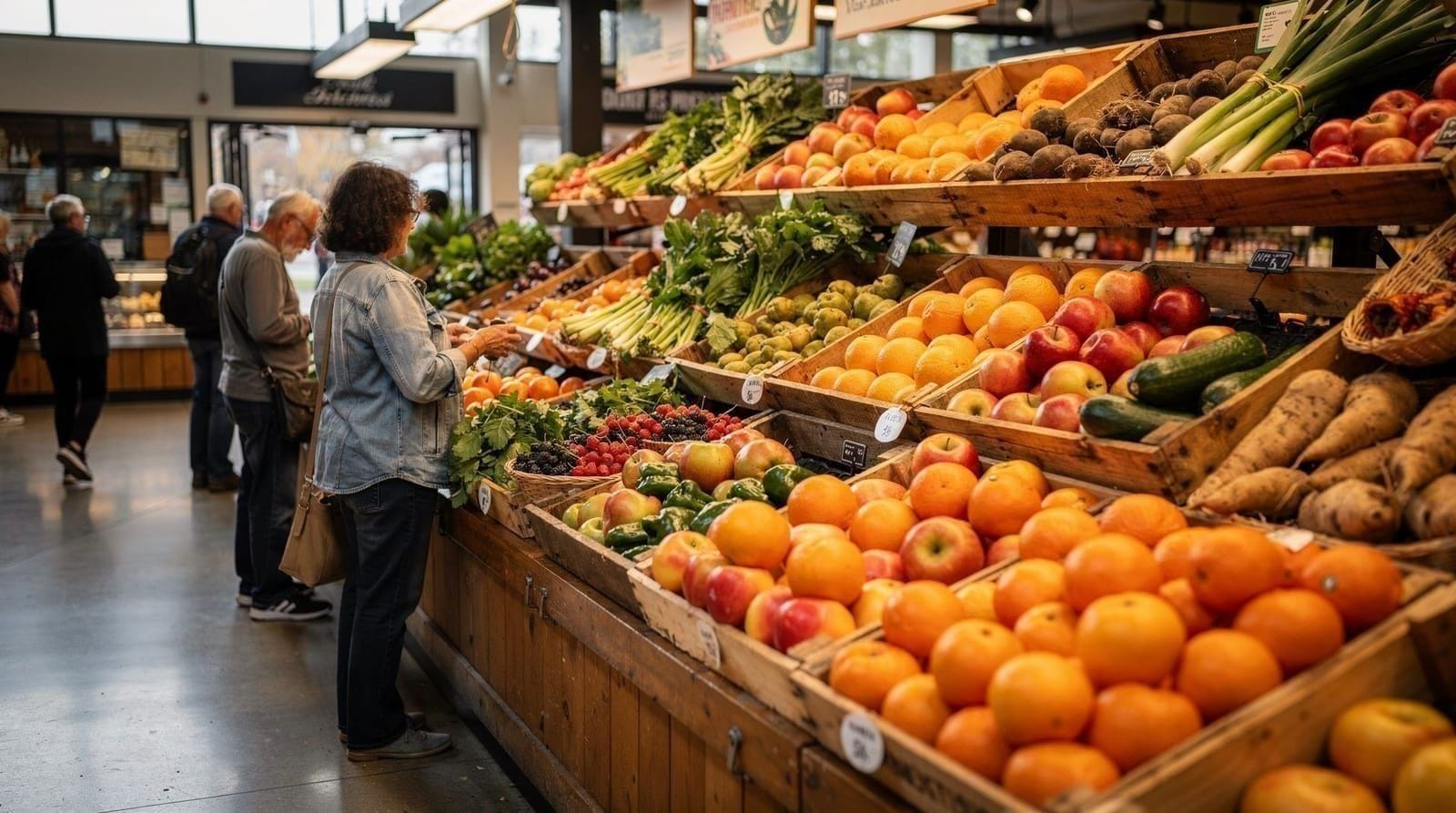
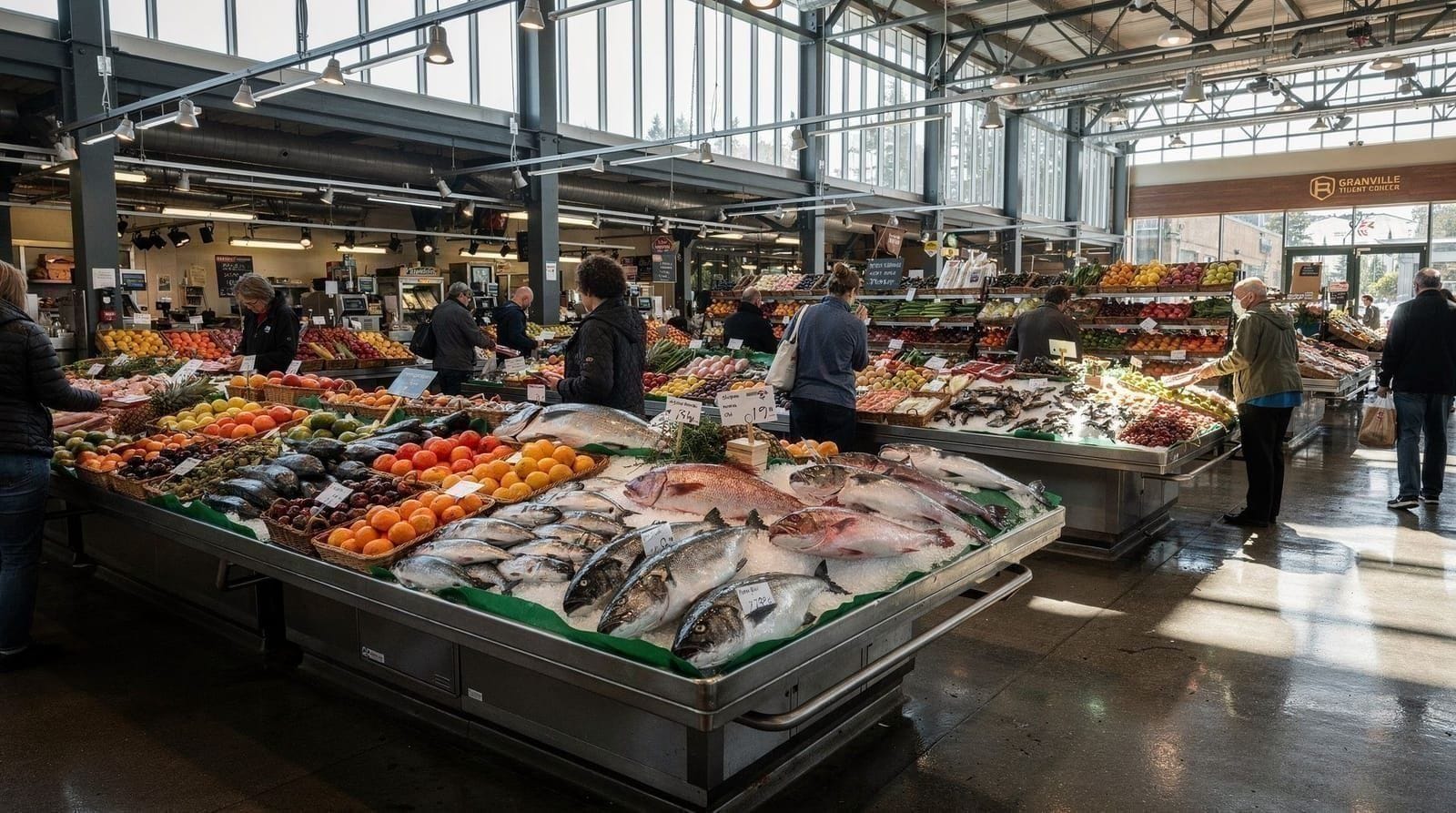
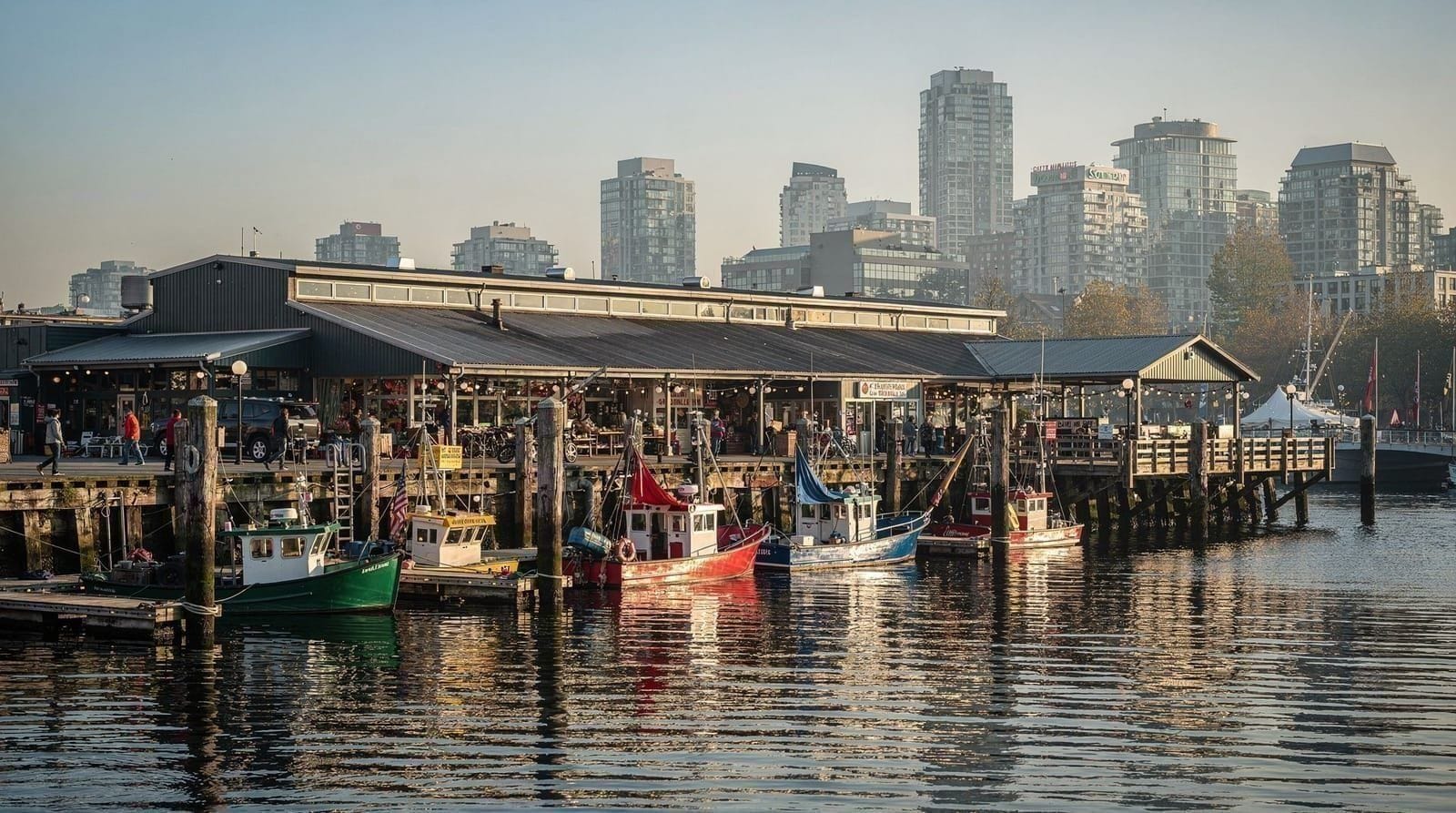
Granville Island’s Public Market is the most efficient way to sample a wide range of Vancouver food in a single visit — more than 50 vendors selling produce, fresh seafood, baked goods, and prepared food side by side. Oyama Sausage’s cured meats and the market’s seafood counters are worth seeking out specifically over the more heavily marketed stalls near the entrance.
The Granville Island Market guide has the fuller vendor rundown, and a guided Granville Island food walking tour is a reasonable way to sample several stalls with a guide who knows the current standouts, since the market’s best vendors shift somewhat from year to year.
Gastown: good food buried among tourist traps
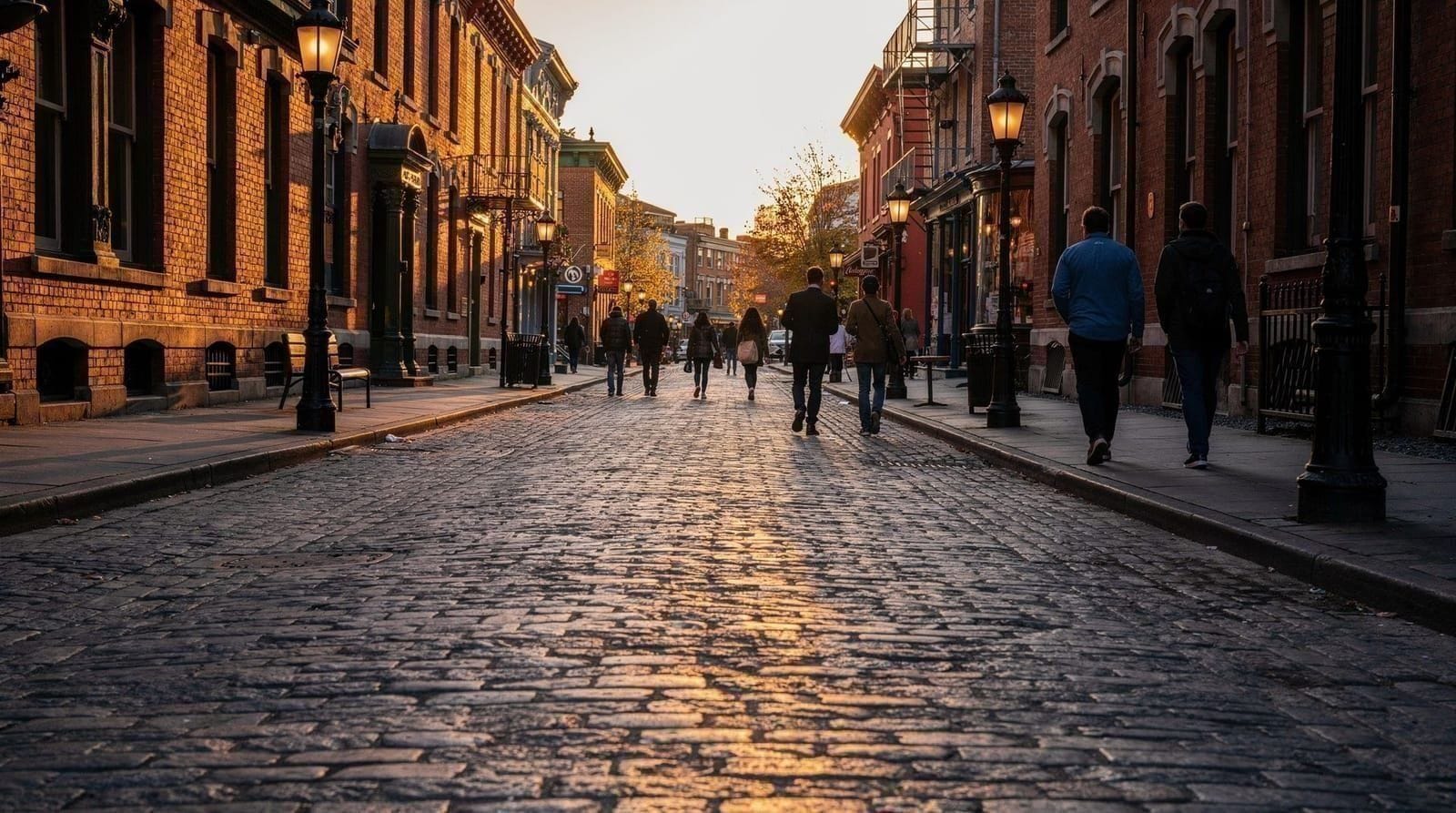
Gastown has a real, improving food scene, but it also has a genuine concentration of mediocre, overpriced restaurants trading on the neighbourhood’s cobblestone charm rather than food quality — a pattern worth knowing before picking a restaurant based purely on street-facing appeal.
The better approach is a guided walk: a Gastown historical walking food tour hits several genuinely well-regarded stops with a guide who can distinguish the neighbourhood’s real food destinations from its tourist-priced ones, which matters more here than in almost any other Vancouver neighbourhood. The Gastown guide covers the broader neighbourhood beyond food specifically.
Chinatown: dim sum and heritage cooking
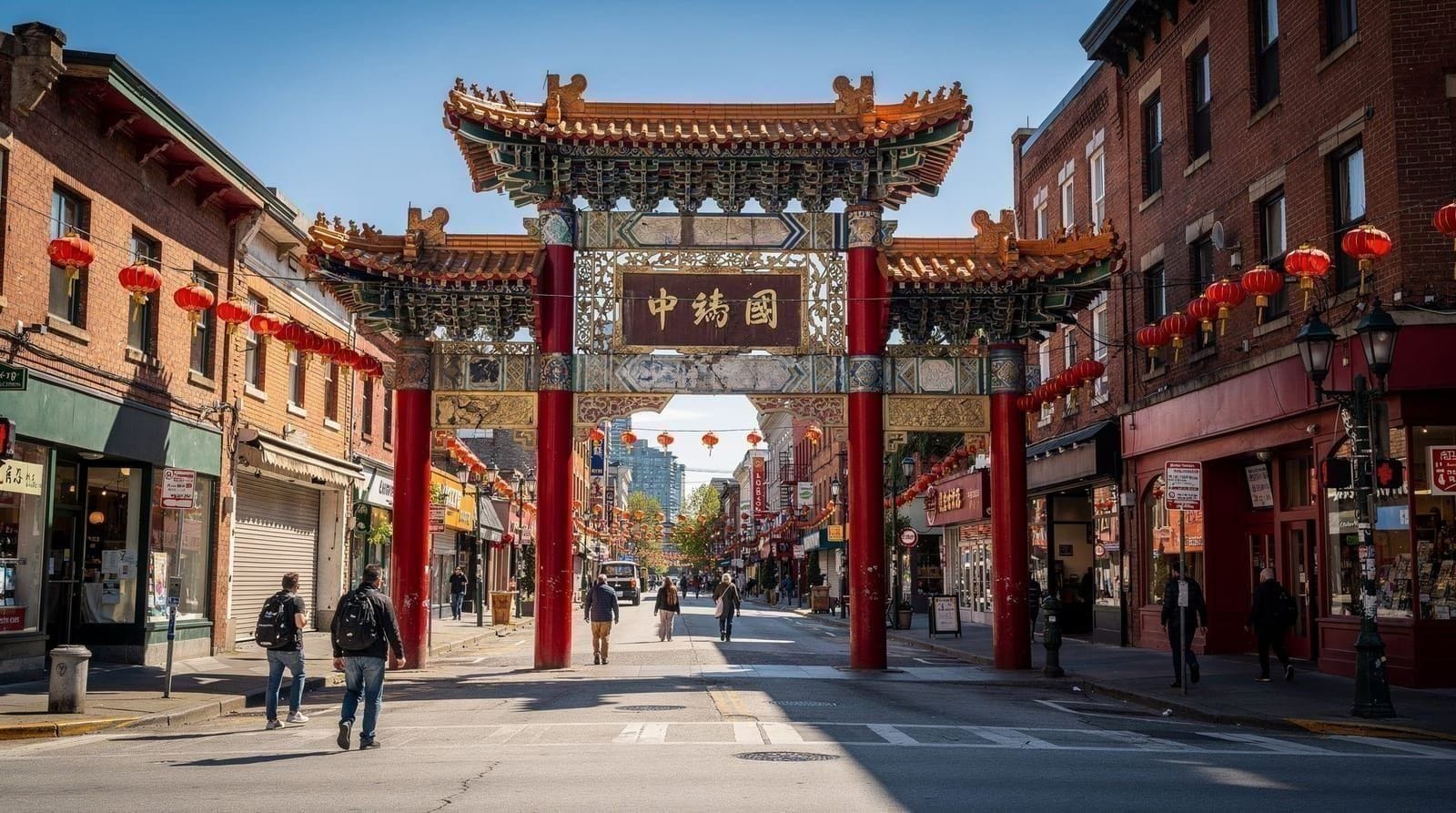
Chinatown holds some of the city’s most traditional dim sum service, including cart-service restaurants that have operated for decades — a genuinely different experience from the trendier, plated dim sum that’s become common elsewhere in the city. It’s also home to the Dr. Sun Yat-Sen Classical Chinese Garden, worth combining with a meal since the two sit within easy walking distance of each other. Prices here run noticeably lower than Gastown or Yaletown for comparable quality, since Chinatown’s restaurants serve a substantial local Chinese-Canadian community rather than pricing primarily for visitors.
Richmond: the region’s actual food destination
Richmond, the suburb surrounding Vancouver’s airport, has developed into arguably the best Chinese food destination in North America outside of a handful of specific enclaves — an enormous concentration of regional Chinese cuisines (Cantonese, Sichuan, Shanghainese, and more) that reflects the depth of Metro Vancouver’s Chinese-Canadian population far more than anything downtown.
The Richmond Night Market, running seasonally through summer, adds a street-food dimension worth planning a specific evening around rather than treating as an afterthought. For visitors with limited time, treating a Richmond meal as a genuine excursion rather than an airport-adjacent convenience stop changes the entire calculation of where to eat during a Vancouver trip.
Craft breweries: Main Street and Mount Pleasant
Vancouver’s craft beer scene concentrates heavily around Main Street and Mount Pleasant, a walkable cluster of taprooms that locals treat as a genuine night out. A craft brewery tour covering three or four stops with a guide is a reasonable way to sample the scene without picking blind, particularly for visitors unfamiliar with the West Coast IPA styles that dominate BC brewing. Granville Island Brewing, Canada’s first microbrewery, operates its own on-site tours for under CAD $10, a good add-on to a market visit rather than a separate trip.
Food trucks: an underused option
Vancouver runs one of the more developed food truck scenes in Canada, with a rotating lineup parked around downtown, near Vancouver Art Gallery, and through several parks in summer. It’s a genuinely good budget option — most trucks run CAD $10 to $16 per meal — and skips the sit-down restaurant markup that affects a lot of downtown dining. Checking a current food truck locator app or map before a lunch outing beats wandering and hoping one happens to be nearby, since locations rotate through the week.
Seafood: what’s actually local
British Columbia’s coastal waters produce genuinely excellent seafood, and Vancouver restaurants generally do it justice — spot prawns (May through June specifically, a short and celebrated season), Dungeness crab, and various salmon species feature prominently on menus through the warmer months. Ocean Wise, a sustainability certification originating from the Vancouver Aquarium, is worth looking for on menus if sustainable sourcing matters to your choices, since not every seafood restaurant in the city sources responsibly despite the region’s reputation for it.
What’s genuinely overpriced
Several restaurants directly on Robson Street and the busiest blocks of Gastown price for foot traffic and view rather than food quality — not universally, but often enough that picking blind based on location alone is a real risk. A reasonable rule: restaurants with English-only menus prominently displayed outside, aggressive hosts trying to pull in passersby, or laminated photo menus are more often tourist-priced than genuinely good, regardless of neighbourhood. Checking recent local reviews rather than just a restaurant’s overall star rating (which can be inflated by tourist reviews unfamiliar with better local alternatives) tends to filter these out more reliably.
Budgeting a food-focused day
A realistic mid-range food day covers breakfast (CAD $12 to $18), a market lunch on Granville Island (CAD $12 to $18), and a proper dinner (CAD $30 to $50 per person without alcohol) — somewhere around CAD $70 to $100 per person for a full day of genuinely good eating, before drinks. Richmond and Chinatown both run noticeably cheaper than this average for comparable quality, which is worth factoring in for budget-conscious travelers who still want a serious food experience rather than compromising on quality to save money. Visitors building a broader budget for the trip can compare this against the first-time Vancouver visitor guide for how food costs fit into overall trip planning.
Coffee culture beyond the chains
Vancouver has a genuinely strong independent coffee scene that goes well beyond the international chains visitors default to — Mount Pleasant, Commercial Drive, and Gastown all hold small-batch roasters and cafés that locals treat as a real part of daily life rather than a tourist stop. It’s worth seeking these out specifically for a slower, cheaper morning than a hotel breakfast, and several double as good spots to work or plan the rest of the day over a coffee that costs a third of a sit-down breakfast.
Vegetarian, vegan, and dietary considerations
Vancouver handles dietary restrictions unusually well for a North American city, with a genuinely large vegetarian and vegan restaurant scene concentrated in Commercial Drive and Mount Pleasant specifically, alongside broad accommodation for common allergies at most sit-down restaurants across the city. Richmond’s Chinese restaurants, in particular, tend to be more accommodating of dietary requests than their reputation might suggest, provided the request is communicated clearly rather than assumed. Gluten-free options have become standard enough at most mid-range restaurants that it’s rarely worth calling ahead to confirm, though it’s still good practice for anyone with a severe allergy rather than a preference.
Tipping and the practical cost of eating out
Tipping in Vancouver restaurants follows the North American norm of 15 to 20 percent on the pre-tax bill, and it’s expected at sit-down restaurants regardless of service style — this catches some international visitors off guard, since it’s not automatically included the way it is in several other countries. Food trucks and counter-service spots generally don’t expect the same tip percentage, though a tip jar is common and modest contributions are appreciated. British Columbia’s 5% GST plus a provincial sales tax that varies by category adds to the final bill beyond the menu price, which is worth mentally budgeting for rather than being surprised by at checkout.
Farmers markets as a food experience
Vancouver runs a strong network of weekend farmers markets through summer and into fall — Kitsilano, Trout Lake, and Main Street all host well-attended markets that combine fresh produce shopping with a genuine local food scene, distinct from Granville Island’s larger, more commercial market. These are worth building into a Saturday or Sunday specifically, since they only run on their scheduled days and don’t offer the same experience if visited on a weekday when the market itself isn’t operating.
Putting together a food-focused day
For visitors treating food as a primary reason for the trip rather than a secondary consideration, a single day combining a Granville Island market lunch, a Gastown or Chinatown dinner, and a Main Street brewery stop covers a genuinely representative slice of what Vancouver’s food scene offers without requiring a car or extensive planning. Richmond deserves its own dedicated half-day or evening given the distance from downtown and the sheer volume of good options once there — treating it as a rushed add-on to a downtown-focused day undersells what’s actually the region’s strongest food destination.
Neighbourhoods compared, by price and pace
| Neighbourhood | Price level | Best for |
|---|---|---|
| Granville Island | Mid | Browsing, market lunch |
| Gastown | Mid-high, mixed quality | Guided walking food tour |
| Chinatown | Low-mid | Traditional dim sum |
| Richmond | Low-mid | Serious regional Chinese cuisine |
| Main Street/Mount Pleasant | Mid | Craft breweries, coffee |
Fitting food into a broader itinerary
Food doesn’t need its own dedicated trip to matter — most first-timers weave it into a general sightseeing plan rather than a food-first one. The 3-day first-timer itinerary builds Granville Island’s market into day two as both a sightseeing and lunch stop, and Gastown’s food tour option works well on arrival day when a fixed-pace, low-effort activity suits jet lag better than an ambitious dinner reservation. Travelers extending their trip with a Richmond half-day should treat it as a standalone excursion rather than squeezing it into a day already built around downtown sightseeing.
A cheaper version of the same day
Budget-conscious travelers can cover most of the same ground for less by leaning on food trucks (CAD 10-16 per meal) for lunch, a Chinatown or Richmond dinner instead of Gastown or Yaletown, and sampling Granville Island’s market stalls in smaller portions rather than a full sit-down meal. This trims the roughly CAD 70-100 per person full-day estimate down closer to CAD 40-60 without meaningfully sacrificing quality, since Chinatown and Richmond both deliver excellent food at lower prices than the more tourist-facing neighbourhoods.
Frequently asked questions about eating in Vancouver
What’s the best neighbourhood for food on a budget?
Richmond and Chinatown, both of which deliver excellent quality at noticeably lower prices than Gastown or Yaletown, since they serve substantial local communities rather than pricing primarily for visitors.
Is Gastown worth eating in at all?
Yes, but pick carefully. Gastown has a real, improving food scene alongside a genuine concentration of overpriced, mediocre restaurants trading on cobblestone charm — a guided walking food tour or a specific recommendation beats picking blind.
When is the best time for BC spot prawns?
May through June specifically — it’s a short, celebrated season, and menus across the city feature them prominently while it lasts.
How much should I budget for food per day in Vancouver?
Roughly CAD 70-100 per person for a full mid-range day (breakfast, market lunch, proper dinner) without alcohol. A budget version leaning on food trucks and Chinatown or Richmond can come down to CAD 40-60.
Is Richmond worth a special trip just for food?
Yes — it’s arguably the best Chinese food destination in North America outside a handful of specific enclaves, and treating it as a genuine excursion rather than an airport-adjacent stop changes the whole calculation of where to eat during a Vancouver trip.