Common mistakes first-time visitors make in Vancouver
Vancouver is an easy city to visit badly, not because it’s confusing, but because its main appeal — the surrounding mountains, ocean, and regional day trips — requires more planning discipline than a purely downtown-focused city trip. These are the mistakes that show up most often, and the fixes for each.
| Where | Downtown, North Shore, Whistler, Victoria |
| Most common fix | Book ahead, budget real travel time, pack for rain |
| Time cost of ignoring these | Rushed days, missed attractions, wasted money |
| Best time to plan around | Before booking, not on arrival |
| Related planning | 3-day itinerary, best time to visit |
Underestimating the rain
Vancouver’s reputation for rain is accurate, and visitors arriving between October and April without proper rain gear consistently have a worse trip than the itinerary itself deserves. This isn’t occasional drizzle — winter months regularly bring 150 to 200mm of rain, and outdoor activities that look great in photos become genuinely unpleasant without a real rain jacket and waterproof footwear. A single umbrella is a poor substitute in a city where wind off the water makes umbrellas impractical on the waterfront and Seawall specifically. Packing for the actual season rather than a generic “just in case” light jacket is the single easiest fix on this entire list.
Skipping the North Shore mountains entirely
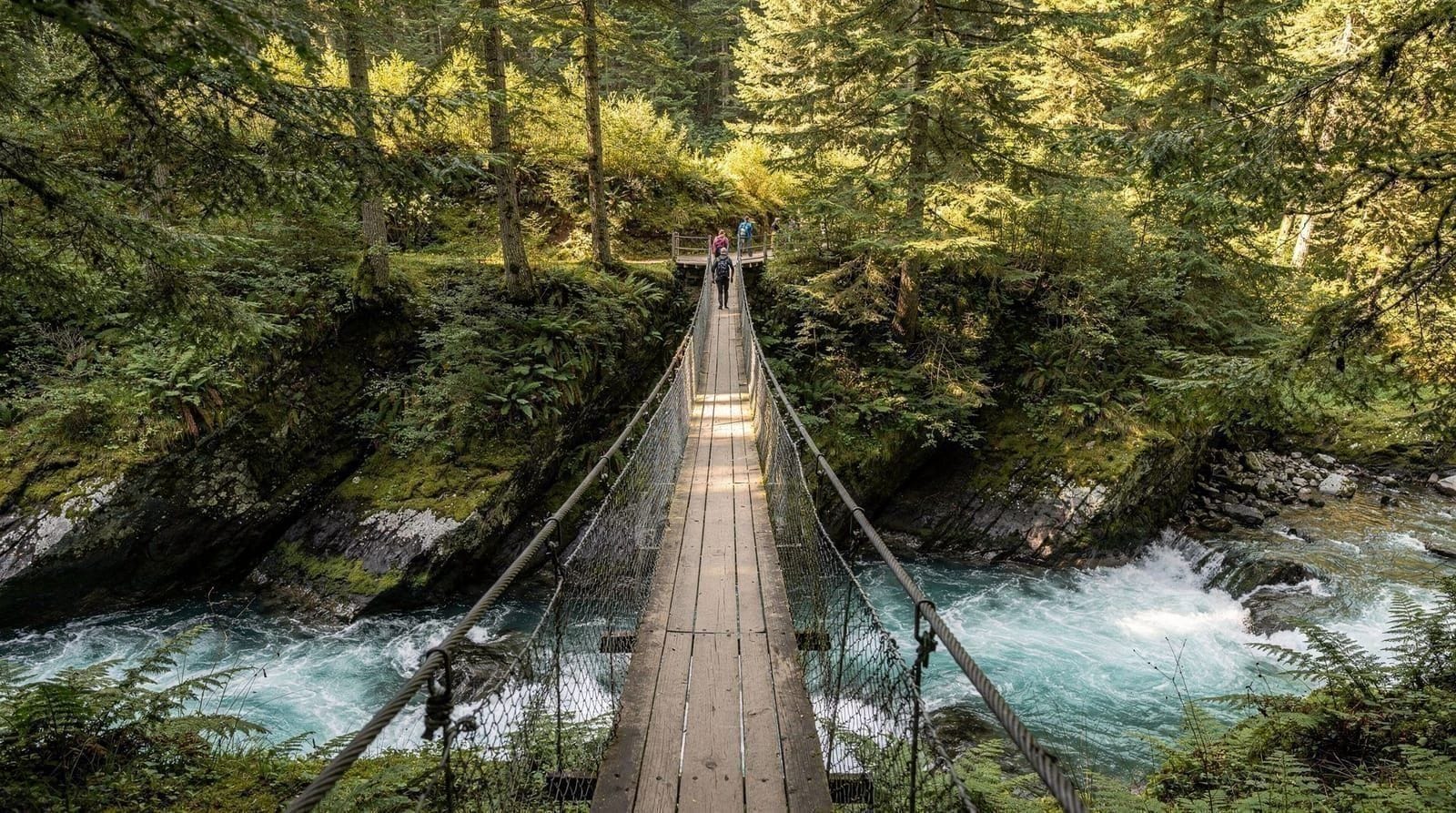
A surprising number of first-time visitors spend their entire trip downtown and never make it across to Capilano Suspension Bridge or Grouse Mountain, treating the North Shore as optional rather than central to what makes Vancouver distinctive. It’s a 20-to-30-minute trip from downtown, not a full day trip, and skipping it means missing the genuine mountain scenery that separates Vancouver from most other coastal cities. The Capilano vs Lynn Canyon comparison is worth reading regardless of budget, since it lays out both the paid and free options rather than assuming a North Shore visit has to be expensive.
Trying to fit Whistler or Victoria into a rushed half-day
Both Whistler and Victoria require real travel time — roughly 1 hour 45 minutes each way to Whistler, and a comparable or longer round trip to Victoria including the BC Ferries crossing. Visitors on a tight three-day trip who try to squeeze a Whistler or Victoria stop into what’s really only a few spare hours end up with an exhausting, unsatisfying version of both the city day and the day trip.
The better approach on a short visit is to skip the regional day trip entirely and do it properly on a return visit, rather than a rushed version that undersells what either destination actually offers. The three-day Vancouver itinerary is built around this exact tradeoff, prioritizing a well-paced city visit over a compressed regional add-on.
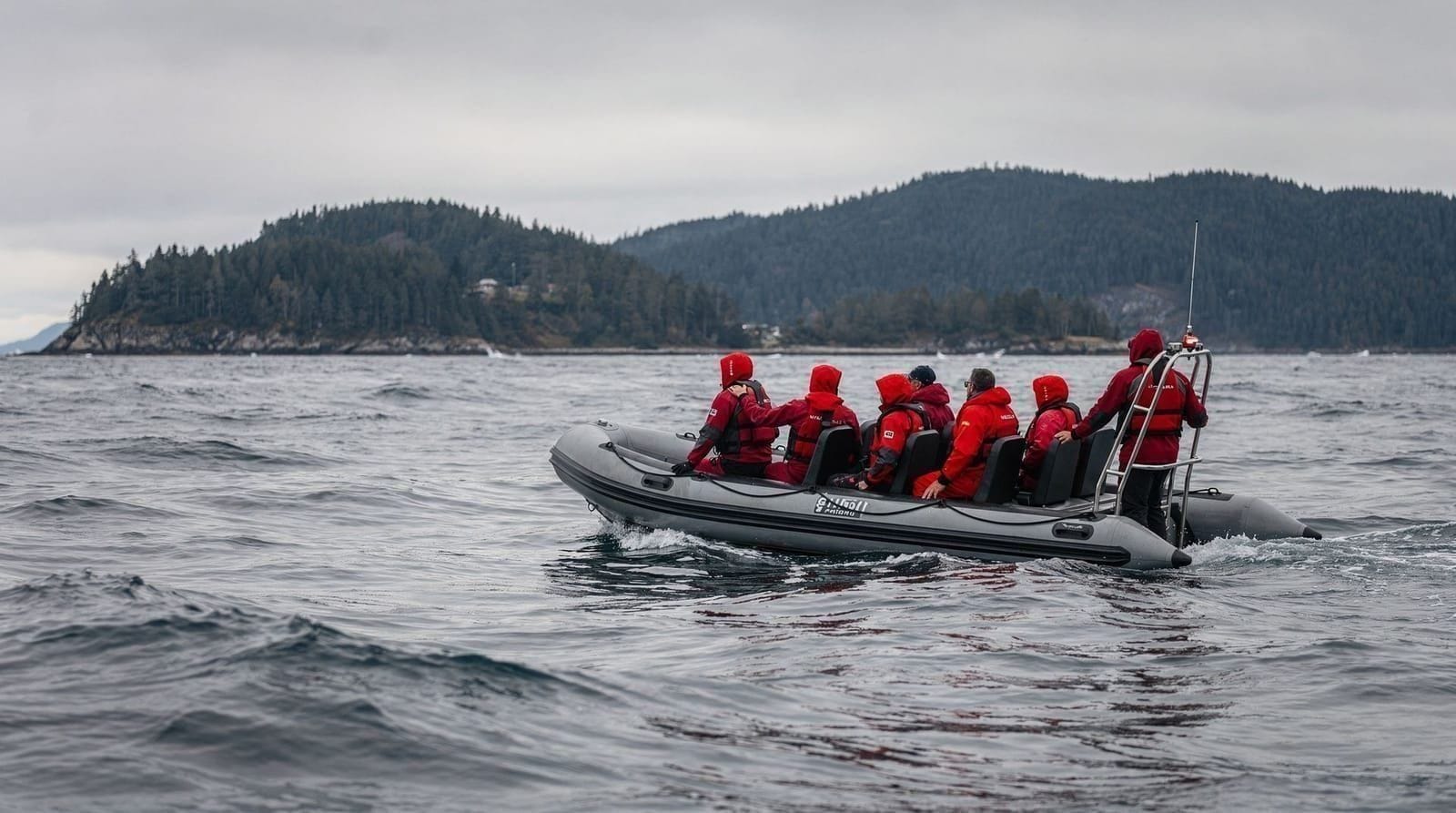
Booking a whale watching tour at the wrong time of year
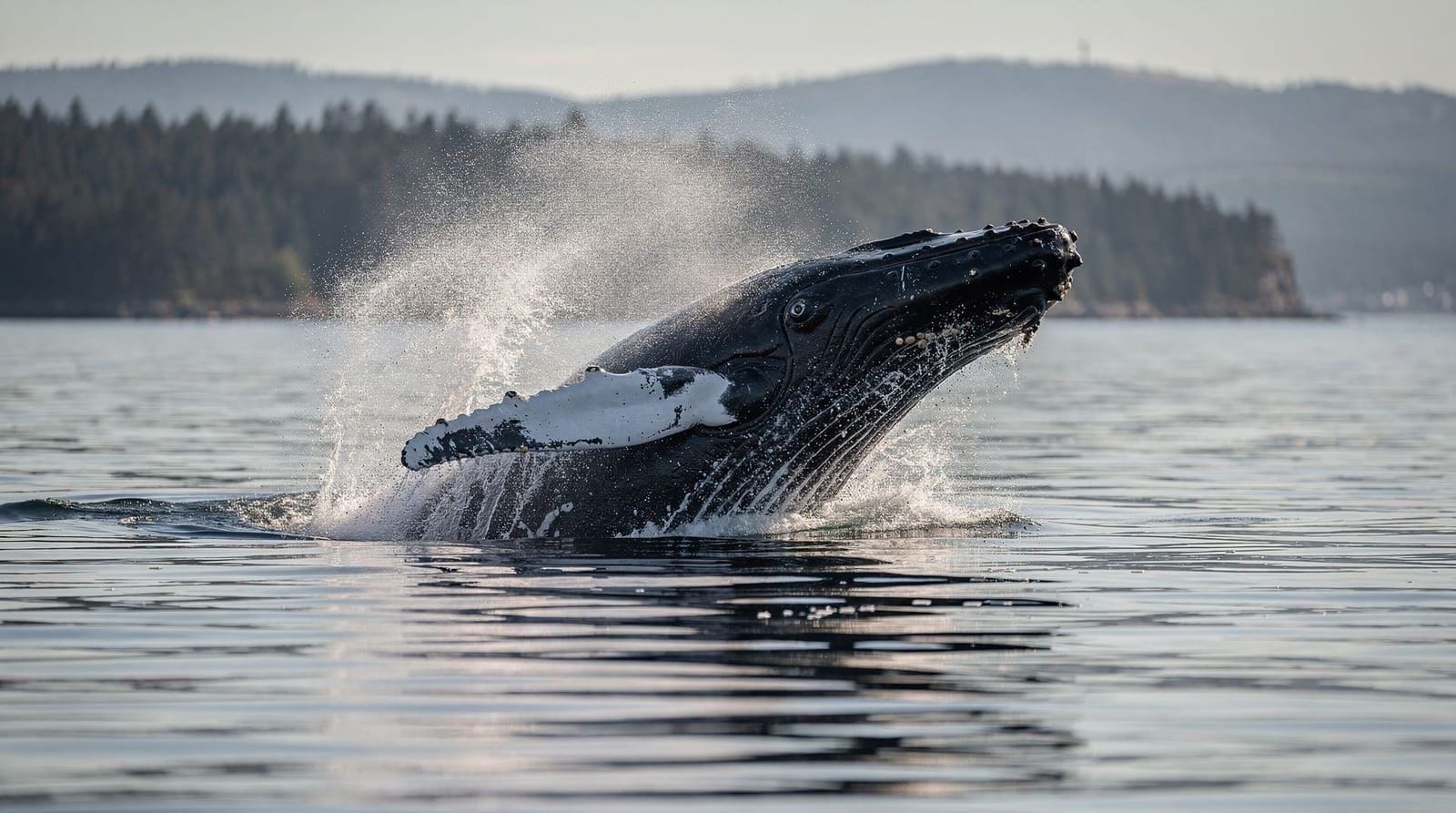
Whale watching is one of Vancouver’s genuine highlights, but the season is real and specific — orcas are most reliable from June through September, humpbacks from July through October, and sightings drop off considerably outside these windows. Visitors booking a winter or early spring tour expecting the same odds as a July departure are set up for disappointment through no fault of the tour operator.
The best time for whale watching in BC guide breaks down the season month by month; checking it before booking matters more than which specific operator you choose. A half-day whale watching tour booked within the right season window delivers dramatically better odds than the same tour booked in December.
Assuming downtown hotel prices reflect the whole city
Downtown and Yaletown hotel prices run high, particularly in summer, and some first-time visitors either overpay for a downtown stay they don’t fully use or assume the entire city is priced similarly and cut their trip short as a result. Neighbourhoods slightly outside the core — Kitsilano, Commercial Drive, parts of the West End — offer noticeably better value while remaining a short transit ride from downtown attractions. It’s worth weighing whether a downtown location is genuinely necessary for the itinerary planned, or whether the premium is being paid mostly for convenience that a 15-minute SkyTrain ride would substitute for at a fraction of the cost.
Renting a car for a downtown-only stay
The inverse mistake also happens regularly: visitors rent a car for a trip that never actually leaves downtown Vancouver, then pay for parking (CAD $3 to $6 per hour) on top of the rental itself, while TransLink’s SkyTrain and bus network covers the city’s core neighbourhoods perfectly well without a vehicle. A car earns its cost specifically for regional day trips — Whistler, Squamish, the Okanagan — not for navigating within the city, where driving is often slower than transit once parking and downtown traffic are factored in.
Not booking Capilano, the gondolas, or whale watching in advance
Several of Vancouver’s most popular paid attractions — Capilano Suspension Bridge, the Sea to Sky Gondola, whale watching tours — sell out or develop long queues during peak summer weekends, and visitors who assume they can simply show up and buy a ticket sometimes lose hours to lines or find same-day tickets unavailable entirely. A Capilano Suspension Bridge ticket booked ahead removes this risk entirely for a few dollars’ worth of planning effort, and the same logic applies to any attraction with fixed daily capacity.
Treating Gastown as representative of Vancouver dining
Gastown’s cobblestone charm draws a lot of first-time visitors toward its restaurants by default, but the neighbourhood has a real concentration of tourist-priced, middling food alongside its genuinely good options — picking blind based on street-facing appeal is a common and avoidable mistake. Richmond’s Chinese food scene, Chinatown’s dim sum, and Main Street’s craft breweries all deliver better value and often better quality than a randomly chosen Gastown restaurant, and it’s worth researching specific recommendations rather than defaulting to whichever restaurant looks most inviting from the street.
Underestimating how spread out the region actually is
Vancouver, Whistler, Victoria, and Squamish all appear close together on a map, and first-time visitors sometimes assume they can be combined more casually than the actual driving and ferry times allow. Victoria, despite looking close on a map, requires a genuine ferry crossing (roughly 1 hour 35 minutes) on top of drive time to and from the terminals on both sides, easily making a return trip an 8-to-10-hour commitment. Treating the region’s geography with the same casual assumptions that might work in a more compact European city leads directly to the rushed day-trip problem described above.
Overpacking the North Shore into a single afternoon
A related mistake: trying to fit Capilano, Grouse Mountain, and Lynn Canyon all into one afternoon, rather than picking one or two and doing them properly. Each genuinely deserves two to three hours on its own; stacking all three back to back produces a rushed, unsatisfying version of each rather than a properly enjoyed visit to any of them. Choosing based on budget and interest — Capilano for the suspension bridge experience, Grouse for genuine alpine elevation and views, Lynn Canyon for a free rainforest alternative — and committing to that choice tends to produce a better outcome than trying to see everything the North Shore offers in a single rushed pass.
Not checking seasonal closures before building an itinerary
Several of the region’s most popular attractions have seasonal operating changes that catch first-time visitors off guard — Whistler’s summer activities differ substantially from its winter ski operations, and some North Shore trails and viewpoints see reduced access or closures during winter storms. Building an itinerary around a specific attraction without confirming it operates the way expected during your travel dates is a completely avoidable mistake that a few minutes of checking current hours resolves.
Ignoring the eTA or visa requirement until the last minute
Most visa-exempt travelers arriving by air need an Electronic Travel Authorization (eTA) before departure, and while it’s usually a fast online process, leaving it until the airport or the day before departure risks unnecessary stress if any issue comes up with the application. US citizens need only a valid passport, but everyone else should confirm their specific entry requirement well ahead of the trip rather than assuming it’ll sort itself out on arrival.
The pattern behind most of these mistakes
Nearly every mistake on this list comes down to the same root cause: treating Vancouver like a purely urban destination when its real value is regional and seasonal. Visitors who plan around the North Shore mountains, the right whale watching window, proper rain gear, and realistic day-trip timing consistently report a better trip than those who import assumptions from a different kind of city. The fix isn’t more research generally — it’s specifically checking the few season- and logistics-dependent details (weather, wildlife timing, travel distances) that don’t show up on a generic “top things to do” list but that make or break how the trip actually feels once you’re there.
For a broader look at pacing a trip correctly from the outset, the how many days do you need in Vancouver guide addresses the underlying trip-length question that causes several of these mistakes in the first place, and the whale watching guide covers the operator and timing details specifically for anyone prioritizing that activity on their first visit.
The 10 mistakes at a glance
| Mistake | Fix |
|---|---|
| No rain gear Oct-April | Real rain jacket + waterproof shoes |
| Skipping the North Shore | Budget 20-30min each way, 2-3hrs on-site |
| Rushing Whistler/Victoria into a half-day | Skip it or do it properly on a return visit |
| Wrong whale-watching season | Book June-September for best odds |
| Assuming downtown prices citywide | Consider Kitsilano, Commercial Drive |
| Renting a car for downtown-only | Use TransLink instead |
| Not booking attractions ahead | Reserve Capilano, gondola, whale tours early |
Underestimating airport-to-hotel logistics on arrival
A smaller but recurring mistake is treating the YVR-to-downtown trip as an afterthought rather than part of the day-one plan. The Canada Line SkyTrain is the fastest, cheapest option for most arrivals, but it has no dedicated luggage space, which catches families with checked bags off guard during busy arrival windows. The Vancouver airport guide breaks down when the SkyTrain makes sense versus when a taxi or private transfer is worth the extra cost.
Not planning a food strategy beyond “wherever looks good”
First-time visitors who pick restaurants purely on street-facing appeal, especially in Gastown, often end up paying tourist prices for mediocre food while missing genuinely better options a short walk or transit ride away. Richmond’s Chinese food scene and Chinatown’s dim sum both deliver better value than blind Gastown picks — the Vancouver food guide breaks the city down by neighbourhood rather than leaving it to chance.
Assuming every day needs a paid attraction
A related mistake to overpacking the schedule: assuming a full day requires a ticketed attraction to be worthwhile. Vancouver’s free options — the Stanley Park Seawall, Lynn Canyon, Granville Island’s market browsing — genuinely rival the paid attractions on scenery and experience, and building at least one day around them stretches a budget further without feeling like a compromise. The free things to do in Vancouver guide covers which free stops are worth prioritizing over a paid alternative.
Frequently asked questions about first-time Vancouver mistakes
What’s the single biggest mistake first-time visitors make in Vancouver?
Underestimating how much travel time the North Shore, Whistler, and Victoria actually require. They look close on a map, but transit, ferry crossings, and drive time add up quickly, and rushing any of them undersells the visit.
Do I really need a rain jacket even in summer?
Yes, though less urgently. July and August average around seven rainy days each month — lighter than winter, but still enough that a packable rain layer is worth having rather than assuming it won’t be needed.
Is it a mistake to rent a car for a Vancouver trip?
Only if the trip never leaves downtown. A car earns its cost for regional day trips like Whistler or Squamish; for a city-only stay, TransLink covers the core neighbourhoods well and parking is expensive.
How far ahead should I book Capilano or whale watching?
A few days ahead is usually enough outside peak summer weekends, but booking a week or more ahead for July-August Saturdays avoids the risk of sold-out time slots entirely.
Should I skip Whistler or Victoria on a short first trip?
If the trip is three days or fewer, generally yes — see the 3-day first-timer itinerary for why a well-paced city visit beats a rushed regional add-on on a short trip.