The Vancouver whale watching season, explained
Whale watching is one of the few Vancouver activities where showing up in the wrong month genuinely changes the experience, not just the crowd size. The season runs April through October, but orcas and humpback whales don’t peak at the same time, and the difference matters more than most trip-planning articles let on.
| Season | April through October |
| Orca peak | Late June through early September |
| Humpback peak | August through September, lingering into October |
| Best single month | September (both species overlap, fewer crowds) |
| Cost from Vancouver | Around CAD 130-180 for a 3-5hr tour |
Month-by-month sighting odds
| Month | Orcas | Humpbacks | Notes |
|---|---|---|---|
| April-May | Low-moderate | Rare | Season opens; flexible booking |
| June | Building | Building | Good start for orca season |
| July-early Sept | Peak | Building to peak | Highest demand, book ahead |
| September | Still strong | Peak | Best overlap, fewer crowds |
| October | Fading | Lingering | Humpback-leaning, flexible booking |
Two species, two calendars
Two species, two calendars
Resident and transient (Bigg’s) orcas are the whale most visitors picture when they book a tour, and they’re most reliably sighted from late June through early September, tracking the Salish Sea and Georgia Strait routes they use consistently through summer. Humpback whales run on a different schedule — they build through July, peak in August and September, and often linger into October before migrating south. That gap in timing is the single most useful thing to know before booking: a trip in May will lean orca-only if anything, while a trip in early October leans humpback.
September deserves its own mention. It’s the month where both species’ windows overlap most cleanly — orca sightings are still solid through the first half of the month even as the true peak fades, and humpback numbers are typically at or near their annual high. It’s also past the July-August crowd surge, so boats run less full and prices occasionally ease. Anyone with flexible dates and no strong species preference should treat September as the strongest single month to book.
Where to base a trip
Vancouver is the most convenient departure point if the rest of the trip is city-based, with boats leaving from Coal Harbour and Granville Island for three- to five-hour tours in the roughly CAD 130-180 range. It’s a genuinely solid option, though it’s fair to note Vancouver isn’t the highest-odds region in the province — the boats travel farther to reach the most productive waters than tours departing from Vancouver Island.
Victoria, across the Strait of Georgia on Vancouver Island, sits much closer to the Salish Sea and Juan de Fuca Strait routes that resident and transient orca pods use most consistently, and operators there report success rates in the 85-90%+ range through peak season. The trade-off is logistics: reaching Victoria means a ferry or seaplane crossing, so it works better as an overnight add-on than a same-day round trip from Vancouver, unless the whole day is dedicated to it. The Vancouver-Victoria 5-day itinerary is built with this in mind.
Telegraph Cove, on northern Vancouver Island, is a four- to five-hour drive from Vancouver and not realistic as a standalone day trip, but it has some of the strongest combined orca-and-humpback odds in the province thanks to nearby rubbing beaches that resident pods return to reliably. A Telegraph Cove whale watching tour makes more sense stitched into a multi-day Vancouver Island itinerary than as a rushed add-on to a Vancouver trip.
Choosing a tour type
Boat type matters more than most first-time bookers expect. Covered or catamaran-style boats — like the Vancouver whale and wildlife watching tour — trade some of the low-to-the-water immediacy of an open Zodiac for warmth, seating, and washroom access, which matters a lot on a cool shoulder-season morning. Zodiacs sit closer to the water and some photographers prefer the angle, but they’re colder, rougher, and less forgiving if the weather turns, which happens more often in April and October than in July or August.
For a Victoria departure, the Victoria catamaran whale watching tour is a solid covered-boat option that runs roughly three hours and benefits from the region’s higher baseline sighting odds. Whichever tour type gets booked, pack layers regardless of the air temperature on land — open water off BC runs cool even in August, and a moving boat generates its own wind chill.
What a realistic sighting rate looks like
No operator can guarantee whales — they’re wild animals, not a scheduled show — but sighting rates during peak months are genuinely high. Victoria-based operators commonly cite 85-90%+ success during June-September, and most reputable companies across the province offer a free rebooking or partial-credit policy if a tour comes up empty, though exact terms vary and are worth checking before paying. Outside the April-October window, sightings drop off enough that most operators scale back trips or pause entirely, so it’s not a season worth trying to stretch on either end without lowered expectations.
Booking timing
July and August departures from Victoria are the most heavily booked window of the year, and specific tour times on popular boats can sell out days in advance during peak summer. April, May, June, and October carry more flexibility — same-day or next-day booking is usually workable outside the summer crunch. For anyone with a fixed, narrow travel window in peak summer, booking a specific departure a few days ahead rather than waiting until arrival is the safer approach.
Building a trip around whale season
Whale watching pairs naturally with other water-based Vancouver activities if there’s more than a single day available. A morning tour combines well with an afternoon of kayaking or sailing, since both run on a similar June-through-September weather window. If the goal is wildlife broadly rather than whales specifically, it’s worth reading across to where to see bears in BC and the orca vs. humpback season comparison, which breaks down the species timing in more depth than a single-tour booking page usually does.
Base location matters for early departures. Tours leaving from Granville Island are a short walk or drive from most downtown Vancouver hotels, while a stay in North Vancouver adds a bridge crossing to reach the same docks — worth accounting for when a tour has a 7 or 8am check-in.
The bottom line on timing
If the travel dates are already fixed, don’t over-optimize the exact week — any trip from June through September carries reasonable odds at one species or the other, and a well-reviewed operator with a strong local track record matters more than the precise calendar date within that window. For travelers with flexible dates, September remains the strongest single pick for balancing species variety against crowd levels and price, while late June through August is the safer bet if orcas specifically are the priority. Matching the region to the goal — Victoria for the best raw orca odds, Vancouver for convenience, Telegraph Cove for a dedicated Vancouver Island wildlife trip — ends up mattering as much as the month itself.
What operators actually look for before a departure
Most reputable whale watching companies in BC coordinate loosely with each other and with a broader sighting network — radio reports from other boats, from ferries, and from shore-based spotters all feed into where a captain decides to head on a given morning. This is part of why success rates during peak months run as high as they do: the industry isn’t guessing blind, it’s working off real-time information that shifts through the day. It’s also why a morning departure sometimes has different odds than an afternoon one on the same day — sightings reported earlier can redirect later trips toward more productive water.
Weather plays a bigger role in trip quality than most first-time bookers expect, separate from whether whales are sighted at all. A choppy strait doesn’t necessarily reduce sighting odds, but it changes the experience meaningfully — an open Zodiac in rough water is a wetter, bumpier ride than the same trip on a calm day, and photography gets harder when the boat is pitching. Checking the marine forecast, not just the general weather forecast, for the specific day of a booked tour gives a more useful read on what the trip itself will actually feel like.
Camera and gear notes for a whale watching trip
Whales surface briefly and unpredictably, which makes a fast-focusing camera or phone more useful than a high zoom lens alone — many strong whale photos come from anticipating a surface pattern rather than tracking a distant fin. A waterproof phone case or dry bag is worth carrying regardless of boat type, since spray is common even on calmer days, and open Zodiac tours in particular can send water over the bow. Binoculars help more than a camera for actually seeing behavior at a distance, since operators generally maintain a respectful distance from the animals under BC’s marine mammal viewing guidelines, which limits how close any boat — and therefore any lens — can get.
Pairing a tour with the rest of a Vancouver-based day
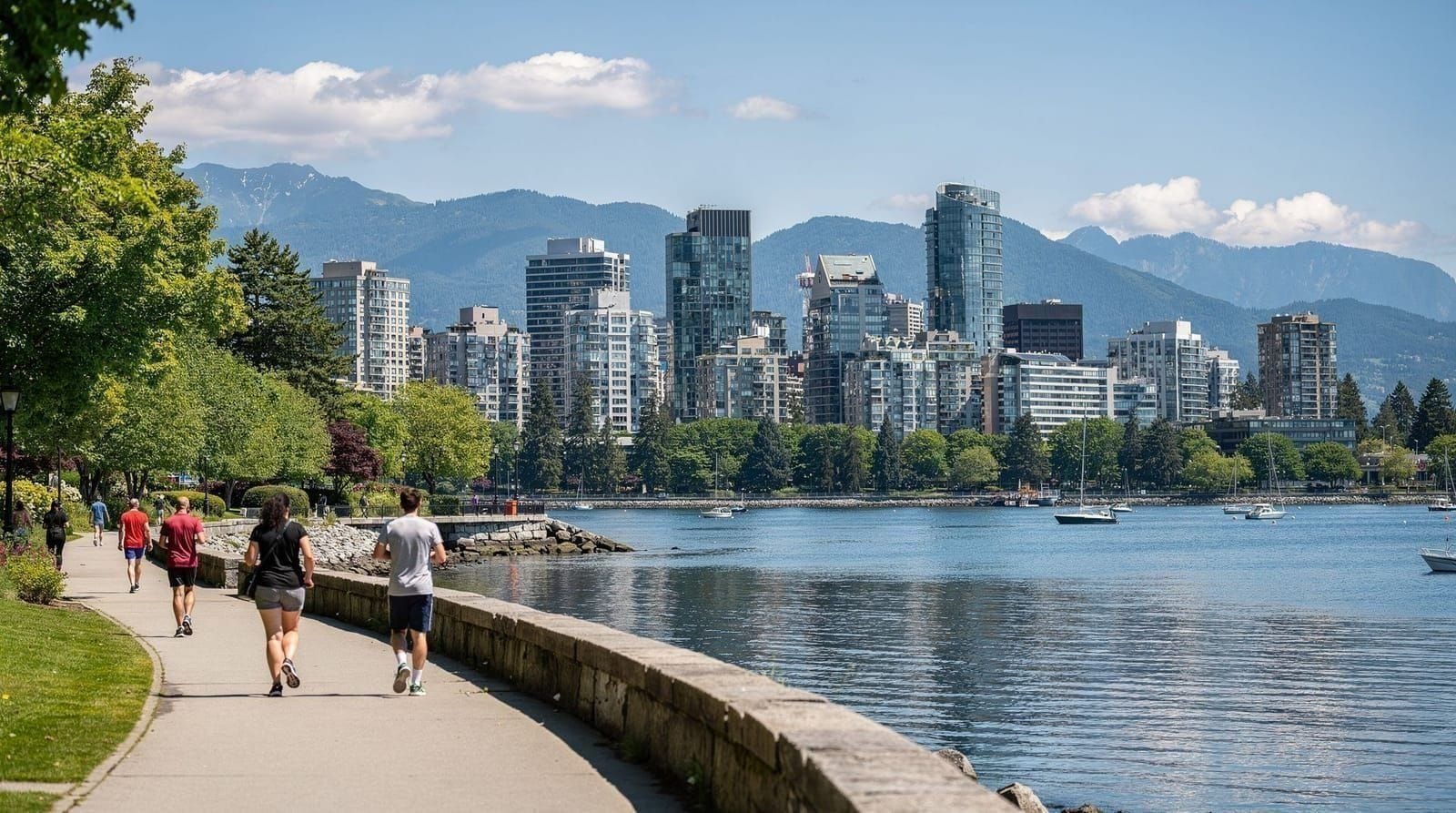
A morning whale watching departure from Granville Island or Coal Harbour still leaves most of an afternoon free, which pairs well with a lower-key activity rather than another multi-hour commitment — a walk through Stanley Park, the Vancouver Lookout, or a relaxed Granville Island market visit all work as a comfortable second half of the day without competing for energy with the morning’s boat time. Stacking a second demanding activity, like a full Grouse Mountain visit, onto the same day as a whale tour tends to leave less time and energy for either than spreading them across two days would.
Combining whale watching with other wildlife in the same trip
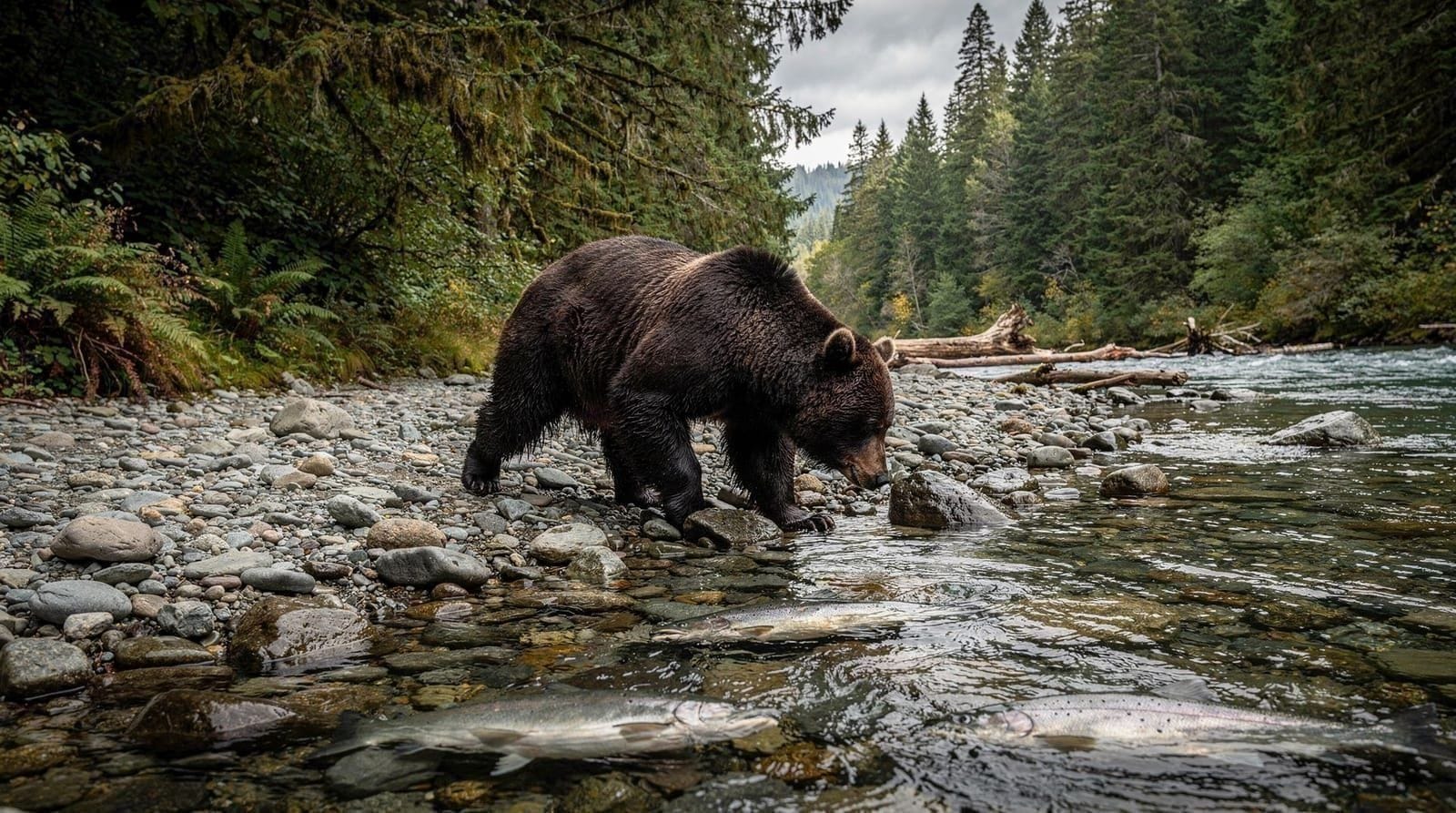
Whale season overlaps with much of BC’s other prime wildlife viewing, which makes a dedicated wildlife-focused itinerary realistic for travelers with more than a couple of days. The where to see bears in BC guide covers grizzly viewing near Campbell River on a similar August-through-October window driven by the same salmon runs that draw whales toward feeding grounds, and both activities can be booked through overlapping regional operators for travelers basing a trip around Vancouver Island rather than the city alone.
Frequently asked questions about whale watching season
What’s the single best month for whale watching near Vancouver?
September, if the priority is balancing both species against crowds and price. For orcas specifically, late June through early September is the strongest window; for humpbacks, August and September are the peak.
Do I need to go to Victoria, or is Vancouver good enough?
Vancouver-departure tours are genuinely worthwhile and far more convenient if the rest of the trip is city-based, but Victoria’s proximity to core orca routes gives it meaningfully higher success rates, commonly cited in the 85-90%+ range during peak months. Victoria is the better choice specifically for maximizing orca odds; Vancouver is the better choice for convenience.
How long does a typical whale watching tour take?
Most tours run three to five hours, including transit time to and from the best-known sighting areas. Full-day options exist, particularly for Telegraph Cove or Campbell River departures, but a half-day tour is standard for Vancouver and Victoria.
What if the boat doesn’t see any whales?
Most reputable operators offer a free rebooking or partial-credit policy for a no-sighting trip, though exact terms vary by company and it’s worth confirming before booking. This is a rare outcome during peak months given the high seasonal success rates.
Is whale watching safe for kids?
Generally yes, though the boat motion and multi-hour duration suit older children and teenagers better than toddlers. Covered or catamaran-style boats are the more comfortable option for families with younger kids, since they offer seating, shelter, and washroom access that open Zodiac tours don’t.
How far in advance should I book?
For July and August departures from Victoria, book several days to a week ahead, since specific popular time slots can sell out. April, May, June, and October carry more flexibility, and same-day or next-day booking is often workable outside peak summer.