Whale watching from Victoria
Victoria BC: 3 Hour Expedition Catamaran Whale Watching Tour
Duration: 3 hours
Is Victoria the best place for whale watching near Vancouver?
Yes — Victoria sits closer to the Salish Sea and Juan de Fuca Strait routes that resident and transient orca pods travel most consistently, giving it reported success rates of roughly 85-90%+ during peak season, higher than tours departing Vancouver itself. Getting there from Vancouver requires a ferry or seaplane, which makes it a better fit for an overnight stay than a rushed same-day trip.
Victoria is regularly named among the best whale watching bases in the world, and the reputation holds up: its position on the southern tip of Vancouver Island puts tour boats directly on the Salish Sea and Juan de Fuca Strait routes that resident and transient orca pods travel through consistently, rather than requiring a long open-water transit to find them. That proximity is why reported success rates there run in the 85-90%+ range during peak season — noticeably higher than a comparable trip departing Vancouver itself.
| Where | Victoria Inner Harbour or Fisherman’s Wharf |
| Cost | Around CAD 120-160 per person |
| Time needed | 3-4 hours, plus ferry/seaplane travel if day-tripping |
| Getting there | BC Ferries from Tsawwassen, or seaplane from Vancouver |
| Best time | Late June-early September for orca peak |
Why the location matters more than the operator
Whale watching odds come down mostly to geography, not marketing. Victoria’s harbour sits close to several of the most reliable orca travel corridors in the region, so boats reach productive waters faster and spend more of the trip actually searching rather than transiting. This is the core reason a Vancouver-based tour — a perfectly reasonable option if you’re staying in the city — generally reports somewhat lower odds than a Victoria one: it’s not a difference in guide skill or boat quality, it’s a difference in how close the departure point sits to where the whales actually are.
Getting from Vancouver to Victoria
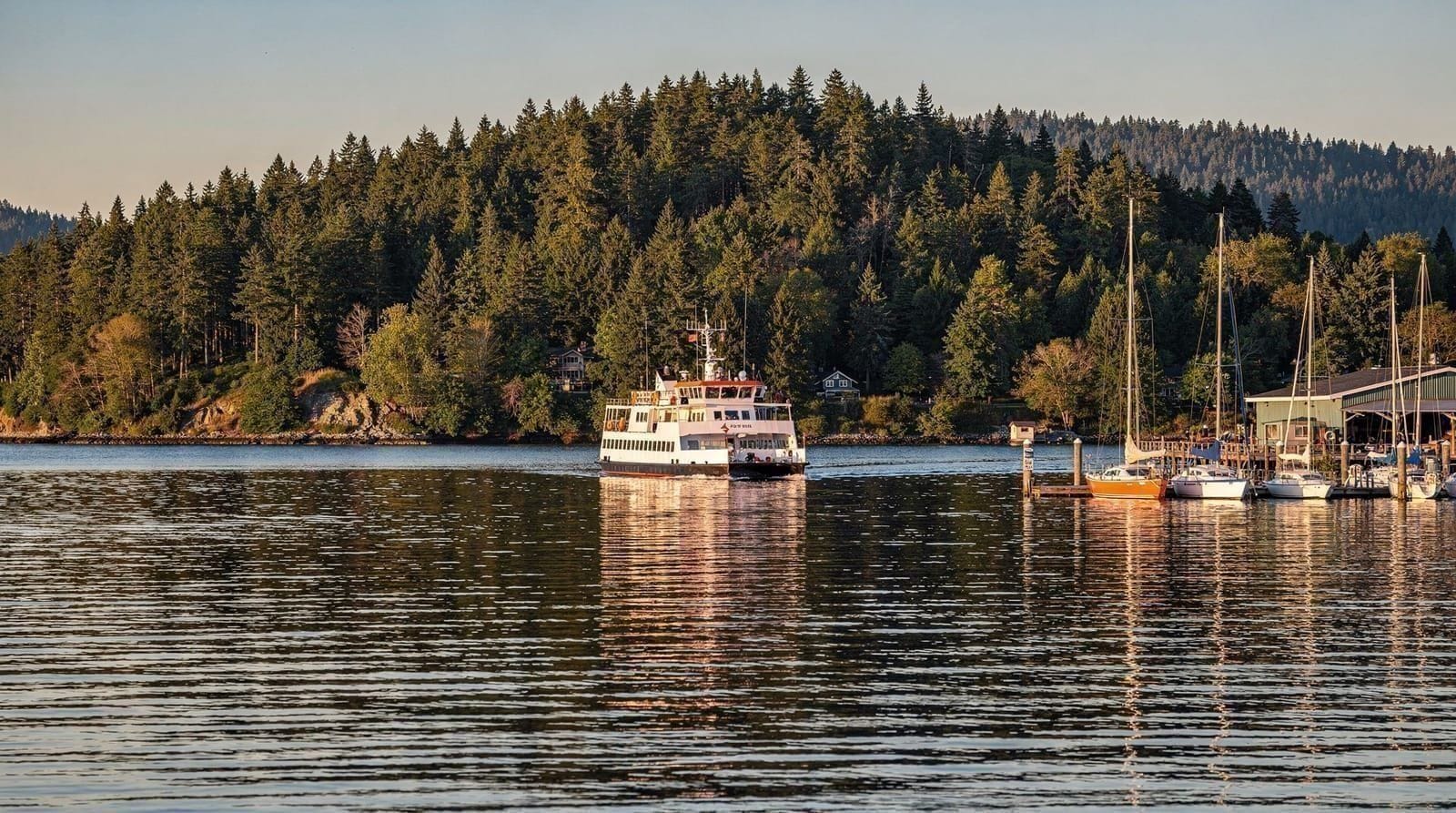
For travelers based in Vancouver, reaching Victoria takes some planning that a Vancouver-departure tour skips entirely. BC Ferries runs the Tsawwassen-Swartz Bay route, about 1 hour 35 minutes each way and priced roughly CAD 16-20 per adult passenger, plus a vehicle fare if driving on. From Swartz Bay it’s another 30-40 minutes by car or shuttle into downtown Victoria and the Inner Harbour, where most whale watching operators depart. Seaplane services connect downtown Vancouver directly to Victoria’s Inner Harbour in around 35 minutes, which is worth considering if the trip is being squeezed into a single day and time matters more than cost.
Day trip or overnight — the honest trade-off
A same-day round trip from Vancouver is possible: an early ferry, a mid-morning or afternoon whale watching tour, and a return ferry that evening. It works, and plenty of travelers do exactly this. But it’s a long day — the ferry alone eats 3-4 hours round trip once terminal arrival time is factored in, on top of a 3-4 hour tour, leaving little slack for delays or a leisurely lunch in Victoria itself.
Staying overnight removes that pressure and opens up the rest of what Victoria offers without rushing. It’s also the more honest recommendation if the trip includes more than whale watching — trying to fit a tour and a full visit to Butchart Gardens into one day from Vancouver usually means shortchanging one or both. Butchart Gardens deserves at least 2-3 unhurried hours, and a whale watching tour is another 3-4, which doesn’t comfortably fit alongside a ferry crossing on both ends. If only one day is available in Victoria, it’s worth picking one and doing it properly rather than rushing through both.
Choosing a boat: catamaran vs. Zodiac vs. something in between
Victoria’s operators offer a wider range of boat types than most other BC departure points, which makes the choice more consequential here than elsewhere. The catamaran whale watching tour is the comfort-first option — a larger, stable, covered vessel with real seating, shelter from wind and spray, and typically a washroom on board. It’s the right call for families, older travelers, or anyone who knows they get cold or seasick easily.
The morning whale watching tour on a Scarab boat sits in the middle of the range — a rigid, high-performance vessel that’s faster and more open than a catamaran but still offers more structure and stability than a true Zodiac. Morning departures also tend to catch calmer water, before afternoon winds pick up on the strait, which matters more for comfort than most people expect going in.
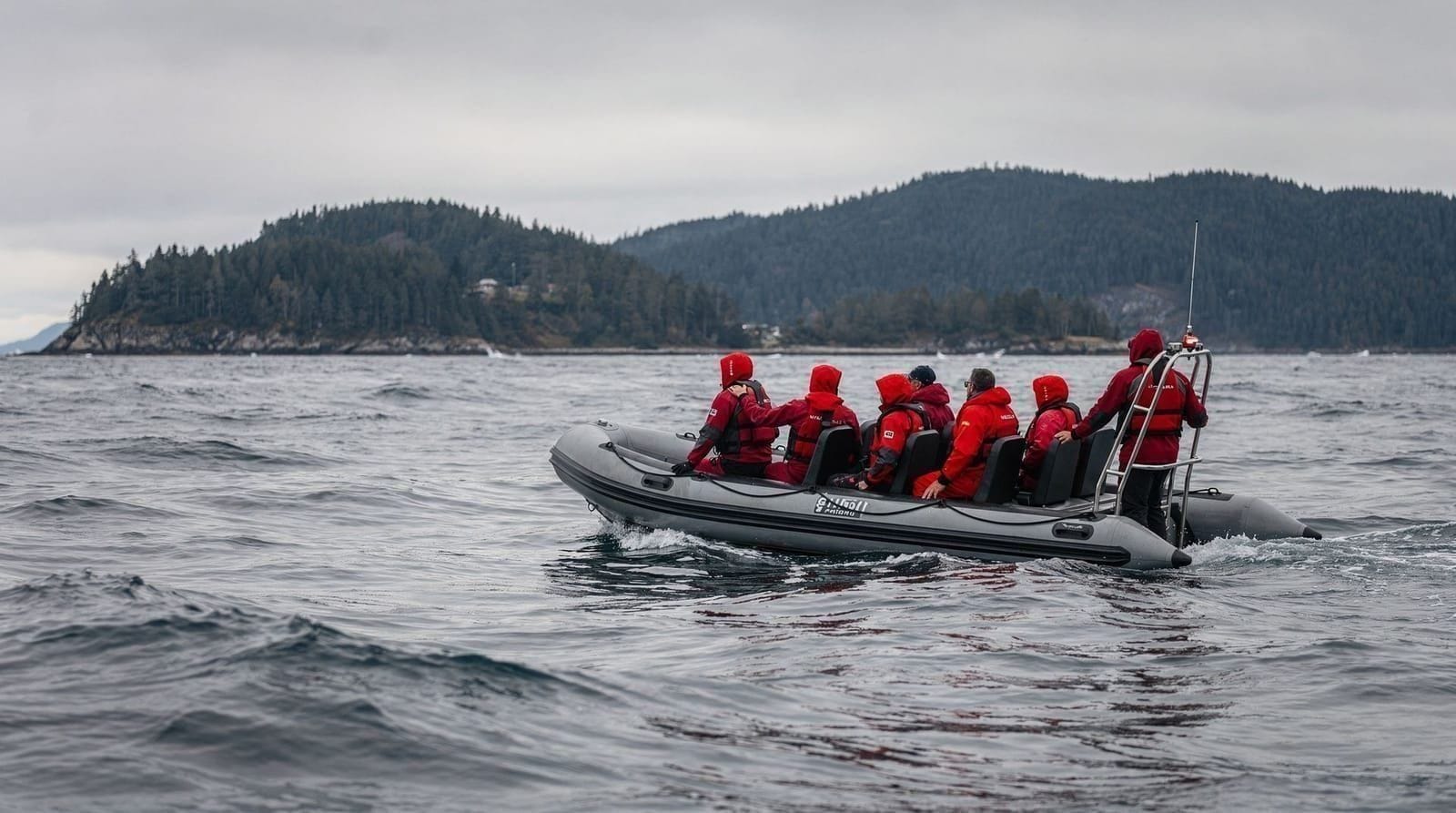
At the other end, the Zodiac whale watching tour is the closest, fastest, most immediate option — a rigid inflatable boat sitting low to the water that gets you nearer to the action and gives sharper sightlines for photos. It’s also the coldest, wettest and roughest of the three, with no cabin to retreat to if conditions turn. It’s a legitimate choice for travelers who specifically want that closer, faster experience, but it’s not the right pick for young children, anyone with back or mobility issues, or travelers who chill easily.
For a different kind of trip altogether, the sunset whale watching tour trades some daytime sighting reliability for the light and calmer late-day water, and it’s worth considering if the schedule allows for an evening departure rather than a morning one — whale activity doesn’t stop at sunset, and the lower light makes for a genuinely different atmosphere on the water even if photos are harder.
The resident pods that make Victoria’s reputation
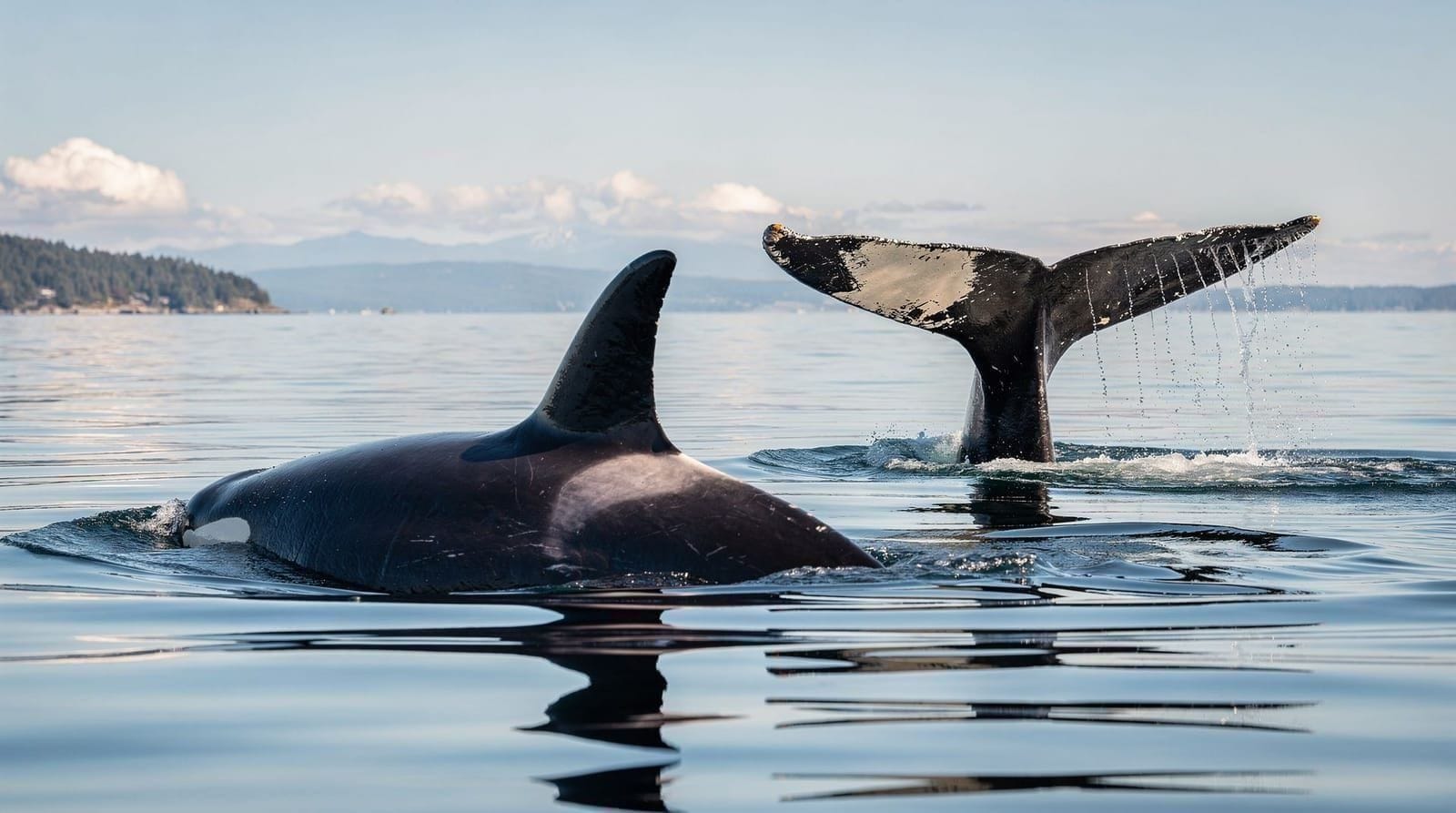
Part of what sets Victoria apart is that its orca sightings aren’t just transient, random encounters — the southern resident killer whale population, organized into three matriline-based pods known to researchers as J, K and L pod, has used the Salish Sea as core habitat for generations, and individual whales are identified and tracked by researchers well enough that experienced guides can often name the specific animal in front of the boat by its dorsal fin shape and saddle patch markings. That level of familiarity is part of why naturalist commentary on a Victoria tour tends to go beyond generic species facts into genuinely specific detail about the pod, its recent movements and its known individuals.
Transient, or Bigg’s, killer whales pass through the same waters on a different pattern, hunting seals, sea lions and occasionally other whales rather than the fish-based diet of the resident pods. They’re less predictable in timing but are sighted through much of the same June-through-September window, and a Victoria-based operator’s radio network with other boats in the region means a transient pod sighting reported near Sooke or the San Juan Islands can be reached within the trip window more often than not.
What a typical Victoria tour day looks like
Most tours check in 20-30 minutes before departure from the Inner Harbour or Fisherman’s Wharf area, with a safety briefing covering flotation gear before heading out. Because Victoria sits so close to the core orca corridors, boats often reach productive water within 20-40 minutes rather than the longer transit typical of a Vancouver departure — a meaningful practical difference on top of the raw odds numbers, since more of the trip is spent actually looking rather than driving to the search area. Captains stay in contact with the wider regional whale-sighting network, including other operators and, at times, shore-based research stations, which is part of why a Victoria trip can pivot quickly toward a fresh report.
Distance regulations apply here as everywhere in BC waters — vessels generally hold back 100-200 metres depending on species and context, tighter still around the southern resident population given its at-risk conservation status. That means encounters are close enough to be memorable through binoculars or a zoom lens, but not a boat pulling up alongside a whale the way some marketing photos imply. Trips typically run 3-4 hours total, slightly shorter on average than Vancouver’s 3-5 hour range, largely because less time is spent in transit.
Downtown Victoria while you’re there
Because most operators depart from the Inner Harbour, it’s easy to build extra time around a tour without needing a car. The harbour itself, lined with the British Columbia Parliament Buildings and the Fairmont Empress, is walkable in under an hour, and the nearby Johnson Street and Fisgard Street areas cover Victoria’s older commercial core and Chinatown within a similar radius. None of this requires advance planning the way Butchart Gardens does — it’s the kind of unstructured wandering that fits naturally either side of a morning or afternoon tour without adding real logistics.
For travelers staying overnight specifically to fit in more than whale watching, it’s worth sequencing deliberately: a whale watching tour in the morning, when water tends to be calmer and light better for photography, followed by a slower-paced afternoon rather than trying to pack in a second major activity like Butchart Gardens on the same day. Saving the gardens, or a similar half-day attraction, for a second day if the itinerary allows it avoids the rushed feeling that comes from trying to do both on limited time.
What you’ll see, and when
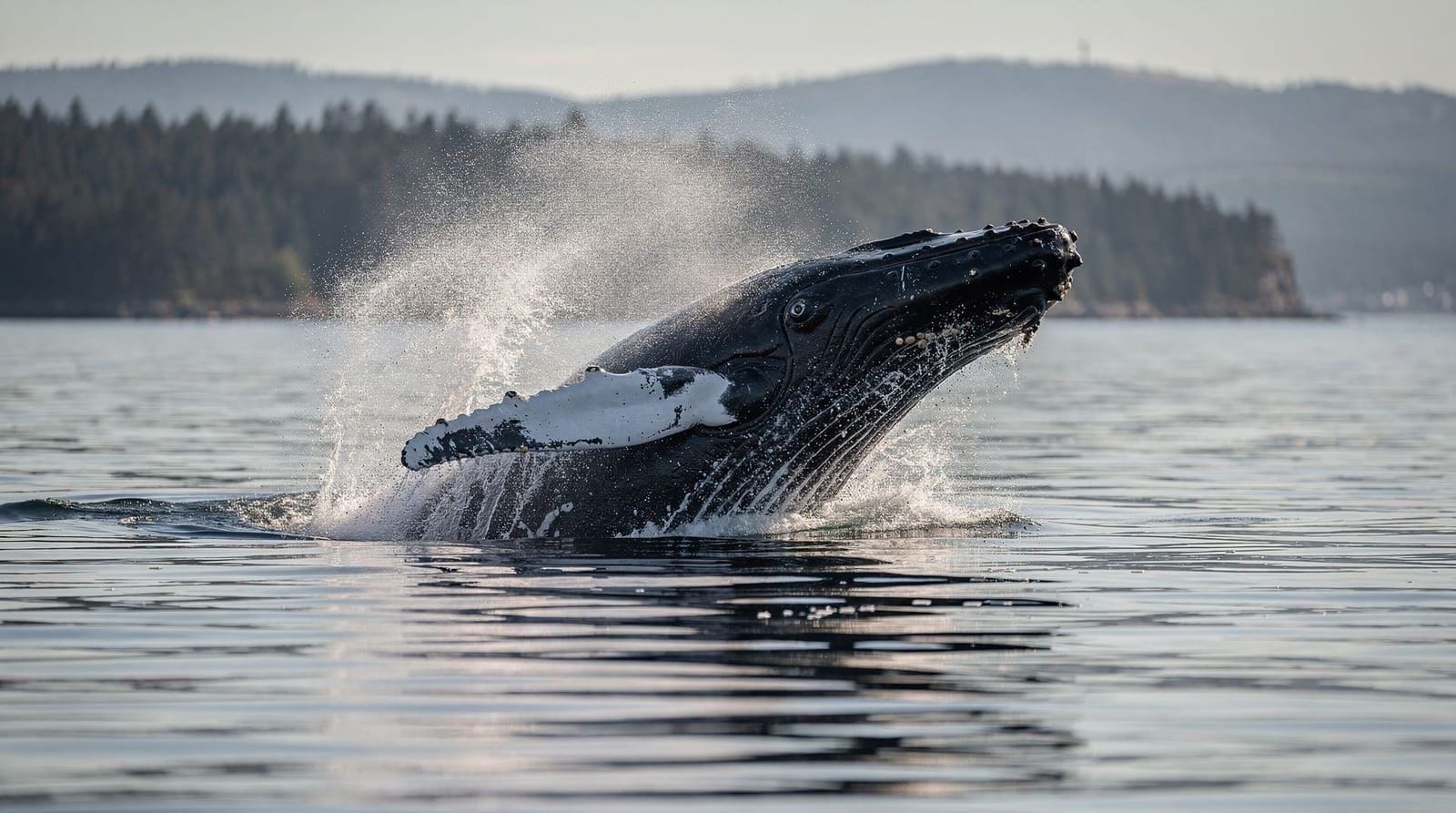
Victoria’s core strength is orca sightings — resident pods that return to the same waters with real seasonal consistency, plus transient (Bigg’s) killer whales that pass through less predictably but often turn up regardless. Late June through early September is the strongest window, tracking the province-wide orca peak described in the best time for whale watching in BC guide. Humpback whales are also increasingly common on Victoria-based tours from July onward, following the same regional recovery trend covered in the orca vs. humpback season comparison — Victoria isn’t purely an orca destination anymore, even if that’s still its strongest card.
Outside the June-September core, April, May and October trips still run with reasonable odds, generally better than the equivalent shoulder-season odds from a Vancouver departure, again due to the shorter transit to productive water.
Weather cancellations in Victoria
Cancellations for weather are less common in Victoria than in more exposed BC whale watching regions, since much of the operating area sits within the relatively sheltered Salish Sea rather than fully open ocean, but they do happen, mainly tied to strong winter storms rather than routine rain or cloud. Reputable operators rebook at no charge or issue a full refund when a captain calls a weather cancellation, a policy worth confirming directly when booking a shoulder-season date, since exact terms vary by company.
Sooke and the western reaches of Juan de Fuca Strait
A number of Victoria-based operators range as far west as Sooke and the outer stretches of Juan de Fuca Strait when reports point that way, an area that sits even closer to some of the transient orca and humpback activity in the wider Salish Sea system. This is part of why “Victoria” as a whale watching base should be understood as covering a fairly wide operating radius rather than a single fixed patch of water close to the harbour — boats reposition significantly during a trip based on where sightings are being reported that morning, and a strong tour is as much about the captain’s read of current reports as it is about the departure point itself.
Price and what to expect
Victoria whale watching tours typically run CAD 120-160 for a 3-4 hour trip, somewhat lower on average than the CAD 130-180 typical of Vancouver departures, though the exact figure depends heavily on boat type and time of year. Sunset tours and smaller-group departures tend toward the higher end of the range. As with Vancouver, price within this band correlates more with boat type, trip length and group size than with meaningfully better sighting odds — the location itself is doing most of the work on that front.
Comparing the four Victoria boat options directly
With a catamaran, a Scarab boat, a Zodiac, and a sunset tour all bookable from Victoria, the choice mostly comes down to comfort tolerance and schedule rather than sighting odds, since all four fish broadly the same waters. The catamaran tour is the safest default for most travelers, families and anyone unsure which to pick. The Scarab boat tour suits travelers wanting a faster, more open ride without going as far as a full Zodiac.
The Zodiac tour is the pick for travelers prioritizing proximity and photo access above comfort, and the sunset tour is worth considering for anyone whose schedule allows an evening departure and who values atmosphere and light as much as the wildlife itself.
Practical preparation
Dress the same way you would for any BC whale watching trip — layers under a windproof, ideally waterproof outer shell, plus a hat and gloves, since the Juan de Fuca Strait generates real wind chill at speed regardless of the air temperature on land. Seasickness precautions matter here too: a non-drowsy motion sickness tablet taken about an hour before departure, a light meal beforehand, and picking a covered boat over a Zodiac if you’re prone to it. Morning tours, in addition to often having calmer water, also tend to have marginally better light for photography than midday departures.
What a naturalist guide adds in Victoria specifically
Because Victoria’s guides track resident pods closely enough to often identify individual whales, the commentary here tends to go further than a generic “orcas hunt salmon” explanation — expect details on specific matrilines, recent movements reported by the regional research network, and the conservation pressures facing the southern resident population, which is legally protected and subject to tighter approach distances than transient pods. This depth of local knowledge is part of what distinguishes a Victoria-based tour from a similarly priced trip elsewhere in the region.
Fisherman’s Wharf and the other departure area
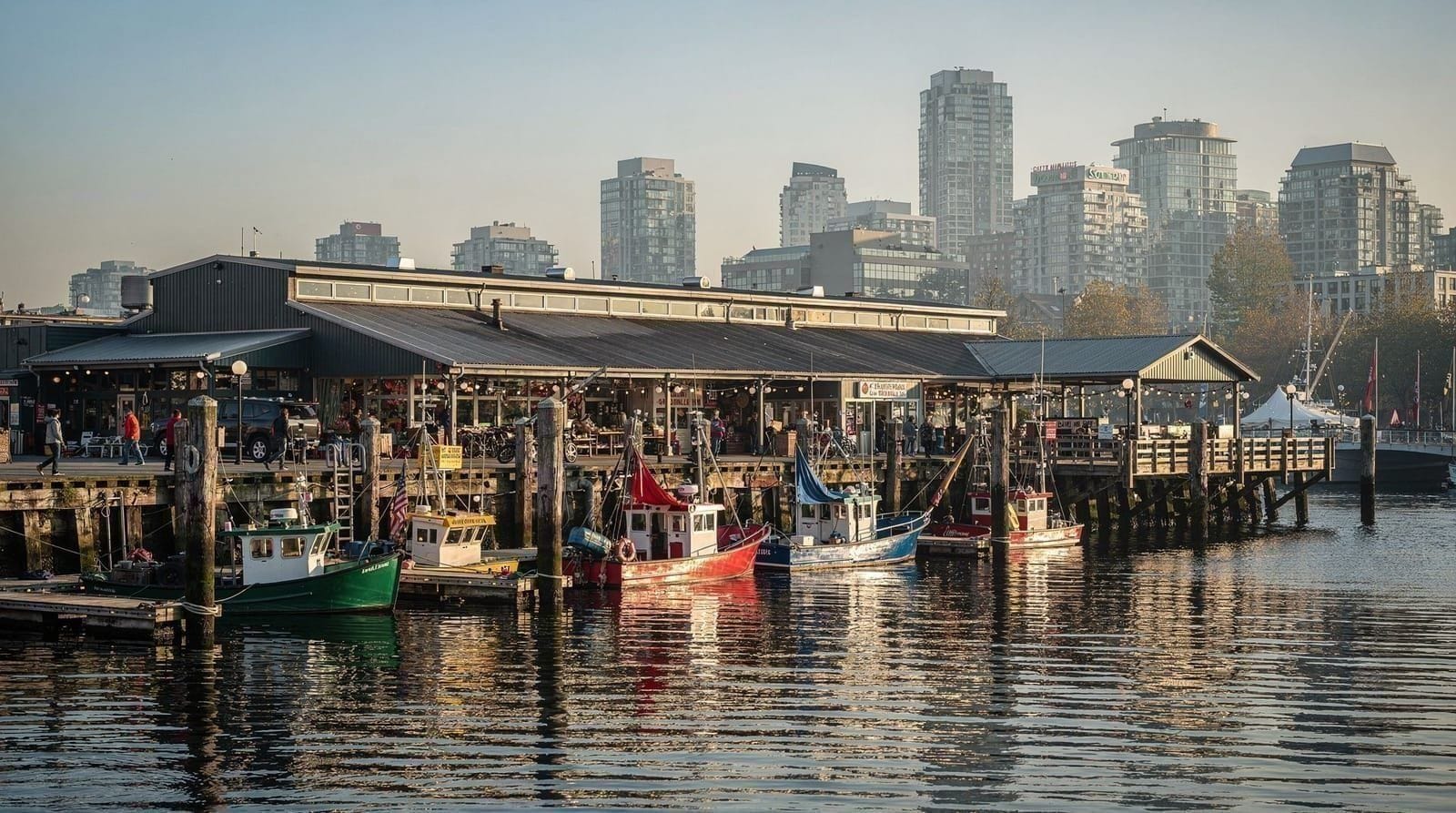
Beyond the main Inner Harbour docks, a number of operators run from Fisherman’s Wharf, a colourful floating community a short walk or quick water-taxi ride from the harbour proper. It’s worth checking exactly which dock a specific tour departs from when booking, since the two areas, while both walkable from downtown hotels, aren’t quite the same location — arriving at the wrong wharf with a tight check-in window is an avoidable inconvenience. Both areas offer food and coffee options nearby, useful for an early departure that doesn’t leave much time for breakfast beforehand.
What time of day to book
Morning departures from Victoria generally see calmer water, an advantage on any boat type but especially the Zodiac and Scarab options, and guides report slightly better odds of catching pods still active from overnight feeding before midday activity shifts. Sunset tours trade some of that reliability for atmosphere and cooler-toned light, a worthwhile swap for travelers who’ve already done a standard tour or who specifically want the golden-hour photography angle over maximizing sighting probability.
Whale watching and the rest of a Victoria stay
Victoria rewards a bit more time than a single tour and a walk around the harbour. Beyond Butchart Gardens, which is worth its own dedicated half-day rather than a rushed add-on, the Royal BC Museum sits directly on the Inner Harbour and is a realistic option for an afternoon if weather turns or a tour runs in the morning. Craigdarroch Castle and the Victoria Bug Zoo are further options for travelers with kids or a rainy backup day. None of this is essential to a whale watching trip specifically, but it’s part of why an overnight stay tends to produce a better overall experience than a same-day round trip squeezed around a single tour.
Family travel considerations specific to Victoria
Families weighing a Victoria trip against a Vancouver-based one should factor in more than just sighting odds. The ferry crossing itself, at roughly 1 hour 35 minutes, is generally an easy one for kids — BC Ferries vessels on this route have onboard seating, food service and enough space to move around, which makes it a considerably gentler experience than a similarly long car journey. That said, combining the ferry crossing with a whale watching tour and any other Victoria activity in a single day is a lot to ask of younger children specifically; an overnight stay, even a short one, tends to produce a noticeably less stressful day for families than the same itinerary compressed into a same-day round trip.
For the tour itself, the catamaran option is worth defaulting to for families with young children specifically, both for the washroom access and for the more forgiving ride in the event conditions turn choppier than expected. The Zodiac and Scarab options are better suited to older kids and teenagers who can handle a rougher, colder ride and will likely enjoy the added speed and proximity more than younger siblings would.
What locals and repeat visitors do differently
Travelers who’ve done a Victoria whale watching trip before tend to gravitate toward morning departures specifically, both for the calmer water mentioned earlier and because afternoon tours are more likely to be affected if wind picks up later in the day during shoulder-season months. They also tend to book earlier in the week for weekend departures during July and August, since Friday-to-Sunday slots are consistently the first to sell out.
A smaller but real group of repeat visitors deliberately choose September specifically because it combines strong sightings with noticeably lighter boat occupancy than the July-August peak — a pattern that holds across most BC whale watching regions and is covered in more depth in the best time for whale watching in BC guide.
Combining Victoria with the rest of a Vancouver trip
If the whale watching tour is the main reason for the Victoria trip, it’s worth building a full day or overnight around it rather than treating Victoria purely as a stopover. The Inner Harbour area near most departure docks is walkable and easy to fill a few extra hours in either before or after a tour. Travelers weighing whether the extra ferry crossing is worth it compared to booking closer to home should read the Vancouver whale watching guide for the direct comparison on odds, price and convenience.
For a lower-key alternative on a day when a whale watching tour isn’t in the schedule, a sailing tour from Vancouver or a day trip to Bowen Island covers similar coastal scenery without the ferry crossing to Vancouver Island. And for travelers deciding which BC region gives the best overall odds across the whole season, the best time for whale watching in BC guide lays out the month-by-month comparison across Vancouver, Victoria, Telegraph Cove and Campbell River in one place.
Booking lead time in Victoria specifically
Victoria’s whale watching tours generally sell out faster than Vancouver’s comparable offerings during peak weeks, partly a function of the region’s stronger reputation drawing more demand against a similar fleet size. Weekend departures in July and August are worth booking at least a few days ahead, and ideally a week or more if your travel dates are fixed and a specific tour or boat type matters. Shoulder months — late April through May and September through early October — carry noticeably more same-week availability without a large drop in sighting odds, making them a reasonable compromise for travelers who dislike booking rigidly far in advance.
Photography considerations specific to Victoria’s proximity advantage
Because boats reach productive water faster from Victoria than from Vancouver, more of a Victoria tour’s total time is spent actually near whales rather than transiting — a real practical advantage for photographers, since it means more opportunities across the trip rather than one brief encounter after a long search. The same 100-200 metre distance regulations apply here as elsewhere in BC waters, so a moderate zoom lens or a phone with a clip-on telephoto attachment still makes a meaningful difference over relying on the naked eye or a standard phone camera alone.
Solo travelers and Victoria whale watching
A whale watching tour is a comfortable solo activity in Victoria specifically, since the Inner Harbour departure area is compact, walkable, and easy to navigate without a car or a group. Most boats mix solo travelers into the group naturally, and naturalist guides address the whole boat rather than assuming everyone booked together. Solo travelers on a tight schedule who are day-tripping from Vancouver should factor the added ferry logistics into their day carefully, since navigating an unfamiliar terminal and ferry schedule alone adds a layer of planning that a guided combination tour removes entirely.
Frequently asked questions — Whale watching from Victoria
Why is Victoria considered one of the best whale watching spots in the world?
Its location on the southern tip of Vancouver Island puts it directly on the Salish Sea and Juan de Fuca Strait routes that resident and transient orca pods travel through consistently, rather than requiring a long transit out to find them. That proximity is the main reason reported success rates there run higher than most comparable departure points.How do you get from Vancouver to Victoria for whale watching?
BC Ferries between Tsawwassen and Swartz Bay is the standard option, roughly 1 hour 35 minutes each way and priced around CAD 16-20 per adult passenger, plus vehicle fare if driving. Seaplane services connect downtown Vancouver to downtown Victoria directly in about 35 minutes, at a significantly higher price, and are worth it mainly if time is tighter than budget.Can you do Victoria whale watching as a day trip from Vancouver?
Yes, but it's a long day — factor in roughly 3-4 hours of round-trip ferry travel plus terminal time, on top of a 3-4 hour whale watching tour. It's doable and plenty of people do it, but staying overnight in Victoria removes the time pressure and allows a second activity without rushing.Should I do whale watching and Butchart Gardens in the same day in Victoria?
Generally not, if the goal is to enjoy both properly. A whale watching tour alone takes 3-4 hours, and Butchart Gardens deserves at least 2-3 unhurried hours; stacking them into one day from Vancouver typically means rushing one or both. If time allows only one day in Victoria, picking one and doing it well beats a rushed version of both.What's the difference between the catamaran and Zodiac whale watching tours in Victoria?
The catamaran is a larger, more stable, covered vessel with real seating and shelter, suited to families, older travelers, or anyone prone to seasickness. The Zodiac sits low and fast on the water for a closer, more immediate experience, but it's colder, wetter, and less forgiving in rougher conditions — a genuine comfort-versus-thrill trade-off rather than one being simply better.What time of year gives the best whale watching odds in Victoria?
Late June through early September is the strongest window for orca sightings specifically, tracking peak resident and transient pod activity in the region. See the best time for whale watching in BC guide for the full month-by-month breakdown across species and regions.How much does whale watching cost in Victoria?
Typically CAD 120-160 for a 3-4 hour tour, somewhat lower on average than comparable Vancouver departures, varying by boat type and operator. Sunset tours and smaller-group options can run toward the higher end.
Top experiences
Bookable activities with verified prices and instant confirmation on GetYourGuide.