Cypress Mountain guide
Grouse Mountain Skyride Admission Ticket
What makes Cypress Mountain different from Grouse and Seymour?
Cypress Mountain hosted freestyle skiing and snowboard events at the 2010 Winter Olympics and is generally considered to have the North Shore's most technical ski terrain. Unlike Grouse, there's no gondola or tram — visitors drive to the base area — and unlike either other North Shore mountain, it has no direct bookable sightseeing ticket.
| Where | Above West Vancouver, ~30 min from downtown by car |
| Ski season | Roughly December-March, snowpack-dependent |
| Summer hiking | Cypress Lookout trail, typically open from June |
| Getting there | Car needed — no direct transit to the upper mountain |
| Bookable ticket | None — no gondola, unlike Grouse Mountain |
Cypress Mountain, above West Vancouver, has a claim to fame the other North Shore mountains don’t share: it hosted the freestyle skiing and snowboard events at the 2010 Winter Olympics, putting its terrain briefly on a global stage. That Olympic pedigree lines up with what regulars already knew — Cypress has some of the more technical ski terrain in the North Shore cluster, steeper and more demanding than Grouse Mountain’s beginner-friendly slopes. But it’s also, like Mount Seymour, a mountain with no gondola and no bookable sightseeing ticket, which shapes who it actually suits as a visitor destination.
Olympic history
During the 2010 Winter Olympics, Cypress Mountain’s terrain hosted the freestyle skiing moguls, aerials, and ski cross events, along with snowboard halfpipe, parallel giant slalom, and boardercross. That’s a meaningfully deeper Olympic connection than anything else on the North Shore, and it’s reflected in the terrain that remains — Cypress kept much of its Olympic-grade infrastructure and continues to be used for competitive training and events well after the Games ended.
Terrain and skiing
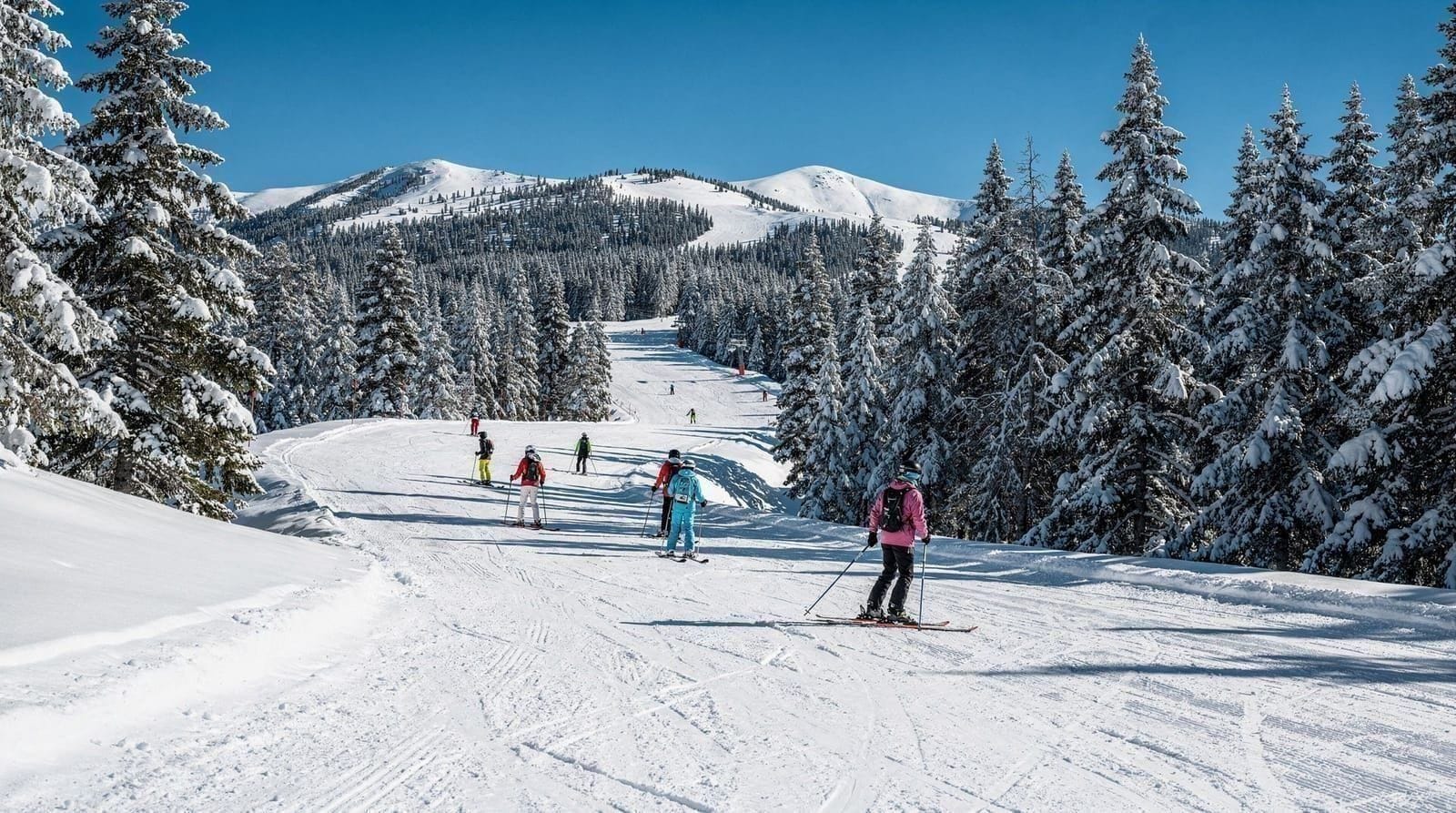
Among the North Shore’s three ski mountains, Cypress is generally rated as having the most demanding terrain. Its runs skew steeper and more technical than Grouse’s, which suits beginners and intermediates better, and considerably more advanced than Mount Seymour’s smaller-scale, beginner-oriented layout. Experienced local skiers who ski all three North Shore hills tend to name Cypress as their preferred option when they want a real workout without the two-hour drive to Whistler Blackcomb.
That said, “advanced by North Shore standards” is a relative claim — none of the three North Shore mountains compares in scale, vertical drop, or terrain variety to a destination resort. Cypress is a strong choice for a local ski day, not a substitute for a multi-day Whistler trip.
No gondola, unlike Grouse
This is a genuine and important difference from Grouse Mountain. Grouse’s Skyride tram carries visitors from a base parking lot to the summit in about 12 minutes as a standalone sightseeing ride. Cypress has nothing equivalent — visitors drive Cypress Bowl Road, a winding mountain route, up to a day lodge area around 900 metres, and from there, ski lifts (winter) or hiking trails (year-round) take over. There’s no aerial cable car ride to buy a ticket for on its own, which rules out Cypress as an option for visitors specifically wanting a tram-style sightseeing experience.
Snowshoeing
Beyond downhill skiing, Cypress runs a network of groomed and backcountry-style snowshoeing trails through the winter season, a lower-intensity way to get onto the mountain for visitors who don’t ski. The snowshoeing terrain winds through forested sections of the mountain with occasional viewpoint clearings, and it’s a reasonable option for families or visitors wanting a winter outdoor activity without the cost or skill requirement of downhill skiing.
Summer hiking to the lookout
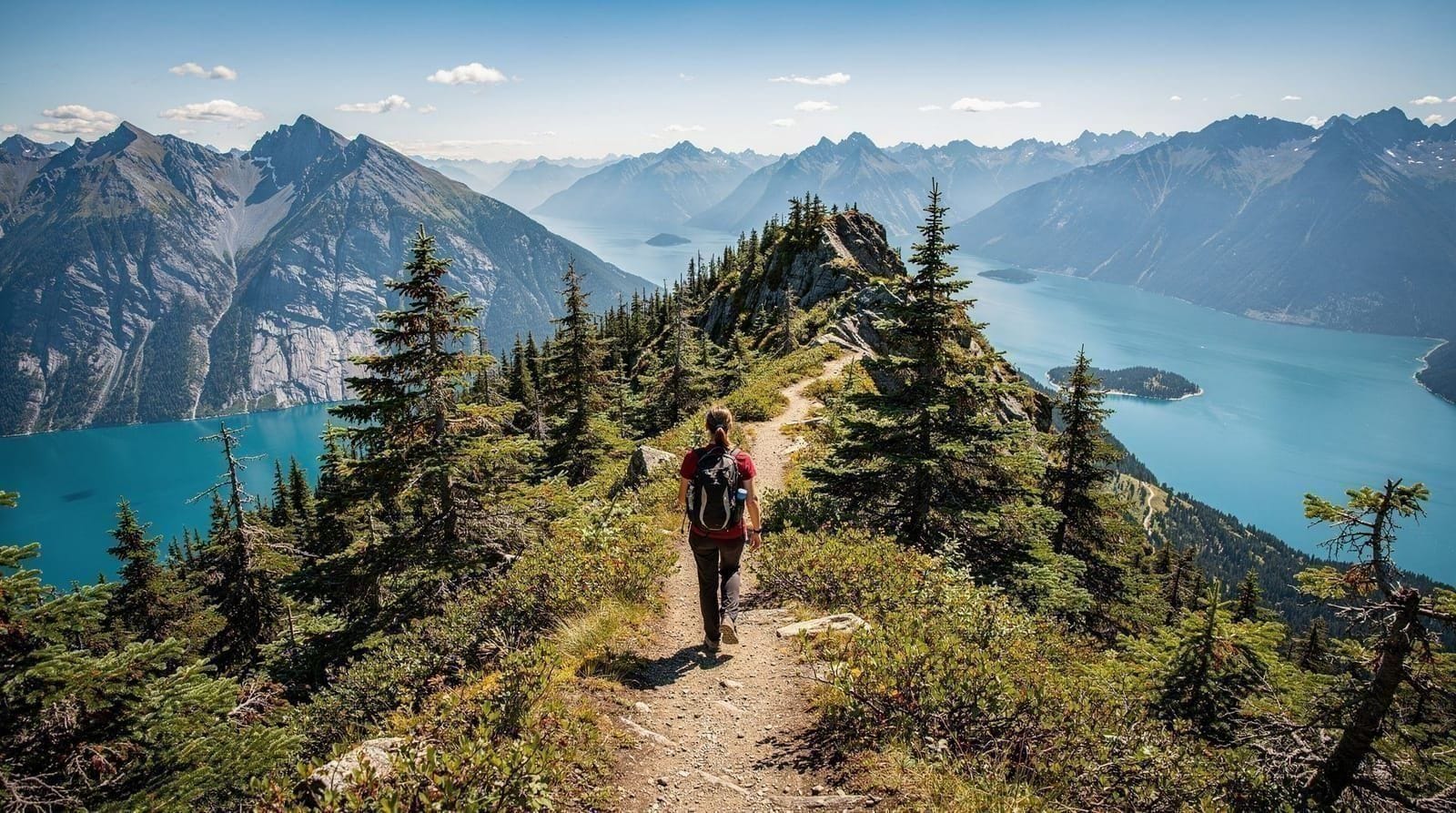
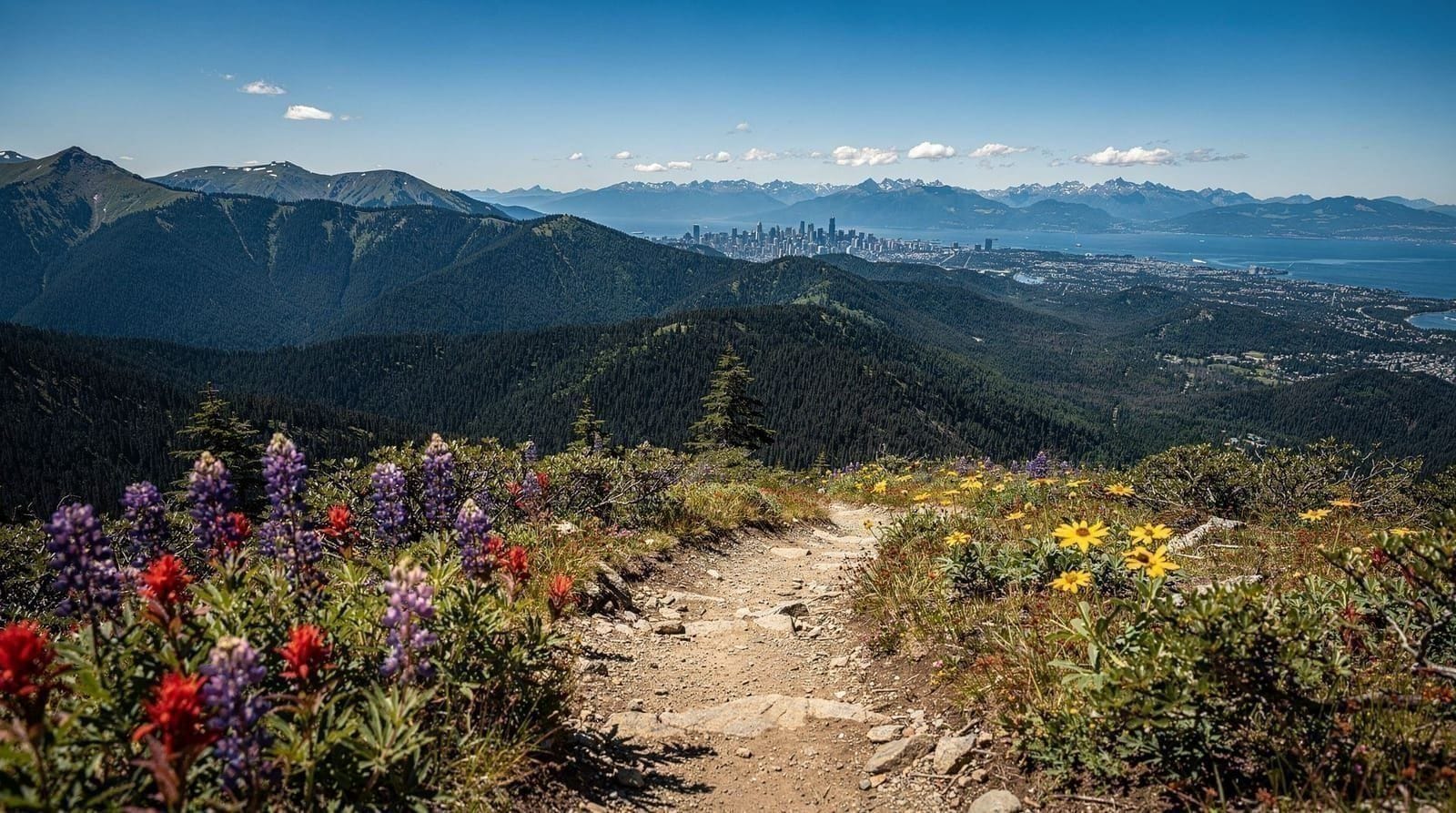
Cypress’s summer season centers on hiking, with the Cypress Lookout area being the most commonly visited destination — a relatively accessible viewpoint reached via marked trails from the base parking area, giving views out over Howe Sound and the surrounding North Shore terrain. It’s a shorter, more viewpoint-focused hike than the full alpine routes available at Mount Seymour, making it a reasonable stop for visitors with limited time or fitness who still want a mountain view without a demanding climb.
Being honest about the missing sightseeing ticket
Like Mount Seymour, Cypress genuinely has no direct bookable GetYourGuide product, and it would be misleading to suggest otherwise. There’s no gondola, no wildlife refuge, and no bundled admission ticket the way Grouse has built its visitor experience around — Cypress is fundamentally a ski resort and provincial park trail network, not a tourist attraction designed around a ticket booth.
For visitors specifically wanting a guided or ticketed North Shore mountain experience — particularly those without a car, or those who want an organized outing rather than independent hiking or skiing logistics — the more realistic options nearby are Grouse Mountain and Capilano Suspension Bridge.
A Grouse Mountain admission ticket delivers the aerial-tram, organized-attraction experience Cypress doesn’t offer, and a Capilano Suspension Bridge ticket is a short drive away and offers the region’s other well-known ticketed nature experience for visitors wanting something bookable and low-effort.
Who Cypress actually suits
Cypress is best suited to two fairly specific groups: skiers with a car who want more challenging terrain than Grouse offers without driving to Whistler, and hikers comfortable navigating a trail system independently rather than following a packaged tour. It’s less suited to visitors without a car (there’s limited public transit access to the upper mountain), first-time skiers (Seymour or Grouse are gentler introductions), and anyone specifically looking for an organized, ticketed sightseeing experience rather than independent recreation.
Getting there and practical notes
Cypress Mountain sits above West Vancouver, roughly 30 minutes from downtown Vancouver by car via the Upper Levels Highway and Cypress Bowl Road. As with Mount Seymour, a car is effectively necessary — public transit options to the upper mountain are limited compared to Grouse’s SeaBus-plus-bus connection. The ski season generally runs from December through March depending on snowpack, broadly in line with the other North Shore mountains, while summer hiking access to the Cypress Lookout area is typically straightforward from roughly June once snow clears from the lower trails.
Weather at Cypress can vary meaningfully from conditions at sea level in West Vancouver — the drive up gains enough elevation that rain in the city can mean snow or fog at the base lodge, so checking mountain-specific conditions before heading up is worth doing regardless of season.
Cypress’s Olympic legacy in more detail
The infrastructure built for the 2010 Games didn’t disappear once the Olympics ended — much of the terrain shaping and lift access used for the moguls, aerials, and snowboard events remains part of Cypress’s regular operating terrain today, and the resort has continued to host World Cup-level freestyle and snowboard competitions in the years since.
For skiers and snowboarders with a competitive background or a specific interest in freestyle terrain, this gives Cypress a credibility that the other North Shore mountains don’t share — it isn’t simply a recreational hill, it’s a venue with an ongoing competitive pedigree. Visitors interested in this history can typically find some on-site signage and information referencing the Olympic connection near the base area, though it’s a relatively low-key presence rather than a dedicated museum or exhibit.
Driving Cypress Bowl Road
The drive itself deserves a specific mention, since it’s a meaningfully different experience from the approach to either Grouse or Seymour. Cypress Bowl Road climbs steadily via a series of switchbacks after leaving the Upper Levels Highway, gaining elevation quickly enough that the vegetation and visible weather can shift noticeably over a short drive.
In winter, this stretch of road requires proper winter tires or chains during snowy conditions — it’s steep and can ice over, and BC’s mountain-access regulations reflect that with signage and, at times, active enforcement checking for appropriate tires before allowing vehicles up. Visitors renting a car specifically for a Cypress ski day in winter should confirm the rental comes with winter-rated tires, since standard all-season tires may not be sufficient or legally compliant on the access road during a snow event.
Comparing costs to Grouse and Seymour
Winter lift tickets at Cypress are generally priced in a similar range to Seymour’s, both typically running somewhat below what a comparable day at a larger destination resort would cost, and both considerably less expensive than Whistler Blackcomb. Since Cypress has no bundled sightseeing-plus-attractions ticket the way Grouse does, there’s no equivalent “day pass” covering non-ski activities to compare directly — a summer visit to Cypress for hiking costs essentially nothing beyond parking, similar to Seymour, while a Grouse summer visit requires the full admission ticket regardless of whether a visitor plans to see the bears or just wants the view.
Who should choose Cypress over the alternatives
Cypress makes the most sense for skiers and riders who’ve outgrown Grouse’s beginner-friendly terrain but don’t want to commit to a two-hour drive to Whistler for a single day of skiing, and for hikers comfortable with independent trail navigation who specifically want to see the Cypress Lookout viewpoint or explore terrain with a genuine Olympic pedigree. It makes less sense for visitors without a car, first-time skiers who’d be better served by Seymour’s gentler terrain, or anyone specifically looking for the kind of organized, ticketed, wildlife-inclusive experience that only Grouse currently offers on the North Shore.
Cypress in shoulder seasons
Spring and fall bring a genuine lull to Cypress, and it’s worth planning around this rather than being caught out by it. Once the ski season winds down (typically by March or into April depending on snowpack) but before the lookout trail is reliably clear of lingering snow and mud (often not until sometime in June), Cypress sits in a quiet in-between period with limited on-site amenities and trail conditions that can be genuinely unpredictable — melting snow, exposed roots, and muddy sections that make for an unpleasant, sometimes hazardous hike. Visitors specifically planning a shoulder-season trip should check current trail conditions rather than assuming either ski infrastructure or summer hiking trails will be fully ready.
A note on Cypress Falls, a separate nearby trail
Visitors researching Cypress sometimes come across references to Cypress Falls, a separate, lower-elevation waterfall trail near the base of the mountain that’s distinct from the ski resort and lookout hike described above. It’s a shorter, easier trail suited to visitors wanting a quick forest walk rather than an alpine hike, and it doesn’t require driving all the way up Cypress Bowl Road — worth knowing about specifically so as not to confuse it with the higher-elevation lookout trail when researching or navigating to a trailhead.
Combining Cypress with other West Vancouver stops
Cypress sits within West Vancouver, and visitors basing a day there can reasonably combine a Cypress hike or ski day with other West Vancouver stops at lower elevation, including waterfront areas and Lighthouse Park further along the coast. This gives Cypress a slightly different itinerary logic than Grouse or Seymour — rather than pairing naturally with other North Vancouver mountain attractions, it fits more naturally into a West Vancouver-focused day that mixes mountain and coastal scenery.
Travelers without a strong preference between a North Vancouver or West Vancouver-based day should let this geographic logic guide which North Shore mountain they choose, since it affects what else realistically fits into the same day without excessive backtracking. For visitors who ultimately decide a ticketed attraction better suits their plans, a Capilano Suspension Bridge ticket remains one of the more efficient nearby options, reachable within a reasonable drive from the Cypress area.
Cypress’s freestyle and terrain park culture
Beyond its Olympic history, Cypress has maintained a strong reputation among terrain park skiers and riders more broadly, with dedicated freestyle zones featuring jumps, rails, and other features built for skiers and snowboarders practicing tricks rather than just descending groomed runs. This terrain park culture is a continuation of the resort’s freestyle identity from its Olympic hosting days, and it draws a specific subset of visitors — younger riders and skiers with a freestyle focus — who might otherwise choose Whistler Blackcomb’s larger terrain parks but appreciate Cypress’s shorter drive from Vancouver for a single-day session.
Views from Cypress compared to the other North Shore mountains
Cypress’s summit and lookout areas offer views that lean more toward Howe Sound and the Strait of Georgia than the more Vancouver-centric panorama visible from Grouse, given Cypress’s more westerly position within the North Shore range. On a clear day, the Cypress Lookout trail rewards hikers with sightlines out toward the Gulf Islands and Vancouver Island, a genuinely different vista than what Grouse or Seymour offer from their respective summits, and one that photographers specifically interested in coastal, rather than urban, mountain views may find more compelling.
Making the case for Cypress as an underrated stop
Cypress doesn’t get the visitor volume or name recognition of Grouse, and it isn’t marketed with anything close to the same intensity, but for the specific traveler profile it suits — a car-equipped visitor who wants real ski terrain or a quieter hike with genuine Olympic history attached — it’s arguably underrated relative to how well it delivers on those specific fronts. It’s not trying to be Grouse, and evaluating it against Grouse’s tourist-attraction model misses what Cypress actually does well: solid, credible mountain terrain without the crowds or the commercial polish.
Cypress and the broader Sea-to-Sky ski circuit
Skiers building a multi-mountain BC ski trip sometimes treat Cypress as a warm-up or bonus day alongside a primary Whistler Blackcomb-focused trip, given how easy it is to fit a single Cypress day into a Vancouver stopover before or after heading up the Sea-to-Sky corridor. This works reasonably well logistically, since Cypress requires no advance lift ticket purchase in most cases and doesn’t demand the kind of dedicated planning a full Whistler day does.
Visitors extending a ski trip by a day specifically to include Cypress should expect a genuinely different scale of terrain than Whistler Blackcomb — smaller, faster to ski top to bottom, but with its own worthwhile character rather than feeling like a diminished version of the bigger resort.
What locals say about Cypress versus Grouse for skiing
Among Vancouver locals who ski regularly, Cypress tends to come up as the preferred North Shore option specifically for skiing quality, even though Grouse gets more general visitor traffic overall. This split — Grouse for sightseeing and casual visitors, Cypress for skiers prioritizing terrain — is a pattern worth knowing before booking either as a ski destination specifically. Visitors whose primary goal is skiing rather than a broader sightseeing experience should weigh this local preference seriously rather than defaulting to Grouse simply because it’s more heavily marketed to tourists.
Final practical summary
Cypress works best as a deliberate choice rather than a default one — visitors should have a car, a genuine interest in either skiing or a quieter summer hike, and reasonable comfort navigating a less staffed, less polished mountain environment than Grouse offers. For those criteria, it delivers a genuinely worthwhile North Shore mountain experience with real Olympic credibility behind it; for visitors without a car or specifically wanting an organized, ticketed attraction, Grouse or Capilano remain the more realistic choices nearby.
A quick planning checklist
Before heading up Cypress Bowl Road, it’s worth running through a short mental checklist: confirm the season matches the activity planned (ski terrain typically open December through March, lookout hiking more reliable from June onward), check that a car with appropriate tires is available for winter visits, and set expectations that food, rental, and amenity options will be more limited than at Grouse. None of these are dealbreakers, but each one avoids a genuinely common source of disappointment for visitors who arrive at Cypress expecting Grouse’s level of built-out visitor infrastructure and are surprised to find a working ski resort and trail network instead.
Where Cypress fits in a longer BC ski or hiking trip
For visitors building a longer trip around BC’s mountain terrain — perhaps combining a few days in Whistler with a Vancouver stopover — Cypress makes most sense as a single add-on day rather than a trip anchor in its own right, given its smaller overall scale. Treated that way, alongside honest expectations about what it does and doesn’t offer, Cypress rewards the effort of the drive with terrain and history that neither Grouse nor Seymour can quite match.
Frequently asked questions — Cypress Mountain guide
Can I buy a sightseeing ticket for Cypress Mountain like Grouse's Skyride?
No. Cypress has no gondola or bundled admission ticket — it's a working ski resort and provincial park trail network. Visitors want a ticketed sightseeing experience are better served by Grouse Mountain or Capilano Suspension Bridge.Is Cypress Mountain open in summer?
Yes, for hiking rather than skiing. The Cypress Lookout trail and connector routes toward Black Mountain open once snow clears from the lower trails, typically from around June, with the ski lifts and snowshoe trails running only in winter.
Top experiences
Bookable activities with verified prices and instant confirmation on GetYourGuide.