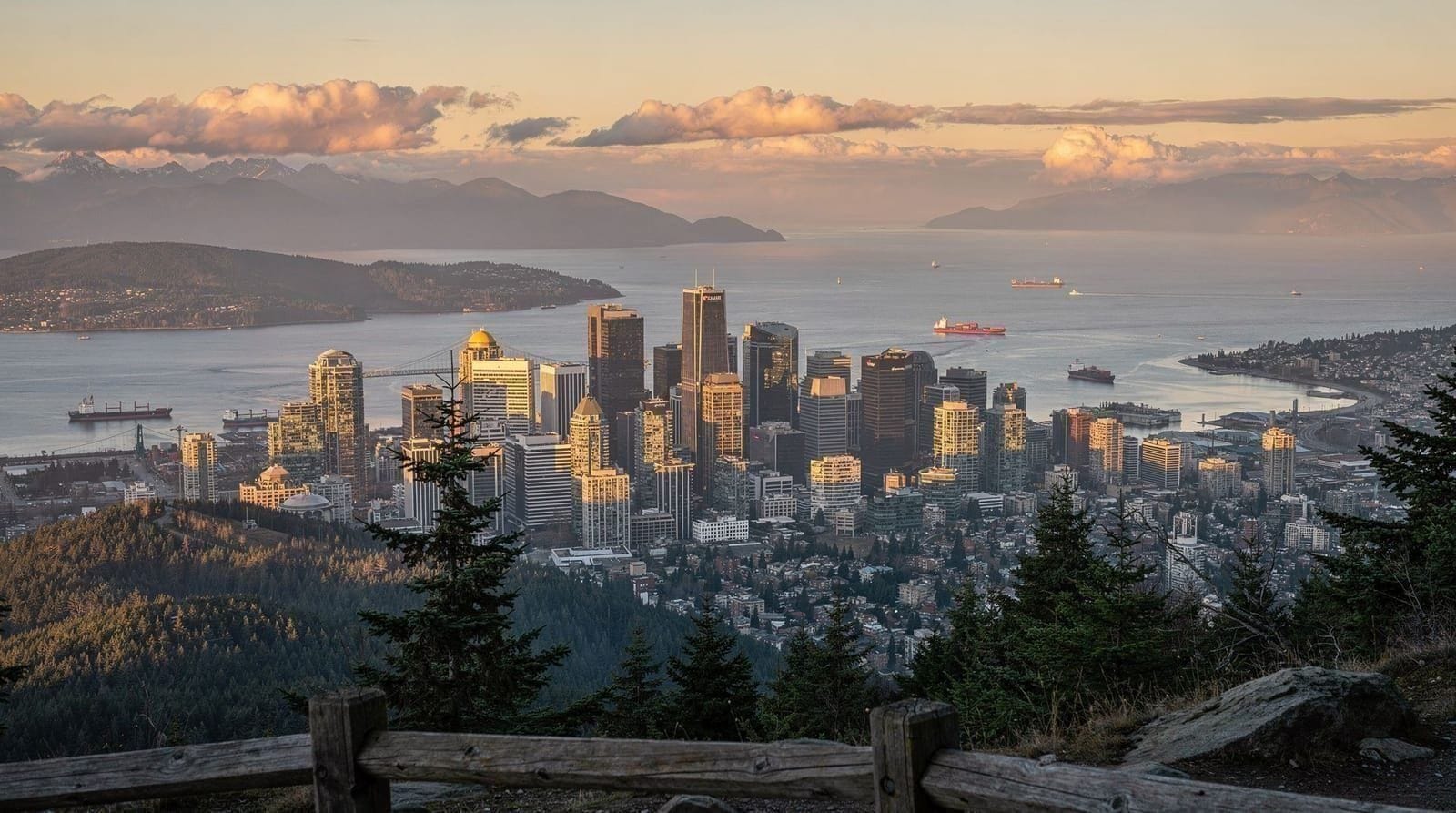
Grouse Mountain vs Cypress Mountain vs Mount Seymour
Grouse Mountain Skyride Admission Ticket
Which North Shore mountain is best — Grouse, Cypress, or Seymour?
Grouse Mountain is the most developed and the only one with a bookable gondola ticket, wildlife refuge, and organized attractions. Cypress Mountain has stronger ski terrain and Olympic history but no tram. Mount Seymour is the quietest and most local, with no direct visitor infrastructure to book.
Vancouver’s North Shore has three mountains within a 20-40 minute drive of downtown, and visitors researching a mountain day out often assume they’re roughly interchangeable. They’re not. Grouse Mountain, Cypress Mountain, and Mount Seymour differ enough in access, cost, and character that the “right” one depends entirely on what a visitor actually wants from the day — a polished attraction, solid ski terrain, or a quiet local trail with nobody else on it.
| Where | North Shore, 20-40 min drive from downtown |
| Cost | Grouse ~CAD 89; Cypress/Seymour: free hiking, lift ticket only for skiing |
| Time needed | Half a day to a full day, one mountain per outing |
| Getting there | Grouse: SeaBus + bus; Cypress/Seymour: car recommended |
| Best for a car-free visitor | Grouse (only one with direct transit) |
The short version
Grouse Mountain is the mountain built for tourists: an aerial tram, a grizzly bear refuge, a lumberjack show, and a ticketed admission that bundles it all together. Cypress Mountain is the mountain built for skiers: it hosted freestyle skiing and snowboard events at the 2010 Winter Olympics and has terrain that’s generally rated more technical than Grouse’s. Mount Seymour is the mountain that’s mostly used by locals rather than visitors — smaller, less commercial, and with essentially no paid attraction infrastructure at all.
How you get up each one
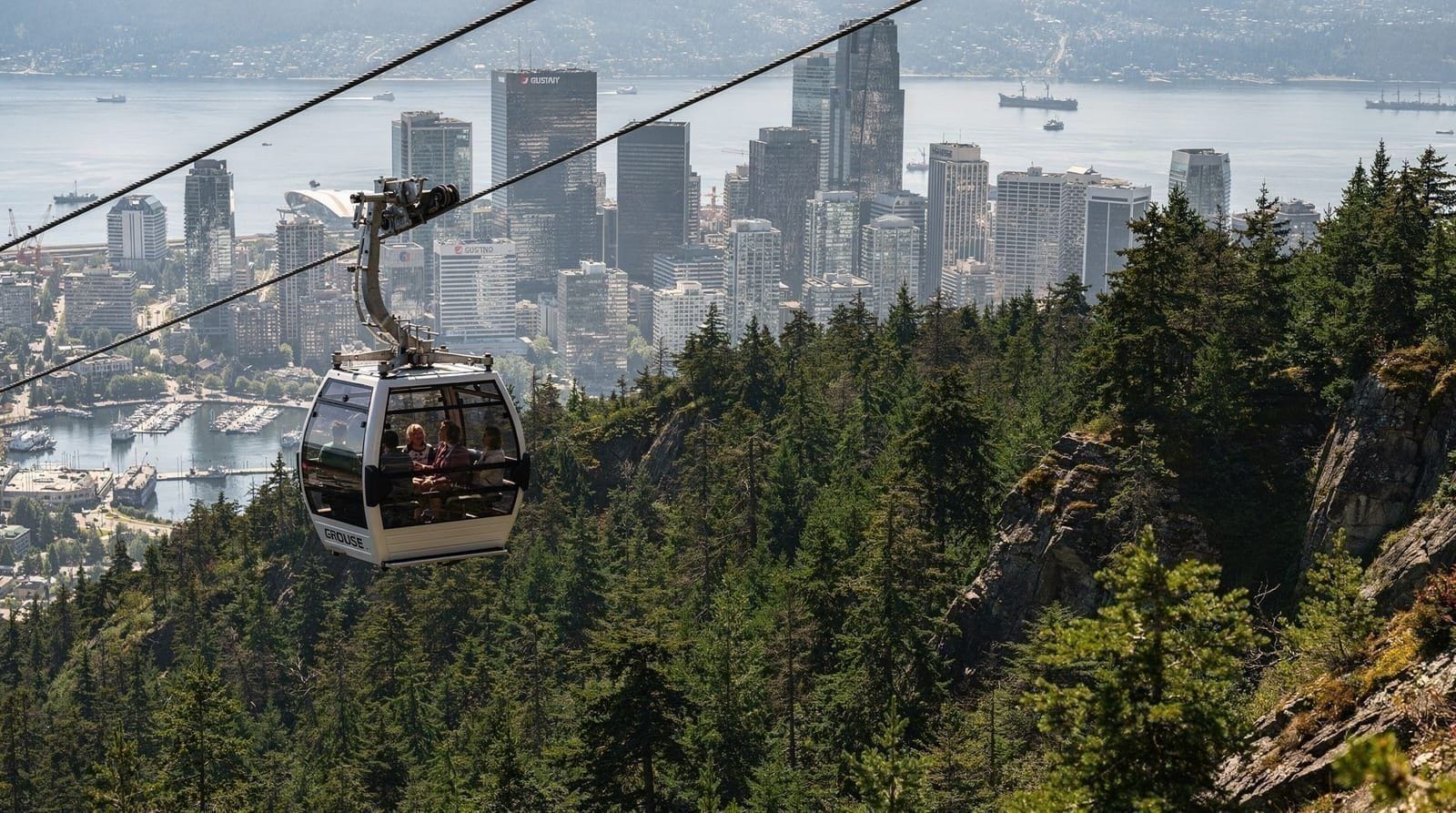
This is the single biggest practical difference between the three. Grouse Mountain has the Skyride, a large enclosed gondola cabin that carries up to 100 people from a parking-lot base station to the 1,100-metre summit in about 12 minutes. It’s the only one of the three with any kind of lift-style ascent for sightseeing purposes — you buy a ticket, you ride up, you’re at the top.
Cypress Mountain and Mount Seymour both require driving to a base parking lot partway up the mountain; there’s no equivalent tram or gondola at either for general sightseeing. At Cypress, the drive up Cypress Bowl Road climbs through switchbacks to a day lodge area around 900 metres, from which ski lifts (winter only) or hiking trails (year-round) take over. At Seymour, Mount Seymour Road similarly climbs to a parking area near the ski lodge, and from there it’s lifts in winter or trailheads in summer. Neither has a tourist-oriented gondola ride the way Grouse does — if the appeal of a “mountain experience” for you is specifically the ride up, Grouse is the only one that delivers that as a standalone activity.
Cost and what you’re actually paying for
Grouse Mountain’s Skyride admission runs around CAD 89 for the standard day pass, which includes the tram ride, the grizzly bear refuge, and the summer lumberjack show. You can book a Grouse Mountain Skyride admission ticket in advance, which is worth doing on summer weekends when base-station lines can run long.
Cypress and Seymour don’t have an equivalent all-in-one sightseeing ticket, because there isn’t a sightseeing product to sell — you’re paying for parking (sometimes) and, if you’re there to ski, a lift ticket bought directly through the resort. In summer, both are essentially free to visit if you’re hiking: park, walk the trails, leave. That makes Cypress and Seymour meaningfully cheaper for a casual summer outing, but it also means there’s no “ticket” that gets you a curated experience the way Grouse’s admission does.
Crowd levels
Grouse is, by a wide margin, the busiest of the three. It’s marketed as “the Peak of Vancouver,” sits closest to cruise-ship and downtown tourist traffic, and its combination of tram, bears, and organized shows draws both tourists and locals in volume, especially on summer weekends. Cypress sees a mix of serious skiers in winter and a smaller, quieter hiking crowd in summer — busy on powder days, fairly calm otherwise. Seymour is consistently the quietest of the three. It has the least name recognition among visitors, minimal paid infrastructure to draw a crowd, and trails that see mostly locals out for a regular hike or an uncrowded beginner ski day.
Comparison table
| Grouse Mountain | Cypress Mountain | Mount Seymour | |
|---|---|---|---|
| How you get up | Skyride gondola tram (12 min) | Drive to base lodge, ~900m | Drive to base lodge |
| Distance from downtown | 20-30 min | 30 min | 30-40 min |
| Bookable ticket | Yes — Skyride admission | No | No |
| Approx. cost | ~CAD 89 (Skyride day pass) | Lift ticket only (winter); free summer hiking | Lift ticket only (winter); free summer hiking |
| Crowd level | Busiest | Moderate | Quietest |
| Best activity | Wildlife refuge, tram views, lumberjack show | Intermediate/advanced skiing, 2010 Olympic terrain | Beginner skiing, uncrowded hiking |
| Best for | First-time visitors, families, limited time | Skiers wanting real terrain without Whistler’s drive | Locals, hikers wanting solitude, low-key ski days |
Skiing: how the terrain actually compares
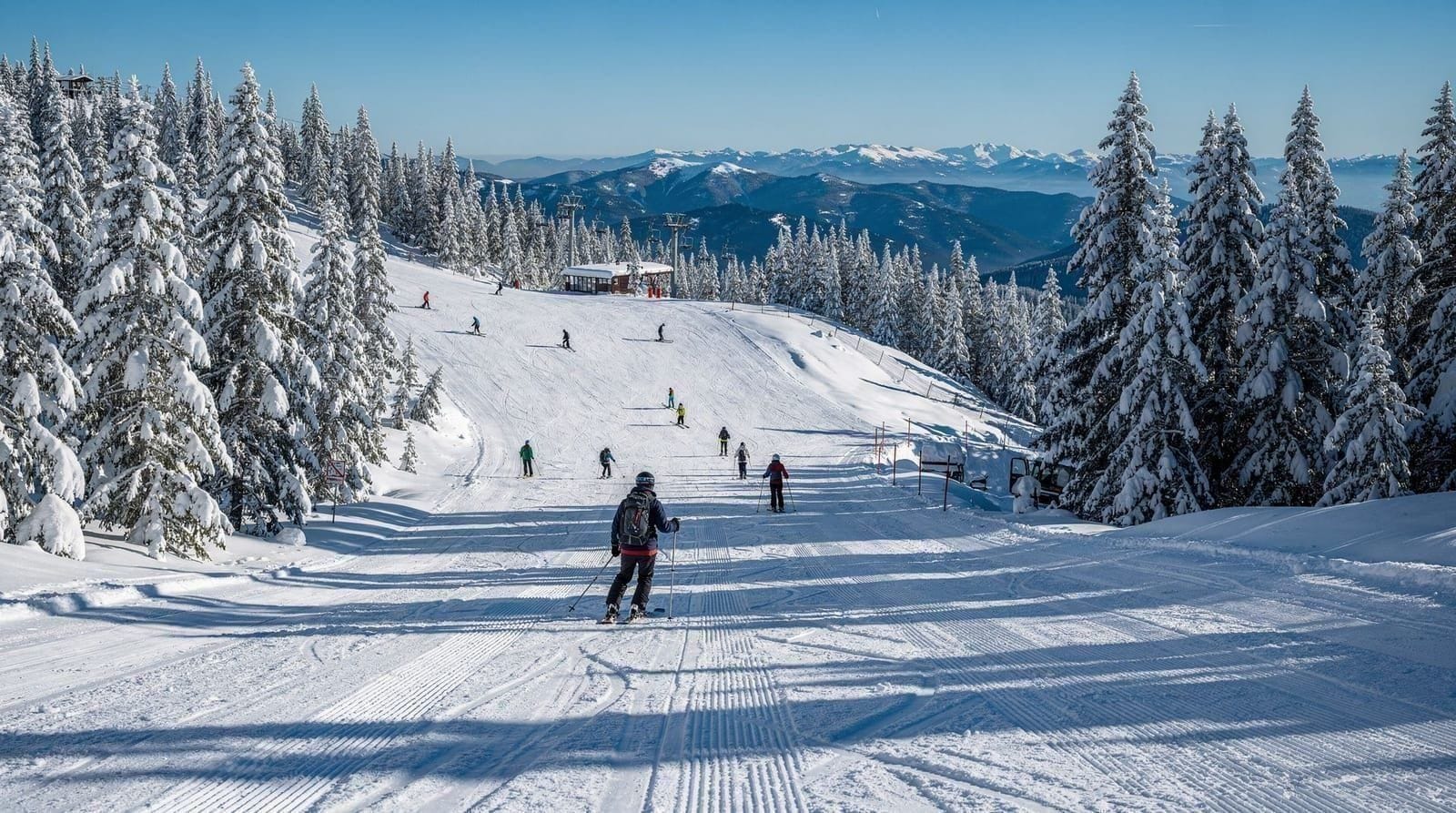
Among winter visitors who ski all three North Shore hills, Cypress is usually rated as having the most demanding terrain — steeper pitches and more technical runs than Grouse, plus the credibility of having hosted Olympic freestyle and snowboard events in 2010. Grouse’s terrain suits beginners and intermediates well and has the novelty of night skiing under lights with a city skyline below, but experienced skiers looking for a real workout on the North Shore tend to prefer Cypress. Seymour sits in between in difficulty but leans toward beginner-friendly — it’s a common choice for first-time skiers and families because of its smaller scale and lower-pressure atmosphere, without Grouse’s crowds or Cypress’s steeper pitches.
None of the three compares to Whistler Blackcomb in scale — all three North Shore mountains are conveniently close but genuinely modest next to a destination resort roughly two hours up the Sea-to-Sky Highway. They’re best understood as a fast local fix, not a substitute for a full ski trip.
Hiking: where the honest differences show up
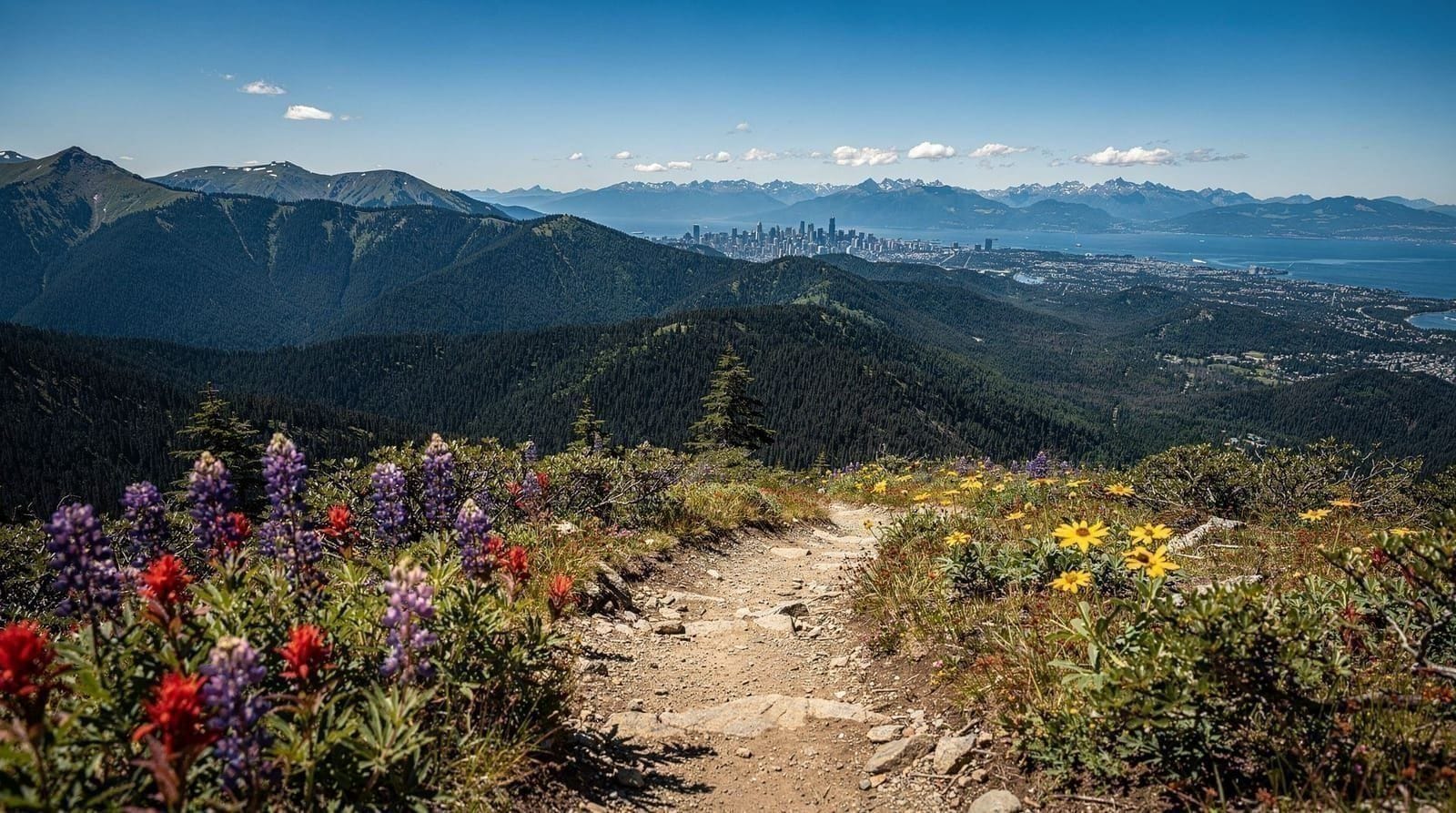
Summer hiking is where Seymour’s character comes through most clearly. Trails like the Mount Seymour Trail, Dog Mountain, and Dinky Peak offer legitimate alpine scenery — subalpine meadows, mountain lakes, and summit views — without the crowds that build up on North Shore trails closer to Grouse. Cypress’s hiking access, centered on the Cypress Lookout area, is shorter and more viewpoint-focused, a reasonable stop rather than a destination hike in its own right.
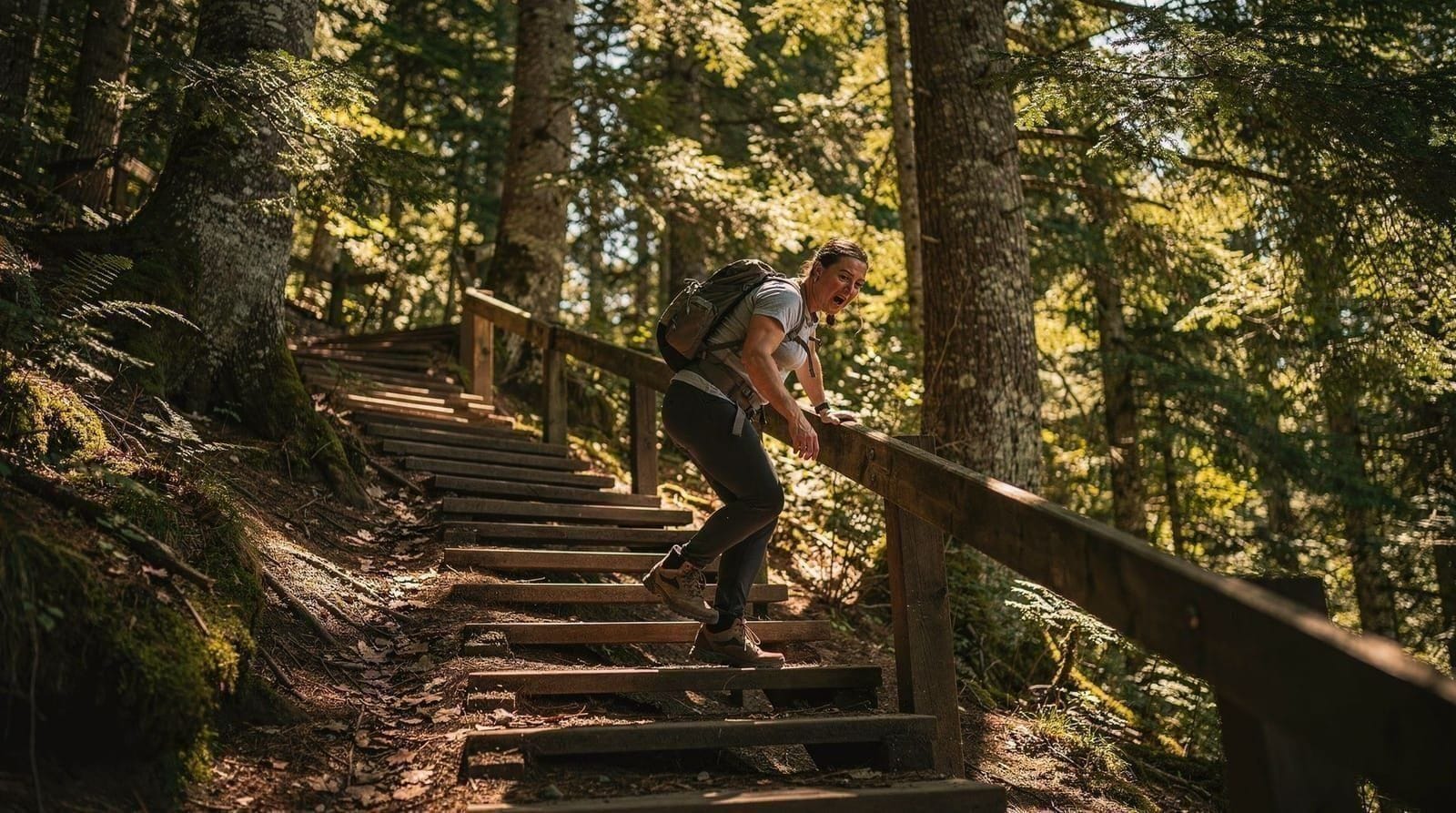
Grouse’s best-known hiking route isn’t really a hike so much as a fitness challenge: the Grouse Grind, a steep 2.9-kilometre stair-and-root climb that gains 850 metres and finishes at the same summit the Skyride reaches — free to walk up, but a one-way trail that requires paying for the Skyride down (or descending the adjacent BCMC Trail).
Being upfront about the affiliate angle
Grouse Mountain is the only one of these three with a direct bookable product, which is worth naming plainly rather than glossing over: Grouse benefits from having built visitor infrastructure — the tram, the wildlife refuge, an admissions system — that Cypress and Seymour simply don’t have. That’s a product-availability fact, not a verdict on which mountain is objectively “better.” A visitor who wants a fast, structured, pay-once-and-see-everything outing is genuinely well served by Grouse.
A visitor who wants real ski terrain without driving to Whistler is better served by Cypress. A visitor who wants a quiet trail and doesn’t care about polish is better served by Seymour. None of those preferences make the other two mountains worse — they’re different products serving different demand, and the fact that only one of them shows up as a bookable ticket here reflects what’s commercially available, not which peak is more worth visiting.
Who should pick which mountain
Visitors with half a day, no car, and a preference for a structured experience should default to Grouse — it’s the only one reachable by public transit plus a short bus connection, and it’s the only one with a wildlife sighting built in. Visitors who ski regularly and want a real North Shore ski day, not just a novelty, should head to Cypress, particularly on weekdays when lift lines are shorter. Visitors staying with locals, renting a car, or simply wanting to escape the tourist circuit for an afternoon are best served by Seymour, where the trails are legitimately less crowded and the whole experience feels less like a managed attraction.
Combining two of the three in one trip is possible but not especially efficient — they’re on separate access roads with no direct connecting route between summits, so a single mountain per outing is the realistic plan for most visitors. For travelers trying to decide between North Shore options versus the Sea-to-Sky corridor entirely, it’s also worth reading how Grouse stacks up against a different kind of mountain experience in Squamish.
Getting there without a car
Access without a rental car is one of the more decisive practical factors, and the three mountains differ sharply here. Grouse is the only one of the three with a genuine public transit route from downtown — the SeaBus across Burrard Inlet to North Vancouver, followed by a connecting bus that runs directly to the Skyride base station. It’s not instant (figure 45-60 minutes door to door from downtown), but it’s a realistic option for a visitor without their own vehicle.
Cypress and Seymour are both meaningfully harder to reach without a car. Neither has a direct transit route to its base area comparable to Grouse’s SeaBus-plus-bus connection; visitors relying on public transit would need to combine buses with a substantial uphill walk, which isn’t realistic for most people carrying ski gear or planning a full day out.
In practice, visiting Cypress or Seymour without a car means either renting one for the day, arranging a ride with someone who has one, or, in winter, using one of the seasonal ski shuttle services that some accommodations and ski shops arrange directly to the resorts. This is arguably the single biggest reason Grouse dominates the North Shore’s tourist visitor numbers while Cypress and Seymour skew local — accessibility, not necessarily appeal, drives a lot of the difference in who shows up.
A closer look at each mountain’s character
It’s worth spending a little more time on what each mountain actually feels like to visit, beyond the comparison metrics above.
Grouse leans hardest into the “attraction” identity of the three. Everything about the visitor flow — ticketing at the base, the tram ride itself, wayfinding at the summit, scheduled show times for the lumberjack demonstration — is built around moving groups of people through a curated experience efficiently. That’s not a criticism; it’s simply what a high-throughput visitor attraction looks like, and for travelers with limited time in Vancouver, that efficiency is exactly the point. The tradeoff is that Grouse rarely feels like true wilderness, even though the bears and forest are real — it’s mediated wilderness, presented for a broad audience.
Cypress feels more like a working ski resort that happens to also have hiking trails, because that’s essentially what it is. Outside of ski season, the base lodge and lift infrastructure sit relatively quiet, and the emphasis shifts to trailheads rather than organized programming. Visitors expecting Grouse’s level of polish and staffed activities at Cypress in summer will find comparatively little beyond parking, trail signage, and the lookout hike itself.
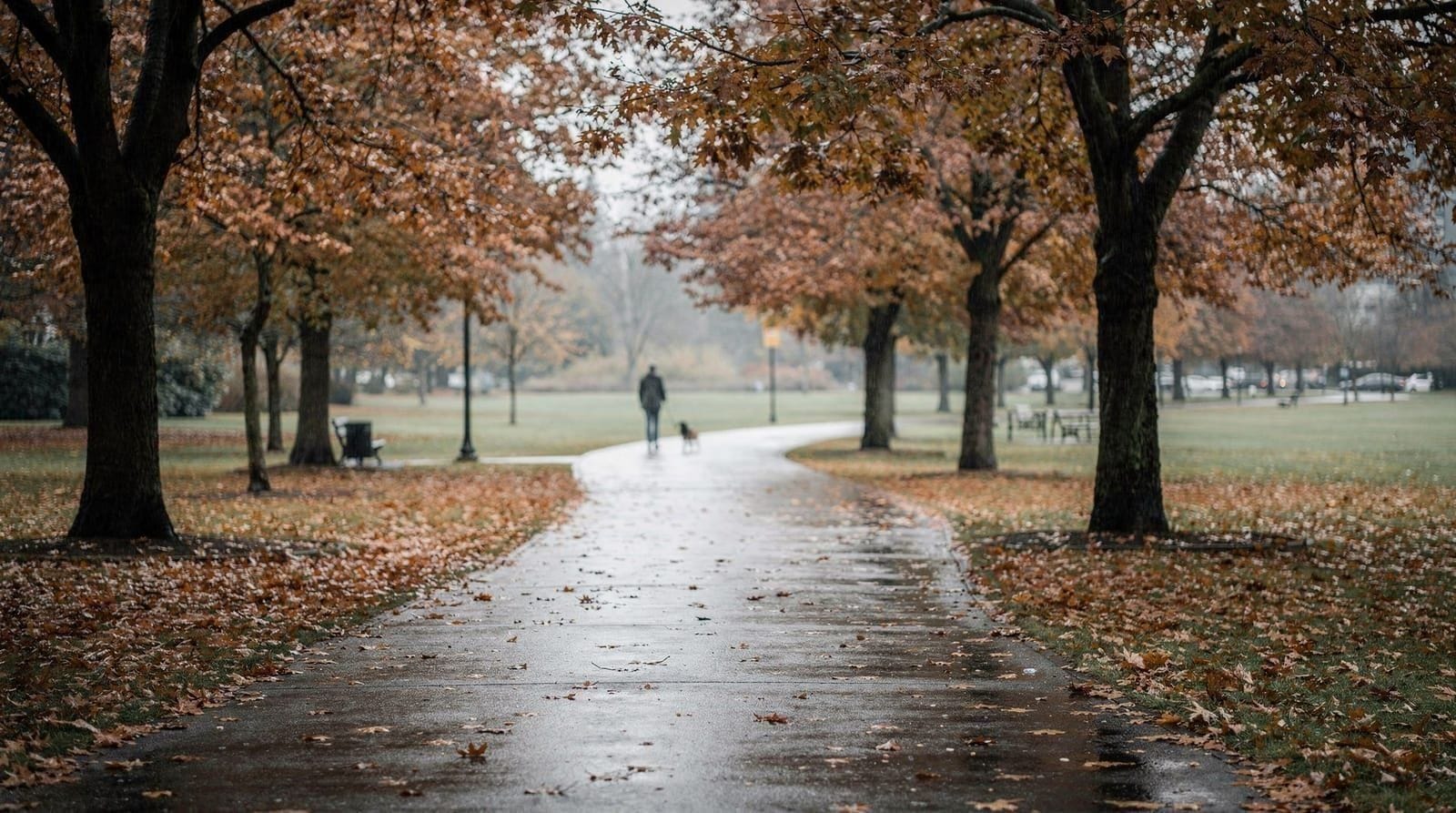
Seymour feels the least “managed” of the three by a clear margin. There’s no equivalent to Grouse’s summit chalet ecosystem, and even the ski operation has a low-key, community feel compared to Cypress’s more serious ski-resort infrastructure. For a visitor who specifically wants to feel like they’ve stepped away from anything resembling a tourist circuit, Seymour delivers that most convincingly of the three — which is also exactly why it doesn’t show up in most Vancouver visitor itineraries.
Weather and microclimates
All three mountains sit close enough to each other that weather is broadly similar day to day, but small differences in aspect and elevation do produce noticeable variation. Grouse’s summit, at 1,100 metres, sits lower than Cypress’s upper terrain, which means Cypress can occasionally hold snow later into spring or catch a dusting when Grouse is seeing rain.
Seymour, further east and slightly more exposed to weather moving in off the Strait of Georgia and Indian Arm, can see more variable cloud cover than the other two on a marginal day. None of this is a strong enough pattern to plan a trip around, but it’s worth checking each mountain’s individual conditions report rather than assuming that clear skies at one North Shore peak mean clear skies at all three — they don’t always match.
Budgeting a North Shore mountain day
For travelers weighing cost across a full day rather than just admission price, the comparison shifts slightly. A Grouse day with the full Ultimate pass, plus food at the summit chalet (not cheap, given the captive audience) and possibly the alpine coaster as an add-on, can run well over CAD 100 per person by the time the day is done.
A Cypress or Seymour summer hiking day, by contrast, costs essentially nothing beyond parking and gas — no admission ticket exists to buy, and pack-in food from home covers the rest. Winter changes this calculus somewhat, since lift tickets at Cypress and Seymour aren’t free either, but they’re generally priced lower than Grouse’s combined admission-plus-activities model, reflecting the more bare-bones, ski-focused experience each offers.
Combining a mountain day with the rest of the North Shore
None of the three mountains needs to be an isolated stop. Grouse in particular sits close enough to other North Shore attractions that it’s routinely combined with a Capilano visit in a single day, and travelers building a North Shore itinerary around a Grouse Mountain admission ticket often add Capilano Suspension Bridge, Lynn Canyon, or Deep Cove to the same day, since all sit within a similar 20-40 minute radius of each other.
Cypress and Seymour, given their more independent, drive-yourself character, tend to work better as standalone half-day or full-day outings rather than one stop among several, simply because reaching either one already requires a dedicated drive up a mountain access road that doesn’t loop naturally into other nearby attractions.
Seasonal timing across all three
Timing a visit well matters more than it might seem, and the three mountains don’t share identical calendars. Grouse’s summer programming (bears, lumberjack show) runs roughly June through September, and its ski season roughly December through March, with a shoulder period in between where neither the full summer show schedule nor snow-based activities are reliably running — a genuine dead zone worth avoiding if a visitor’s main interest is bears or skiing specifically.
Cypress and Seymour’s hiking trails typically become snow-free later than Grouse’s lower-elevation trails, often not fully clear until well into summer given their slightly higher base elevations, so early-season visitors hoping to hike either one in May or early June may find upper sections still snow-covered even when Grouse’s Grind is already open.
Final recommendation by traveler type
Cruise passengers and visitors with only a few hours between other commitments should default to Grouse, given its transit accessibility and bundled attractions. Repeat visitors to Vancouver who’ve already done Grouse and want a genuinely different North Shore experience should consider Cypress for its terrain and Olympic history, or Seymour for its quiet trails. Skiers prioritizing terrain difficulty over convenience should head to Cypress; families introducing young kids to skiing should look at Seymour first, then Grouse. None of these recommendations are absolute, but they reflect what each mountain is actually built to deliver rather than treating all three as interchangeable “North Shore mountain” options.
The bottom line
There’s no single “best” among Grouse, Cypress, and Seymour — the honest answer depends on whether a visitor is optimizing for convenience and polish (Grouse), ski terrain (Cypress), or quiet and low cost (Seymour). Anyone deciding between them should weigh time available, whether they have a car, and whether they actually want a managed attraction or a plain mountain to themselves. Travelers who do settle on Grouse as their pick can review the current Skyride admission options before heading out, since booking ahead avoids the base-station lines that build up on the busiest summer days.
Frequently asked questions about Grouse, Cypress, and Seymour
Can I visit all three North Shore mountains in one trip?
Not realistically in a single day — they sit on separate access roads with no direct connecting route between summits, so most visitors pick one per outing. Repeat visitors sometimes do one each on separate days of a longer Vancouver stay.
Which North Shore mountain is best for someone who’s never skied before?
Mount Seymour is generally considered the most beginner-friendly of the three, with a smaller scale, lower-pressure atmosphere, and gentler terrain than Cypress or Grouse. Grouse works too if convenience and a wildlife sighting matter more than terrain difficulty.
Top experiences
Bookable activities with verified prices and instant confirmation on GetYourGuide.