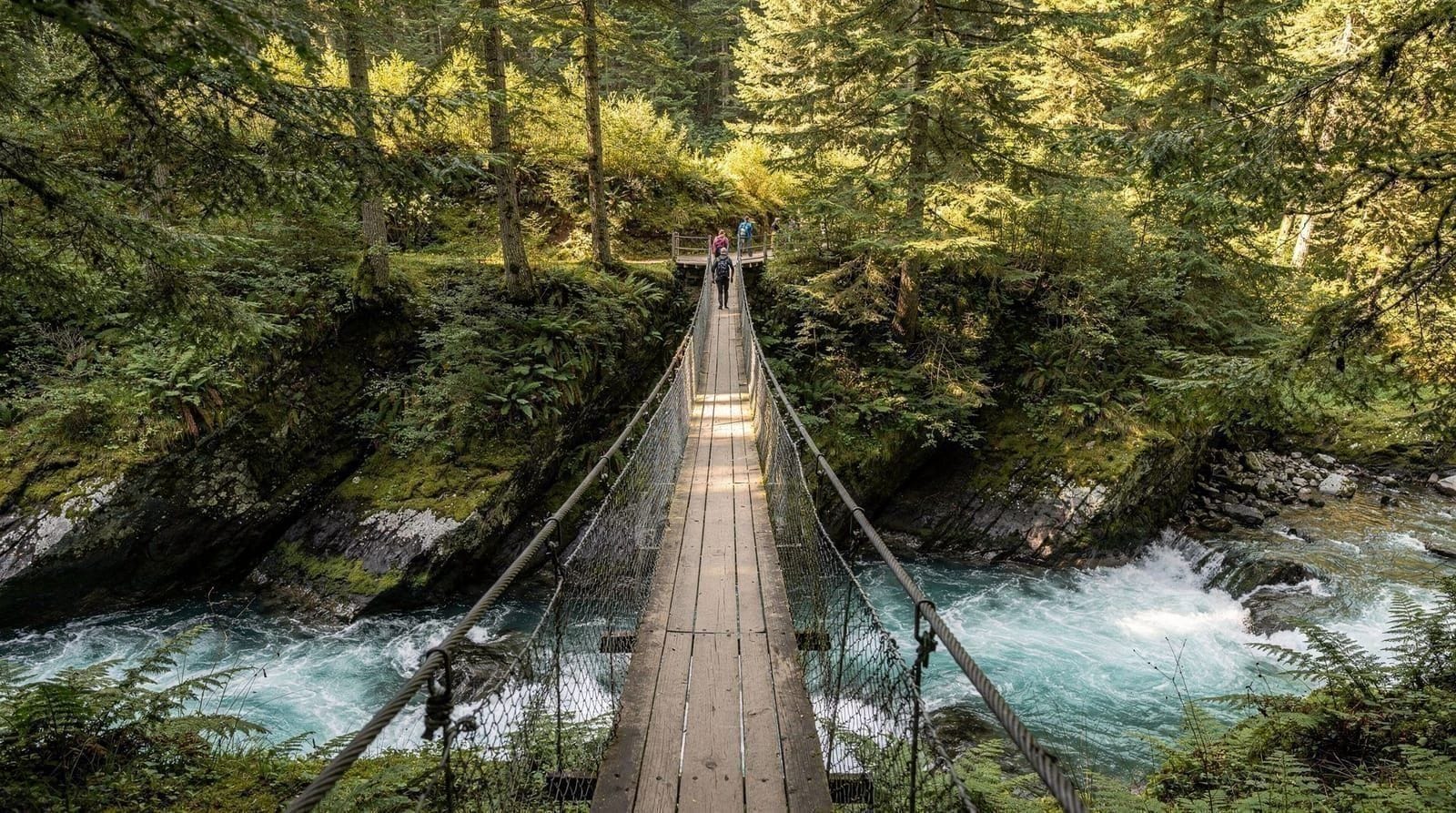
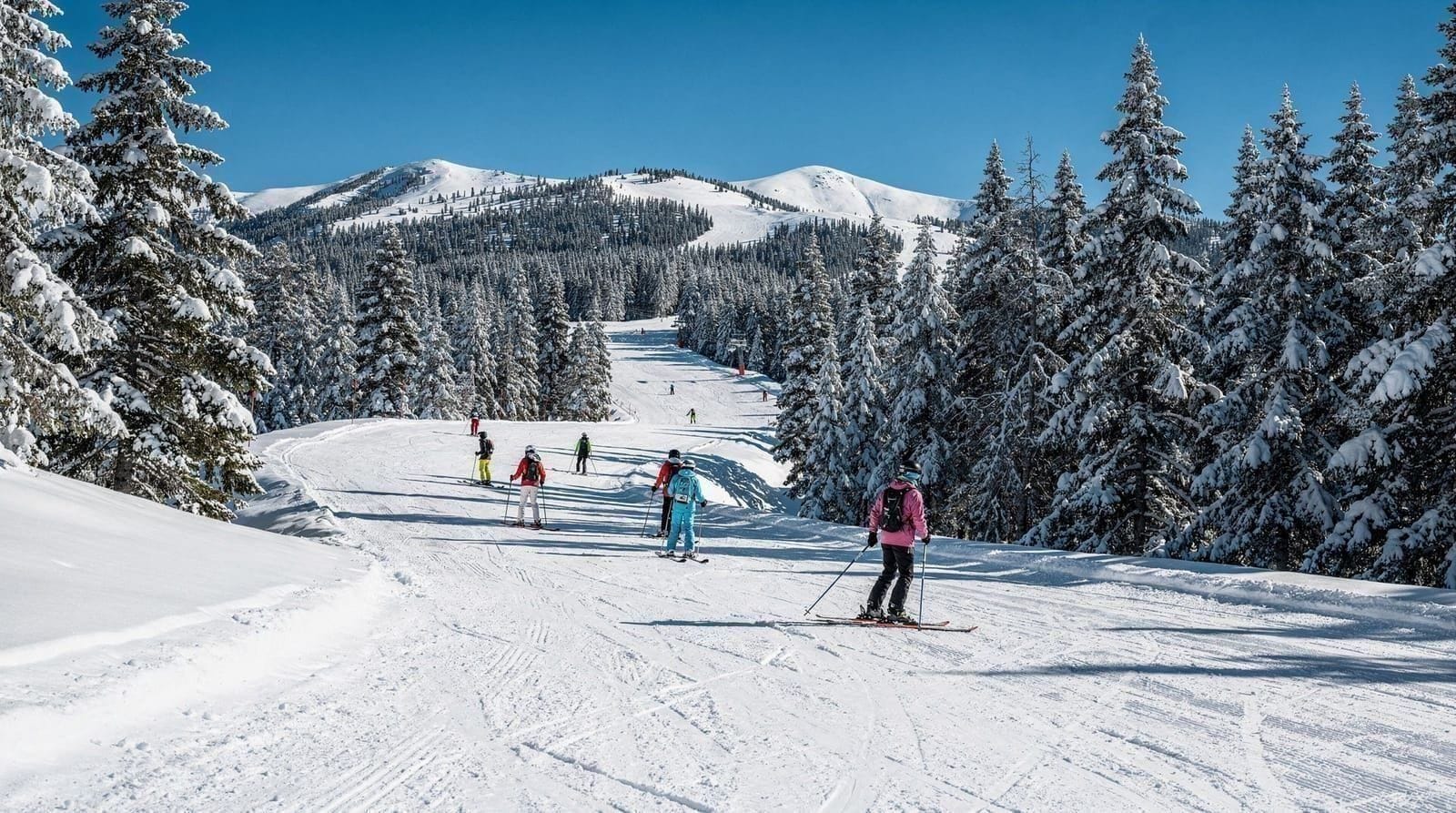
Grouse Mountain vs Capilano — which North Shore attraction to pick
Grouse Mountain Skyride Admission Ticket
Should I visit Grouse Mountain or Capilano Suspension Bridge?
They deliver genuinely different experiences rather than competing directly — Grouse offers an alpine summit with a gondola ride, grizzly bears and an alpine coaster, while Capilano offers a canyon-crossing suspension bridge with a treetop canopy walk. Most first-time visitors with a full day free do both rather than choosing one over the other, since they're about 10 minutes apart by car.
Grouse Mountain and Capilano Suspension Bridge Park are the two most-booked North Shore attractions in Vancouver, sitting about 10 minutes apart by car, and visitors with a single North Shore day free often assume they need to pick one over the other. In practice, the honest answer is that they’re different enough experiences — an alpine summit versus a canyon crossing — that most first-time visitors with the time and budget end up doing both rather than treating this as a real either/or decision.
| Where | North Shore, about 10 minutes apart by car |
| Cost | Grouse ~CAD 70-90, Capilano ~CAD 65-70 |
| Time needed | 2-3 hours each, 5-7 hours for both |
| Getting there | SeaBus to Lonsdale Quay + connecting bus, or car |
| Best time | Early morning, before cruise-ship crowds build |
Why this comparison comes up constantly
Both Grouse and Capilano rank among the very first results any visitor sees when researching North Shore attractions, and their proximity to each other — about 10 minutes apart — naturally invites the question of whether both are necessary or whether one alone covers the North Shore adequately. The short answer, covered in full below, is that they’re different enough experiences that most visitors with the time and budget genuinely benefit from doing both rather than treating this as a strict either/or choice.
What each place actually is
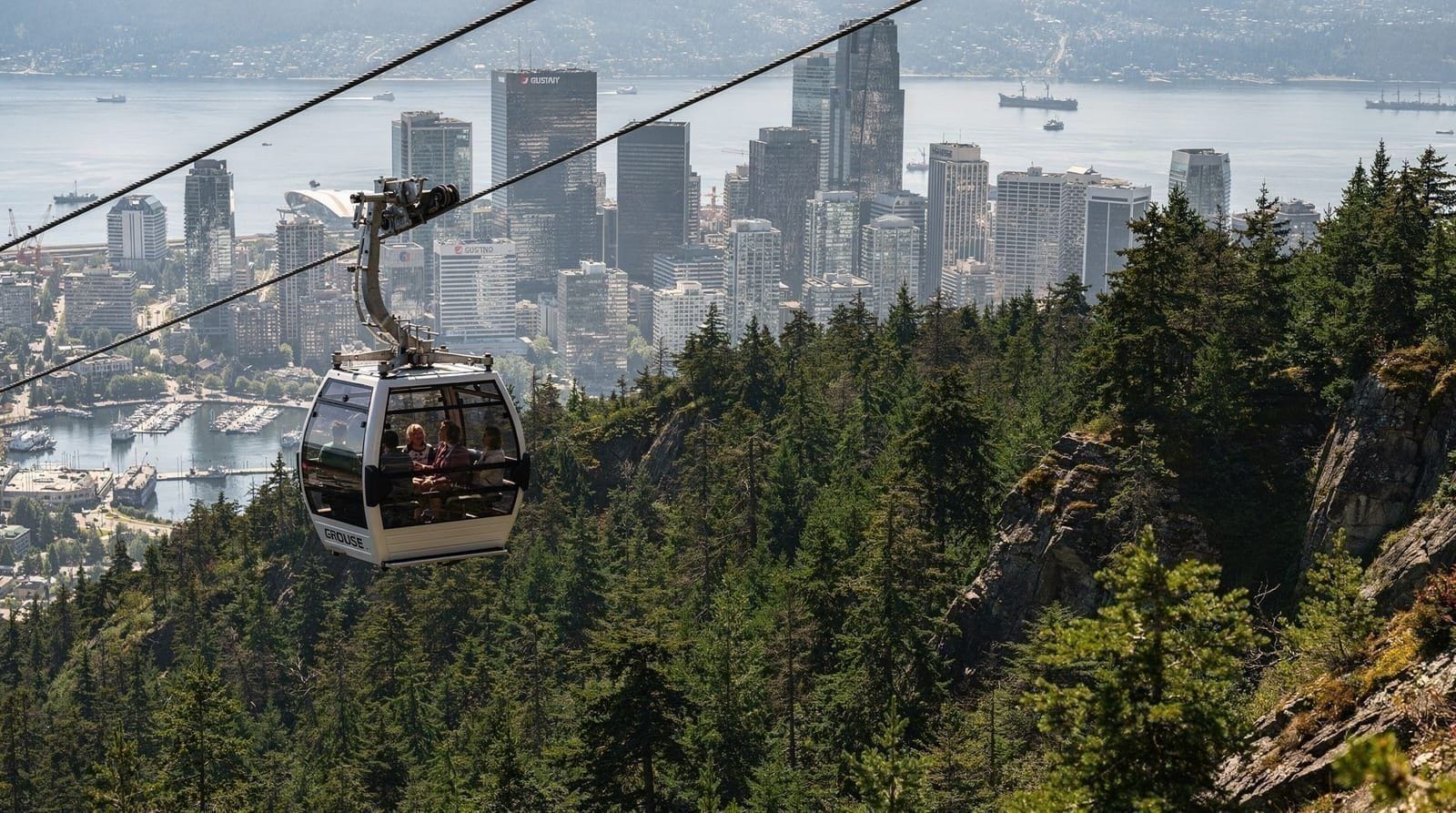
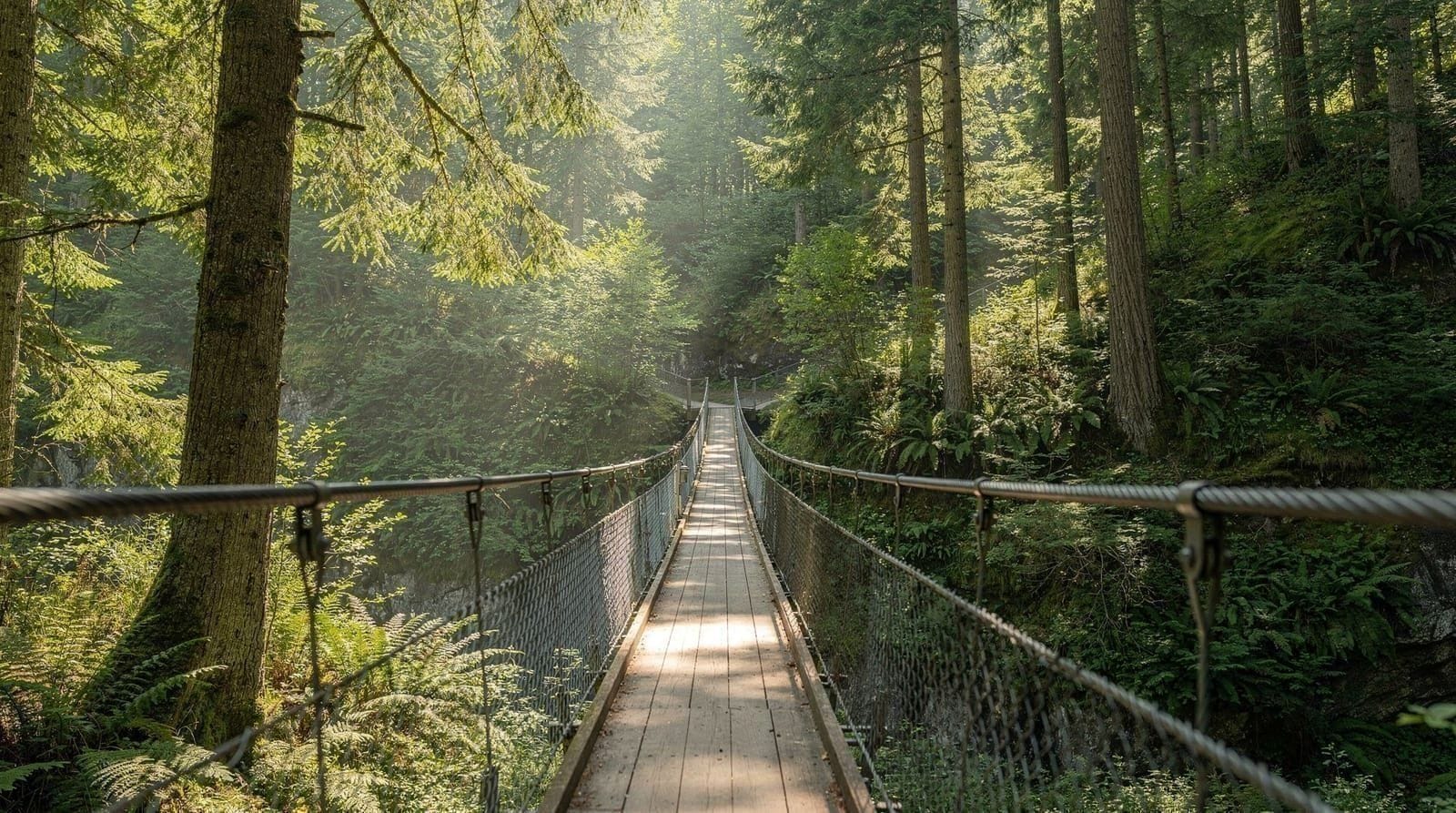
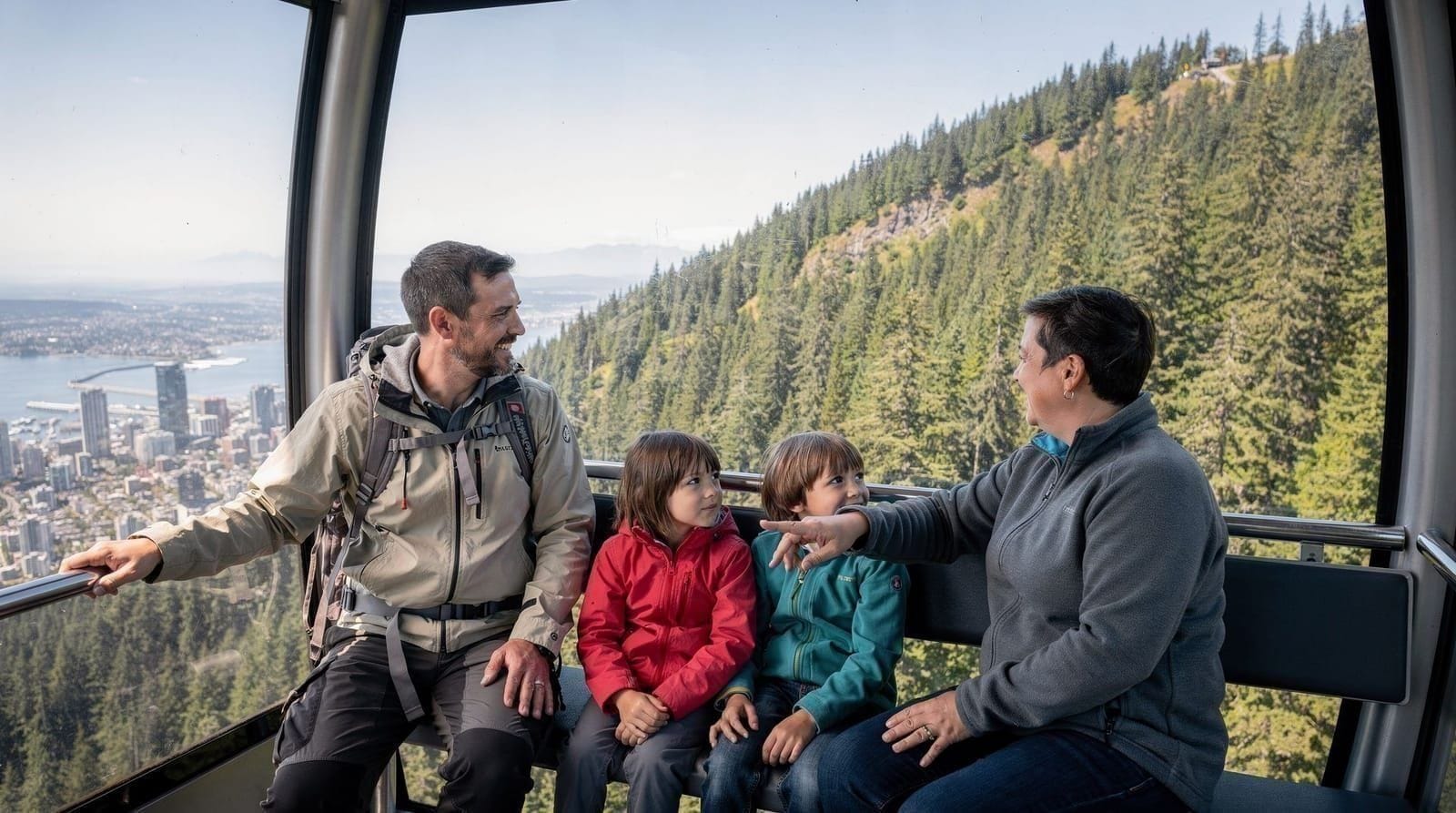
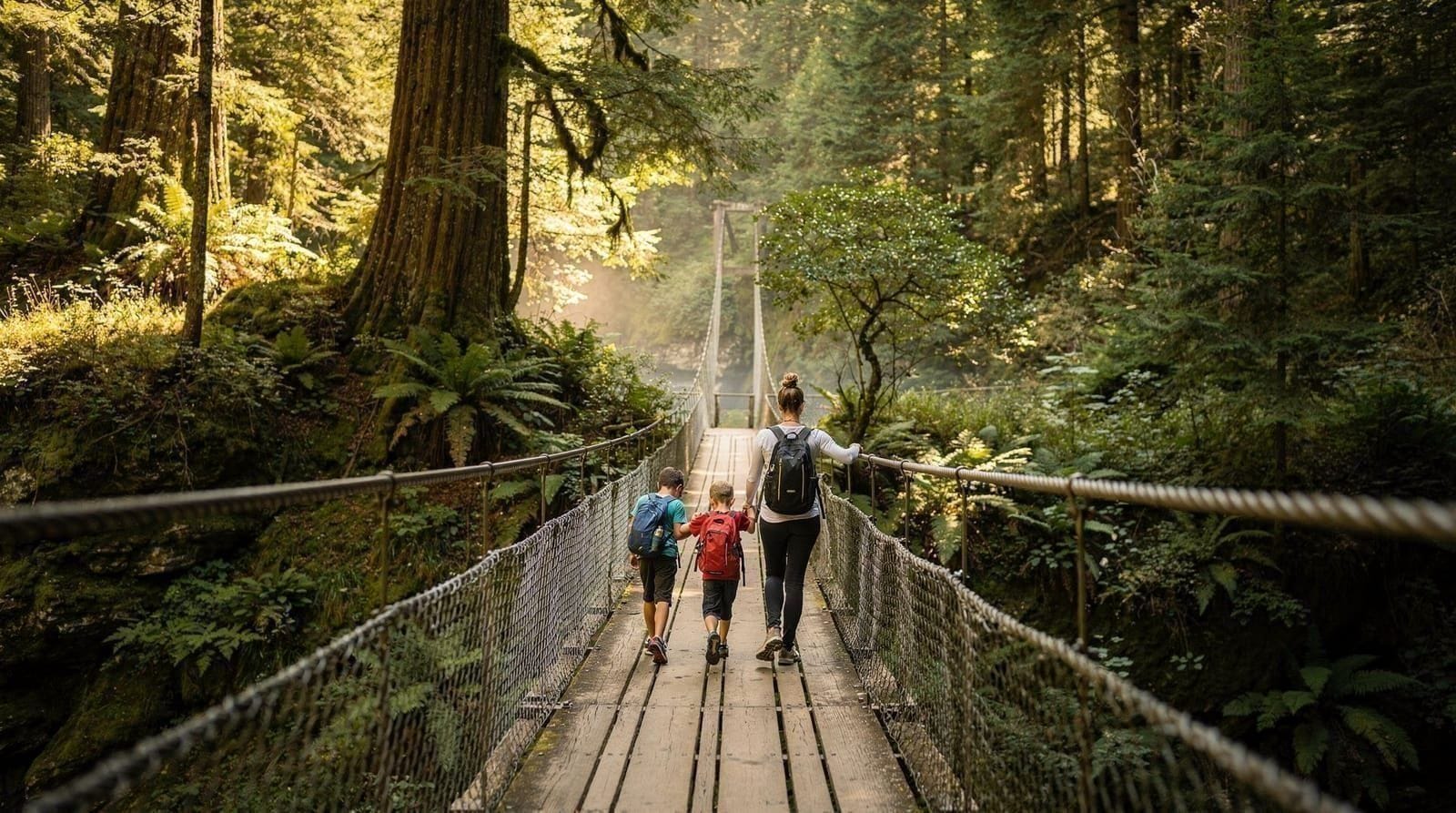
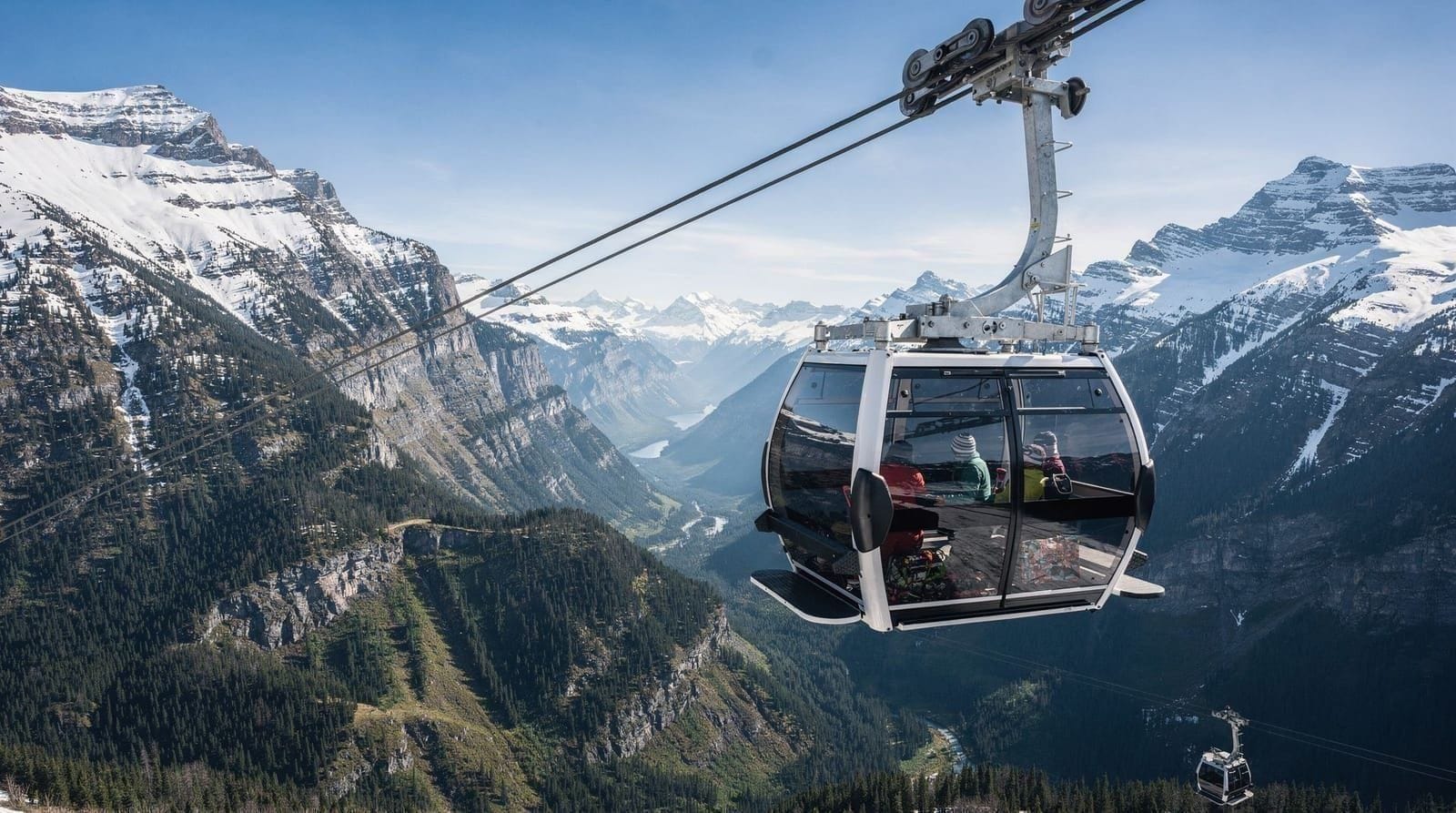
Grouse Mountain is built around a 12-minute Skyride gondola climbing to a 1,250-metre summit, with a grizzly bear refuge, lumberjack shows, an alpine coaster and hiking trails layered on top — effectively a small mountain resort rather than a single attraction. Capilano Suspension Bridge Park is built around a 137-metre suspension bridge crossing a river canyon roughly 70 metres below, expanded with a treetop canopy walk (Treetops Adventure) and a cliffside walkway (Cliffwalk). One is a mountain summit experience; the other is a canyon-crossing experience — genuinely different concepts wearing similar “North Shore attraction” branding.
Side-by-side comparison
| Grouse Mountain | Capilano Suspension Bridge | |
|---|---|---|
| Core experience | Aerial tram to alpine summit | Suspension bridge over river canyon |
| Price | ~CAD 70-90 depending on pass tier | ~CAD 65-70 |
| Time needed | 3-5 hours | 2-3 hours |
| Views | Wide alpine panorama | Canyon and forest canopy |
| Wildlife | Grizzly bear refuge (seasonal) | None |
| Winter operation | Switches to ski hill (Nov-March) | Stays open, Canyon Lights event |
| Best for | Families, wildlife interest, views | Photography, canopy walks, first-timers |
| Combined ticket | Yes, with Capilano | Yes, with Grouse |
Price
At their base admission tiers, the two are close: Capilano runs roughly CAD 65-70, while a straight Grouse Skyride ticket runs roughly CAD 70-75. Grouse’s Ultimate day pass, which adds the alpine coaster, lumberjack show and other extras, pushes closer to CAD 85-90 — the more relevant comparison for families, since the coaster and grizzly viewing are what make Grouse distinctly worth the upgrade. Booking a Grouse Mountain Skyride admission ticket or a Capilano Suspension Bridge ticket in advance is worth doing for either attraction, since walk-up lines build through the day at both.
Views
This is the clearest differentiator between the two. Grouse’s summit delivers a genuine wide-angle alpine panorama — downtown Vancouver, the Strait of Georgia, and on clear days Vancouver Island and Washington State’s Olympic Mountains visible in the distance. Capilano’s views are more contained and vertical, focused on the canyon depth and the surrounding forest canopy rather than a sweeping outlook. Visitors specifically chasing a big panoramic photo should prioritize Grouse; visitors wanting a more intimate, dramatic canyon or forest shot will find Capilano’s Cliffwalk and Treetops sections better suited to that.
Wildlife and activities
Grouse’s grizzly bear refuge, home to two rescued bears, Grinder and Coola, gives it something Capilano simply doesn’t offer — a reliable, guaranteed wildlife sighting that doesn’t depend on luck the way a wild bear encounter elsewhere in BC would. Combined with the lumberjack show and alpine coaster, Grouse reads more like a small resort with a program of scheduled activities. Capilano’s activities are more architectural and exploratory — the bridge crossing itself, the Treetops canopy walk, and Cliffwalk’s cliffside walkway — with no live shows or animal viewing built in.
Crowds
Both attractions draw heavy visitor volume, but the crowding pattern differs. Capilano’s crowding is structural: a fixed entry point and a mostly linear route through the attractions mean busy periods feel congested by design, particularly when cruise ships are in port. Grouse’s summit has more physical space to disperse visitors across the grizzly viewing area, the coaster, dining, and trails, which can make it feel somewhat less bottlenecked even at similar visitor volumes — though the Skyride line at the base station itself can still build significantly on peak summer days.
Photography comparison
Grouse’s summit delivers wide, sweeping panoramic shots — the kind of establishing shot that captures Vancouver’s full geography in one frame — while Capilano’s photography leans more toward dramatic, intimate compositions: the bridge itself against the canyon depth, Treetops’ elevated platforms among old-growth trunks, and Cliffwalk’s exposed cantilevered sections. Visitors specifically chasing a single standout travel photo from their North Shore day should lean toward Capilano’s more visually dramatic architecture; visitors wanting the classic “Vancouver from above” panorama should prioritize Grouse.
Budget breakdown for a family visiting both
A family of four doing both attractions in one day, using a combined ticket rather than buying each separately, typically spends somewhere in the CAD 550-700 range once parking or transport, both admissions, and food across the day are factored in — a substantial single-day cost, but one that covers what many visitors consider the two essential North Shore experiences in a single outing rather than requiring two separate trip days.
Getting there without a car
Both attractions are reachable via the SeaBus to Lonsdale Quay followed by a connecting bus, with total transit times in the range of 45-60 minutes from downtown for either one. For visitors without a car planning to see both in one day, a Capilano and Grouse Mountain day tour bundles transport and both admissions into a single booking, generally simpler than managing two separate transit trips. A Grouse, Capilano and fish hatchery tour extends the day further with a stop at the Capilano Salmon Hatchery.
Which has a stronger reputation among locals versus tourists
Both attractions draw heavy visitor volume, but locals tend to hold somewhat different opinions of each than first-time tourists do. Grouse retains genuine local use, particularly for its ski operation and the Grouse Grind hiking trail, giving it a dual identity as both a tourist attraction and a functioning local recreation spot.
Capilano functions almost entirely as a visitor attraction, with far fewer locals making repeat visits given the admission cost and the fact that the core experience doesn’t change meaningfully between visits the way varying ski conditions or hiking fitness goals might at Grouse. Visitors curious about which attraction feels more “authentically Vancouver” versus purpose-built for tourism should weigh this distinction, though it’s worth noting that “built for tourists” isn’t inherently a strike against Capilano’s quality — it’s simply a different kind of attraction.
Solo travelers and couples
For solo travelers or couples without kids, the decision often comes down to pacing preference more than anything else. Grouse’s larger summit and multiple discrete activities suit visitors who want a fuller half-day-plus itinerary with built-in variety — wildlife viewing, a show, a ride. Capilano’s more contained, walkable layout suits visitors who prefer a shorter, more focused two-to-three-hour outing with a clearer beginning and end. Neither is wrong for this traveler type, but couples specifically prioritizing a romantic, photogenic outing often lean toward Capilano’s more intimate canyon-and-canopy setting over Grouse’s busier, more activity-programmed summit.
Winter differences
Grouse switches from sightseeing to a ski and snowboard operation from roughly late November through March, with the grizzly bears hibernating for the season — visitors specifically wanting wildlife viewing should avoid a winter visit. Capilano stays open year-round and runs Canyon Lights, a popular holiday illumination display through the winter months that turns the bridge and canyon into a genuinely different, festively lit experience from the summer version. For visitors planning a winter Vancouver trip, this makes Capilano the more consistently available of the two.
What first-time visitors consistently get wrong
A common planning mistake is assuming both attractions can be rushed through in a single half-day without real time pressure — in practice, doing both properly, rather than superficially, genuinely requires a full day when transit time between them and to/from downtown is honestly accounted for. Another common misstep is booking Grouse’s basic Skyride ticket assuming it includes the alpine coaster and other add-ons, only to discover the Ultimate pass is a separate, higher-priced tier — worth double-checking exactly what a given ticket type includes before purchase for either attraction.
Families with kids
Both work well for families, but the appeal differs by kid temperament. Grouse’s grizzly refuge and alpine coaster suit active kids who want scheduled activities and a guaranteed wildlife encounter — the fuller breakdown is in the Grouse Mountain with kids guide. Capilano’s Treetops Adventure and Kids Rediscovery Centre area suit a calmer, more exploratory family visit, with the caveat that Cliffwalk’s cliffside exposure is better suited to older kids — full detail in the Capilano with kids guide.
History of each attraction
Grouse’s ski operation dates back to the 1920s, one of the oldest in Western Canada, though its modern tourist infrastructure — the Skyride, the grizzly refuge, the current lumberjack show — developed over subsequent decades as the mountain expanded from a local ski hill into a year-round attraction.
Capilano’s original bridge dates to 1889, built from hemp rope and cedar planks by a Scottish civil engineer, making it considerably older as a standing attraction even though today’s steel-cable version and the Treetops and Cliffwalk additions are far more recent developments. Both places carry genuine historical weight beneath their modern tourist-attraction packaging, worth a mention for visitors who appreciate context beyond the current-day experience.
Dining comparison
Grouse’s summit dining spans casual quick-service to a sit-down restaurant with panoramic views, priced at a premium reflecting the cost of transporting everything up via Skyride. Capilano’s entrance-area dining is similarly casual and quick-service focused, generally simpler than Grouse’s range and priced more moderately, though without an equivalent formal sit-down option at the same scale. Visitors prioritizing a proper meal as part of the visit will find more range at Grouse; visitors just wanting a quick snack between attractions will find either sufficient.
Accessibility comparison
Capilano’s grounds are generally more accessible than Grouse’s — flatter terrain around the entrance and boardwalks, versus Grouse’s summit trails and viewing areas that include more elevation change and less consistently paved surfaces, given the alpine setting. Neither park’s core “bridge” or “gondola” experience presents major accessibility barriers on its own (the Skyride cabin and Capilano’s main bridge deck are both manageable for most mobility levels), but the surrounding grounds differ enough that visitors with specific accessibility needs should compare each park’s current accessibility information directly before booking.
Best time of day for each
Grouse rewards an early start most clearly, since the Skyride line and the alpine coaster both see their longest waits building through late morning into early afternoon on busy days — arriving close to opening gives real, measurable time savings. Capilano’s crowd pattern peaks similarly through midday, particularly when cruise ships are in port, so an early arrival helps there too, though its more contained layout means the wait-time penalty for a midday arrival is somewhat less dramatic than at Grouse’s base station queue.
What reviews consistently say about each
Grouse’s reviews consistently praise the grizzly bears and the view, with the most common criticism centering on cost once the Ultimate pass and summit dining are factored in. Capilano’s reviews consistently praise Treetops and Cliffwalk specifically, with the most common criticism being midday crowding rather than the content of the attractions themselves. Reading both patterns together reinforces that neither attraction disappoints on substance — the friction points for both are cost and crowd timing, both of which are manageable with advance booking and early arrival.
The honest verdict
Neither is objectively “better” — they’re different enough experiences that treating this as a real trade-off undersells both. Grouse is the pick for visitors prioritizing views, wildlife, and active family programming; Capilano is the pick for visitors prioritizing a curated, photogenic canopy-and-canyon walk. For anyone with a full day and reasonable budget, doing both remains the most common and arguably the smartest choice, since they’re close enough together that splitting them across one morning and one afternoon doesn’t strain a Vancouver itinerary.
Budget travelers weighing a free alternative to either should also read Capilano versus Lynn Canyon, and anyone comparing the North Shore’s full mountain lineup should see Grouse vs Cypress vs Seymour for how Grouse stacks up against BC’s other local ski hills beyond Capilano specifically.
Frequently asked questions about Grouse vs Capilano
Which should I do first if I’m doing both in one day?
Most visitors do Capilano first, while it’s quieter in the morning before crowds and cruise-ship groups build, then move to Grouse in the afternoon, since the Skyride line tends to peak slightly later in the day than Capilano’s entrance.
Is one significantly more time-consuming than the other?
Grouse generally takes longer — 3-5 hours versus Capilano’s 2-3 hours — mostly because Grouse has more distinct activities (grizzly viewing, coaster, shows) spread across a larger summit area, while Capilano’s attractions sit closer together along a more linear route.
Which is better for a rainy day?
Neither is ideal in heavy rain, since both are largely outdoor experiences, but Capilano’s forest canopy provides somewhat more cover along parts of its route than Grouse’s more exposed summit. On a genuinely poor-weather day, both are worth postponing if flexibility allows, since views and photo opportunities suffer significantly at both.
Do combined tickets save money over buying separately?
Generally yes, modestly — combined Capilano-and-Grouse tickets typically undercut the cost of buying full-price admission to each separately, on top of the convenience of bundled transport for visitors without a car.
Which is more popular with cruise ship passengers?
Both see heavy cruise-passenger traffic during ship days, given their proximity to downtown and status as the two flagship North Shore attractions, though Capilano’s more contained, curated format tends to suit shorter shore-excursion time windows slightly better than Grouse’s larger, more spread-out summit.
Top experiences
Bookable activities with verified prices and instant confirmation on GetYourGuide.
Grouse Mountain Skyride Admission Ticket
Vancouver: Capilano Suspension Bridge Park Ticket
- Free cancellation
From Vancouver: Capilano Suspension Bridge & Grouse Mountain
From Vancouver: Grouse Mountain, Skyride, & Capilano Bridge
Private Tour of Capilano Suspension Bridge & Grouse Mountain
- Private tour