Fraser Valley day trip from Vancouver — Fort Langley, farms, and back roads
What is there to do on a Fraser Valley day trip from Vancouver?
The Fraser Valley offers a slower-paced alternative to Vancouver's bigger regional day trips — historic Fort Langley, farm stands and u-pick fields, small-town main streets, and open agricultural scenery, all reachable within 45 minutes to an hour of driving without a ferry crossing or a mountain highway.
The Fraser Valley doesn’t have a single headline attraction the way Whistler or Butchart Gardens does, and that’s largely the point — it’s the region’s most agriculturally rich stretch, a patchwork of farms, small historic towns, and open valley scenery east of Vancouver, reachable without a ferry crossing or a mountain highway drive. For travelers who’ve already done the bigger-name day trips, or who simply want a quieter, slower day, it’s a genuinely different kind of outing.
| Where | Fort Langley and Abbotsford, east of Metro Vancouver |
| Cost | Around CAD 40-60 per person all-in (fuel, admission, food) |
| Time needed | Full day; Fort Langley alone fits a half-day |
| Best time | Summer for berries; fall for pumpkins and corn mazes |
| Getting there | Car essential — no ferry, no mountain highway |
Getting there
The Fraser Valley starts roughly where Metro Vancouver’s suburbs give way to open farmland, generally east of Langley and Surrey along Highway 1. Fort Langley, the valley’s most historically significant town, sits about 45 minutes from downtown Vancouver by car, and Abbotsford, further east, is closer to an hour. Unlike the Sea-to-Sky corridor or the Victoria ferry route, there’s no single bottleneck or crossing to plan around — the drive is straightforward highway and secondary road driving, which makes this one of the more flexible, low-stress day trips on this list for anyone not looking forward to mountain switchbacks or ferry schedules.
Fort Langley
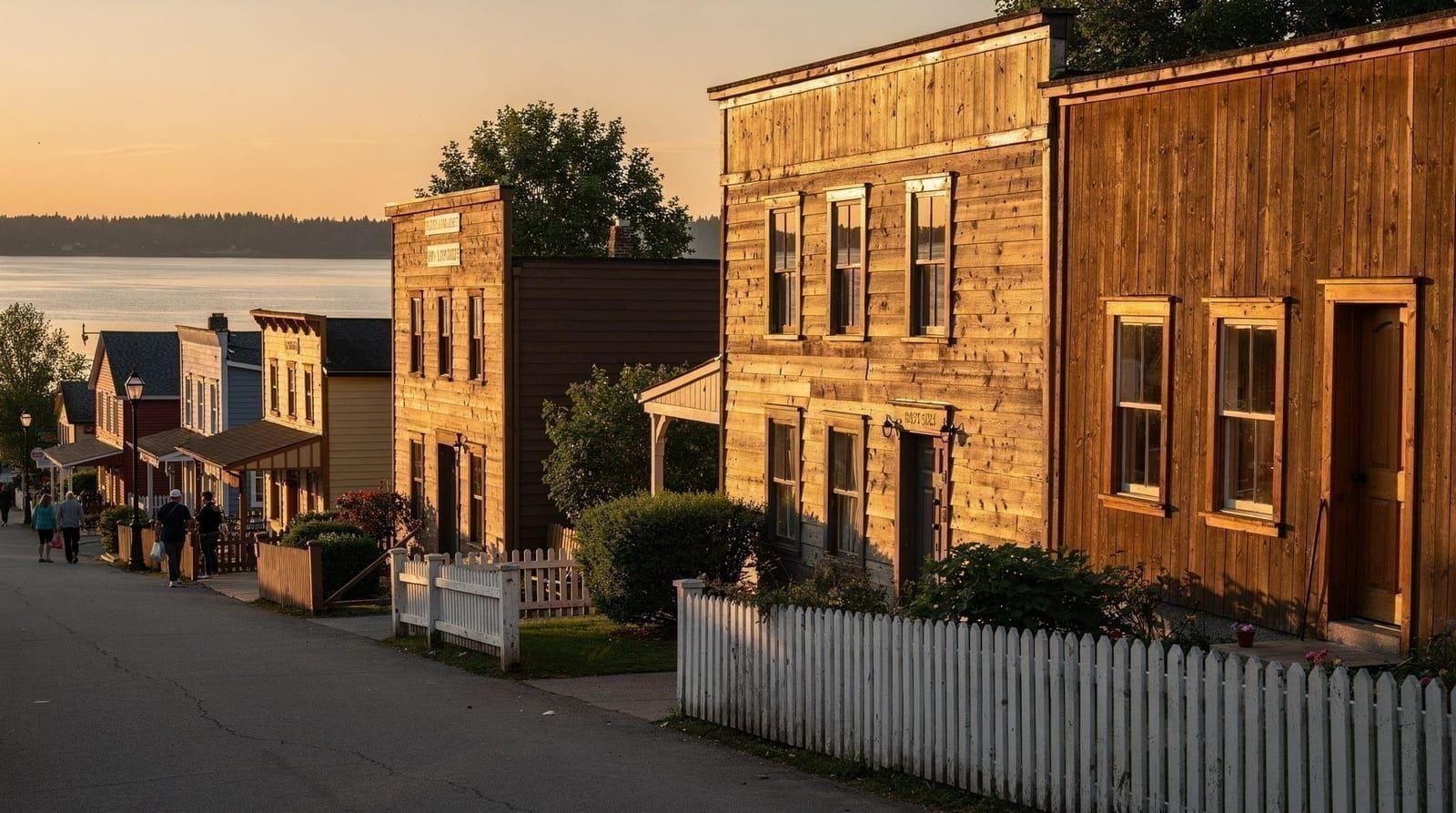
Fort Langley is the valley’s clearest single-stop destination, built around the reconstructed Hudson’s Bay Company fur-trading post that gives the town its name — a National Historic Site with costumed interpreters, original and reconstructed buildings, and a genuinely important place in BC’s colonial history as the site where the Colony of British Columbia was proclaimed in 1858. Beyond the fort itself, the surrounding village has a walkable main street with antique shops, cafes, and a well-regarded Saturday market running through the warmer months, making it easy to fill 2 to 3 hours here without rushing.
Farm stands and u-pick
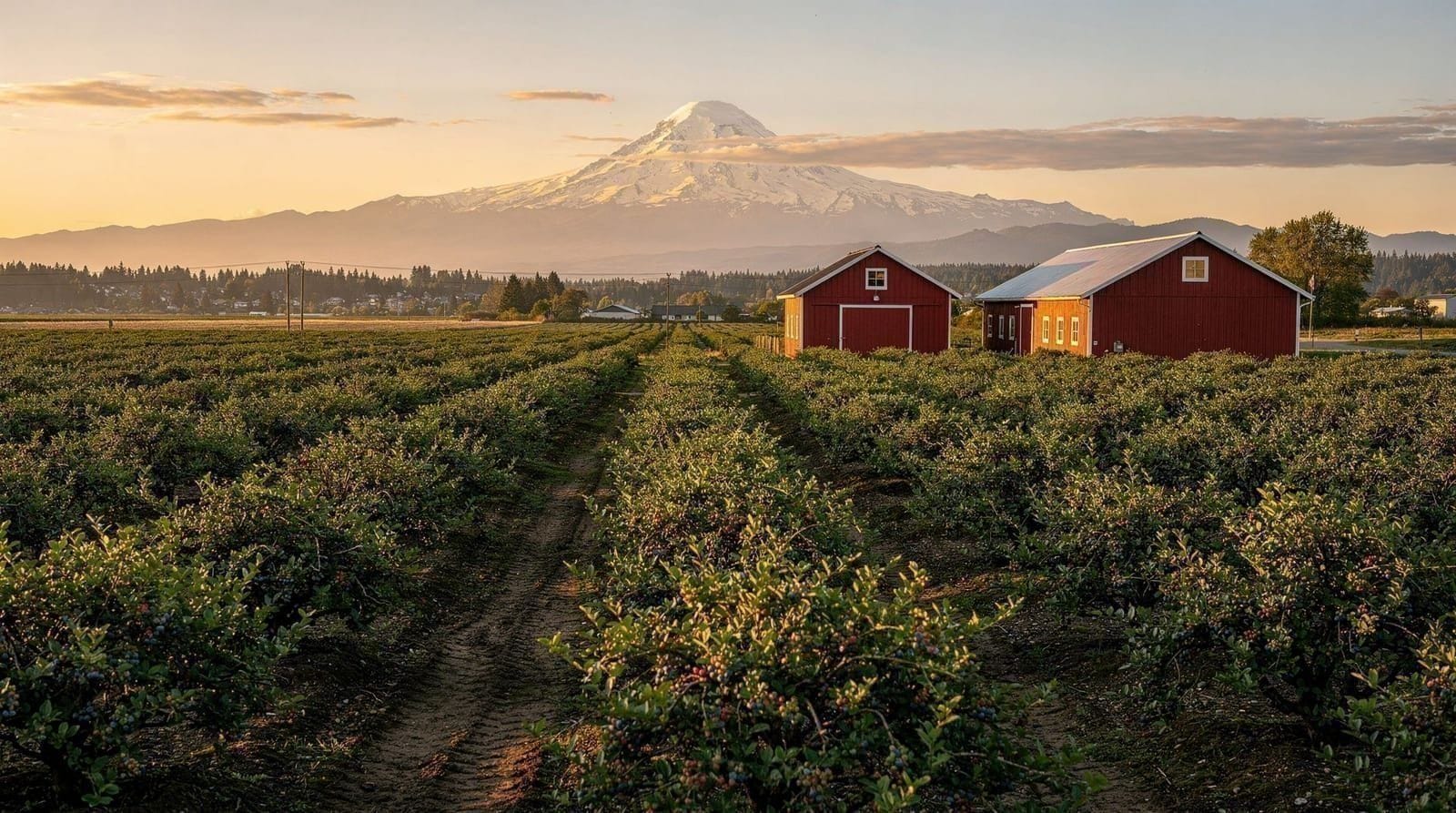
The Fraser Valley is one of British Columbia’s most productive agricultural regions, and a meaningful part of a valley day trip for many visitors is simply stopping at roadside farm stands and u-pick operations rather than following a fixed itinerary. Berries are the seasonal highlight — strawberries in June, raspberries through summer, and blueberries from July into August — and several farms welcome walk-in visitors for picking, not just pre-arranged group tours. Pumpkin patches and corn mazes take over in September and October, drawing a different, equally enthusiastic crowd of Vancouver day-trippers as fall approaches.
Historic covered bridges and back roads
Beyond Fort Langley’s main historic site, the valley has a handful of smaller, less-visited historic points worth a detour for travelers with a car and no fixed schedule — a preserved covered bridge near Aldergrove, quiet back roads lined with century-old farmhouses, and small community museums in several of the valley’s towns that rarely appear on standard tourist itineraries. None of these individually justify a special trip, but they reward the kind of unhurried, back-roads exploration that suits this particular day trip better than a tightly scheduled checklist.
Small towns worth a stop
Beyond Fort Langley, several smaller valley communities reward a brief stop for travelers with a full day to explore. Abbotsford has a growing craft brewery and cidery scene alongside its agricultural base, worth seeking out for visitors interested in local food and drink beyond the farm-stand experience. Mission, across the Fraser River, offers river views and a quieter, more residential character. None of these towns individually demand a dedicated visit the way Fort Langley does, but strung together along a loop route, they give the day a sense of genuine exploration rather than a single there-and-back stop.
What it costs
| Item | Approximate cost (CAD) |
|---|---|
| Fuel round trip from Vancouver | $12–18 |
| Fort Langley National Historic Site admission, adult | $12–15 |
| Farm stand produce / u-pick | $15–25 per person |
| Lunch in Fort Langley | $15–25 per person |
This is one of the least expensive day trips available from Vancouver — no ferry fare, no gondola or attraction ticket comparable to the region’s bigger draws, and farm-stand spending that’s entirely optional and scales to whatever a visitor wants to buy.
Best time of year
Summer is unambiguously the strongest season for a Fraser Valley trip, when the berry harvest is in full swing and farm stands are at their busiest and best-stocked. Fall brings its own draw with pumpkin patches, corn mazes, and harvest festivals through September and October, plus cooler, more comfortable walking weather in Fort Langley itself. Spring offers blossoming orchards in some areas and generally quieter farm stands ahead of the summer rush. Winter is the least rewarding season for the agricultural side of the trip, though Fort Langley’s historic site and village remain open and pleasant for a shorter, less produce-focused visit.
Who this trip suits
A Fraser Valley day trip suits travelers looking for a slower, less structured day than the region’s bigger attractions offer — families wanting a hands-on farm experience for kids, history-minded visitors interested in Fort Langley’s colonial-era significance, or anyone who’s already covered Whistler, Victoria, and the Sea-to-Sky corridor and wants a genuinely different kind of day. It’s a weaker fit for travelers specifically chasing dramatic mountain or coastal scenery, or those with limited time who want to maximize a single headline attraction rather than a looser collection of smaller stops.
Combining with Harrison Hot Springs
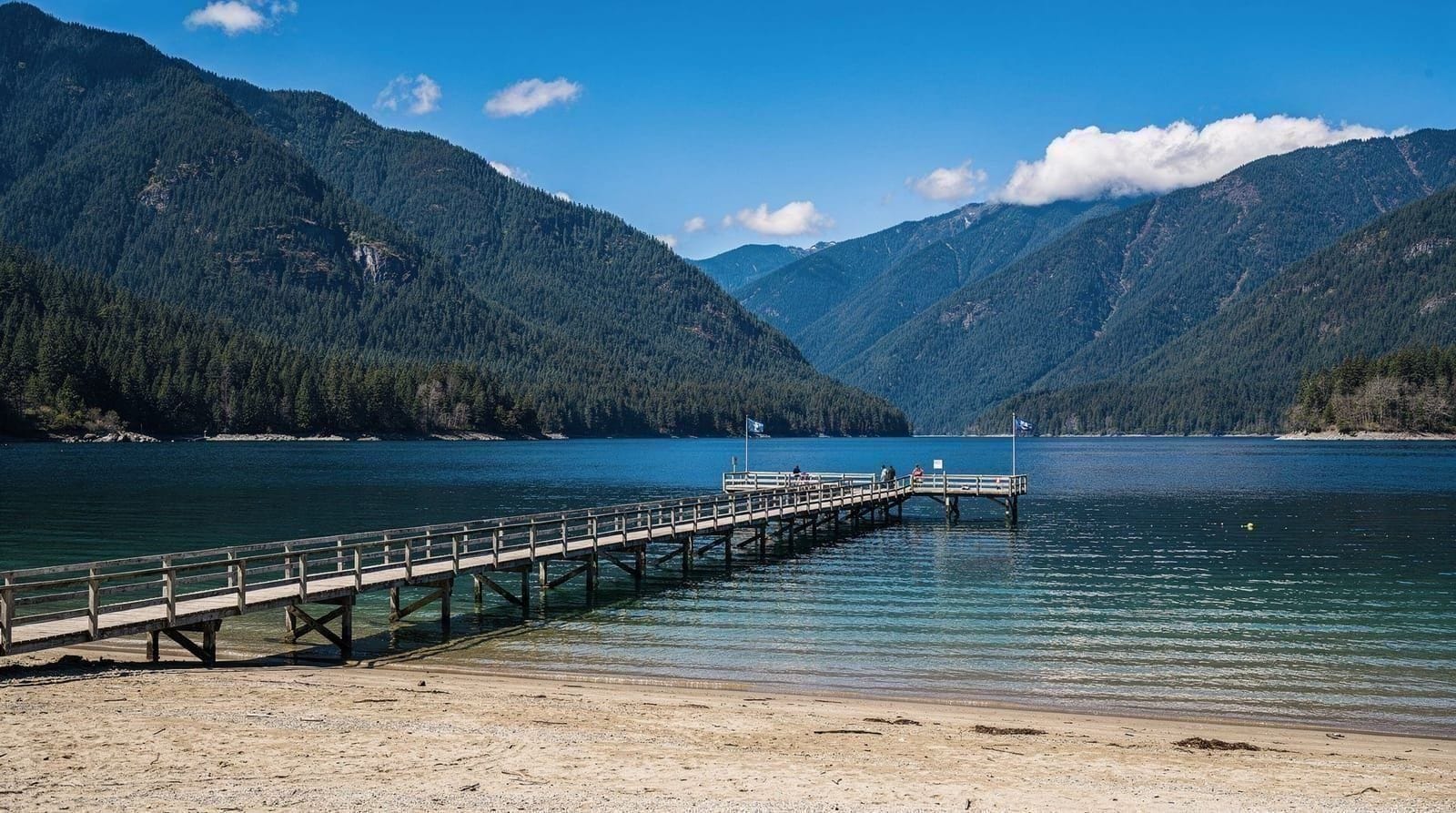
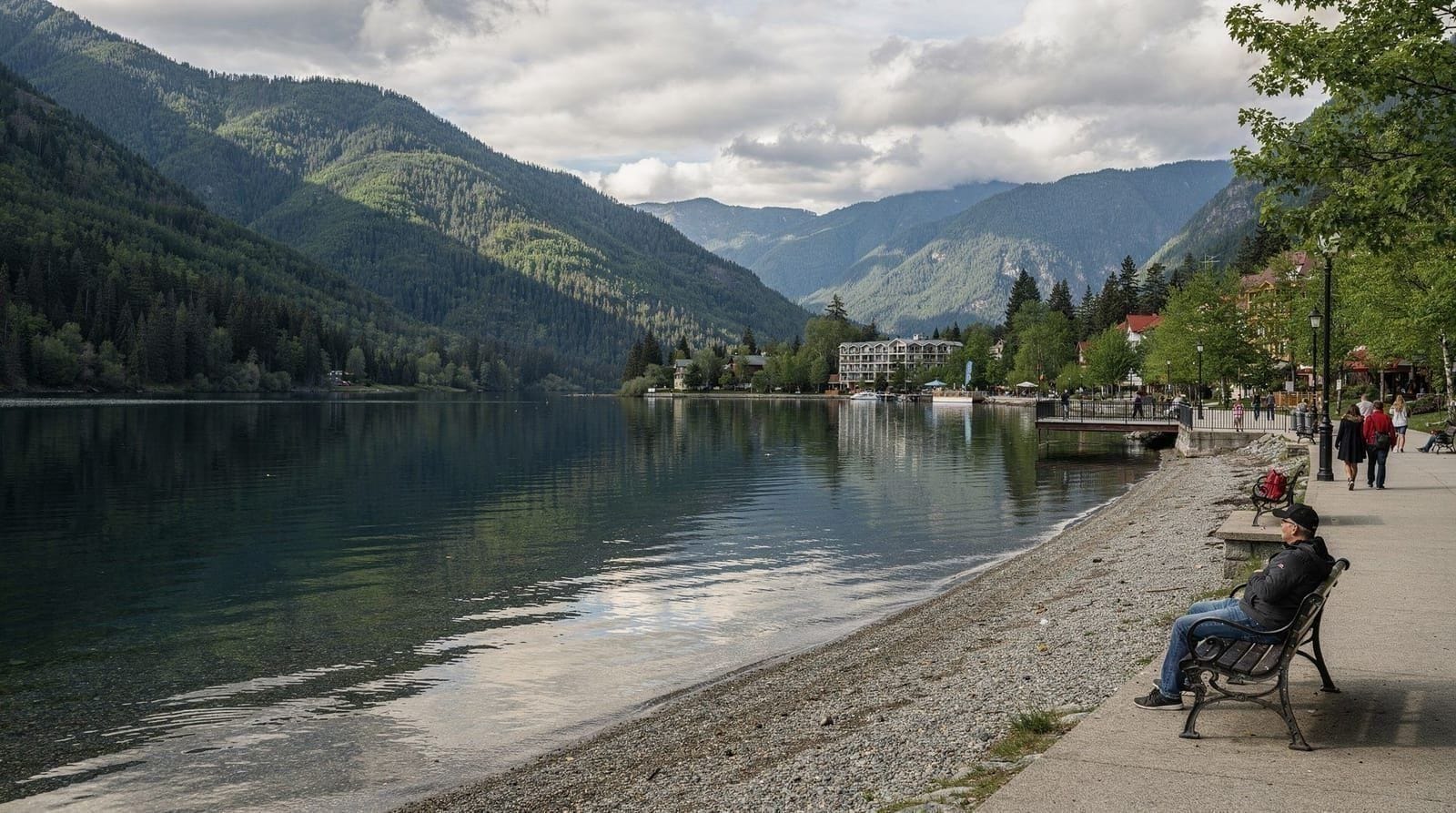
For travelers willing to extend the day further east, the Fraser Valley route continues naturally toward Harrison Hot Springs, about 90 minutes from Vancouver and roughly 45 minutes past Fort Langley. Combining both into a single very full day is possible for early starters, though most visitors find splitting them into two separate, more relaxed day trips — or treating Harrison as an overnight extension — gives a better experience of each rather than rushing through both.
Photography and scenery
The Fraser Valley’s appeal for photographers is different from the region’s mountain and coastal destinations — rather than dramatic peaks or ocean views, the valley offers wide open farmland framed by the Coast Mountains and Cascades to the north and south, particularly striking in early morning or evening light when mist sometimes settles over the fields.
Fort Langley’s heritage buildings and the historic site’s reconstructed fort walls give a more structured, architectural photography opportunity distinct from the open-field shots elsewhere in the valley. Fall’s turning crops and pumpkin patches add seasonal colour that the summer green fields don’t offer, making autumn a particularly rewarding season for anyone treating photography as a priority for the day.
What repeat visitors appreciate about this trip
Vancouver locals and repeat visitors tend to rate the Fraser Valley more highly than first-time tourists researching “best day trips from Vancouver” lists dominated by Whistler and Victoria, and it’s worth understanding why. The valley doesn’t require advance ticket bookings, doesn’t depend on ferry schedules or mountain-highway conditions, and can be adjusted or shortened on short notice far more easily than the region’s bigger commitments. For anyone staying in Vancouver for an extended period, or locals looking for a Saturday outing rather than a bucket-list day trip, that flexibility is a genuine advantage the bigger, more heavily marketed destinations can’t match.
Practical notes
Because this trip covers more ground with smaller, spread-out stops rather than one central destination, having a car is close to essential — public transit connects some of the larger towns like Abbotsford, but reaching individual farm stands and covering multiple small towns in a day realistically requires a vehicle. Cash is worth carrying for smaller farm stands and u-pick operations, some of which still operate on an honour-system or cash-only basis, unlike the fully card-friendly experience at Fort Langley’s shops and the region’s bigger attractions.
Whose land this is
The Fraser Valley is the traditional territory of the Stó:lō people, a collective of Coast Salish nations whose presence in the valley predates the fur-trading and agricultural history that now defines much of the region’s tourism identity. Several Stó:lō communities remain active in the valley today, and some cultural and historical sites, including elements of the Fort Langley National Historic Site’s own interpretive programming, incorporate this history alongside the more commonly told Hudson’s Bay Company narrative. Visitors specifically interested in the region’s Indigenous history should look beyond the fort itself, since much of that deeper context isn’t the primary focus of the standard Fort Langley visitor experience.
Chilliwack and the eastern valley
Further east than Abbotsford, Chilliwack extends the Fraser Valley loop for travelers with a full day and an early start. The area is known for its own agricultural tourism scene, including a well-established corn maze and pumpkin patch circuit each fall, along with Cultus Lake, a popular local swimming and boating destination in summer that draws a mix of day-trippers and Fraser Valley locals rather than international visitors. Chilliwack sits close enough to Harrison Hot Springs that ambitious travelers sometimes combine both into a single long day, though this pushes the total driving distance and time considerably beyond the more relaxed Fort Langley-focused version of the trip.
Wildlife and birdwatching
The Fraser Valley is a significant stop on the Pacific Flyway migratory bird route, and the area around Reifel Migratory Bird Sanctuary and various farmland fields draws serious birdwatchers, particularly in fall and winter when thousands of snow geese and, further east near Chilliwack and Agassiz, sandhill cranes and trumpeter swans pass through or overwinter in the valley’s fields. This is a genuinely different draw than the summer farm-stand crowd, appealing to a specific audience willing to visit in the colder months when the valley’s agricultural tourism is otherwise at its quietest.
Cycling the valley
The Fraser Valley’s flat terrain, in contrast to the steep grades of the North Shore or Sea-to-Sky corridor, makes it one of the more approachable regions for casual cycling, and several dedicated trail networks and quiet rural roads around Fort Langley and further east are popular with both local and visiting cyclists. Bike rentals are available in some of the valley’s towns for visitors without their own equipment, and a slow bike ride between farm stands is, for some travelers, a more appealing way to experience the valley than a car-based stop-and-go itinerary.
Emerging wine and cider scene
While the Okanagan remains British Columbia’s dominant wine region, the Fraser Valley has developed its own small but growing collection of wineries and cideries in recent years, taking advantage of the valley’s agricultural land and proximity to the Vancouver market. These operations tend to be smaller and less polished than their Okanagan counterparts, but they offer a genuine local-producer experience within an hour of the city, without the multi-day commitment the Okanagan requires. Several are concentrated around Langley and Abbotsford, making them easy to fold into a Fort Langley-focused day.
A sample day-trip route
For visitors without a strong preference, a workable loop starts with an early departure toward Fort Langley, spending the late morning at the historic site and village, followed by lunch on the main street. The early afternoon can be spent visiting one or two farm stands nearby — timing depends heavily on season, so checking which farms are currently open for picking is worth doing the morning of the trip rather than assuming year-round availability.
Travelers with energy for one more stop can continue toward Abbotsford for a brewery or cidery visit before heading back to Vancouver in the late afternoon, avoiding the worst of any Highway 1 congestion by returning before the evening commute builds.
How this compares to Vancouver’s bigger day trips
Set against a Whistler day trip or a Victoria day trip, the Fraser Valley asks for less from the traveler in every practical sense — shorter drive, no ferry, no mountain highway — but it also delivers a quieter, less dramatic day in return. It’s a better fit as a second or third regional day trip during a longer Vancouver stay than as the single big excursion of a short visit, where the more headline-grabbing destinations understandably take priority. Visitors who enjoy agritourism specifically, though, may find the valley more genuinely satisfying than a rushed version of a bigger, more crowded attraction.
Combining with an Okanagan-bound route
For travelers eventually continuing on to the Okanagan by road rather than flying, the Fraser Valley sits directly along the most common driving route east via the Coquihalla Highway, making Fort Langley or Abbotsford a natural stopping point on the way out or back rather than a separate dedicated trip. This is worth knowing for anyone planning a longer BC road trip that includes wine country further east, since it turns what might otherwise be two separate outings into one efficiently combined route.
The honest verdict
The Fraser Valley won’t deliver the dramatic scenery of the Sea-to-Sky corridor or a single headline sight on the scale of Butchart Gardens, and it’s honestly a better fit for repeat Vancouver visitors or locals than for a first-time traveler with only one or two regional day trips to spare. But for what it is — a relaxed, low-cost day of history, farm stands, and small-town wandering, with none of the ferry or mountain-highway logistics the region’s bigger trips require — it’s a genuinely pleasant and underrated option, particularly during the summer berry season when the valley is at its most alive.