Vancouver rain guide — how wet it really gets and how to plan around it
Vancouver: FlyOver Canada Experience
Duration: 30 minutes
- Free cancellation
How much does it rain in Vancouver?
Vancouver's wettest months are November through January, averaging 150-200mm of rain a month across frequent overcast, drizzly days. July is the driest month, around 55mm total. Rain rarely comes as dramatic downpours — it's more often persistent light-to-moderate rain over long stretches, which locals plan around with indoor backups rather than avoiding the outdoors entirely.
Vancouver’s rain reputation is deserved, but it’s also more nuanced than “it always rains” suggests. Rainfall is heavily concentrated in the November-to-February window and, to a lesser degree, spring and fall, while summer runs genuinely dry for months at a time. Locals don’t avoid the outdoors because of rain — they plan around it, treating a wet forecast as a cue to shift the day’s activities rather than cancel them. This guide covers the actual numbers by month and the specific attractions and neighborhoods that hold up best when the forecast doesn’t cooperate.
| Wettest months | November-January, around 150-200mm/month |
| Driest month | July, around 55mm total |
| What it feels like | Persistent light-to-moderate drizzle, rarely dramatic downpours |
| Gear | Waterproof rain shell (not an umbrella) + waterproof footwear |
| Backup plan | Granville Island Market, FlyOver Canada, Vancouver Lookout |
Rainfall by month at a glance
| Months | Rain level | Notes |
|---|---|---|
| June-August | Driest | July around 55mm, minimal backup planning needed |
| April-May, September | Transitional | Drier than March/October within the same shoulder seasons |
| March, October | Rising | Real rain risk returns, worth a flexible day plan |
| November-January | Wettest | 150-200mm/month, build indoor days as the default |
How much it actually rains, by month
November through January are Vancouver’s wettest months, typically 150-200mm of rain each, spread across a high number of overcast and rainy days rather than concentrated in a few storms. February and March ease slightly but remain solidly wet by most cities’ standards. April and May taper more noticeably as spring progresses, and June through August is the year’s dry stretch, with July the single driest month at roughly 55mm total. September holds onto much of summer’s dryness before October’s rainfall climbs back up sharply, marking the real start of the wet season’s return.
Across the year as a whole, Vancouver actually sees fewer total rainy days than its reputation implies when compared hour-for-hour against some other well-known rainy cities — the difference is that the wet months are genuinely concentrated and persistent rather than evenly spread, which makes the winter stretch feel more relentless than the annual average alone would suggest. The winter guide and fall guide go deeper into month-specific numbers within those seasons.
What Vancouver rain actually feels like
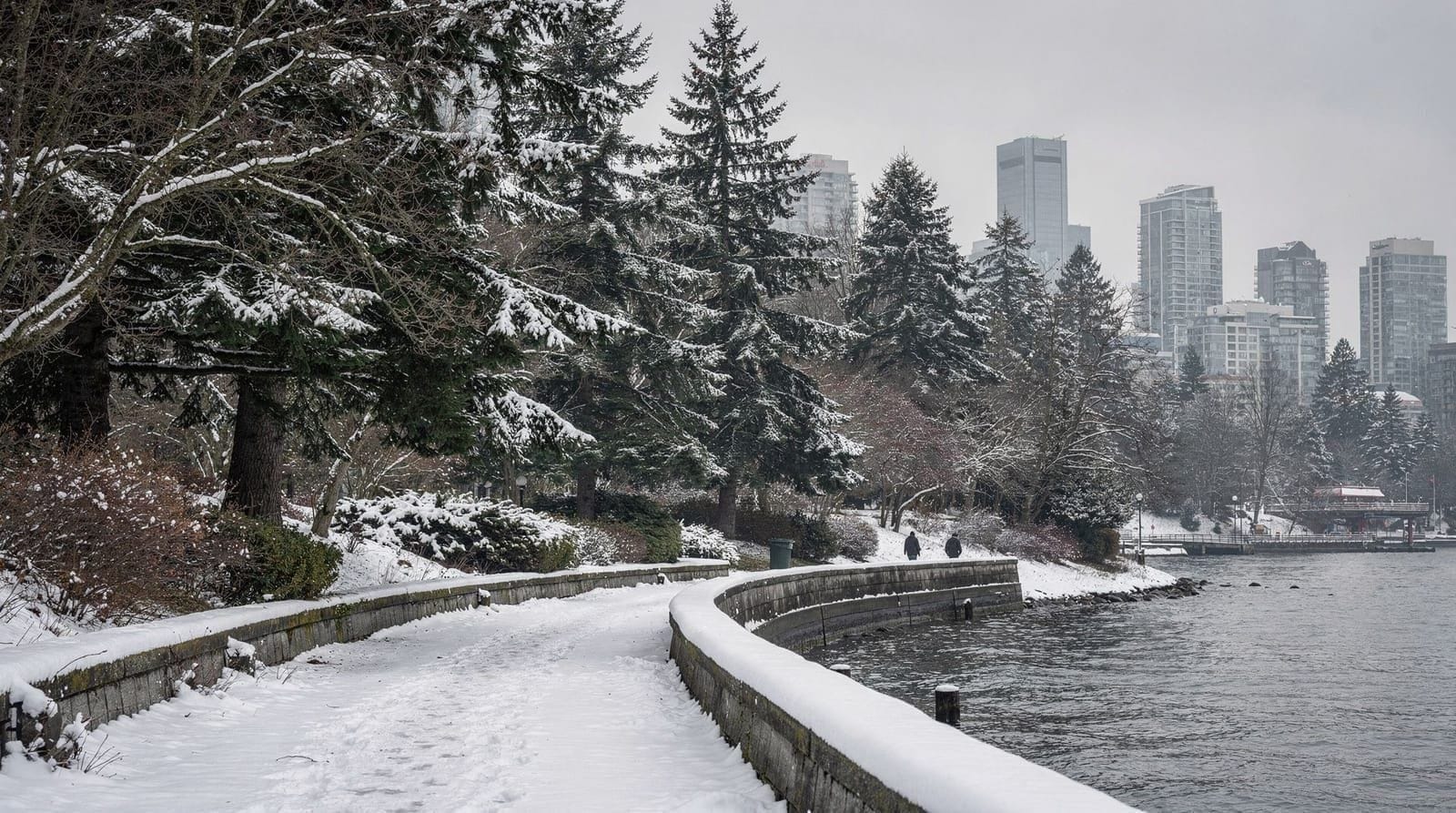
Unlike destinations known for intense tropical downpours, Vancouver’s rain is mostly a persistent, moderate drizzle carried in on Pacific weather systems, punctuated by occasional heavier spells rather than the reverse. Days can stay grey and lightly wet from morning through evening without a dramatic storm ever really arriving, which is part of why the city’s rain reputation feels both accurate and slightly misleading — it’s rarely severe, but it is frequent and can feel relentless across a multi-day stretch. Temperatures during winter rain rarely drop below freezing, so it’s cold-and-wet rather than the harsher cold-and-icy conditions some other northern cities deal with in the same season.
Indoor and weather-proof attractions
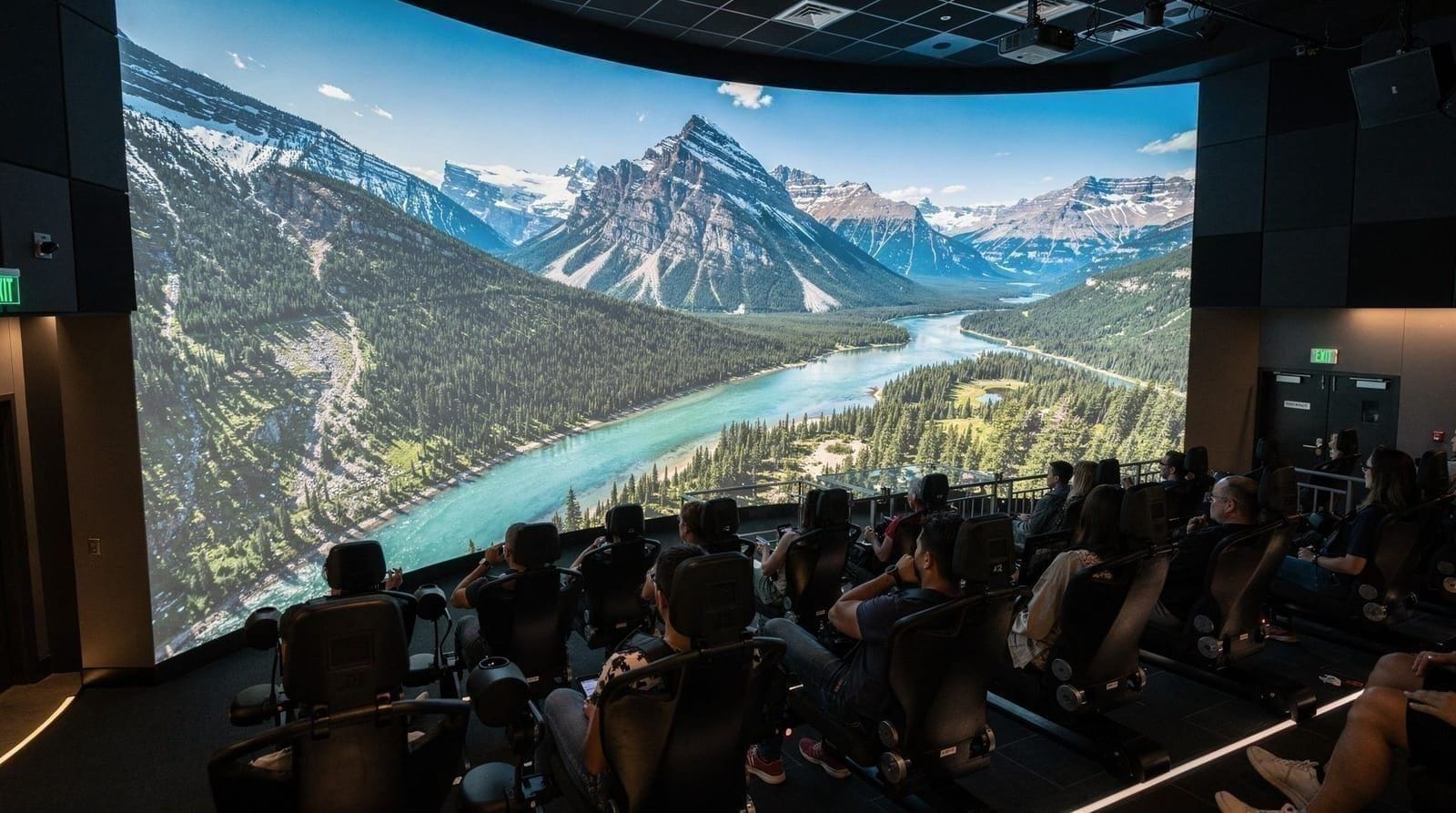
FlyOver Canada, a flight-simulator style attraction near Canada Place, is one of the most reliable rainy-day options in the city — fully indoor, roughly 30-45 minutes including pre-show content, and a genuinely good experience regardless of what’s happening outside. A FlyOver Canada ticket pairs naturally with a Canada Place waterfront visit before or after, since the building itself offers covered walkways even in poor weather.
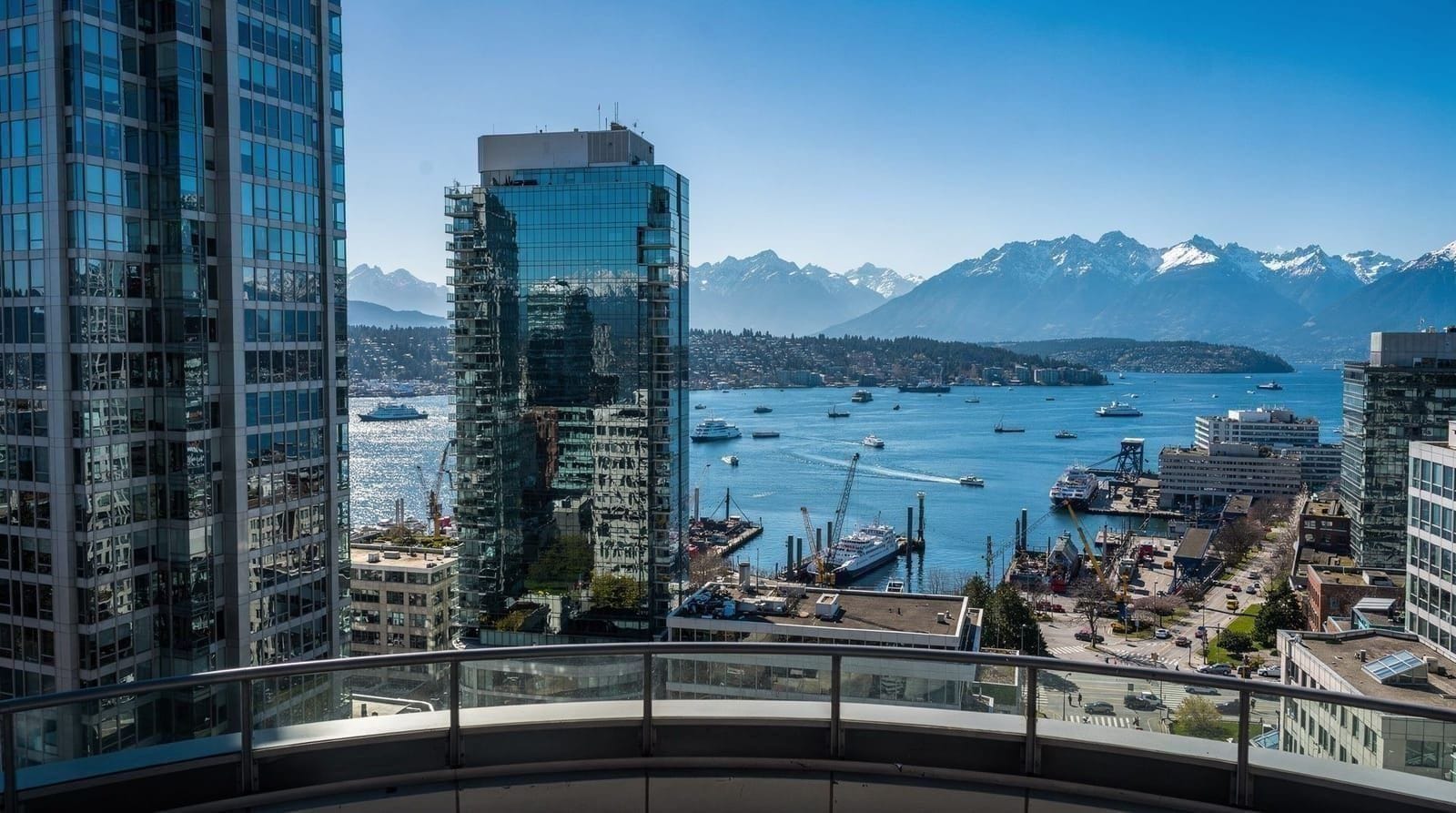
The Vancouver Lookout at Harbour Centre offers 360-degree city views from an indoor observation deck, and while a clear day obviously delivers better visibility, the views over a rain-slicked city and harbour have their own moody appeal, and the ticket itself is often valid for re-entry the same day, letting visitors return for a sunset or evening view if the weather clears later. Full detail on both attractions is in the FlyOver Canada guide and Vancouver Lookout guide.
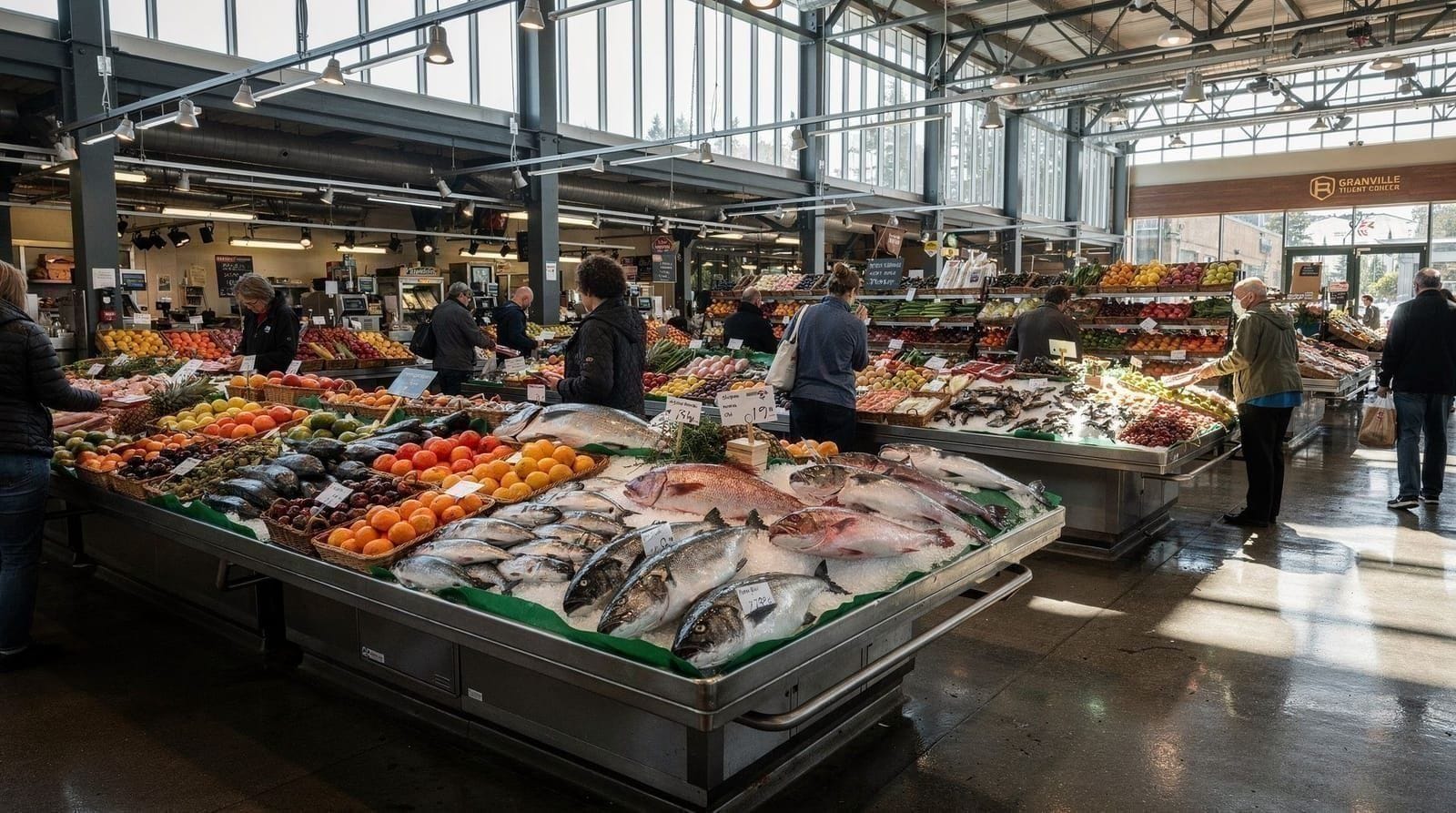
Granville Island Market is arguably the single best rainy-day destination in the city — the entire public market hall is covered, the surrounding artisan shops and theaters are indoors, and the neighborhood’s appeal has little to do with sunshine in the first place. Science World’s geodesic dome and interactive exhibits work the same way for families specifically, and the Museum of Anthropology at UBC gives culturally minded visitors a full indoor half-day.
Neighborhoods that hold up in the rain
Gastown and Chinatown both work well on a wet day, since their draw is architecture, food, and shopping rather than open outdoor space, and covered awnings and closely spaced buildings offer more shelter than the city’s park-heavy areas. Yaletown leans indoor by design, with its converted-warehouse restaurants and shops built for exactly this kind of day. Downtown’s Robson Street and the connected shopping district offer a long stretch of mostly covered browsing, useful for filling a few hours between other plans without committing to full outdoor exposure.
What doesn’t work well in the rain
Stanley Park’s Seawall and beaches lose most of their appeal in sustained rain — not impossible, but a soggy, less rewarding version of the same activity available on a dry day, and best saved for better weather if the itinerary has any flexibility at all. Whale watching tours generally still run in light rain, since operators are used to coastal weather, but a wet, cold, choppy day on an open boat is a meaningfully worse experience than the same tour in July sunshine, so it’s worth checking forecasts and choosing a covered or catamaran-style boat over an open Zodiac if rain is likely.
Hiking trails, particularly the North Shore’s rainforest routes around Lynn Canyon and Capilano, become genuinely muddy and slippery in heavy rain, and wooden boardwalks and stairs — common on these trails — get slick enough to warrant real caution.
How locals actually plan around it
The local approach to Vancouver weather isn’t avoidance so much as flexibility: check the forecast each morning rather than trusting a week-ahead plan, keep a rain shell within reach at all times, and treat any outdoor plan as swappable with an indoor alternative on short notice. Many locals simply proceed with outdoor plans in light rain rather than canceling — a walk along the Seawall in a drizzle is a normal, unremarkable thing to do here, not a sign of a ruined day. Visitors who adopt the same mindset, rather than treating any rain as trip-ending, tend to have noticeably better experiences than those who rigidly stick to a pre-planned schedule regardless of conditions.
Packing for Vancouver’s rain
A proper waterproof rain shell — not an umbrella, which struggles against the wind that regularly comes off Burrard Inlet and English Bay — is the single most useful item for a Vancouver trip at almost any time of year. Waterproof or water-resistant footwear matters nearly as much, since wet sidewalks and puddles are a daily reality through the wetter months. Quick-dry layers underneath a rain shell handle the mild-but-damp temperature range better than heavier, slower-drying fabrics, which stay uncomfortably wet for longer once they do get soaked.
Seasonal rain risk at a glance
Summer (June-August) carries minimal rain risk and rarely requires backup planning. Spring and fall are transitional, with April-May and September specifically running drier than March or October — worth knowing if a shoulder-season trip has any flexibility on exact dates within those months. Winter (November-February) should be planned with rain as the default expectation rather than the exception, building indoor and near-indoor activities as the core itinerary with any outdoor plans treated as a bonus for clear days. The best time to visit Vancouver guide places this rain calendar alongside the rest of the year’s seasonal trade-offs.
Rain and day trips
Rain affects the region’s day-trip destinations differently depending on what they’re built around. Victoria and Butchart Gardens hold up reasonably well in light rain, since much of the garden experience and the city’s indoor attractions remain enjoyable regardless. Whistler turns rain at village elevation into snow higher up during winter months, which is good news for skiing but means village-level activities can be wet even when the slopes above are getting fresh powder.
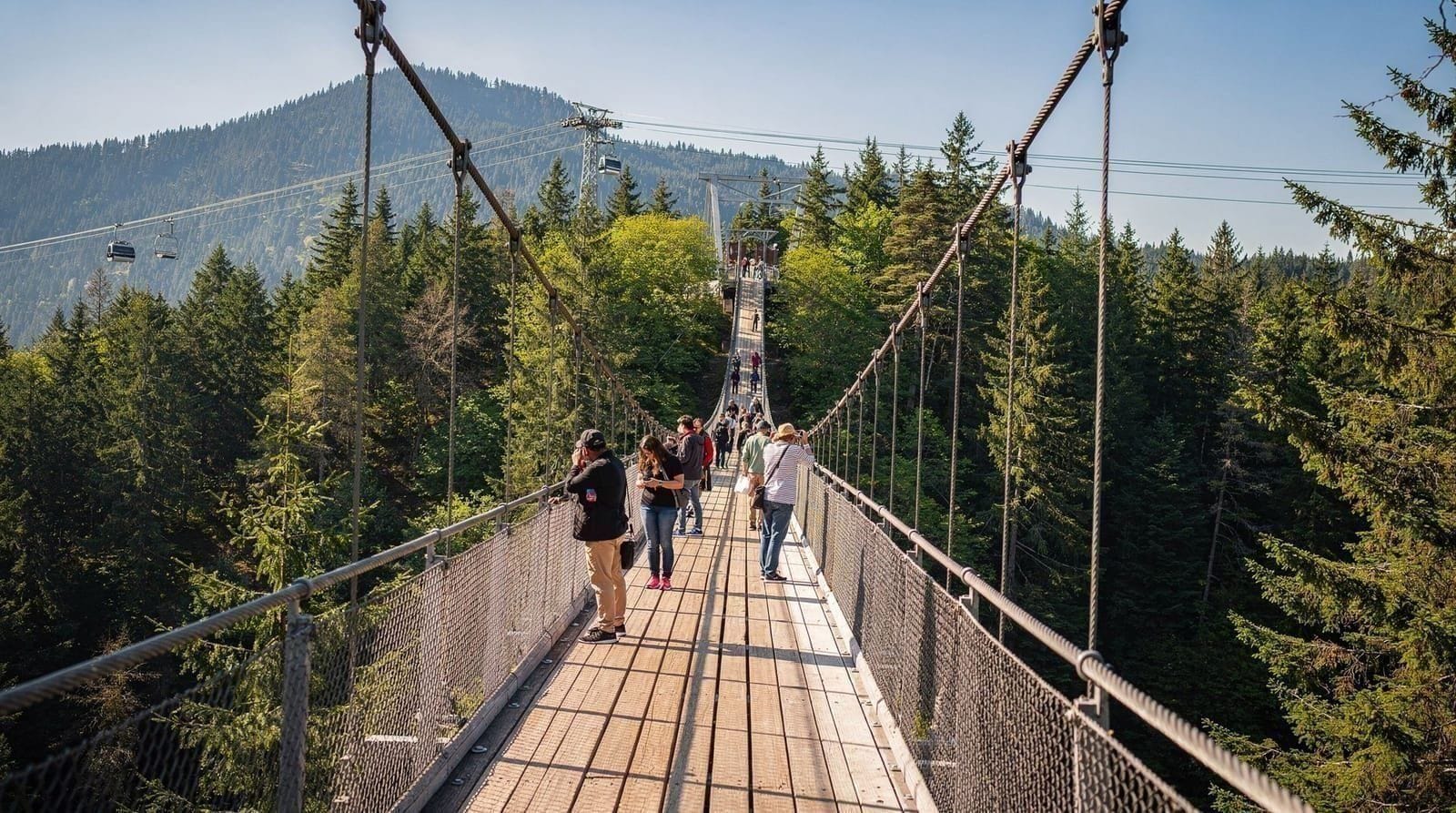
Squamish and the Sea to Sky Gondola are more weather-dependent, since much of the appeal is scenic viewpoints that lose their payoff under heavy cloud cover — worth checking mountain-specific forecasts rather than just the city’s, since conditions at elevation frequently differ from those at sea level.
A sample rainy day
A full day built around wet weather can still cover meaningful ground without ever feeling like a compromise. Start at Granville Island Market for a covered morning of browsing, food stalls, and the Granville Island Brewing tour, then head downtown for FlyOver Canada or the Vancouver Lookout in the early afternoon.
From there, Gastown and Chinatown fill the late afternoon and evening with dim sum, cocktail bars, and enough covered awning coverage to make the short walks between stops manageable. This same structure works whether the whole day is wet or only part of it, since every stop on the route is either fully indoor or largely sheltered.
Common rain myths worth correcting
The biggest myth is that Vancouver rain means the trip should be indoors entirely — in reality, summer months carry minimal rain risk, and even in the wetter months, many days see only a few hours of actual rainfall rather than a full washout. A second myth is that rain gear needs to be heavy-duty mountaineering equipment; a packable, breathable rain shell handles the vast majority of Vancouver conditions, and the harsher gear associated with true wilderness trips is overkill for a city-based visit.
A third myth, held by some visitors used to tropical climates, is that Vancouver rain will be warm — it isn’t, particularly from November through March, and pairing rain gear with inadequate layering underneath is a common and avoidable discomfort.
If you forgot rain gear
Downtown Vancouver has no shortage of outdoor and outerwear retailers for visitors caught without proper gear, including MEC (Mountain Equipment Company) and a range of outdoor specialty shops concentrated around the downtown core and Robson Street. A basic packable rain jacket typically costs CAD 40-100 depending on the brand and quality, which is a reasonable one-time expense for a trip if the alternative is being miserable and soaked for the remainder of a multi-day stay. Umbrellas are sold widely too, though as noted, they’re a weaker solution here than in calmer-wind climates given how often Burrard Inlet’s wind pushes rain sideways.
Rain and road conditions for day trips
Self-driving day trips in rain deserve a bit of extra caution, particularly on routes like the Sea-to-Sky Highway toward Squamish and Whistler, where rain at sea level can be snow at higher elevations during the colder months. Visibility on mountain roads drops meaningfully in heavy rain or fog, and it’s worth building extra travel time into any rainy-day road trip rather than assuming normal drive-time estimates will hold. For visitors uncomfortable with wet-weather mountain driving, a guided tour bus removes this concern entirely and is generally the more relaxed choice on a day with a bad forecast.
Rain and photography
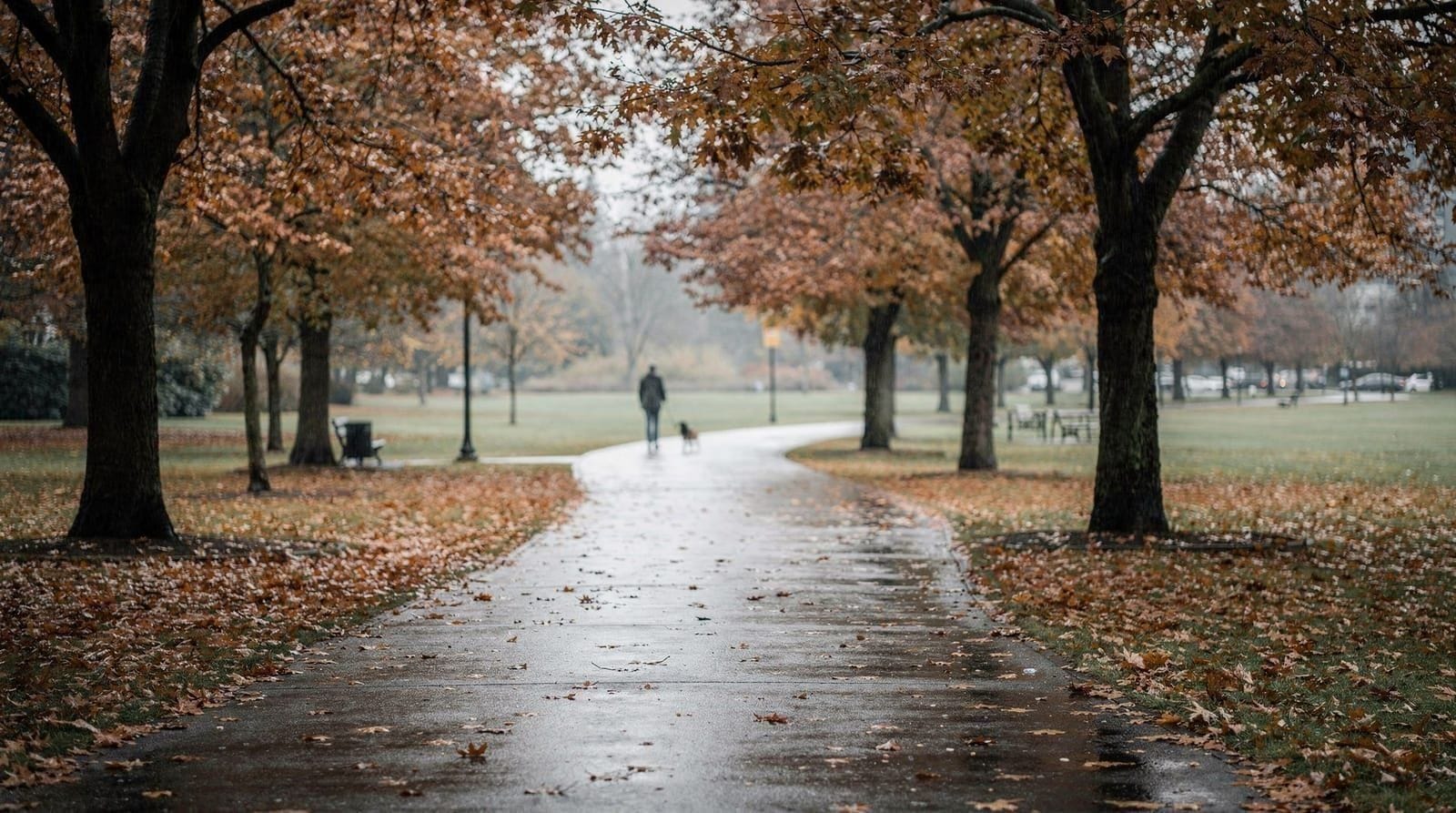
Counterintuitively, rain and the low, even light that comes with overcast Vancouver skies can produce excellent photography, particularly for street scenes, reflections on wet pavement, and moody shots of the city’s glass towers under cloud. Neon signage in Gastown and Chinatown reflects beautifully off wet streets in the evening, and misty conditions on the North Shore mountains create a genuinely different, atmospheric version of views that look more conventional on a clear day. Photographers specifically chasing this look often prefer a light, persistent drizzle over full sun, which is one of the few silver linings of Vancouver’s wetter months.
Rain and getting around
Transit holds up well in the rain — SkyTrain stations and most bus shelters offer reasonable coverage, and the SeaBus crossing between downtown and the North Shore runs enclosed regardless of weather. Walking between stops is where rain has the most impact, so building slightly more buffer time into a transit-based itinerary on a wet day, and choosing routes that minimize long unsheltered walks, makes a real difference to overall comfort.
Rideshare and taxis remain reliable options for visitors who’d rather not deal with rain and transfers together on a particularly wet day, and demand-based pricing on rideshare apps doesn’t spike for rain the way it sometimes does for major events, so costs stay predictable.
Traveling with kids in the rain
Families dealing with a rainy stretch have solid options beyond the general indoor attractions already covered — Science World’s interactive exhibits are specifically built to hold a family’s attention for two to three hours regardless of weather, and the Aquarium inside Stanley Park works the same way, with covered walkways connecting most of its indoor exhibit halls.
Playland at the PNE runs seasonally and isn’t a reliable rain-day fallback, but shopping centres with dedicated kids’ play areas, along with hotel pools where available, can fill gaps in a family itinerary when an outdoor plan falls through unexpectedly. The general approach for families is the same as for any traveler — build at least one flexible half-day into a multi-day trip specifically as rain insurance, rather than scheduling every hour in advance.
Rain versus fog versus overcast
It’s worth distinguishing between Vancouver’s different flavors of grey weather, since they affect a trip differently. Genuine rain is the most disruptive and the one worth actively planning around. Overcast-but-dry days, common through much of the year, don’t meaningfully limit outdoor activities at all — the Seawall, hiking, and sightseeing all work fine under a grey sky as long as no rain is actually falling.
Fog, most common in the shoulder seasons and occasionally in winter, mainly affects mountain and viewpoint-dependent activities like the Sea to Sky Gondola or Vancouver Lookout, where the entire appeal is visibility rather than the ground-level experience, so a foggy morning is worth rescheduling a viewpoint visit around even if it isn’t technically raining at all.
Rain and North Shore hiking specifically
The North Shore’s most popular trails deserve their own rain caveat beyond the general hiking note above. Quarry Rock in Deep Cove and the Grouse Grind both become genuinely slippery on wet rock and roots, with the Grind in particular seeing real injury reports on rainy days from hikers underestimating how much traction they lose partway up. The Lynn Canyon guide and rainforest walks guide both note which specific sections of North Shore trails hold up best in wet weather versus which to skip entirely until conditions dry out.
The bottom line on rain
Vancouver’s rain is a real planning factor, not a myth, but it’s also more manageable than its reputation suggests — the rain is rarely severe, temperatures stay mild even in the wettest months, and the city has enough genuinely good indoor and weather-resistant attractions to keep a multi-day trip working even through a stretch of grey days. The practical approach is proper rain gear, a flexible day-by-day plan rather than a rigid one, and an honest expectation set by season: minimal rain risk in summer, real rain risk the rest of the year, and the heaviest risk specifically in the November-January window.
Visitors who arrive prepared for that reality, rather than expecting a version of Vancouver that only exists for a few months a year, tend to come away with a far more positive impression of the city’s weather than its reputation alone would predict. The best time to visit guide and each individual seasonal guide provide the month-by-month detail needed to set accurate expectations before booking, rather than relying on the general reputation this guide has tried to put into honest context.
Top experiences
Bookable activities with verified prices and instant confirmation on GetYourGuide.