Vancouver in winter — rain, Whistler skiing, and what actually works
From Vancouver: Full-Day Whistler Tour
Duration: 10.5 hours
Is Vancouver worth visiting in winter?
Yes, but with a specific plan — the city itself is wet, grey, and best suited to indoor activities and low prices, while Whistler runs a full ski season from late November through May that's the main reason to visit this time of year. Treat the two as separate trips within one itinerary rather than expecting a rainy-city visit to compete with summer.
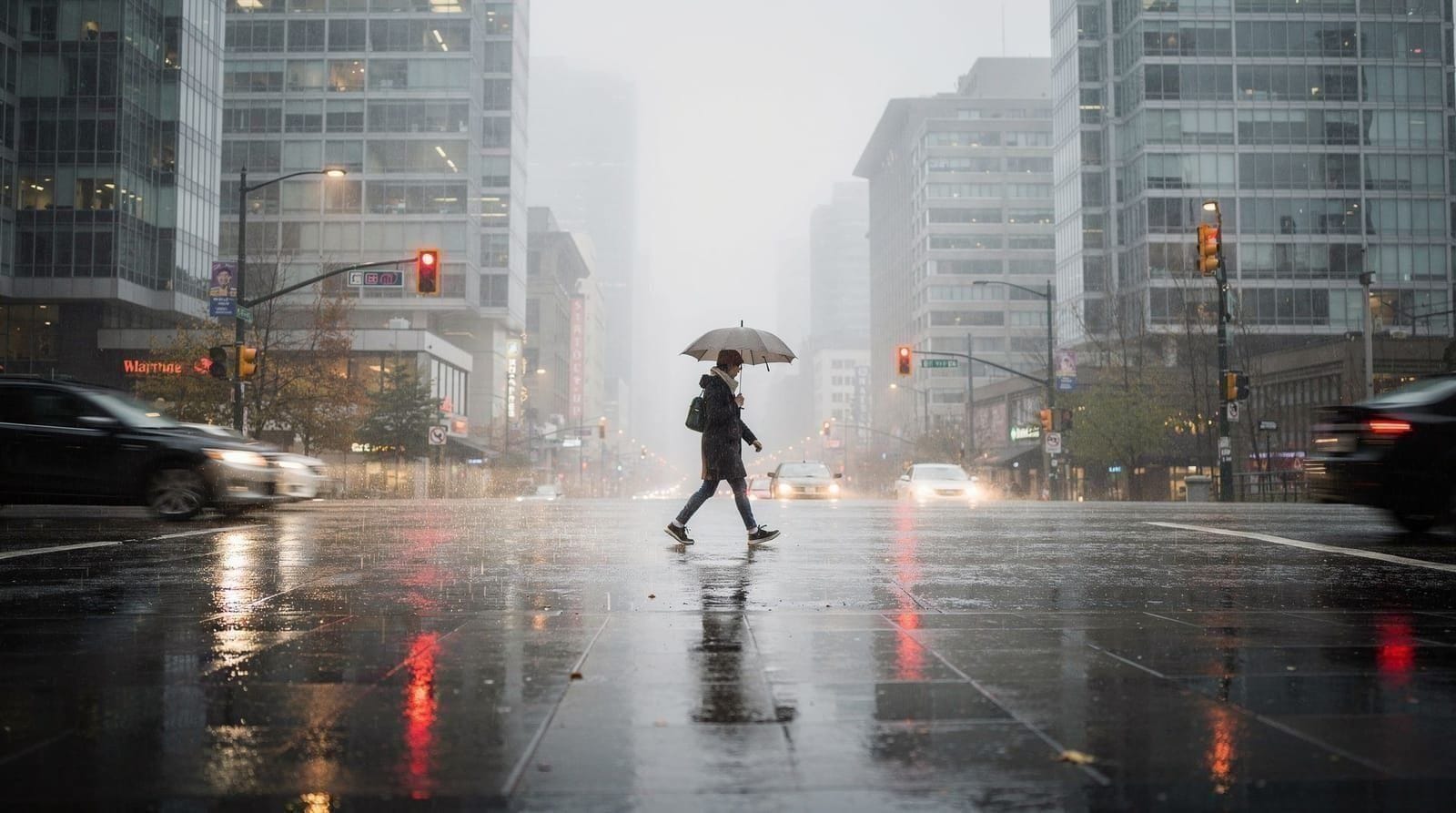
Winter is the season Vancouver’s reputation for rain actually earns itself. November through February brings the heaviest rainfall of the year to the city — 150-200mm a month is typical, spread across long stretches of overcast, drizzly days rather than dramatic downpours. It’s also, somewhat contradictorily, one of the best times of year to visit the region, because an hour and a half up the Sea-to-Sky Highway, Whistler is running a full ski season through exactly the same months the city is at its greyest. The honest framing for a winter trip is two separate experiences bolted together: a low-key, low-price, largely indoor city visit, and a genuinely world-class mountain season sitting right next to it.
| Where | Vancouver city + Whistler, around 110km/1.5-2hrs north |
| When | Late November through February |
| City cost | Around CAD 100-180/day, the year’s cheapest window |
| Whistler cost | Around CAD 250-400+/day with lift tickets and rentals |
| Best for | Skiers, budget travelers, Dine Out Vancouver diners |
| Skip if | Stanley Park walks, whale watching, or reliable sun matter most |
Month-by-month breakdown
November marks the real start of the wet season, with rainfall climbing sharply from October and daylight shrinking fast — sunset arrives before 4:30pm by month’s end. Temperatures in the city stay mild by winter standards, rarely dropping below freezing, but the combination of rain, wind, and short days makes this one of the least appealing months for city-focused sightseeing. It’s also, not coincidentally, when Whistler’s ski season typically opens, with the resort’s average November snowfall exceeding 2 metres in a normal year.
December brings the city’s holiday season into full swing — Christmas markets, light displays, and the PNE Winter Fair all run through the month — alongside continued heavy rainfall and the shortest days of the year. Whistler hits its own early peak around the Christmas and New Year holidays, when both accommodation and lift ticket demand climb sharply.
January and February are the quietest, cheapest months of the year in the city itself, with hotel rates at their annual low outside the Christmas/New Year spike. Rain remains the dominant weather pattern, though clear cold snaps do happen and can deliver genuinely striking views of snow-capped mountains against a rare blue sky. This window overlaps with Dine Out Vancouver, the city’s major restaurant festival, and with Whistler’s peak ski conditions — January and February are typically the resort’s best snow months, well past the early-season base-building of November and December.
Winter month by month at a glance
| Month | City rain | Whistler snow | Prices |
|---|---|---|---|
| November | Rising sharply | Season opens, base building | City: low. Whistler: moderate |
| December | Heaviest, shortest days | Early peak, holiday demand | City: low outside holidays. Whistler: highest of the season |
| January | Heavy, occasional clear snaps | Peak snow conditions | City: annual low + Dine Out. Whistler: high but past holiday peak |
| February | Heavy, easing slightly by month’s end | Peak snow conditions | City: annual low. Whistler: high |
Comparing Whistler skiing to Vancouver’s local mountains
Whistler isn’t the only skiing option within reach of the city, though it’s by far the largest. Cypress Mountain and Mount Seymour both run smaller, locally focused operations on the North Shore, reachable by transit in under an hour without the Sea-to-Sky drive at all — a realistic choice for a half-day ski taste rather than a full destination-resort day. Grouse Mountain’s winter program adds skating and tubing alongside limited skiing terrain, useful for families mixing ages and ability levels.
The honest comparison, covered in more depth in the Whistler versus Grouse skiing guide, comes down to scale versus convenience: Whistler’s terrain, snowmaking, and season length are in another category entirely, but the North Shore mountains save most of a day’s travel time for visitors who just want a few runs. The BC ski season guide rounds up timing across all of the region’s mountains for travelers comparing options before booking.
What actually works in the city
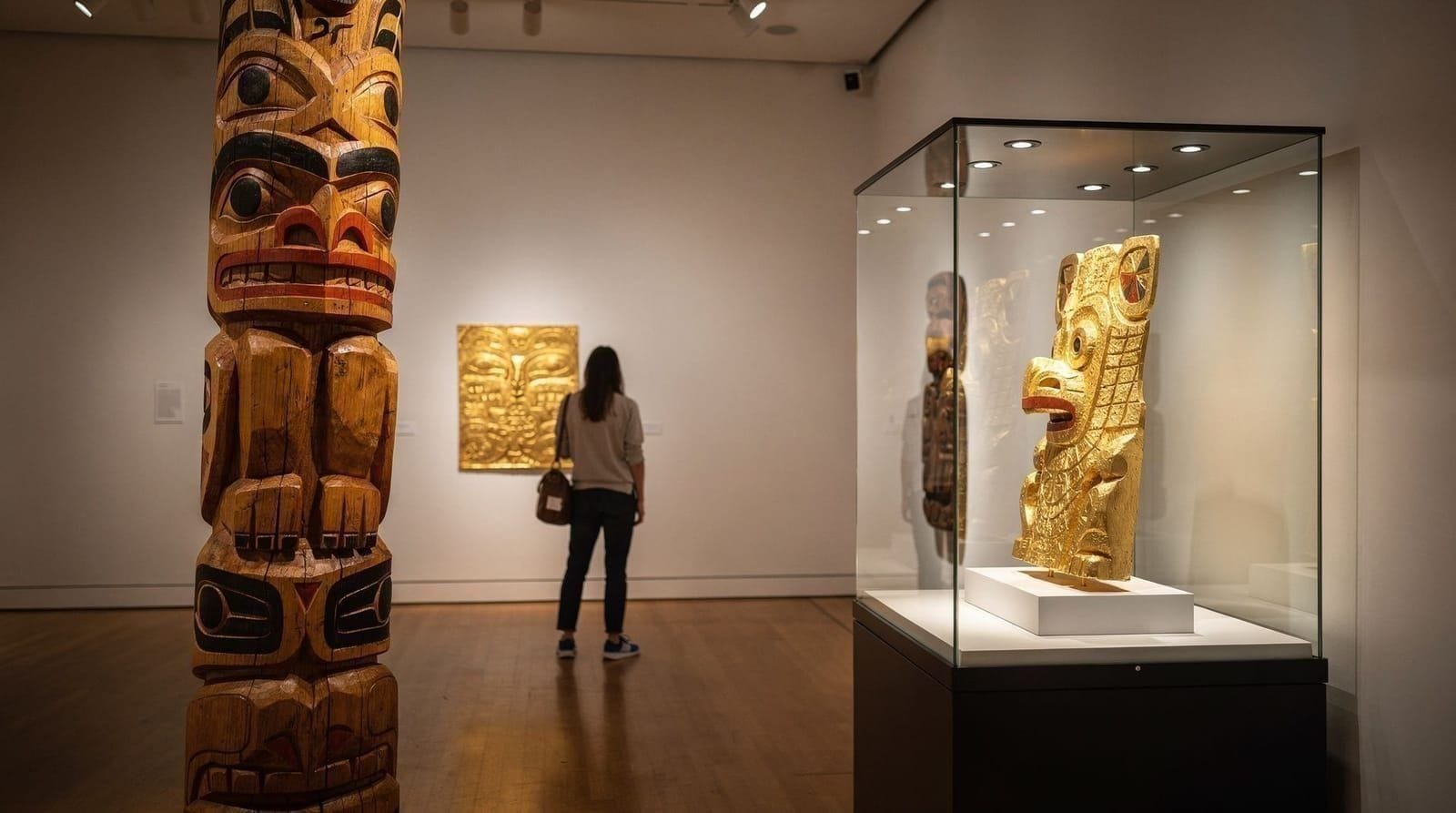
Indoor and near-indoor attractions carry a winter city visit. FlyOver Canada and the Vancouver Lookout both work regardless of weather, Granville Island Market stays fully covered and genuinely pleasant even on a wet Tuesday, and museum-style attractions hold up well against a season with limited outdoor appeal. Gastown and Chinatown remain walkable between rain showers, and their food-and-architecture appeal doesn’t depend on sunshine the way a Stanley Park visit does.
Whistler: the real winter draw
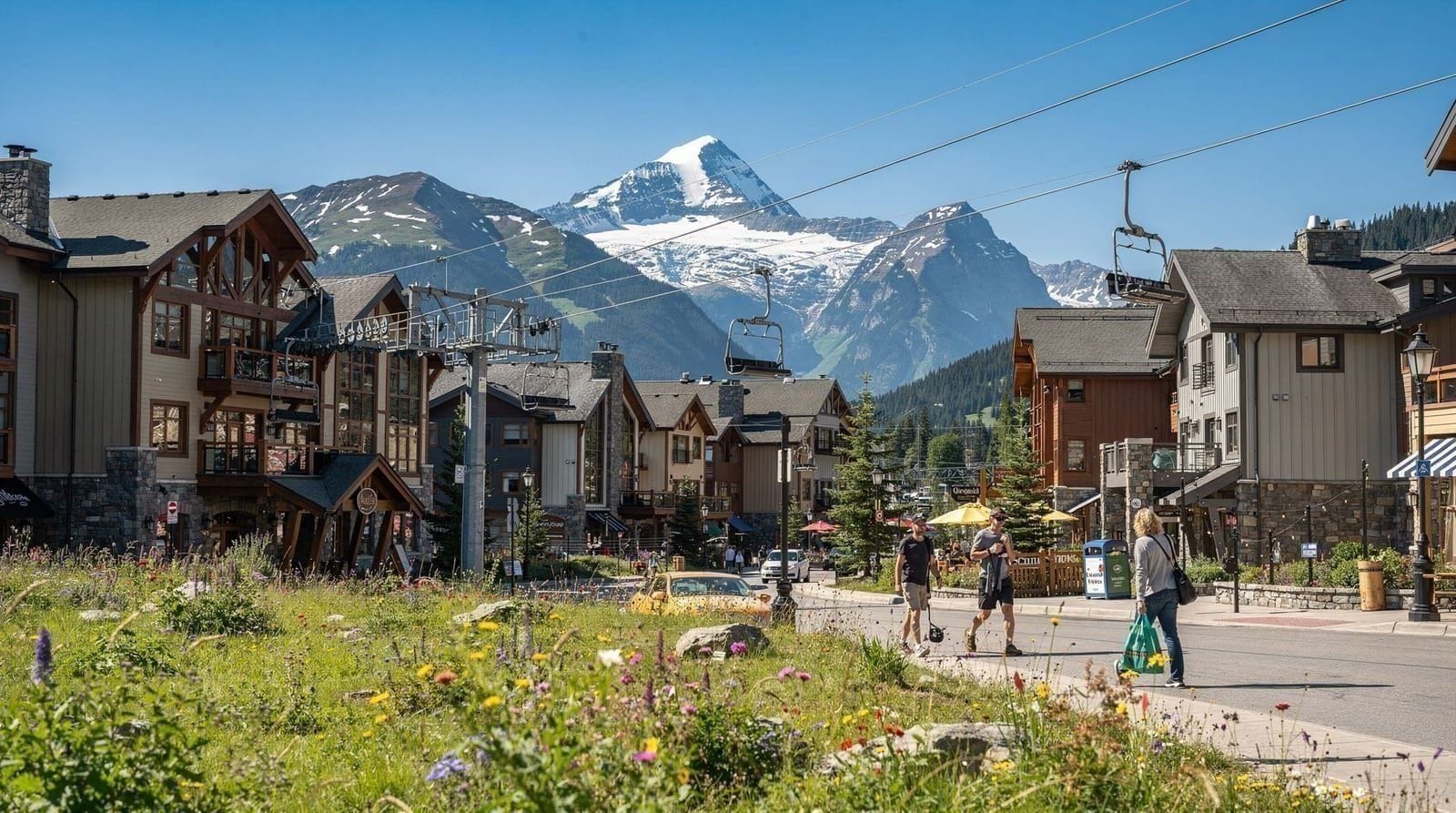
Whistler Blackcomb runs one of North America’s longest ski seasons, typically late November through early-to-mid May, and it’s the single strongest reason to build a winter Vancouver trip in the first place. A full-day Whistler tour from Vancouver covers the roughly two-hour Sea-to-Sky Highway drive and a full day in the village and on the mountain without requiring a car or ski logistics knowledge, which suits visitors who want the Whistler experience without committing to a multi-day mountain stay.
The full skiing breakdown — terrain, season timing, and how it compares to Vancouver’s local mountains — lives in the Whistler summer guide’s companion pages and the Sea to Sky Gondola guide.
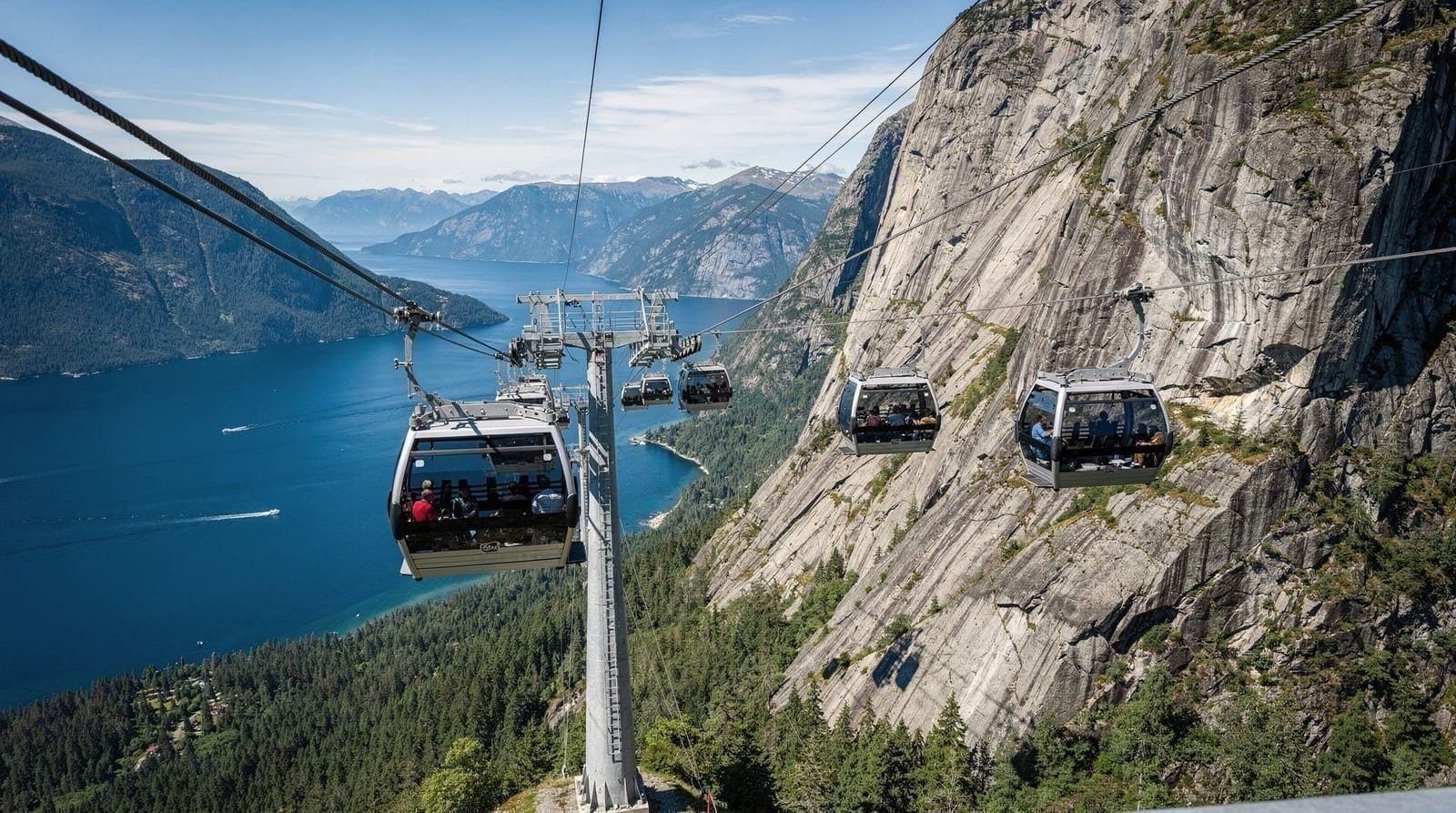
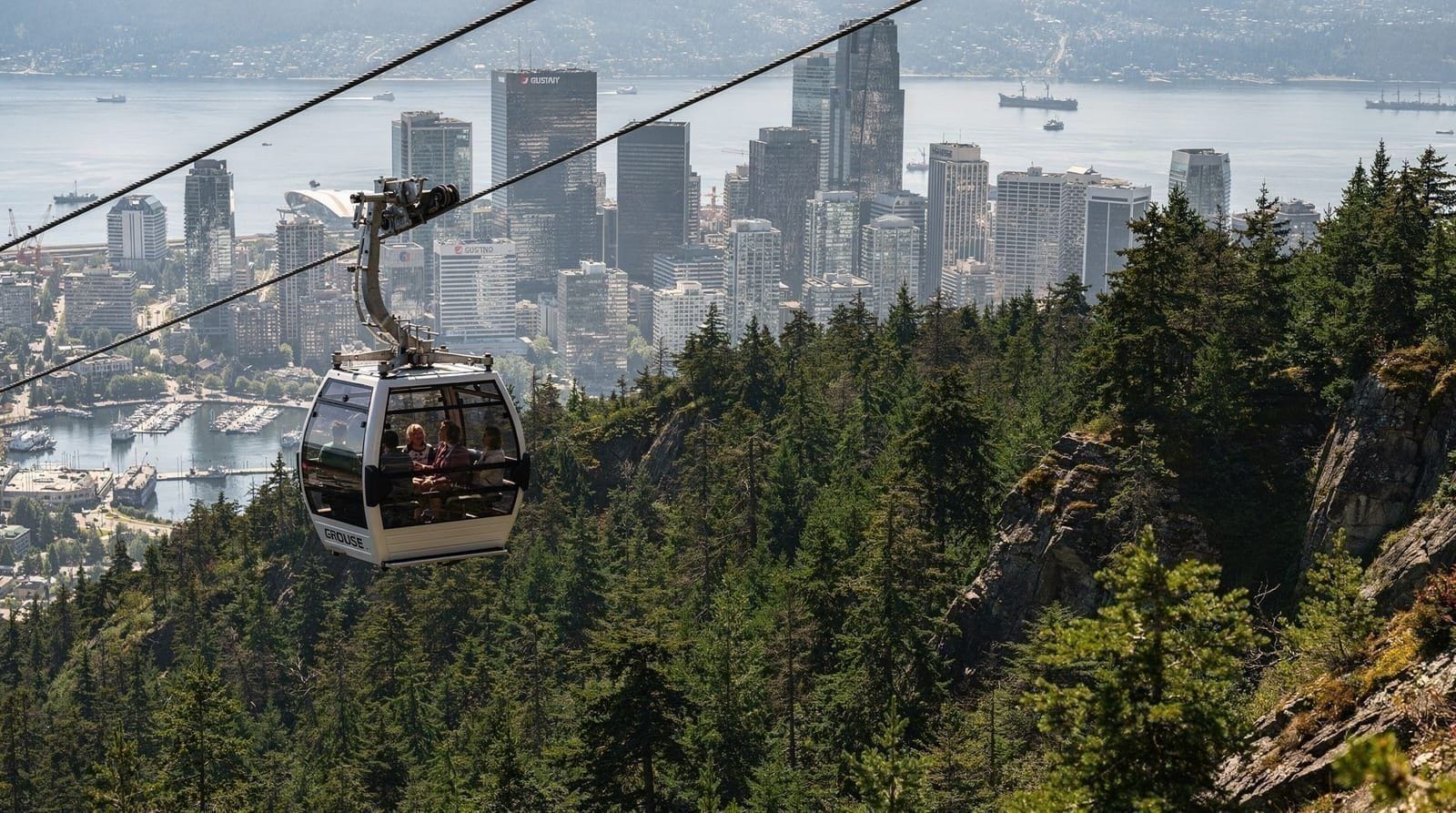
Non-skiers have real winter options too. The snowshoeing tour at the top of the Sea to Sky Gondola gets genuine alpine snow scenery without needing ski experience, departing from Squamish rather than requiring the full Whistler drive. Closer to the city, the Grouse Mountain express skyride reaches the North Shore’s own winter program — ice skating, tubing, and snowshoeing on the mountain’s upper slopes — in a fraction of the travel time a Whistler trip requires, making it the better choice for a half-day winter outing rather than a full day trip.
Local mountains beyond Grouse
Cypress Mountain and Mount Seymour round out the North Shore’s winter sports options, both running their own smaller ski and snowboard operations aimed more at locals and day visitors than the destination-resort experience Whistler offers.
They’re a reasonable choice for travelers who want a taste of BC skiing without the Whistler drive, though the terrain and reliability of conditions don’t match Whistler’s scale or snowmaking infrastructure. Both mountains are accessible by public transit connections from downtown in under an hour, which makes them a realistic half-day option for visitors without a rental car who still want a snow-sports taste of the region without committing to the full Whistler logistics.
Christmas markets and holiday events
The Vancouver Christmas Market, running roughly mid-November through late December in a European-style setup, is the city’s signature winter event, with mulled wine, food stalls, and holiday lighting drawing steady crowds through the season. The PNE Winter Fair adds a second December draw, and downtown’s holiday light displays — particularly around Robson Street and the VanDusen Garden’s Festival of Lights — give evening winter walks a specific reason to happen despite the early sunset and likely rain. The festivals guide covers exact dates and how they shift year to year.
Dine Out Vancouver
Running through January and into February, Dine Out Vancouver is the city’s largest annual restaurant festival, with participating restaurants across the city offering fixed-price menus that make trying higher-end spots meaningfully more affordable than the rest of the year. It’s a strong reason to time a January visit specifically, and it overlaps neatly with the season’s lowest hotel prices, making a food-focused January trip one of the better value propositions in the entire calendar.
Crowds and pricing
Winter is the cheapest season of the year in the city, with January and February hotel rates sitting well below every other month outside a brief Christmas/New Year spike. Whistler runs the opposite pattern — accommodation and lift tickets peak around the holidays and stay elevated through February’s best snow conditions, so a winter trip that includes both the city and the mountain should expect very different price dynamics in each location. The budget guide covers how to combine a cheap city stay with a pricier Whistler add-on without blowing the overall trip budget.
Rain reality and how to plan around it
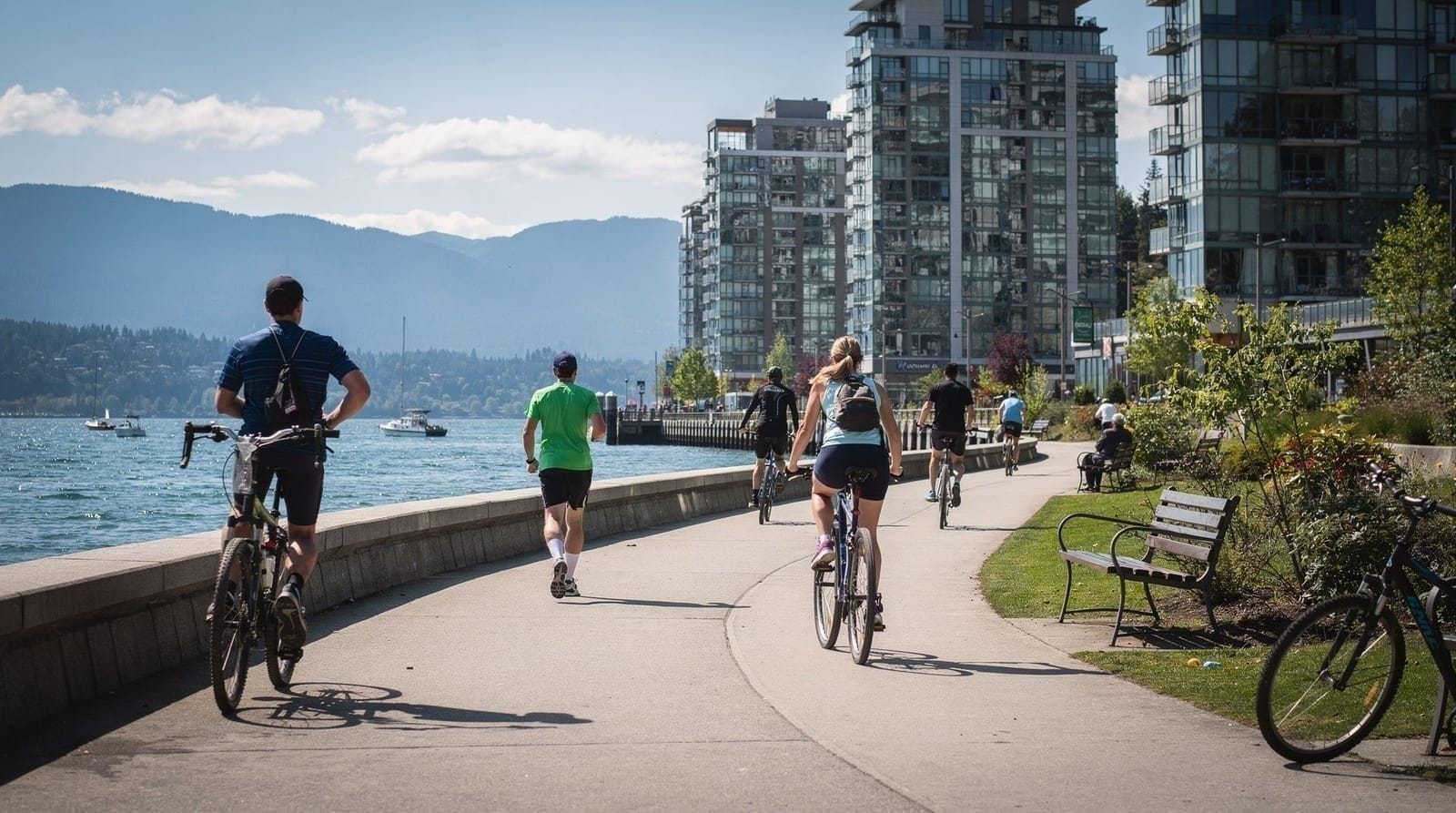
Winter rain in Vancouver isn’t the dramatic thunderstorm most visitors picture — it’s persistent, moderate drizzle and overcast skies stretching across days at a time, occasionally broken by a genuinely clear, cold day that locals treat as a small event. The rain guide goes deeper into how to structure a trip around this pattern rather than fighting it, but the winter-specific version is simple: build the itinerary around indoor and near-indoor attractions as the default, and treat any clear day as a bonus opportunity for an outdoor push rather than the baseline plan.
Daylight and pacing
Short winter days — sunset before 4:30pm in December — genuinely change how a day should be structured. Outdoor sightseeing works best scheduled for the late morning through early afternoon window when daylight is strongest, leaving evenings for dinner, indoor attractions, or the city’s holiday light displays, which are arguably better experienced after dark anyway. Whistler day trips need particular attention to this — a full-day tour departing early and returning by evening leaves limited flexibility if the Sea-to-Sky Highway sees weather delays, which happen more often in winter than any other season.
Getting to Whistler in winter
The Sea-to-Sky Highway (Highway 99) between Vancouver and Whistler has been substantially upgraded over the years and is a genuinely well-maintained route even in winter, but conditions still deserve respect — snow and ice are common along the corridor, particularly on the stretch north of Squamish, and winter tires or all-season tires rated for snow are effectively mandatory (and legally required at times) for anyone self-driving.
A guided tour or shuttle removes this concern entirely, which is a meaningful part of the appeal of booking a tour rather than renting a car specifically for a winter Whistler day trip. Travelers self-driving should also build in extra time on both legs of the trip, since the two-hour estimate assumes clear conditions and can stretch meaningfully during active snowfall or after a fresh dump when plows are still working through the corridor.
Multi-day lift passes and rental logistics
A single day of Whistler skiing rarely makes financial sense once lift tickets, rental gear, and the roughly two-hour Sea-to-Sky drive are all factored in — the per-day cost of a multi-day pass drops meaningfully once spread across three or more consecutive days, which is part of why serious skiers tend to base themselves in Whistler Village rather than day-tripping repeatedly from Vancouver.
Rental shops in both Vancouver and Whistler Village stock skis, boards, and boots, but Whistler Village rentals save the hassle of hauling gear on the drive north, at a modest premium over booking in the city first. Ski and snowboard lessons for first-timers should be booked several days ahead during the Christmas/New Year and February peak windows, since availability tightens considerably once the season’s busiest weeks arrive.
A sample winter week
A week split between the city and Whistler works well as three or four nights in each location rather than a rushed day trip. Start with two city days covering indoor-friendly sightseeing — FlyOver Canada, Vancouver Lookout, Granville Island, and a Christmas Market evening if the dates line up — before heading north to Whistler for the ski-focused portion of the trip.
Non-skiers doing the same week can substitute snowshoeing at the Sea to Sky Gondola and a spa day in Whistler Village for lift-ticket days, since the village itself has plenty to do beyond the mountain. The Vancouver-Whistler 5-day itinerary lays out a day-by-day version of this exact structure.
Neighborhood notes for winter
Gastown leans into winter with cozy bars and restaurants that suit the season’s grey afternoons better than its summer patio scene does, and its Christmas lighting along Water Street is genuinely one of the better displays in the city. Yaletown similarly shifts toward indoor dining as the default, with its converted-warehouse restaurants well suited to a wet evening.
Robson Street becomes the city’s holiday shopping and lights hub through December, drawing crowds specifically for that reason even on rainy evenings. Granville Island, as in every other season, remains one of the most weather-resilient options in the city thanks to its fully covered market hall.
Families in winter
Winter city visits work reasonably well for families willing to lean into indoor attractions — Science World, the Aquarium, and the Christmas Market all suit a family day without requiring good weather — but a Whistler-focused winter trip needs more planning around kids’ ski lessons, equipment rental, and the higher accommodation costs that come with peak holiday-period Whistler pricing. Families traveling outside the Christmas/New Year window, in January or early February specifically, get meaningfully better value on both Whistler accommodation and city hotels while still catching solid ski conditions.
What to pack for winter
A proper waterproof (not just water-resistant) jacket matters more in winter than any other season, paired with waterproof footwear for the city portion of the trip — running shoes soaked through by midday rain are a common complaint from underprepared visitors. For the Whistler portion, proper ski or snow layers are needed regardless of skiing plans, since even non-skiing snowshoeing or village time in Whistler runs noticeably colder than the city. Many visitors underestimate how different Whistler’s mountain-town cold feels compared to Vancouver’s relatively mild coastal winter, so packing for two different climates within the same trip is worth planning for explicitly rather than assuming one jacket covers both.
Common winter mistakes
The most common mistake is treating a winter Vancouver trip as a city trip with a possible Whistler add-on, when the more honest framing — and the one that produces a better trip — is the reverse: Whistler as the main event with the city as a shorter bookend. The second is underestimating how early it gets dark, which compresses the usable daylight window for any outdoor activity to a handful of hours around midday. The third is self-driving to Whistler without proper winter tires or checking road conditions ahead of departure, which can turn a comfortable two-hour drive into a stressful one; a guided tour removes this risk for travelers without winter driving experience.
Clear-day bonuses
Winter’s rare clear days are worth treating as genuine events rather than assuming the season is a total write-off for outdoor sightseeing. A cold, clear January morning delivers some of the sharpest mountain views of the entire year, since winter air lacks the haze that builds up over a dry summer — the North Shore peaks, often soft-edged in July, can look almost cut-out crisp against a blue sky. On very rare clear winter nights, northern lights are theoretically visible from Vancouver, though this is an occasional bonus rather than something to plan a trip around; more realistically, a clear winter evening is best used for a Grouse Mountain or Vancouver Lookout visit to catch the city lights against a rare unclouded sky.
What a winter trip costs
Winter delivers the year’s clearest cost split between city and mountain. City hotel rates in January and February typically run at their lowest point of the year, sometimes 30-40% below summer peak pricing, and restaurant deals through Dine Out Vancouver push food costs down further for anyone willing to book ahead. Whistler runs in the opposite direction: lift tickets, ski rentals, and Whistler Village accommodation all price at a premium through the season, with the Christmas/New Year week representing the single most expensive stretch of the entire Whistler calendar.
A realistic winter trip budget should expect the city portion to come in well under the CAD 150-250 per person daily benchmark used for summer, while the Whistler portion, particularly with lift tickets and rentals included, can run meaningfully above it. The is Vancouver expensive guide covers this split in more detail alongside broader seasonal cost comparisons.
Winter versus the rest of the year
Winter is Vancouver’s clearest either/or season: either the trip is built around Whistler skiing, in which case it’s genuinely one of the best times of year to visit the region, or it isn’t, in which case spring, summer, or fall will deliver a noticeably better city-focused experience.
It’s not a season to pick for Stanley Park walks or whale watching — both work far better in the April-October window — but for budget-focused travelers, ski enthusiasts, or anyone specifically chasing Dine Out Vancouver and the holiday market season, winter has a clear case. First-time visitors torn between winter and another season should ask a simple question before booking: is skiing or a genuine winter-mountain experience part of the trip’s purpose? If yes, winter is a strong pick.
If the goal is closer to a typical city-and-park sightseeing trip, one of the other three seasons will deliver a substantially better experience for the same effort. The full seasonal comparison lives in the best time to visit Vancouver guide, and the Vancouver-Whistler 5-day itinerary is the most natural template for combining both halves of a winter trip into one plan.
Top experiences
Bookable activities with verified prices and instant confirmation on GetYourGuide.