Free things to do in Vancouver that are actually worth it
Vancouver has a reputation as an expensive city — accurate, particularly for accommodation — but the free side of what there is to do here is unusually strong for a major North American destination, mostly because the city’s biggest draws are geographic rather than built. A rainforest canyon, an 8.8-kilometre oceanfront path, and old-growth coastal forest don’t need an admission fee to deliver, and several of them genuinely rival the paid attractions they get compared to.
| Where | Stanley Park, Lynn Canyon, Granville Island, Gastown, beaches |
| Cost | Free, beyond food and transit |
| Time needed | A full day, easily |
| Getting there | Walkable downtown; transit to Lynn Canyon and the North Shore |
| Best time | Year-round; summer for beaches, any season for the Seawall |
Stanley Park and the Seawall: the obvious one, and it earns it
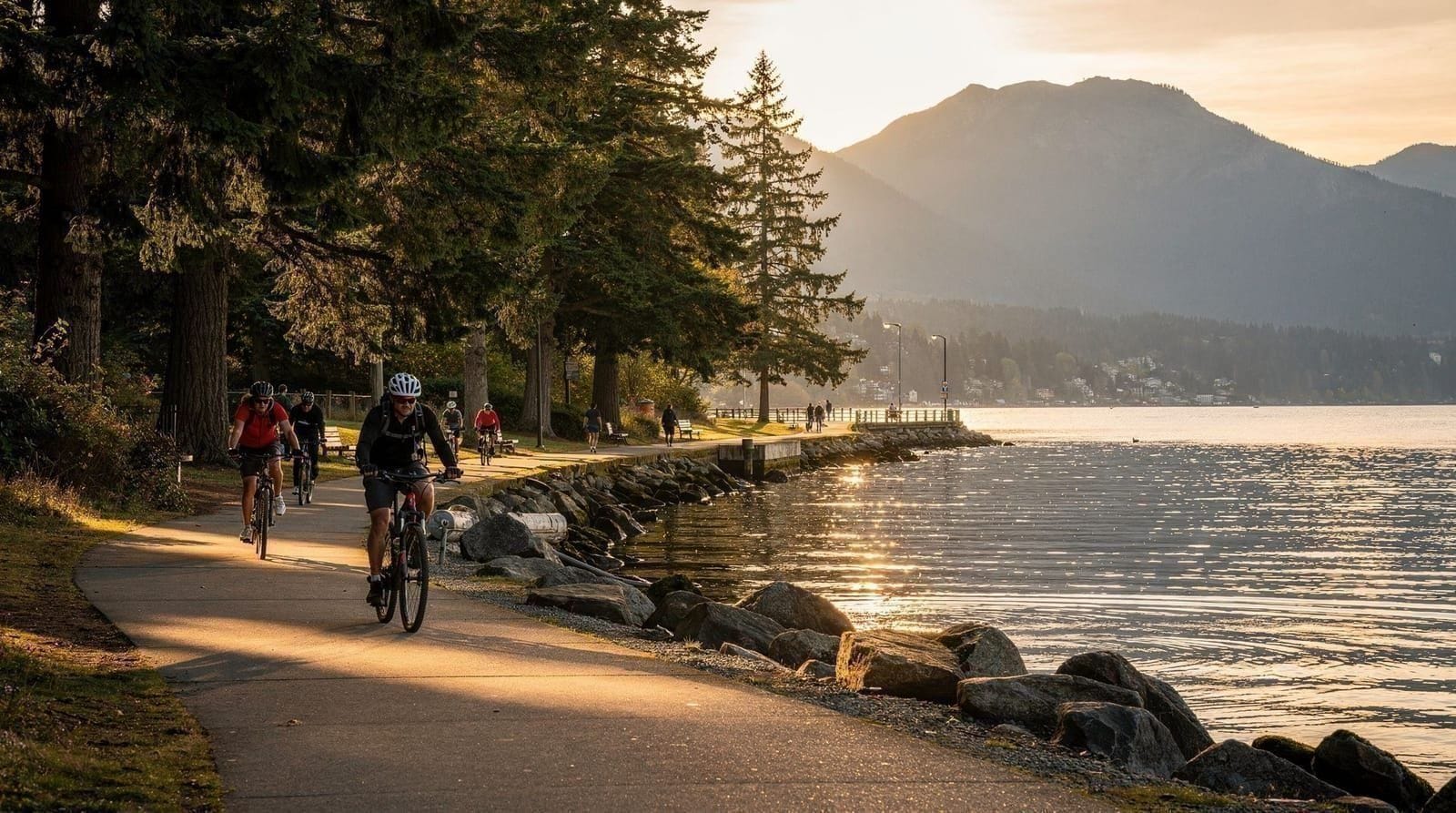
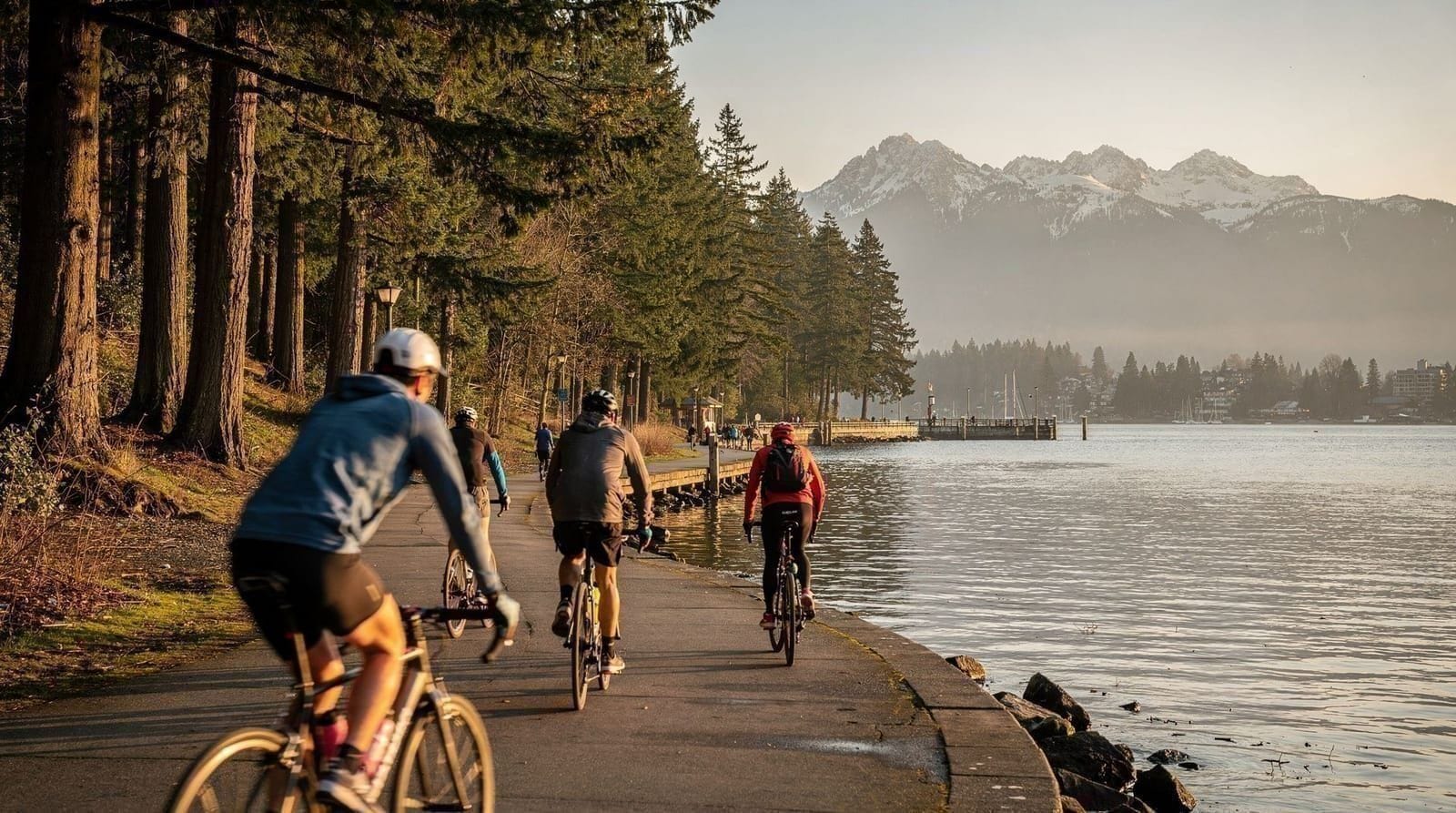
Stanley Park is 1,000 acres of forest, beaches, and gardens minutes from downtown, and it costs nothing to walk, cycle, or sit in. The Seawall — an 8.8-kilometre paved path circling the park’s perimeter — is the single best free activity in the city, with stops at Prospect Point for Lions Gate Bridge views, Siwash Rock’s distinctive coastal formation, and several beaches along English Bay. Bike rentals just outside the park entrance aren’t free, but walking the full loop or a shorter section costs nothing beyond time, and the views rival anything the city’s paid attractions offer.
Totem poles at Brockton Point, Lost Lagoon’s bird life, and the park’s old-growth trees round out a visit that can easily fill three or four hours without spending a dollar on admission.
Lynn Canyon: the free suspension bridge that holds up
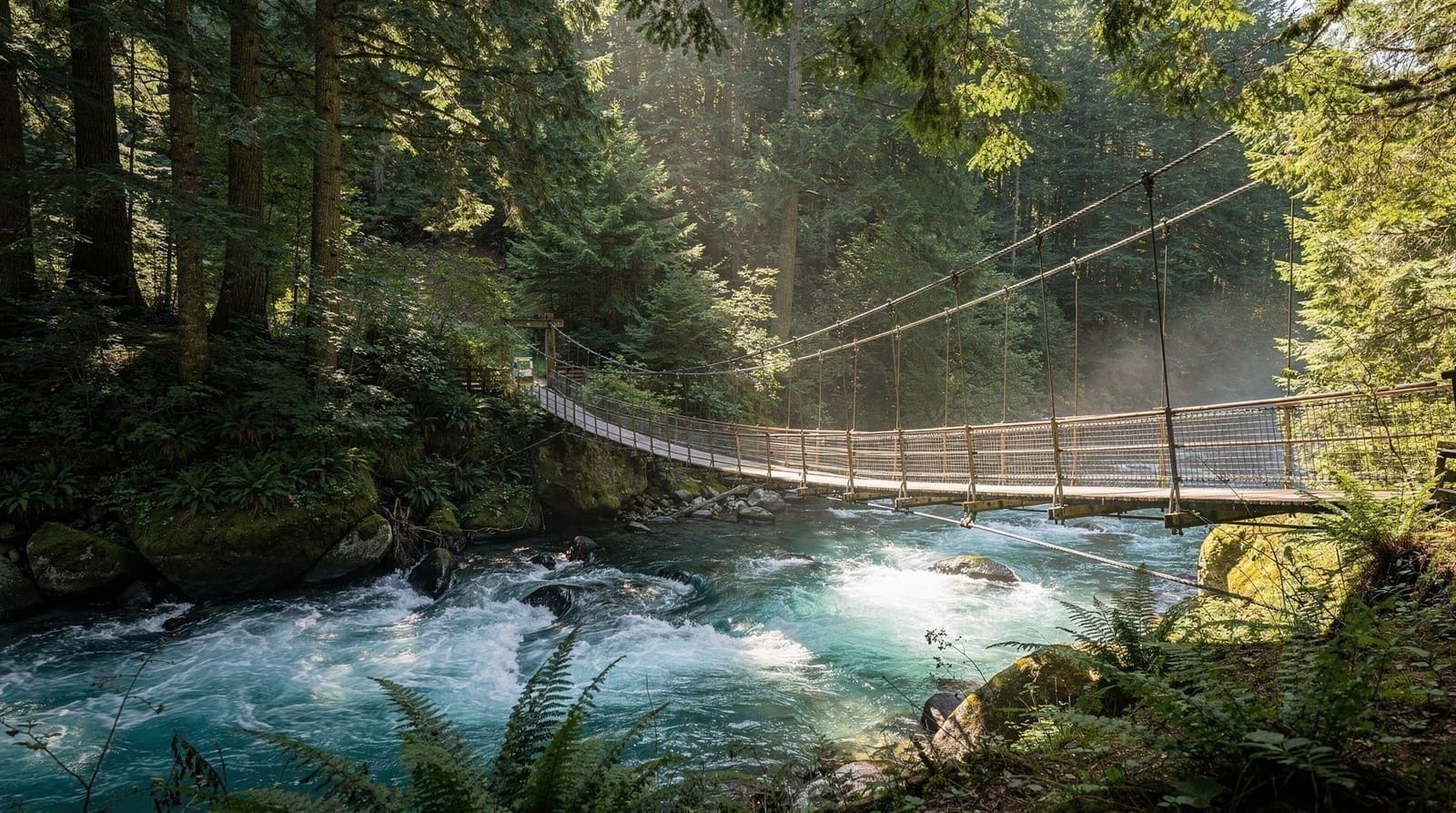
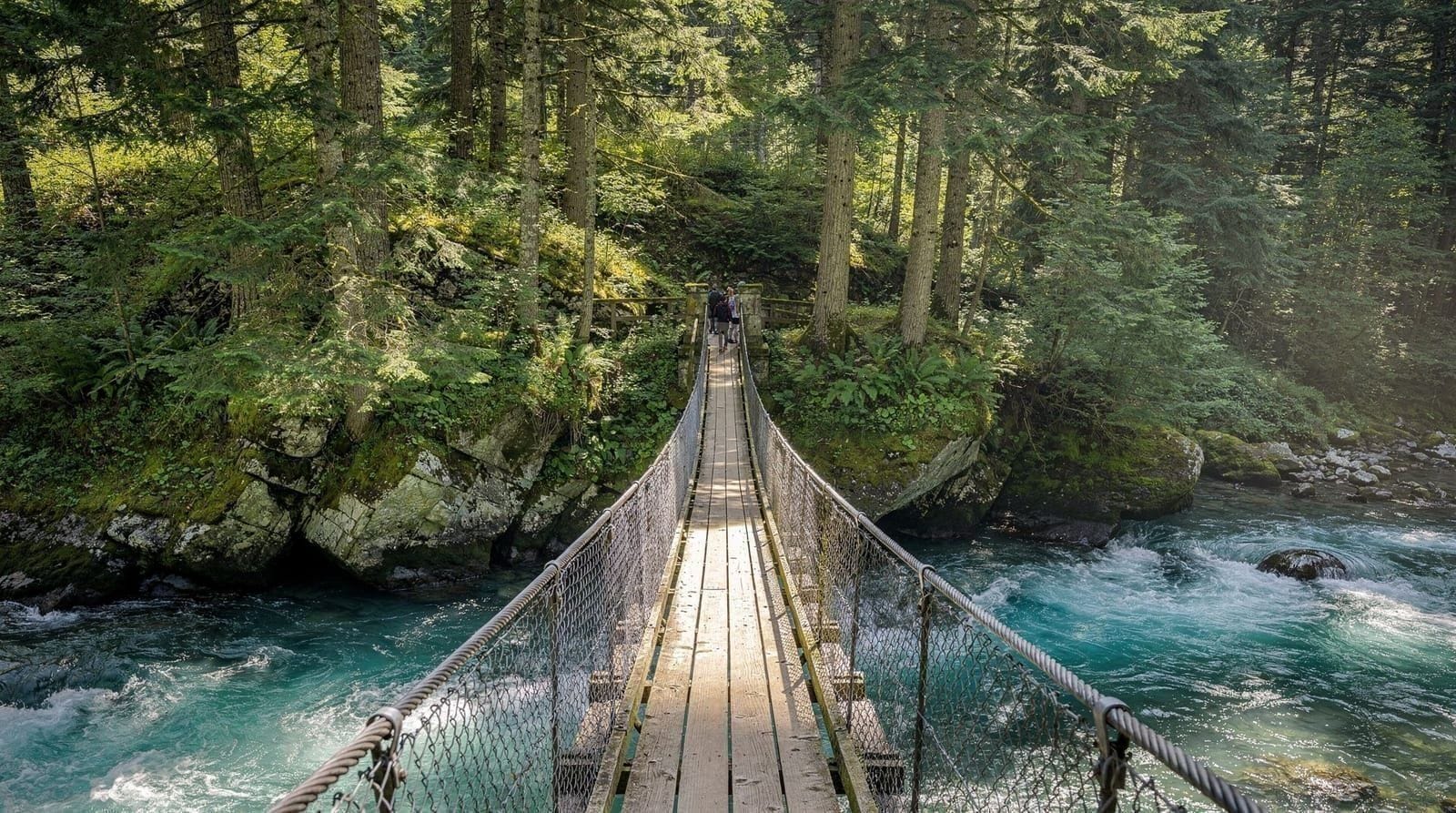
Lynn Canyon gets constantly compared to Capilano because both have a suspension bridge over a canyon, and the comparison generally favours Lynn Canyon on value: no admission fee, and the appeal here is a genuine rainforest walk rather than a curated commercial attraction. The Twin Falls Loop, roughly an hour of easy-to-moderate walking, includes a popular swimming hole in summer. The Lynn Canyon guide has the full trail rundown, and the Capilano vs Lynn Canyon comparison makes the direct case for when the free option genuinely beats the CAD $35-plus paid one.
It’s reachable by public transit from downtown in about 30 to 40 minutes, which removes the usual “free but requires a car” caveat that limits a lot of budget outdoor activities elsewhere.
Granville Island’s market: browsing costs nothing
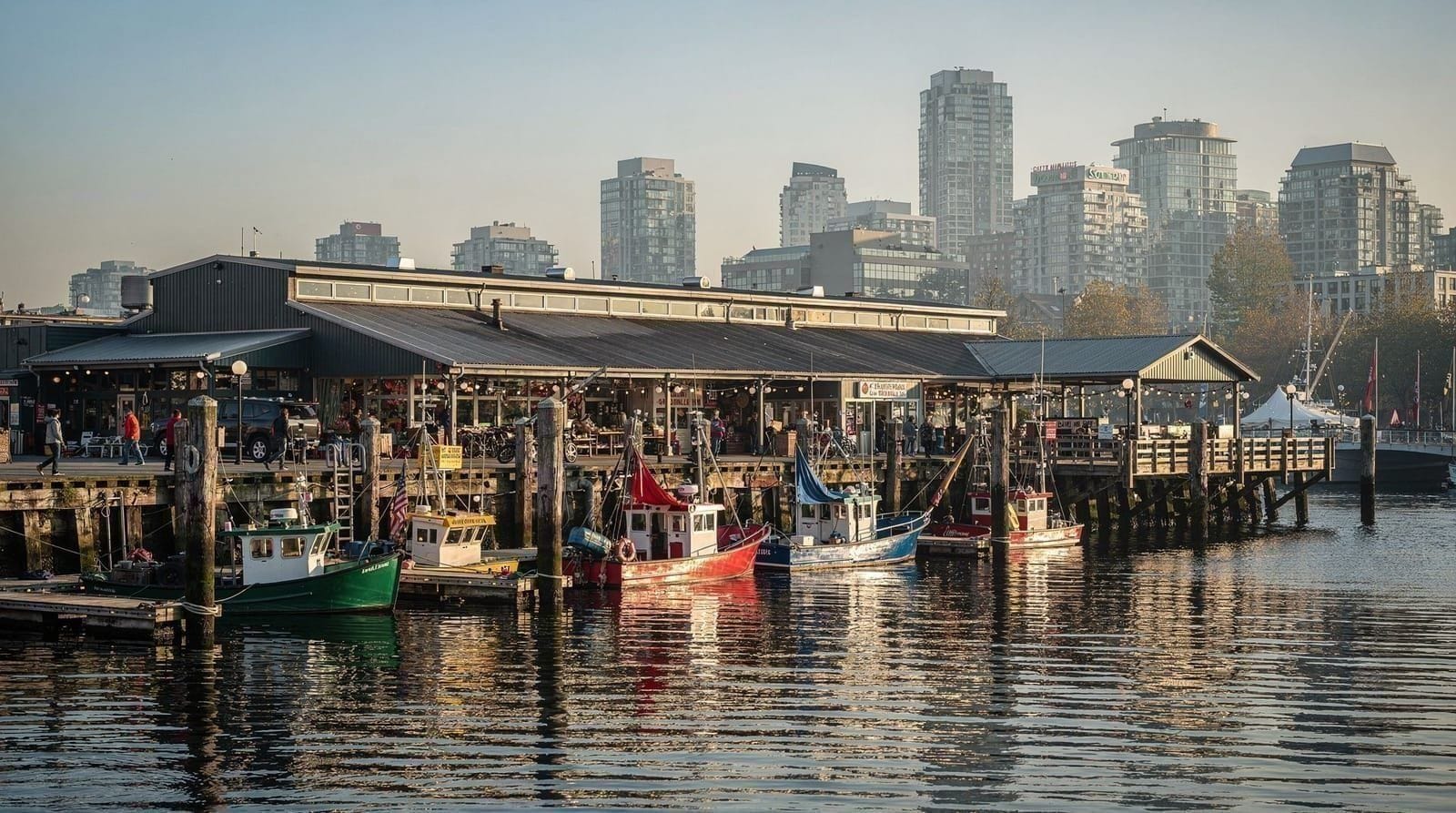
Walking Granville Island’s Public Market doesn’t require buying anything — the stalls, the artisan studios in the Net Loft and Railspur Alley, and the working boatyard are all free to wander, and it’s a genuinely pleasant hour or two even on a tight budget. The only cost most visitors incur is lunch, and even that can be kept modest by sampling smaller items across a few stalls rather than a full sit-down meal.
A self-guided smartphone tour, like the self-guided Stanley Park audio tour, is a low-cost way to add context to a free walk if a guided experience isn’t in the budget — it’s a fraction of what a live guided tour costs while still providing narration and route suggestions.
Gastown’s architecture and the steam clock
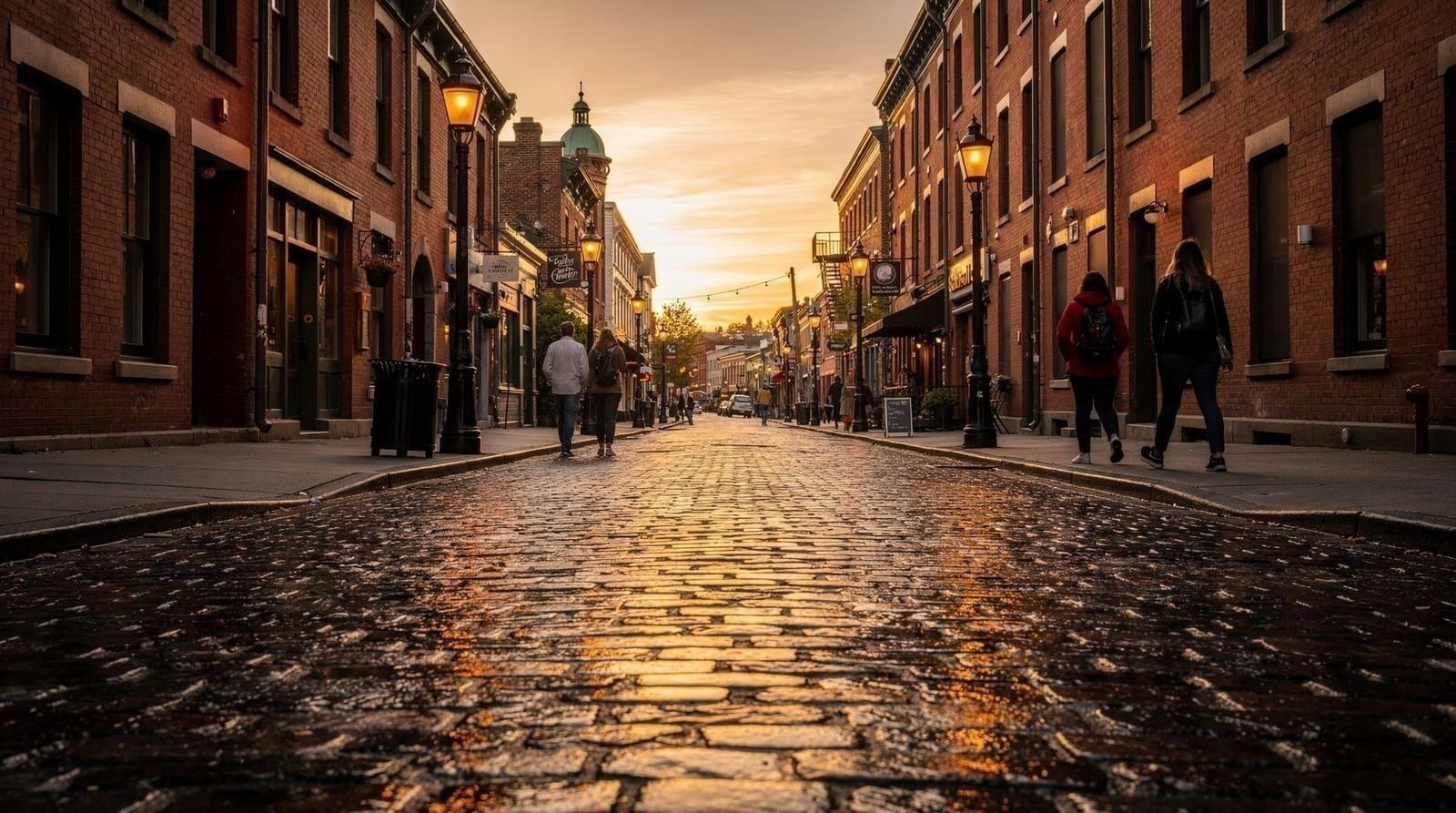
Gastown costs nothing to walk through, and the neighbourhood’s Victorian architecture, cobblestone streets, and the steam clock (which whistles every fifteen minutes) are worth the visit on their own. The honest caveat: several of Gastown’s souvenir shops and a few restaurants along the busiest block price for tourist volume rather than value, so treat the neighbourhood as a free architectural walk with a coffee stop, not necessarily a place to shop.
A self-guided smartphone walking tour of Gastown is a low-cost way to get the neighbourhood’s history without paying for a live guide, if a bit more context than a plain wander is worth a small fee.
Beaches: no fee, ever
Vancouver’s beaches — Kitsilano, English Bay, Spanish Banks, Second Beach in Stanley Park — are entirely free, with no admission and minimal parking cost if you’re not driving. Kitsilano Beach in particular pairs a genuine sand beach with mountain views across English Bay and a walkable café strip along 4th Avenue, making it one of the better zero-cost afternoons in the city during summer months.
Museums and galleries with free or by-donation hours
Several of Vancouver’s museums run free or pay-what-you-can evenings on specific days of the month — worth checking current schedules before a visit, since these slots change and aren’t always well publicized. Even outside those windows, browsing museum gift shops and public lobby exhibits costs nothing, and a handful of smaller galleries around Gastown and Chinatown have no admission fee at all.
Neighbourhood walks that don’t need a guide
Commercial Drive, Chinatown, and Main Street each reward an unstructured walk without any paid activity attached — independent shops, street art, and neighbourhood character that doesn’t require a ticket to appreciate. These are the kind of stops that don’t show up on “top attractions” lists precisely because there’s no admission fee driving marketing budget behind them, which is exactly why they’re worth building into a free day.
Free viewpoints without the paid attractions attached
Several of the city’s best views cost nothing at all — Prospect Point along the Stanley Park Seawall rivals the paid Vancouver Lookout for skyline drama, and it’s reachable on foot or by bike without a ticket. Cambie Street Bridge’s pedestrian walkway offers a genuinely underrated sunset view over False Creek that most visitor guides skip entirely because there’s no admission fee attached to promote. For a fuller rundown of which viewpoints justify a paid ticket and which don’t, the best viewpoints in Vancouver guide breaks down the free-versus-paid tradeoff spot by spot.
Hiking without a car or an entrance fee
Several North Shore trails beyond Lynn Canyon cost nothing and are reachable by public transit — Pacific Spirit Park, wrapped around UBC on the city’s western edge, is a genuinely large free forest network that locals treat as a neighbourhood park. The best hikes near Vancouver guide separates the free options from the ones requiring an admission fee or a car, which is useful for anyone building a budget-conscious outdoor day without giving up on quality trails.
Where free stops being the right call
Not every free option is actually the better choice once time and effort are factored in. The Grouse Grind trail is free to hike, but the Skyride gondola descent (or the wildlife refuge and view access at the summit) costs money and is, for most visitors, worth paying for rather than descending the free trail in wet, often hazardous conditions. Similarly, whale watching has no free equivalent that reliably delivers sightings — it’s one of the few categories on this list where the paid option is the only realistic way to see the thing at all.
Free festivals and events worth timing a visit around
Vancouver’s calendar includes several free public events that outperform paid attractions on any given day they’re running — outdoor movie screenings in city parks over summer, farmers markets in Kitsilano and Trout Lake on weekends, and neighbourhood street festivals through Commercial Drive and Main Street in the warmer months.
None of these require advance booking, and several are genuinely better attended by locals than by visitors, which tends to mean better food and a more authentic atmosphere than anything built specifically for tourists. Checking a current events calendar before a trip is worth the ten minutes it takes, since timing a visit around even one of these can add a genuinely memorable free evening to an otherwise paid-attraction-heavy itinerary.
Public transit as a sightseeing tool
The SeaBus crossing between downtown and North Vancouver costs the same as a single SkyTrain fare (CAD $2.85 to $5.40 depending on zones with a Compass Card) but delivers a genuine harbour crossing with skyline and mountain views that would otherwise cost considerably more as a dedicated harbour cruise. It’s a legitimate budget alternative to a paid boat tour for anyone who just wants time on the water and a view of the city from offshore, and it runs every 15 to 30 minutes throughout the day. Riding the SkyTrain’s elevated sections through East Vancouver also offers a free, moving view over the city that most visitors never think to use as sightseeing rather than pure transit.
Building a genuinely free day
A full day covering the Stanley Park Seawall in the morning, Granville Island’s market at midday, and a Gastown wander into the evening costs nothing beyond food and transit — realistically CAD $20 to $30 per person for meals and a Compass Card day pass. It’s not a compromise itinerary; several of these stops (the Seawall specifically) outperform paid attractions elsewhere in the city on both scenery and crowd levels. The honest takeaway is that Vancouver’s free activities aren’t a fallback for budget travelers — for a fair number of visitors, they’re simply the best things the city has to offer, paid alternatives included.
Travelers stretching a longer stay across free and paid activities should read this as a starting list rather than a complete one — new free-to-attend markets, pop-up events, and neighbourhood festivals appear seasonally, and the underlying pattern holds regardless of what’s currently running: Vancouver’s geography does more of the heavy lifting than its ticketed attractions, and a visit built primarily around free outdoor time will rarely feel like it’s missing something a paid alternative would have delivered instead.
Free versus paid: where paying is actually worth it
Not everything on a Vancouver itinerary has a free equivalent, and it’s worth being honest about where paying genuinely buys something the free version can’t deliver. Whale watching has no free substitute that reliably produces sightings — see the best time for whale watching in BC guide for the season that makes the paid tour worth it.
Capilano Suspension Bridge adds the Treetops Adventure and Cliffwalk that Lynn Canyon’s free bridge doesn’t have, which is a legitimate reason to pay for some visitors and not others. The honest rule: pay for experiences that add something structurally different (guaranteed wildlife access, curated built features), and skip paying for things geography already delivers free (views, walks, market browsing).
Building a free day around the seasons
A free-day plan shifts meaningfully by season. Summer favours the beaches — Kitsilano, English Bay, Spanish Banks — alongside the Seawall and outdoor movie screenings in city parks. Shoulder seasons (spring and fall) suit Lynn Canyon and Pacific Spirit Park’s forest trails, when the crowds thin and the temperature stays walkable. Winter shifts the free calendar toward Stanley Park’s Bright Nights display and indoor, by-donation museum evenings, since most of the geographic free attractions above lose some appeal in steady rain — see the Vancouver in the rain guide for the indoor-leaning version of a budget day.
Combining a free day with the rest of a first-timer’s trip
A single free day slots naturally into a longer itinerary without disrupting the rest of the plan. The 3-day first-timer itinerary already builds the Seawall and Granville Island’s free market browsing into day two; travelers extending to a fourth or fifth day can add a dedicated Lynn Canyon or beach day without needing to book anything in advance, which makes it a useful buffer day for jet lag recovery or a weather swing.
Frequently asked questions about free things to do in Vancouver
What’s the single best free thing to do in Vancouver?
The Stanley Park Seawall — an 8.8km paved oceanfront path with views that rival the city’s paid attractions, walkable or cyclable at no cost beyond time.
Is Lynn Canyon really as good as Capilano?
For the specific experience of a suspension bridge over a canyon, yes, and it’s free. It lacks Capilano’s Treetops Adventure and Cliffwalk, so it’s a narrower experience overall, not a one-to-one substitute.
Can I build a full day in Vancouver without spending money?
Yes — a day covering the Seawall, Granville Island’s market browsing, and a Gastown wander costs nothing beyond food and transit, realistically CAD 20-30 per person for a full day.
Are there free things to do even when it rains?
Some — museum by-donation hours and covered spaces like Granville Island’s Public Market hold up in light rain, though several of the best free activities (the Seawall, Lynn Canyon) are meaningfully better in dry weather.
What paid attractions are actually worth the money despite the free alternatives?
Whale watching, since there’s no free equivalent that reliably delivers sightings, and Capilano Suspension Bridge for visitors who specifically want the Treetops Adventure and Cliffwalk that Lynn Canyon’s free bridge doesn’t include.