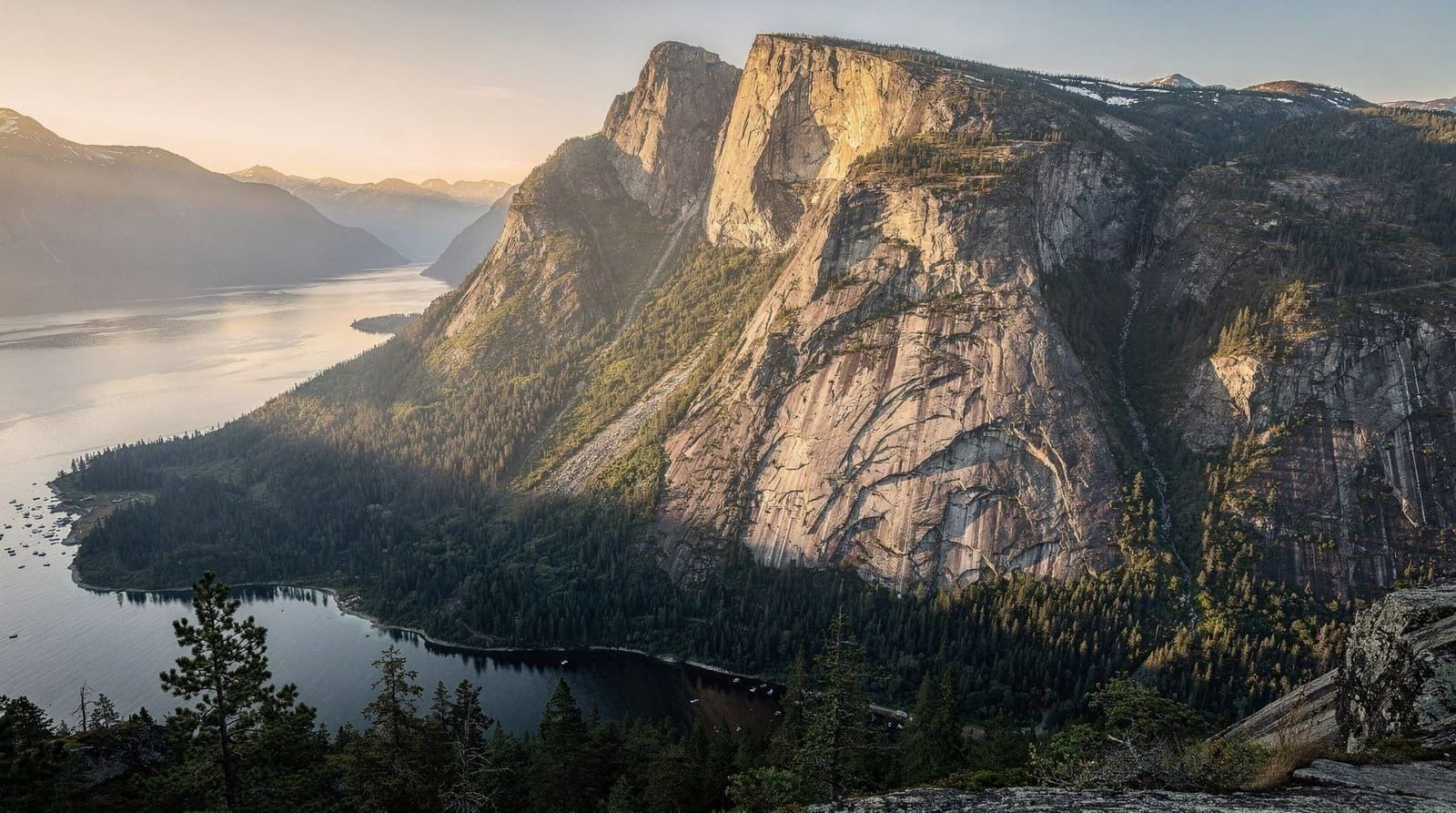
White-water rafting near Squamish
Squamish: Wet and Wild Elaho Exhilarator Rafting Experience
Where can you go white-water rafting near Squamish?
The Elaho and Squamish rivers, north of Squamish town, offer intermediate-level white-water rafting on glacier and snowmelt-fed water, roughly a 1-hour drive from Vancouver to the put-in area. The season runs summer only, roughly June through September, with the highest water levels — and biggest rapids — typically in June and early July.
Squamish sits at the base of two rivers — the Squamish and its tributary the Elaho — that turn into genuine white-water runs through the summer melt season, close enough to Vancouver for a half-day trip without an overnight stay. It’s a different kind of Sea-to-Sky adventure activity from the corridor’s climbing and gondola options: wetter, more physically active, and entirely dependent on a specific seasonal window that’s worth understanding before booking.
| Where | Elaho and Squamish rivers, north of Squamish town |
| Cost | Around CAD 130-180/person, half-day |
| Rapid class | Intermediate, class II-III |
| Season | June–September only |
| Getting there | About 1 hour from Vancouver via Highway 99 |
The Elaho-Squamish river system
The Elaho Exhilarator rafting experience runs on the Elaho and Squamish rivers, north of Squamish town in the Sea-to-Sky corridor’s backcountry. Both rivers are fed primarily by glacier and snowmelt from the surrounding Coast Mountains rather than by rainfall alone, which is the key fact that governs the whole season — water volume, and therefore rapid intensity, tracks the melt cycle rather than the weather forecast on any given day. Trips generally combine a scenic upper stretch through forested canyon terrain with a livelier lower section carrying the bulk of the white water, giving a mix of calmer paddling and real rapids within a single run.
The rapids here sit in the intermediate range, generally class II to III depending on the specific section and that week’s water levels — big enough to deliver a genuine adrenaline hit and require active paddling, but not the expert-only class IV-V water found on some BC rivers further from Vancouver. This makes it a reasonable choice for families with older kids and first-time rafters, provided everyone in the group meets the operator’s minimum age and can swim.
Season and water levels
Rafting near Squamish is a summer-only activity, running roughly June through September. Because the rivers are glacier and snowmelt-fed, water levels follow a predictable arc: they build through spring as mountain snowpack starts melting, peak in June and early July when melt rates are highest, then gradually taper through July and August as the snowpack retreats to higher elevations, tailing off by September.
Travelers specifically chasing the biggest, most technical white water should aim for June or early July; those who’d rather have a slightly gentler, warmer-water trip (and worry less about scheduling around cold spring runoff) should look at July or August instead. By September, flows are noticeably lower and the trip character shifts toward calmer paddling with less consistent rapids.
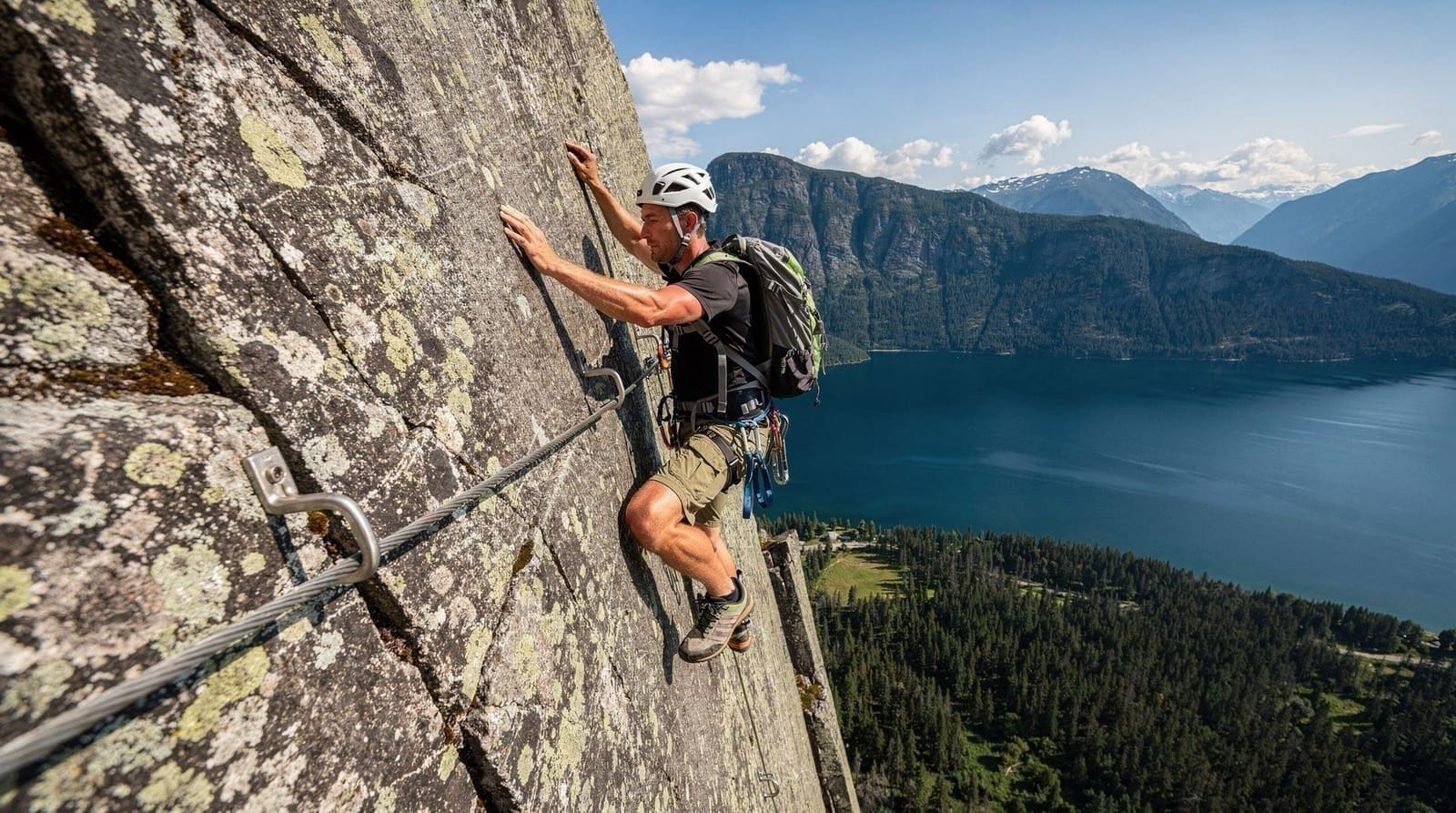
This also means rafting isn’t a viable Sea-to-Sky activity outside summer — unlike the Sea to Sky Gondola or via ferrata, which run into October, rafting operations typically wind down by late September as flows drop and weather turns. If you’re planning a shoulder-season Squamish trip in October or later, rafting likely isn’t going to be available; check directly with the operator before building an itinerary around it.
What to bring and what to expect
Wear a swimsuit under quick-dry synthetic layers rather than cotton, which stays cold and wet once soaked. Bring a full change of clothes, a towel, and shoes that can get wet and stay securely on your feet — old running shoes or dedicated water shoes work; flip-flops or sandals that can slip off in the current don’t. Operators supply the technical gear: wetsuits (necessary given the glacier-fed water temperature, which stays cold even on a hot summer day), splash jackets, helmets, and life jackets. Expect to get properly wet, not just splashed — this is a hands-on paddling trip, and everyone in the raft is expected to paddle on the guide’s commands through the active sections.
Trips typically run a few hours including a safety briefing, the river time itself, and transport to and from the put-in point. Because the put-in sits some distance north of Squamish town on logging or forestry roads, transport is usually included as part of the booked tour rather than something rafters arrange separately — worth confirming when booking, since self-driving to a remote put-in without local knowledge isn’t advisable.
What a typical trip looks like on the water
After transport to the put-in and a safety briefing covering paddle commands, what to do if you fall out, and how the raft’s positioning works as a team, guides typically start on a calmer stretch of river to let everyone get comfortable with paddling in sync before reaching the first real rapids. This warm-up section also gives guides a read on the group’s paddling ability and confidence level, which shapes how they brief the more technical sections ahead.
As the run progresses into the Elaho’s livelier water, expect a mix of sustained paddling through continuous rapids and shorter, punchier drops where the raft dips and the group gets properly soaked — this is the section most people picture when they imagine white-water rafting, and it’s genuinely the highlight of the trip for most participants.
Between rapids, calmer stretches give a chance to take in the surrounding old-growth forest and canyon walls, and guides often point out local wildlife or geological features along less technical sections. Most trips end with a calmer float back to the take-out point, giving paddlers a chance to catch their breath and process the run before returning to dry land and a change of clothes.
Group dynamics and team paddling
Rafting is inherently a team activity — the raft moves and steers based on everyone paddling together on the guide’s calls, which means a group that listens and responds together gets a smoother, more controlled run than one where paddlers freelance or hesitate. This makes it a genuinely good group-bonding activity for friend groups, families with older kids, or corporate outings, since the shared effort and shared soaking tend to produce a natural camaraderie by the end of the run. Guides typically assign paddling positions based on size and experience, and will adjust instructions through the trip as they get a feel for how the group responds under pressure on the bigger rapids.
Getting there from Vancouver
Squamish is roughly a 45-minute to 1-hour drive from Vancouver via the Sea-to-Sky Highway (Highway 99), a scenic route running along Howe Sound before reaching town. From Squamish, the rafting put-in area is a further drive north into the backcountry, typically handled as part of the tour’s included transport rather than something you’d navigate independently. This makes rafting a comfortable half-day or full-day trip from Vancouver without needing to overnight in Squamish or Whistler, though pairing it with an overnight stay leaves more room to add a second activity without a rushed return drive.
Combining rafting with a Sea to Sky Gondola stop
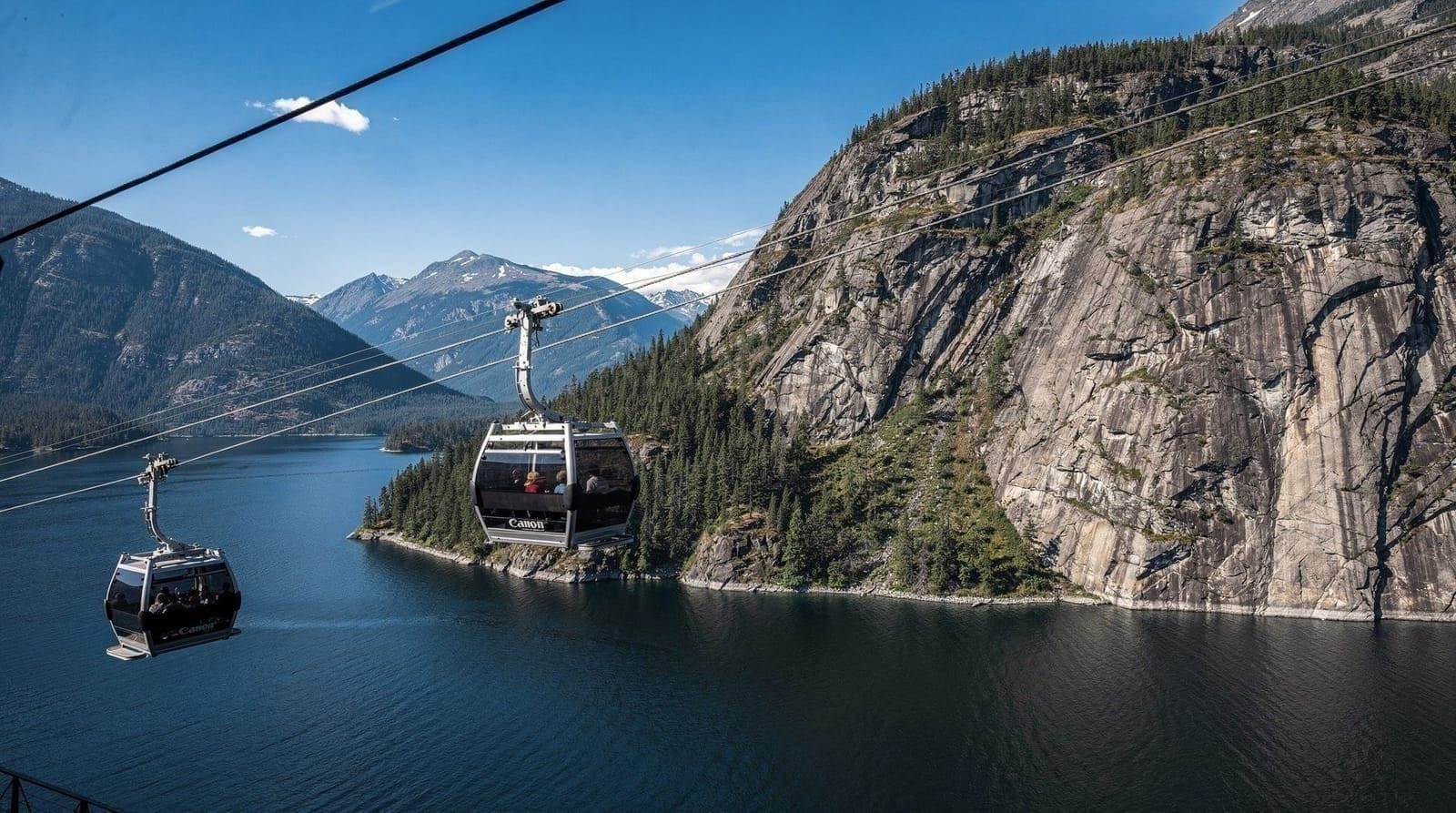
Because rafting trips typically run a few hours and leave time either side of the river portion, many visitors pair a rafting trip with a stop at the Sea to Sky Gondola, which sits right in Squamish town and offers alpine views over Howe Sound and the Stawamus Chief without any technical activity required.
A rafting trip in the morning followed by a gondola ride and lunch in Squamish in the afternoon makes for a full, varied day without needing to continue on to Whistler. Travelers building a longer Sea-to-Sky itinerary spanning multiple activities across Squamish and Whistler should see the Sea-to-Sky adventure activities guide for how to sequence rafting alongside climbing, ziplining, or via ferrata over a weekend rather than a single rushed day.
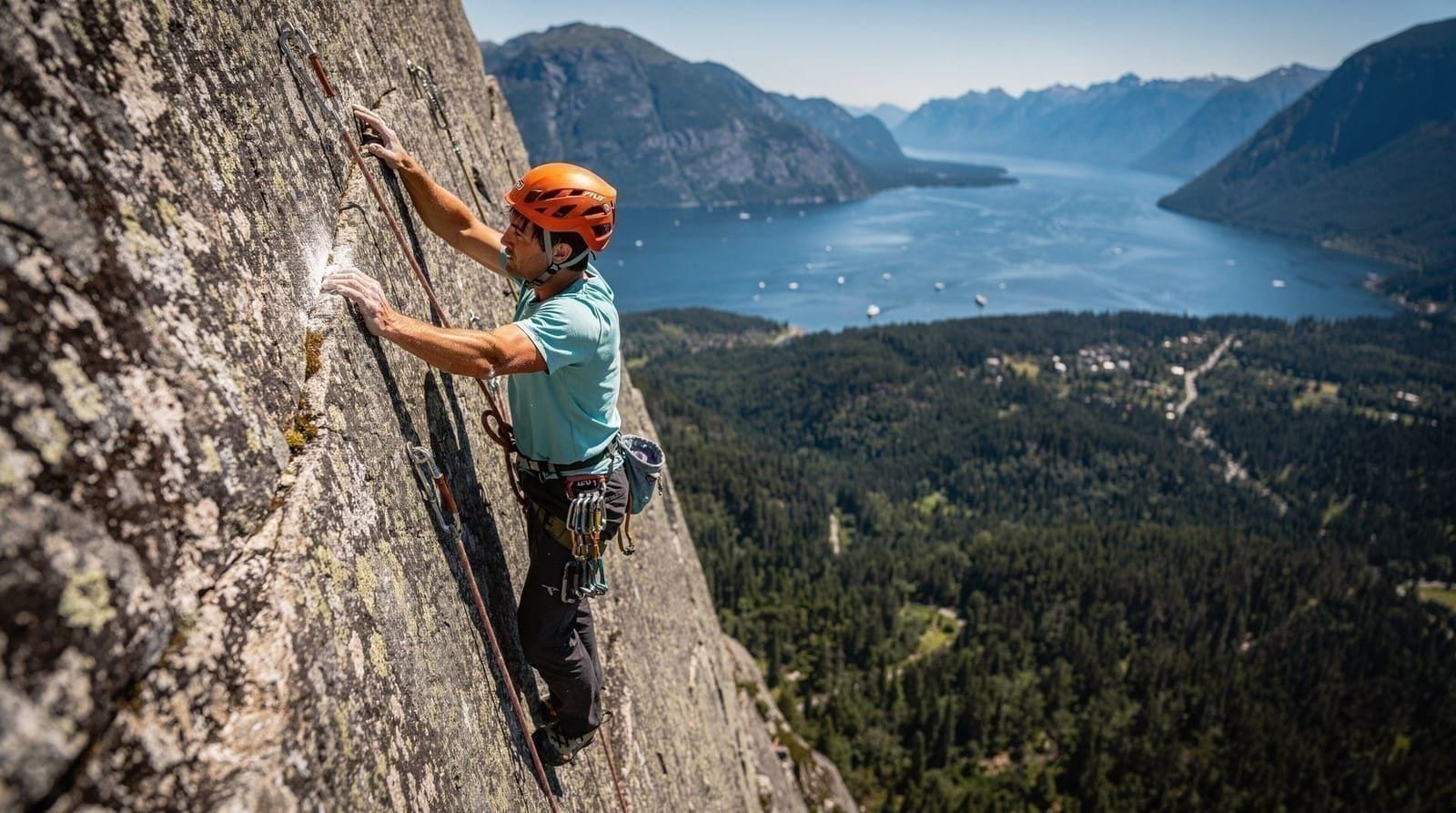
For travelers who’d rather stay dry but still want to see the terrain the rivers cut through, the rock climbing in Squamish guide covers the Stawamus Chief and Murrin Provincial Park, both a short drive from the rafting put-in area and visible from parts of the river run itself. After a cold morning on the water, refueling in Squamish town before continuing on to Whistler or heading back to Vancouver is worth building into the schedule — the post-rafting appetite tends to be real.
Comparing rafting to other Squamish adventure activities
Rafting sits at a different intensity and commitment level than Squamish’s climbing scene — a rafting trip requires no prior skill and delivers guaranteed, guided adrenaline over a fixed few hours, whereas climbing on the Stawamus Chief either requires real technical skill or a full guided day, and beginner climbing at Murrin Park, while accessible, involves a slower, more deliberate pace than rafting’s continuous river movement.
For groups debating between the two, rafting is the more reliable “guaranteed good time” pick for mixed-experience groups, while climbing rewards those specifically interested in the technical and mental challenge of the sport. Many visitors do both across a multi-day Squamish stay rather than choosing one over the other, since they draw on entirely different muscle groups and mindsets, making them a genuinely complementary pairing rather than a redundant one.
Practical tips from repeat visitors
A few small details make a real difference to how enjoyable a Squamish rafting trip feels in practice. Bringing a dry bag or waterproof phone case (even though you shouldn’t be operating a phone during the active rafting itself) means you’re not stuck leaving valuables in an unattended vehicle at the put-in — most operators offer some form of secure storage, but confirming this ahead of time avoids a stressful last-minute scramble.
Eating a proper meal before the trip rather than a light snack matters more than people expect, since the combination of cold water, physical paddling effort, and a few hours outdoors burns through energy faster than a similarly-timed sightseeing activity would. Finally, booking a slightly later morning departure rather than the earliest available slot can mean marginally warmer air temperature for the post-rafting change into dry clothes, worth considering for anyone particularly sensitive to cold.
Camera and belongings logistics
Because rafters can’t safely hold a phone or camera during active paddling sections, most operators offer a photo package shot from a fixed riverside vantage point or by a guide riding a support raft, capturing the group mid-rapid — worth considering as an add-on if you want documentation of the trip beyond your own memory, since a personal phone genuinely isn’t practical to use safely once the run starts. For belongings you’re not taking on the water, most operators offer secure storage at the put-in or base facility; confirm this when booking rather than assuming, particularly if you’re arriving by rental car and don’t want to leave valuables visible inside it at a remote trailhead-style parking area.
Refueling after a Squamish rafting trip
A rafting trip leaves most participants genuinely hungry afterward, given the combination of cold water and physical exertion, and Squamish’s compact downtown has a reasonable spread of casual restaurants and cafes suited to exactly this — generally better value than what you’d find in Whistler Village if continuing north afterward. Travelers pairing rafting with a Sea to Sky Gondola stop on the same day often plan lunch in town between the two activities, giving a chance to warm up and change out of wet gear before the afternoon’s alpine views. For travelers with time and appetite for it, this is also a reasonable point in the day to sample Squamish’s small but growing food scene rather than rushing straight through to the next stop.
How rafting compares to other BC river trips
Travelers who’ve rafted elsewhere in BC or the Pacific Northwest sometimes ask how the Elaho-Squamish system compares to bigger-name rafting destinations further from Vancouver. The honest answer is that Squamish-area rafting trades some of the scale and intensity of BC’s biggest rivers (found further inland, generally requiring a much longer drive or even a flight to reach) for genuine convenience — a roughly hour-long drive from Vancouver rather than a multi-day trip commitment.
For visitors with limited time who still want an authentic BC white-water experience without sacrificing a day or more of travel, Squamish is close to the best available option near Vancouver; for dedicated rafting enthusiasts specifically chasing the biggest rapids BC has to offer, it’s worth knowing that bigger water exists further afield, just at a much higher time cost to reach.
Confirming a booking and what happens on arrival
After booking, most operators send confirmation details covering the exact meeting point (often a location in Squamish town rather than the remote put-in itself, with transport handled from there), what to bring, and arrival time — typically 30-45 minutes before the scheduled departure to allow time for waiver signing, gear fitting, and the safety briefing.
Arriving late risks missing the group’s departure entirely, since transport to the put-in generally runs on a fixed schedule tied to the whole group rather than accommodating individual stragglers. Bringing photo ID and any booking confirmation (printed or on your phone) smooths the check-in process, and arriving with the swimsuit already on under your travel clothes saves a few minutes of changing at the meeting point.
Frequently asked questions about rafting near Squamish
How much does rafting near Squamish cost?
Prices for a half-day guided rafting trip generally run in the CAD 130-180 range (roughly USD 90-125), though rates shift by season and group size — check current pricing on the specific tour before booking.
Is rafting near Squamish suitable for kids?
Minimum age requirements vary by operator, typically somewhere around 12 years old given the intermediate rapid class and the physical demands of paddling, though check the specific tour’s policy since this varies. It’s generally not suitable for very young children.
Do I need to know how to swim?
Yes, swimming ability is typically a requirement, since rafters may end up in the water on bigger rapids even with a life jacket. Life jackets, wetsuits, and helmets are provided, but basic swimming competence and comfort in cold water are expected.
What’s the water temperature like?
Cold, even in peak summer — the rivers are fed by glacier and snowmelt, so water temperature stays low regardless of air temperature. This is why wetsuits are provided and mandatory, not optional gear.
Can I raft near Squamish outside summer?
Generally no. The season runs roughly June through September, tracking the glacier and snowmelt cycle. Outside this window, operators typically don’t run commercial trips.
Will I definitely get wet?
Yes — this is an active white-water trip, not a scenic float, and getting splashed or fully soaked on the bigger rapids is part of the normal experience. Wetsuits keep you insulated from the cold water, but they don’t keep you dry.
Is rafting near Squamish a good family activity?
For families with older kids who meet the minimum age and can swim, yes — it’s an active, memorable shared experience. For families with younger children, the physical demands and cold water make it a poor fit; consider the Sea to Sky Gondola or Lynn Canyon’s easier trails instead for younger kids on the same trip.
What happens if the trip is cancelled for water levels?
Operators occasionally cancel or modify trips if water levels run unusually high (typically in an exceptionally heavy snowmelt year) or unusually low (late in the season), for safety and experience-quality reasons respectively. Most operators offer a rebooking or refund policy in these cases — check the specific policy at booking.
Choosing between a June and an August trip
Travelers with flexibility across the summer season face a genuine tradeoff between June’s biggest, most technical water and August’s warmer, gentler conditions. June and early July deliver the highest volume and most consistent class III rapids, appealing to travelers specifically chasing the biggest possible adrenaline hit and comfortable with cold, high-volume water. August offers a noticeably calmer, warmer experience better suited to first-timers who want a taste of white water without the most intense version of it, and to families with older teens rather than dedicated adventure travelers. Neither month is objectively better — it depends on whether the priority is maximum intensity or a gentler introduction to the sport.
What a first-timer typically feels during the trip
Most first-time rafters describe an initial adjustment period in the calmer warm-up stretch, where the novelty of paddling in sync with a group and adapting to genuinely cold water dominates the experience, followed by a shift into focused attention once the bigger rapids begin. The middle section, where the Elaho’s continuous white water is most intense, tends to be the part people remember most vividly afterward — a mix of physical effort, cold spray, and the guide’s commands cutting through the noise of moving water. The calmer float back to the take-out gives a natural decompression period, and most first-timers report feeling a mix of genuine exhaustion and satisfaction by the time the trip wraps up.
How trip length affects the overall experience
Shorter half-day trips concentrate the white-water sections into a tighter window, which suits travelers with limited time or those pairing rafting with another Sea-to-Sky activity the same day. Longer trip options, where offered, spread the experience across more river distance and typically include more scenic paddling alongside the rapids themselves, appealing more to travelers treating rafting as the day’s main event rather than one stop among several. Checking the specific trip length when booking, rather than assuming all rafting trips run the same duration, avoids a mismatch between expectations and the actual time commitment involved.
Top experiences
Bookable activities with verified prices and instant confirmation on GetYourGuide.