Joffre Lakes Provincial Park guide
From Vancouver: Full-Day Whistler Tour
Duration: 10.5 hours
How far is Joffre Lakes from Vancouver and do you need a permit?
Joffre Lakes is roughly 2.5 to 3 hours' drive from Vancouver, about 30 minutes past Pemberton on Highway 99. During peak season (typically summer), BC Parks requires a day-use permit reservation, booked in advance, to control crowding — check current rules before you go, as they've changed in recent years.
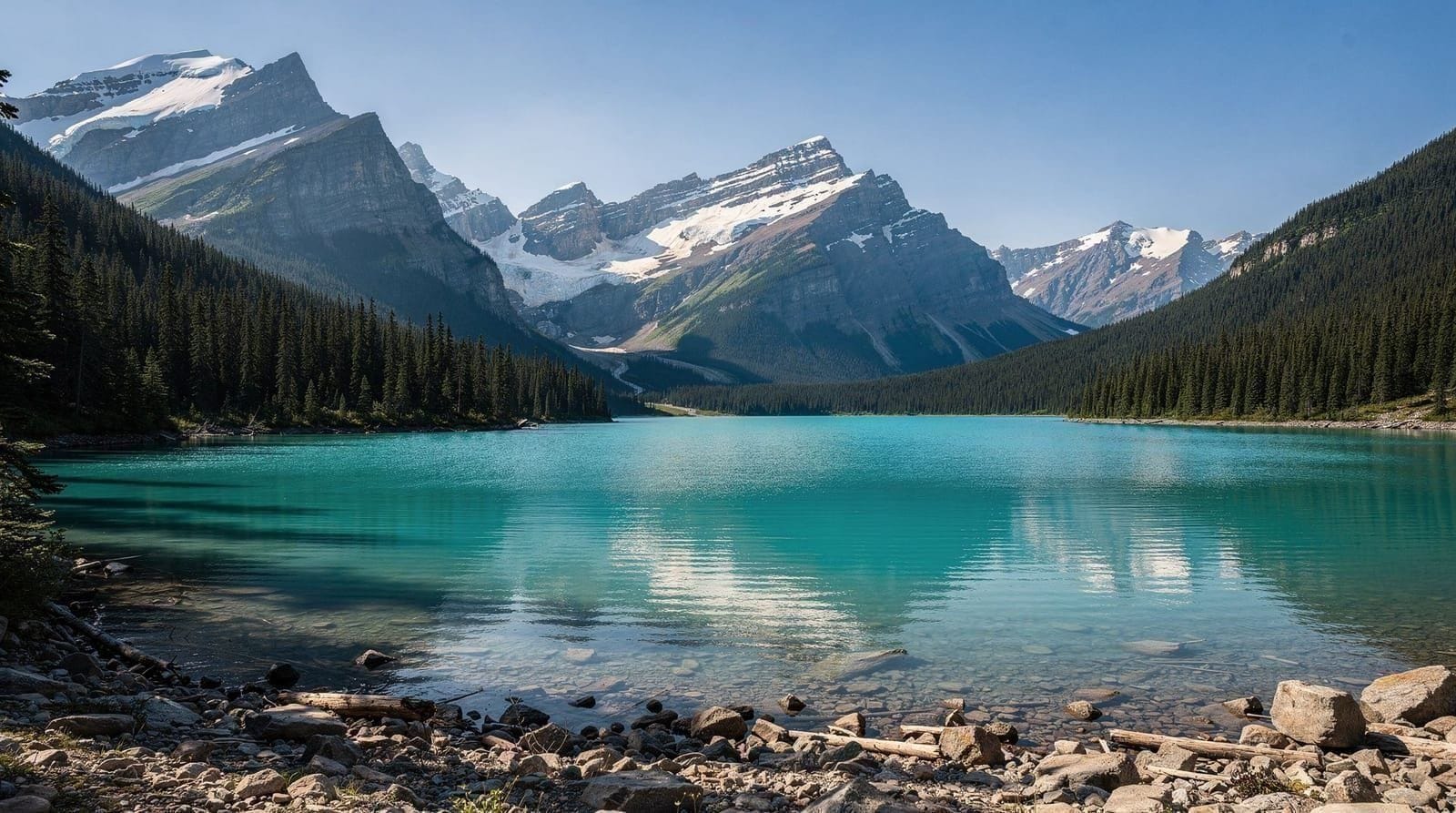
Joffre Lakes has become one of the most photographed hiking destinations in British Columbia, largely because the water really does look like that — three glacier-fed lakes in improbable turquoise, the colour coming from fine glacial silt suspended in the meltwater that scatters light in a way regular lake water doesn’t. That same photogenic reputation is also the problem: this is no longer a quiet backcountry trail, and visiting it well from Vancouver takes real planning, not a spontaneous morning decision.
This guide is deliberately upfront about the logistics involved, because Joffre Lakes gets recommended to Vancouver visitors more casually than its actual demands genuinely warrant, especially compared to closer, lower-commitment nature stops elsewhere on this site. It’s not a bad recommendation — the lakes are genuinely worth seeing — but treating it as an easy day trip the way you might treat a Grouse Mountain or Capilano visit sets up unrealistic expectations for how much of your day it will actually consume.
| Where | Highway 99, ~30 min past Pemberton |
| Cost | Free entry; permit required in peak season |
| Time needed | 10-12 hours round trip from Vancouver as a day trip |
| Getting there | Car only, no direct bookable tour to the trailhead |
| Best time | Mid-to-late summer, once upper snow has cleared |
Where it is and how far it really is
Joffre Lakes Provincial Park sits along Highway 99, roughly 30 minutes past Pemberton, which itself is about 30 minutes past Whistler. From downtown Vancouver, that’s a genuine 2.5 to 3 hour drive one-way under normal traffic — longer if you hit weekend Sea-to-Sky Highway congestion, which is common on summer Fridays and Sundays. This puts Joffre Lakes well beyond a casual add-on to a Whistler day trip; it’s its own substantial commitment, not a quick stop along the way.
Be honest with yourself about what a same-day round trip from Vancouver means: 5–6 hours of driving alone, on top of a hike that itself can take 4–6 hours for the full route. That’s a 10–12 hour day minimum, largely spent either driving or hiking, with no real slack for delays, permit issues, or simply wanting to linger at the lakes rather than rush back down. Plenty of visitors do it in a single day and find it worthwhile, but plenty of others regret not budgeting an overnight in Whistler or Pemberton instead — something worth deciding honestly before you commit to the itinerary.
The trail itself
The full route to Upper Joffre Lake is about 10 km round trip with real elevation gain (several hundred metres, concentrated in the steeper middle and upper sections), typically taking 4 to 6 hours depending on fitness and how much time you spend at each lake. The trail passes all three lakes in sequence: Lower Joffre Lake is a short, easy walk from the parking lot — under a kilometre — and alone is worth the stop even if you go no further, since it delivers the turquoise-water payoff with minimal effort.
Middle Joffre Lake, reached after a moderate climb through forest, is roughly the halfway point of the full trail and a natural turnaround for hikers who don’t want the full commitment. Upper Joffre Lake, the destination for the complete hike, involves the steepest and most sustained climbing of the route, crossing some rockier, more exposed terrain before the trail levels out near the lake itself, framed by the Matier Glacier above it.
Many visitors choose to hike only as far as Middle Lake, which cuts the round-trip distance and time roughly in half while still delivering strong lake views — a reasonable compromise if the full day’s time budget from Vancouver is already tight.
The permit system
Because of a sharp rise in visitor numbers over the past several years — driven largely by social media exposure — BC Parks introduced a day-use permit reservation system for Joffre Lakes during peak season, typically covering the busiest summer months. This is not optional or something you can talk your way around at the trailhead: permits are booked online in advance through the BC Parks reservation system, cap the number of daily visitors, and sell out for popular dates, sometimes well ahead of time.
Rules and exact dates have shifted since the system’s introduction, so check the current BC Parks website directly before finalizing any Joffre Lakes plan — do not assume last year’s system or seasonal window still applies, and don’t assume you can show up without a permit and get in during peak dates.
Outside the permit season, access reverts to first-come parking, but the trailhead lot is genuinely small relative to demand and fills early on any clear-weather day, permit season or not.
When it’s actually accessible
Joffre Lakes is a summer-access hike, and “summer” here needs some qualification: snow can linger on the upper sections into late June or even July in some years, particularly around Upper Joffre Lake and the higher trail sections, and the trail effectively closes for winter once snow accumulates seriously, typically by late fall. If you’re planning a trip for early summer, check current trail condition reports rather than assuming the calendar alone guarantees snow-free hiking — this is a genuinely variable, weather-dependent window, not a fixed season.
What to know before you commit
No real facilities: There’s a pit toilet at the trailhead and essentially nothing else — no food, no potable water source along the trail, no cell coverage for most of the route. Bring everything you need, including all your water and food for the day.
Bears are present: This is genuine bear country, and carrying bear spray and making noise on the trail (particularly around blind corners and dense brush) is a reasonable precaution, not an overreaction. Food storage discipline at the trailhead and any rest stops matters too. Both black bears and, less commonly, grizzlies range through this part of the Sea-to-Sky corridor, and while encounters directly on the busy main trail are uncommon given the volume of foot traffic, they’re not impossible — treat this as genuine backcountry in terms of precautions, even though the trailhead itself sits right off a paved highway.
It’s not a casual outing: Between the drive, the permit logistics, the elevation gain, and the crowding even with permit caps in place, Joffre Lakes asks more of visitors than most other day trips from Vancouver on this site. It rewards the effort with a genuinely striking landscape, but it’s worth going in with realistic expectations rather than treating it as an easy add-on to a Whistler weekend.
Weather and how it changes the experience
Mountain weather in this corridor can shift fast, and Joffre Lakes’ elevation and proximity to active glaciers make it more weather-sensitive than a typical lower-elevation Vancouver-area trail. A warm, clear morning at the trailhead can give way to cloud, wind, or a passing shower by the time you’re at Upper Joffre Lake, and temperatures at the lake itself run noticeably cooler than in Pemberton or on the highway below, given the elevation gain and the direct proximity to glacial ice.
Packing a layer beyond what the trailhead conditions suggest is a reasonable precaution, and checking a specific mountain-area forecast (rather than a general Vancouver or Whistler forecast) before committing to the trip is worth the extra few minutes, since conditions in this specific valley can diverge meaningfully from the broader regional picture.
Alternatives if the permit system doesn’t work out
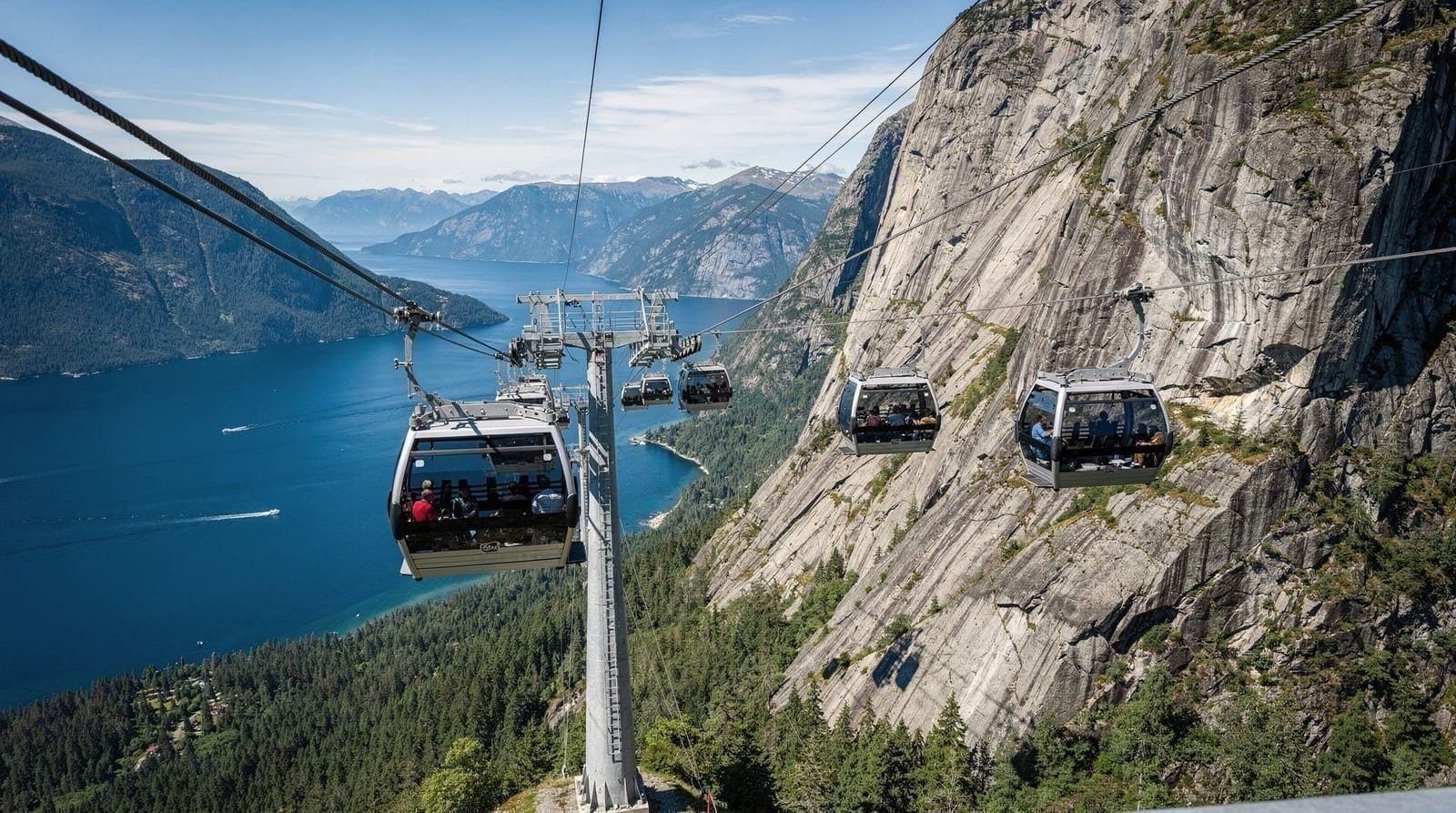
Because Joffre Lakes permits for popular summer dates can sell out well in advance, it’s worth having a backup plan rather than building an entire day around a reservation that might not be available. The Sea to Sky Gondola near Squamish, considerably closer to Vancouver and requiring no advance permit, delivers a comparable sense of alpine scenery and lake views (Skwelwil’em Squamish Estuary and the surrounding peaks, plus its own suspension bridge and viewing platforms) with far less logistical overhead.
Garibaldi Lake, covered in more detail below, is another turquoise-lake alternative in the same general region without Joffre’s specific permit requirement, though it demands a longer hike to reach. Neither substitutes for Joffre Lakes exactly — each has its own distinct character — but both are legitimate options if permit availability, rather than a fixed commitment to this specific trail, is the deciding factor in your planning.
What a realistic day-trip schedule looks like
For visitors determined to do Joffre Lakes as a single day trip from Vancouver, a realistic schedule starts with leaving the city by 6am at the latest — earlier if you can manage it — to account for the 2.5-3 hour drive, secure trailhead parking, and arrive within any permit-window requirements.
Budgeting 5 to 6 hours for the hike itself, depending on how far up the trail you go and how many stops you make, puts a return departure from the trailhead somewhere in the mid-to-late afternoon, and the drive back to Vancouver — often slower than the outbound leg due to Sunday and holiday traffic on the Sea-to-Sky Highway — can push arrival back in the city into the evening. Treat this as a full day with an early start and a late finish, not a half-day outing, and build in slack for the drive, since Sea-to-Sky Highway congestion around Squamish and Whistler on summer weekends is a genuine and common delay, not a rare exception.
Whistler or Pemberton overnight vs. a single long day from Vancouver
Given the significant drive length and hike duration involved, a meaningful share of visitors choose to break the trip up — staying overnight in Whistler or continuing on to Pemberton, then tackling Joffre Lakes with a shorter drive the next morning and more daylight margin for the hike itself. This also opens up an earlier trailhead arrival, which matters for both parking availability and permit-window timing. If your overall BC itinerary already includes a Whistler stop, slotting Joffre Lakes in as a next-morning activity from there, rather than a single marathon day from Vancouver, is worth genuine consideration — it turns a rushed, exhausting day into a considerably more comfortable one.
Getting there without a car
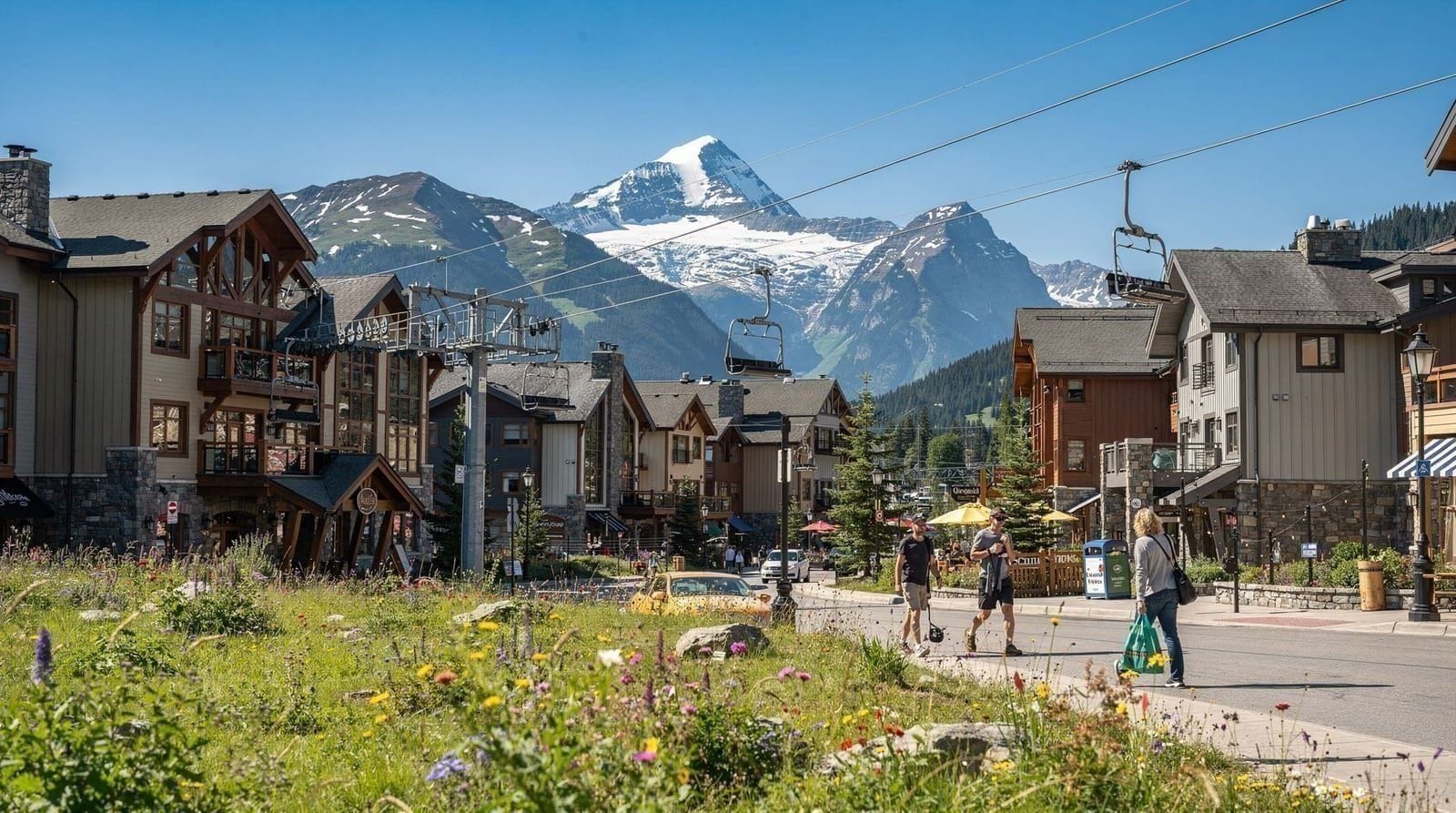
There’s no direct bookable tour to Joffre Lakes itself, and given the permit system and variable trail conditions, that’s not surprising — this remains a self-directed hike rather than a guided attraction. For visitors without a car, the realistic way to reach this stretch of the Sea-to-Sky corridor is a full-day Whistler tour from Vancouver, which won’t include Joffre Lakes itself but gets you into the corridor and gives a sense of the drive and landscape — worth considering as a lower-commitment way to experience the region if the permit logistics and long drive for Joffre Lakes specifically feel like too much for this trip.
A Sea to Sky Gondola ticket in Squamish, well before Whistler on the same highway, is a genuinely easier way to get comparable alpine lake and mountain scenery with none of the permit system or all-day driving commitment, if that trade-off makes more sense for your trip.
How it compares to Garibaldi Lake
Joffre Lakes often gets mentioned alongside Garibaldi Lake, the other turquoise glacier-fed lake destination in this corridor, and the two draw a similar crowd for similar reasons. Garibaldi Lake is reached from a trailhead near Squamish rather than past Pemberton, involves a longer approach hike to the lake itself, and doesn’t currently carry the same day-use permit requirement — worth comparing directly if you’re trying to decide which turquoise-lake hike better fits your schedule and appetite for logistics on this trip.
Why the water is that colour
The turquoise colour that makes Joffre Lakes so recognizable comes from “glacial flour” — extremely fine rock particles ground down by the movement of the Matier and Joffre glaciers above the valley, then carried into the lakes by meltwater. Once suspended in the water, these particles are small enough to stay in suspension rather than settling, and they scatter sunlight in a way that emphasizes blue and green wavelengths, producing the vivid colour visible especially in Upper and Middle Joffre Lakes on a sunny day.
The effect is strongest in the height of summer when glacial melt is most active and the particle concentration in the water is highest; the colour is noticeably less dramatic earlier or later in the season, or on overcast days when there’s less direct light to scatter.
It’s worth knowing this before visiting so expectations match reality — photos taken in bright, direct summer sun capture the effect at its most striking, while a cloudy-day visit delivers a more muted, though still attractive, version of the same lakes.
Photography and crowd management at the viewpoints
Because Joffre Lakes’ fame is largely photography-driven, the most photogenic spots — particularly the classic view across Middle Joffre Lake and the well-known fallen-log viewpoint at Upper Joffre Lake — see genuine queuing during peak summer hours, with visitors waiting their turn for an unobstructed shot. This is worth planning around: arriving early, both for parking and permit-window reasons and to beat the crowds at these specific spots, meaningfully improves the experience. If a specific photo is your priority, be prepared to wait, and be considerate of other visitors doing the same — this has become enough of a known issue that BC Parks and hiking community guides both address crowd etiquette at these viewpoints directly.
Fitness and preparation for the full hike
The 10 km round trip to Upper Joffre Lake, with its several hundred metres of elevation gain concentrated in the trail’s steeper middle and upper sections, is a genuinely demanding day hike — more strenuous than most of the shorter, well-groomed trails covered elsewhere on this site, and not comparable to a casual walk despite the relatively modest total distance.
Sturdy hiking shoes or boots with real ankle support and tread are strongly recommended given the rocky, sometimes uneven terrain in the upper sections; regular sneakers are workable for fitter hikers but a real handicap for anyone less sure-footed. Trekking poles help meaningfully on both the ascent and, in particular, the descent, when tired legs and loose rock combine to increase the risk of a slip.
Hikers should budget real time — starting by mid-morning at the latest gives enough daylight margin to comfortably complete the full round trip without rushing the return in fading light, particularly important given how late Vancouver-area summer sunsets can run but how quickly a slow group’s pace can eat into that margin regardless.
Bottom line
Joffre Lakes delivers on its reputation — the lake colour is real, not an editing trick — but reaching and hiking it properly from Vancouver is a genuine full-day undertaking with real logistics (permits, a long drive, a demanding hike) that shouldn’t be underestimated. If your trip has the flexibility for an overnight in Whistler or Pemberton, it makes the whole experience considerably more comfortable; if you’re set on a single day from Vancouver, go in with an early start, a booked permit if required, and realistic expectations about how much of the day will be spent driving rather than at the lakes themselves.
Top experiences
Bookable activities with verified prices and instant confirmation on GetYourGuide.