Garibaldi Lake hiking guide
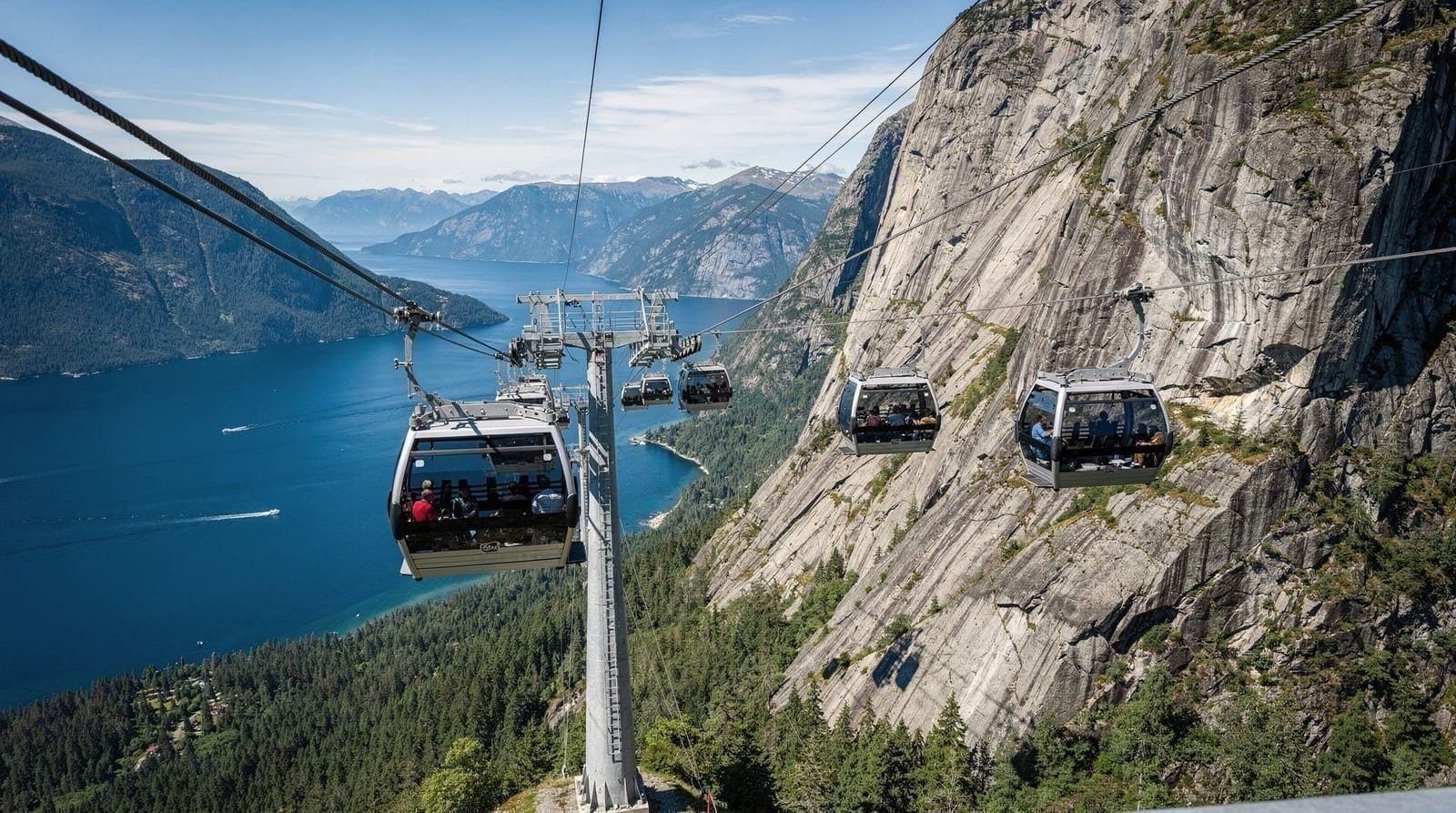
Squamish: Sea to Sky Gondola Admission Ticket
- Free cancellation
How hard is the hike to Garibaldi Lake?
The Garibaldi Lake hike is a serious full-day commitment — roughly 9 kilometres one-way (18 kilometres round trip) with about 825 metres of elevation gain, typically taking 6 to 8 or more hours round trip. It's a genuine backcountry hike, not a casual walk, and is only accessible roughly July through September once snow clears.
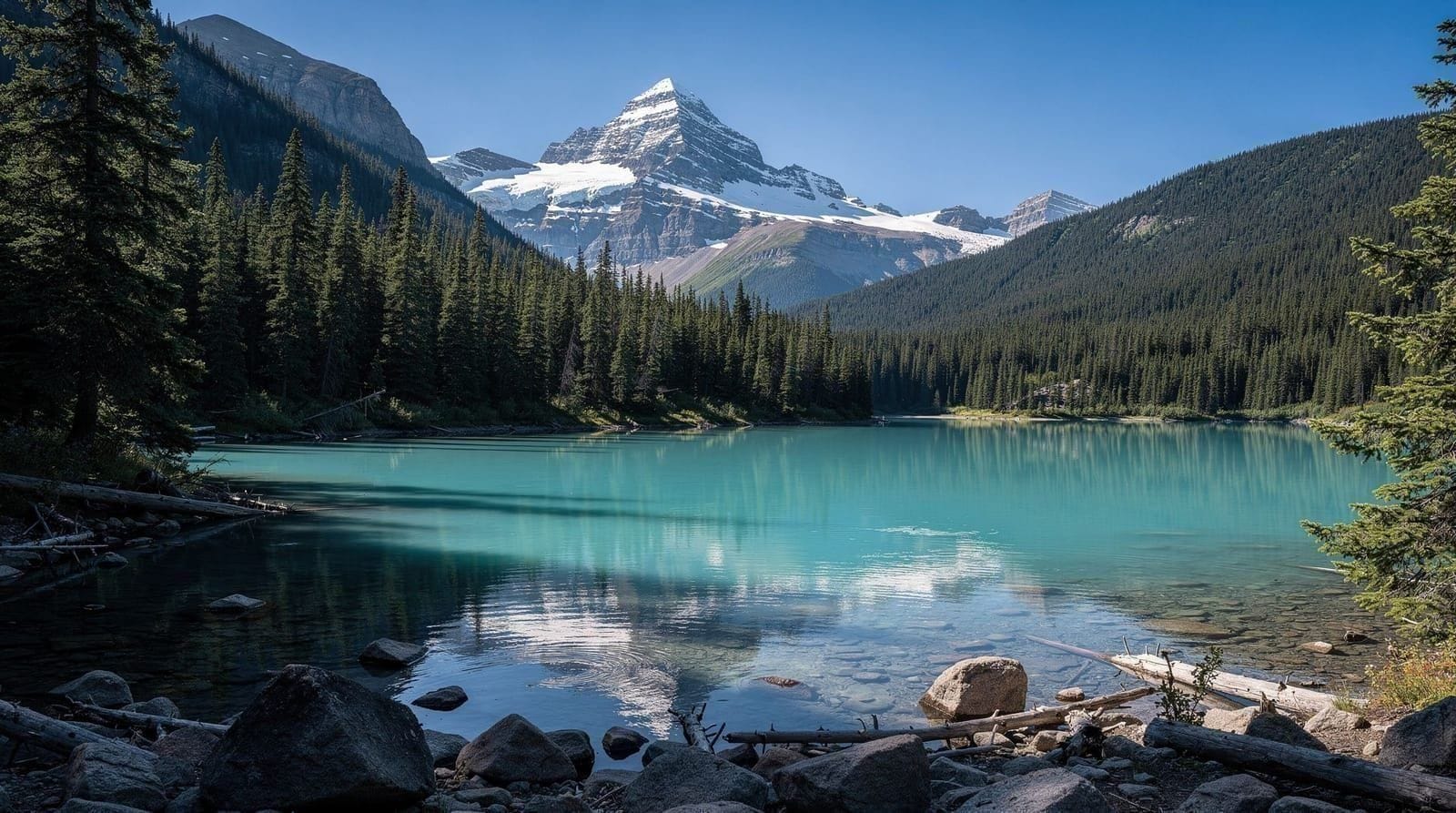
Garibaldi Lake is one of the most photographed hikes in the corridor between Vancouver and Whistler, and for good reason — a strikingly turquoise, glacier-fed alpine lake framed by the volcanic spire of Black Tusk. It’s also, and this needs to be said plainly before anything else, a genuinely demanding backcountry hike rather than a casual scenic walk. Visitors picturing an easy stroll to a viewpoint based on the lake’s Instagram presence are consistently underprepared for what the trail actually asks of them.
| Where | Rubble Creek trailhead, Garibaldi Provincial Park, off Highway 99 |
| Distance | ~9 km one-way / 18 km round trip, ~825 m elevation gain |
| Time needed | 6-8+ hours round trip; overnight camping is an option |
| Season | Roughly July through September only |
| Getting there | Car required — no public transit or guided tour to the trailhead |
Where it is and how to get there
Garibaldi Lake sits within Garibaldi Provincial Park, accessed via the Rubble Creek trailhead off Highway 99, roughly midway along the Sea-to-Sky corridor between Squamish and Whistler. The trailhead itself is a turnoff from the highway followed by a short access road to a parking lot, which fills early on summer weekends — arriving well before mid-morning is genuinely necessary in July and August, not just a suggestion for keen hikers.
There’s no public transit directly to the trailhead, and no guided tour company runs trips to Garibaldi Lake itself, which is a meaningful practical constraint: reaching it requires either a car or arranging a ride, since it isn’t part of any standard day-tour itinerary the way more accessible stops along Highway 99 are.
Distance and elevation
The hike to Garibaldi Lake runs approximately 9 kilometres one-way from the Rubble Creek trailhead, making for an 18-kilometre round trip if hiking to the lake and back in a single day. Elevation gain is roughly 825 metres, climbing steadily through forest before opening into subalpine and then alpine terrain near the lake itself. For context, that’s a similar order of elevation gain to some of the more demanding day hikes in the region, sustained over a longer distance than most visitors attempt in a single outing.
Realistic round-trip time for a day hike is 6 to 8 hours or more, depending on fitness, trail conditions, and how much time is spent at the lake itself. This isn’t a hike to attempt casually or underestimate — visitors should plan an early start, carry enough water and food for a full day, and have a genuine fallback plan (turning back, or an overnight stay) if they’re moving slower than expected partway up.
Day hike vs. backcountry camping
Garibaldi Lake works as either an ambitious single-day hike or, more commonly among experienced hikers, an overnight backcountry trip. The park maintains established campgrounds at Taylor Meadows and directly at Garibaldi Lake, both popular enough that reservations are required during the summer season and often book out well in advance — this isn’t first-come, first-served camping, and showing up without a confirmed reservation risks being turned away regardless of how far into the hike a visitor has already come.
Camping overnight spreads the elevation gain and distance across two days rather than one, and gives access to additional nearby terrain — including closer views of Black Tusk — that’s difficult to reach on a single-day round trip given how much of the day a straight there-and-back hike already consumes.
Black Tusk
The dominant visual landmark near Garibaldi Lake is Black Tusk, a distinctive dark volcanic spire visible from much of the lake basin and from further up the trail system for hikers continuing past the lake itself. It’s the eroded remnant of a much older volcano, and its jagged silhouette against the surrounding glaciated peaks is a big part of why this area draws hikers and photographers specifically, rather than functioning as a generic alpine lake destination. Reaching the base of Black Tusk itself, as opposed to just viewing it from the lake, adds significant additional distance and isn’t realistic within a single-day round trip that also includes the full hike to the lake.
Season: July through September only
Garibaldi Lake’s trail is genuinely summer-only. Snow typically lingers on the upper sections of the trail well into early summer, and the route usually isn’t reliably clear until sometime in July, with conditions holding through roughly September before autumn snow returns to the higher elevations. Attempting the hike outside this window means dealing with snow-covered or icy trail sections at elevation, a materially more dangerous undertaking that requires different equipment and experience than the summer hike. Checking current trail reports before setting out, especially in late June or late September at either edge of the season, is worth the few minutes it takes.
Facilities and what to expect
Facilities along the trail and at the lake itself are minimal — pit toilets at the campgrounds, and essentially nothing else. There’s no food service, no water treatment station beyond what hikers filter themselves from natural sources, and no cell service for a meaningful portion of the route. Hikers should carry all the food and water treatment they’ll need, dress in layers for genuinely variable alpine weather, and not assume any kind of rescue infrastructure is close at hand if something goes wrong.
Bears are present in the area, as they are throughout much of the Sea-to-Sky region’s backcountry, and standard bear-awareness practices — food storage, making noise on the trail, carrying bear spray — apply here as they would on any BC backcountry route.
A serious commitment, not a casual add-on
It’s worth contrasting Garibaldi Lake directly against something like the Sea to Sky Gondola, which delivers genuinely impressive mountain views over Howe Sound via an 885-metre gondola ride requiring essentially no fitness or planning. Garibaldi Lake asks for a full day, real elevation gain, and backcountry-appropriate preparation to see turquoise water and a volcanic spire that, while a different kind of scenery, isn’t necessarily more rewarding per hour invested for a visitor who just wants a good mountain photo without the physical commitment.
Visitors deciding between the two should be honest with themselves about fitness level, available time, and whether they actually want a demanding hike or a scenic view with minimal effort — they’re not really substitutes for each other, but they do compete for the same limited day in a Vancouver-to-Whistler itinerary.
Realistic options for visitors without hiking logistics or a car
For travelers who want a taste of the Sea-to-Sky corridor’s scenery without arranging their own transport and hiking gear, the more realistic options are a Sea to Sky Gondola admission ticket, which delivers comparable mountain and Howe Sound views with none of Garibaldi Lake’s physical demands, or a full-day Whistler tour from Vancouver, which covers the same general corridor and stops at accessible viewpoints along the way.
Neither substitutes for actually standing at Garibaldi Lake, but both are honest, practical alternatives for visitors who don’t have a full day of serious hiking in their trip plan.
Hikers looking for a similarly demanding but somewhat shorter alternative along the same corridor should also look at Joffre Lakes, which offers a comparable glacier-lake payoff with a shorter overall distance, though it carries its own access challenges including a reservation system during peak season.
What to pack
Given the length and remoteness of the hike, packing appropriately matters more here than on most of the shorter, more accessible trails around Vancouver. At minimum, hikers should carry more water than they think they’ll need (there are natural water sources along the way, but treating water adds time and requires a filter or purification tablets), a full day’s worth of food, layered clothing including a waterproof shell, a map or downloaded offline trail data given the patchy cell coverage, and a headlamp in case the hike runs longer than planned and daylight becomes a factor.
Sturdy, broken-in hiking boots matter more here than on flatter trails, given the sustained, sometimes root-covered and rocky terrain over a full 18-kilometre round trip.
Bear spray is worth carrying given the confirmed bear presence in the area, along with basic first-aid supplies — the remoteness and lack of cell service mean a minor injury that would be a quick inconvenience on an urban trail becomes a considerably bigger problem hours from the trailhead.
Trip planning: reservations and permits
Day hiking to Garibaldi Lake and back doesn’t require a reservation — it’s the overnight camping option that does, through BC Parks’ online reservation system for the Taylor Meadows and Garibaldi Lake campgrounds. These bookings open on a set release schedule ahead of the summer season and fill quickly for weekend dates in July and August, so hikers planning an overnight trip should book as early as the reservation window allows rather than assuming a spot will be available closer to their travel dates. Day hikers should still check for any trail advisories, closures, or bear activity warnings before setting out, since these are posted on BC Parks’ website and can affect route conditions or access.
Realistic time budget from Vancouver
Because the trailhead sits roughly 100 kilometres north of Vancouver via Highway 99, factoring in the drive is essential to planning a day hike realistically. Allowing about 1.5 hours each way for driving, plus the 6-8 hour hike itself, means a day-hike attempt from Vancouver is genuinely a full day commitment from early morning to evening — leaving downtown Vancouver later than around 6-7am makes finishing the hike in daylight considerably tighter, especially outside the longest days of summer.
Visitors staying in Squamish or Whistler rather than Vancouver proper have a meaningfully shorter drive and more flexibility on start time, which is worth factoring in for anyone whose itinerary includes multiple nights along the Sea-to-Sky corridor rather than a single Vancouver base.
Fitness and experience level honestly assessed
It’s worth being direct about who this hike actually suits. Regular hikers comfortable with 15-20 kilometre days and several hundred metres of elevation gain will find Garibaldi Lake demanding but manageable in a single day. Casual walkers whose typical outdoor activity is a flat urban trail or a short nature walk are likely to find the full day hike genuinely punishing, both physically and in terms of the judgment calls required — knowing when to turn back, how to pace water and food, and how to read changing weather at elevation.
There’s no shame in choosing the overnight camping option instead specifically to reduce the single-day physical demand, or in choosing a shorter alternative entirely if the full round trip doesn’t match current fitness level. Overestimating readiness for this specific trail is one of the more common reasons hikers end up needing rescue assistance in the broader Garibaldi Park area, and it’s avoidable with honest self-assessment before setting out.
What the lake actually looks like on arrival
For those who make it, the payoff is a genuinely striking sight — the lake’s distinctive turquoise color comes from fine glacial rock flour suspended in the meltwater, which scatters light in a way that produces the vivid blue-green color visible in most photos of the area. The color is most vivid on sunny days with the sun relatively high in the sky; overcast conditions mute it considerably, which is worth knowing if the trip’s main goal is photography, since a cloudy day can mean a noticeably less dramatic-looking lake than what shows up in typical trip photos taken under ideal conditions.
Comparing the effort to reward ratio honestly
Some visitors, having made the full trek, report that the lake itself — while beautiful — doesn’t necessarily feel dramatically more rewarding per hour of effort than shorter, more accessible alpine lakes elsewhere in the region. Others find the specific combination of the turquoise water, Black Tusk’s silhouette, and the sense of genuine remoteness worth every step of the climb. This is a matter of personal priorities rather than an objective judgment about the trail’s quality — visitors should go in with realistic expectations about the physical cost relative to what’s ultimately a beautiful, but not fundamentally different in kind, alpine lake compared to other options in the region that require less effort to reach.
Nearby trailheads and route variations
The Rubble Creek trailhead actually serves more than just the direct route to Garibaldi Lake — it’s the starting point for a broader network of trails within the park, including routes continuing past the lake toward Black Tusk itself and further into the park’s high country, which are realistic only as multi-day backcountry trips given the distances involved. Hikers who’ve done the standard Garibaldi Lake round trip and want to go further on a future visit have genuine options within the same park, though all of them add substantial distance and require either an earlier start, an overnight stay, or both.
There’s also a slightly longer approach via the Cheakamus Lake side of the park for hikers looking for a different route into the same general area, though this isn’t the standard or most efficient way to reach Garibaldi Lake specifically and is generally used more by hikers exploring other parts of the park rather than making a direct beeline for the lake.
Why there’s no bookable tour to Garibaldi Lake
It’s worth explaining directly why this guide doesn’t point to a dedicated Garibaldi Lake tour product the way some of the more accessible Sea-to-Sky stops do. Guided hiking tour operators generally avoid building day-tour products around hikes of this length and remoteness, since a 6-8 hour round trip with real elevation gain doesn’t fit the structure of a standard half-day or full-day sightseeing tour, and the liability and logistics of guiding groups on a genuine backcountry trail are considerably more involved than a paved viewpoint or a short interpretive walk.
This isn’t a gap in this guide’s research — it reflects how the broader tour industry treats a hike of this seriousness, and it’s part of why independent hikers with their own transport and gear are the realistic audience for this specific trail, rather than visitors hoping to book a guided half-day excursion.
For visitors who want guided access to genuinely alpine terrain without the Garibaldi Lake commitment, a full-day Whistler tour including lift-accessed hiking is a far more realistic guided option along the same general corridor, even though it doesn’t reach Garibaldi Lake specifically.
A checklist before committing to the hike
Before setting out, it’s worth confirming a short list of things: current trail conditions and any active advisories through BC Parks, a weather forecast for the full day rather than just the morning (alpine weather changes fast), a confirmed early departure time that leaves enough daylight margin for a slower-than-expected pace, and a genuine assessment of whether the group’s fitness level matches an 18-kilometre round trip with 825 metres of elevation gain. None of these steps guarantee an easy day — this remains a demanding hike regardless of preparation — but skipping them is where a difficult but manageable day turns into a genuinely dangerous one.
Final word
Garibaldi Lake earns its reputation as one of the most rewarding hikes in the Sea-to-Sky corridor, but that reputation comes with real physical and logistical demands that shouldn’t be glossed over for the sake of a nice photo. Visitors with the fitness, preparation, and time to do it properly will find a genuinely spectacular alpine lake and a real sense of backcountry accomplishment. Visitors without those things are better served by one of the more accessible alternatives along the same highway, and there’s no shame in making that call rather than pushing into terrain that outpaces current fitness or preparation.
Top experiences
Bookable activities with verified prices and instant confirmation on GetYourGuide.