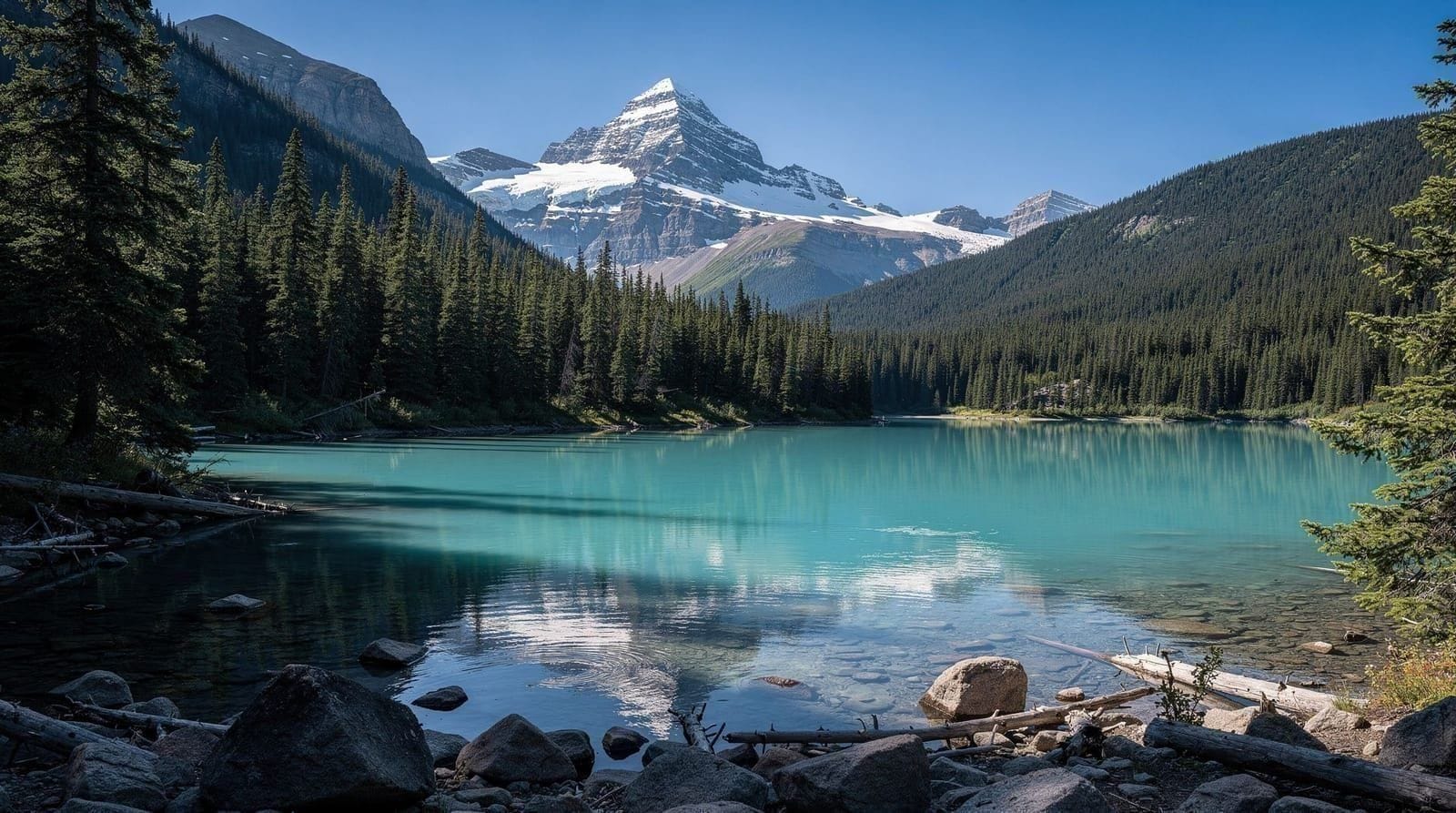
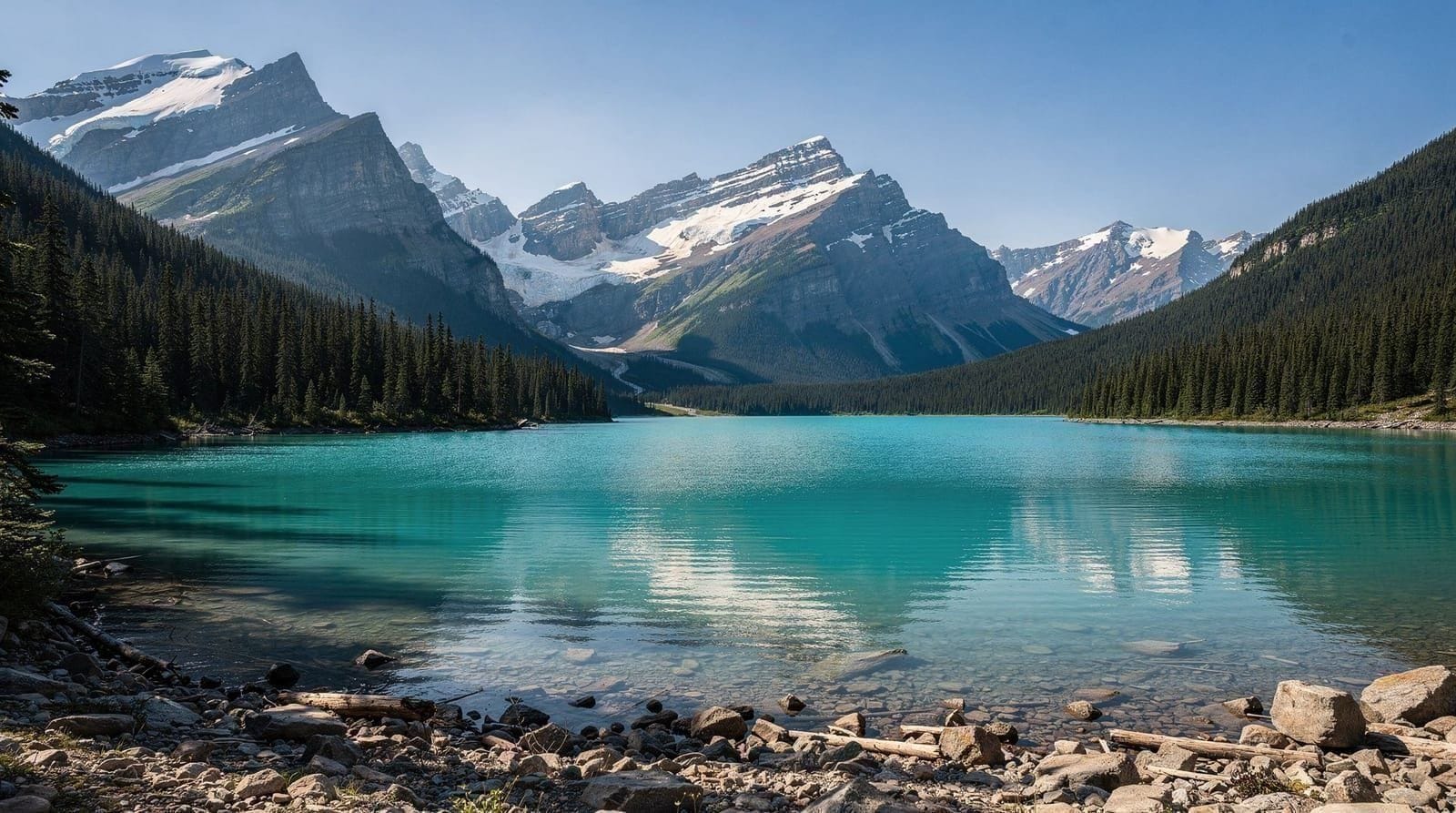
Whistler in summer
From Vancouver: Full-Day Whistler Tour
Duration: 10.5 hours
Is Whistler worth visiting in summer?
Yes — Whistler runs a full summer season roughly from June through September, with lift-accessed mountain biking, alpine hiking trails, the Peak 2 Peak Gondola, and a walkable village with lakes nearby. It's a different identity than the winter ski resort most people associate with the name.
Most people who’ve heard of Whistler know it as a ski resort, and for good reason — Whistler Blackcomb is one of the largest ski areas in North America and built its global reputation on winter terrain. But roughly half the year, from June through September, the same mountains run a completely different program: lift-accessed mountain biking, alpine hiking trails, a village full of open patios instead of après-ski bars, and lakes warm enough to swim in. Visitors who only think of Whistler as a winter destination are missing a season that, for a lot of travelers, is actually the better one to visit.
| Where | Whistler Village, ~120 km north of Vancouver |
| Cost | Around CAD 60-80/person for lift/gondola access |
| Season | Roughly June through September |
| Getting there | Self-drive, shuttle, or guided tour, ~2-2.5 hrs |
| Best time | July-August for weather; June/Sept for fewer crowds |
Getting there
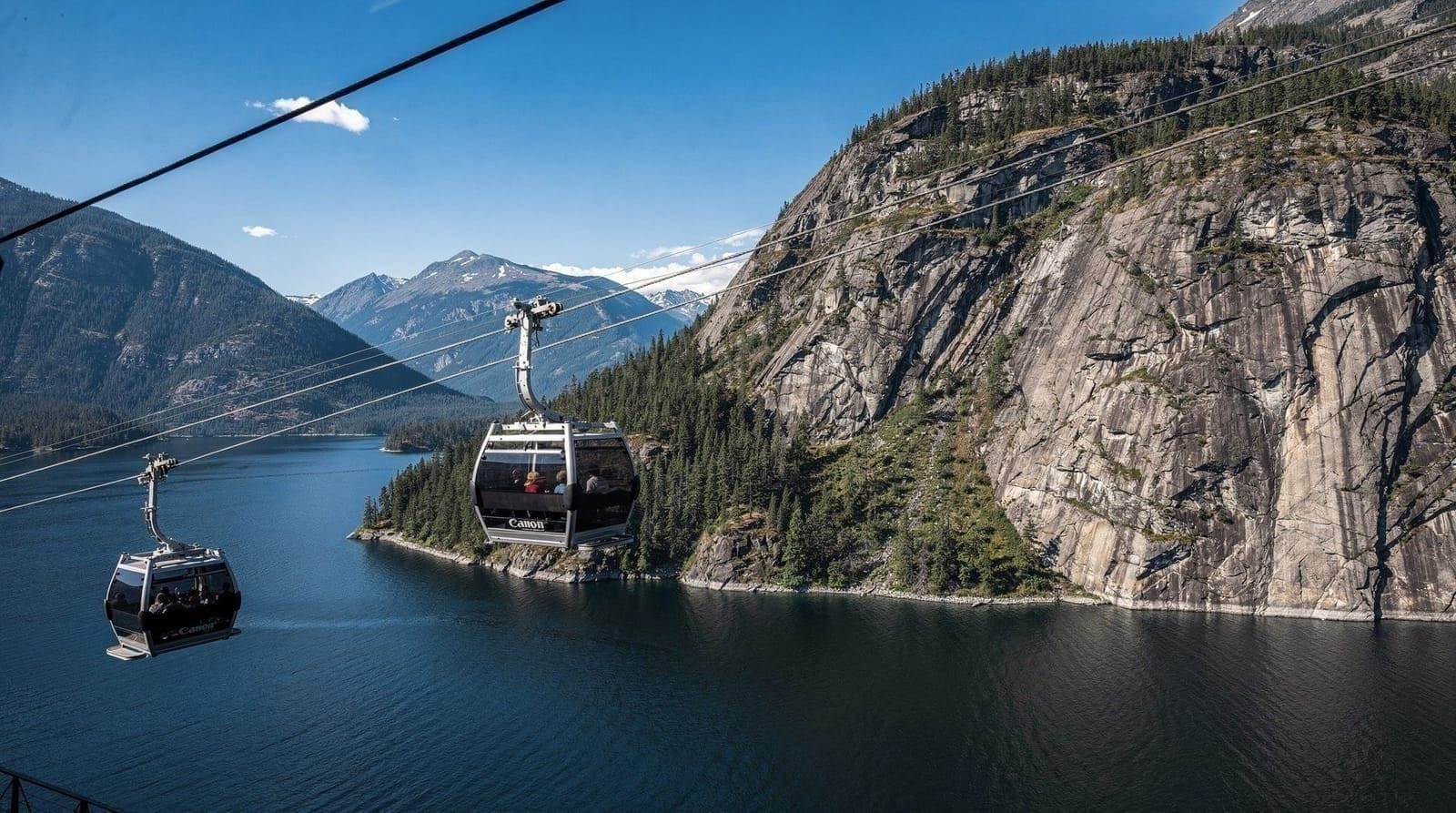
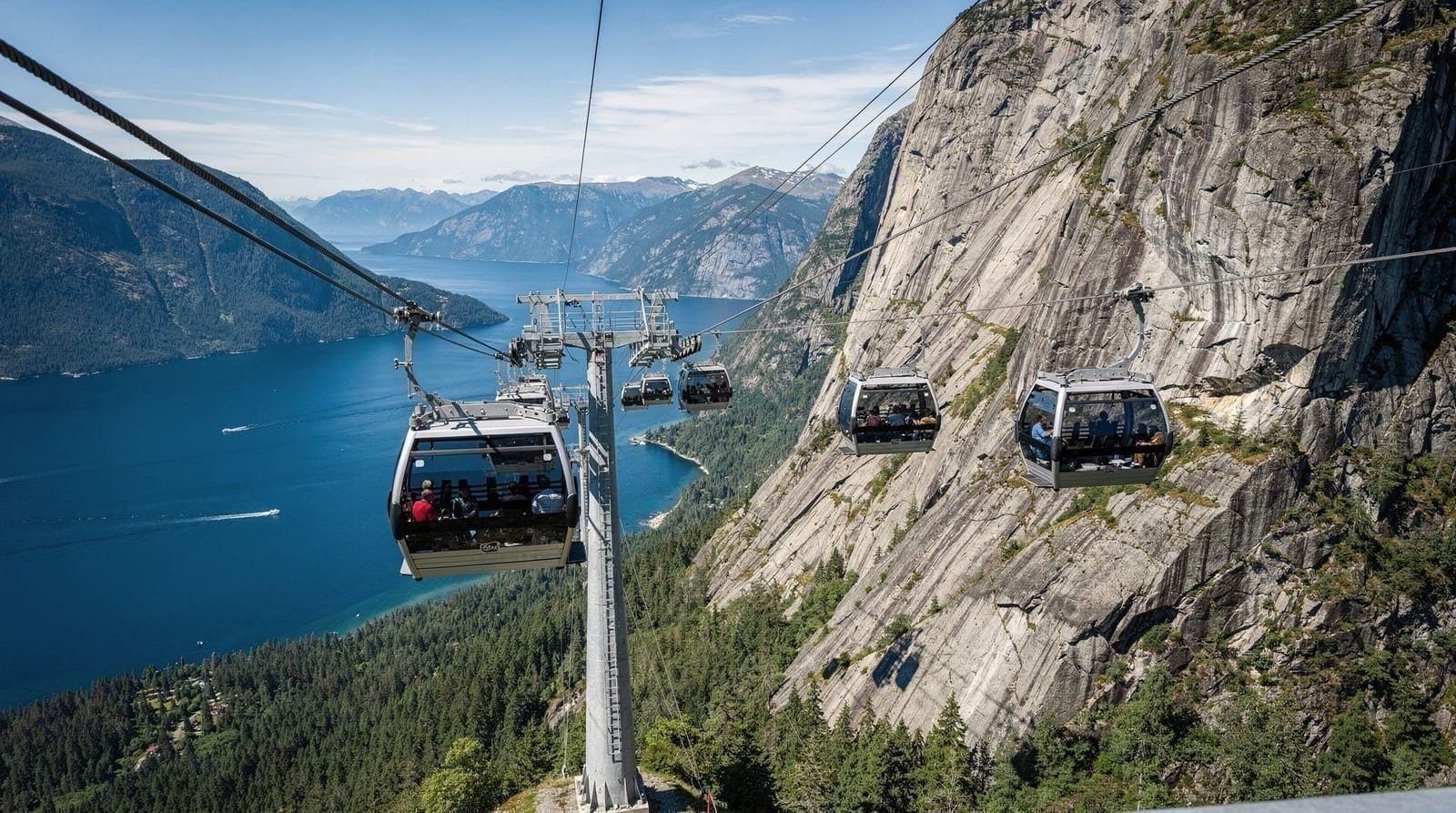
Whistler sits about 120 kilometres north of Vancouver along the Sea-to-Sky Highway (Highway 99), a drive that takes roughly 2 to 2.5 hours depending on traffic and stops. The road itself is part of the appeal — it hugs Howe Sound for the first stretch out of Vancouver before climbing into mountain terrain near Squamish, passing close to the Sea to Sky Gondola and Shannon Falls along the way.
Travelers without a car have several practical options: scheduled shuttle and bus services run directly from Vancouver and from Vancouver International Airport, and guided day tours are a common choice for visitors who’d rather not deal with driving the highway themselves.
A full-day Whistler tour from Vancouver typically includes round-trip transport and a stop or two along the Sea-to-Sky corridor, which makes sense for anyone without their own vehicle who still wants to see the drive’s viewpoints. For travelers who’d rather set their own pace and skip a group itinerary, a private full-day Whistler tour covers the same ground with more flexibility on timing and stops.
Mountain biking: the Whistler Bike Park
Summer in Whistler is inseparable from mountain biking. The Whistler Bike Park is one of the most established lift-accessed bike parks anywhere, with lifts carrying riders and bikes up so they can ride downhill trails back to the village rather than pedaling uphill first. The park has graded trail networks from beginner-friendly green runs to genuinely difficult black-diamond downhill tracks that draw serious riders from well outside British Columbia.
First-timers shouldn’t assume the park is only for experts — there are dedicated learning zones, rental bikes with full protective gear, and lesson packages aimed specifically at beginners. That said, the park’s international reputation is built on its advanced terrain, and riders without downhill mountain biking experience should stick to marked easy trails and consider at least one lesson before attempting anything steeper. The bike park typically runs from mid-May through early October, weather and trail conditions permitting.
Hiking above the village
Whistler’s lift system doesn’t shut down when the snow melts — it switches purposes, carrying hikers up to alpine trailheads that would otherwise require a multi-hour climb on foot. The High Note Trail, accessed from the top of the Whistler Mountain lifts, is one of the better-known alpine hikes in the area, tracing a ridge with views down to Cheakamus Lake and across to Black Tusk and the Garibaldi Range. Shorter options exist too — Rainbow Falls, on the west side near Alta Lake, is an easy waterfall walk that doesn’t require lift access at all, making it a reasonable choice for visitors without a lift ticket or those short on time.
For visitors wanting a longer, guided alpine hike without figuring out trail logistics themselves, a guided wilderness hike in Whistler pairs a knowledgeable guide with terrain that’s genuinely worth explaining — plant life, geology, and wildlife signs that are easy to miss hiking solo. Serious hikers looking for something more demanding than a lift-accessed trail should also consider the day trips to Joffre Lakes or Garibaldi Lake, both accessible from the same Sea-to-Sky corridor, though both require significantly more time and fitness than anything inside the resort boundary.
The Peak 2 Peak Gondola in summer
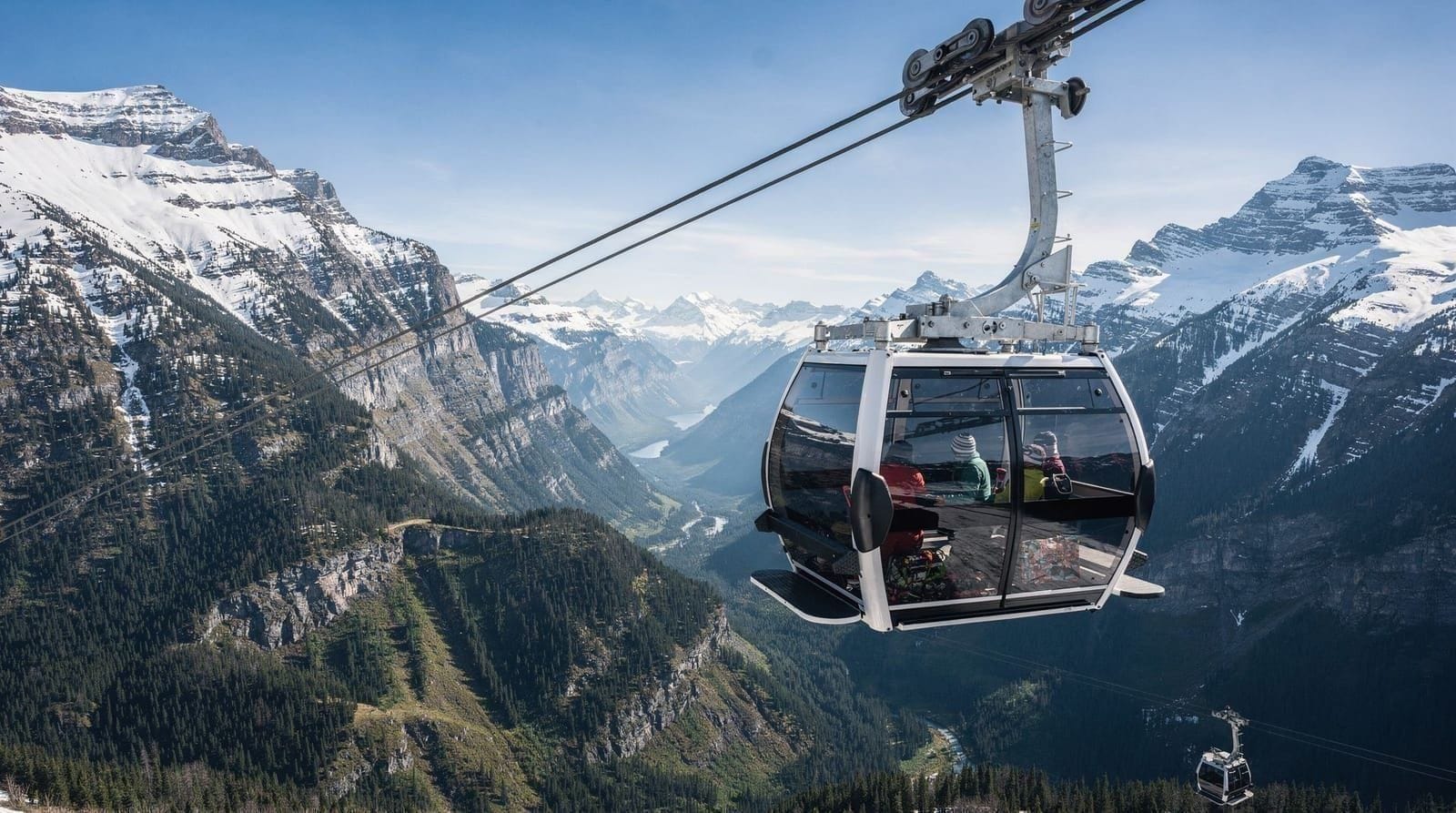
The Peak 2 Peak Gondola, which connects Whistler Mountain and Blackcomb Mountain across a 4.4-kilometre span, runs in summer exactly as it does in winter, and arguably makes more sense as a sightseeing activity when there’s no snow to obscure the view. It’s a genuinely scenic 11-minute crossing between the two peaks, useful for stitching together a day that starts with a hike on one mountain and ends with dinner or a viewpoint on the other. Riding it requires a valid lift ticket or sightseeing pass — it isn’t a free-standing attraction you can walk up and buy on its own.
Whistler Village in summer
The village itself changes character noticeably between seasons. In summer, the pedestrian-only core fills with open patios, a Sunday farmers market, and a mix of outdoor gear shops, restaurants, and galleries that lean into the warm-weather crowd rather than the après-ski scene. It’s genuinely walkable — most visitors don’t need a car once they’re in the village, since lifts, shops, and lodging all sit within a compact area. A car (or a tour) becomes more useful for side trips outside the village boundary, toward Garibaldi Lake, Joffre Lakes, or other trailheads along the highway.
Lakes and lower-key activities
Whistler sits in a small cluster of lakes that warm up enough for swimming through July and August. Alta Lake and Lost Lake are the two most commonly visited — both have designated swimming areas, and Lost Lake in particular has a network of easy walking and biking trails looping around it that don’t require lift access or much fitness. For visitors traveling with kids or anyone wanting a lower-intensity day between more demanding activities, these lakes are a straightforward way to spend an afternoon without planning around lift schedules.
Golf is also a summer-only option in Whistler — several courses in the valley operate from late spring through early fall, taking advantage of the same mountain scenery that draws hikers and bikers. For visitors wanting more adrenaline without downhill mountain biking, via ferrata routes and zipline courses run through the same summer season, offering a guided way to get onto exposed terrain without technical climbing experience.
Combining Whistler with the Sea-to-Sky corridor
Whistler rarely makes sense as an isolated stop from Vancouver, given the drive time involved — most visitors pair it with something along the way. A Whistler tour with a Shannon Falls and gondola stop is a common way to see the corridor’s other highlights without adding a separate trip, since Shannon Falls and the Sea to Sky Gondola both sit roughly midway between Vancouver and Whistler on Highway 99.
Winter identity vs. summer reality
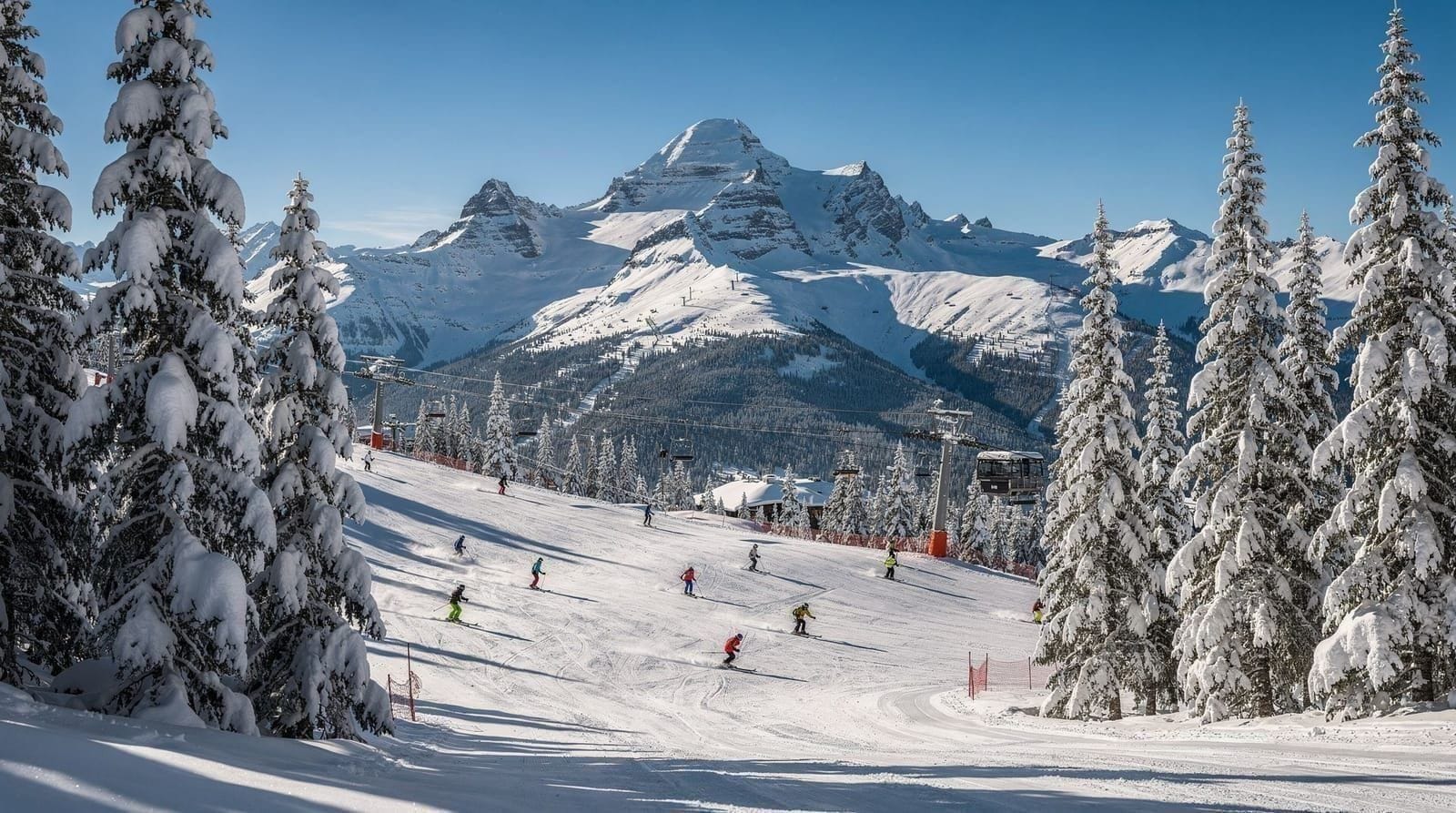
It’s worth being direct about the contrast: Whistler’s global marketing and most travelers’ mental image of the resort are built almost entirely around its ski season, which runs roughly late November through May. Summer strips away the snow, the lift lines for skiing, and a good portion of the crowd that shows up specifically for winter sports — replacing it with a quieter, cheaper, and in some ways more varied set of activities. Neither season is objectively better; they’re different trips. Visitors expecting a snow-covered mountain town in July will be surprised, and visitors expecting summer prices and crowd levels in ski season will be equally surprised in the other direction.
When to go
July and August are the most reliable months for warm, dry weather and the fullest operating schedule across the bike park, gondolas, and hiking trails — they’re also the busiest and most expensive. June and September see thinner crowds and lower prices, with slightly more variable weather and a shorter list of open trails and lift-accessed terrain early and late in the season. For visitors prioritizing a quieter trip over guaranteed peak conditions, the shoulder weeks at either end of summer are worth considering.
Where to stay and how many days to plan
Whistler Village itself is the obvious base, with the widest range of lodging from budget hostels to ski-in-ski-out resort hotels, all within walking distance of the lifts, restaurants, and the farmers market. Visitors on a tighter budget sometimes stay in Squamish, roughly halfway between Vancouver and Whistler, and drive up for the day — a reasonable trade if saving on accommodation matters more than staying inside the village bubble, though it does add driving time to each day.
For a first visit, two full days is a reasonable minimum to get a genuine sense of summer Whistler: one day for lift-accessed hiking or biking, one for the village, lakes, and a lower-key activity like golf or a short walk around Lost Lake. Serious mountain bikers or hikers wanting to properly explore the High Note Trail, sample multiple bike park zones, and still have downtime in the village typically plan three to four days. Visitors purely doing a single day trip from Vancouver, whether independently or via a guided tour, should expect a full, busy day with limited time for any one activity — realistic for a taste of Whistler, not for covering the bike park and the alpine trails in the same afternoon.
What summer Whistler costs
Costs vary widely depending on how much lift access and gear rental factor into the day. A single-day lift ticket covering bike park access or sightseeing gondola rides typically runs in the CAD 60-80 range per person, with bike rentals adding significantly more — full-suspension downhill bike rentals with protective gear can run several hundred dollars for a full day given the specialized equipment involved. Hiking on lift-accessed trails requires the same sightseeing pass as the gondola rides, so a hiking-only day is priced similarly to a sightseeing day rather than requiring bike-specific spending.
Free or low-cost activities balance this out: walking around the village, swimming at Alta Lake or Lost Lake, and the shorter valley-floor trails around Lost Lake’s loop don’t require any lift ticket at all. A visitor on a tight budget can genuinely spend a full day in Whistler seeing the village, a lake, and a short trail without paying for lift access, though they’d miss the alpine hiking and biking that most visitors associate with a Whistler summer trip.
Photography in summer Whistler
Summer offers meaningfully different photography opportunities than the snow-covered winter version most people picture. Alpine wildflower meadows near the top of the lift-accessed trails peak in July, the Peak 2 Peak Gondola crossing gives an unobstructed view of the Coast Mountains without snow glare to manage, and the village’s open patios and farmers market provide a more colourful, human-scale subject than the winter version’s snow-focused scenes. Early morning and late afternoon light work best for the alpine trails specifically, both for softer light and for avoiding the midday haze that can sometimes settle over the valley on hot days.
Wildlife and nature beyond the trails
Whistler’s valley and surrounding forest support a fair amount of wildlife, and black bears in particular are a common sight around the resort in summer, often seen foraging on lower mountain slopes visible from the gondolas or occasionally near the village itself at dawn or dusk. Guided bear-viewing tours run specifically to increase the odds of a sighting under safer, better-informed conditions than wandering trails hoping to spot one independently — a sensible option for visitors specifically prioritizing wildlife over hiking distance or biking terrain. Standard bear-awareness practices apply on any Whistler-area trail: making noise, traveling in groups where possible, and carrying bear spray on longer backcountry routes.
Traveling with a group of mixed activity levels
Whistler summer handles mixed-ability groups reasonably well, since the village, lakes, and lift-accessed sightseeing all work for non-athletic travelers while bikers and hikers pursue more demanding options nearby. A group with both serious mountain bikers and non-biking companions might split up in the morning — bikers to the park, others to a lift-accessed hike or the village and lakes — and reconvene for dinner, a pattern that avoids forcing the whole group to the lowest common denominator of activity.
Practical tips for a first summer visit
Layering matters even in July and August — temperatures at the top of the lift-accessed alpine trails run noticeably cooler than the village floor, often 5-10°C cooler, and afternoon cloud or brief showers aren’t unusual at altitude even on a sunny valley day. Sun protection is equally important in the other direction; UV exposure at elevation is stronger than it feels, and long lift-accessed hikes can mean hours of exposure with little shade above the treeline.
Booking lift tickets and, especially, bike rentals in advance is worth doing during peak July-August weekends, since same-day availability for popular rental packages can run out by mid-morning. Restaurant reservations in the village are similarly worth arranging ahead for dinner during peak season, when patio seating fills quickly on clear evenings.
Via ferrata and other guided adventure activities
Beyond biking and hiking, Whistler’s summer program includes via ferrata routes — protected climbing routes using fixed cables, rungs, and ladders bolted into the rock face, letting participants get onto steep, exposed mountain terrain with a guide and safety equipment rather than technical climbing skills of their own. These run as guided experiences rather than self-directed activities, typically taking a half-day and requiring a reasonable level of fitness and comfort with heights, though no prior climbing experience.
Ziplining is a lower-commitment alternative covering similar terrain from a different angle, with courses ranging from shorter introductory routes to longer, higher-speed lines through the forest canopy — a popular choice for visitors wanting an adrenaline activity without the sustained physical demand of a full via ferrata route or a difficult bike park run.
Whistler summer for families
Families with younger kids who aren’t ready for the bike park’s downhill trails or longer alpine hikes still have plenty to do. The village’s pedestrian core is straightforwardly kid-friendly, with ice cream shops, a splash park in some seasons, and enough open space for kids to burn energy without needing to plan a structured activity. Lost Lake’s swimming area and easy loop trail suit families well, combining a beach-style afternoon with a short, flat walk that doesn’t require any particular fitness level. The Peak 2 Peak Gondola and other lift rides are also genuinely family-friendly sightseeing options, giving younger visitors a taste of the alpine scenery without requiring them to hike or bike to earn the view.
Weather patterns through the summer
Whistler’s summer weather is generally reliable but not guaranteed — afternoon thunderstorms are more common in July and August than earlier or later in the season, often building through the afternoon after a clear morning, which is part of why many hikers and bikers aim for early starts. Rain is possible in any summer month, though significantly less frequent and shorter-lived than the region’s wetter winter and shoulder-season weather. Checking the forecast the morning of any lift-accessed alpine activity is worth doing, since exposed high-elevation trails and bike park runs can become genuinely unpleasant or unsafe in a sudden storm, and lifts themselves sometimes pause operation during lightning.
Booking lift access versus bike-specific packages
Ticket structures at the bike park can be confusing for first-timers, since lift access, bike rental, and protective gear are sometimes bundled and sometimes priced separately depending on the package chosen. Bundled beginner packages, which typically include a lesson, bike rental, gear, and a limited lift-access ticket, are usually the better value for genuine first-timers over piecing together each element separately, since the bundled rate accounts for the lower amount of lift access a beginner actually uses compared to an experienced rider doing full-day laps.
Getting around once you’re there
Whistler runs a free local transit system connecting different parts of the resort and nearby neighborhoods, useful for visitors staying outside the immediate village core or wanting to reach trailheads and lakes without driving or walking long distances. Bike rentals aren’t limited to the bike park itself — cruiser and road bike rentals are widely available for getting around the valley’s paved and gravel path network, a pleasant, low-key way to see more of the area beyond the village without a car.
Weekday versus weekend visits
Weekday visits, particularly Tuesday through Thursday, offer noticeably thinner crowds at the bike park, lift lines, and popular lake spots compared to weekends, when both local day-trippers from Vancouver and longer-staying visitors overlap. Travelers with a flexible schedule who can shift a Whistler summer visit to midweek gain a real, if modest, advantage in availability for rentals, restaurant seating, and generally shorter waits, without any change in weather reliability or activity access.
Farmers market and local food
The Whistler Farmers Market runs on a weekly schedule through the summer months in the village, bringing together local produce vendors, prepared food stalls, and craft sellers in an outdoor setup that’s become a genuine community gathering point rather than just a tourist stop.
It’s a good low-cost way to spend an hour or two, particularly for visitors staying in accommodations with kitchen access who want to pick up fresh ingredients rather than eating out for every meal during a longer stay. Beyond the market, Whistler’s broader dining scene leans into its mountain-town identity with a mix of casual patio restaurants and higher-end dining, generally priced toward the upper end for a Canadian mountain town given the resort’s international visitor base.
Combining Whistler summer with other Sea-to-Sky stops
Because the drive north passes directly through Squamish, it’s worth deciding in advance whether a corridor stop fits the day’s schedule. The Sea to Sky Gondola and Shannon Falls both sit roughly midway between Vancouver and Whistler and add relatively little time to the overall drive, making them a natural addition for visitors with any flexibility in their departure time. Travelers who’d rather commit the full day to Whistler itself should simply pass through Squamish without stopping, saving the corridor’s other attractions for a separate trip or the return leg if time allows.
Helicopter and scenic flight options
For visitors wanting to see the surrounding Coast Mountains from an angle no lift or trail can offer, helicopter tours operate out of Whistler through the summer season, ranging from short scenic flights over the immediate resort area to longer tours reaching glaciers and remote alpine lakes well beyond what’s accessible on foot in a single day. These sit at a considerably higher price point than lift tickets or guided hikes, and they’re a genuinely different kind of experience — worth considering specifically for visitors with a strong interest in aerial photography or a desire to see terrain that would otherwise require a multi-day backcountry trip to reach.
A realistic sample itinerary
For a visitor with two full days in Whistler and no strong prior preference, a reasonable split looks something like this: day one focused on lift-accessed alpine hiking, riding up in the morning before crowds build, walking part or all of the High Note Trail, and coming back down for an afternoon in the village; day two focused on a lower-key mix of Lost Lake swimming, a shorter walk or bike ride around the valley floor, and the farmers market if the visit lines up with its weekly schedule.
Visitors adding a third day with a stronger interest in mountain biking would dedicate that day entirely to the bike park, given how much time proper riding and multiple lift-served runs can consume. This isn’t the only way to structure a Whistler summer visit, but it reflects a reasonable balance between the resort’s headline lift-accessed activities and its lower-effort village and lake-based options.
Solo travelers and Whistler summer
Whistler works well for solo travelers in summer specifically, since the village’s pedestrian core, lakes, and guided activities all naturally accommodate independent visitors without the social pressure of a group tour. A guided wilderness hike is a particularly good fit for solo hikers who want company and local knowledge without needing to coordinate with travel companions, and lift-accessed hiking trails are safe and well-marked enough for confident solo hikers to explore independently within the resort’s marked terrain.
Day-tripping from Vancouver versus staying overnight in summer
A single summer day trip from Vancouver, whether self-driven or via a private full-day Whistler tour, delivers a genuine taste of the resort — a lift ride, a short hike or a walk around the village and a lake — but doesn’t leave meaningful room for the bike park, a longer alpine hike, or a relaxed evening in the village’s restaurant scene. Visitors with any flexibility who are genuinely drawn to summer Whistler’s activities, rather than just curious about seeing it, are better served by at least one overnight, which removes the roughly 4.5-5 hours of round-trip driving from competing with actual time on the mountain.
Frequently asked questions — Whistler in summer
Is Whistler worth visiting in summer?
Yes. Whistler runs lift-accessed mountain biking, alpine hiking, and the Peak 2 Peak Gondola through summer, plus a walkable village and nearby lakes. It's quieter and cheaper than ski season, with a genuinely different set of activities.How do you get to Whistler without a car?
Shuttle and bus operators run scheduled service from Vancouver and Vancouver International Airport, taking roughly 2 to 2.5 hours. Guided day tours are also a practical option, since they handle the Sea-to-Sky Highway driving and typically include stops at viewpoints along the way.What's the best month for Whistler summer?
July and August have the most reliably warm, dry weather and the fullest schedule of lift operations and events, though they're also the busiest and most expensive months. June and September are quieter with slightly less predictable weather.Is mountain biking beginner-friendly?
The Whistler Bike Park has marked easy and beginner zones with rentals, lessons, and slower-graded trails, so first-timers can ride it, but the park's reputation is built on advanced downhill terrain. Beginners should stick to green-rated trails and consider a lesson before riding lift-accessed terrain.Do you need a car in Whistler Village?
No. The village is pedestrian-only at its core, and lifts, restaurants, and most lodging are within walking distance of each other. A car becomes useful mainly for side trips to Garibaldi Lake, Joffre Lakes, or other trailheads outside the village.Is the Peak 2 Peak Gondola open in summer?
Yes, it operates in both winter and summer as long as Whistler and Blackcomb's lift systems are running, connecting the two peaks in about 11 minutes.
Top experiences
Bookable activities with verified prices and instant confirmation on GetYourGuide.