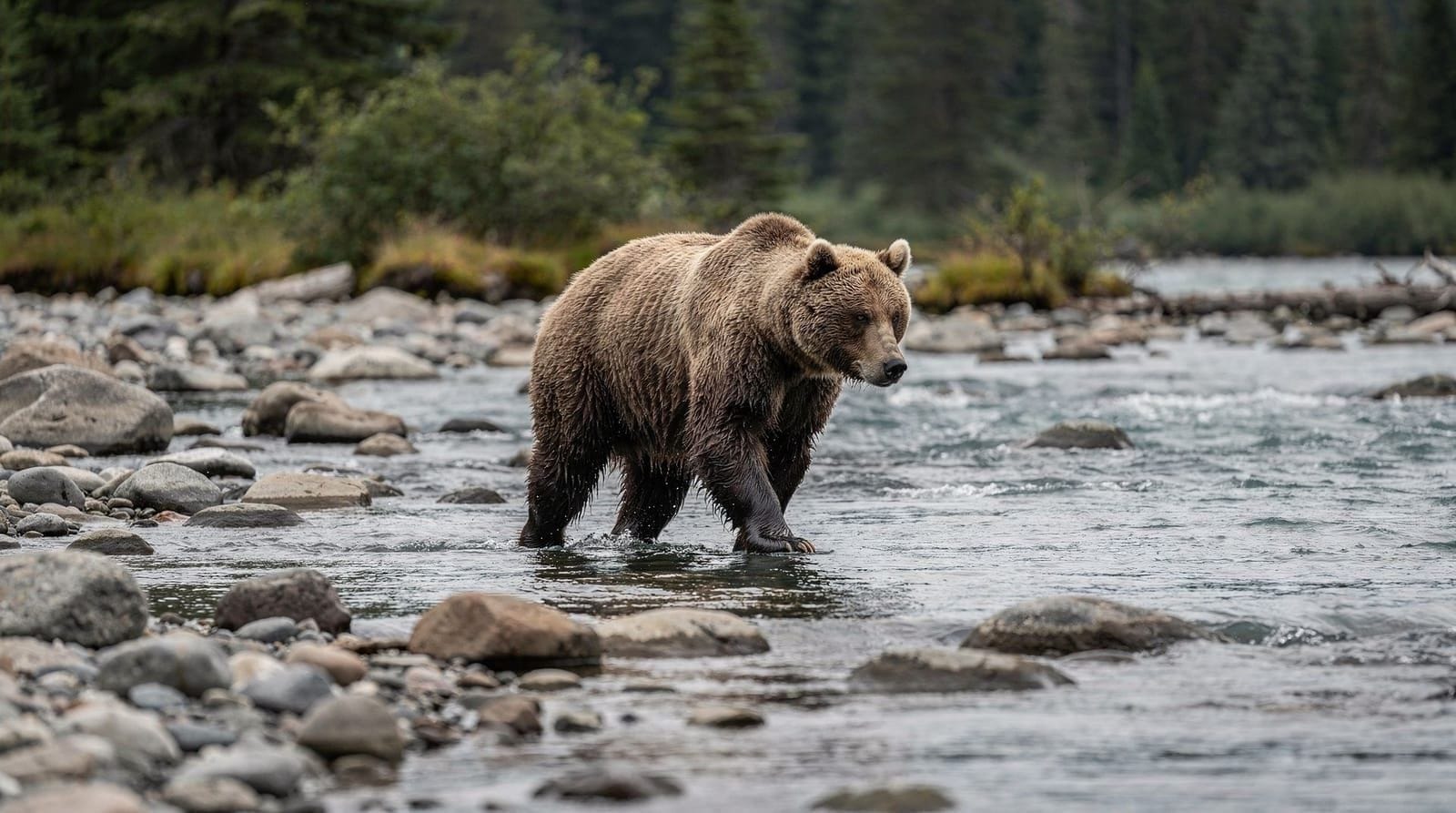
Black bear viewing near Whistler
Whistler: Afternoon/Evening Bear Viewing Scenic Tour
Can you see bears near Whistler?
Yes — Whistler has a resident population of black bears (not grizzlies) that forage on the mountain's lower slopes, ski runs and berry patches through the warmer months. Guided vehicle-based scenic tours run roughly May through September, with July-September berry season offering the most reliable sightings.
Whistler has a real, resident bear population, and for a good part of the year they’re genuinely visible from the mountain’s access roads and lower ski runs — not hiding in deep backcountry. The species matters for setting expectations correctly: these are black bears, not grizzlies, and the whole experience — from behavior to the way tours are run — differs from the wild grizzly boat trips based further north on Vancouver Island. A guided vehicle-based scenic tour, running roughly May through September, is the most reliable way to see one without relying on chance.
| Where | Whistler’s forested access roads and lower mountain terrain |
| Species | American black bear (not grizzly) |
| Season | May-September; peak July-September (berry season) |
| Cost | Check current pricing on the tour listing; typically an evening 2-3 hour outing |
| Format | Vehicle-based, no hiking required |
Black bears, not grizzlies — and why that distinction matters
It’s worth being precise here, because the two species get conflated in casual trip planning. Whistler’s bears are American black bears, a smaller, generally more food-focused and less territorially aggressive species than grizzlies, and they’re the animal you’ll actually encounter on a Whistler tour or, occasionally, from your car on the way up the mountain access road.
Grizzlies are a different animal entirely, both biologically and in terms of where you’d go to see one — the nearest realistic wild grizzly viewing from the Vancouver area is a boat-based tour out of Campbell River on Vancouver Island, covered in the grizzly bear watching guide, which involves a flight or ferry crossing and a full day of remote inlet travel that Whistler’s bear tours simply don’t require.
That difference in species and setup also means a difference in what to expect from a sighting. Black bears around Whistler are commonly seen foraging in relatively open terrain — ski run margins, roadside berry patches, forest edges — which makes vehicle-based, close-range viewing realistic in a way that isn’t true of a genuinely wild grizzly population in a remote fjord.
The Whistler scenic bear-viewing tour
The Whistler bear viewing scenic tour is built around exactly this pattern. Guides drive a small group through areas of the resort’s forested access roads and lower mountain terrain where bears are known to be active on a given day, using knowledge built up from daily monitoring rather than guesswork. Tours typically run in the late afternoon or evening, timed to bear activity patterns — black bears tend to be more active foraging in the cooler parts of the day during summer, avoiding the midday heat, which makes early-evening departures a deliberate choice rather than a scheduling convenience.
Because the viewing happens from a vehicle at a controlled, respectful distance, it suits travelers who want a genuine wildlife sighting without a hike or a long day of uncertainty. Guides narrate throughout, covering bear behavior, the local ecology of the Whistler valley, and safety context — including why maintaining distance matters even with a habituated, food-focused species that’s generally less confrontational than a grizzly. Sightings aren’t literally guaranteed on any wildlife tour, but operators running this route daily through peak season report consistent success given how visible bears become once berries are in season.
Best season: May through September, peak July-September
Whistler’s black bears den through winter and emerge in spring, typically becoming active and visible from around May onward as the snowline retreats up the mountain and low-elevation vegetation greens up. Early season sightings often involve bears grazing on new grass and shoots in open areas, a lower-calorie food source they rely on before better options arrive.
The real peak is berry season, roughly July through September, when huckleberries, blueberries and other mountain berries ripen across the resort’s lower slopes. Bears shift into an intensive feeding pattern during this window — visible for extended periods in open, berry-rich patches rather than passing briefly through an area — which is exactly why this stretch produces the most consistent tour sightings. By late September and into October, as berries decline and bears begin preparing to den, activity drops off and most guided tours wind down their season. Outside May-September, bear viewing in Whistler isn’t a realistic booking; the animals are either denned or too dispersed for tours to reliably find them.
How this compares to Grouse Mountain’s captive grizzlies
Vancouver’s other bear-viewing option is the wildlife refuge at Grouse Mountain, home to two resident grizzly bears, Grinder and Coola, who’ve lived there since being orphaned as cubs. It’s important to be direct about what that experience actually is: a captive wildlife refuge with a guaranteed sighting, not a wild encounter.
A Grouse Mountain admission ticket gets you a certain look at grizzlies in a large forested enclosure, alongside the mountain’s gondola ride, viewpoints and other attractions — genuinely worthwhile on its own terms, and a sensible fallback if a Whistler day trip isn’t in the cards, or if you specifically want a guaranteed sighting on a tight schedule rather than a probability-based wild encounter.
Whistler’s black bear tours sit in between Grouse Mountain’s certainty and Campbell River’s fully wild remoteness: the bears are genuinely wild and undomesticated, but the terrain and tour structure make sightings considerably more reliable than a true wilderness search, without requiring the flight or multi-day commitment that a Campbell River grizzly trip does. For travelers deciding among all three, it comes down to how much certainty you need versus how much “wild” matters to you, and how much travel time you’re willing to spend getting there.
Getting to Whistler for a bear tour
Whistler sits about 120 km north of Vancouver along the Sea-to-Sky Highway, roughly a 1.5-2 hour drive depending on traffic and conditions, making it a realistic day trip from Vancouver, though an overnight stay lets you catch an evening bear tour without a late drive back. Shuttle and coach services run regularly between Vancouver and Whistler for travelers without a car, and most Whistler-based tour operators, including the bear-viewing tour, pick up directly from resort-area hotels, which removes the need to arrange your own transport once you’re in the valley.
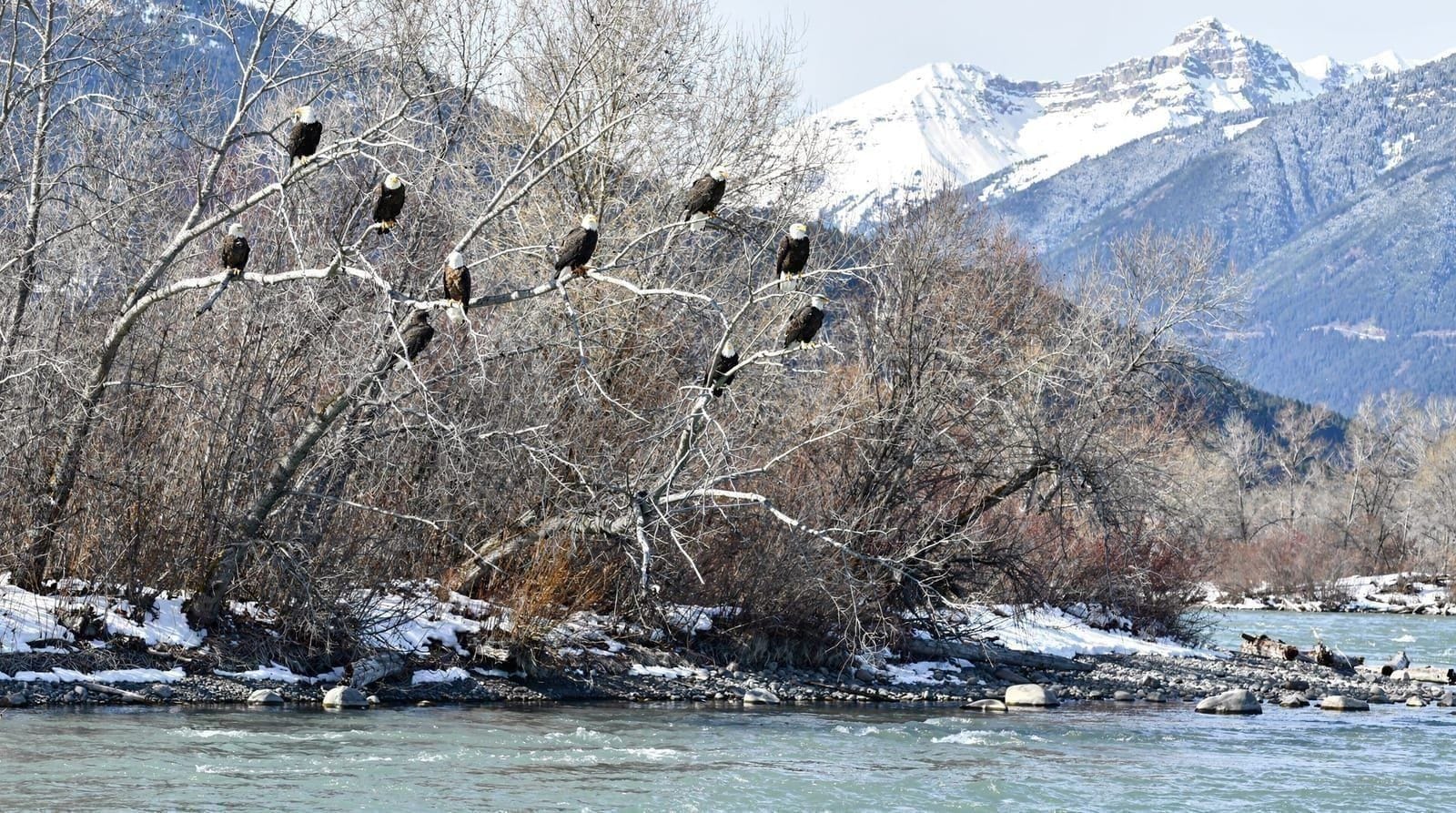
Combining a Whistler bear tour with other Sea-to-Sky activity is straightforward given the drive passes right through Squamish. Travelers interested in wildlife specifically might pair a summer Whistler bear trip with a look at eagle watching near Squamish for planning purposes, though it’s worth noting eagle season there runs in winter — the opposite time of year from bear season — so the two aren’t bookable on the same trip unless you’re visiting Whistler more than once.
Travelers basing themselves in Vancouver for most of a trip and adding a single Whistler day should build in enough time for the highway drive both ways plus the tour itself — an early departure from Vancouver, a full day in the Whistler village and surrounding area, then the evening bear tour before heading back, makes for a long but workable single day. An overnight in Whistler removes the pressure of a late return drive down the Sea-to-Sky Highway after dark, which is the more comfortable option if your schedule allows it, particularly given how the highway’s mountain curves can be less forgiving after a long day.
Photography tips for a bear-viewing tour
Getting a usable bear photo from a respectful viewing distance takes a bit more than a phone camera, though phones do fine for a documentary shot of the scene. If you’re bringing a dedicated camera, a zoom lens in the 200-400mm range is genuinely useful, since guides won’t move closer than a safe distance regardless of how photogenic a moment looks.
Shoot in shutter-priority or a fast auto mode given the low evening light common on these tours, and expect some grain or noise in photos taken later in the departure window as the sun drops — that’s a reasonable trade-off for the timing that actually produces sightings. Guides are generally happy to hold position briefly for photos once a bear is spotted and settled, but they won’t compromise distance or quiet for a better angle, which is the right call and part of why these tours maintain consistent access season after season.
What to expect on the day
Dress for cool evening temperatures even in summer, since the tour typically runs into early evening at elevation where temperatures drop faster than in the valley. Bring a camera with reasonable zoom capability if photography matters to you — sightings happen at a respectful distance, and a phone camera alone often won’t capture much detail. Guides carry bear safety equipment as standard practice and brief the group before departure, though the vehicle-based format means direct guest interaction with a bear essentially never happens; this is observational wildlife viewing, not an up-close encounter.
Family-friendliness and accessibility
The vehicle-based format makes this one of the more accessible wildlife tours in the region — there’s no hiking involved, and viewing happens from inside or immediately beside the tour vehicle at each stop, which works reasonably well for families with younger children or travelers with limited mobility. That said, sightings require a degree of patience and quiet from the group, since bears retreat quickly if startled by noise, so it suits families able to keep kids relatively settled during a roughly two-to-three-hour outing more than it suits a group that needs constant activity. Evening departure times can also run past younger children’s bedtimes during peak summer daylight hours, worth factoring in if traveling with a young family.
Bear safety basics if you’re exploring Whistler independently
Even travelers not booking a dedicated tour are likely to encounter bear activity simply hiking or driving around Whistler in summer — bear signage, food-storage lockers at trailheads and closed trail notices during high-activity periods are a normal part of the resort’s operations, not a rare event. A few basics apply whether or not you’re on a guided tour: never approach a bear for a photo, make noise while hiking in areas with limited visibility so you don’t surprise one at close range, store food securely at all times, and if you do encounter a bear at a distance, back away slowly rather than running.
Black bears generally avoid confrontation and prioritize retreating over engaging, but a startled or food-habituated bear is a different situation from a calm one observed at a proper distance on a guided tour, which is part of why the guided option is the lower-risk way to seek out a sighting deliberately rather than hoping for a chance roadside encounter.
Is Whistler bear viewing worth booking?
For a Vancouver-based trip that includes a Whistler day or overnight anyway — which describes a large share of visitors given how central Whistler is to a BC itinerary — adding the bear-viewing tour is a low-friction way to get a genuine wildlife sighting without extra travel days. It’s a meaningfully different value proposition than the Campbell River grizzly trips: less remote, less expensive, and built around a species that’s both easier to find and, generally, less intimidating to view up close.
If your trip doesn’t include Whistler at all, it’s rarely worth adding purely for the bear tour — Grouse Mountain’s refuge covers the “see a bear in BC” box with far less logistics, and is a better use of a single Vancouver day if bears are just one item on a longer wildlife-watching list. Travelers with more flexible schedules and a genuine preference for wild encounters over guaranteed ones should weigh the Campbell River grizzly trip instead, accepting the extra travel it requires in exchange for a wild, rather than captive, sighting.
See the wildlife tours from Vancouver guide for how Grouse Mountain, whale watching and other city-based options stack up against a dedicated Whistler or Campbell River trip. For travelers who do make it to Whistler in summer, though, the scenic bear tour is one of the more consistently reliable wildlife bookings in this region — real bears, real habitat, and a season window wide enough (May-September) to fit most summer travel dates.
Season overview at a glance
- May-June: bears emerging from dens, foraging on new vegetation in lower, open areas — sightings possible but less concentrated.
- July-September: berry season, the most reliable window for tours, with bears spending extended time in visible feeding areas.
- October onward: activity drops sharply as bears prepare to den; most tours stop running for the season by early autumn.
Anyone planning a summer Sea-to-Sky trip around wildlife should note this season overlaps with — but runs opposite to — the winter eagle-watching window near Squamish and the fall salmon runs feeding into grizzly season further north, so a single trip typically has to prioritize one wildlife theme over the others unless the visit spans multiple seasons.
What to pack for a bear-viewing evening
A few practical items make a real difference on this tour. Layered clothing matters more than most visitors expect — Whistler’s valley floor can feel warm in July while the elevations bears frequent stay noticeably cooler, especially once the sun drops during an evening departure. A light insect repellent is worth carrying in peak summer, since the same forest-edge habitat that attracts bears also attracts mosquitoes. Binoculars, if you own a compact pair, add meaningfully to the experience even on a vehicle-based tour, since guides sometimes spot bears at a distance before repositioning closer. Closed-toe shoes are sensible in case any short walks to a viewpoint are involved, even though this isn’t a hiking-based tour.
Frequently asked questions about Whistler bear viewing
Do I need a car to do a Whistler bear-viewing tour?
No. The tour itself is vehicle-based and includes pickup from Whistler resort-area accommodation, so travelers without a car can book it directly. Getting to Whistler from Vancouver in the first place is easiest by shuttle, coach or rental car along the Sea-to-Sky Highway if you don’t already have transport.
What happens if no bears are spotted?
Sightings aren’t contractually guaranteed on any wildlife tour, guided or not, since these are wild animals. Operators running this route through peak summer report consistently strong success rates given how visible bears become during berry season, but it’s worth going in understanding this is a probability-based wildlife experience, not a zoo visit — check the specific operator’s policy on rebooking or refunds in the rare case of a no-sighting outing.
Can I combine a bear tour with other Whistler activities the same trip?
Yes, easily — most visitors doing a Whistler bear tour are already there for skiing, hiking, mountain biking or general resort time, and an evening bear tour slots in without disrupting a daytime itinerary since departures are typically late afternoon or evening.
Is this the same as the Grouse Mountain grizzly encounter?
No — different species, different setting, different level of guarantee. Grouse Mountain’s grizzlies are captive residents viewable any day the mountain is open; Whistler’s black bears are wild animals visible seasonally through a guided scenic tour. Both are legitimate, honestly framed experiences, they just answer different questions about what kind of bear encounter you want.
Should I do Whistler bear viewing or the Campbell River grizzly tour?
That depends on time and priorities rather than one being objectively better. Whistler works for a day-trip-scale visit with a wild black bear sighting that’s reasonably reliable in season; Campbell River is a multi-day commitment better suited to travelers who specifically want the chance at a wild grizzly and have a broader Vancouver Island trip to fold it into.
Pairing a bear tour with a Whistler day
Because the tour typically runs in the evening, it pairs naturally with a daytime activity earlier the same day rather than requiring a dedicated trip on its own. Travelers spending a summer day in Whistler village, a hike, or a round on the Peak 2 Peak Gondola can slot the bear tour in as the closing activity of the day without needing a second visit to the resort. For visitors driving up from Vancouver specifically for the bear tour, treating it as the anchor of a full Whistler day — arriving by early afternoon, exploring the village, having an early dinner, then joining the tour — makes better use of the roughly 1.5-2 hour drive each way than a narrow there-and-back trip built around the tour alone.
Comparing the three bear-viewing options at a glance
| Option | Species | Guarantee | Time needed |
|---|---|---|---|
| Whistler scenic tour | Wild black bear | Not guaranteed, reliable in season | Half-day/evening from Vancouver |
| Grouse Mountain refuge | Captive grizzly | Guaranteed | A few hours, any day |
| Campbell River boat tour | Wild grizzly | Not guaranteed, reliable in season | Multi-day Vancouver Island trip |
What time of day tours actually run
Tours are deliberately scheduled around bear activity rather than tourist convenience, which means departure times shift with the season. In peak summer (June-August), evening departures typically start in the early-to-mid evening and run into the cooler part of the day when bears are more actively foraging, finishing after sunset in some cases given how late daylight lasts at that latitude in midsummer. In shoulder months (May and September), with shorter daylight, departure windows shift earlier accordingly. Confirming the exact departure time when booking, rather than assuming it matches a fixed year-round slot, avoids a scheduling mismatch with dinner plans or a late drive back to Vancouver.
Ethical considerations specific to Whistler’s bear tours
Because these are wild, free-ranging bears rather than a managed refuge population, the ethics of the tour format matter more here than at a place like Grouse Mountain. Reputable operators maintain a fixed minimum viewing distance regardless of guest requests for a closer look, avoid any feeding or baiting to draw bears toward the vehicle, and brief guests on staying quiet to avoid disturbing natural foraging behavior.
This is also why the vehicle-based format matters beyond just convenience — it keeps a consistent, respectful distance without requiring each guest to self-regulate their own approach the way an on-foot encounter would. Travelers researching independently should look for operators that are explicit about these practices rather than assuming all wildlife tours apply the same standard.
Top experiences
Bookable activities with verified prices and instant confirmation on GetYourGuide.