Paddleboarding in Vancouver
Kayaking Vancouver Tour
Where's the best place to paddleboard in Vancouver?
English Bay and Kitsilano Beach, False Creek near Granville Island, and Deep Cove on the North Shore are the three most beginner-friendly spots, all offering calm, sheltered water. Rentals in Vancouver run mainly through independent local shops rather than bookable tours — Deep Cove Kayak is a well-established outfitter that rents paddleboards alongside kayaks.
Vancouver has several genuinely good spots for stand-up paddleboarding, mostly along its calm, sheltered inlets and beaches rather than open water. What’s worth knowing before planning around it: paddleboard rentals in the city run predominantly through independent local rental shops, not through bookable tours on this site’s catalog, which currently has no dedicated SUP rental or tour product listed for Vancouver. This guide covers where to go, what to expect as a first-timer, and — for travelers who’d rather book a guided water activity in advance than show up and rent a board on the spot — the closest genuine alternative: guided kayak tours.
| Where | English Bay/Kitsilano, False Creek, Deep Cove |
| Cost | Modest hourly/half-day rate, shop-dependent |
| Booking | Walk-up or same-day, not weeks ahead |
| Best for beginners | False Creek, most sheltered |
| Season | Year-round, warmest and calmest June–September |
Where to paddleboard in Vancouver
Three spots stand out as consistently calm and beginner-friendly, which matters more than almost anything else when picking where to go with a board for the first time.
English Bay and Kitsilano Beach, on the western edge of downtown, offer a wide stretch of sheltered water with the city skyline as a backdrop and multiple rental shops within walking distance of the sand. It’s the most convenient option for anyone staying downtown without a car, and calm enough most days for a genuine first attempt at balancing.
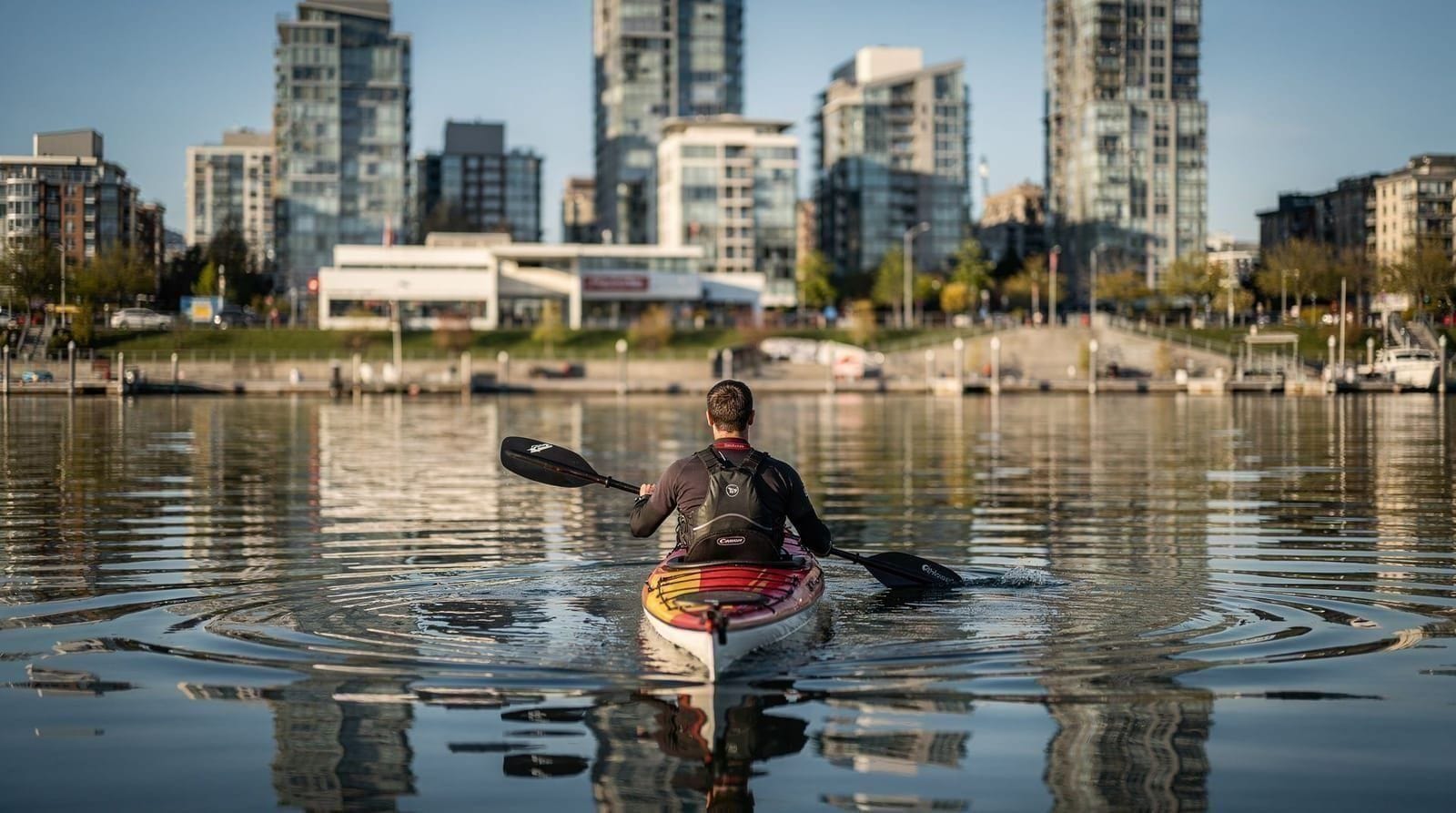
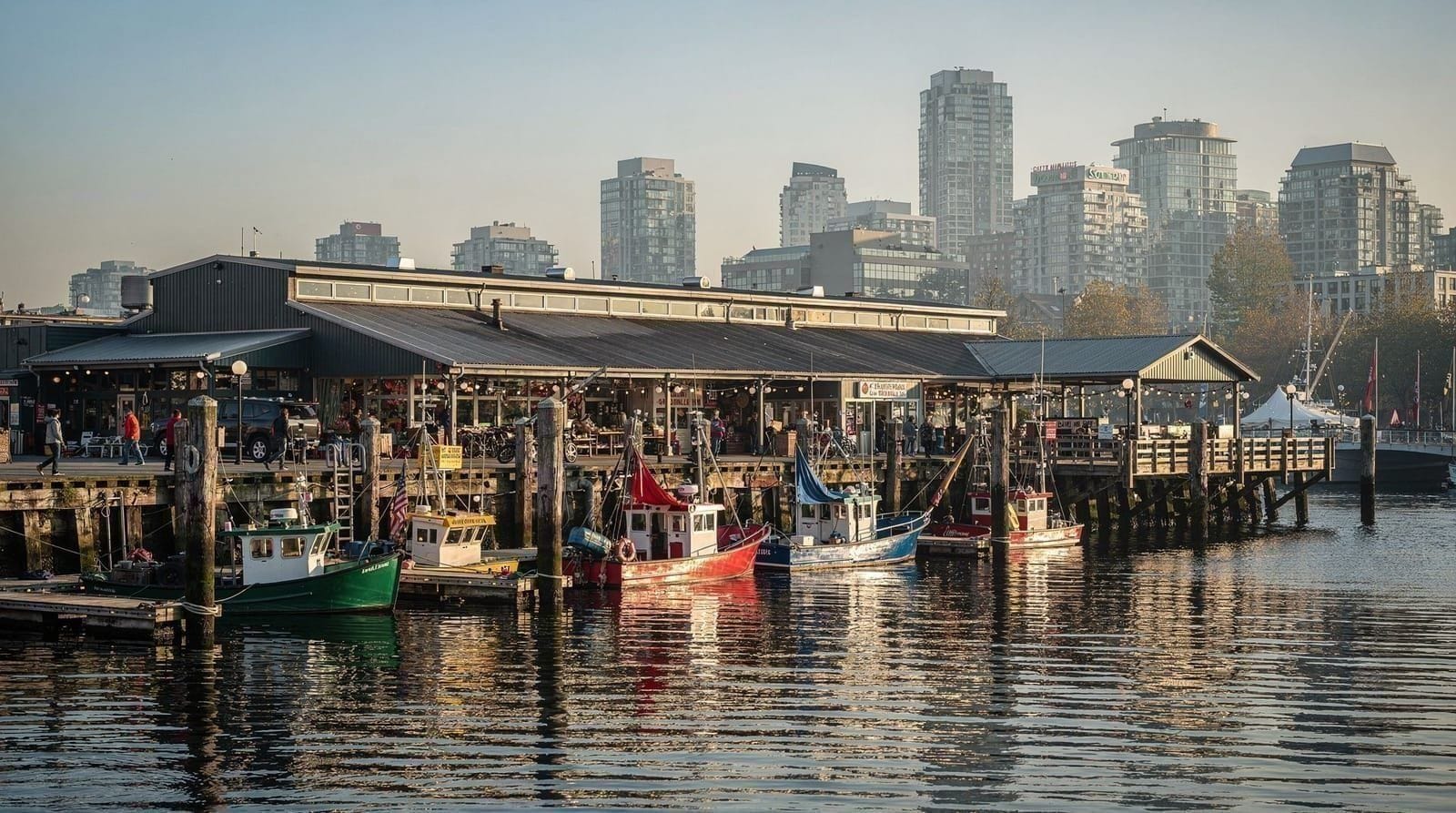
False Creek, the inlet separating downtown from Granville Island, is even more sheltered, tucked between the seawall and the island itself, with minimal boat wake compared to open water. It’s a good pick for a short, low-commitment paddle, easily combined with a visit to the Granville Island public market before or after.
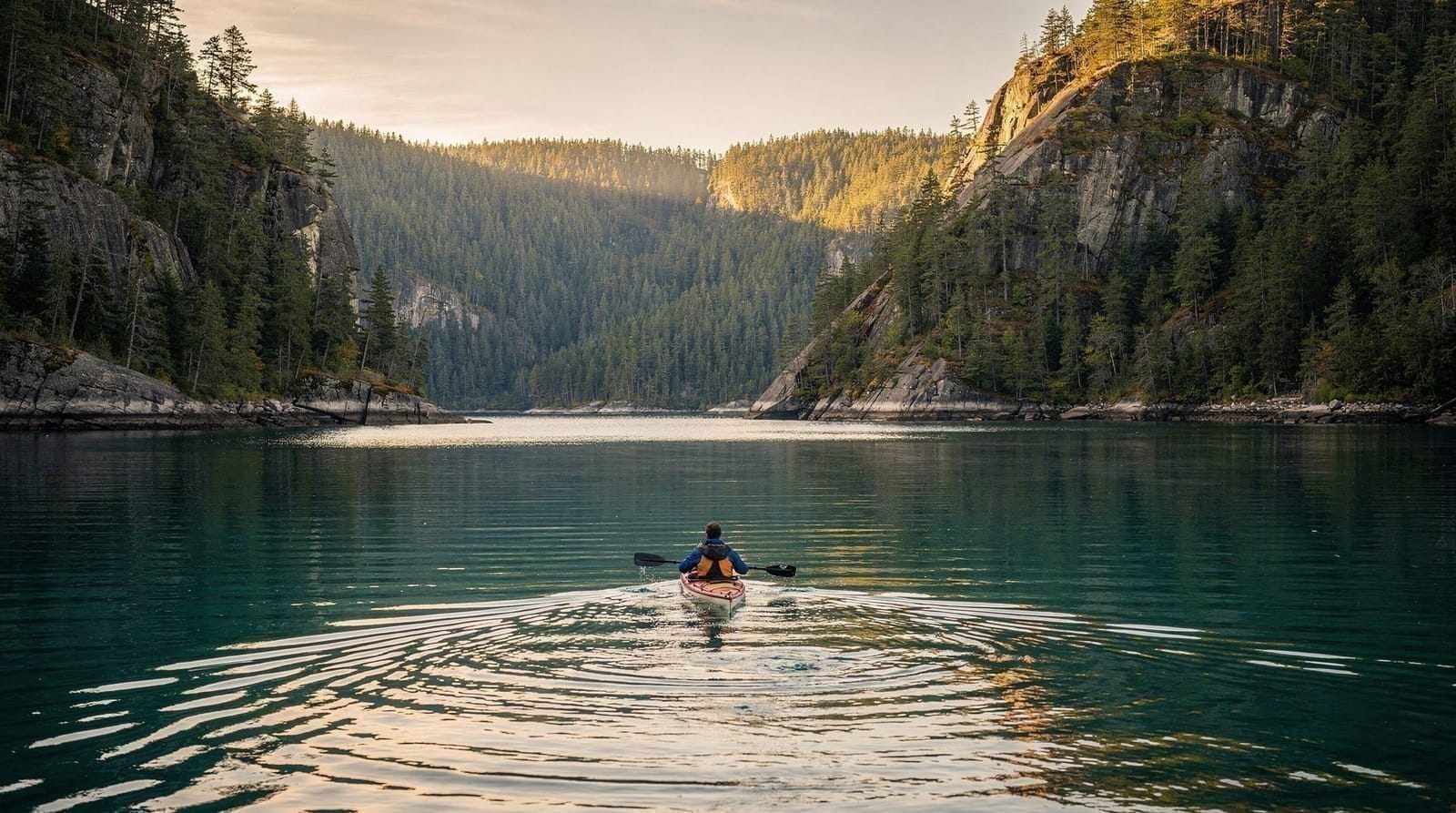
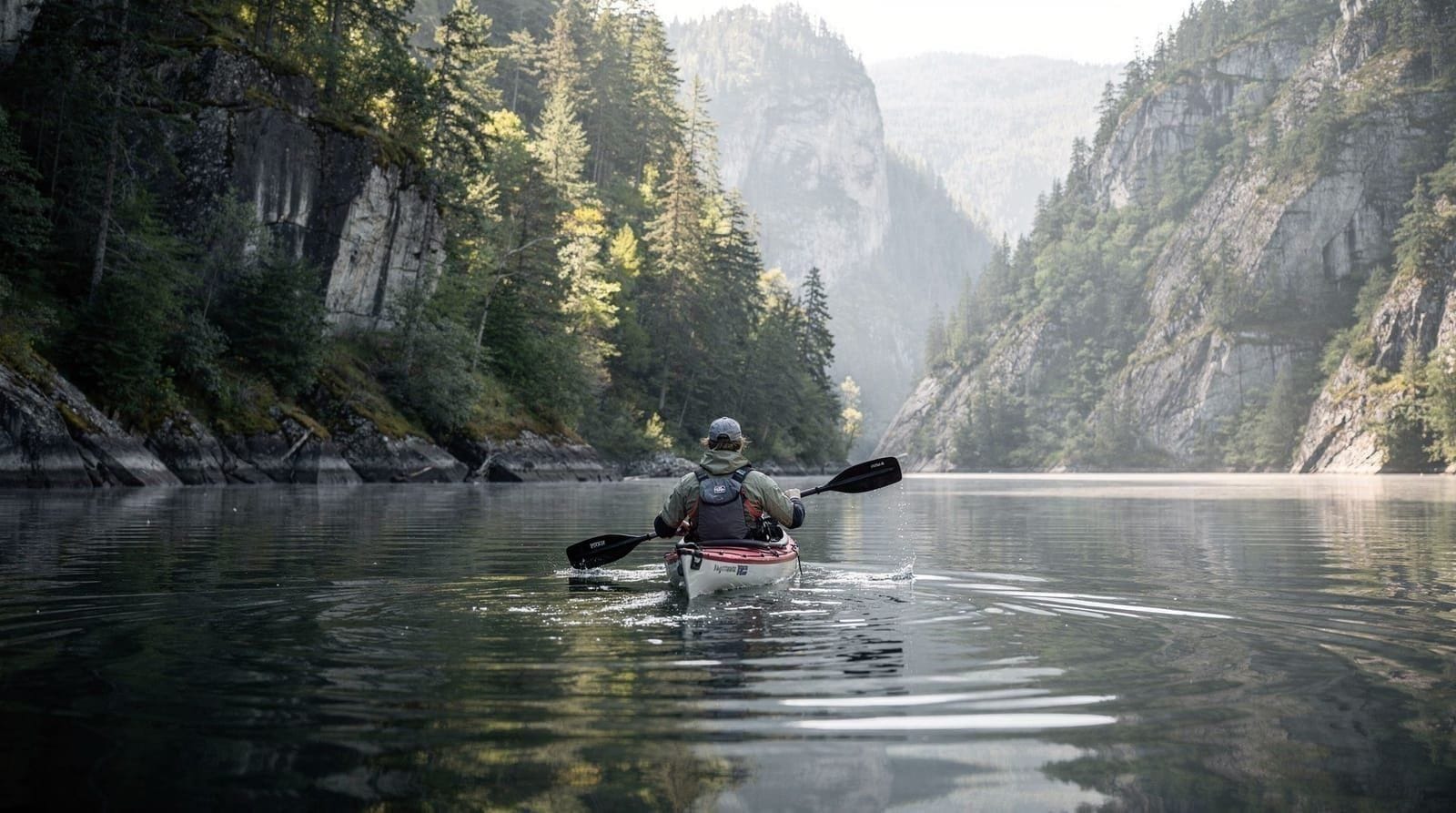
Deep Cove, on the North Shore, is the most scenic of the three — a narrow, forested inlet that stays notably calm thanks to the surrounding terrain, with mountains rising directly from the water on both sides. It’s a slightly longer trip from downtown but consistently recommended by locals as the most rewarding paddle of the three, both for beginners and for anyone who’s paddled before and wants better scenery than an urban beach offers.
Rentals: mostly independent shops, not tours
It’s worth being direct about this rather than implying otherwise: SUP in Vancouver is largely a rent-a-board-and-go activity through independent local shops at each of the spots above, not a guided tour product bookable in advance the way a kayak tour or whale watching trip is. That’s neither better nor worse than a guided tour — it just means the booking process is different, usually a walk-up or same-day online reservation directly with the rental shop rather than something reserved weeks ahead through a tour platform.
Deep Cove Kayak, a well-established local outfitter on the North Shore, is a good example of how this typically works — a real, long-running rental shop that offers paddleboards alongside its kayak rentals and lessons, right at the water’s edge in Deep Cove. Pricing runs at a fairly modest hourly or half-day rate typical of independent rental shops in the region, though exact current rates are worth checking directly with the shop rather than relying on a fixed number here, since rental pricing shifts with season and shop.
This site’s tour catalog for Vancouver doesn’t currently include a dedicated paddleboard rental or guided SUP tour product — that’s a genuine gap worth naming plainly rather than working around it with a product that isn’t quite the same thing.
What a first-timer should expect
Balance is the main hurdle, and it resolves faster than most first-timers expect — typically somewhere in the 10-15 minute range on genuinely flat, calm water before most people find a stable stance and stop wobbling with every small ripple. Kneeling first and standing up gradually, rather than trying to stand immediately on getting on the board, is the standard and sensible approach most rental shops will suggest. Choosing one of the calm spots above rather than open or choppy water makes a disproportionate difference to how quickly that comfort develops.
Vancouver’s coastal and inlet water stays cold year-round, even in the height of summer, and that matters more for paddleboarding than it might seem given that falling in is a normal, expected part of learning. Many rental shops offer, and some require, a wetsuit or at minimum a splash top as part of the rental, particularly outside the warmest months — asking directly when booking or arriving at a shop, rather than assuming board-only rental includes appropriate gear, avoids an unpleasant surprise on a cold, wet fall into the water.
A leash connecting the paddler to the board is standard safety equipment and worth insisting on if a shop doesn’t offer one automatically — it keeps the board from drifting away on a fall, which matters more than it sounds like it would the first time it actually happens.
Tide and current basics
Deep Cove and False Creek are both well-sheltered and forgiving for beginners most of the time, but tidal current is still worth understanding before heading out, particularly at Deep Cove where the inlet narrows. Checking a tide table for the day and avoiding paddling directly against a strong outgoing tide, especially near the mouth of an inlet, keeps a beginner paddle from turning into an unexpectedly tiring fight against moving water. Rental shop staff at any of the three spots above will generally flag if conditions that day warrant extra caution — asking on arrival rather than assuming conditions are always calm is a reasonable habit at any of these spots, even the sheltered ones.
Wind is the other factor that catches beginners out more than current does — English Bay and Kitsilano, being more open than False Creek or Deep Cove, can pick up a stiff onshore or offshore breeze on an otherwise clear day, which makes paddling back to shore against the wind considerably harder than paddling out with it. Checking the day’s wind forecast, not just the chance of rain, is worth doing before committing to a longer paddle at the more exposed spots.
The honest alternative: guided kayak tours
For travelers who’d rather book a guided water activity in advance — reserved, scheduled, no need to show up and hope a rental shop has boards available — the closest genuine alternative bookable through this site is a guided kayak tour rather than paddleboarding itself.
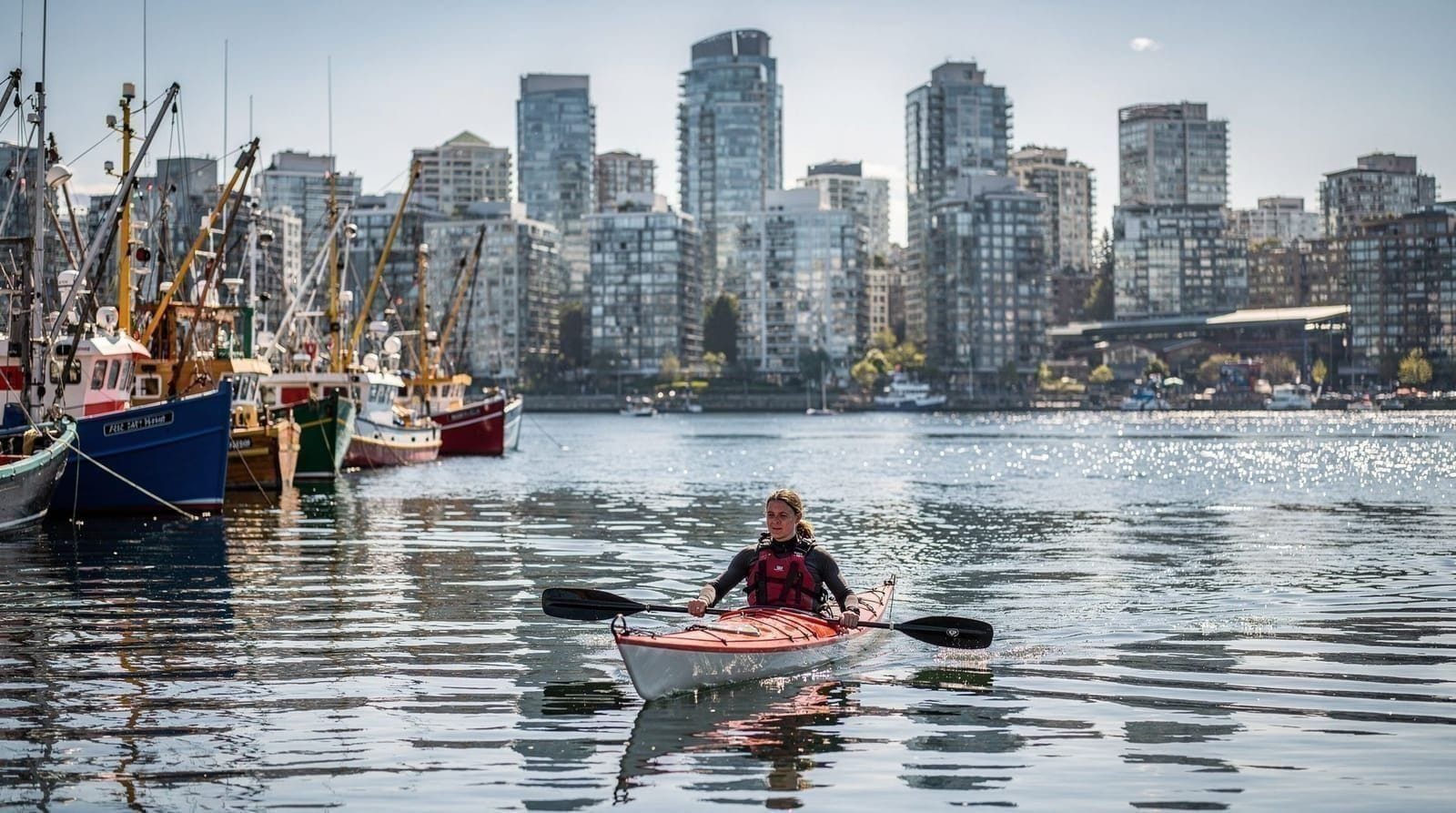
The kayaking Vancouver tour and the smooth classic kayak tour both cover Vancouver’s coastal water with a guide, on a fixed schedule that can be reserved ahead of time — a genuinely different craft from a paddleboard, seated and generally more stable, but answering the same underlying need for a scheduled, guided way to get on Vancouver’s water without arranging independent rental gear.
It’s worth being clear this is a substitution of convenience, not a claim that kayaking and paddleboarding are the same activity — they’re not, and a traveler set on standing on a board rather than sitting in a kayak should plan around one of the independent rental shops covered above rather than book a kayak tour expecting a similar feel. But for travelers whose real priority is “a guided water activity I can book in advance,” the kayak tours are the honest answer.
Building it into a wider Vancouver itinerary
Deep Cove pairs naturally with other North Shore activities — the kayaking guide to Deep Cove covers the same inlet in more depth for travelers considering a kayak trip instead of or alongside a paddleboard session, and kayaking Indian Arm explores the larger fjord that Deep Cove sits at the mouth of, for anyone with a full day to spend on North Shore water.
Travelers based downtown who’d rather stay closer to the city can look at kayaking from Granville Island, which covers False Creek and the surrounding waterfront from a kayak’s vantage point, or the broader kayaking guide to Vancouver for a full rundown of routes and operators across the city.
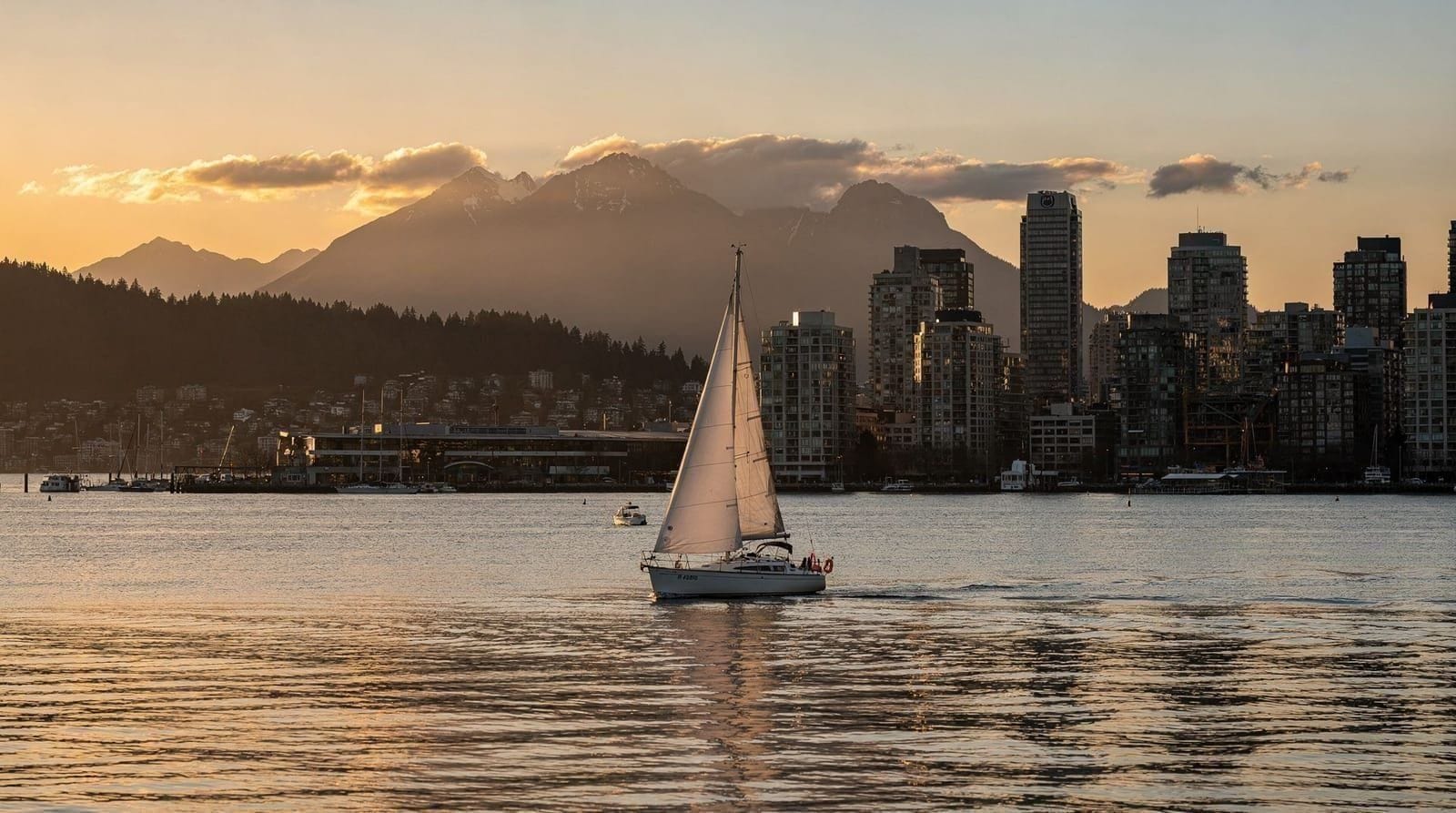
For a calmer, seated alternative to any of the above, the sailing guide to Vancouver covers a crewed sailboat cruise across the same general waters — a genuinely different pace from paddling, worth considering for travelers who want time on the water without the physical effort a paddleboard or kayak demands.
Renting independently: what to expect on arrival
Showing up at a rental shop in Vancouver for a first paddleboard session is generally a straightforward process, but it helps to know roughly what to expect. Most shops ask for a driver’s license or ID as a damage deposit rather than cash, fit a leash and, where relevant, a personal flotation device as part of the rental, and give a brief rundown of the specific launch area’s conditions that day — where any current runs, whether boat traffic is heavier at certain times, and where the safe swimming or paddling boundary sits. Staff at established shops like Deep Cove Kayak generally size boards to the paddler’s height and weight, since a board that’s too small for a beginner makes balance meaningfully harder than it needs to be.
Reservations aren’t always necessary for a walk-up rental on a quiet weekday, but summer weekends at the more popular spots — particularly English Bay and Kitsilano — can see rental stock run low by early afternoon. Calling ahead or booking online where a shop offers it removes the risk of arriving at a beach on a sunny July Saturday to find every board already out.
Comparing the three main spots directly
| Spot | Water | Best for | Travel from downtown |
|---|---|---|---|
| English Bay/Kitsilano | Open, wind-exposed | Simple downtown logistics | Walkable |
| False Creek | Most sheltered | Absolute beginners, families | Walkable, near Granville Island |
| Deep Cove | Sheltered, scenic | Best scenery, repeat paddlers | 30–40 min drive to North Shore |
English Bay and Kitsilano suit travelers staying downtown without a car who want the simplest possible logistics — walk to the beach, rent a board, paddle for an hour, and be back at a hotel within a couple of hours total. The trade-off is more exposure to wind and to other beach and water traffic on a busy summer day, since it’s the most heavily used of the three spots.
False Creek offers the calmest, most forgiving water of the three, genuinely well suited to an absolute first-timer or a family with a mixed-ability group, plus the built-in bonus of pairing naturally with time at Granville Island itself. It’s a shorter, lower-intensity paddle by nature of the inlet’s size, which suits travelers who want a taste of the activity without committing a full morning or afternoon to it.
Deep Cove asks for more travel time from downtown but rewards it with the most scenic paddle of the three by a clear margin, plus generally calmer conditions than the more open, exposed waters downtown. It’s the better choice for travelers with a car or the time for a longer North Shore outing, and for anyone who’s paddled before and wants a step up in scenery over a repeat of a basic downtown session.
A note on standing versus kneeling, and realistic first-session goals
A genuinely useful mindset for a first paddleboard session is treating “getting comfortable kneeling and moving” as a legitimate goal in itself, rather than treating standing the entire time as the only measure of success. Most first-timers spend at least some of their first session kneeling or sitting, especially if conditions are anything other than glassy calm, and that’s a completely normal, unremarkable part of learning rather than a failure to “do it properly.” Pushing to stand before finding any comfort with the board’s basic feel on the water tends to produce more falls, not fewer, and falls into cold coastal water — however brief — are the single biggest factor in whether a first paddleboard session is remembered fondly or not.
Choosing a calm morning rather than a breezy afternoon for a first attempt, sticking to the most sheltered of the three spots above, and accepting a slower pace of progress than a rental shop’s promotional photos might suggest all genuinely improve the odds of a good first experience.
What to bring beyond the board
Rental shops handle the board, paddle, and leash, but a few personal items make a real difference to how a session goes. Sunscreen is worth applying generously and reapplying if the session runs more than an hour, since reflected light off the water increases sun exposure noticeably compared to being on land, even on a cloudy Vancouver day. Polarized sunglasses with a retention strap help with glare off the water and won’t be lost immediately on a fall. A dry bag, either brought along or rented from some shops, is useful for keeping a phone, keys, or a light jacket dry and secured to the board rather than left on the beach.
Footwear is generally optional — most paddlers go barefoot on a board — but water shoes are worth considering at rockier launch points, and are sometimes provided or recommended by rental shops at less sandy locations. Checking with the specific shop about what’s included versus what to bring avoids arriving underprepared or over-packed for what turns out to be a fully outfitted rental.
Timing a paddleboard session around the rest of a Vancouver day
A paddleboard session is naturally a half-day-or-less activity, typically an hour or two of actual time on the water plus getting to and from the rental shop, which makes it easy to combine with other plans rather than building an entire day around it. A morning session at English Bay pairs easily with an afternoon exploring downtown Vancouver or Gastown, while a False Creek paddle slots naturally either side of time spent at Granville Island itself, given how close the launch points sit to the market and public spaces there.
A Deep Cove session takes more of a half-day commitment once travel time to and from the North Shore is factored in, which makes it a better fit for a day already planned around North Shore activities like Grouse Mountain or the Capilano Suspension Bridge rather than a quick add-on to a downtown-focused day. Building in realistic transit time, rather than assuming a “quick paddle” at Deep Cove fits into a tightly packed downtown itinerary, avoids the common mistake of underestimating how much of a day the North Shore genuinely takes from a central hotel.
Questions worth asking a rental shop before booking
A short list of questions, asked when reserving or arriving at a rental shop, tends to make the difference between a smooth first session and an avoidable frustration.
Worth confirming: whether a wetsuit or splash top is included in the rental price or costs extra, since this shifts meaningfully by season and shop; what the cancellation or rain-check policy is, given how quickly Vancouver weather can change within a single afternoon; whether a lesson or basic instruction is included or purely optional, useful for a genuine first-timer even if it adds a little to the cost; and what the shop’s recommendation is for that specific day’s conditions, since local staff generally know the current wind and current pattern better than any generic guide can.
Group paddleboarding and multi-board rentals
Renting for a group is straightforward at all three main spots, and most shops offer a modest per-board discount for renting three or more at once, along with the option to book a block of boards in advance for a set time slot rather than arriving and hoping enough are available.
Groups mixing experience levels — some first-timers, some who’ve paddled before — tend to do best at False Creek or Deep Cove rather than the more open, wind-exposed water at English Bay, since a nervous first-timer struggling with balance is easier to manage on genuinely calm water. Splitting a group across kayaks and paddleboards is also common where not everyone wants to stand; most rental shops at Deep Cove in particular are used to mixed bookings and can advise on the right split for a specific group’s comfort levels.
Combining a paddleboard session with lunch or a coffee stop
Because a paddleboard session naturally runs an hour or two rather than a full day, building in a food stop either side of the water time is easy at all three main spots. English Bay and Kitsilano sit close to a good spread of casual restaurants and cafes along the beach-adjacent streets, making a post-paddle meal a short walk rather than a drive.
False Creek’s proximity to Granville Island means a paddle session pairs naturally with a stop at the public market afterward, ideal for anyone who wants to warm up with a hot drink and browse food stalls after time on cold water. Deep Cove’s small village core has its own well-known cafes and a locally famous doughnut shop, making the drive out to the North Shore feel like less of a detour once food is factored into the plan.
Renting for a half-day versus a full day
Most shops price paddleboard rental by the hour or as a half-day block, and for a first-timer, an hour or two is generally plenty — balance and basic paddling technique take up most of a first session’s attention, and fatigue sets in faster than expected for anyone new to the activity. A full-day rental makes more sense for confident, experienced paddlers planning a longer route, such as exploring more of Indian Arm from Deep Cove or covering more of False Creek’s shoreline than a short session allows. Comparing per-hour pricing against a half-day rate before booking is worth doing, since some shops offer a meaningfully better per-hour value on a half-day block than on a strict single-hour rental.
The bottom line on paddleboarding in Vancouver
Paddleboarding here is a genuinely rewarding, low-cost way to get on the water, and English Bay, False Creek, and Deep Cove each offer a distinct version of that experience worth choosing deliberately rather than defaulting to whichever is closest. The honest caveat is that it’s a rent-it-yourself activity in this city rather than something bookable as a guided tour through this site’s catalog — worth knowing going in rather than searching in vain for a SUP tour listing that doesn’t exist here.
For travelers who specifically want a guided, pre-booked water activity instead, the kayaking tours covered above are the closest genuine equivalent, not a paddleboard trip in disguise, but a real and worthwhile way to get guided time on the same water.
Top experiences
Bookable activities with verified prices and instant confirmation on GetYourGuide.