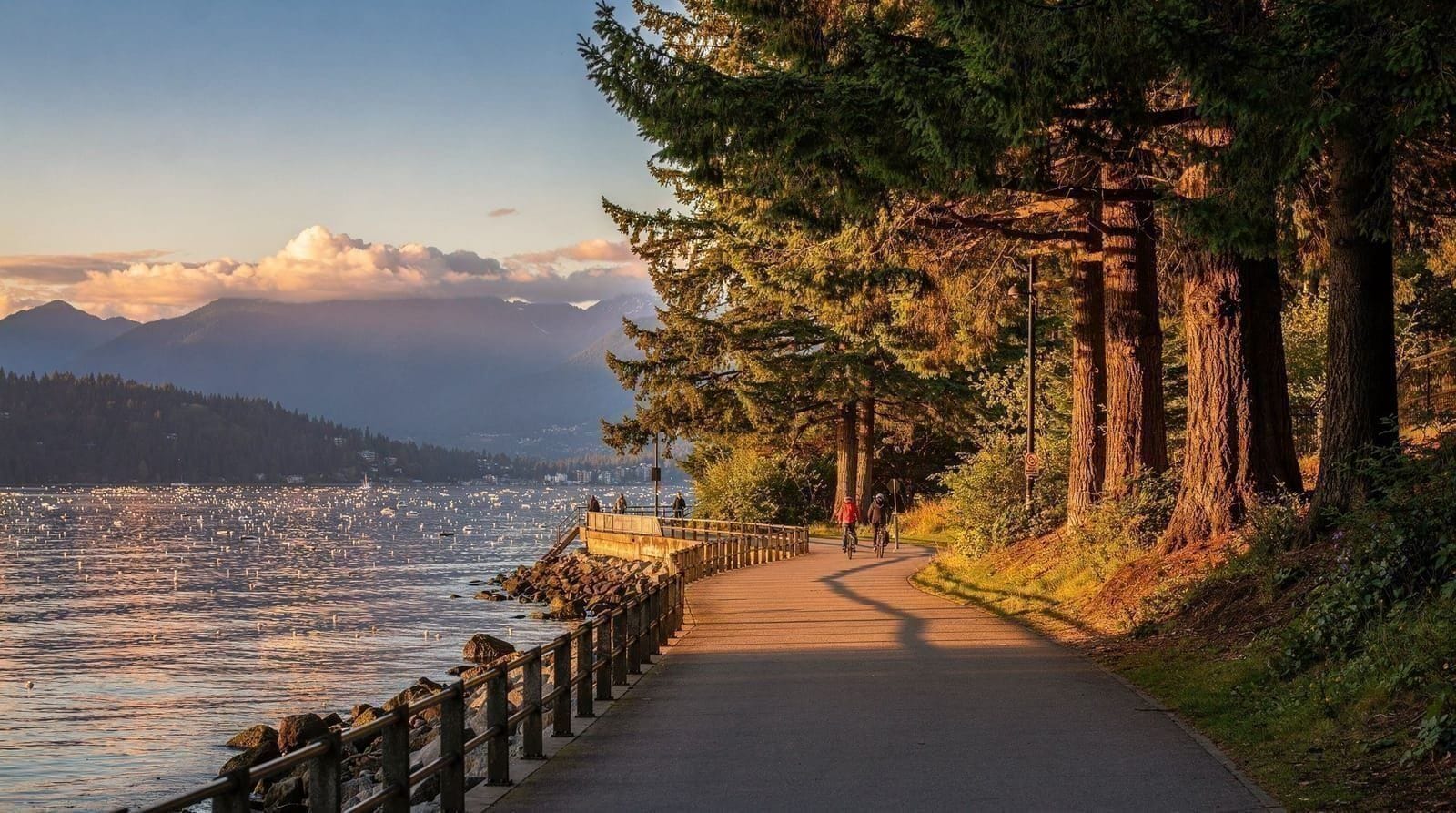
Vancouver in spring — weather, cherry blossoms, and what to plan around
Vancouver: City Highlights Tour
Is spring a good time to visit Vancouver?
Yes, with caveats. March is still wet and cool (8-11°C), but by mid-April the cherry blossoms peak and hiking trails start drying out, and May brings noticeably better weather (12-15°C) with fewer crowds and lower prices than summer. Pack for rain regardless of which spring month you pick.
Spring in Vancouver is really two seasons pretending to be one. March still belongs to the rainy season that defines the city’s winter reputation — grey skies, 8-11°C highs, and umbrellas that get more use than they’d like. By late April and into May, that flips: cherry blossoms have peaked, trails have dried out enough for serious hiking, and the daylight stretches past 8pm. Anyone planning a spring trip needs to know which half of the season they’re actually booking into, because the difference between a March week and a May week is bigger than the calendar suggests.
| Where | Vancouver city, cherry blossom neighborhoods, North Shore trails |
| Cost | Lowest in March, climbing toward summer by late May |
| Time needed | Best as part of a 3-7 day trip |
| Getting there | Same access as any season; book cherry blossom week hotels early |
| Best time | Late April into May for the best weather-to-price ratio |
Spring at a glance: March, April, May
| March | April | May | |
|---|---|---|---|
| Highs | Around 10°C | 12-15°C | 15-18°C |
| Rain | Close to winter levels | Lighter, less constant | Noticeably drops |
| Cherry blossoms | Just starting | Peak (roughly Apr 5-15) | Past peak |
| Crowds/pricing | Lowest of the season | Climbing with blossom demand | Near early-summer levels |
| Hiking | Lower trails only, muddy | Lower trails dry out | Most trails workable |
Month-by-month breakdown
March is the least forgiving spring month. Average highs sit around 10°C, rainfall is still close to winter levels, and the Coast Mountains above town are more often clouded over than not. What March does have going for it is off-season pricing — hotel rates haven’t started climbing yet, and popular spots like Capilano Suspension Bridge and Granville Island Market are noticeably quieter than they’ll be in six weeks. The Vancouver Cherry Blossom Festival typically opens in the back half of March, so late-March visitors catch the very start of bloom season without full commitment to it.
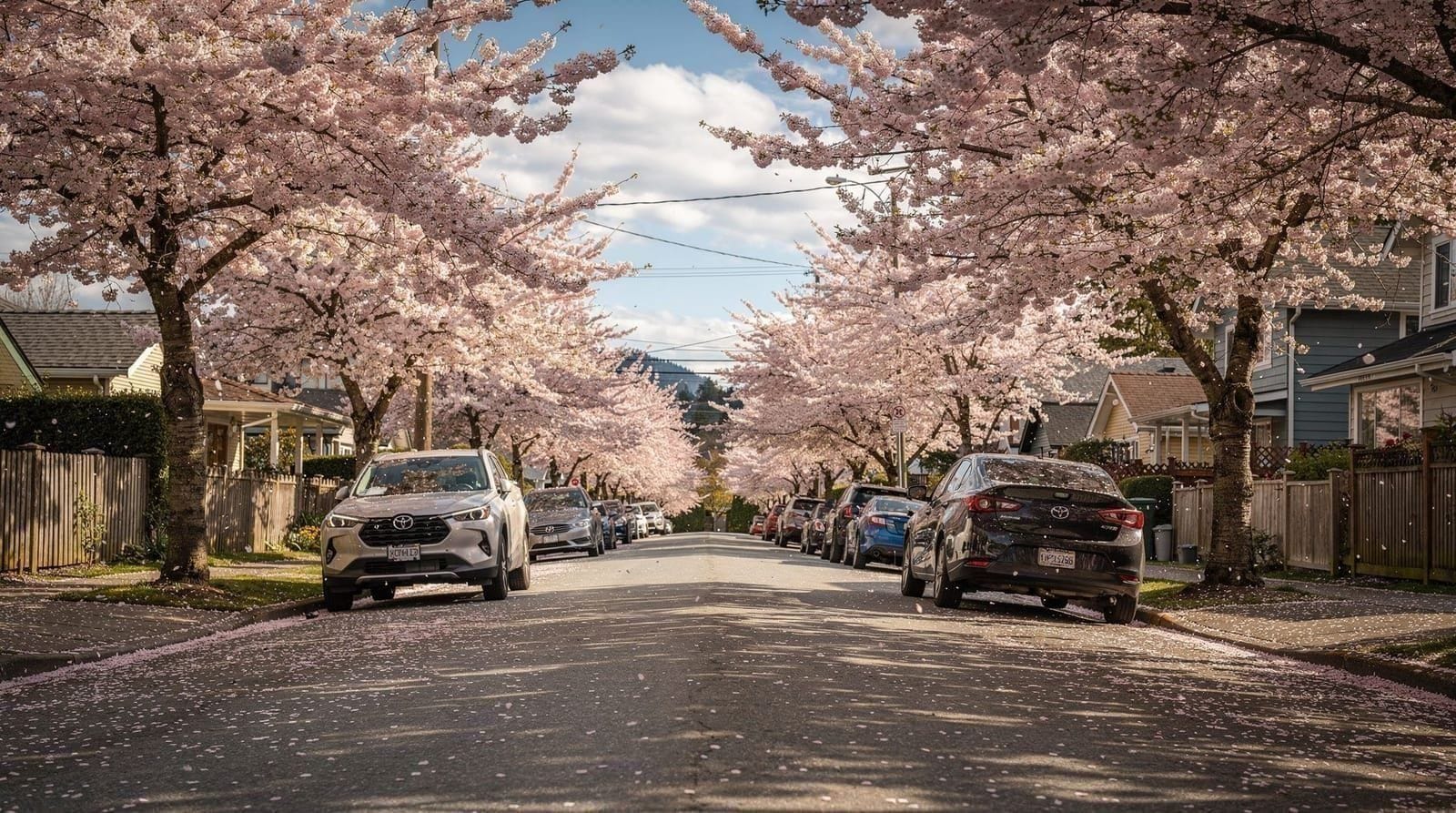
April is when spring earns its reputation. Cherry blossoms across the city hit peak bloom roughly April 5-15 — a tight window covered in more detail in the dedicated cherry blossoms guide — and temperatures climb into the 12-15°C range by month’s end. Rain hasn’t disappeared, but it’s lighter and less constant than March.
This is also when whale watching season starts to open up, though sightings are still building rather than peaking; see the whale watching season overview for the full April-October picture. Hiking trails at lower elevations (Lynn Canyon, parts of the Stanley Park network) are typically dry enough to enjoy without gaiters by mid-April, while anything above 600m can still be snow-patched.
May is arguably the best-kept-secret month for a Vancouver trip. Temperatures reach 15-18°C on good days, rainfall drops noticeably from the March-April average, and daylight extends toward 9pm by the end of the month. Crowds are still well below summer peak, hotel prices haven’t hit their July-August ceiling, and outdoor activities across the board — hiking, cycling the Seawall, day trips to Squamish — become genuinely comfortable rather than a gamble against the weather.
What actually works in spring
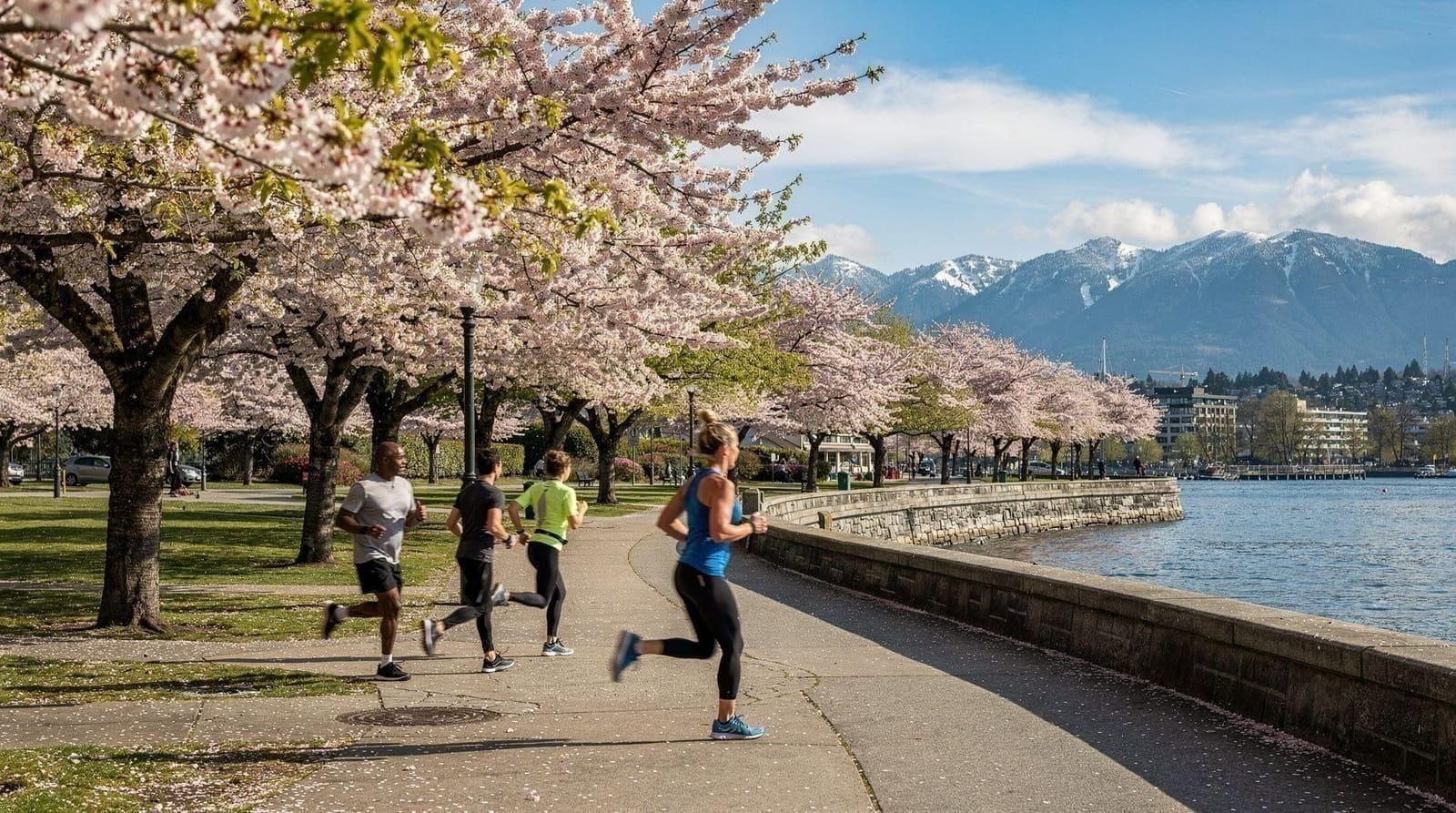
Cherry blossoms are the headline reason people time a trip to April specifically. Beyond the dedicated bloom guide, the practical version is: check the Vancouver Cherry Blossom Festival’s tracker map closer to your dates, because bloom timing shifts year to year with the winter’s temperature pattern, and don’t build an entire itinerary around one specific week without a backup plan.
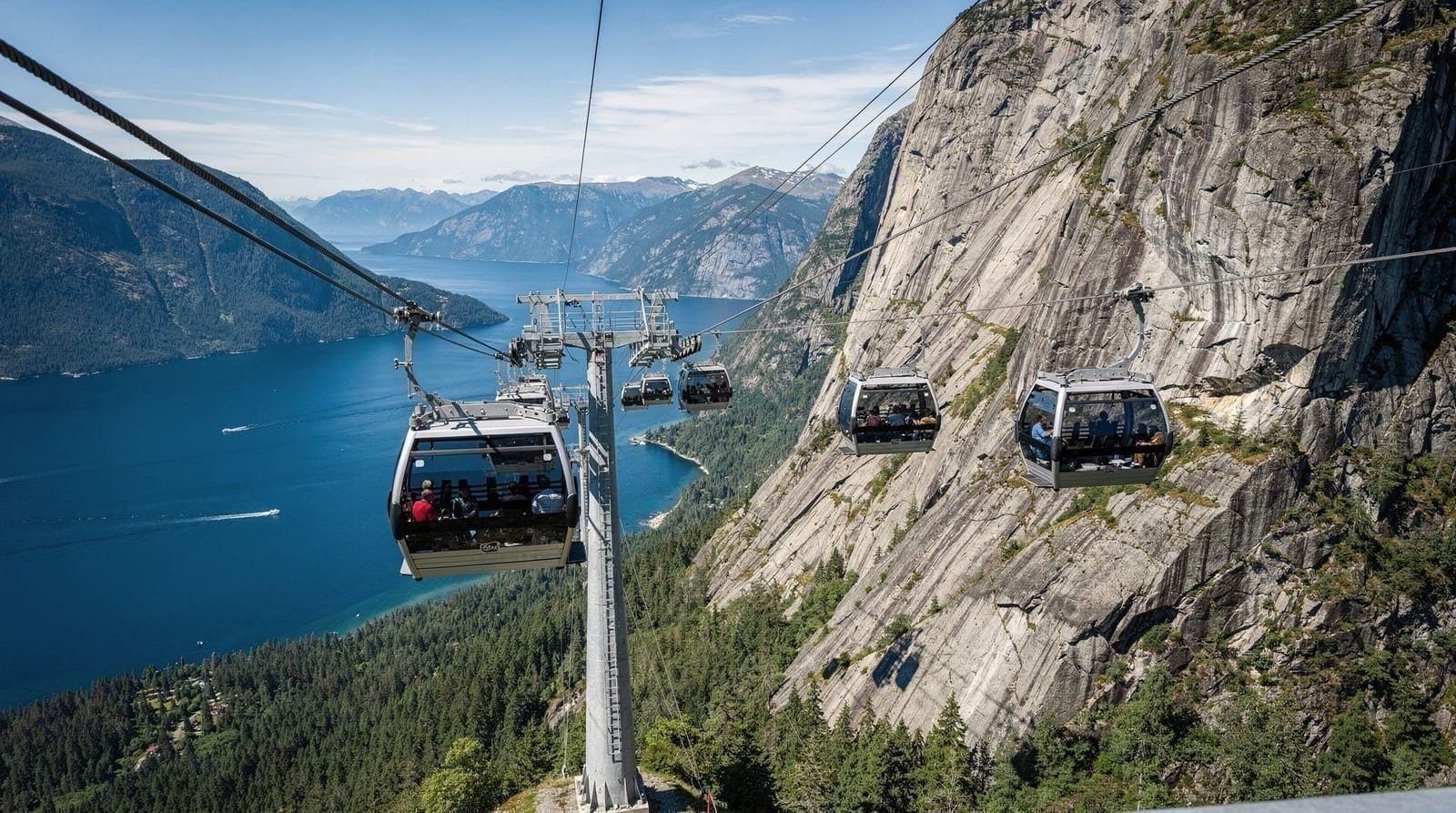
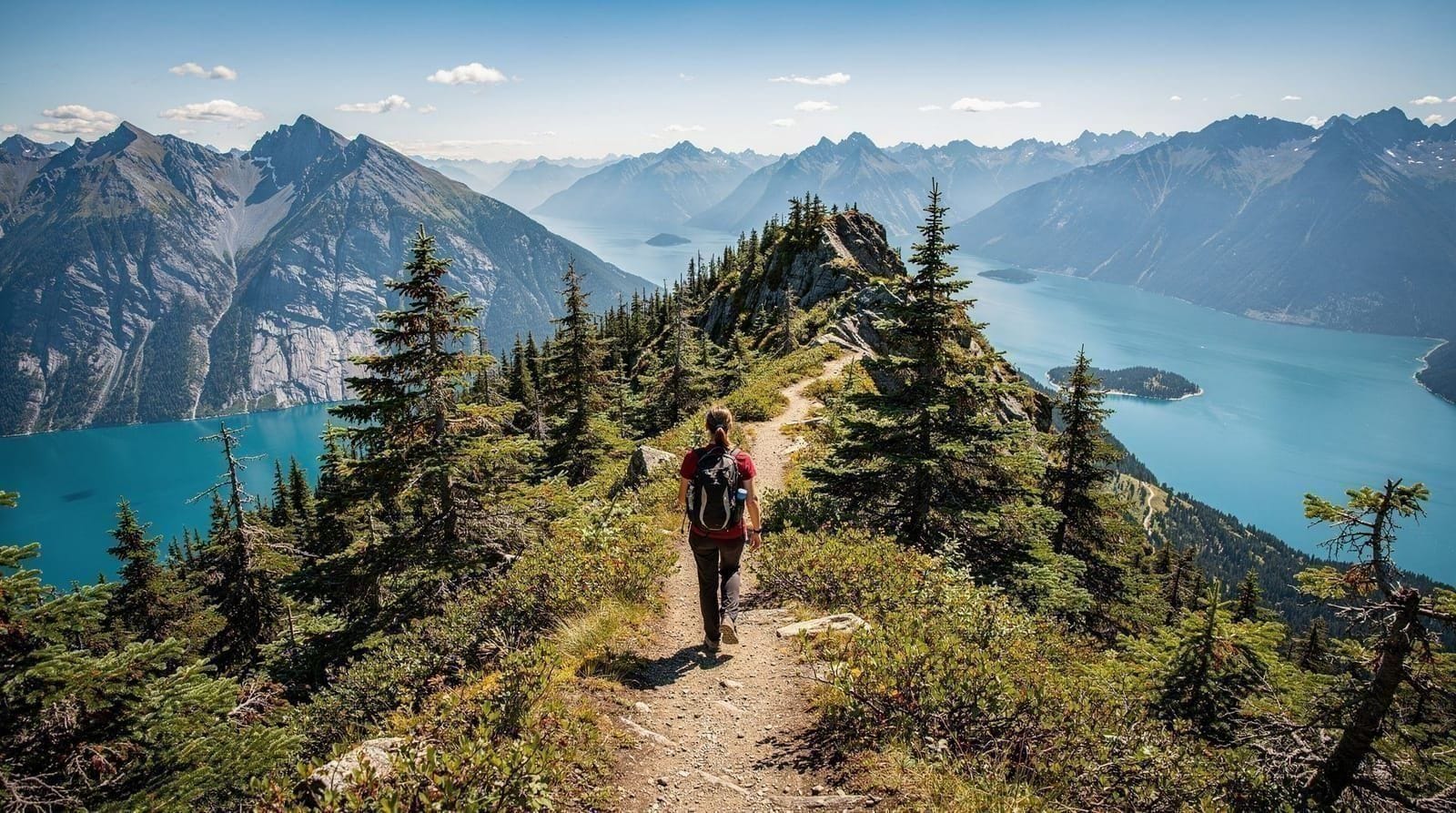
Hiking is the other spring story, though it needs qualifying by elevation. Lower trails — Lynn Canyon, the Stanley Park Seawall, Pacific Spirit Park — are typically walkable from April onward. Higher-elevation options connected to Grouse Mountain or the Sea to Sky Gondola often hold snow into May, so check current trail conditions before committing to anything above the treeline in early spring. Overall trail advice by difficulty and season lives in the best hikes in Vancouver roundup.
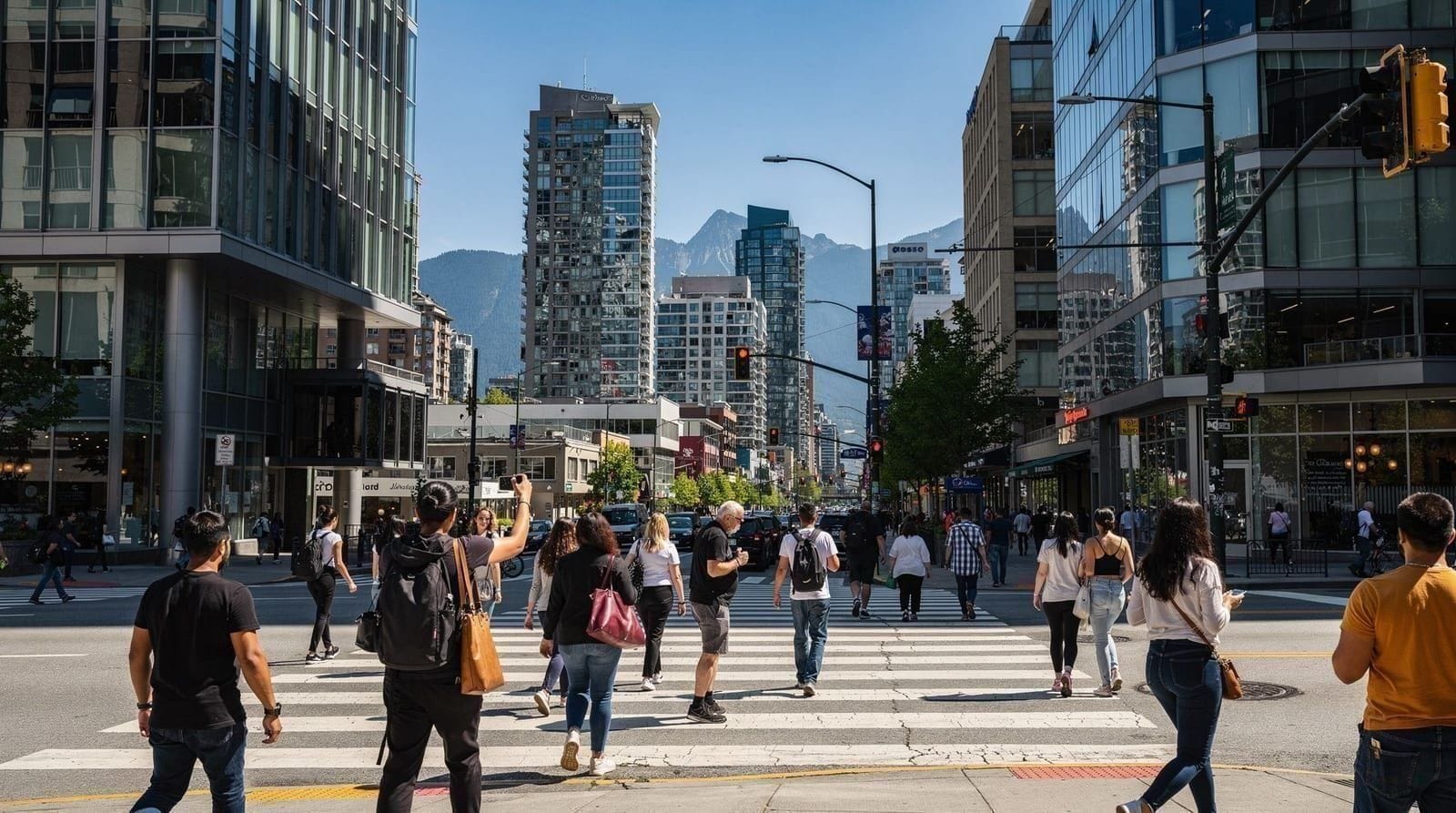
For a first orientation to the city that doesn’t depend on weather cooperating, a Vancouver city highlights tour covers the main downtown and Stanley Park landmarks in a single guided outing — useful if a rainy March morning has thrown off an independent walking plan. On a clear spring day, the Stanley Park bike tour is a better use of good weather, covering the Seawall loop at a pace that leaves time to stop at Prospect Point and Third Beach.
For a wider view of the season from above — useful once blossoms and fresh green growth are both visible — the panorama seaplane tour gives a 20-30 minute aerial pass over the city, Stanley Park, and the North Shore mountains that’s genuinely more dramatic in spring’s clearer light than in summer’s haze.
What to actually pack
A spring Vancouver packing list looks different in March than in May, but the constant across both is a proper rain shell — not an umbrella, which struggles in the wind that comes off Burrard Inlet. Layers matter more here than in most cities, since a 10°C morning can become a 16°C afternoon and back again by evening. Waterproof or water-resistant footwear earns its keep on wet sidewalks and muddy lower trails, especially through April. By May, a lighter jacket and normal walking shoes are usually enough, though it’s still worth checking the week’s forecast before packing away the rain layer entirely.
Crowds and pricing through the season
Spring sits firmly in shoulder-season territory for pricing, but not uniformly. March offers the lowest hotel rates of the season outside deep winter, with April climbing gradually as cherry blossom demand builds, and May sitting closer to early-summer pricing by its final week.
Attraction lines follow the same curve — March and early April rarely require advance booking for anything except peak cherry blossom weekends, while late May starts to see the first real queues at Capilano and Grouse Mountain as summer travelers arrive early. For a full year-round comparison of when to go and why, the best time to visit Vancouver guide breaks down all four seasons side by side.
Events worth building a trip around
Beyond the Cherry Blossom Festival, spring’s other notable event is the tail end of Dine Out Vancouver, which technically starts in January but often runs promotional menus into February and occasionally into early spring depending on the year — worth checking current dates rather than assuming. VanDusen Botanical Garden’s Sakura Days Japan Fair, typically held in April, pairs naturally with a cherry blossom trip and adds a cultural layer beyond just tree-viewing. Neither event requires advance tickets in most years, but restaurant reservations for Dine Out fill up for popular spots.
How spring compares for photographers specifically versus casual visitors
Photographers weighing spring against other seasons should note that the payoff is genuinely front-loaded into a narrow window — cherry blossom peak plus the North Shore mountains still snow-capped creates a combination unavailable at any other point in the year, but it only lasts a couple of weeks in early-to-mid April. Casual visitors without a photography-specific agenda have more flexibility across the whole March-May stretch, since the appeal of better weather and lower prices holds across a much wider window than the tight blossom-peak days that matter most to someone planning shots specifically.
What’s in season, and what locals actually do
Spring is when Vancouver’s farmers markets start reopening after a winter hiatus, and the produce shifts noticeably — look for BC asparagus, rhubarb, and the first spot prawns of the year appearing on menus around Granville Island and in Chinatown seafood shops by May.
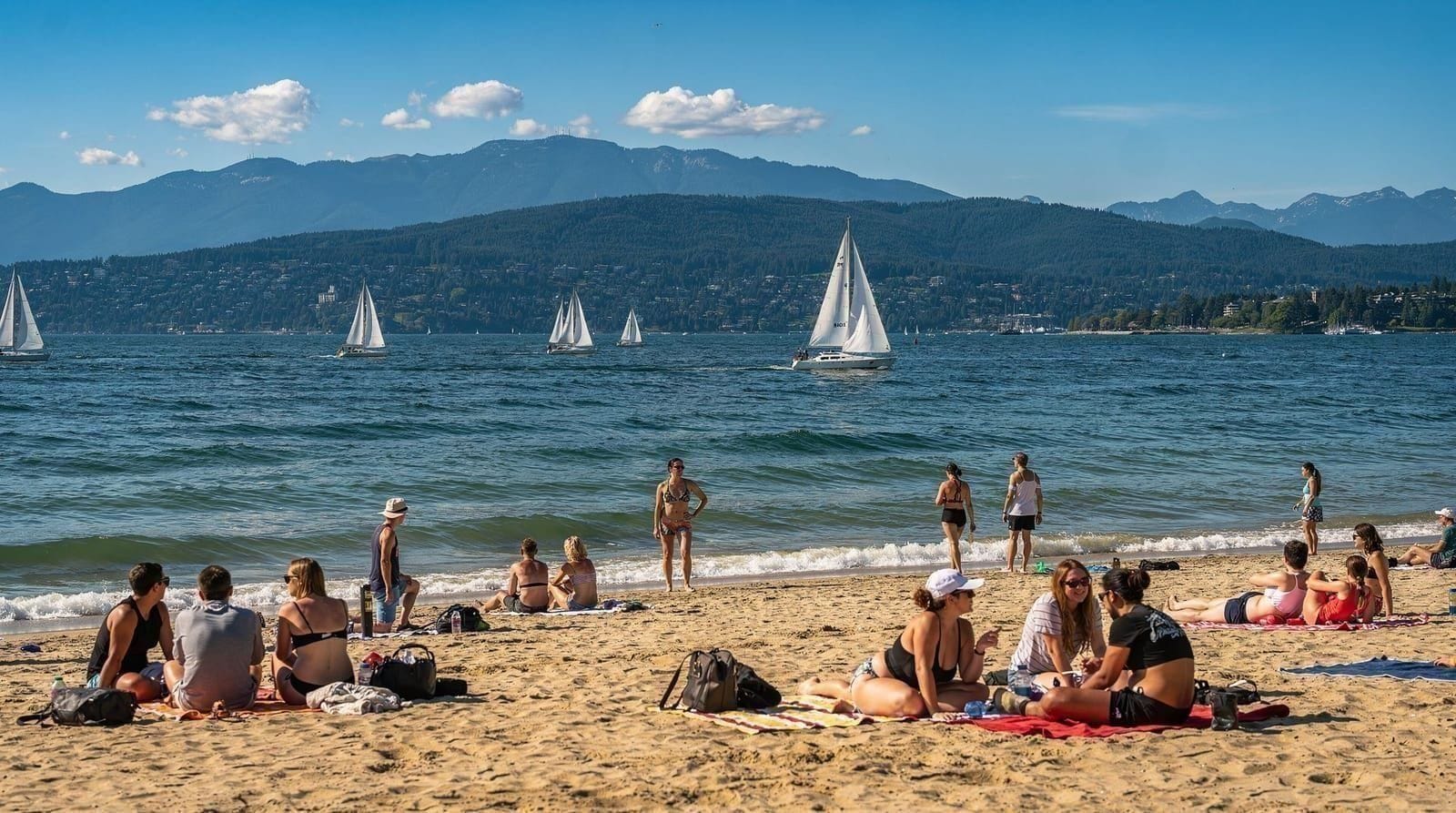
Locals treat the first genuinely warm, dry weekend of spring almost as an event in itself: patios fill immediately, Kits Beach and English Bay see a spike in foot traffic that has little to do with the actual temperature (a “warm” spring day in Vancouver terms might only be 16°C), and social media fills with cherry blossom photos regardless of whether the visitor crowds have caught up yet. It’s a useful signal — if you notice a sudden wave of local excitement about the weather, that’s usually the window worth prioritizing for anything outdoors.
Photography and light
Spring light in Vancouver has a clarity that summer’s haze and winter’s low grey ceiling both lack, particularly after a rain shower clears and the North Shore mountains — often still snow-capped into April or May — become visible from downtown viewpoints. Prospect Point and the Vancouver Lookout both benefit from this extra visibility, and cherry blossom season adds pink foreground interest to shots that would otherwise be fairly standard skyline images. Golden hour shifts later through the season, moving from roughly 7pm in March toward 8:30-9pm by late May, which matters for anyone planning an evening Seawall walk or a sunset outing at English Bay.
Rain reality check
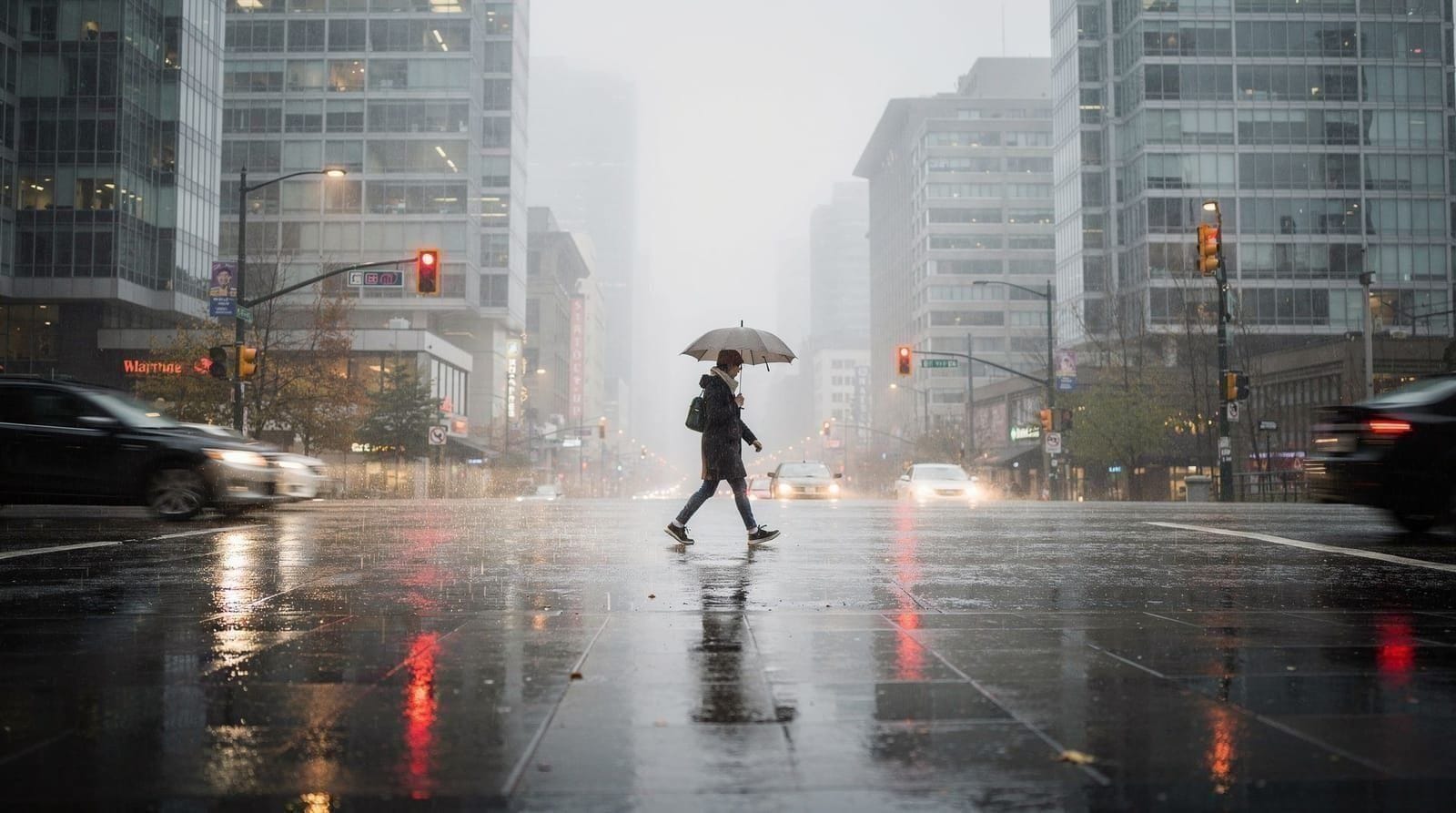
It’s worth being honest about spring rain rather than downplaying it: March averages meaningfully more rainy days than not, and even April sees regular light rain days mixed with clear ones. The rain guide covers indoor backup options and how locals actually plan around wet days rather than fighting them. The practical takeaway for spring specifically is to build in at least one flexible day per week of travel — a day that could go either to an outdoor plan or an indoor one depending on what the morning forecast actually shows, rather than a rigid schedule that a rainy Tuesday can wreck.
Neighborhood notes for spring
Not every part of the city experiences spring the same way. Kitsilano and the West End come alive as soon as a dry weekend hits — Kits Beach fills with joggers and dog walkers well before the water is warm enough to swim in, and English Bay’s driftwood logs become the default spot for anyone catching a rare sunny evening.
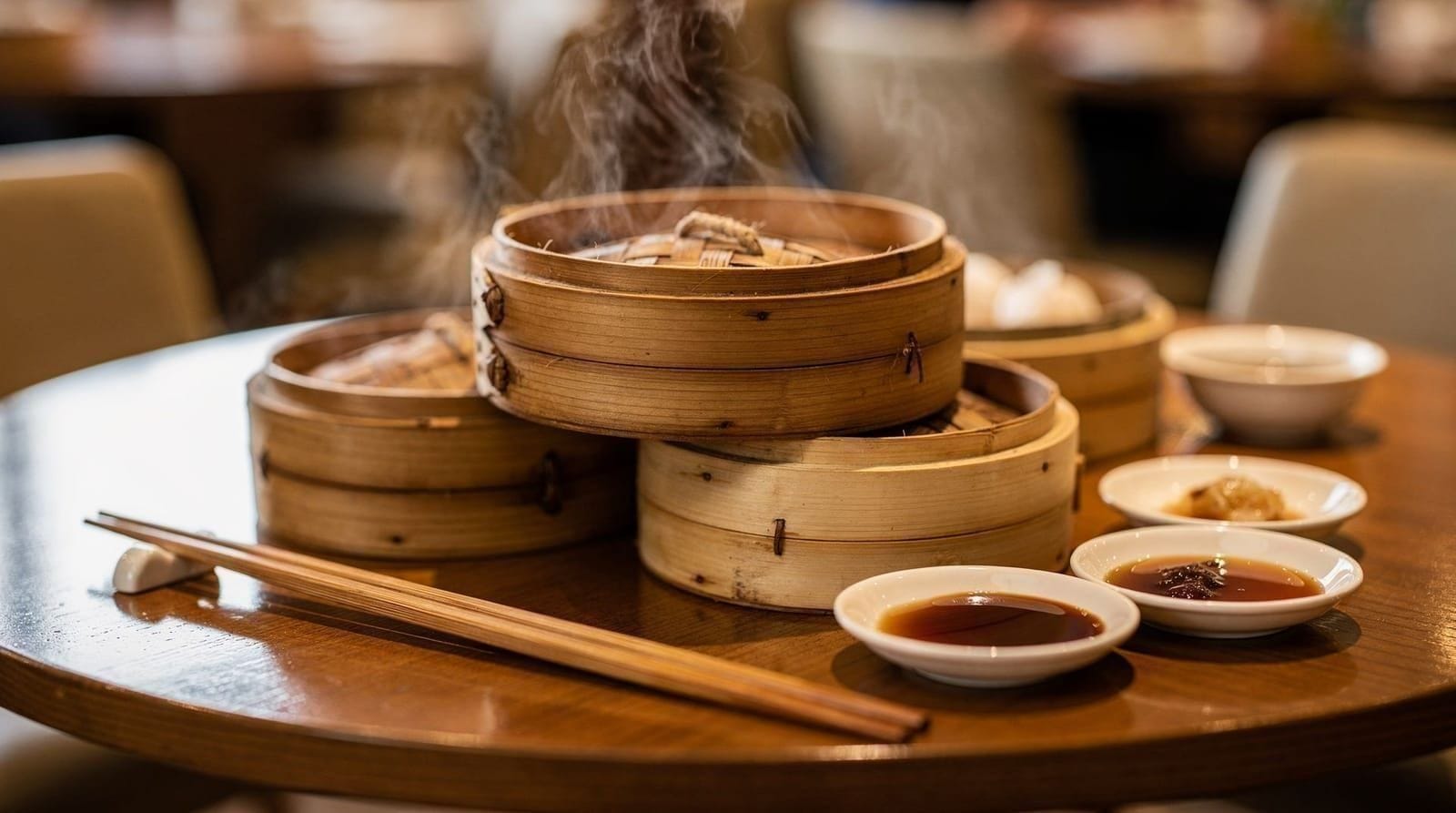
Yaletown restaurant patios start opening for outdoor seating in April, weather permitting, while Gastown and Chinatown stay walkable through the wetter months since much of their appeal — architecture, laneway murals, dim sum — doesn’t depend on sunshine. Granville Island is arguably the most weather-resilient spring destination in the city: the Public Market itself is covered, and a rainy Saturday morning there still delivers a full experience of fresh produce, seafood counters, and the artisan shops around the perimeter.
North of the water, North Vancouver and West Vancouver run slightly cooler and wetter than downtown thanks to the mountains directly behind them, which matters for anyone planning Capilano or Grouse Mountain visits in March — check conditions before heading over, since a clear day downtown doesn’t guarantee the same at the North Shore’s higher elevations.
Spring day trips beyond the city
Spring is an awkward transition month for the region’s two biggest day-trip draws. Whistler is usually still skiing through March and often into April, since the resort’s season regularly runs to early or mid-May, so early spring is actually a legitimate — if slushy — ski window rather than a dead zone; see Whistler in summer for what replaces skiing once the lifts close for the year.
Victoria and Butchart Gardens hit their own stride in spring, since the gardens’ spring bulb displays (tulips, daffodils) often peak slightly ahead of Vancouver’s own bloom calendar, making a Victoria day trip a reasonable pairing with a cherry blossom week in the city. Squamish and the Sea to Sky Gondola reopen fully to hiking traffic later in spring as snow clears from the upper trails, so a Squamish day trip in March is more about the drive and the waterfalls (Shannon Falls runs strongest with spring snowmelt) than alpine hiking.
A sample 3-day spring framework
A workable spring visit doesn’t need to be complicated: day one downtown and Stanley Park (weather-flexible, since Stanley Park’s seawall and the Aquarium both work rain or shine), day two dedicated to cherry blossoms if the calendar lines up — Queen Elizabeth Park, the West End’s blossom-lined streets, and VanDusen Garden cover the range without much walking between stops — and day three either a North Shore outing to Capilano and Grouse or a Granville Island and Kitsilano loop, chosen the morning of based on the actual forecast rather than locked in weeks ahead.
The full 3-day Vancouver itinerary and the more general how many days do you need guide both work from this same logic of keeping one day genuinely flexible.
What a spring trip costs
Spring sits in the middle of the year’s price range, and where in spring matters. A mid-range trip in March — hotel, food, one or two paid attractions per day — typically runs somewhat below the CAD 150-250 per person per day benchmark that applies to summer, mostly thanks to lower accommodation rates. By the cherry blossom peak in April, prices start climbing toward summer levels for hotels specifically, even though attraction pricing and food costs stay roughly flat.
May sits in between — noticeably cheaper than June onward, but no longer at March’s discount. For travelers optimizing purely for value, the honest read is that late April through mid-May delivers the best ratio of good weather to reasonable pricing anywhere in the calendar; the budget guide and is Vancouver expensive both go deeper on actual daily costs across the whole year.
Spring break and family timing
BC and Canadian school spring break typically falls in mid-to-late March, and it creates a noticeable, localized bump in domestic visitor numbers even though the city as a whole is still in its quietest stretch of the year internationally. Families traveling during this window should expect Grouse Mountain, Science World, and the Aquarium to run busier than the March average would suggest, and it’s worth booking timed-entry tickets a few days ahead rather than assuming walk-up availability. Outside the specific spring break weeks, March stays genuinely quiet, which is worth knowing if flexibility allows shifting a family trip a week or two either side of the break itself.
Common spring planning mistakes
The most common error is booking a single specific date for cherry blossoms months in advance and treating it as guaranteed — bloom timing shifts by a week or more year to year depending on late-winter temperatures, so a rigid one-day plan built around “April 10th” carries real risk of missing peak bloom entirely.
A better approach is to build a flexible 3-4 day window in early-to-mid April and check the festival’s live bloom tracker once you’re within a week or two of travel. The second common mistake is under-packing for March specifically, treating it as “basically spring” when it’s still functionally a winter month weather-wise — visitors who arrive expecting April conditions in March are usually the ones caught without a proper rain shell.
The third is skipping the North Shore entirely because of rain forecasts downtown; conditions at Capilano and Grouse Mountain can differ meaningfully from the downtown forecast, and a grey morning in the city sometimes clears at elevation by afternoon, so it’s worth checking North Shore-specific conditions rather than writing off an entire day based on a downtown app.
Spring versus the rest of the year
Compared to summer, spring trades reliability for value — you’re taking a real chance on weather in exchange for lower prices and thinner crowds. Compared to fall, spring has the edge on cherry blossoms and new growth but loses out on whale watching depth, since humpback season doesn’t really get going until July. Compared to winter, spring is an easy win on almost every axis except ski access. For a traveler choosing between April and September specifically — the two strongest shoulder-season picks — the deciding factor usually comes down to whether cherry blossoms or whale watching matters more, since both months share similar crowd and price profiles.
If a trip has to land somewhere in March-May, the honest recommendation is to aim for the second half of April into May if flexibility allows — it captures the tail of cherry blossom season, meaningfully better weather odds than March, and pricing that’s still well below summer peak. A 2-day or 3-day itinerary built around that window covers the city’s core sights without fighting either winter rain or summer crowds.
Whistler’s awkward spring transition, in more detail
Whistler deserves a closer look for spring specifically, since it doesn’t fit neatly into either a ski-trip or summer-activity framing during this window. Skiing typically continues into April and sometimes early May depending on the season’s snowpack, meaning a March or early-April trip can genuinely still combine Vancouver sightseeing with a Whistler ski day, an option many visitors overlook once they’ve mentally filed skiing as a winter-only activity. By late April or May, once lifts close for the year, Whistler shifts into a genuine off-season lull before summer’s mountain biking and hiking season ramps up, making that specific window the weakest time to add a Whistler day trip to a spring Vancouver itinerary.
Choosing between March and May specifically
Travelers weighing a March trip against a May one, with no cherry blossom preference either way, should generally default to May unless the lower March pricing is the deciding factor. May’s better weather odds mean less risk of losing outdoor days to rain, and by that point trails, patios and beach-adjacent neighborhoods are functioning closer to their summer form without summer’s crowding or cost. March’s advantage is purely economic — meaningfully cheaper hotels and thinner attraction lines — which suits budget-focused travelers more than weather-sensitive ones.
Top experiences
Bookable activities with verified prices and instant confirmation on GetYourGuide.