Summer vs winter in Vancouver — which season fits your trip
From Vancouver: Full-Day Whistler Tour
Duration: 10.5 hours
Is Vancouver better in summer or winter?
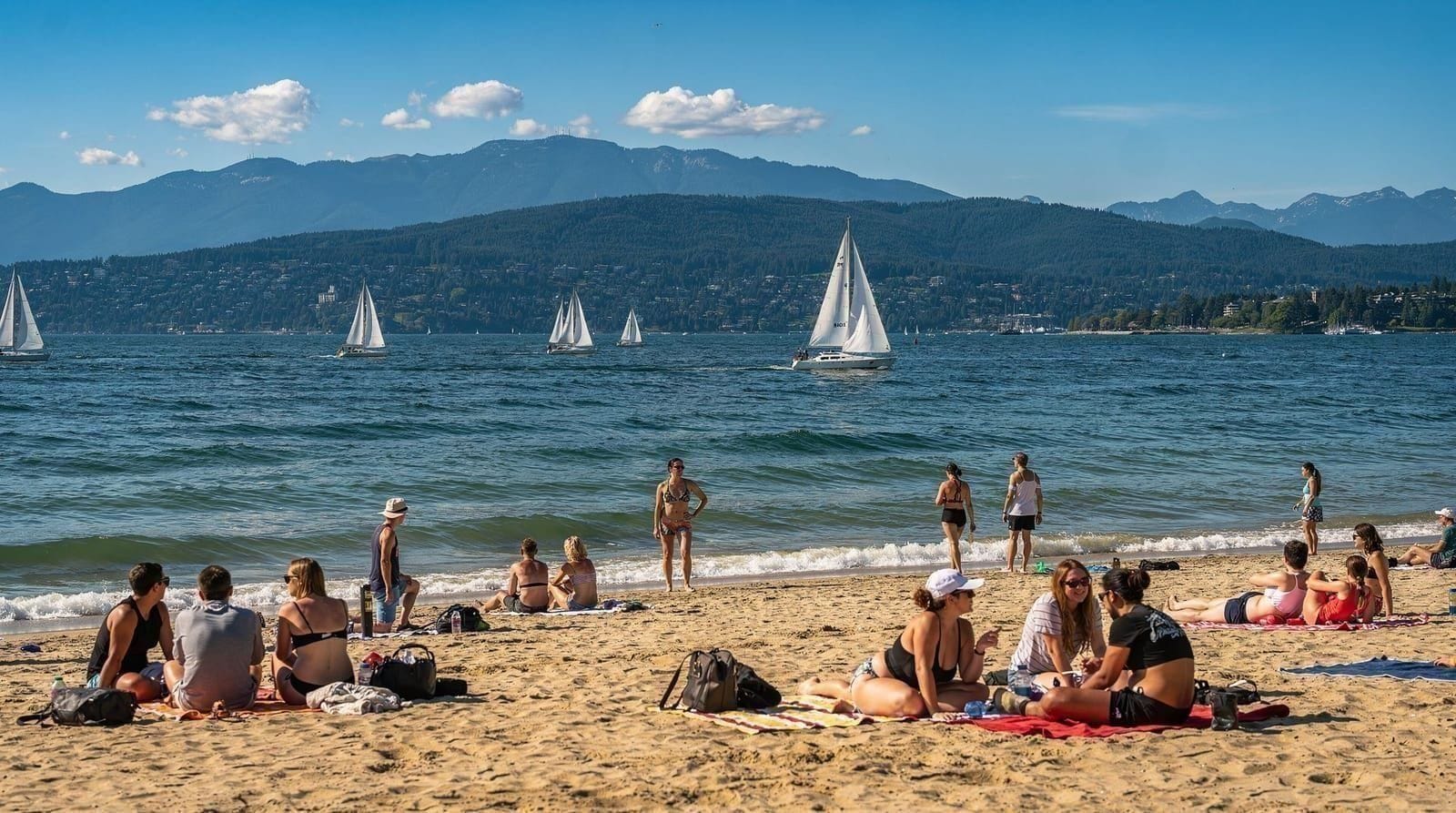
Summer (June-August) offers the most reliable weather for outdoor sightseeing, beaches, hiking and whale watching, and is the busiest, most expensive season. Winter (November-February) is wetter and greyer in the city but is the only time to ski at Whistler, with the lowest prices and thinnest crowds of the year.
Vancouver in July and Vancouver in January are close to two different cities, and visitors choosing when to book often underestimate just how much the season shapes what a trip actually looks like. Summer and winter don’t just differ in temperature — they change which activities are even available, how much a trip costs, and how much of each day realistically happens outdoors.
| Pick summer for | Beaches, hiking, whale watching, reliable weather |
| Pick winter for | Whistler skiing, lowest prices, thinnest crowds |
| Cost gap | Summer accommodation runs highest of the year |
| Booking | Summer: 3–6 months ahead; winter: flexible outside holidays |
| Shoulder option | Spring/fall split the difference |
Why this decision matters more in Vancouver than in many destinations
Vancouver’s seasonal swing is larger than a lot of first-time visitors expect from a temperate coastal city — the gap between a dry, 25°C July afternoon and a grey, 5°C January day with steady rain is substantial enough to genuinely change what a trip looks like, not just what jacket to pack. Because the city’s signature activities split so cleanly along seasonal lines (whale watching in summer, skiing in winter), the season a visitor chooses ends up shaping the entire character of the trip far more than in a destination where the main attractions run consistently year-round.
Weather, side by side
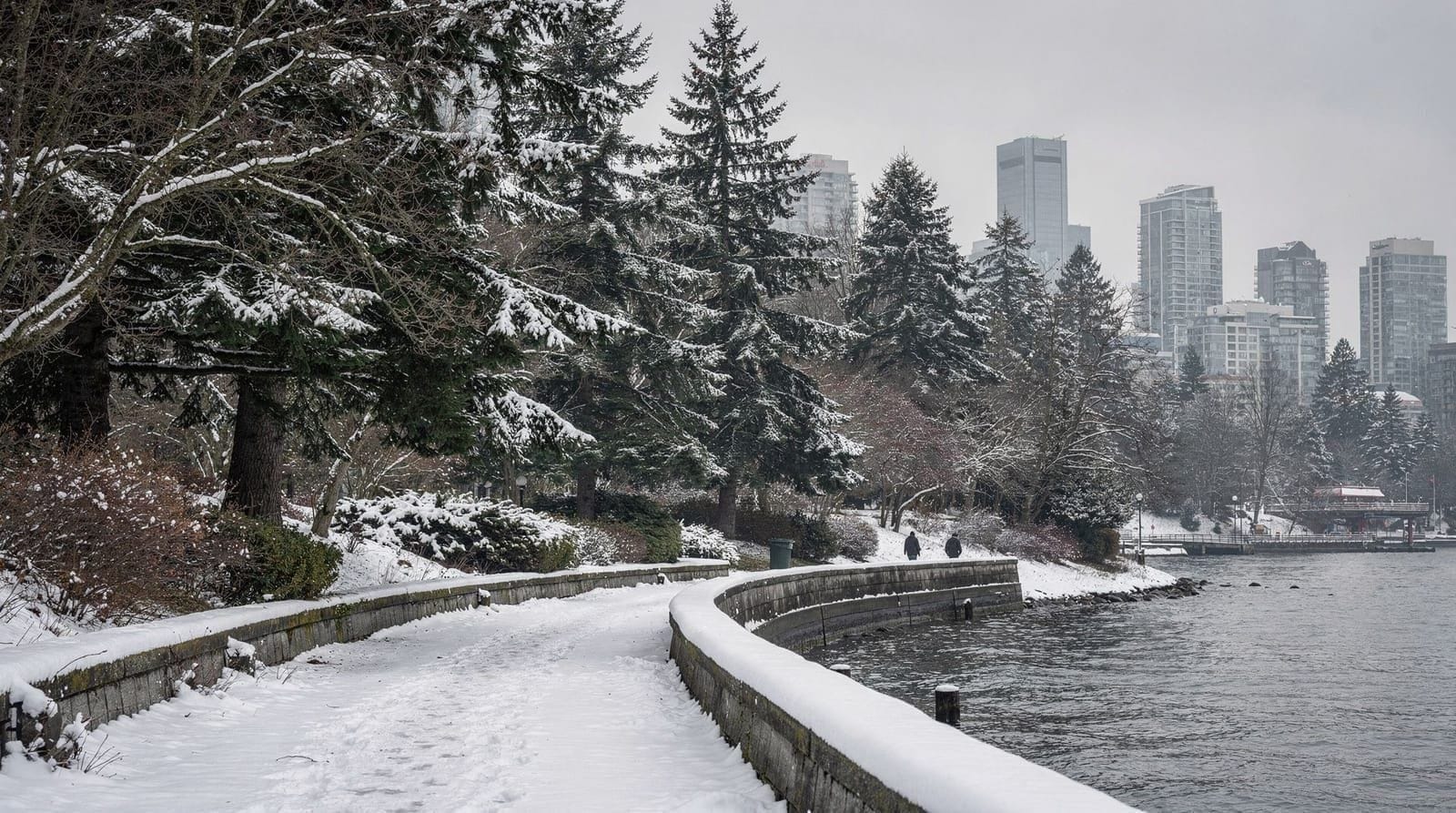
Summer (June through August) is Vancouver’s dry season, with temperatures generally 20-25°C, low rainfall (July averages roughly 55mm across the whole month), and long daylight — sunset around 9:15pm in July gives outdoor plans real flexibility into the evening. Winter (November through February) is the wet season, with 2-8°C temperatures, heavy rainfall (150-200mm per month), and short days with overcast skies the default rather than the exception. Neither season sees much snow at sea level in the city itself — winter precipitation in Vancouver proper is overwhelmingly rain, with real snow reserved for the mountains at elevation.
Comparison table
| Summer (Jun-Aug) | Winter (Nov-Feb) | |
|---|---|---|
| Temperature | 20-25°C | 2-8°C |
| Rainfall | Low, driest month July | Heaviest of the year |
| Daylight | Long, sunset ~9:15pm | Short, sunset ~4:30-5pm |
| Crowds | Peak season | Lowest of the year |
| Accommodation prices | Highest | Lowest |
| Signature activity | Beaches, hiking, whale watching | Whistler skiing, holiday markets |
| Outdoor sightseeing | Reliable | Weather-dependent |
Daylight and how it shapes a day’s itinerary
Summer’s long daylight — sunrise before 5:30am and sunset around 9:15pm at the peak of July — genuinely expands how much a single day can hold, letting visitors fit in a full day of sightseeing plus a leisurely evening walk or dinner with light to spare. Winter’s short days, with sunset as early as 4:30-5pm in December, compress the practical daylight window for outdoor sightseeing considerably, meaning itineraries need to front-load outdoor, view-dependent activities (Grouse Mountain, a Seawall walk) earlier in the day and shift toward indoor or evening-friendly activities (dining, holiday markets, Whistler’s night skiing) once daylight fades.
What each season actually supports
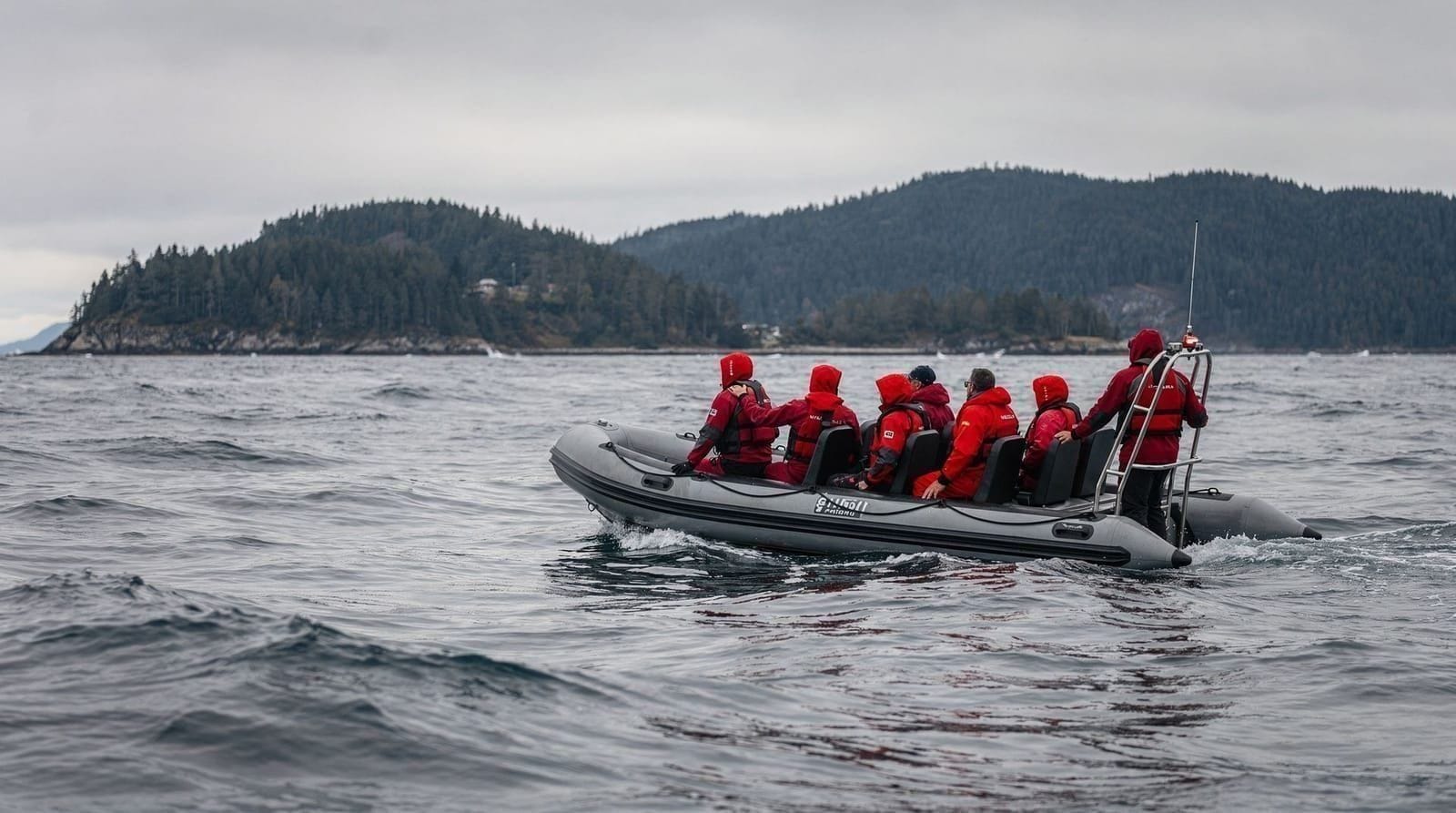
Summer is when Vancouver’s outdoor identity is at its fullest — Stanley Park’s beaches and Seawall, hiking trails across the North Shore and Sea-to-Sky corridor, and peak whale watching season for orcas (June-September). A small zodiac whale watching tour is genuinely one of the better summer-specific experiences, since orca and humpback sightings are far more reliable in these months than the shoulder or winter seasons.
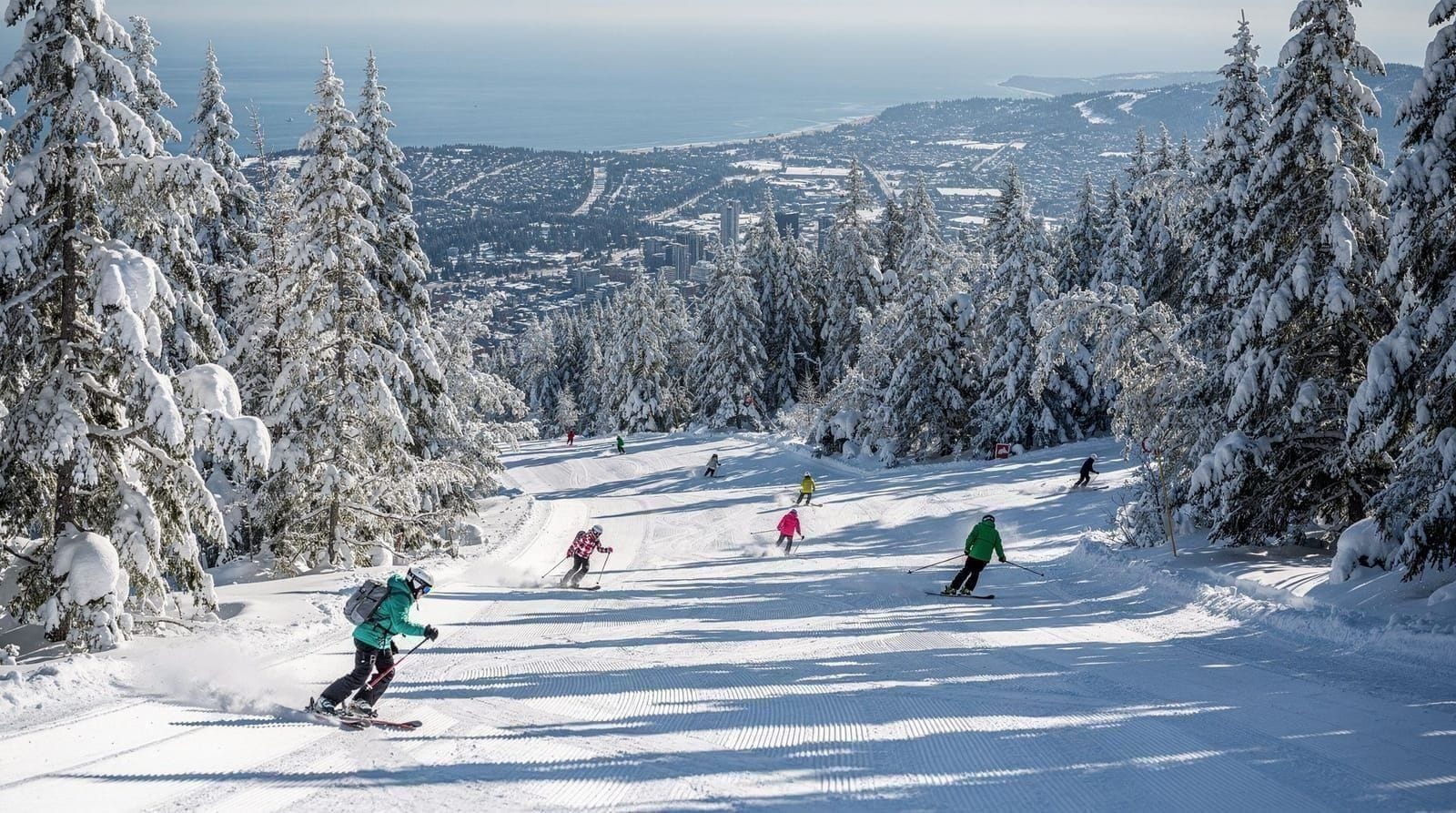
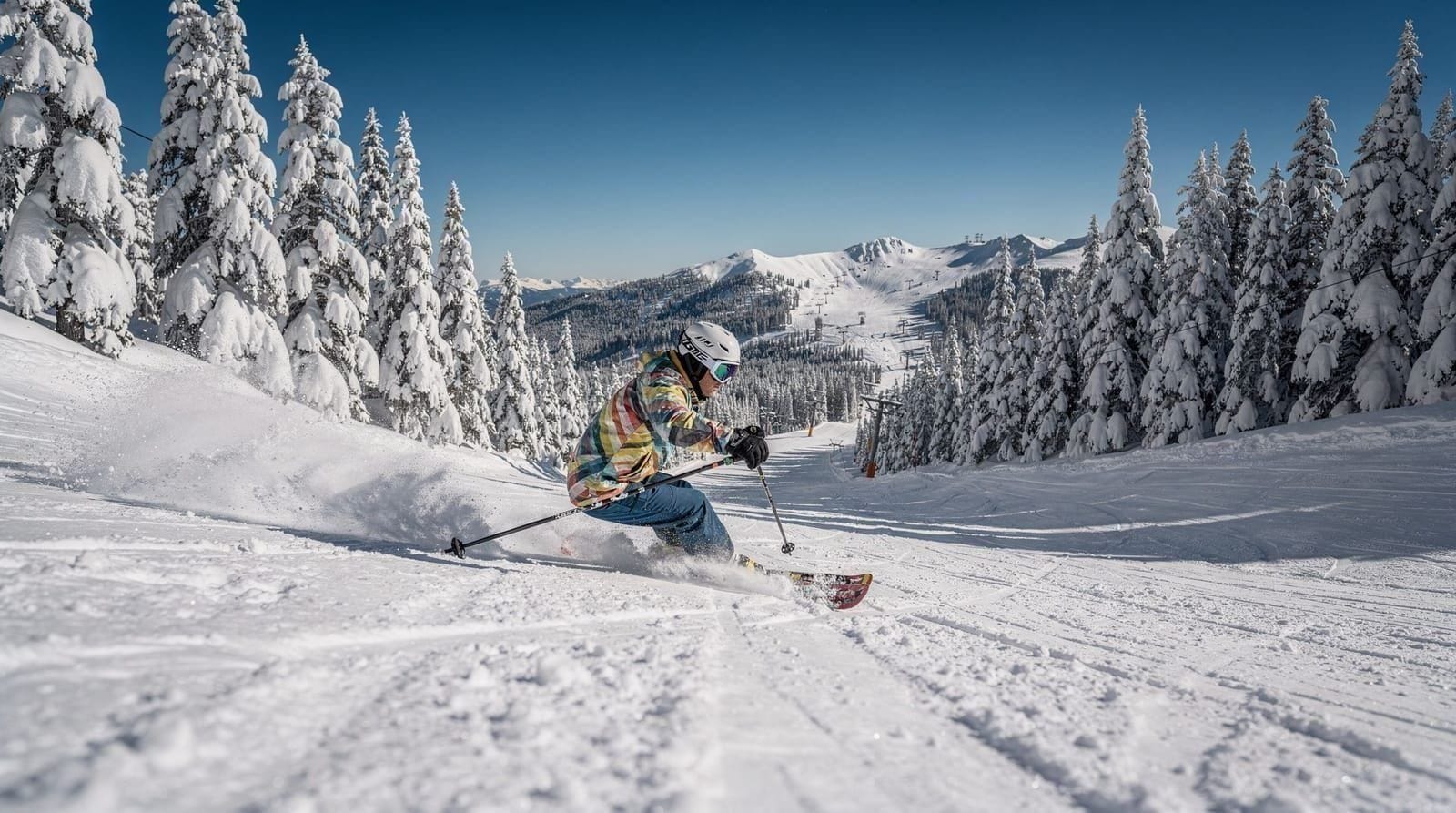
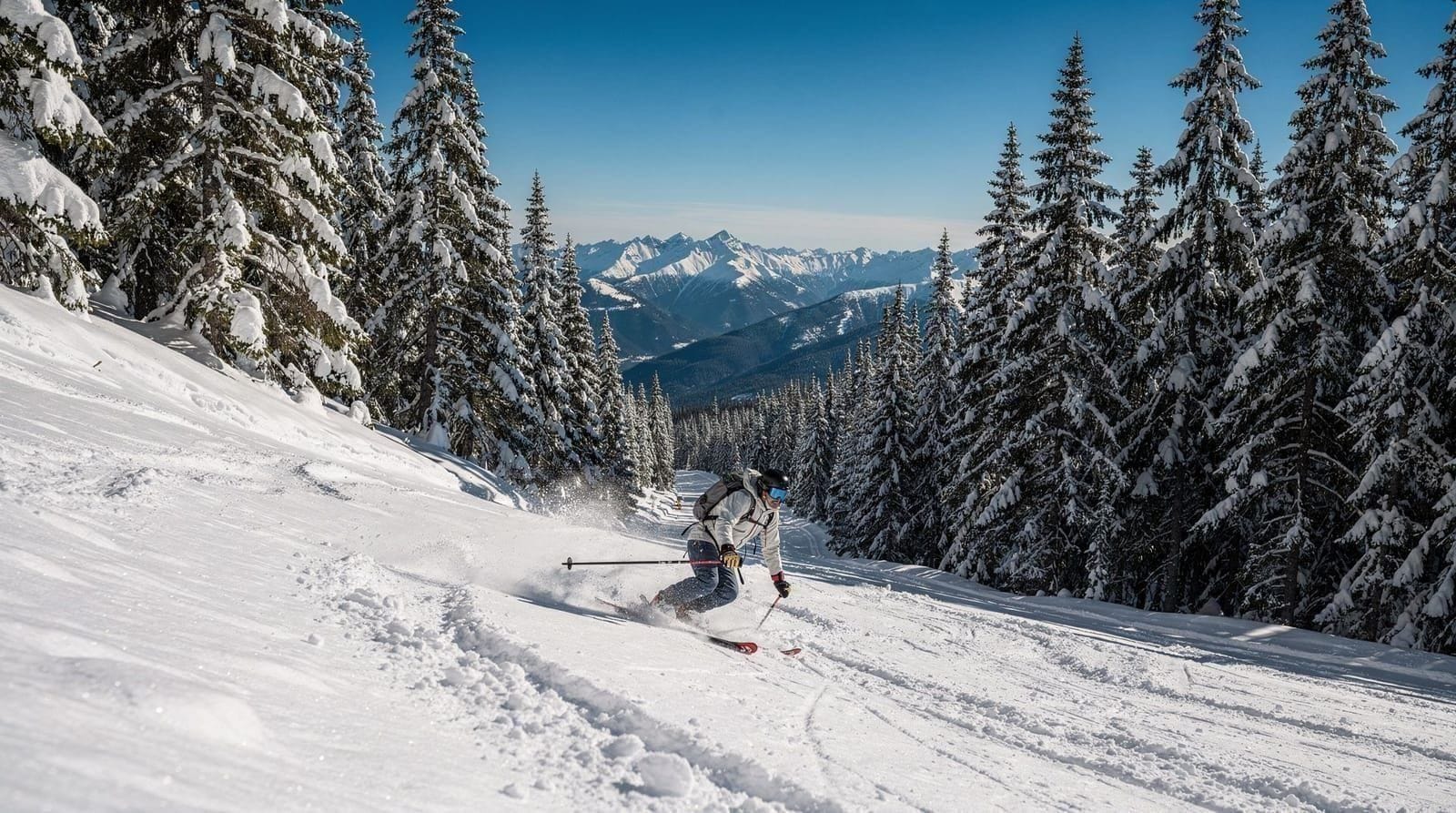
Winter’s defining activity is entirely different: Whistler’s ski season runs roughly late November through mid-May, meaning winter is the only time skiing is available at all near Vancouver. A full-day Whistler tour from Vancouver works in either season, but only delivers actual skiing in winter — summer visitors get mountain biking and hiking instead, a genuinely different mountain experience covered in the Whistler summer guide.
Crowds and prices
This is where the two seasons diverge most sharply for budget-conscious travelers. Summer is unambiguously peak season — the highest accommodation prices, the busiest attractions, and advance booking genuinely necessary for popular tours and restaurants. Winter, by contrast, is Vancouver’s quietest and cheapest season outside the Christmas/New Year and February school break weeks — hotel rates drop meaningfully, and most attractions see thin enough crowds that advance booking, while still sensible, isn’t the survival necessity it is in July and August.
Flight and accommodation booking patterns
Summer flights and hotel rooms sell out furthest in advance and command the steepest prices, particularly for the July-August peak weeks — booking three to six months ahead is genuinely worthwhile for summer travel, especially around major events like Pride or the Jazz Festival. Winter offers considerably more last-minute flexibility outside the Christmas/New Year spike, with January and February in particular seeing some of the most accessible last-minute pricing of the year. Travelers with rigid summer travel dates should book earlier than they might assume necessary; travelers with winter flexibility outside the holiday weeks can reasonably wait longer without much price risk.
Outdoor sightseeing reliability
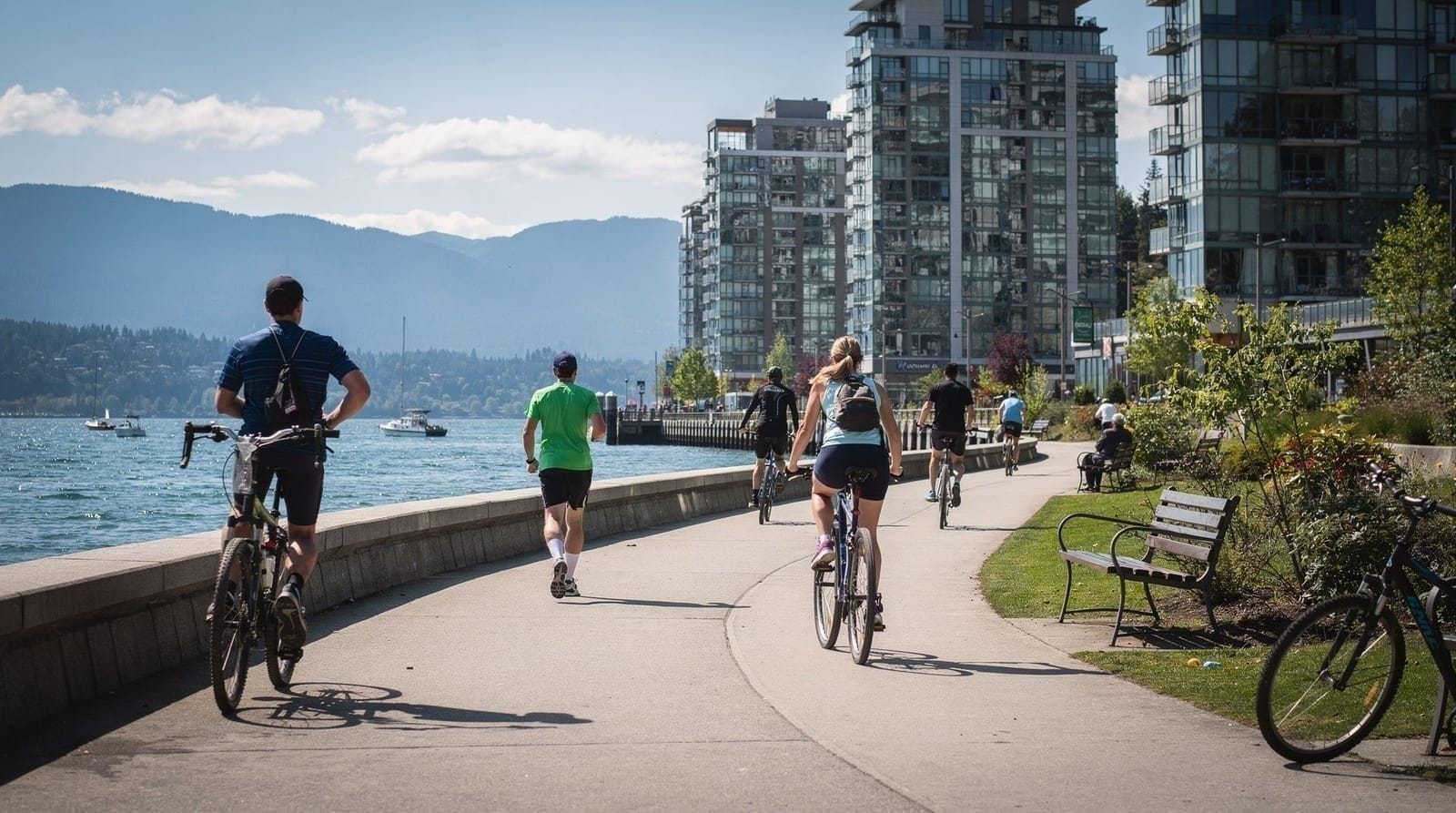
Summer’s dry, warm weather makes outdoor sightseeing close to guaranteed — a harbor sightseeing cruise or a Seawall walk works on almost any summer day without much weather risk. Winter flips that calculation: outdoor plans need real weather contingencies, since a grey, rainy day is the default rather than the exception, and view-dependent attractions like Grouse Mountain can lose much of their payoff under low cloud.
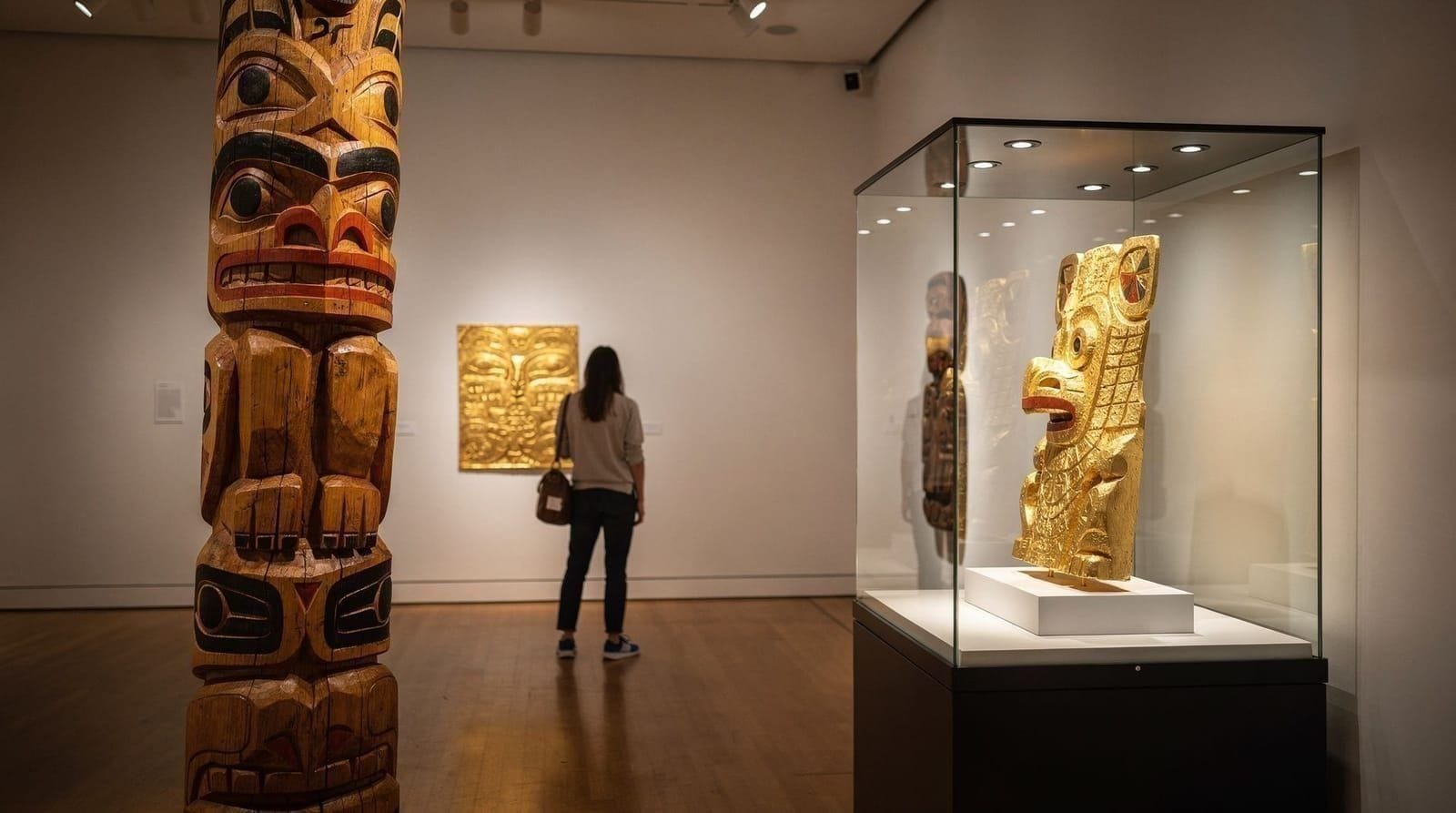
Winter visitors get more mileage planning around indoor attractions — Science World, the Vancouver Aquarium, museums — as reliable anchors, with outdoor activities treated as weather-permitting bonuses rather than the day’s core plan.
Whale watching versus skiing — the headline trade-off
If there’s one activity each season is genuinely built around, it’s this: summer means whale watching, winter means skiing, and neither is available in the other season in any meaningful way. Whale watching season runs roughly April through October, peaking June through September for orcas and extending into October for humpbacks — see the best time for whale watching guide for the month-by-month breakdown. Skiing is exclusively a winter proposition, covered fully in the BC ski season overview. Visitors with a strong preference for one of these two signature activities should let that drive their season choice more than general weather preferences.
Which for families
Summer is the clearer choice for most families, given school schedules, reliable outdoor weather for Stanley Park and beach time, and the full operating season for warm-weather attractions like Playland. Winter works for families specifically prioritizing a ski trip to Whistler with older kids, or those traveling over the Christmas holidays for the seasonal markets and lights, but requires more indoor backup planning given the wetter, greyer conditions — the Vancouver with kids guide covers indoor options that work regardless of season.
Which for couples and romantic trips
Both seasons offer genuine romantic appeal, just of different character. Summer’s long evenings and reliable weather suit sunset Seawall walks and waterfront dining without much planning risk. Winter’s cozier, quieter atmosphere — fewer crowds, holiday markets, the option of a Whistler ski weekend — appeals to couples wanting a more intimate, less touristy version of the city, with the trade-off of needing to plan around rain for any outdoor portion of the trip.
Festivals and events
Each season has its own event calendar rather than one season simply having “more” going on. Summer brings outdoor festivals, Pride celebrations, and the Jazz Festival, taking full advantage of the reliable weather and long evenings. Winter brings the Vancouver Christmas Market, holiday light displays through Stanley Park and beyond, and Dine Out Vancouver, the city’s major restaurant-focused event, running January into February — a genuinely strong reason to visit in the depths of the wet season if food is a priority.
What surprises first-time visitors most about each season
Summer visitors are frequently surprised by how dry Vancouver actually gets in July and August, given the city’s rainy reputation — the marine layer that sometimes lingers into mid-morning is often mistaken for a sign of an incoming rainy day rather than typical burn-off weather. Winter visitors are frequently surprised by how mild the city itself stays even in the coldest months — snow at street level is genuinely rare, and the “winter” experience most visitors picture (snow-covered streets, freezing temperatures) is really something they need to drive up to Whistler or the North Shore mountains to find, not something downtown Vancouver delivers on its own.
Which season fits which traveler
Summer suits first-time visitors prioritizing reliable weather, beach and hiking access, and whale watching, and travelers who don’t mind paying peak-season prices for that reliability. Winter suits skiers specifically headed for Whistler, budget-conscious travelers willing to trade guaranteed sunshine for lower prices and thinner crowds, and visitors drawn to a cozier, holiday-market version of the city who don’t mind planning around rain. Neither season is objectively wrong for a Vancouver trip — they simply deliver different trips, and matching the season to what you actually want to do matters more than chasing “the best” time to visit in the abstract.
Packing for each season
Summer packing is straightforward — light layers, a light rain jacket just in case, comfortable walking shoes, and sun protection, since even Vancouver’s driest month sees occasional overcast stretches and the marine layer can burn off later than expected some mornings. Winter packing demands more genuine planning: a properly waterproof (not just water-resistant) jacket, warm layers, and waterproof footwear all matter considerably more given how consistently wet the season runs. Visitors adding a Whistler ski day to a winter itinerary need additional cold-weather and snow-specific gear covered in the Whistler skiing guide, on top of whatever they’ve packed for the city itself.
Light and photography across seasons
Summer’s long days give photographers a wide window for golden-hour shots, particularly given how late sunset runs in July — evening light on the water at English Bay or from Stanley Park’s seawall stretches well past typical dinner hours. Winter’s short days compress that window considerably, with usable daylight often gone by 5pm, though overcast winter skies do produce a soft, even light that some photographers prefer for architectural and street photography over summer’s harsher midday sun. Snow-dusted North Shore mountains visible from the city on a clear winter day offer a dramatic backdrop that simply doesn’t exist in summer’s green, snow-free peaks.
A month-by-month cost snapshot
July and August carry the highest accommodation and tour prices of the year, reflecting peak demand. September holds up reasonably well price-wise while retaining much of summer’s good weather, making it a strong value month for travelers who can be flexible. December sees a price spike around Christmas and New Year despite otherwise being winter’s off-season, given holiday travel demand; January and February, by contrast, are consistently the cheapest months of the year for Vancouver accommodation outside of specific ski-week pricing at Whistler. Travelers prioritizing value over guaranteed sunshine should look hardest at January, February, or September for the best combination of lower prices and still-workable weather or activities.
Which for outdoor adventurers
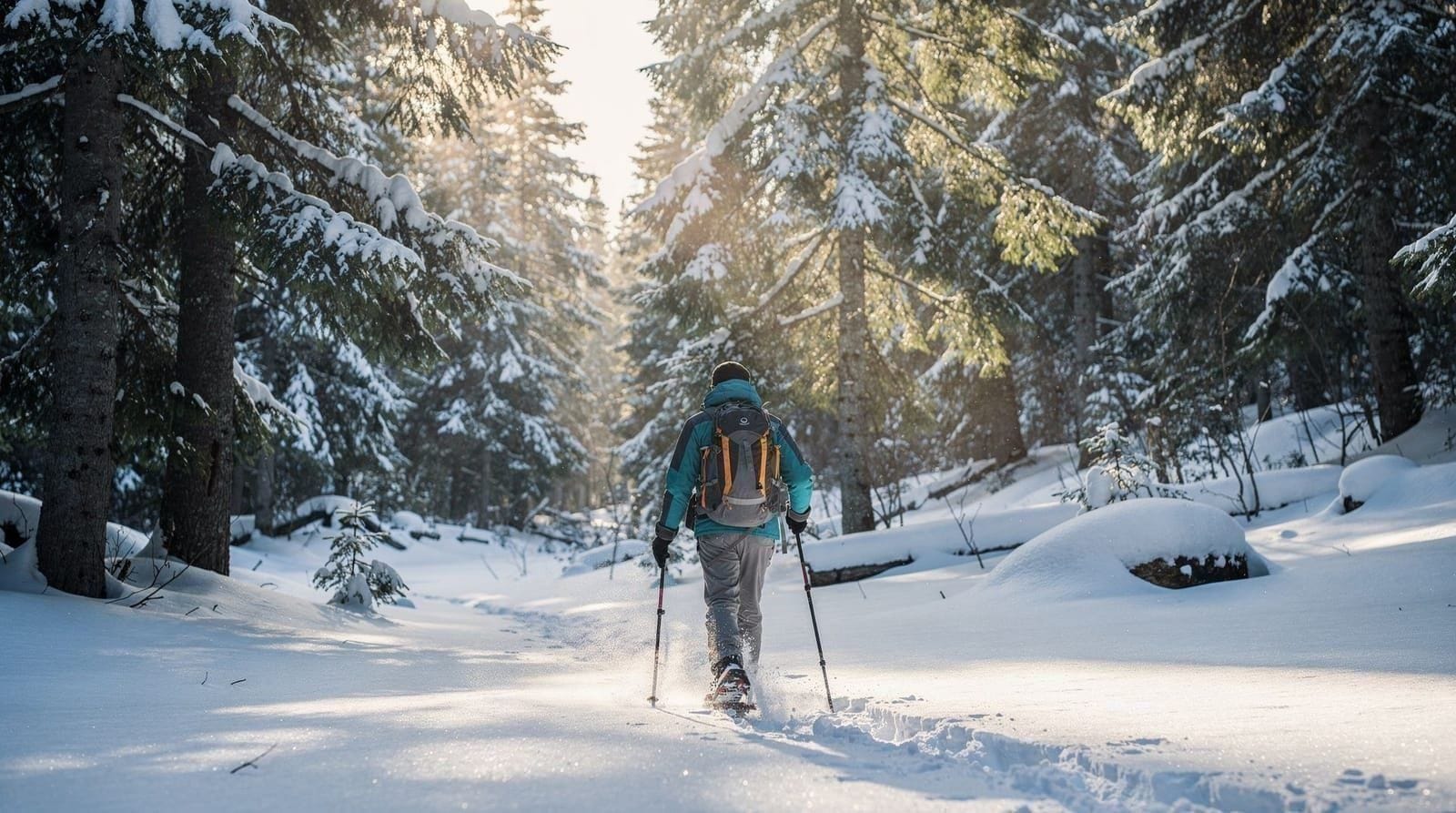
Summer is the clear choice for hikers, kayakers and anyone prioritizing the full range of Sea-to-Sky outdoor activities — trails are dry, days are long, and the best hikes near Vancouver are all realistically accessible. Winter narrows the outdoor-adventure options to skiing and snowshoeing specifically, covered in the BC ski season overview and snowshoeing near Vancouver guide — genuinely excellent activities in their own right, but a much narrower slice of what the region’s mountains and trails offer compared to a full summer hiking season.
Which for photographers specifically
Summer photographers get long golden-hour windows, lush green mountain backdrops, and reliably clear conditions for wide landscape shots. Winter photographers get snow-capped North Shore mountains visible from the city, moody atmospheric conditions well suited to street and architectural photography, and — during clear cold snaps — crisp, high-contrast alpine scenes at Whistler or the North Shore hills that summer’s green, snow-free peaks can’t replicate. Neither season is objectively better for photography; they simply produce different, equally valid results.
Budget travelers versus flexible-budget travelers
Budget-conscious travelers should lean toward winter (outside the Christmas/New Year spike), when accommodation and many tour prices drop to their lowest point of the year, accepting the trade-off of less reliable outdoor weather. Travelers with more budget flexibility who want to guarantee good conditions for beach time, hiking and whale watching should prioritize summer despite the higher costs, since the payoff in reliable, activity-rich weather is harder to replicate with careful planning alone the way lower prices can sometimes be found even in peak season with enough advance booking.
What locals actually prefer
Ask a longtime Vancouver resident which season they prefer and the answer is rarely a simple pick — most locals genuinely value both for different reasons, treating summer as the season for making the most of the outdoors before the rain returns, and winter (specifically the ski season) as compensation for the wet months rather than something to simply endure. Visitors sometimes assume locals uniformly dread winter, but the ready access to Whistler and the North Shore hills means winter carries its own real appeal for anyone who skis or snowboards, tempering the general grumbling about rain that dominates casual conversation during the wettest stretches.
The shoulder-season alternative
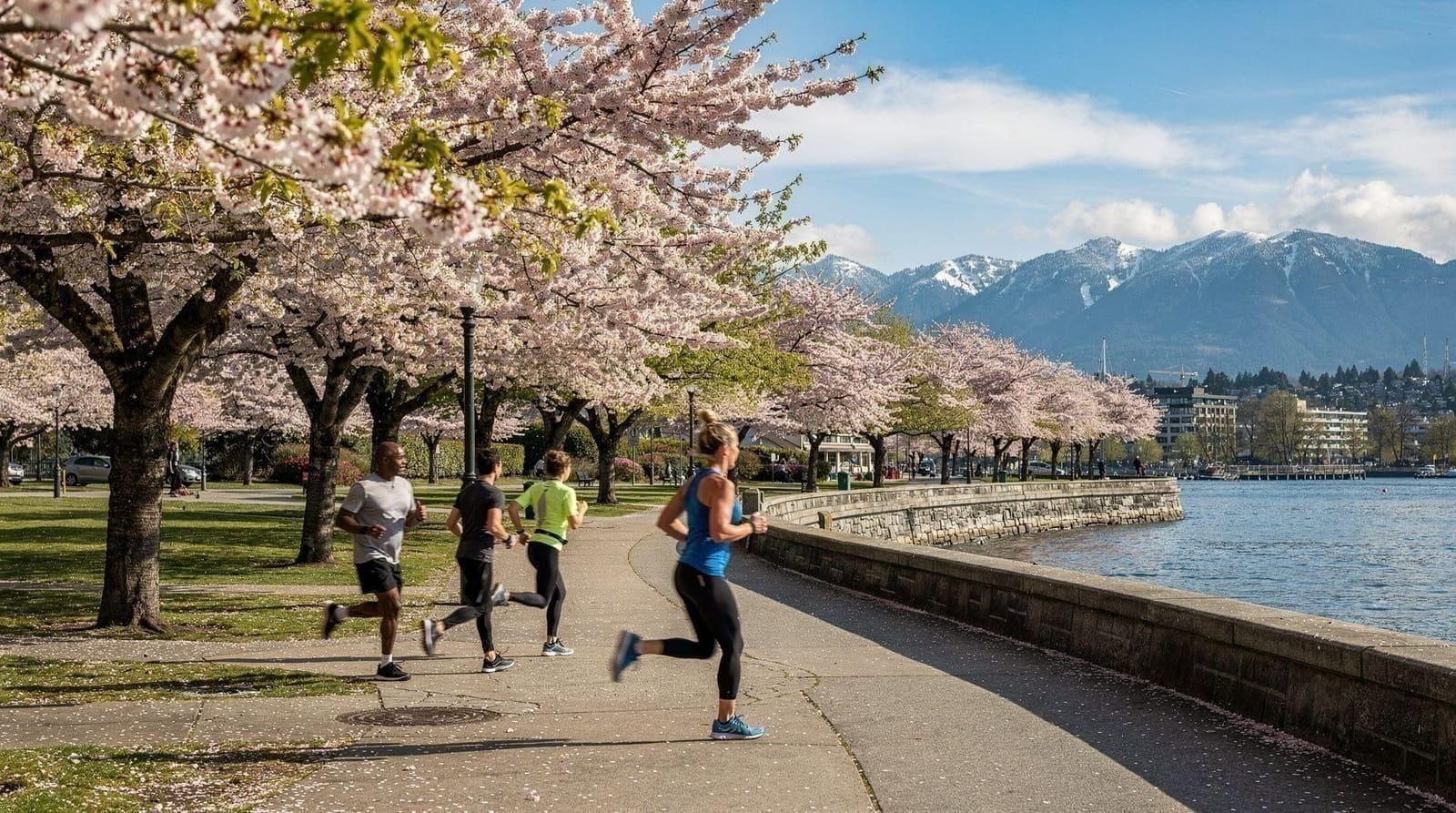
Worth noting for anyone not locked into either extreme: spring (cherry blossoms, early whale watching) and fall (humpback whales, hiking, lower prices) both split the difference between summer’s reliability and winter’s off-season value, without either summer’s crowds or winter’s rain. For a full month-by-month breakdown across the entire year, including these shoulder windows, see the best time to visit Vancouver guide, and check the best time to visit tool for current seasonal forecasts before locking in travel dates.
Frequently asked questions about Summer vs winter in Vancouver — which season fits your trip
Is it cheaper to visit Vancouver in winter?
Yes, generally — winter (outside the Christmas/New Year spike) brings the lowest accommodation prices and thinnest crowds of the year, though outdoor sightseeing becomes weather-dependent rather than reliable.
Can I ski and whale watch on the same Vancouver trip?
Not on a single visit — skiing is exclusively a winter activity while reliable whale watching runs roughly April through October, so the two signature activities require separate trips or a shoulder-season compromise with weaker odds for both.
Top experiences
Bookable activities with verified prices and instant confirmation on GetYourGuide.