Blackcomb Mountain guide
From Vancouver: Full-Day Whistler Tour
Duration: 10.5 hours
What's the difference between Blackcomb and Whistler Mountain?
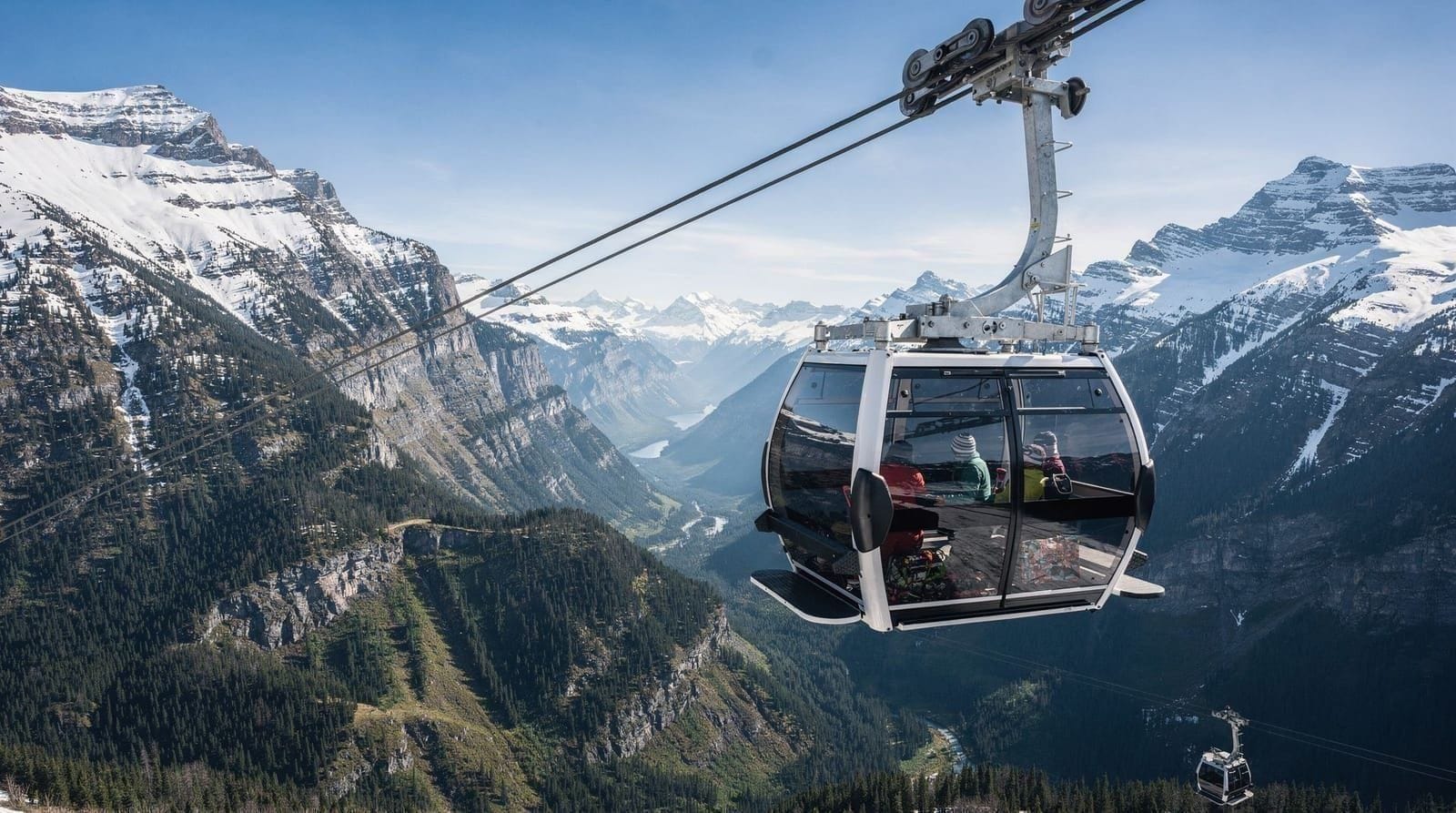
Blackcomb and Whistler Mountain form a single connected resort, but Blackcomb is generally considered to have steeper, more advanced terrain and glacier skiing, while Whistler Mountain has more alpine bowls and the resort's most famous hiking trails. They're linked by the Peak 2 Peak Gondola and share a base village.
Whistler Blackcomb is marketed as one resort, and for most visitors that’s how it functions — a shared base village, a connected lift network, and a single ticket covering both mountains. But Whistler Mountain and Blackcomb Mountain are genuinely distinct peaks with different terrain characters, and regulars tend to have a clear preference for one side depending on what kind of day they want. Blackcomb, the taller and generally more advanced of the two, has its own identity worth understanding separately from the resort’s broader reputation.
| Where | Whistler Blackcomb resort, connected to Whistler Mountain |
| Known for | Steeper terrain, glacier skiing, tree runs |
| Season | Late November-May (skiing); summer program June-Sept |
| Base elevation | ~650m; upper terrain 2,000m+ |
| Connects via | 11-minute Peak 2 Peak Gondola |
Blackcomb’s terrain character
Blackcomb is usually described by locals and ski media as having more advanced terrain than the Whistler side — steeper pitches, more technical chutes, and glacier skiing that Whistler Mountain doesn’t have an equivalent to. The Horstman Glacier, sitting near Blackcomb’s upper terrain, extends the skiable season further into the year than most of the resort’s other zones and gives Blackcomb its most distinctive winter feature. Tree skiing on Blackcomb also has a strong reputation among regulars, particularly on stormy days when visibility on open alpine terrain drops and gladed runs lower down become the better option.
None of this means Whistler Mountain is easy — both sides have serious expert terrain — but if a visiting skier has to pick one side for a day focused on pushing their limits, Blackcomb is generally the side locals point to first.
Summer activities on Blackcomb
Blackcomb’s summer program runs in parallel to Whistler Mountain’s, but with its own set of trails and features rather than a duplicate offering. The Blackcomb Ridge area gives hikers alpine terrain distinct from what’s accessible on the Whistler side, and glacier tours on the Horstman Glacier are a Blackcomb-specific activity — a rare chance to walk on permanent snow and ice in the middle of summer, something Whistler Mountain’s lift-accessed terrain doesn’t offer at all.
Mountain biking trails on Blackcomb are also distinct from the Whistler Bike Park’s network, though both fall under the same resort’s broader lift-accessed biking system. Riders looking to sample the full range of Whistler Blackcomb’s biking terrain in a single trip typically plan to ride both sides rather than assuming one mountain’s trail network stands in for the other’s.
How the two mountains connect
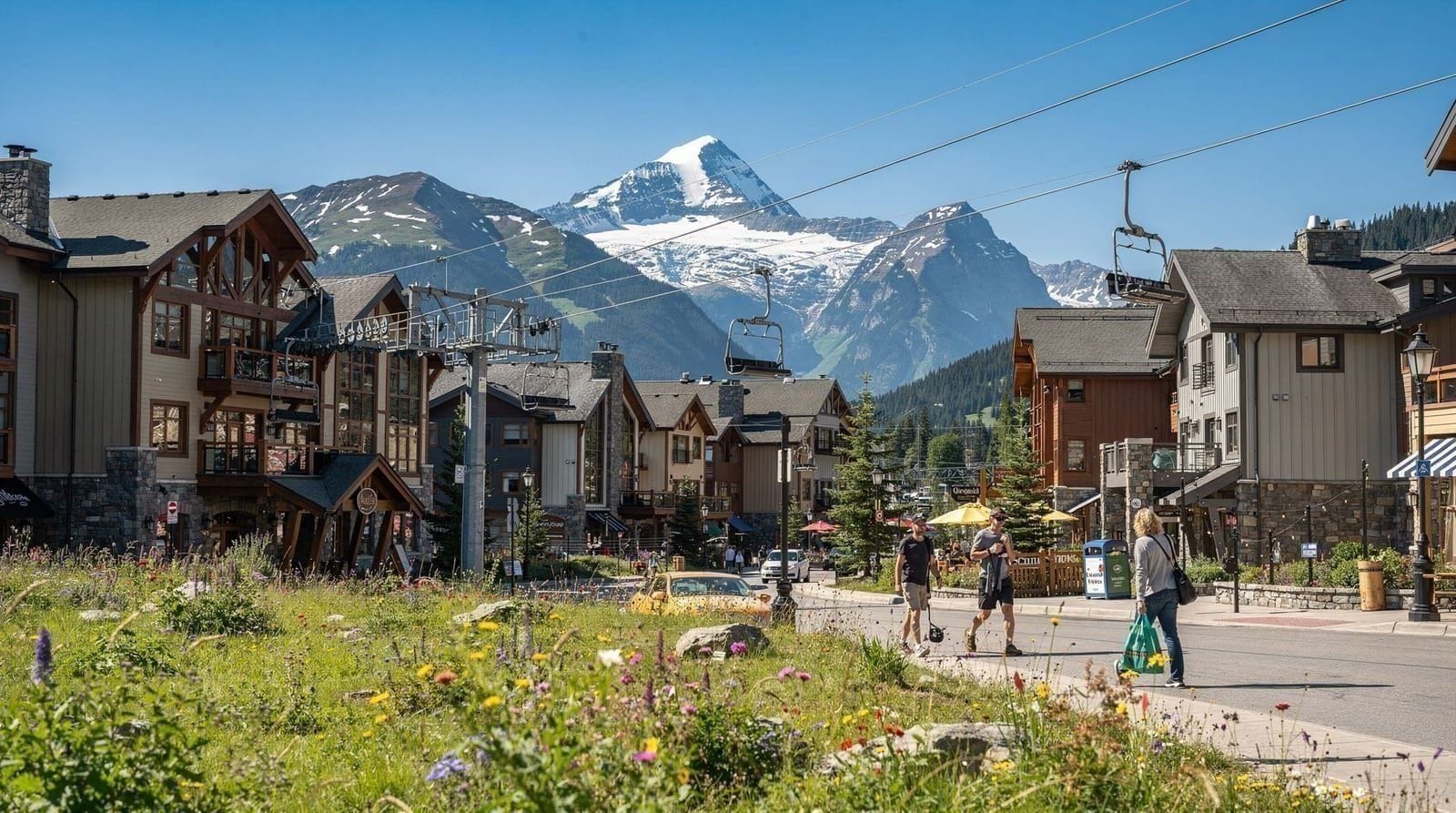
Whistler Mountain and Blackcomb Mountain share a base area — Whistler Village sits at the foot of both, with separate gondola stations (the Whistler Village Gondola and the Excalibur Gondola) carrying visitors up each respective side. At altitude, the two are linked by the Peak 2 Peak Gondola, an 11-minute aerial crossing that lets skiers, riders, and summer visitors move between the two peaks without descending all the way back to the village first.
That connection is what makes it realistic to treat Whistler Blackcomb as one resort day rather than two separate outings — a visitor can ride up one side, cross via the Peak 2 Peak, and explore the other side’s terrain in the same day on a single lift ticket.
For visitors wanting to see both mountains without managing lift logistics themselves, a private tour to Whistler including the Peak 2 Peak Gondola covers transport from Vancouver plus access to the connecting gondola, which is a reasonable way to sample both sides in a single guided day.
Choosing Blackcomb over Whistler on a given day
Regulars often decide which mountain to ski based on conditions rather than loyalty to one side. Blackcomb tends to hold snow quality better on stormy days because more of its terrain sits in treed, sheltered zones, while Whistler Mountain’s alpine bowls are more exposed and can suffer wind-affected or crusty conditions in the same storm. Conversely, on clear bluebird days, Whistler Mountain’s open alpine terrain — including its well-known bowls — often gets the nod from skiers chasing wide-open views and long uninterrupted alpine runs.
Wind holds are also a factor worth knowing about: Blackcomb’s upper lifts, given the terrain’s exposure near the glacier, are sometimes more prone to wind delays than equivalent elevation lifts on the Whistler side, though this varies day to day and isn’t a fixed rule. Checking the daily lift status report each morning is the practical way to decide, rather than assuming one mountain is reliably calmer than the other.
A full day combining both
For visitors without a fixed preference, a full resort day that samples both mountains tends to work well logistically: start on whichever side has better morning conditions (checkable via the daily snow report), ride the Peak 2 Peak around midday, and finish on the other side in the afternoon.
A full-day Whistler tour from Vancouver gives enough time in the resort to attempt this kind of split day, though visitors focused purely on skiing performance rather than sightseeing may prefer to commit to a single mountain and maximize runs rather than spend part of the day crossing between peaks. For a higher-touch version of the same idea, a luxury full-day Whistler mountain experience pairs guided access with a more curated pace across both sides.
Elevation and scale
Blackcomb’s summit terrain reaches higher than Whistler Mountain’s in places, part of why glacier skiing exists on that side at all — permanent snow requires both elevation and aspect that Whistler Mountain’s peak doesn’t quite match. That elevation advantage is also part of why Blackcomb’s season can run slightly later into spring at its highest terrain, though both mountains close for the winter season on a broadly similar schedule, typically running from late November through May depending on snowpack.
A brief history of Blackcomb as its own resort
Blackcomb operated as a genuinely separate, competing ski resort from Whistler Mountain for years after both opened, each with its own base area, lift network, and marketing identity, before the two eventually merged under common ownership.
That history is part of why locals still talk about “the Whistler side” and “the Blackcomb side” as distinct entities rather than simply different zones of one resort — for a long stretch, they were literally different businesses competing for the same skiers, each pushing to build bigger, more impressive terrain and lift infrastructure than the other. Some of Blackcomb’s more ambitious terrain development, including its glacier access, reflects that competitive era as much as it reflects the mountain’s natural geography.
Blackcomb’s lift network in more detail
The Excalibur Gondola is Blackcomb’s primary base-to-mid-mountain lift, carrying skiers, riders, bikers, and summer sightseers from the village up to the mountain’s mid-station, from which a further network of chairlifts fans out toward the upper terrain, including access toward the Horstman Glacier area and the Peak 2 Peak terminal on the Blackcomb side.
This layered lift structure — gondola to mid-mountain, then chairlifts higher up — mirrors the Whistler side’s own base-to-summit progression, and understanding it helps visitors plan realistic timing: reaching Blackcomb’s true upper terrain or the glacier area from the village base typically takes multiple lift connections, not a single direct ride, so budgeting extra time for a first visit to the upper mountain is worth it.
Notable runs and zones
Blackcomb’s terrain includes several zones that carry real reputations among regular visitors. The glacier bowls near the top of the mountain offer some of the latest-season skiable snow in the resort, a draw for skiers specifically chasing extended spring conditions after lower-elevation terrain has started to soften or close.
Lower down, Blackcomb’s gladed tree runs are frequently cited as some of the better storm-day terrain in the resort, since dense tree cover both shelters skiers from wind and helps define visibility-limited terrain in a way open alpine bowls can’t. Advanced and expert skiers researching Whistler Blackcomb ahead of a trip will find Blackcomb’s terrain reviews consistently mention its chutes and glades as a step up in technical demand from comparable zones on the Whistler side.
Practical logistics for a Blackcomb-focused day
Visitors planning to spend a full day specifically on Blackcomb rather than splitting time across both mountains should base their lodging, if possible, closer to the Blackcomb side of the village — the walk from a Whistler-side hotel to the Excalibur Gondola base adds meaningful time to an early start, particularly on a powder day when getting to first lifts matters. Locker rentals and gear storage are available at both base areas, which is useful for visitors staying on one side but wanting to explore both mountains without carrying gear back and forth across the village each time they switch sides.
Blackcomb for non-skiers
It’s worth being clear that Blackcomb isn’t only relevant to skiers and mountain bikers — the mountain’s lift-accessed alpine terrain is also a genuine draw for sightseers and hikers who have no interest in either sport. Riding the Excalibur Gondola up and connecting via the Peak 2 Peak gives non-athletic visitors access to genuinely high alpine scenery, including glacier views, without any physical exertion beyond walking around the lift stations and short viewing paths. Combined with a meal at one of the mountain’s dining venues, a Blackcomb sightseeing visit works as a relaxed, low-effort way to experience the upper mountain, distinct from the more athletic reputation the name usually carries.
Dining and amenities on the Blackcomb side
Blackcomb has its own set of on-mountain dining options distinct from what’s available on the Whistler side, ranging from casual cafeteria-style lodges at the mid-station to more sit-down-oriented venues higher up, some of which lean into the mountain’s views as much as the food itself. Visitors planning a day that includes a proper meal at altitude, rather than just riding lifts and coming back down, should check current operating hours for specific venues, since not every dining option runs on the same schedule as the lifts themselves, particularly in shoulder seasons when visitor volume is lower.
Ski school and lessons on Blackcomb
Given its more advanced terrain reputation, Blackcomb is also where some of the resort’s higher-level ski and snowboard coaching programs are based, aimed at skiers who’ve moved past beginner and early-intermediate instruction and want structured coaching on genuinely challenging terrain — steep pitches, glades, and glacier skiing technique. Beginners are still well accommodated on both mountains, but visitors specifically seeking advanced-level coaching, rather than general lessons, will find Blackcomb’s terrain and instructor specialization better suited to that goal than equivalent programs based on the Whistler side.
The bottom line
Blackcomb isn’t a separate destination from Whistler — it’s one half of a connected resort, and most visitors will naturally experience both sides across a multi-day trip regardless of which one they set out to prioritize. But for skiers specifically chasing steeper terrain, glacier access, or tree skiing on a bad-weather day, Blackcomb is the side with the stronger case, while Whistler Mountain holds the edge for open alpine bowls and the resort’s best-known summer hiking trails. Neither side is a lesser version of the other — they’re genuinely complementary, which is largely the point of having built the Peak 2 Peak Gondola to connect them in the first place.
Blackcomb’s mountain biking network
Blackcomb’s summer mountain biking terrain is worth a closer look on its own, since it’s frequently overshadowed in general Whistler coverage by the Whistler Bike Park’s global reputation. Blackcomb’s trails tend to include more technical, natural-feeling terrain compared to some of the more heavily built, jump-focused trails on the Whistler side, appealing to riders who prefer a rougher, less manicured riding style. Experienced bike park visitors sometimes deliberately alternate between the two mountains across a multi-day biking trip specifically to sample both trail-building styles rather than sticking to one side for an entire visit.
Glacier tours as a distinct activity
The glacier tours available on Blackcomb’s upper terrain deserve separate mention from general summer sightseeing, since they’re a genuinely different kind of activity — walking on permanent snow and ice rather than a maintained hiking trail. These typically run as guided experiences given the specialized knowledge required to navigate glacier terrain safely, including crevasse awareness that isn’t relevant on standard alpine trails. Visitors interested specifically in glacier access, as opposed to general alpine hiking, should look for programs explicitly described as glacier tours or glacier exploration rather than general Blackcomb hiking trails, since the terrain and safety requirements are meaningfully different.
Elevation figures for reference
For visitors wanting concrete numbers, Blackcomb’s base sits at Whistler Village’s elevation of roughly 650 metres, with the mountain’s upper lift-served terrain reaching well above 2,000 metres near the glacier zones — a substantial vertical range that’s part of why the mountain supports both extended ski seasons at altitude and genuinely alpine summer hiking and glacier access near the top. This vertical range, combined with Whistler Mountain’s similarly substantial terrain on the opposite side of the valley, is part of what gives the combined resort its scale relative to the considerably more modest North Shore mountains closer to Vancouver.
Avalanche control and terrain opening schedules
Because Blackcomb’s terrain includes glacier zones and steep alpine bowls, the mountain runs active avalanche control programs through the winter season, which can mean specific zones remain closed or open later in the morning than lower-elevation terrain while ski patrol completes control work. Visitors specifically planning a first-lift start to reach Blackcomb’s advanced terrain should check the daily terrain status report rather than assuming all zones open simultaneously with the general lift schedule — this is more relevant on Blackcomb than on gentler terrain given the steeper, more avalanche-prone nature of its upper bowls and glacier access points.
How locals talk about Blackcomb
Ask a longtime Whistler local about “the Blackcomb side” versus “the Whistler side” and you’ll generally get a fairly quick, confident answer about which one they prefer and why — this local rivalry, a holdover from the mountains’ separate-resort history, remains a genuine part of Whistler’s culture even decades after the two merged operationally. Visitors chatting with locals, ski instructors, or lift operators during a Whistler Blackcomb trip will likely encounter this preference expressed casually, and it’s a reasonable, low-stakes way to get an informal local recommendation for which side better matches current snow conditions on any given day — most locals are happy to share an opinion if asked directly.
Blackcomb’s role in a multi-day Whistler trip
For visitors staying multiple days, alternating between Whistler Mountain and Blackcomb Mountain rather than sticking to one side for an entire trip is generally the better approach, both because conditions can favor one side or the other on any given day and because it’s simply worth experiencing both halves of what is, in scale, one of the larger connected ski areas in North America. A common pattern among repeat visitors is to check the daily snow and weather report each morning and let that determine which mountain gets priority that day, rather than committing to a fixed side-by-side split decided in advance — a more flexible approach that tends to produce better overall conditions across a multi-day stay.
How Blackcomb fits a broader Whistler trip
Blackcomb isn’t usually the whole story of a Whistler visit — most travelers combine it with the wider Whistler village experience, and skiers researching the resort ahead of a trip typically read this guide alongside a broader look at Whistler skiing overall and the BC ski season calendar before finalizing dates. Summer visitors weighing Blackcomb’s glacier tours and biking against the rest of the region’s outdoor options often pair it with a look at Whistler in summer or a side trip to Garibaldi Lake, both accessible from the same base village.
Getting to Whistler Blackcomb from Vancouver
Most visitors reach Whistler Blackcomb from Vancouver via the Sea-to-Sky Highway (Highway 99), a scenic roughly 1.5-2 hour drive passing through Squamish along the way. Shuttle and coach services run regularly for travelers without a car, and a full-day Whistler tour from Vancouver bundles the transport with time in the resort, which removes the need to arrange a rental car purely for a single-day mountain visit. Multi-day skiers, by contrast, generally find a rental car or a pre-booked shuttle package more cost-effective than day-tripping repeatedly from the city.
Frequently asked questions about Blackcomb Mountain
Is Blackcomb harder than Whistler Mountain?
Generally yes, by reputation — Blackcomb has more advanced terrain, steeper chutes, and glacier skiing that Whistler Mountain doesn’t match. Both sides have serious expert terrain, but if forced to choose one side for a day focused on pushing limits, Blackcomb is the side locals point to first.
Can beginners ski Blackcomb, or is it only for experts?
Yes, beginners are well accommodated on both mountains — Blackcomb’s reputation for advanced terrain refers to its upper and gladed zones specifically, not the entire mountain. Lower-mountain beginner terrain and ski school programs exist on the Blackcomb side alongside the more advanced zones.
Do I need a separate ticket for Blackcomb versus Whistler Mountain?
No — a single Whistler Blackcomb lift ticket covers both mountains, including the Peak 2 Peak Gondola connecting them, so there’s no need to choose one side when purchasing.
Is Blackcomb worth visiting in summer if I don’t ski or bike?
Yes — the Excalibur Gondola and Peak 2 Peak give non-athletic visitors access to genuine high alpine scenery and glacier views without any hiking or biking required, making it a worthwhile sightseeing stop on its own.
Top experiences
Bookable activities with verified prices and instant confirmation on GetYourGuide.