Canyoning on Vancouver's North Shore
Grouse Mountain Skyride Admission Ticket
Can I book a canyoning tour on Vancouver's North Shore?
Not currently through GetYourGuide — canyoning around Lynn Canyon and the North Shore is offered by specialist outdoor operators, but it isn't a listed GYG product for this site at this time. Travelers wanting canyoning should book directly with a specialist operator; for bookable North Shore adventure in the meantime, Capilano Suspension Bridge and Grouse Mountain are the anchor activities.
Vancouver’s North Shore mountains cut a series of steep, forested canyons on their way down to the water, and the terrain around Lynn Canyon in particular is exactly the kind of setting canyoning as a sport is built around — waterfalls, deep pools, and rock chutes carved by fast-moving snowmelt creeks. It’s a genuine local activity, run by specialist outdoor operators, though it comes with an honest caveat worth stating up front: it isn’t currently something bookable through this site’s GetYourGuide affiliate program.
| Where | Lynn Canyon and the North Shore mountains above North Vancouver |
| Booking | Not on GetYourGuide — book directly with a specialist operator |
| Season | Roughly June through September |
| Getting there | 20–30 minutes from downtown Vancouver by car, or SeaBus plus bus |
| Bookable alternatives | Capilano Suspension Bridge, Grouse Mountain Skyride |
What canyoning actually involves
Canyoning combines several techniques into a single descent down a canyon or watercourse: rappelling down rock faces and small waterfalls using ropes and harnesses, scrambling and swimming through pools, sliding down smooth natural rock chutes, and sometimes jumping from rock ledges into deep pools below.
It’s distinct from hiking or canyoneering-adjacent activities like simply walking a canyon trail — canyoning specifically means moving through and down the watercourse itself, in the water and on the rock, not alongside it on a maintained path. A qualified guide typically leads the descent, managing rope systems, reading water conditions, and choosing safe lines through technical sections, since canyon terrain can change season to season as water reshapes rock and debris.
Participants wear a wetsuit (essential given the cold, snowmelt-fed water), a helmet, and a harness, and go through a safety briefing before entering the canyon. Trips generally run a few hours, moving at a guided pace through a mix of walking, swimming, rappelling, and sliding sections, with the technical difficulty and number of rappels varying by which specific canyon and route the operator runs.
Where this happens on the North Shore
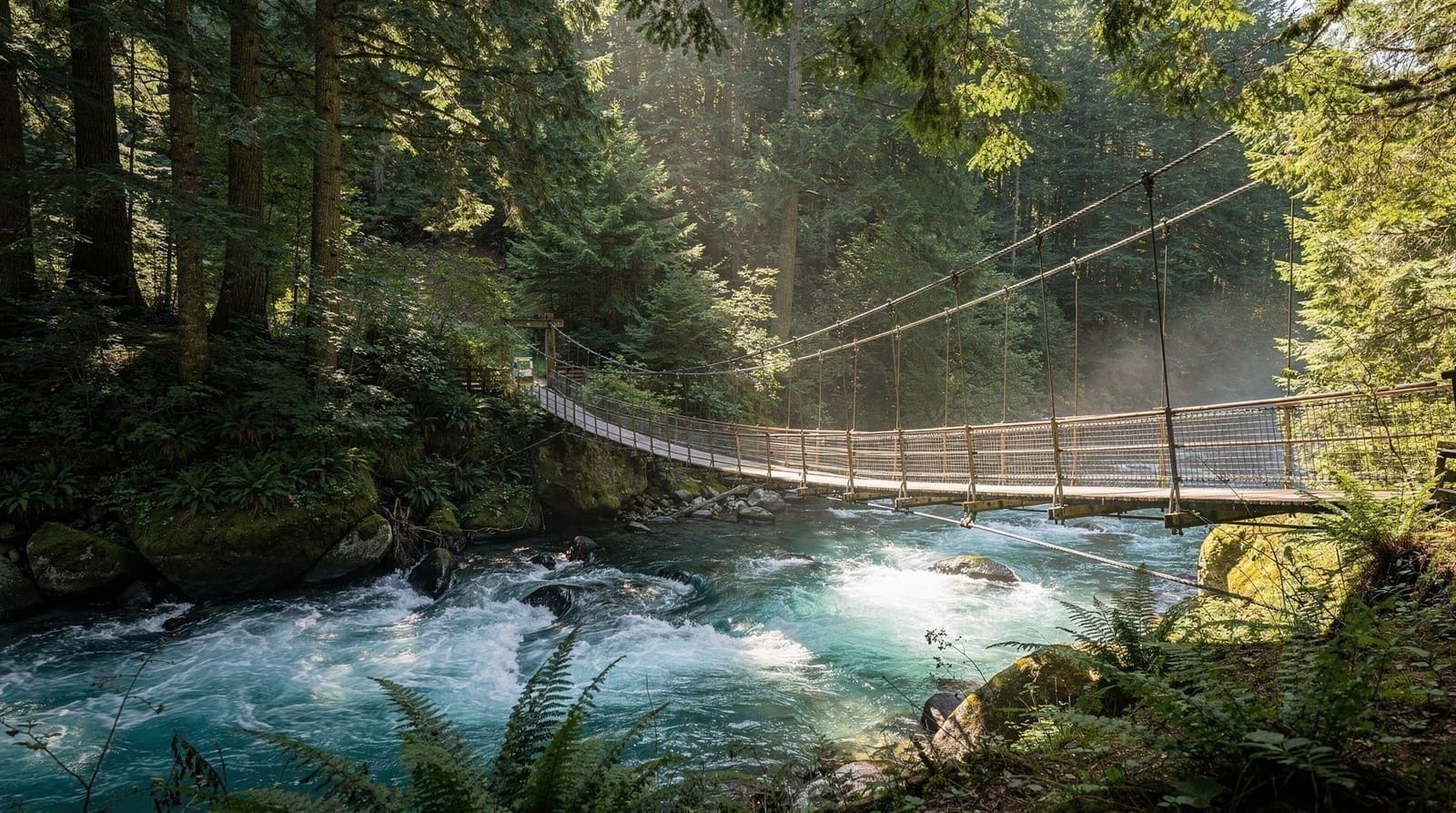
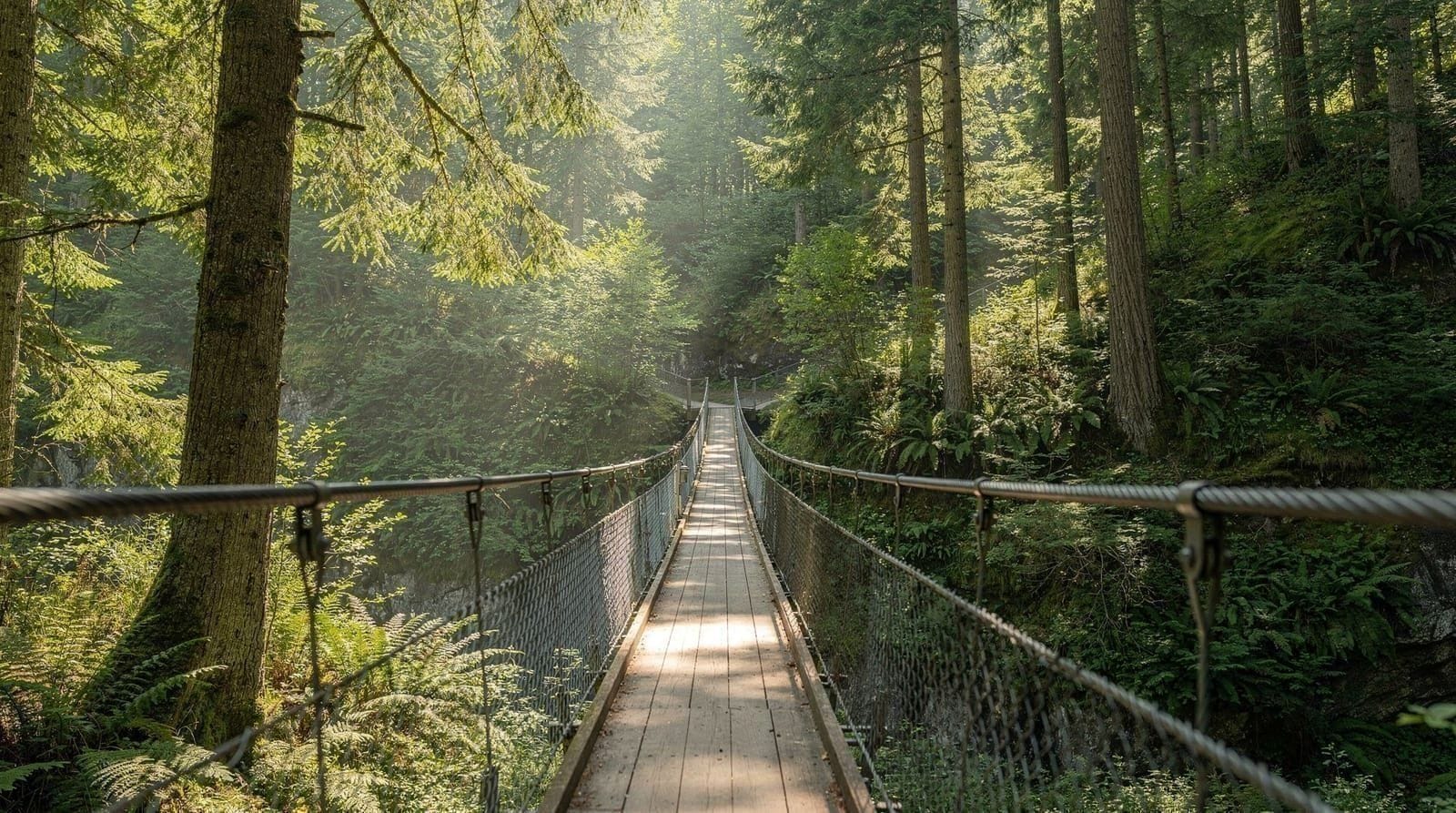
Lynn Canyon Park and the broader North Shore mountain terrain above North Vancouver have the right geography for canyoning — steep creek beds, waterfalls, and pools carved into the rock by fast snowmelt runoff. The park’s well-known features, the free suspension bridge and the Twin Falls and Thirty Foot Pool areas, sit within this same watershed, giving visitors without any technical activity booked a sense of the terrain canyoning trips move through, just from established trails and viewpoints rather than descending the watercourse itself.
Specialist outdoor operators run guided canyoning trips in this general area, but as of this writing, none of them is listed as a bookable GetYourGuide product for this site. This guide won’t invent a link or booking URL for any specific operator — travelers specifically wanting to canyon on the North Shore should search for BC-based canyoning or adventure guiding companies directly and book through their own websites.
Safety and water conditions
The defining safety factor for North Shore canyoning is water temperature — these creeks are fed by mountain snowmelt, and stay cold well into summer regardless of how warm the air temperature feels at ground level. This is why wetsuits are standard, non-optional equipment on any legitimate guided trip, and why canyoning here should not be attempted independently without a guide who knows the specific watercourse’s current conditions.
Water levels and canyon terrain shift with the season and even week to week depending on rainfall and snowmelt rate, which is part of why professional guiding matters here more than it might for a simple hiking trail — a route that was safe last month may have new hazards (a shifted log jam, a deeper pool, a faster chute) after a period of heavy rain or rapid snowmelt.
Cold-water immersion, moving water, and technical rappelling combine to make canyoning a genuinely higher-risk activity than most of what’s covered elsewhere in this site’s adventure guides, which is exactly why it’s guide-led rather than a self-directed activity for visitors. Anyone considering it should confirm the operator’s safety credentials and group size before booking.
Season
Canyoning on the North Shore runs roughly June through September. This window reflects a balance: spring snowmelt (typically peaking in May) creates water levels too high and fast for safe guided descents, while by June flows have usually dropped to a level that’s still exciting but more manageable for a guided trip. By late September and into fall, reduced water volume and cooler temperatures generally bring the season to a close. Outside this window, North Shore canyons carry too much water (spring) or operators simply don’t run trips (fall/winter) for both safety and demand reasons.
Bookable North Shore alternatives
For travelers who want a bookable North Shore adventure activity right now, two GYG-listed anchors cover the same general area without the technical canyoning element. The Capilano Suspension Bridge ticket covers the North Shore’s best-known canyon-adjacent attraction — a 137-metre suspension bridge across the Capilano River canyon, plus treetop walkways and cliff-edge boardwalks, giving genuine canyon exposure and views without any technical activity required.
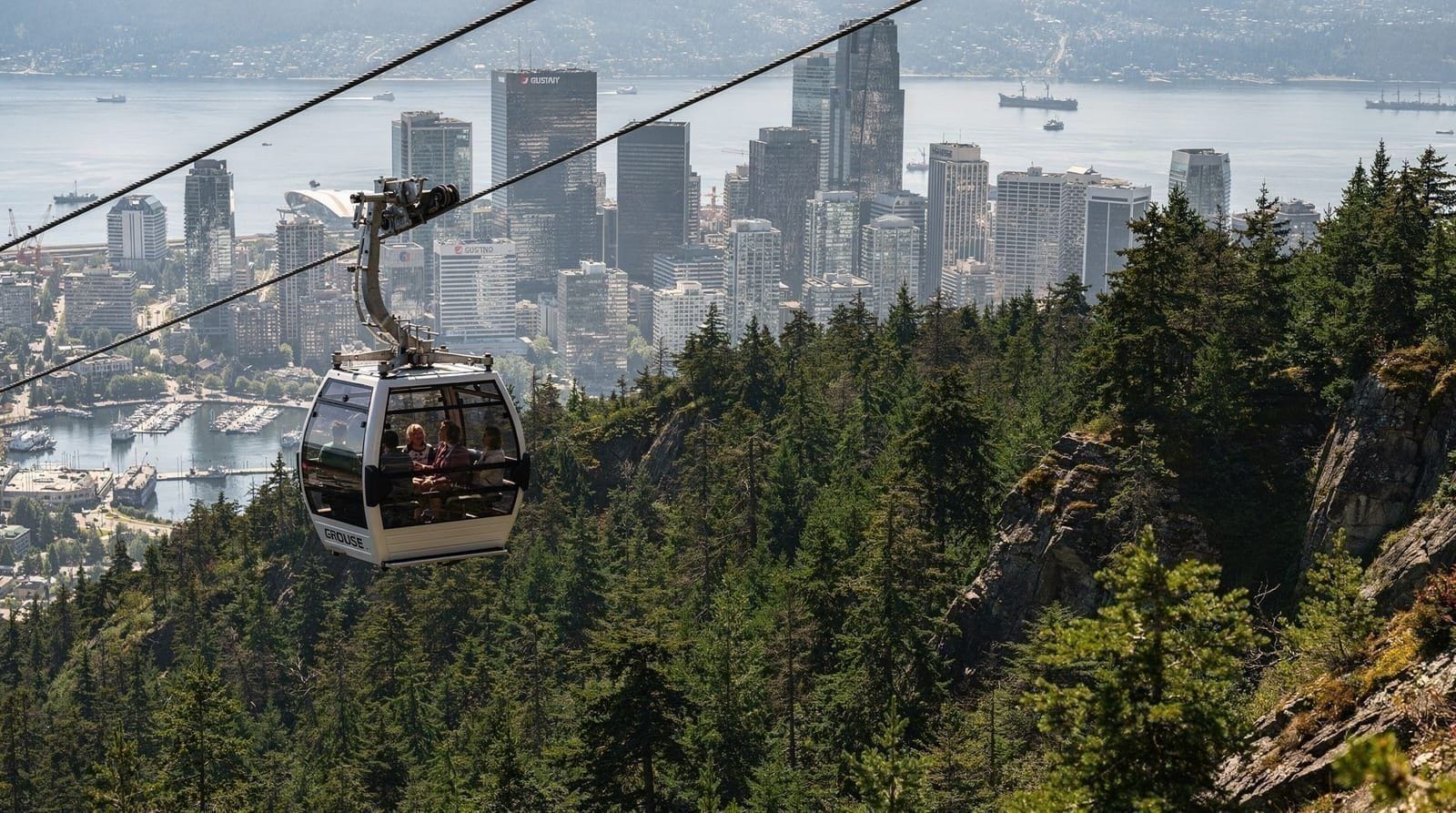
The Grouse Mountain Skyride admission takes visitors to the alpine terrain above the same North Shore mountains that feed these canyon watersheds, a different but complementary way to experience the region’s mountain geography.
Lynn Canyon Park itself is free to visit and worth a stop regardless of whether canyoning is on the itinerary — its suspension bridge, smaller and less crowded than Capilano’s, and the Twin Falls and Thirty Foot Pool trails give a good sense of exactly the kind of terrain canyoning trips descend, from the safety of established paths. The Lynn Canyon destination guide covers trail options, parking, and how it compares to Capilano in more depth.
Combining a North Shore day
A typical North Shore day for travelers not doing a technical canyoning trip might combine Lynn Canyon’s free trails in the morning, Capilano Suspension Bridge or Grouse Mountain around midday, and the other in the afternoon — the three sit within about 15-20 minutes of each other by car, making a full loop realistic without extensive driving. For travelers who do book a canyoning trip directly with a specialist operator, treat the rest of the day as recovery time rather than stacking additional strenuous activities — canyoning is a physically demanding, cold-water activity that tends to leave people ready for a warm meal rather than another hike afterward.
Travelers looking to extend the adventure theme beyond the North Shore should look at the Sea-to-Sky adventure activities guide, covering the separate corridor of rafting, climbing, ziplining, and via ferrata activities further north around Squamish and Whistler — geographically distinct from the North Shore but often combined into the same broader BC adventure trip by visitors staying a week or more.
What to expect on a guided trip if you book one
Guided canyoning trips run by specialist operators in this general region typically begin with a safety briefing and gear fitting — wetsuit, helmet, and harness — before a short approach hike to the canyon entry point. The descent itself alternates between sections of downclimbing, short rappels using ropes and belay devices, natural rock slides where the canyon’s shape allows a controlled slide into a pool below, and swims across deeper sections.
Guides position themselves to manage each technical section, checking equipment and providing hands-on assistance at rappel points and jump decisions, since not every participant will want to take every optional jump offered along the way (most operators make jumps optional rather than mandatory, offering a downclimb or lower-risk alternative at each jump point).
Trips typically wrap up with a short hike back out or a walk to a pickup point, followed by a change of clothes and warm drink, since even a well-fitted wetsuit leaves participants genuinely cold by the end of a multi-hour descent in snowmelt-fed water.
How canyoning differs from other North Shore water activities
It’s worth distinguishing canyoning clearly from other water-adjacent activities in the area, since the terminology sometimes gets blurred in casual conversation. Swimming at Lynn Canyon’s Thirty Foot Pool, a popular free summer activity, involves walking to a known swimming hole and getting in — no guide, no technical gear, no descent involved, and notably higher risk when done without local knowledge, since the pool has genuine currents and submerged hazards that have led to serious incidents over the years; official signage discourages swimming there for good reason.
Canyoning, by contrast, is guide-led, uses technical rope systems, and covers a longer, more varied stretch of watercourse rather than a single known pool. Anyone drawn to the idea of “jumping into North Shore pools” specifically should understand that doing so independently at Lynn Canyon carries real risk that a guided canyoning trip, with its professional oversight and equipment, is specifically designed to manage.
Getting there
Lynn Canyon and the broader North Shore sit roughly 20-30 minutes from downtown Vancouver by car, or reachable by SeaBus plus a connecting bus for travelers without a rental car — genuinely more transit-accessible than the Sea-to-Sky corridor further north, since these North Shore attractions sit within Metro Vancouver’s transit network rather than requiring a highway drive. The North Vancouver destination guide covers fuller transit and driving directions for the area.
Why this gap matters less than it might elsewhere
Unlike some of the corridor’s other unlisted activities, the North Shore’s proximity to downtown Vancouver means the workaround for canyoning’s booking gap is genuinely easy — this isn’t a remote backcountry activity requiring a long drive to even reach an operator’s base, but a specialist activity within a well-connected, transit-accessible part of Metro Vancouver.
Researching and contacting a canyoning operator directly, then arranging a meeting point, is a manageable extra step precisely because everything else about the North Shore (transit access, nearby accommodation, other activities to fill the rest of the day) is already straightforward. Travelers shouldn’t let the GYG booking gap discourage them from pursuing canyoning specifically if it’s a priority — it just means slightly more upfront research than the one-click booking available for this site’s other North Shore recommendations.
A realistic North Shore day combining canyoning with sightseeing
For travelers who do book a canyoning trip directly, a realistic day might run: canyoning trip in the morning (most guided descents run 3-4 hours including gear-up and briefing), a relaxed lunch and change of clothes back in North Vancouver, then an easier afternoon activity like the Capilano Suspension Bridge or a stroll through Lynn Canyon’s easier trails, saving the more strenuous Grouse Grind or Skyride ascent for a day when you’re not already physically spent from a morning of rappelling and cold-water swimming. This pacing respects how genuinely tiring canyoning is — cold water immersion alone is more fatiguing than people expect, even before factoring in the physical effort of climbing and swimming through a canyon system.
What to bring if you book a canyoning trip
Most technical gear — wetsuit, helmet, harness, and any rope equipment — comes provided as part of a guided canyoning trip, but participants generally still need to bring a few things themselves: sturdy shoes that can get wet and grip on slick rock (some operators specify closed-toe water shoes or old running shoes rather than sandals), a swimsuit to wear under the wetsuit, and a full change of dry clothes plus a towel for afterward. A waterproof bag for personal items left at a base point, or simply leaving valuables locked in a vehicle rather than carried on the descent, is worth arranging ahead of time, since there’s typically nowhere secure to store a phone or wallet mid-canyon.
Questions worth asking a canyoning operator directly
Since booking happens outside this site’s usual process for this activity, go into that conversation with a clear set of questions: current-season availability and whether recent weather has affected water levels or route conditions, group size and guide-to-participant ratio, what’s included (wetsuit rental, transport to the canyon entry point) versus what you need to bring yourself, the operator’s safety certifications and experience specifically with the route they’re running, and their weather-cancellation and refund policy.
A guide’s specific local experience matters more for canyoning than for many other adventure activities, given how much route conditions can shift with recent rainfall or snowmelt — a reputable operator should be able to speak confidently to current conditions on the specific canyon they’re running, not just general seasonal guidance.
Checking back before your trip
Booking platform inventory shifts over time as new operator relationships are established, so it’s worth revisiting this site’s North Shore tour listings closer to your actual travel dates rather than assuming today’s gap is permanent — a canyoning product could be added between when this guide was last reviewed and when you travel. In the meantime, direct booking with a specialist North Shore canyoning operator remains a completely normal path for this kind of niche technical activity; smaller specialist outdoor operators are often slower to integrate with major booking platforms than larger, higher-volume attractions like Capilano or Grouse Mountain, which doesn’t reflect on the quality of the activity itself.
Why the North Shore’s terrain works for canyoning specifically
The geological reason canyoning works so well in this specific part of Metro Vancouver comes down to how the North Shore mountains meet the inlet — steep terrain dropping quickly from alpine elevation to sea level over a short horizontal distance, cut by creeks carrying substantial snowmelt volume during a compressed spring-summer window.
This combination produces exactly the kind of steep, water-carved canyon terrain the sport requires, concentrated within a genuinely short drive of downtown Vancouver rather than requiring the kind of remote backcountry access canyoning often demands elsewhere in the world. It’s part of why the North Shore holds real appeal for specialist operators despite the area’s otherwise urban-adjacent character — few major cities have genuine canyoning terrain this close to a downtown core.
Frequently asked questions about canyoning on the North Shore
Can I book canyoning through this site?
Not currently — no canyoning product for the North Shore is listed through GetYourGuide at this time. Search for and book directly with a specialist BC canyoning or adventure guiding operator instead.
Is canyoning the same as hiking Lynn Canyon?
No. Hiking Lynn Canyon’s trails follows established paths alongside the creek and falls; canyoning means descending through the watercourse itself using rappels, swims, and slides, led by a guide with technical rope systems.
How cold is the water?
Cold year-round, since North Shore creeks are fed by mountain snowmelt. Wetsuits are standard, mandatory equipment on any legitimate guided canyoning trip in this terrain, even in the height of summer.
What season is canyoning available?
Roughly June through September, once spring snowmelt has receded to safer, more manageable flow levels but before the season’s water drops too low or temperatures turn in the fall.
Is Lynn Canyon or Capilano better if I’m not doing canyoning?
Lynn Canyon is free and has a smaller, quieter suspension bridge with genuine rainforest trails; Capilano is a paid, more polished attraction with a longer bridge and treetop walkways. Many visitors do both, since they’re a short drive apart on the North Shore.
Can I swim at Lynn Canyon instead of booking a guided canyoning trip?
Swimming at spots like the Thirty Foot Pool is technically possible and popular in summer, but it’s done without guide oversight or safety equipment, and the pool carries genuine currents and submerged hazards that have led to serious incidents. It isn’t a substitute for a guided canyoning trip’s structured safety approach, and official signage discourages swimming there for that reason.
Do I need to be a strong swimmer for canyoning?
Yes, reasonable swimming ability and comfort in cold water are generally expected, since canyoning routes include swim sections through pools. Check the specific operator’s fitness and swimming requirements when booking.
How much does a guided canyoning trip cost?
There’s no single fixed price since it’s booked directly with independent operators, but a half-day guided trip in BC typically runs into the low hundreds of dollars per person, reflecting the technical equipment, guiding, and multi-hour time commitment involved. Confirm current pricing and what’s included directly with whichever operator you’re considering.
Top experiences
Bookable activities with verified prices and instant confirmation on GetYourGuide.