Richmond Night Market guide
Vancouver: Granville Island Market Tour with Tastings
Duration: 2 hours
What is Richmond Night Market and when is it open?
Richmond Night Market is a large seasonal outdoor night market in Richmond, BC, with 100+ food stalls plus retail and game vendors, heavily focused on Asian street food. It typically runs from roughly May through early October, closed the rest of the year, though exact dates shift annually — check the current season before planning a trip around it.
Richmond Night Market is one of the largest night markets in North America by stall count, a seasonal outdoor event held on a large lot in Richmond, a suburb roughly 20-25 minutes south of downtown Vancouver by SkyTrain. It draws comparisons to the night markets of Taipei, Hong Kong and Bangkok, and while it’s smaller and more parking-lot-in-a-suburb than any of those, the sheer density of food stalls — well over 100 in a typical season — makes it one of the more distinctive food experiences on a Vancouver trip, provided you visit during its operating months.
| Where | Richmond, ~20–25min south of downtown by SkyTrain |
| Cost | Small cash entry fee + around CAD 30–50/person for food |
| Season | Roughly May through early October |
| Getting there | Canada Line to Bridgeport Station + free shuttle |
| Best time | Weeknights or arrival around 6pm to avoid the 7–9pm crush |
Seasonal operation — check dates before you plan around it
Unlike most of the destinations and guides on this site, Richmond Night Market is not a year-round attraction. It typically runs from roughly May through the first week of October, operating on a Friday-through-Sunday (and sometimes additional weekday) evening schedule during that window, then closes completely for the fall and winter. The exact opening weekend and closing date shift by a week or two from year to year depending on the operator’s schedule, so if a Richmond Night Market visit matters to your itinerary, verify current dates before locking in flights or hotel dates — there is no indoor or off-season version of the market to fall back on if you arrive outside the season.
What the market actually looks like
The market occupies a large open lot, laid out in dense rows of stalls under strings of lights, with the food section forming the largest and most popular part but not the only part — there’s also a substantial retail section (clothing, phone accessories, novelty items, imported goods) and a run of carnival-style game stalls aimed at younger visitors. The food stalls themselves are mostly small operations run by independent vendors rather than chain restaurants, each specializing in one or two dishes rather than a full menu, which is part of what makes grazing across many stalls the natural way to eat here rather than sitting down for one full meal at a single vendor.
What to eat: the dish categories not to miss
Skewers are a market staple — grilled meat, seafood and vegetable skewers sold individually or in small bundles, letting you sample widely without committing to a full plate at any one stall. Takoyaki (Japanese octopus balls, drizzled with sauce and bonito flakes) and various forms of fried squid or fish balls on sticks cover the savory street-food end. Bubble tea is everywhere, unsurprisingly, with a far wider range of flavors and toppings than a typical Vancouver bubble tea shop offers, since so many vendors compete for the same crowd.
On the dessert side, mango-based treats — mango with sticky rice, mango slush, mango soft serve — are consistently popular in warm weather, alongside rolled ice cream stalls where vendors spread liquid ice cream base on a frozen plate and scrape it into rolls in front of you, which doubles as a bit of visual entertainment while you wait. Grilled corn, stinky tofu (for the adventurous), and various regional Chinese and Southeast Asian snack foods round out a typical stall lineup, though the specific vendor mix varies somewhat season to season.
Getting there: SkyTrain over driving
The Canada Line SkyTrain to Bridgeport Station is the practical way to reach the market, and it’s genuinely the better option compared to driving. From downtown Vancouver, the ride takes roughly 20-25 minutes, and from Bridgeport Station the market is either a short walk or a quick ride on the free shuttle the market operator typically runs during business hours between the station and the market entrance. Parking on-site exists but fills quickly on weekend evenings, and traffic around the lot backs up as a result — anyone driving should expect to circle for a parking spot or pay for a nearby lot, neither of which is necessary if you’re coming from central Vancouver and can use the SkyTrain instead.
Admission and payment
The market has historically charged a small cash entry fee at the gate, on the order of a few Canadian dollars per person — small enough not to factor meaningfully into a budget, but worth knowing about so it doesn’t catch you off guard expecting free entry. Fee structures and amounts do get adjusted from season to season, so treat any specific number as approximate and check the current admission policy before your visit.
Inside the market, cash has traditionally been the dominant payment method at individual food stalls, though card and mobile payment acceptance has been expanding in recent years as more vendors adopt payment terminals. The safe approach is to bring cash as a backup even if you plan to try card first, since a single stall not accepting your card is a common and avoidable annoyance in a market this size.
Timing your visit to avoid the worst crowds
Richmond Night Market gets genuinely busy on Friday and Saturday nights, particularly from around 7pm to 9pm when the after-dinner crowd peaks — expect slow-moving aisles, longer stall lines, and a harder time finding open seating at the shared eating areas. A weeknight visit, where the schedule includes one, or an earlier arrival around 6pm on a weekend, meaningfully reduces the crush. If crowds bother you or you’re traveling with small children who might get overwhelmed, weeknight or early-evening timing is worth prioritizing over convenience of schedule.
How much to budget
Plan on roughly CAD 30-50 (about USD 20-35 at typical exchange rates) per person for a satisfying night of grazing across several stalls — enough for two or three savory items, a drink, and a dessert. Prices per stall tend to run CAD 5-12 for most food items, so the total adds up through variety rather than any single expensive item. Budget separately, and modestly, if you also want to browse the retail stalls or try a game stall, since those sit outside the food budget entirely.
The atmosphere, honestly
This is a crowded, loud, walk-and-graze event, not a sit-down dining experience, and it won’t suit everyone. Aisles between stalls narrow considerably in the food section, foot traffic moves slowly during peak hours, and finding a table at the shared seating areas can take real effort on a busy weekend night. If you enjoy the energy of a genuine night market — the visual chaos of strung lights, sizzling grills, and dense crowds moving between stalls — it delivers that experience about as well as anywhere in the Vancouver area. If you find crowded, loud environments draining, a weeknight or early-evening visit is the better plan, or consider skipping it in favor of a calmer daytime food experience instead.
How it compares to a night market back home
Travelers who’ve been to major night markets in Asia — Taipei’s Shilin or Raohe, Hong Kong’s Temple Street, Bangkok’s various night bazaars — will recognize the format immediately, though Richmond’s version is smaller in total footprint and set in a suburban parking lot rather than woven into dense city streets. The upside of the Richmond version for a North American visitor is accessibility: it’s the closest thing to that experience reachable by a short SkyTrain ride from downtown Vancouver, without needing an overseas flight. It’s not a substitute for the genuine article if you’ve experienced it firsthand, but as an evening activity slotted into a Vancouver trip, it stands on its own.
Richmond’s daytime food scene as a complement
Richmond Night Market only operates in the evening during its season, but Richmond’s food scene doesn’t stop when the market closes for the night — the city’s broader dumpling and dim sum scene, spread across strip malls and food courts throughout the day, is arguably the stronger overall food destination in Richmond and operates year-round regardless of the night market’s seasonal schedule. Pairing an afternoon in Richmond’s dumpling corridor with an evening at the night market (when it’s open) makes for a full day trip built entirely around Richmond’s food scene; see the Richmond dumpling trail guide for the daytime half of that plan.
Why there’s no dedicated Richmond Night Market tour
Unlike Gastown or Granville Island, there is currently no guided tour product built specifically around Richmond Night Market — its seasonal schedule and evening-only hours make it harder to bundle into a standard guided-tour format than a year-round, daytime destination.
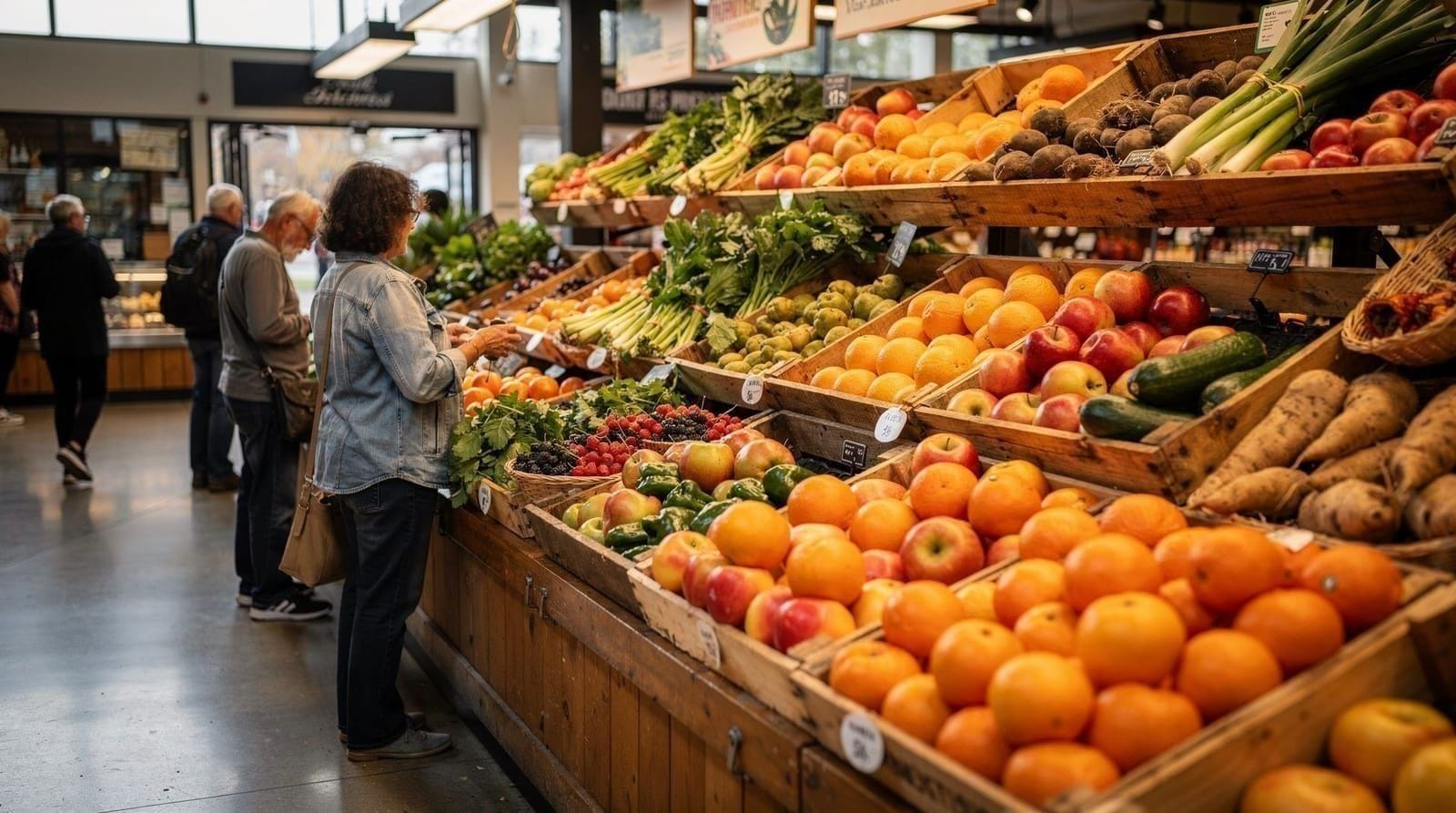
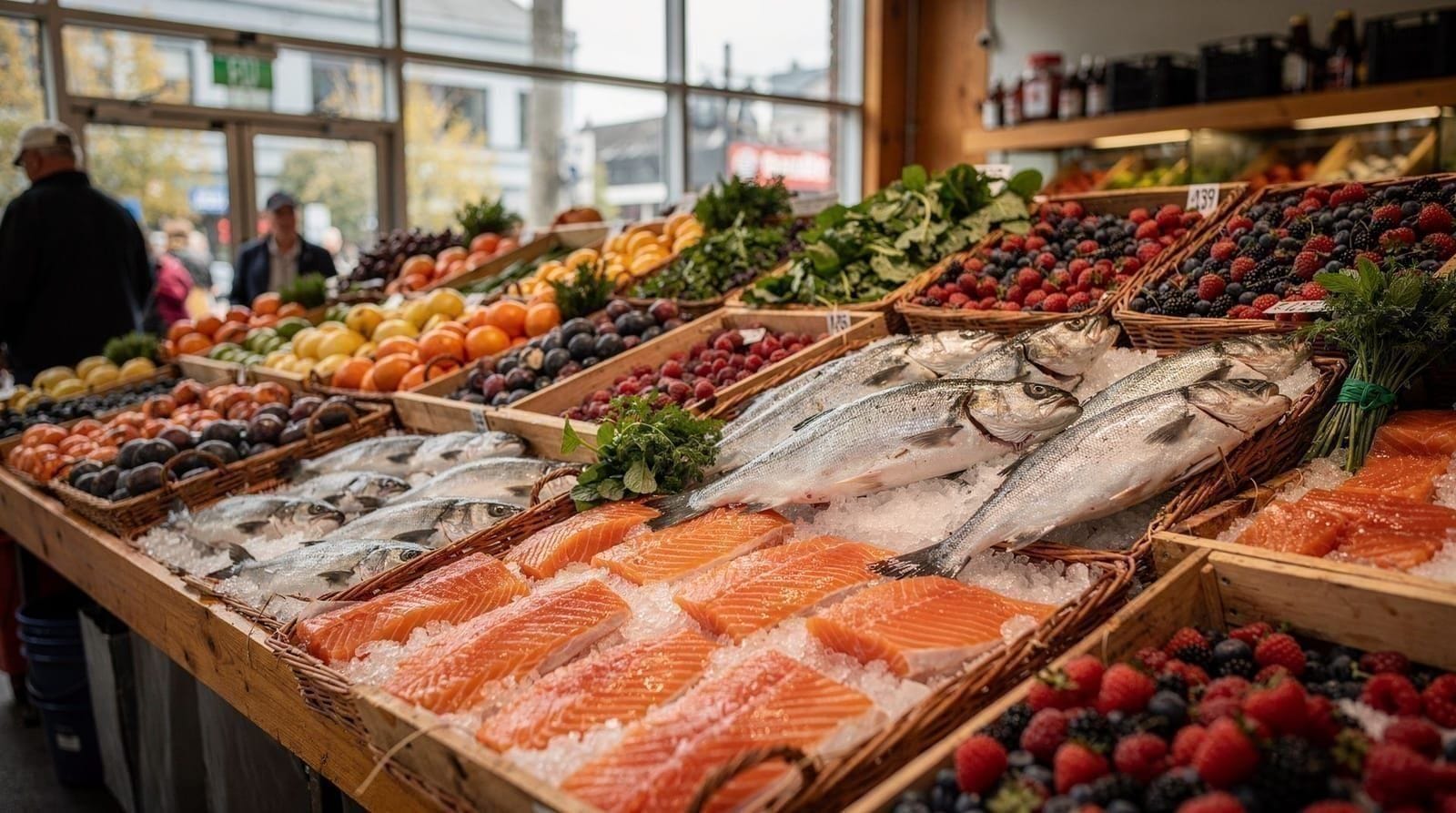
If a guided food experience matters more to you than the specific night-market format, a Granville Island market tour with tastings covers a comparable “wander a market and taste your way through it” format on a year-round, daytime schedule, or a Gastown walking food tour delivers a guided multi-stop tasting experience if a night market’s do-it-yourself, no-guide format isn’t what you’re after.
Neither replicates the Richmond Night Market experience directly, but both scratch a similar “graze your way through several food stops with some structure” itch if the market’s seasonal hours don’t line up with your trip.
Combining a night market visit with the rest of a trip
Because Richmond Night Market runs only in the evening, it slots naturally after a full day spent elsewhere in Vancouver — downtown sightseeing, Granville Island, or a Stanley Park walk earlier in the day, followed by the SkyTrain trip out to Richmond for dinner and grazing once the market opens. It’s not an efficient stop to combine with much else in Richmond itself on the same evening, since the market alone reasonably fills two to three hours once you factor in transit, browsing, and eating.
Travelers building a 2-day Vancouver itinerary around a broader food theme might consider slotting the night market into one evening and a Gastown food crawl into the other, giving a rough before-and-after comparison of Vancouver’s historic-neighborhood food scene against its suburban night-market format.
What not to skip
If you only have time for a handful of stalls, prioritize a skewer or grilled item, a mango-based dessert if it’s warm out, and at least one bubble tea, since those three categories are consistently well represented across vendors and give a reasonable cross-section of what the market does well. Rolled ice cream is worth seeking out for the visual novelty as much as the taste, particularly if traveling with kids who’ll enjoy watching it made. Save room rather than filling up on the first stall you pass — the point of a night market is breadth across many small tastes, not a single large meal, and it’s easy to underestimate how much food CAD 40-50 buys once you’re grazing five or six dollars at a time.
Practical logistics checklist
Wear comfortable shoes, since you’ll be standing and walking on uneven ground for a couple of hours. Bring a light jacket even in summer, since evening temperatures in the Vancouver area drop noticeably after sunset even on warm days. Check current opening dates and hours before your visit, since the season, days of operation, and any fee changes are set by the market operator each year and aren’t fixed from one season to the next. And plan your return SkyTrain trip in advance if you’re relying on transit late in the evening, since service frequency drops after a certain hour and the last trains back toward downtown do have a cutoff time worth knowing before you’re stranded at Bridgeport Station.
Dietary needs at the market
Vegetarian options exist at Richmond Night Market but require more stall-by-stall checking than at a sit-down restaurant, since most vendors specialize in one or two items and menus aren’t always posted with full ingredient detail. Grilled corn, mango desserts, bubble tea, and a handful of vegetable skewer stalls cover vegetarian needs reasonably well; strict vegan and gluten-free travelers will find the market harder going, since shared grills and fryers are common and cross-contamination isn’t something small stalls are typically set up to manage carefully.
If a serious allergy or dietary restriction is involved, ask vendors directly about ingredients before ordering rather than assuming, and don’t expect the level of allergen labeling you’d get at a sit-down restaurant chain. Travelers with significant dietary constraints may find a sit-down restaurant meal a safer bet than grazing a market where ingredient transparency varies stall to stall.
Comparing Richmond Night Market to Vancouver’s other food experiences
Set against the guided food tours covered elsewhere on this site, Richmond Night Market is the most do-it-yourself of Vancouver’s major food experiences — there’s no guide, no fixed itinerary, and no curation beyond your own instincts about which stall looks busiest or smells best. That’s part of its appeal for travelers who prefer to explore at their own pace, but it also means more legwork: no one is filtering out mediocre stalls for you, and with 100-plus vendors, some stalls will inevitably be better than others.
Compare that to a guided Gastown food tour, where a guide has already done that filtering across a smaller, curated set of stops, or a Granville Island food guide visit, where the market’s single-building format and generally consistent vendor quality make DIY exploration lower-risk. Richmond Night Market rewards travelers willing to wander and sample broadly rather than those wanting a tightly curated experience.
A note on the broader Richmond food identity
Richmond has one of the highest concentrations of Chinese-Canadian residents of any city in the Vancouver metro area, and that demographic reality shapes both the night market’s food stalls and the city’s broader daytime food scene — Richmond’s food identity leans heavily toward Cantonese, Northern Chinese, Taiwanese and other pan-Asian cuisines represented at a scale and authenticity that’s genuinely distinctive within the Vancouver region.
The night market captures a street-food, snack-focused slice of that broader identity; for a fuller picture that includes sit-down dim sum, hand-pulled noodles, and Taiwanese bakeries, the Richmond dumpling trail guide covers the daytime restaurant scene that the night market only hints at through its stalls.
Photography and evening light
Richmond Night Market photographs well after dark, when the strings of lights over the stalls and the steam rising off grills and fryers create a genuinely atmospheric scene — arrive close to opening if you want good light for photos before the aisles fill with people, since a market this dense gets difficult to shoot cleanly once peak crowds arrive around 7-8pm. A wide-angle lens or a phone’s wide mode captures the stall rows better than a standard framing, and low-light performance matters more here than at almost any other food stop covered on this site, given the market’s after-dark operating hours and string-light-dominant lighting.
Alternatives if the market is out of season or fully booked into your dates
If your trip dates fall outside the roughly May-through-early-October window, or the night market simply doesn’t fit your itinerary, Vancouver has several other ways to get a similar grazing, market-hopping food experience year-round.
A guided Granville Island market tour with tastings covers a comparable browse-and-sample format indoors, unaffected by season, while Chinatown’s dim sum scene offers a different but related Cantonese food experience within walking distance of downtown. Neither substitutes for the specific night-market atmosphere, but both keep a market-style food outing on the table even when Richmond Night Market itself is closed for the season.
Common mistakes first-time visitors make
The most common misstep is arriving hungry and filling up at the first stall, then having no room left for the ten or fifteen other things worth trying — pace yourself with small orders and share portions with travel companions rather than committing to full-size servings at every stop. A second common mistake is skipping the retail and game sections entirely in favor of food; even if food is the priority, a quick lap through the retail stalls costs nothing but time and gives a fuller sense of what the market actually is beyond its food reputation. Third, travelers sometimes underestimate how much walking and standing is involved and wear the wrong shoes, which becomes a real problem two hours into a crowded evening on uneven ground.
And finally, arriving without any cash and assuming every stall takes cards remains a real risk despite payment technology improving — a small cash reserve avoids the frustration of finding the one stall selling the exact skewer you wanted and discovering it’s cash-only.
Weather and what to wear
Richmond’s climate mirrors greater Vancouver’s — dry and mild May through September, with occasional evening showers even in the drier months given the region’s coastal weather patterns. Daytime temperatures in peak summer typically reach the low-to-mid 20s Celsius, but evenings cool off substantially once the sun sets, often dropping 8-10 degrees from the daytime high.
A light jacket or layer is worth bringing even on a warm-looking day, since you’ll be outdoors for the full duration of the visit rather than ducking indoors between stalls the way you might at an indoor market. Outside the market’s operating season, Richmond’s weather turns wetter and cooler in line with the rest of the Vancouver region’s fall and winter pattern, which is part of why the market doesn’t attempt to operate through those months in the first place — an open-air, string-light-lit format doesn’t translate well to persistent winter rain.
A realistic first-visit plan
For a first trip, arrive by SkyTrain around 6pm, do a full walking lap of the food section before ordering anything so you know what’s on offer and roughly where, then double back to the two or three stalls that stood out most. Order small portions at each stop rather than a full plate, share with whoever you’re with, and leave room for a mango dessert and a bubble tea near the end. Budget close to two hours for the food section alone if the market is busy, plus extra time for the retail and game stalls if those interest you. This paced approach consistently produces a better night than beelining for the first stall with a long line, which is what most first-timers do instinctively and regret by the fourth stall.
Frequently asked questions — Richmond Night Market guide
How do I get to Richmond Night Market without a car?
Take the Canada Line SkyTrain to Bridgeport Station, then either walk a short distance or catch the free shuttle the market runs during operating hours. This is the recommended approach, since on-site parking fills up and gets congested on weekend evenings.Is Richmond Night Market cash-only?
Historically many stalls preferred cash and the market itself charged a small cash entry fee, though this has been shifting toward card and mobile payment acceptance in recent seasons. Bring some cash as a backup regardless, since not every small vendor has reliably worked card payments.How much should I budget for a night at the market?
Figure roughly CAD 30-50 (about USD 20-35) per person for a good grazing session across several stalls, more if you're trying a wider range of dishes or bringing home retail items from the market's shopping stalls.Is Richmond Night Market good for kids and families?
Yes, generally — it's an outdoor, casual, walk-around format with a wide range of mild food options and some game stalls, though it does get crowded and loud on weekend evenings, which is worth considering with very young children or strollers.What happens if it rains?
Many food stalls operate under tent or awning cover, so the market usually continues in light rain, but it's still an outdoor event and a wet night means navigating puddled walkways between stalls. Bring a rain jacket rather than an umbrella given how crowded the aisles get.
Top experiences
Bookable activities with verified prices and instant confirmation on GetYourGuide.